Fish ingredient knowledge record

Cod, Baccalà & Stoccafisso

One fish identity, three very different kitchen forms. Learn how species, salt, air-drying and rehydration change cod—and how Tuscany Cuisine keeps every form accurate in recipes, inventory and purchasing.

Atlantic cod · Gadus morhua Lean white fish Baccalà · salt-cured Stoccafisso · air-dried Fish allergen
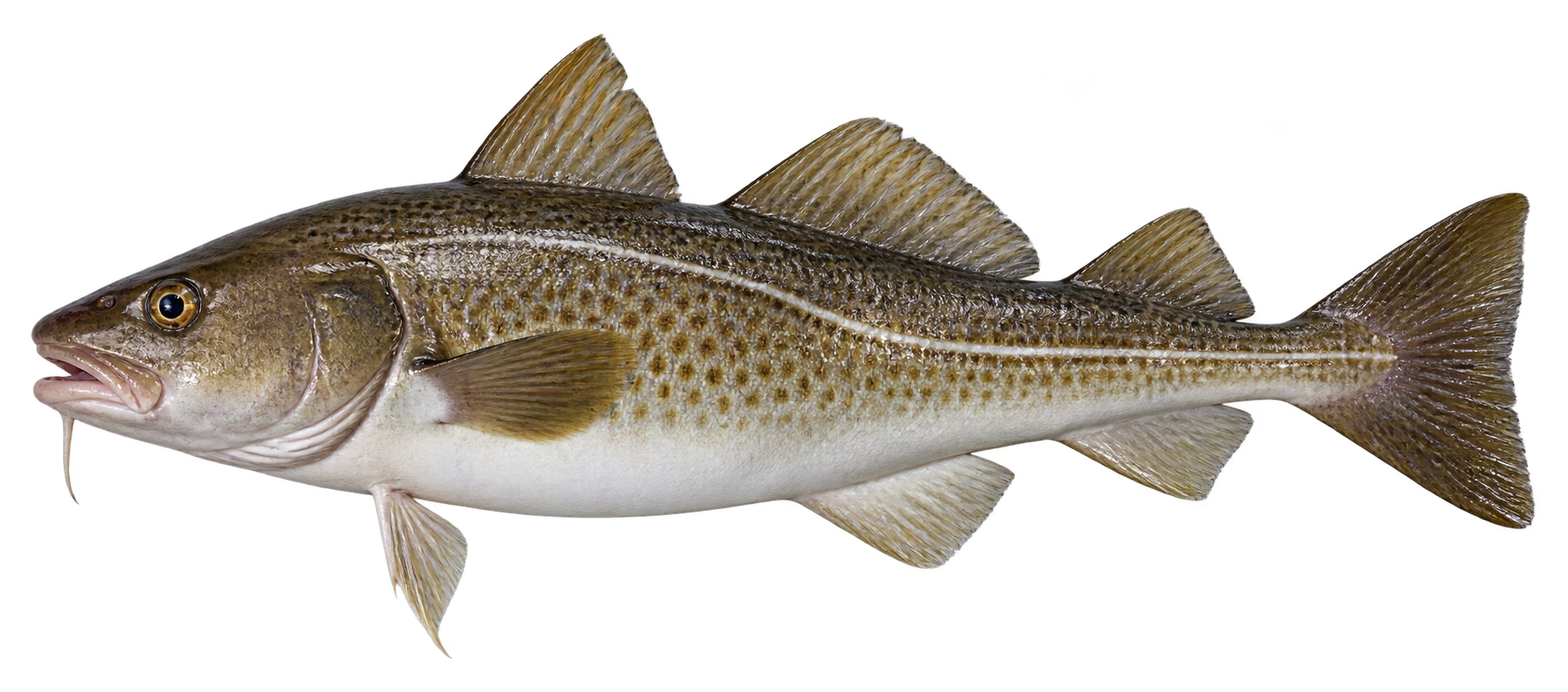
Whole Atlantic cod with a pale lateral line and chin barbel
Canonical cod icon · text-free so the recipe label can identify Cod, Baccalà or Stoccafisso
FamilyGadidae
ItalianMerluzzo
Fresh flavorMild · clean · sweet
AvailabilityYear-round in trade
Canonical unitg edible fish

Identity before technique

Cod species and misleading market names

“Cod” is a culinary family name as well as a regulated market name. For purchasing, always record the scientific species, origin, catch area, production method and preserved form.

Classic European cod

Atlantic cod

Gadus morhua

Heavy-bodied, with a chin barbel, three dorsal fins and a pale lateral line. Its mild, clean, lightly sweet flesh forms large flakes and is the traditional reference species for Norwegian stockfish and much European baccalà.

North Pacific

Pacific cod

Gadus macrocephalus

Mild, lean and flaky. NOAA describes it as slightly more moist and less firm than Atlantic cod. It is important in Alaska, the Bering Sea and North Pacific frozen and fresh markets.

Regional Arctic market

Greenland cod

Gadus ogac

A related northern species with more limited distribution. It should remain species-specific in a purchase specification rather than being silently substituted for Atlantic cod.

Do not alias

“Cod” that is not Gadus

Black cod or sablefish is rich, oily Anoplopoma fimbria. Rock cod is a loose market name. Haddock, pollock, saithe, ling and cusk are useful whitefish, but they are not interchangeable inventory records.

The essential distinction

Fresh cod, baccalà and stoccafisso

The same species can become three operationally different ingredients. Salt changes seasoning and sodium; dehydration changes yield, texture, flavor intensity and advance preparation.

Ingredient formPreservationFlavor and textureKitchen preparationInventory identity
Fresh or frozen cod Chilled or frozen without curing Mild, clean, lightly sweet; large, moist flakes Portion, pin-bone and cook directly after safe thawing; season normally cod_fresh
FISH-COD-001
Baccalà Salt-cured cod; it may be sold dry-salted, salted-and-dried, or already desalted Firm, savory and concentrated; can become creamy when worked with oil Soak dry-salted product under refrigeration in potable water, changing the water regularly; follow thickness and supplier instructions baccala
FISH-COD-BAC-002
Stoccafisso / stockfish Unsalted cod naturally air-dried on racks Concentrated, clean and aromatic; firm before soaking, tender and flaky after full rehydration Rehydrate under refrigeration—often for several days—with clean water changes; trim skin and bones according to the dish stoccafisso
FISH-COD-STO-003
Regional language matters. In most of Italy, baccalà means salt-cured cod and stoccafisso means unsalted air-dried cod. In Veneto, however, famous preparations called baccalà—including baccalà alla vicentina and often baccalà mantecato—traditionally use stockfish. The supplier label and preservation method are the final authority.

From northern wind to Tuscan table

A preservation history built for travel

  1. Cold, wind and low humidity allowed northern communities to dry cleaned cod on open-air racks. Removing water made stockfish lighter, durable and practical for winter storage and long sea journeys.

  2. Dried cod was already moving through European markets before the celebrated Venetian voyage of Pietro Querini. Bergen and northern Atlantic ports connected Arctic fisheries with continental trade.

  3. After a shipwreck, Venetian merchant Pietro Querini and surviving crew reached Røst in Norway’s Lofoten islands. His account gave the stockfish route a lasting human story and strengthened its cultural link with Venice and Italy; it did not mark the invention of stockfish.

  4. Salt curing—and, for clipfish, salting followed by drying—created another durable whitefish trade across Iberia, the Mediterranean, the Atlantic world, Africa, the Caribbean and South America. Catholic fasting traditions helped preserved fish become regional cuisine rather than merely cargo.

  5. Once rehydrated, northern cod absorbed local olive oil, tomato, onions, milk, chickpeas, potatoes, herbs and peppers. Tuscany, Veneto, Liguria, Campania, Calabria and Sicily developed distinct preparations.

Nutrition reference

Lean protein—until the cure changes the numbers

Representative NOAA values below are for 100 g of uncured fish. A preserved product’s label must replace these figures for costing, menu claims and medical nutrition work.

Atlantic cod · 100 g
82kilocalories
17.81 gprotein
0.67 gtotal fat
0 gcarbohydrate
33.1 µgselenium
54 mgsodium

Source: NOAA Fisheries Atlantic cod seafood facts. Values are representative, not a substitute for a product specification.

Flavor and professional technique

Choose the form for the finished texture

Cod is a receptive canvas, but the cure determines whether the cook should protect delicate flakes, soften concentrated fibers or emulsify the fish into a rich spread.

Fresh / frozen

Poach, roast, sauté or steam

Use gentle heat and pull the fish when the thickest flakes just separate. Butter, olive oil, lemon, white wine, capers, parsley, tomato and potatoes complement its clean sweetness.

Baccalà

Braise, fry or whip

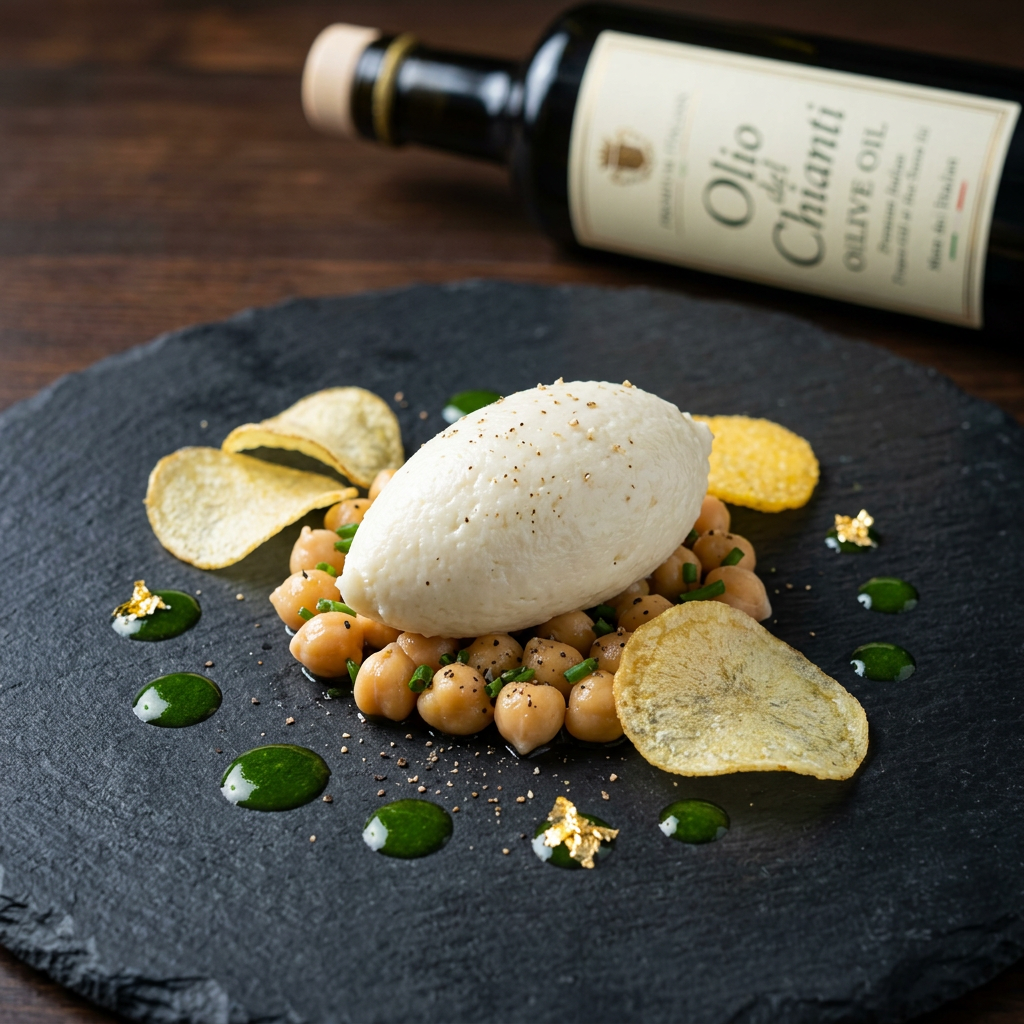
After desalting, use for croquettes and fritters, tomato braises, Livornese-style preparations, brandade-like emulsions, mousse and creamy quenelles. Taste before adding any salt.

Stoccafisso

Rehydrate, then cook slowly

Its concentrated fibers suit long braises, chickpeas, potatoes, aromatics and olive oil. Fully hydrated flesh can also support precise modern preparations and gentle sous vide finishing.

extra virgin olive oilgarlicparsleylemontomatoonionchickpeaspotatocaperswhite winemilkpolenta

Buying, soaking and storage

Professional quality checkpoints

Fresh and frozen

Clean, cold and resilient

  • Fresh fillets should look moist and translucent-to-ivory, not dull or gaping excessively.
  • The aroma should be clean and marine, never sour, ammonia-like or strongly “fishy.”
  • Frozen portions should have intact packaging with minimal dehydration, heavy frost or freezer burn.
  • Keep the cold chain documented and thaw under refrigeration.
Baccalà

Even cure, no rancidity

  • Specify species, bone status, thickness, salt-cured versus salted-and-dried, and whether the product is already desalted.
  • Choose clean ivory-to-pale flesh with an even cure and no yellow rancid fat, slime, mold or off odor.
  • Soak in a covered food-safe container under refrigeration with potable water changes.
  • Record soaked yield and salt loss for accurate recipe costing.
Stoccafisso

Hard, dry and clean

  • A whole dried fish should be very hard, clean and dry, without insect damage, dampness, mold or rancid odor.
  • Grade, size and thickness affect rehydration yield and timing.
  • Rehydrate only under refrigerated, hygienic conditions; follow the producer’s directions.
  • After rehydration, treat it as highly perishable fish and keep it cold.
Food-safety note: soak preserved fish under refrigeration, not on a warm counter. Exact time, shelf life and critical limits belong in the supplier specification and the kitchen’s validated food-safety plan.

Seasonality and world production

Cold-water fisheries, global food cultures

Cod is wild-caught across the North Atlantic and North Pacific. Frozen logistics and curing make it available year-round, but harvest windows, stock condition, quotas and certifications remain species- and origin-specific.

2,893 tNorwegian stockfish exports in 2025; Italy, Croatia and Nigeria were the largest markets reported by the Norwegian Seafood Council.
Year-roundCommercial availability through frozen, salted and dried formats. Fresh quality peaks depend on the individual fishery and landing season.
Norway and the Barents / Norwegian seas
Atlantic cod and seasonal skrei support fresh, frozen, saltfish, clipfish and stockfish production. Lofoten’s cold, windy late-winter and spring conditions are central to traditional rack drying.
Iceland, Faroe Islands and wider North Atlantic
Important Atlantic cod sources with fresh, frozen and cured processing. Purchasing must identify species, catch area, gear and product form.
Alaska and the North Pacific
Pacific cod is an important mild whitefish from Alaska, the Bering Sea and Pacific coastal fisheries, widely distributed frozen and fresh.
Southern Europe, Africa, the Caribbean and the Americas
Portugal, Spain, Italy, Brazil, the Dominican Republic, West and Central Africa and many island cuisines transformed imported cured fish into deeply local dishes.
Sustainability is not a permanent species-wide label. Verify the current stock, catch area, gear, legality, traceability and credible certification or advisory at the time of purchase.

Tuscany Cuisine platform

One cod icon, three ingredient records

The shared icon keeps the species visually consistent. The visible recipe text, ingredient code and inventory ID preserve the exact purchasing form—so salt cod is never costed or prepared as fresh cod, and stockfish never inherits baccalà’s salt profile.

Cod ingredient icon
FISH-COD-001

Cod

Recipe label
Cod
Inventory ID
cod_fresh
Page anchor
#fresh-cod
Icon
/academy/culinary-foundations/fishes/cod.png
0
compatible stored recipe records
Cod icon used for stoccafisso
FISH-COD-STO-003

Stoccafisso

Recipe label
Stoccafisso
Inventory ID
stoccafisso
Page anchor
#stoccafisso
Icon
/academy/culinary-foundations/fishes/cod.png
0
compatible stored recipe records

Preparing the three cod ingredient records…

Editorial sources

Research and further reading

Nutrition, stock status, rules and trade figures change. Review the current source and supplier specification whenever the page or a purchasing standard is updated.

  1. NOAA Fisheries — Atlantic cod species and seafood facts
  2. NOAA Fisheries — Pacific cod species and seafood facts
  3. FAO / Codex Alimentarius — Standard for salted and dried salted fish of the Gadidae family (CXS 167-1989)
  4. Norwegian Seafood Council — Cured Norwegian fish across the globe
  5. USDA FoodData Central — cod nutrition records
  6. Chef David Giani — Stoccafisso o Baccalà: Understanding the Tuscan Classics

Page reviewed August 16, 2026. This is culinary education and purchasing guidance, not medical advice or a substitute for a validated HACCP plan.