Capsicum annuum foundation
The great majority of paprika comes from cultivated forms of Capsicum annuum. These may be sweet, mildly hot or moderately hot varieties bred for thin walls, vivid red color and good drying quality.

Tuscany Cuisine Ingredient Library · Origin, spice styles, pepper identity and culinary usage
Paprika is a ground red pepper spice made by drying and milling ripe peppers, usually selected from sweet or gently pungent Capsicum annuum varieties. It is one of the most visually expressive spices in the kitchen, bringing color, gentle warmth or smoky depth depending on the style.
This page organizes paprika by origin, tradition, pepper type, fabrication method, spice styles and professional culinary use so it can function as both an educational page and a synchronized Tuscany Cuisine ingredient record.
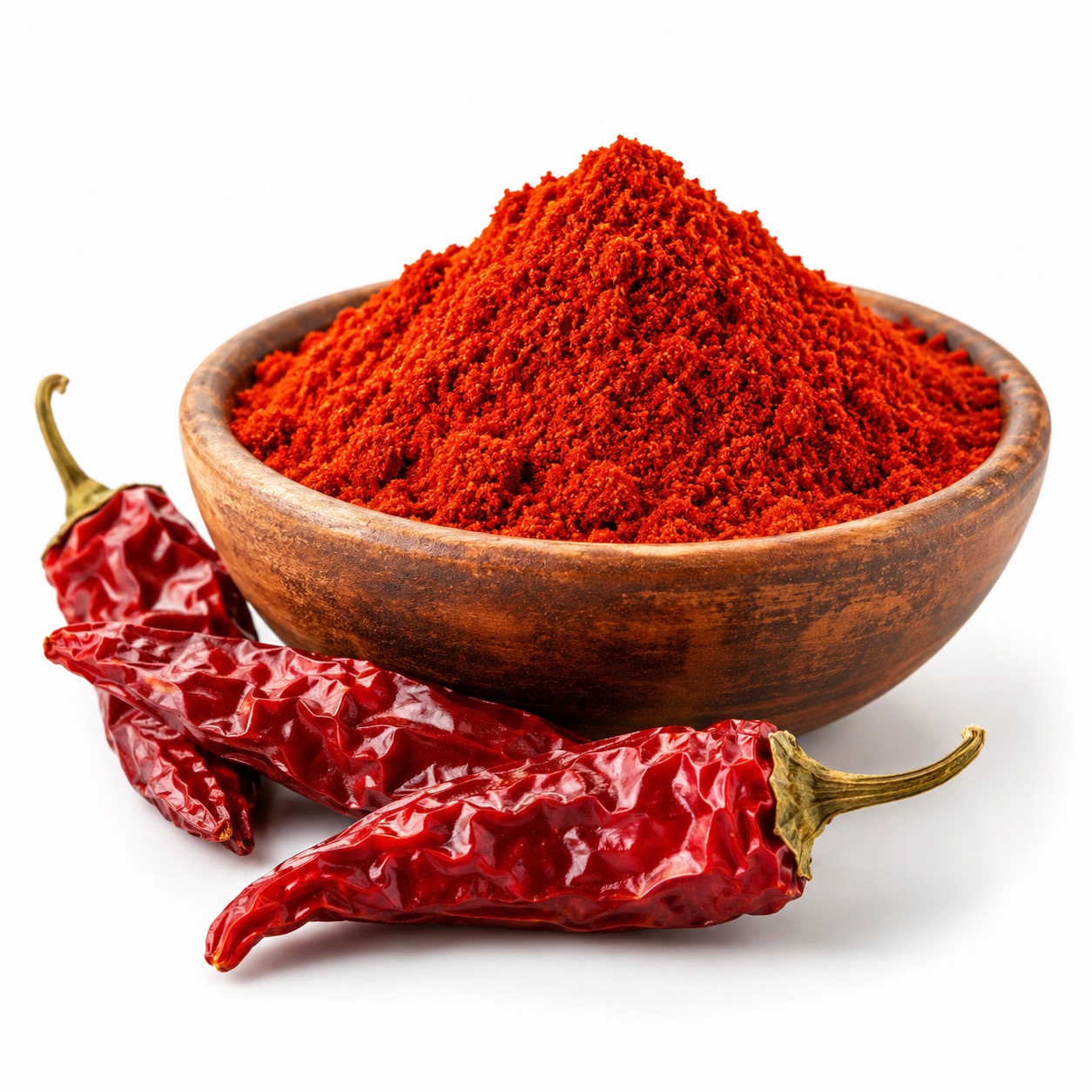
Paprika belongs to the larger story of peppers traveling from the Americas into European kitchens, where local cultivation and spice traditions transformed dried red peppers into a signature seasoning.
Most paprika is made from selected red peppers rather than from random hot chilies. The goal is often color, sweetness, aroma or a controlled level of heat.
The great majority of paprika comes from cultivated forms of Capsicum annuum. These may be sweet, mildly hot or moderately hot varieties bred for thin walls, vivid red color and good drying quality.
For sweet or mild paprika, producers often prefer peppers that ripen fully to a strong red color and deliver fruitiness with minimal aggressive heat. Removing seeds and inner ribs helps keep the spice gentler and more elegant.
Strong or hot paprika can come from pepper selections with more natural pungency or from grinding methods that retain more of the hotter interior tissues. The result is deeper heat, stronger aroma and a more assertive finish.
For culinary use it is helpful to think of paprika as a spectrum of styles. The names vary by country and producer, but these working categories are practical in the kitchen.
| Style | Character | Color & aroma | Typical uses |
|---|---|---|---|
| Sweet / mild paprika | Low heat, rounded pepper sweetness, gentle fruitiness | Bright red to red-orange; clean and soft aroma | General seasoning, soups, vegetables, eggs, poultry, potato dishes and finishing color |
| Semi-sweet / bittersweet paprika | Balanced sweetness with a slightly more serious pepper note | Red with more earthy depth | Stews, braises, sauces, sausage blends and robust savory dishes |
| Strong / hot paprika | Noticeable heat with an assertive pepper finish | Deep red; warmer, more pungent nose | Goulash, spicy sauces, meat rubs, braises and dishes that need both color and heat |
| Smoked paprika | Sweet, bittersweet or hot, but with a clear smoke signature | Red to deep brick-red; roasted wood-smoke aroma | Charcuterie, legumes, potatoes, roasted vegetables, seafood, grilled meats and marinades |
| Roasted / dark paprika | Deeper, darker and more savory, sometimes slightly bitter if pushed far | Dark red or brown-red; warm, toasted aroma | Dark sauces, spice rubs, braises, barbecue-style preparations and richer winter dishes |
Paprika quality depends heavily on ripeness, drying method and how carefully the peppers are milled and protected from oxidation.
Paprika is valued as much for color as for taste. It can brighten pale foods, reinforce red sauces or give a dish a warm terracotta hue.
Depending on style, paprika can taste sweet, fruity, earthy, mildly bitter, peppery, warm or smoky. Sweet styles are gentle and rounded; hot styles push toward assertive warmth; smoked styles add a distinct fire-dried depth.
Briefly blooming paprika in fat unlocks aroma and color, but overheating it causes bitterness and dullness. Add it to warm oil, butter or rendered fat for a few seconds, then move on with the liquid or main ingredients.
Paprika is extremely versatile because it seasons, colors and can contribute either delicacy or strength depending on the selection.
One of paprika's classic homes. It supports meat, onions and stock beautifully and gives body and warmth to long-cooked dishes.
Especially useful in poultry, pork and barbecue preparations. Smoked or dark paprika adds depth, while sweet paprika builds color without too much heat.
Roasted potatoes, peppers, eggplant, cauliflower and legumes all respond well to paprika, particularly when olive oil carries the spice evenly.
Sweet paprika is excellent for finishing deviled eggs, omelets or soft eggs, giving color and mild pepper aroma.
Use paprika to color pilafs, rice dishes, vinaigrettes, aioli-based sauces or tomato-forward sauces where a round pepper note is welcome.
Smoked paprika pairs naturally with shellfish, grilled fish and cured meats. It is also a classic spice family for sausage and preserved-meat formulations.
Because paprika is a ground spice, it is vulnerable to fading and aromatic loss. Good handling matters.
Look for vivid color, a clear pepper aroma and a fine dry texture without damp clumps. Fresh paprika should smell alive and clean, never stale, cardboard-like or oily-rancid.
Store paprika in airtight containers away from light and heat. Rotate inventory regularly and do not keep it too close to the stove, because heat dulls both aroma and color.
This paprika page is also prepared to function as a system ingredient page for recipe integration, inventory, purchasing and master search.
TC-ICON-SPICE-PAPRIKA
Quick answers for cooks, menu planning and ingredient organization.
No. Paprika is generally a pure ground pepper spice, while many chili powders are blends that may contain cumin, garlic, oregano or other seasonings.
Not necessarily. Dark paprika can indicate a deeper roast, a more mature pepper lot or a stronger style, while smoked paprika specifically refers to peppers dried with smoke.
Yes. Mild sweet paprika is frequently used as a finishing touch for eggs, potatoes, hummus-style dishes and composed plates where color is important.
Ground spices lose volatile aroma and color over time. Excess heat, air and light accelerate that loss, making paprika stale and dusty.