

Recipe Overview
This risotto is built on Carnaroli rice and enriched with the recovered braising sauce from the Braised Short Ribs entrée rather than relying only on stock. The result is a layered savory profile balanced by sweet peas, concentrated tomato confit, and earthy sautéed mushrooms. Operationally, the dish demonstrates restaurant cross-utilization: one short-rib braise supports both a Secondi entrée and a second sellable primo, improving use of the original preparation while reducing avoidable waste.
Chef Notes
Toast the Carnaroli gently so the grains stay distinct. Keep both the short ribs sauce and stock hot during cooking, and finish the risotto at the last moment for an all’onda consistency. Prepare the pea purée, tomato confit, and mushrooms before final risotto service so the garnish is ready when the rice reaches its proper texture.
Connected Experience
Ingredient icons connect the recipe to the Ingredients Library and Live Inventory, while the Pasta Station, labor profile, search metadata, Menu Builder, and purchasing links carry the dish into the wider Tuscany Cuisine operations platform.
One Preparation, Two Dishes — Profitable Menu Cross-Utilization
Use the Braised Short Ribs entrée production to create a second sellable dish while protecting flavor, food cost, and kitchen yield.
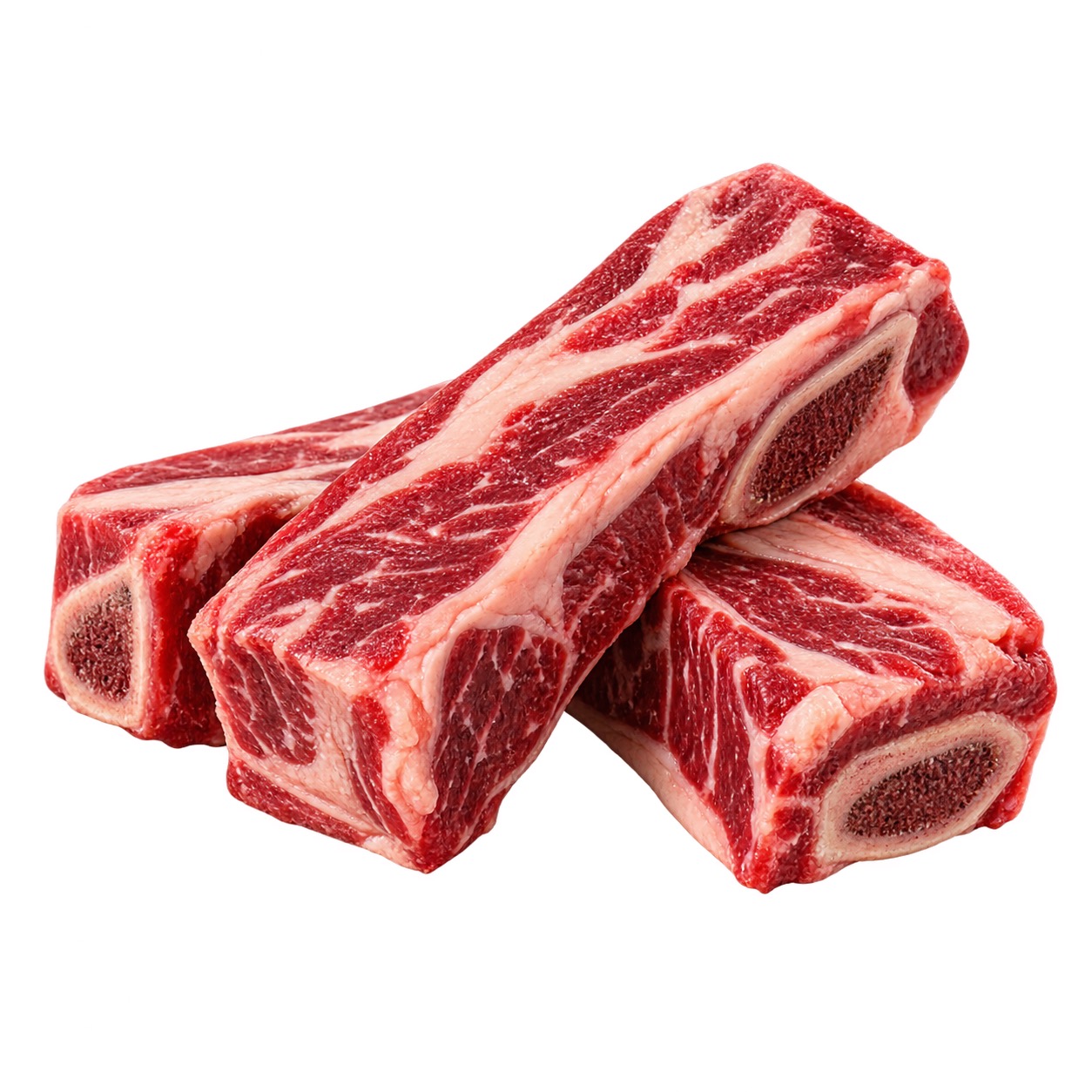
The beef short ribs are first prepared as the Braised Short Ribs entrée. During that preparation, the meat releases beef juices and gelatin into the braising liquid, while the wine, stock, aromatics, vegetables, and seasonings build a deeply flavored sauce. Instead of treating that sauce as a by-product, Tuscany Cuisine records it as a usable prepared component.
🎬 From Rice to Risotto — Learn the Technique
Build the Rice Structure Before Adding the Rich Beef Sauce
Before preparing this Beef Short Ribs Sauce Risotto, explore From Rice to Risotto to study Carnaroli structure, rice toasting, gradual liquid absorption, controlled starch release and proper mantecatura. These fundamentals are especially important in this recipe because the concentrated short-rib braising sauce adds gelatin, seasoning and richness to the cooking liquid. Understanding the rice first helps preserve an al dente center and an all’onda texture while balancing the beef sauce with pea purée, tomato confit and sautéed mushrooms.
Culinary film and professional rice guide by Chef David Giani · Tuscany Cuisine
Ingredients
-
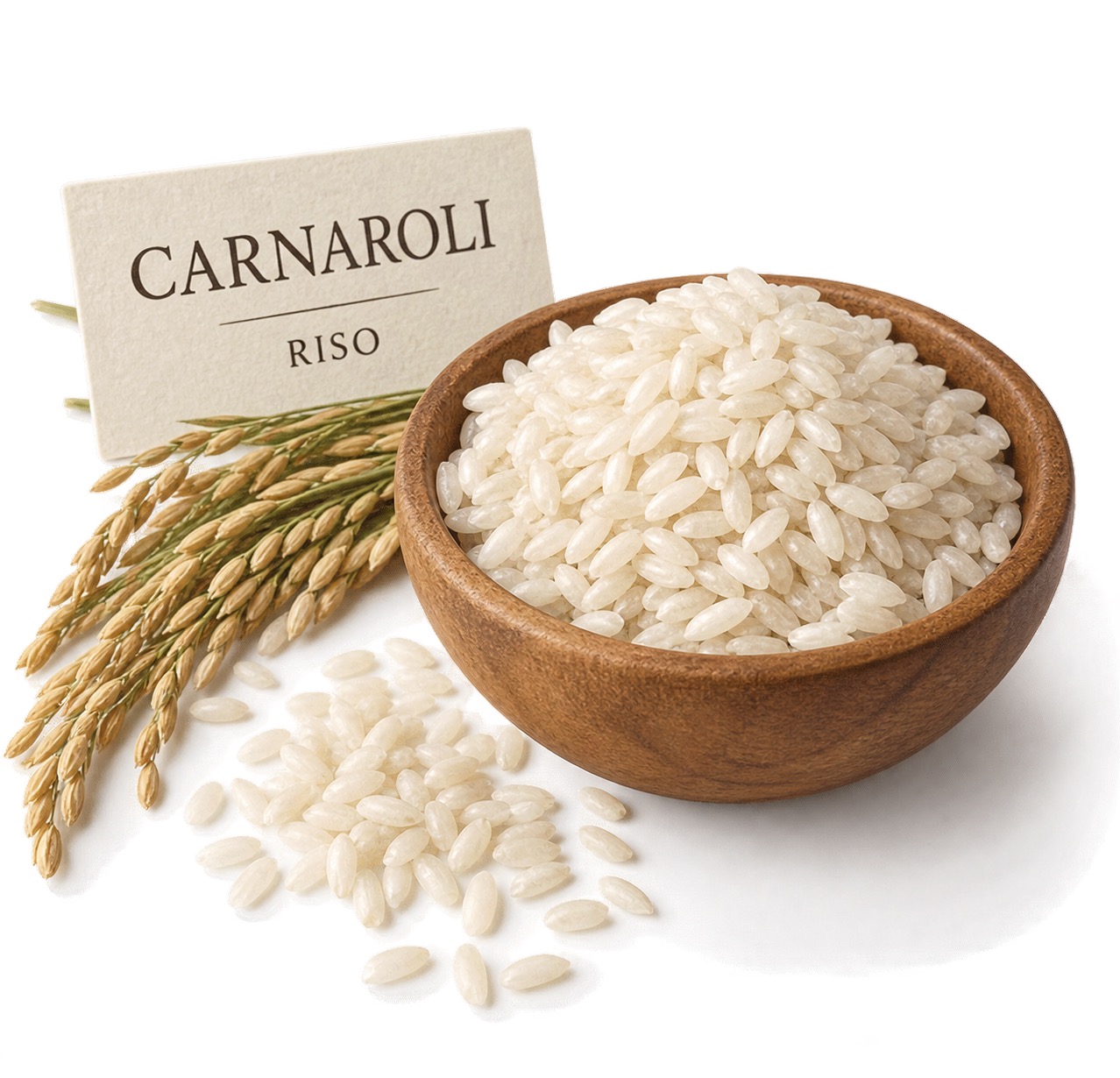 Carnaroli Rice
— 400 g
carnaroli_rice
-
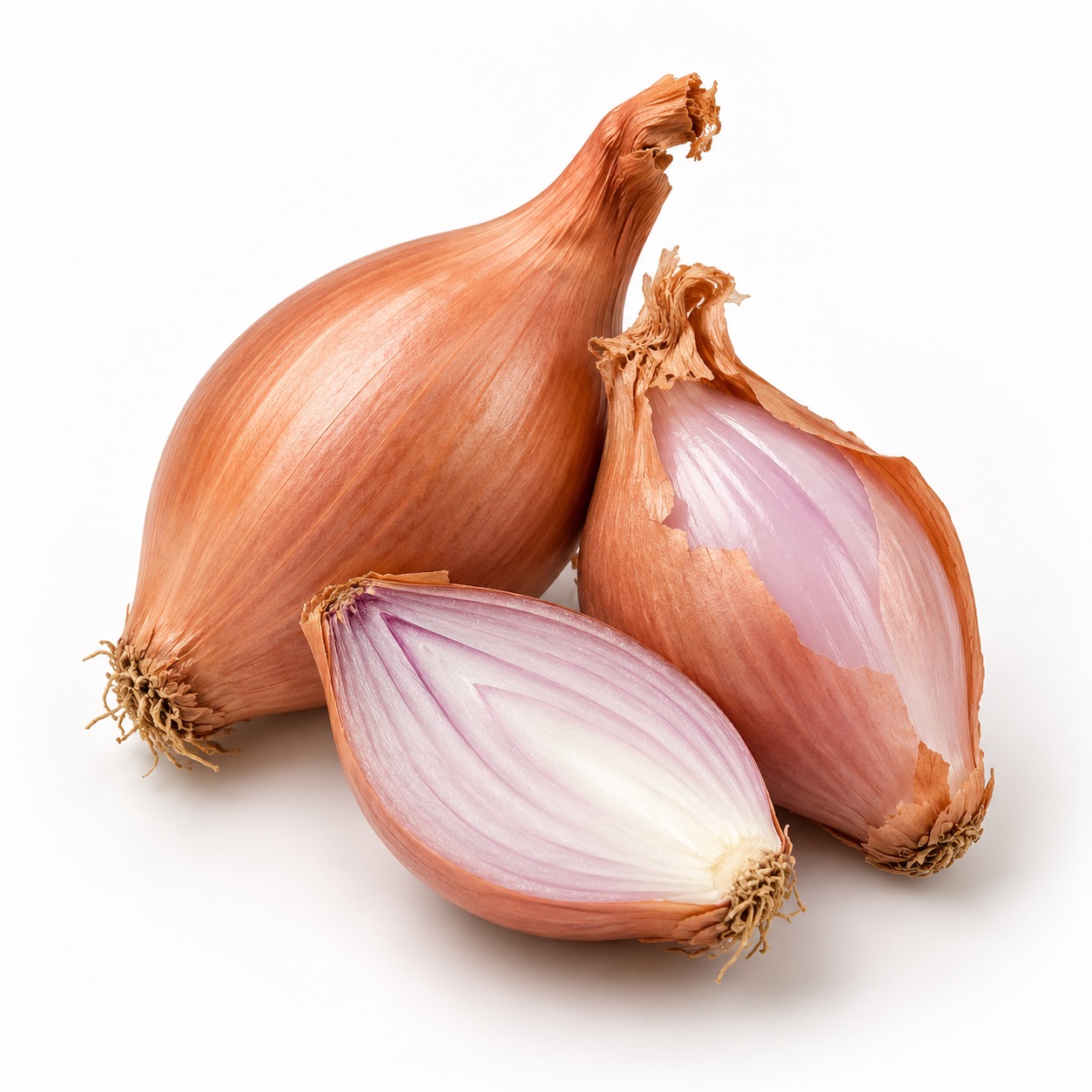 Shallot
— 2 each — finely chopped
VEG-SHALLOT-001
-
Braised Short Ribs Sauce
— 960 ml — hot; recovered from the
Braised Short Ribs entrée preparation
short_ribs_sauce
-
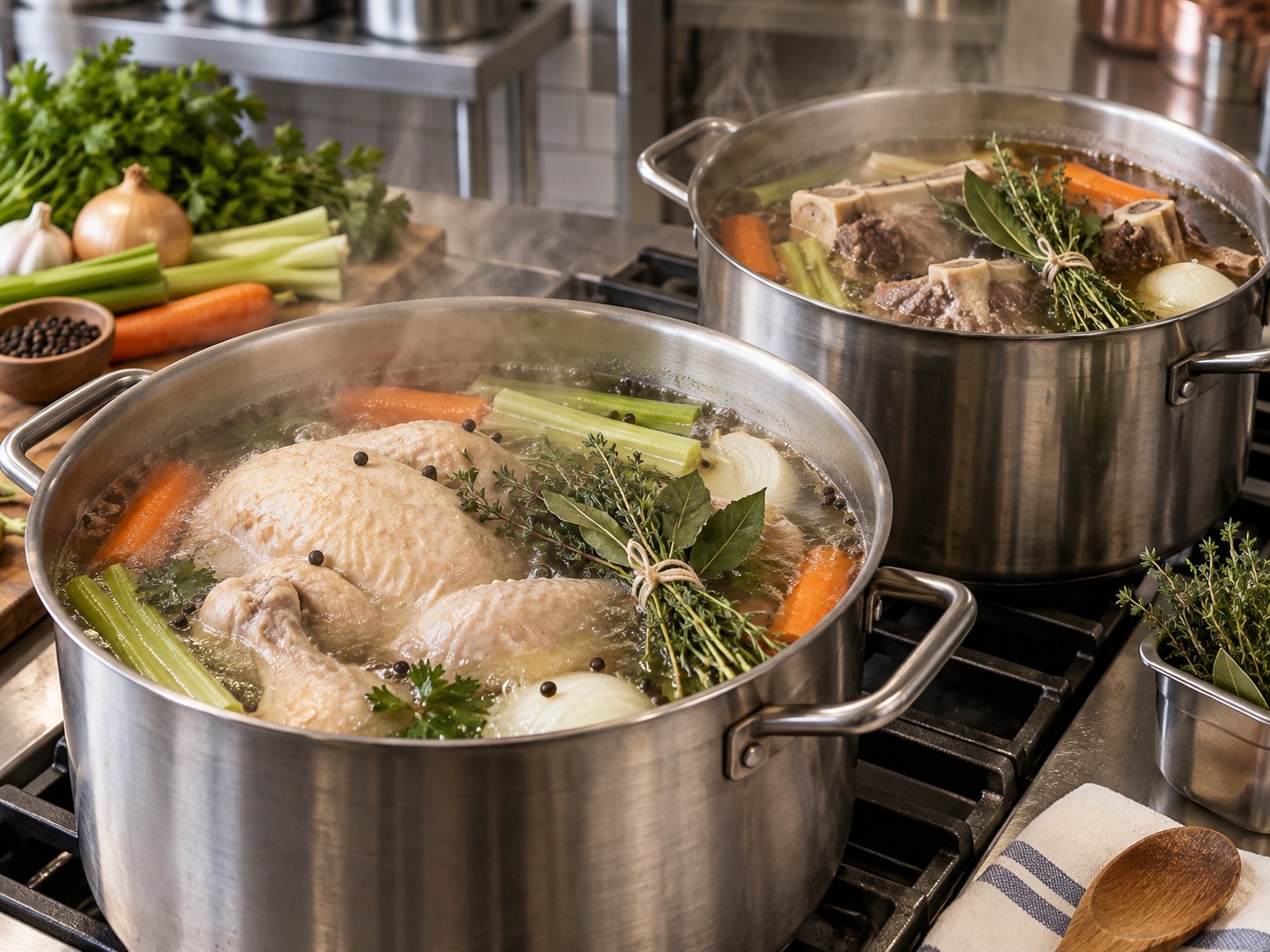 Beef or Chicken Stock
— 960 ml — hot; prepared from the
Tuscany Cuisine Chicken & Beef Stock foundation recipe
beef_chicken_stock
-
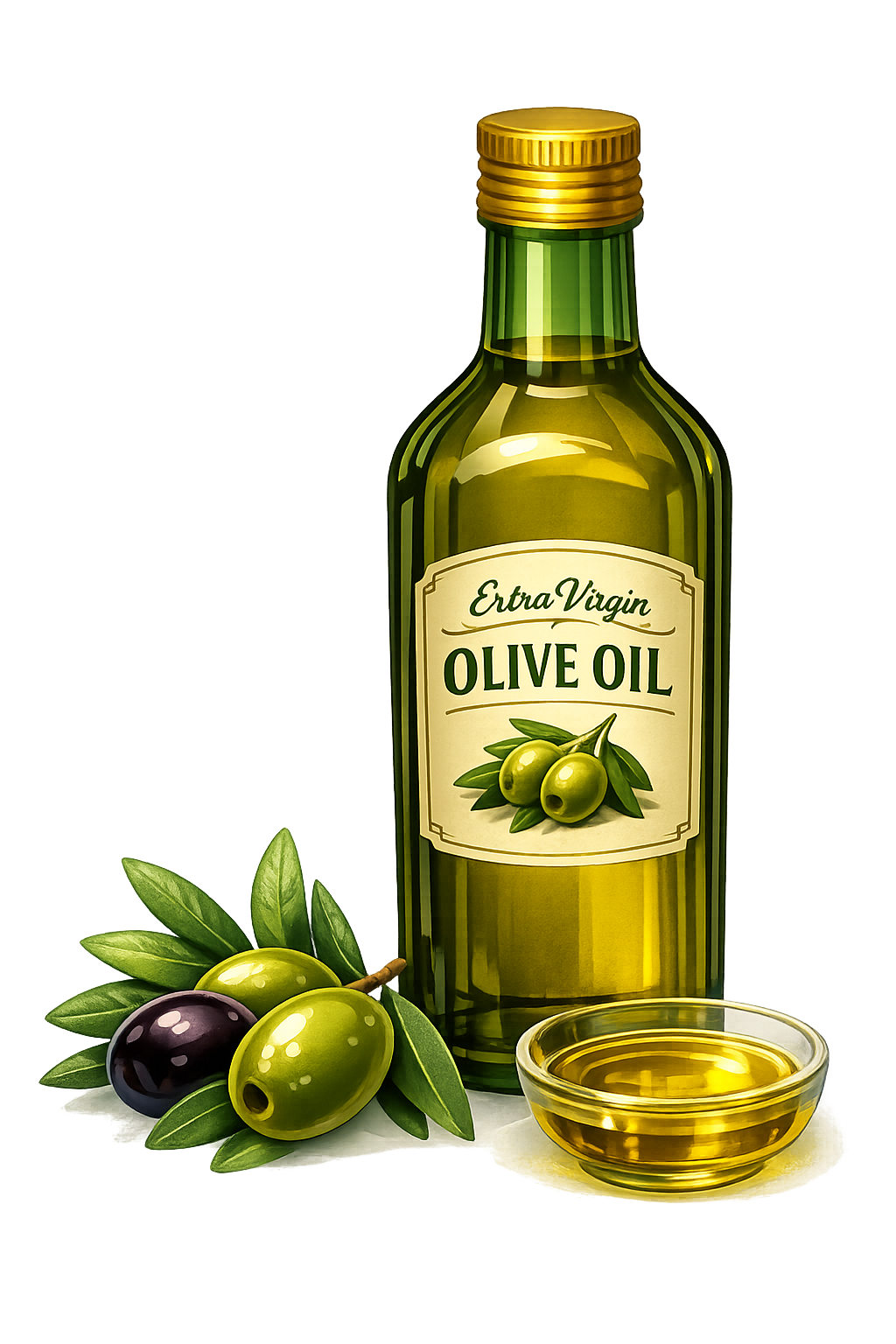 Extra Virgin Olive Oil
— 120 ml — divided
OIL-0001
-
 Fresh Green Peas
— 150 g — for pea purée
TC-VEG-GREEN-PEAS-001
-
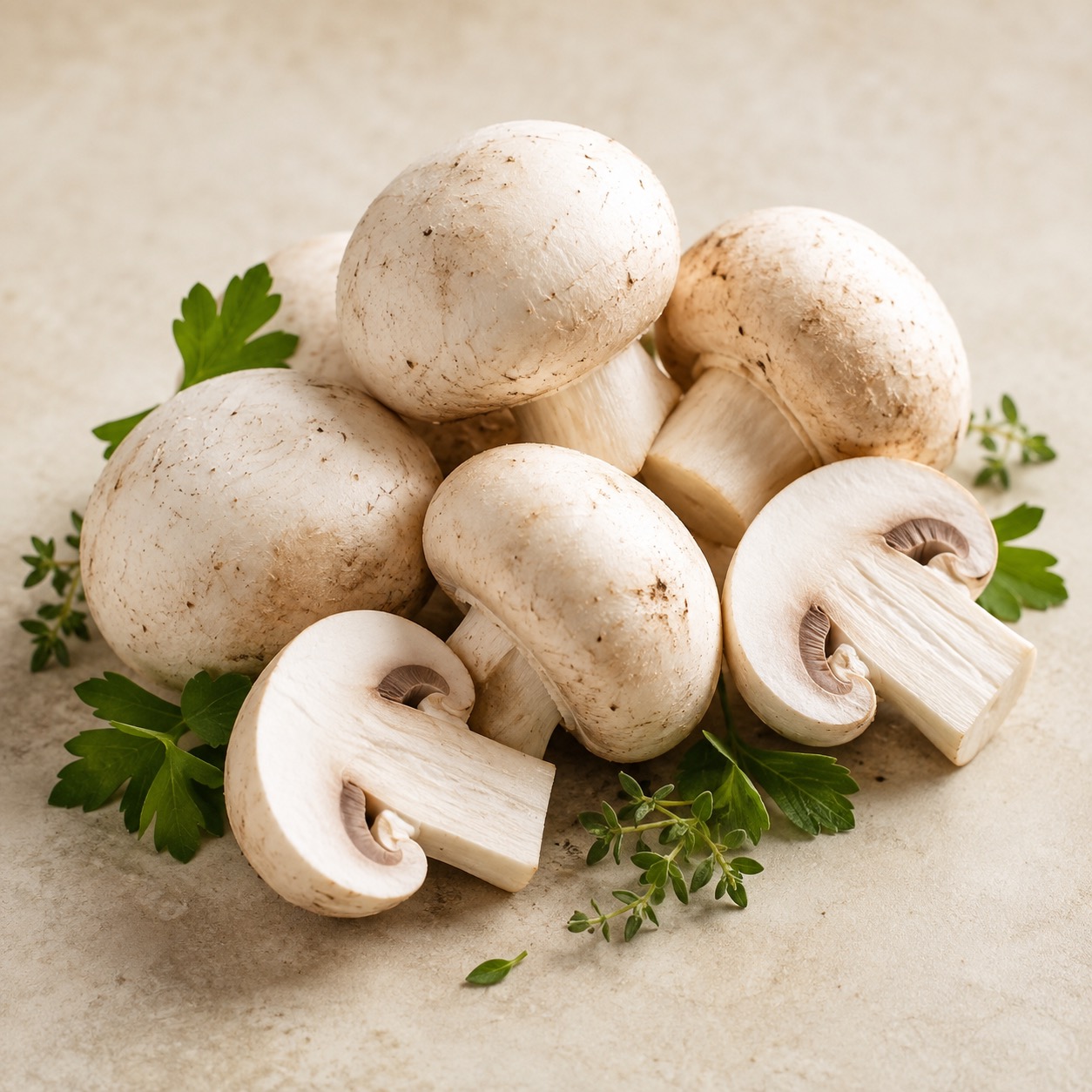 Button Mushrooms
— 450 g — sliced
PRODUCE-MUSHROOM-BUTTON-001
-
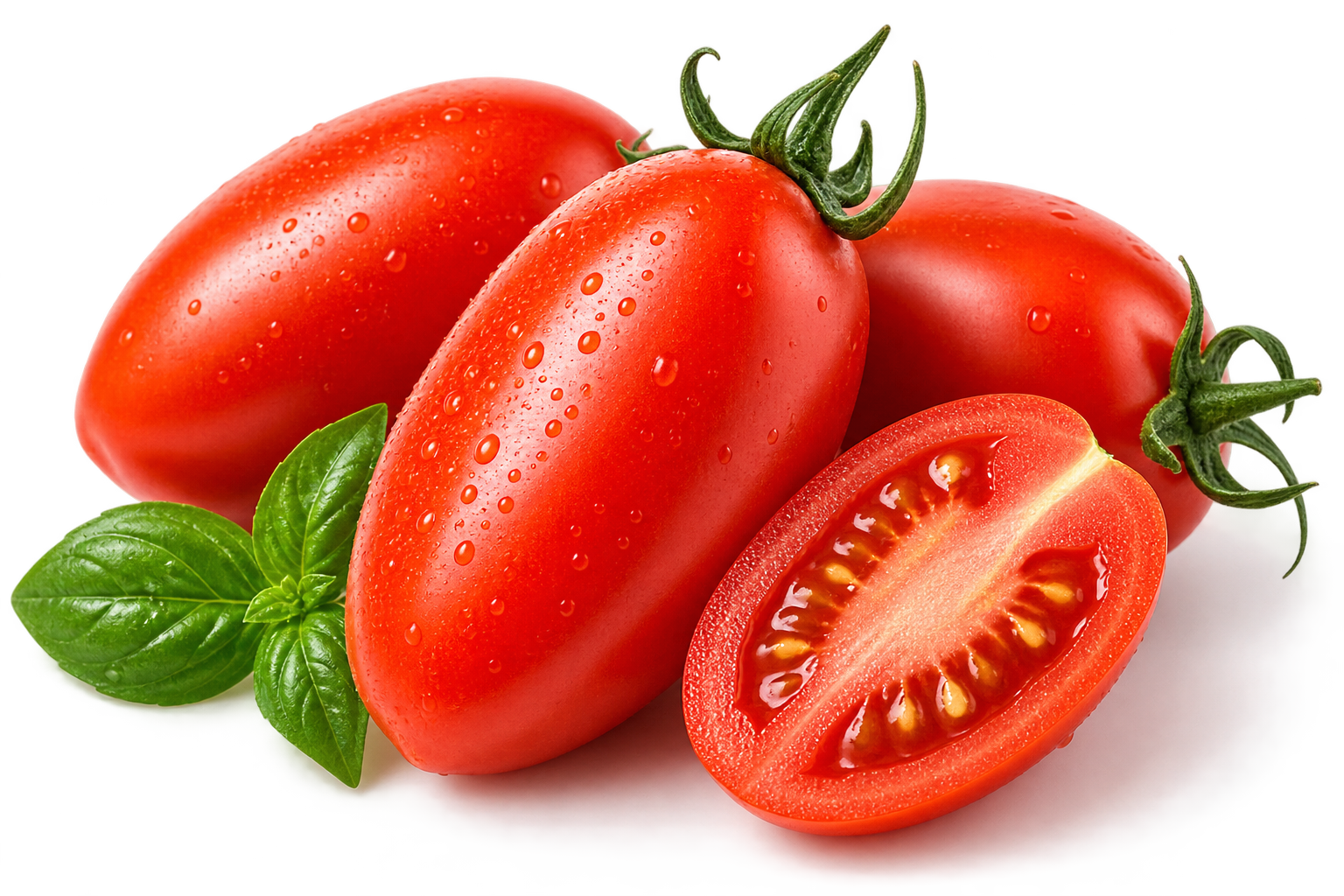 Roma Tomato
— 2 each — for tomato confit
roma_tomato
-
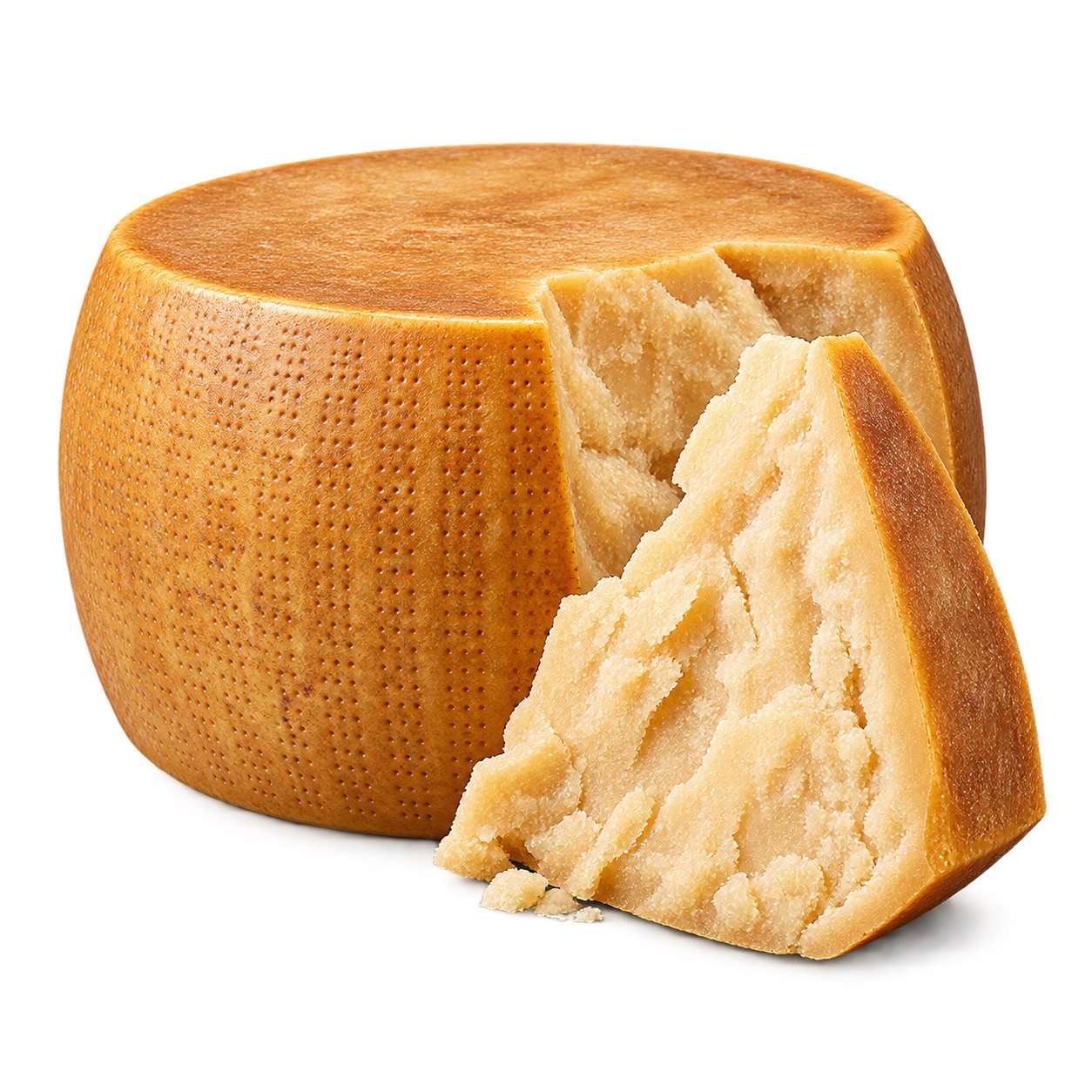 Parmigiano Reggiano
— 80 g — grated
TC-DAIRY-PARMIGIANO-REGGIANO
-
 Sea Salt
— to taste — to taste
SPICE-SALT-0001
-
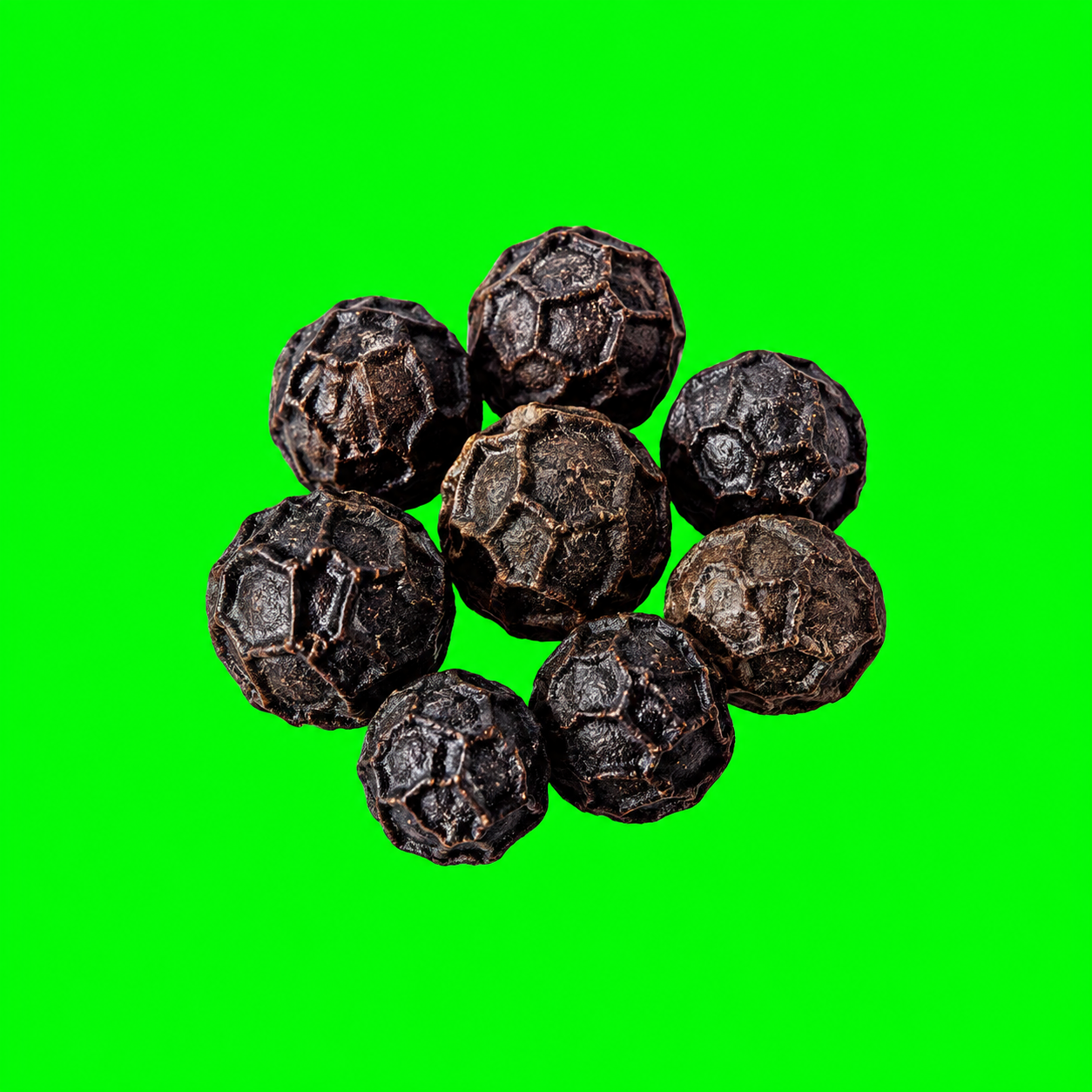 Black Pepper
— to taste — freshly ground, to taste
SPICE-PEPPERCORN-BLACK
-
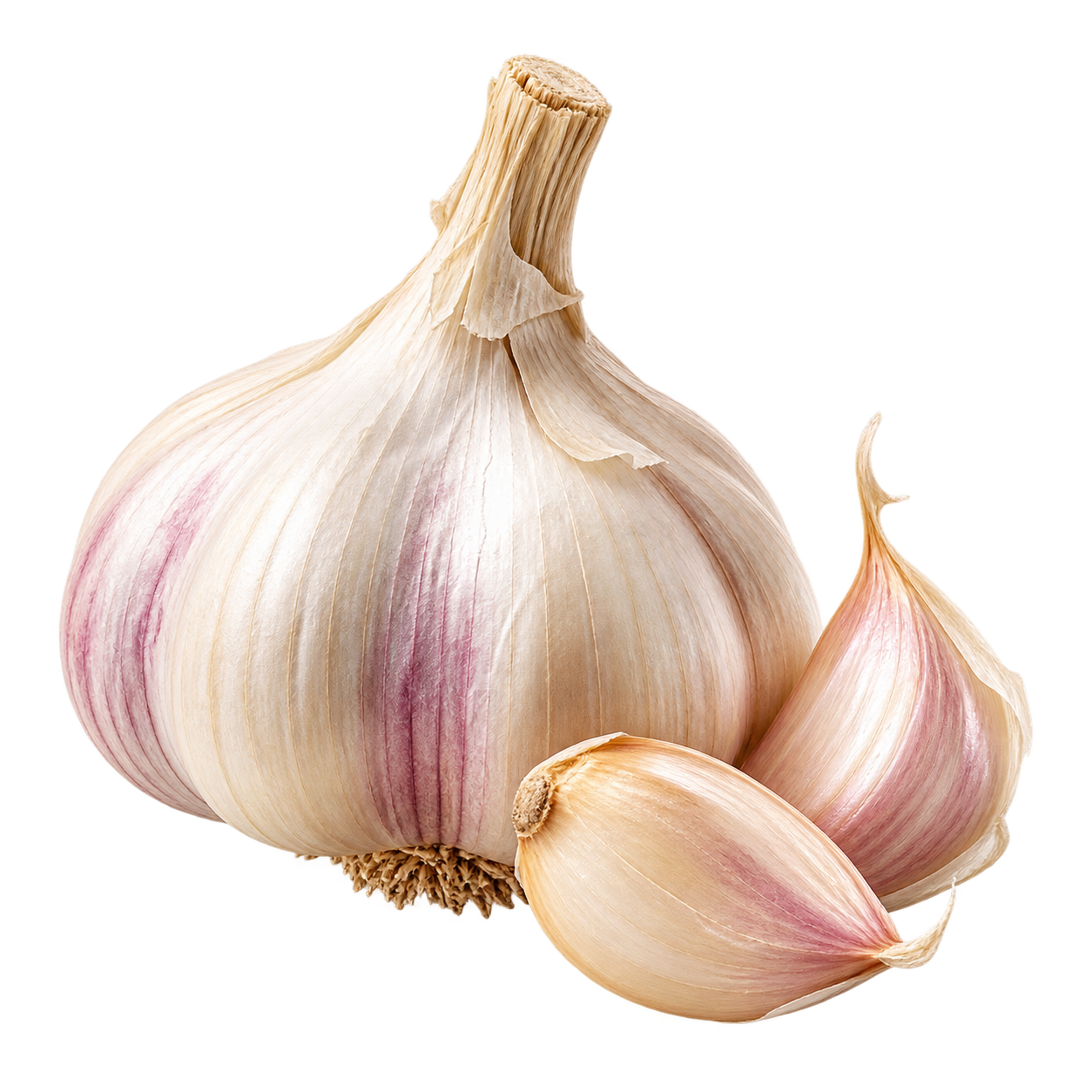 Garlic Clove
— 1 small — for the mushrooms
TC-VEG-GARLIC-001
Preparation
- Warm olive oil in a wide pan and sweat the shallots until translucent without browning. Add the Carnaroli rice and toast gently for 1 to 2 minutes.
- Begin adding the hot short ribs sauce and hot stock alternately, one ladle at a time, stirring frequently and keeping the rice at a gentle simmer.
- Continue cooking for about 18 to 20 minutes, until the risotto is creamy and the rice remains slightly al dente at the center.
- Remove from the heat and let the risotto rest for 1 minute. Finish with Parmigiano Reggiano and a drizzle of olive oil, then adjust the seasoning.
- For the pea purée, blanch the peas briefly or warm if already thawed, then blend with olive oil and a pinch of salt until smooth.
- For the tomato confit, blanch, peel, and seed the tomatoes, then dice and roast slowly with olive oil and salt at low temperature until concentrated and jammy.
- For the mushrooms, sauté the sliced mushrooms in olive oil with a smashed garlic clove until tender and aromatic, then season lightly.
- Plate the risotto and garnish with spoonfuls of pea purée, tomato confit, and the sautéed mushrooms.
Service Suggestions
- Serve immediately after mantecatura so the risotto remains fluid and glossy.
- Use the pea purée, tomato confit, and mushrooms as controlled garnishes rather than mixing all three into the rice.
- Warm serving bowls or plates during high-volume service to protect the final texture.
Dietary / HACCP Notes
- Contains milk from Parmigiano Reggiano.
- Short ribs sauce and stock may carry additional allergens depending on their prepared formulas; verify the production recipe before service.
- Keep hot sauce and stock under approved hot-holding controls during service and cool leftovers according to the operation’s HACCP plan.
- Cooked risotto is best produced to order and should not be held warm for extended periods.
| Calories | 580 kcal |
| Protein | 22 g |
| Carbohydrates | 45 g |
| Fat | 32 g |
| Fiber | 4 g |
| Cholesterol | Not calculated |
| Sodium | Not calculated |