


Recipe Overview
This elegant gnocchi preparation uses fresh goat cheese instead of potato to create a tender, silky dumpling with a gentle tang. The goat cheese is balanced with toasted walnut pesto, Parmigiano Reggiano and aromatic sage butter. Dry white wine provides acidity and freshness, while the walnuts and olive oil give the pesto richness and texture.
Chef Technique
Fresh goat cheese dough requires gentle handling. Use only enough flour to create a dough that can be shaped cleanly. Too much flour or excessive kneading will change the gnocchi from soft and tender to dense and heavy.
Walnut Pesto & Sage Butter
Toast the walnuts carefully without darkening them excessively. The walnut pesto should remain creamy rather than dry. Brown the butter only until lightly nutty, add the fresh sage, then use the dry white wine to introduce acidity and lift the richness of the dish.
Ingredients
-
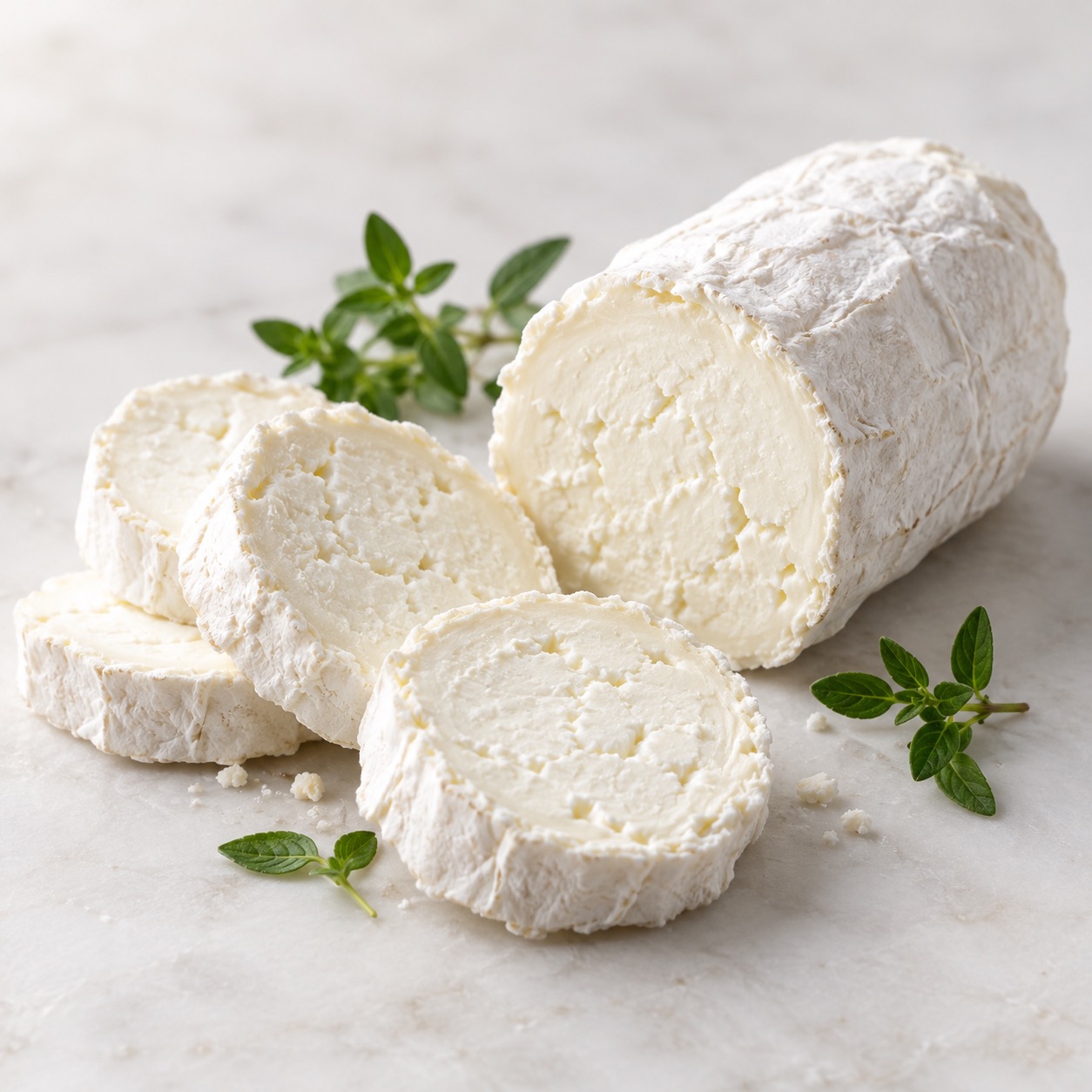 Fresh Goat Cheese
—
1360
g
· crumbled
Inventory identity: goat_cheese
Fresh Goat Cheese
—
1360
g
· crumbled
Inventory identity: goat_cheese
-
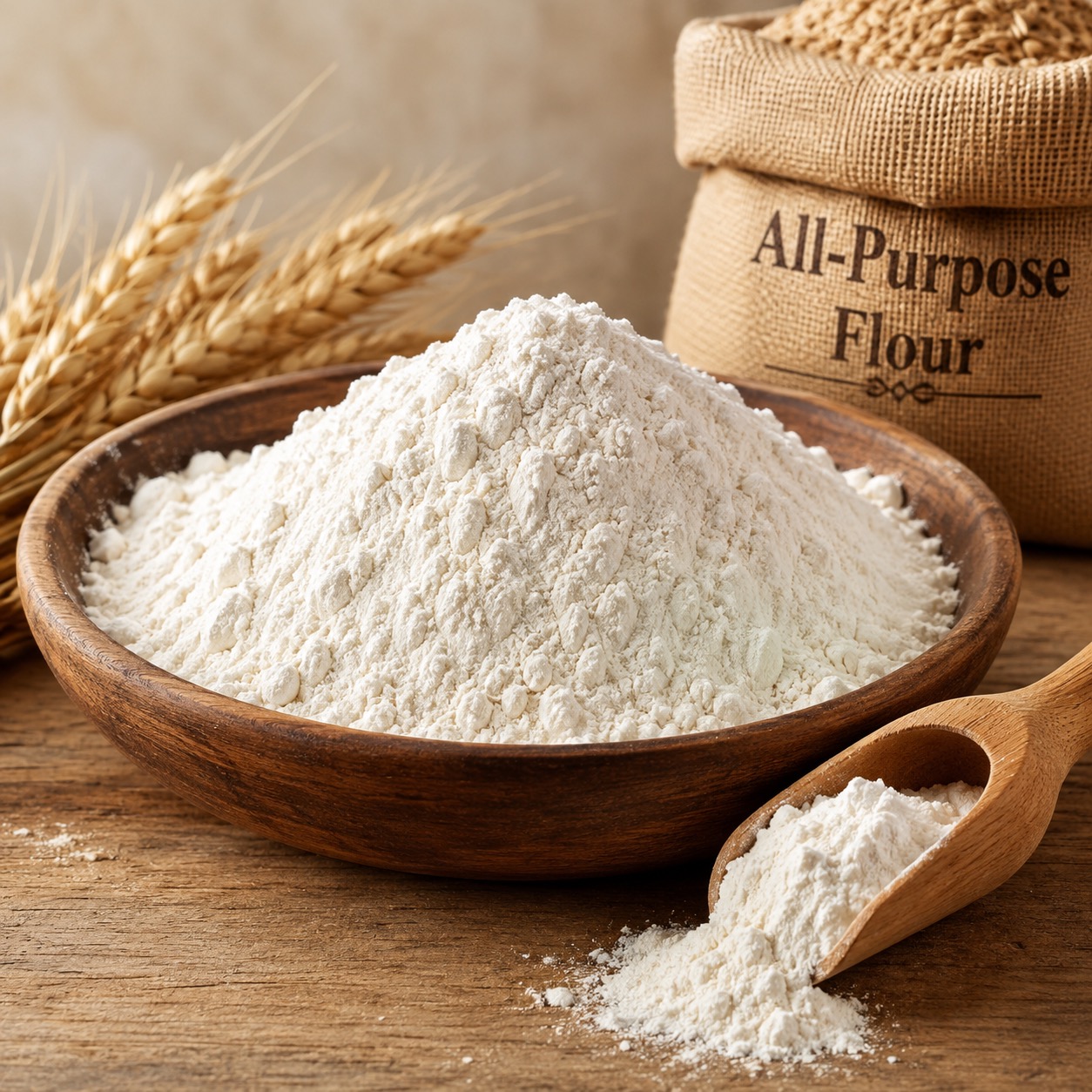 All-Purpose Flour
—
240
g
· plus additional flour for dusting
all_purpose_flour
All-Purpose Flour
—
240
g
· plus additional flour for dusting
all_purpose_flour
-
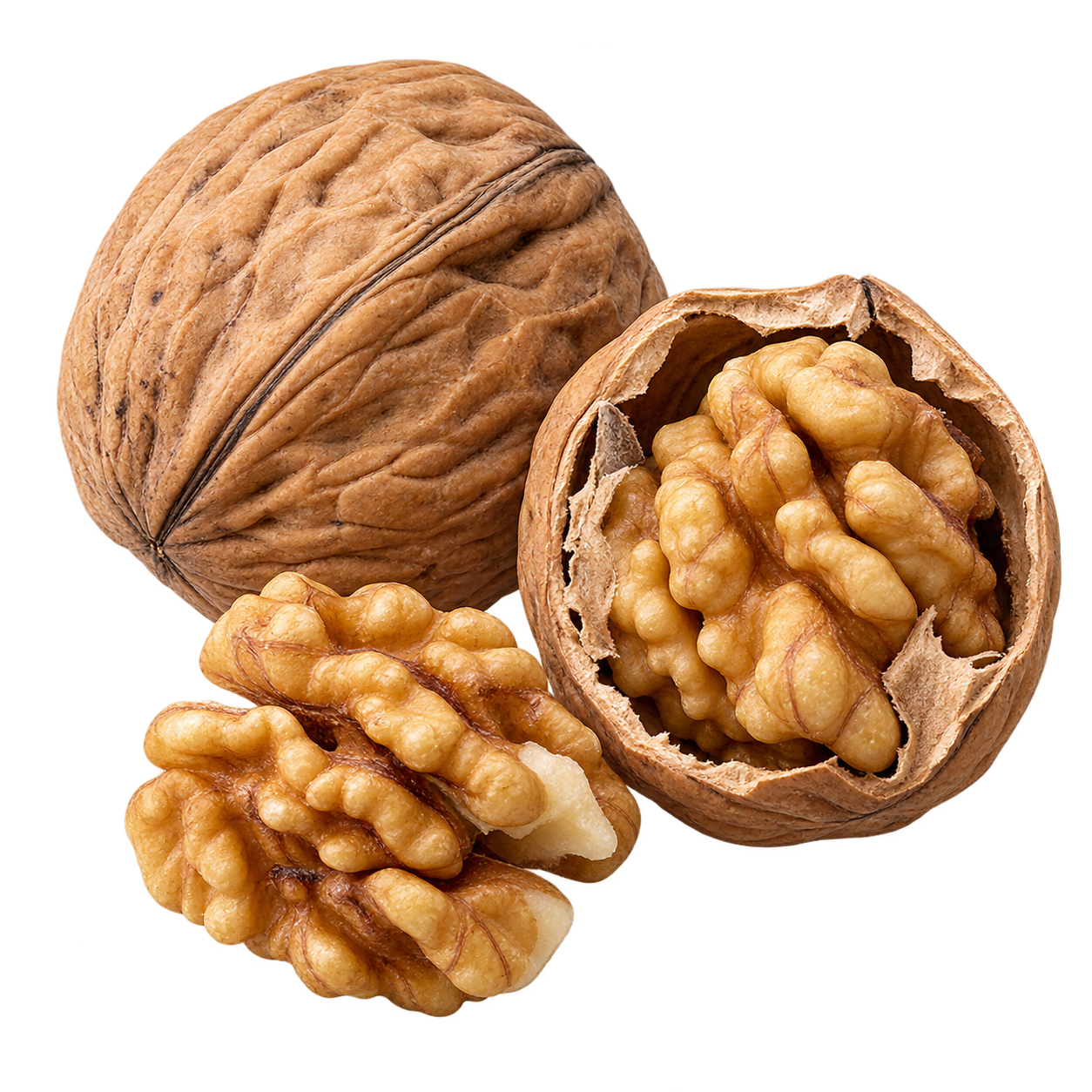 Walnuts
—
450
g
· lightly toasted
TC-NUT-WALNUT-001
Walnuts
—
450
g
· lightly toasted
TC-NUT-WALNUT-001
-
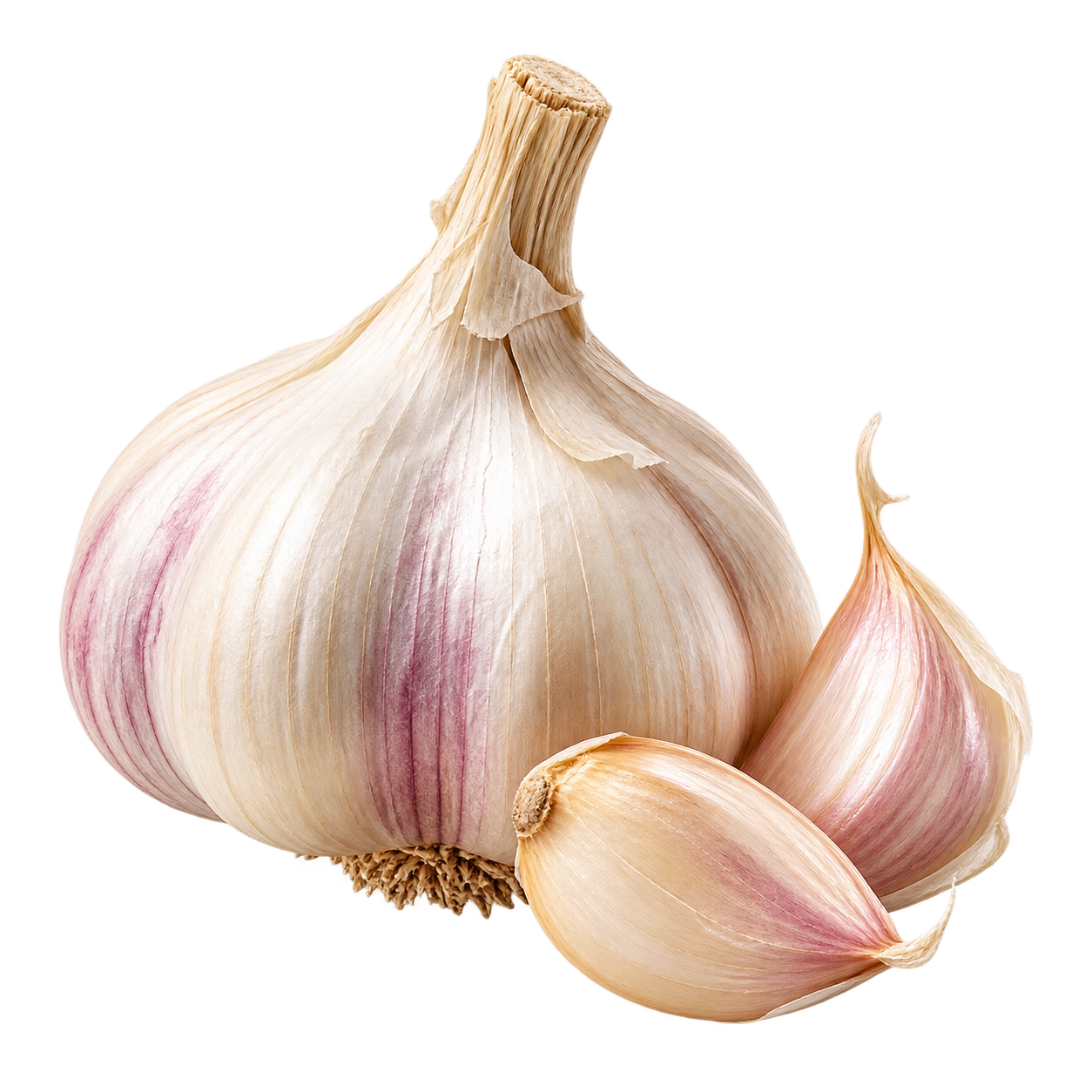 Garlic
—
12
g
· peeled
TC-VEG-GARLIC-001
Garlic
—
12
g
· peeled
TC-VEG-GARLIC-001
-
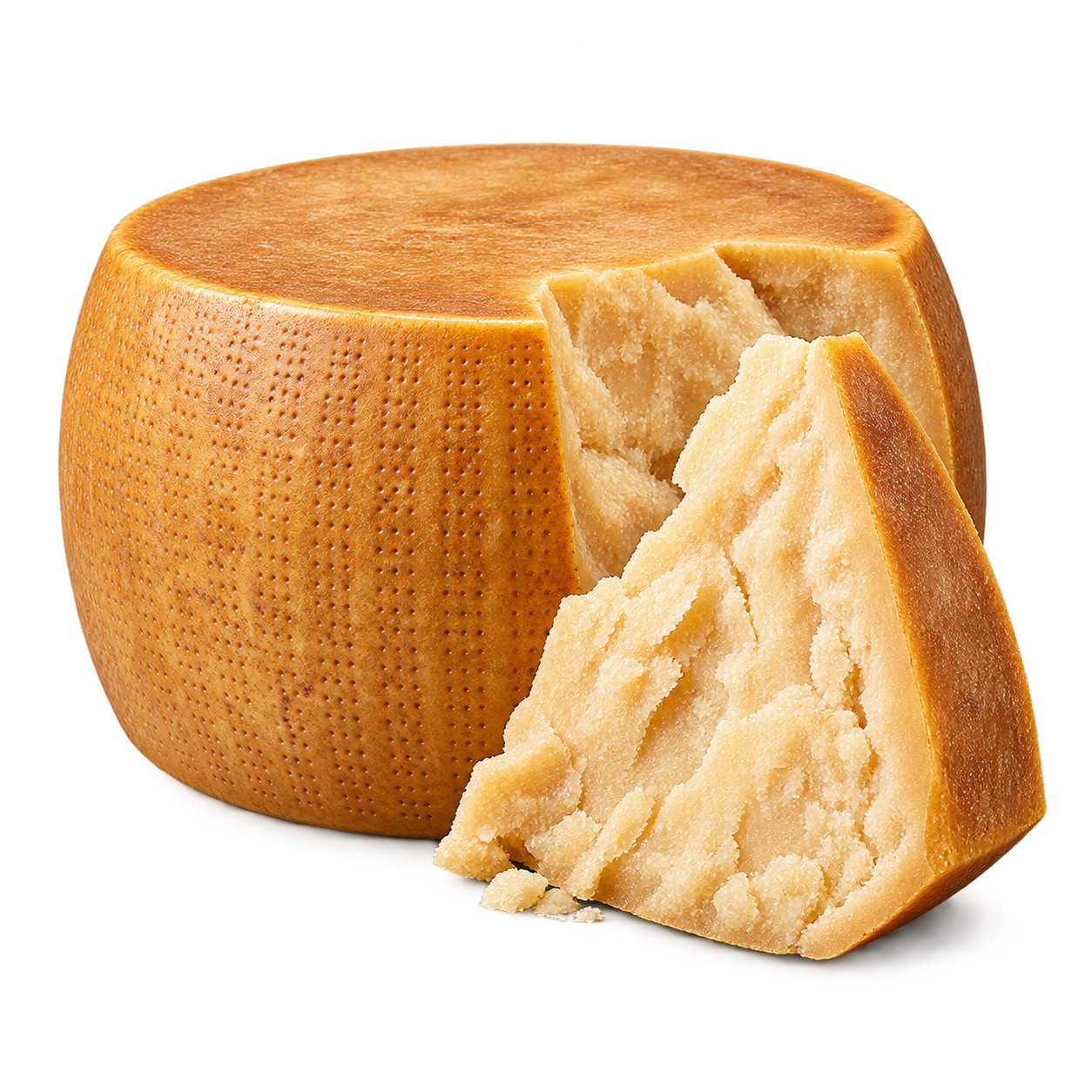 Parmigiano Reggiano
—
60
g
· freshly grated
TC-DAIRY-PARMIGIANO-REGGIANO
Parmigiano Reggiano
—
60
g
· freshly grated
TC-DAIRY-PARMIGIANO-REGGIANO
-
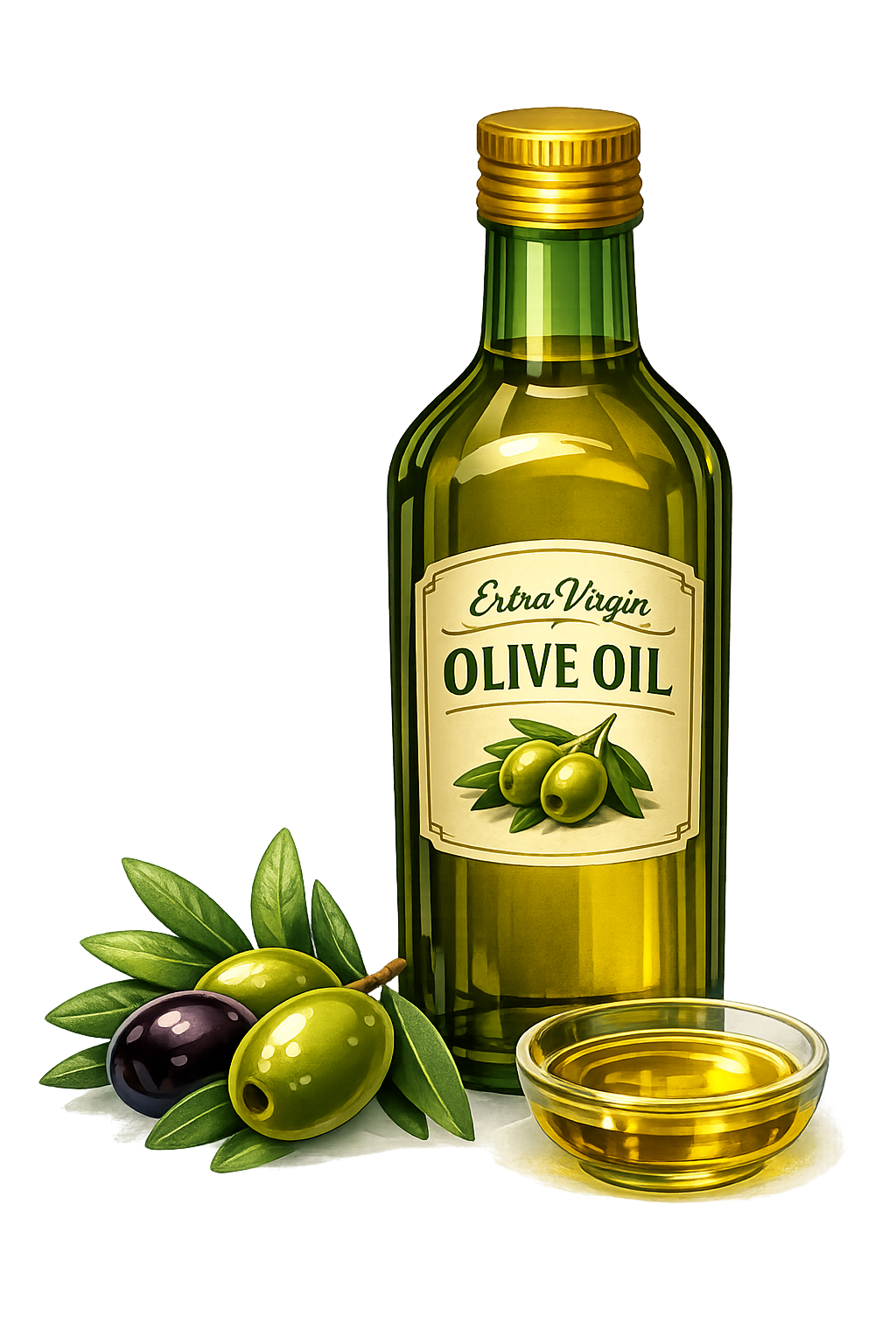 Extra Virgin Olive Oil
—
120
ml
OIL-0001
Extra Virgin Olive Oil
—
120
ml
OIL-0001
-
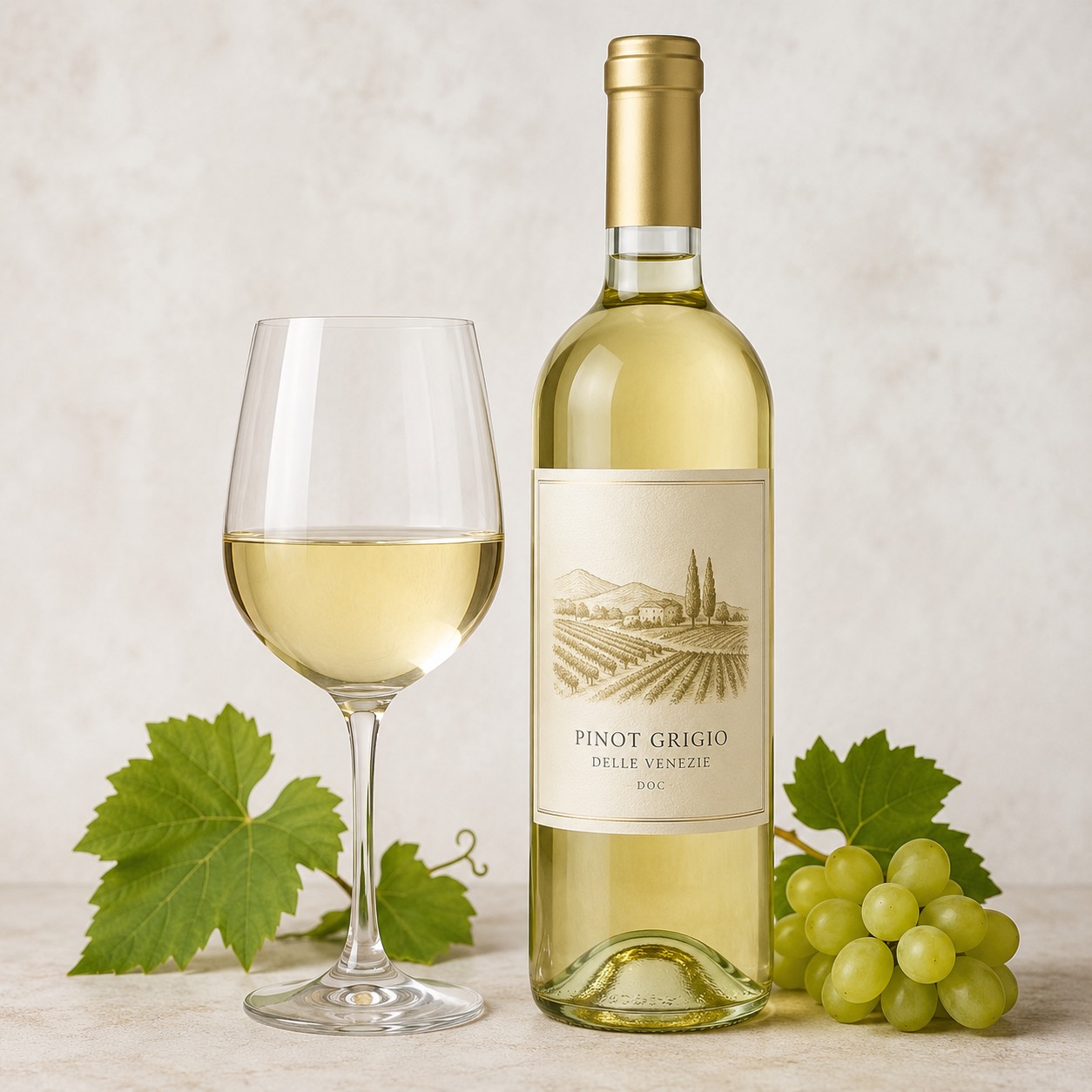 Dry White Wine
—
250
ml
· for sage butter reduction
white_wine_dry
Dry White Wine
—
250
ml
· for sage butter reduction
white_wine_dry
-
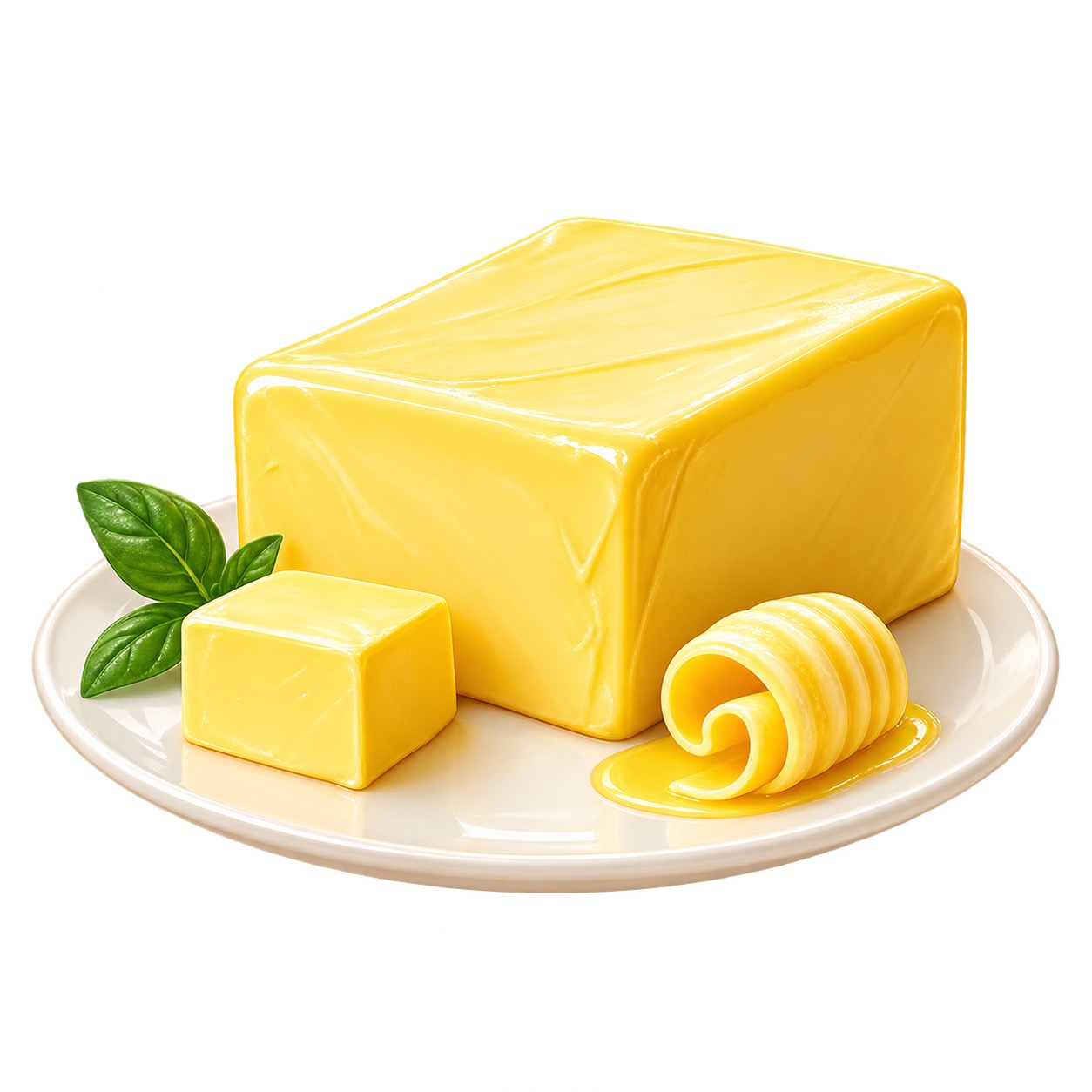 Unsalted Butter
—
60
g
TC-DAIRY-BUTTER-001
Unsalted Butter
—
60
g
TC-DAIRY-BUTTER-001
-
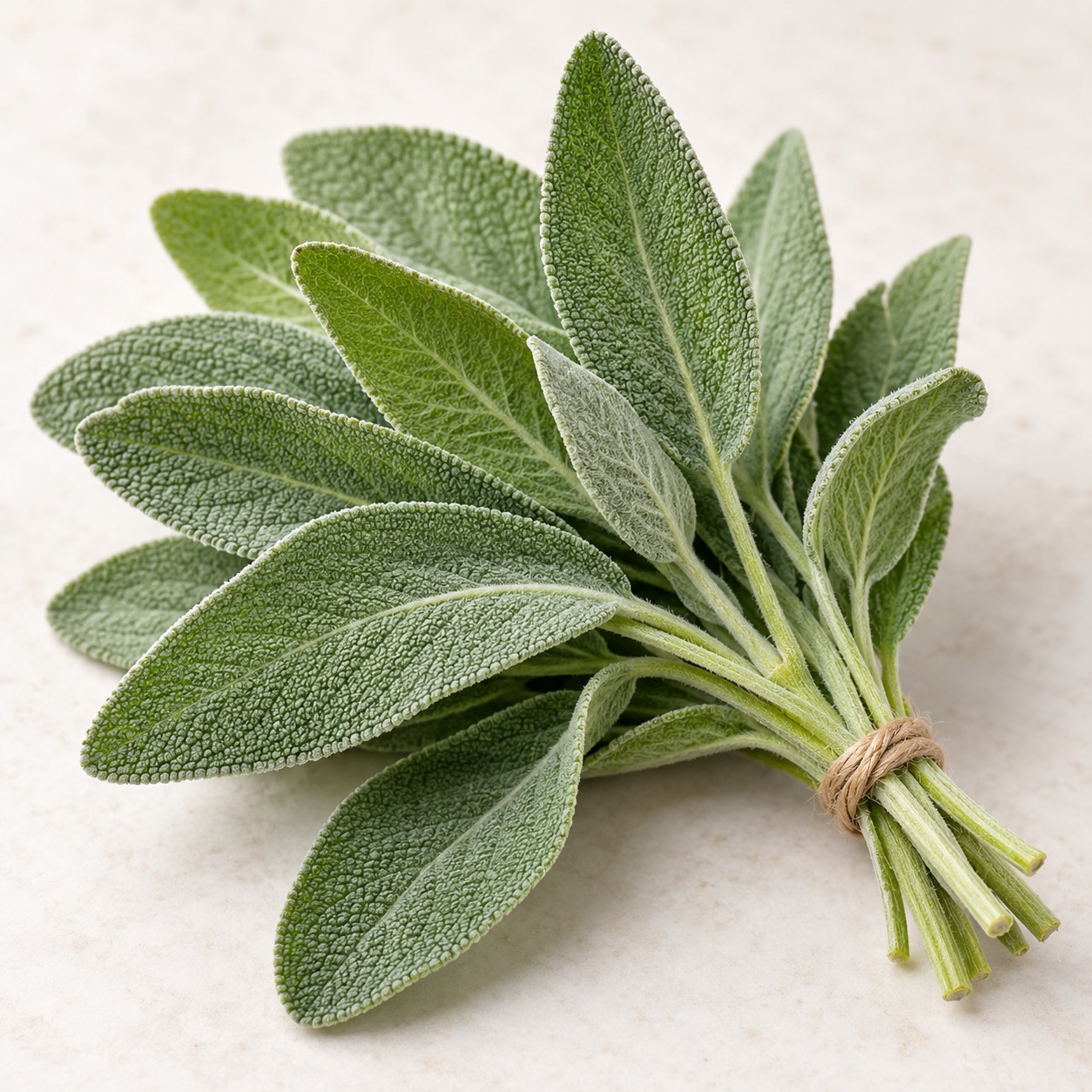 Fresh Sage Leaves
—
10
g
HERB-SAGE-COMMON
Fresh Sage Leaves
—
10
g
HERB-SAGE-COMMON
-
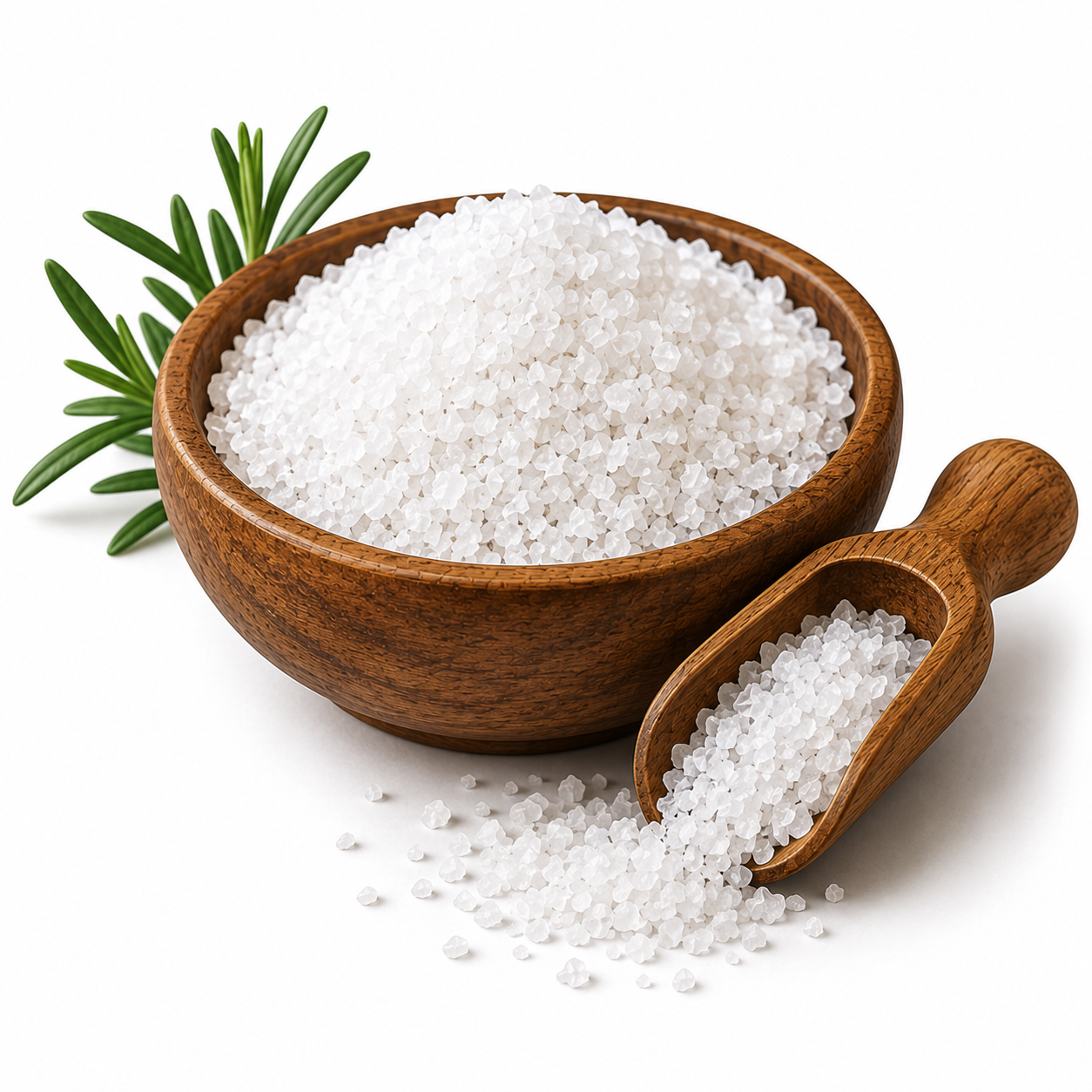 Fine Sea Salt
— to taste
SPICE-SALT-0001
Fine Sea Salt
— to taste
SPICE-SALT-0001
-
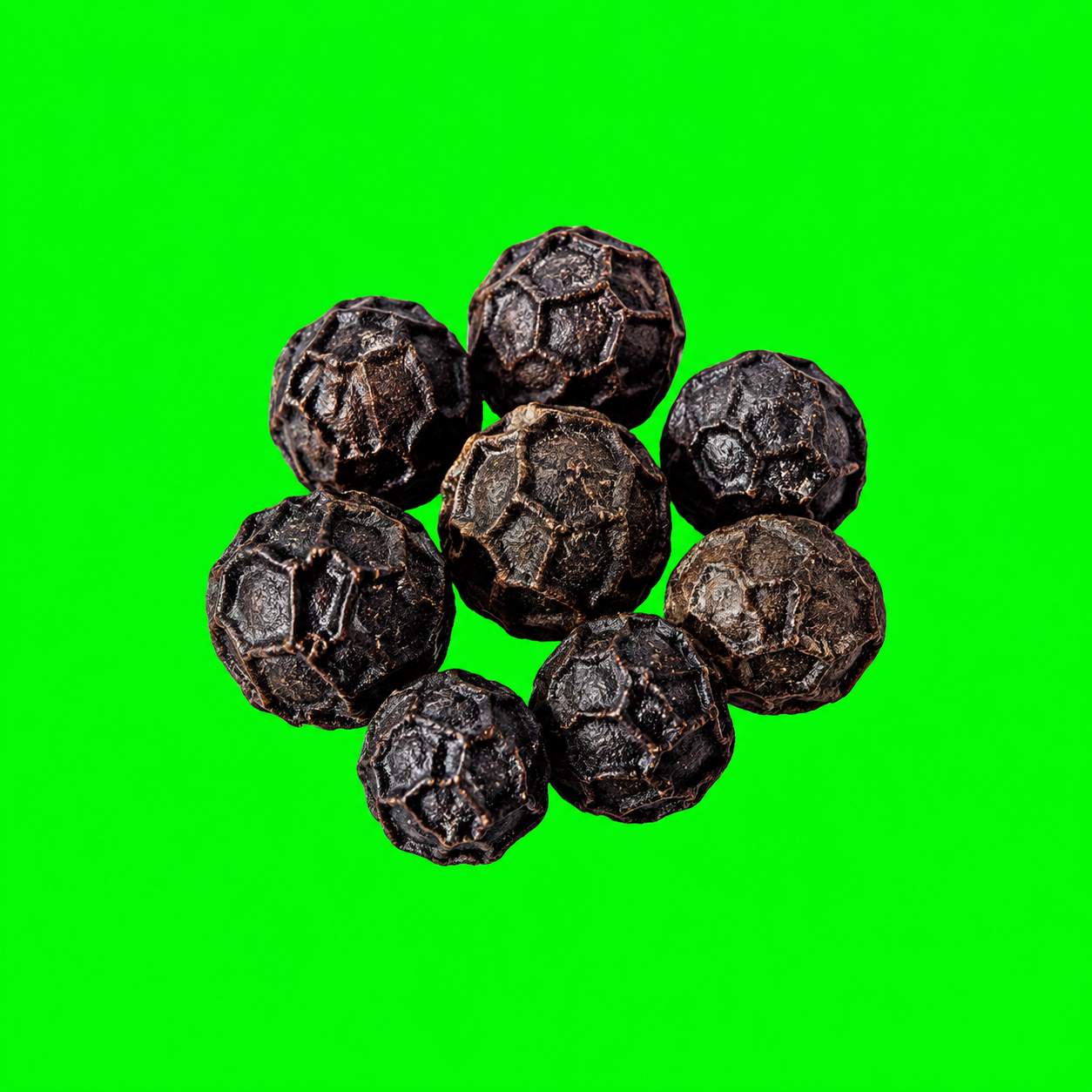 Freshly Ground Black Pepper
— to taste
SPICE-PEPPERCORN-BLACK
Freshly Ground Black Pepper
— to taste
SPICE-PEPPERCORN-BLACK
-
 Water
— as needed to adjust walnut pesto
WATER-POTABLE-001
Water
— as needed to adjust walnut pesto
WATER-POTABLE-001
Preparation
- Prepare the goat cheese dough: Crumble the fresh goat cheese into a mixing bowl. Season lightly with fine sea salt and freshly ground black pepper. Begin incorporating the all-purpose flour gradually. Work gently only until a soft, cohesive dough forms. Do not over-knead.
- Rest the dough: Wrap or cover the dough and allow it to rest for approximately 30 minutes. This rest is treated as passive production time in the labor profile.
- Shape the gnocchi: Divide the dough into manageable portions. Roll each portion into an even rope. Cut into bite-size pillows and lightly ridge with a fork or gnocchi board. Dust lightly with flour as needed to prevent sticking.
- Toast the walnuts: Toast the walnuts gently until aromatic. Do not darken excessively, because over-toasted walnuts can introduce bitterness. Cool slightly before processing the pesto.
- Prepare the walnut pesto: Combine the toasted walnuts, peeled garlic, approximately half of the Parmigiano Reggiano and the extra-virgin olive oil. Blend until creamy. Add a small quantity of potable water only if needed to adjust the consistency. Season carefully with sea salt and black pepper.
- Prepare the sage butter: Melt the unsalted butter in a wide skillet. Allow the butter to develop a light nutty aroma. Add the fresh sage leaves. Deglaze with the dry white wine and reduce briefly. The sauce should remain glossy and aromatic.
- Cook the gnocchi: Bring a large pot of well-salted water to a controlled boil. Add the goat cheese gnocchi without overcrowding the pot. Cook until the gnocchi rise to the surface. Remove gently with a slotted spoon.
- Finish: Transfer the cooked gnocchi directly into the sage butter. Toss very gently to coat without damaging the delicate gnocchi. Taste and adjust seasoning.
- Plate: Spread the walnut pesto onto warm serving plates. Arrange the goat cheese gnocchi over the pesto. Finish with the sage leaves, remaining Parmigiano Reggiano and additional toasted walnuts if desired. Serve immediately.
History & Inspiration
Italian gnocchi extend far beyond the familiar potato version. Regional traditions include ricotta gnocchi, semolina gnocchi, bread dumplings, chestnut-flour preparations and other soft doughs. This goat cheese version uses the same fundamental principle: a soft primary ingredient supported by just enough flour to form a tender dumpling. The walnut pesto recalls the nut-based sauces found throughout northern and central Italian cooking.
Dietary & HACCP Notes
- Vegetarian preparation.
- Contains milk / dairy.
- Contains wheat / gluten.
- Contains walnuts / tree nuts.
- No egg is included in this recipe.
- Keep fresh goat cheese refrigerated until production.
- Prevent cross-contact with tree-nut-free dishes.
- Cool and refrigerate unused walnut pesto promptly.
| Calories | ~470 kcal |
| Protein | ~16 g |
| Carbohydrates | ~24 g |
| Fat | ~35 g |
| Saturated Fat | ~10 g |
| Cholesterol | ~55 mg |
| Sodium | ~310 mg |
| Fiber | ~2 g |