Tuscany Cuisine Logo

Classic Puff Pastry (Pasta Sfoglia)

Professional laminated dough—cold butter + flour turns for crisp, flaky layers.

Pasta Sfoglia – Classic Italian Puff Pastry by Chef David Giani

Ingredients (1 Professional Batch)

  • 600 g 00 flour (détrempe)
  • 400 g 00 flour (for butter block)
  • 1000 g unsalted butter, cold
  • Pinch of sea salt
  • As needed cold water
Yield: ~ 2.0 kg dough Active Prep: 40 min Rest/Chill: ~ 2–12 hrs Total: ~ 3 hrs + overnight

Preparation

1. Make the détrempe: mix 600g flour with a pinch of salt and enough cold water to form a firm, smooth dough. Cover and chill.
2. Make the butter block: mix cold butter with 400g flour just until bound. Shape into a flat rectangle. Keep cold but pliable.
3. Roll dough into a cross. Place butter in the center. Fold flaps over and seal edges completely.
4. Roll into a rectangle and fold in thirds (like a letter). Wrap and chill 30 minutes.
5. Repeat the roll + fold for 4 turns, chilling 30 minutes between each turn.
6. Rest overnight before final rolling and shaping (best layers + clean lift).
7. Bake hot (usually 400–425°F / 205–220°C) to drive steam and separate layers.

Batch Calculator + Inventory + OPS

Base Yield: 1 batch ≈ 2.0 kg dough
Scale ingredients and push them to the order queue.
Scaled Output
Batches: 1
Estimated Yield: 2.00 kg dough

OPS Deduct (Active Menu)

This runs your station deduction script from the active menu snapshot.
Use Preview first, then Apply.

Related: Cannoncini · Napoleon (Mille-feuille) · Dolci Directory

The Story of Puff Pastry (Pasta Sfoglia)

Puff pastry—known in Italian pastry kitchens as pasta sfoglia—is a classic laminated dough made by repeatedly layering dough and fat (traditionally butter) to create a pastry that bakes into crisp, flaky sheets. While it’s famous for French bakery items, it’s also widely used in home cooking for both sweet desserts and savory appetizers.

Why Puff Pastry Creates Hundreds of Layers

During baking, puff pastry forms pockets of steam that separate the dough into multiple layers—often described as “pages of a book.” This lift happens because moisture in the dough and butter turns into steam in a hot oven, pushing the thin sheets apart and creating the signature rise and flake. That’s why temperature control, resting between turns, and clean folds matter for professional results.

Origins and the 1645 Claudius Gele Legend

Puff pastry is strongly associated with French culinary history and, according to some historical sources, dates back to 1645. A popular story credits its invention to a pastry chef’s apprentice, Claudius Gele, who created a layered dough while preparing a simple diet of water, flour, and butter for his ailing father—resulting in an unexpectedly flaky pastry when baked.

Classic Uses in Italian and French Pastry

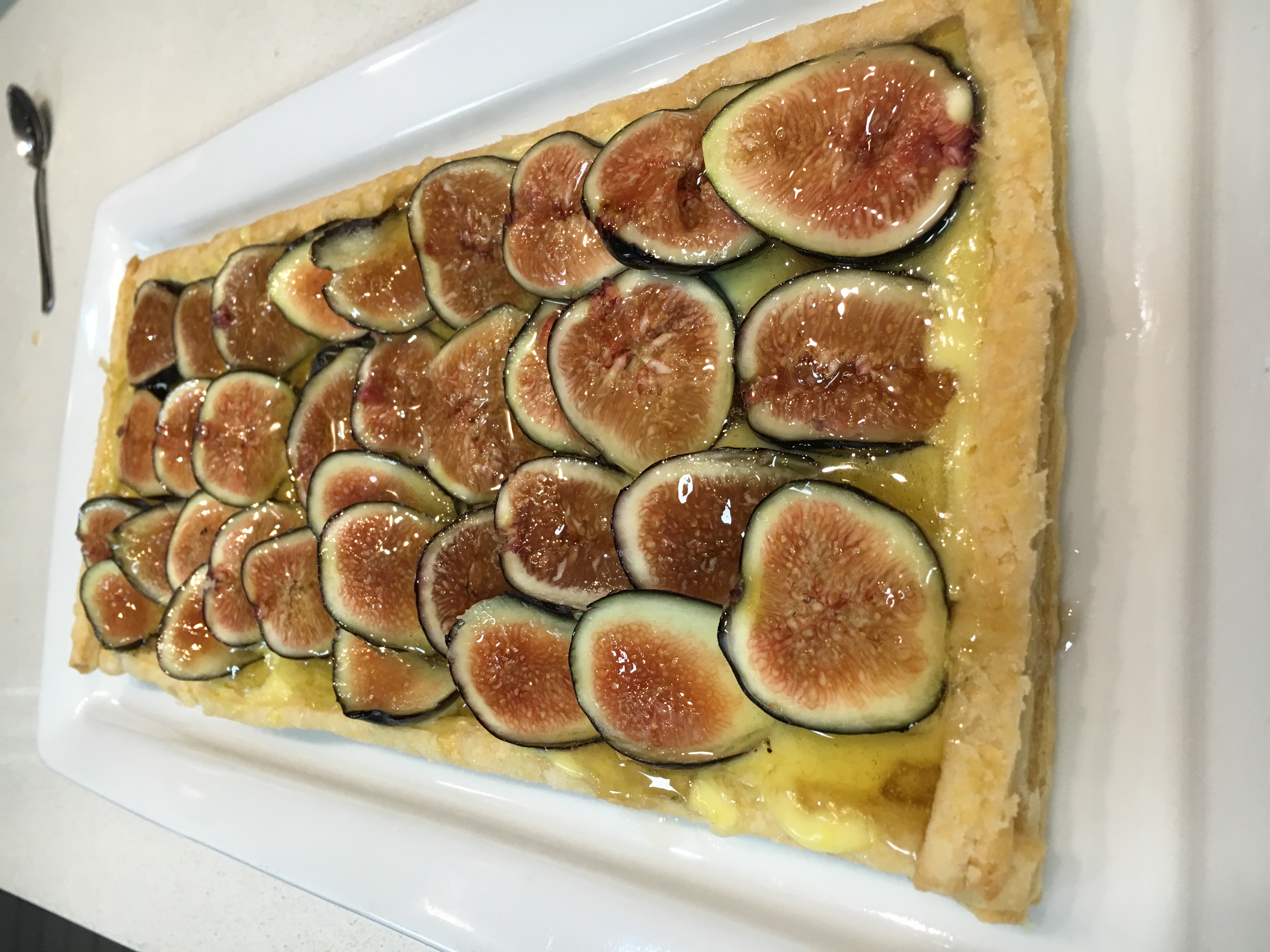
Today, pasta sfoglia is a foundational prep for desserts like mille-feuille (Napoleon), cannoncini, fruit tarts, and elegant bakery pastries—plus savory twists, cheese straws, and bite-size appetizers. On this page, you’ll find the professional base method used in pastry kitchens to get clean lift and sharp layers.
Used In These Desserts

On mobile, swipe left/right. On desktop, they appear side-by-side.

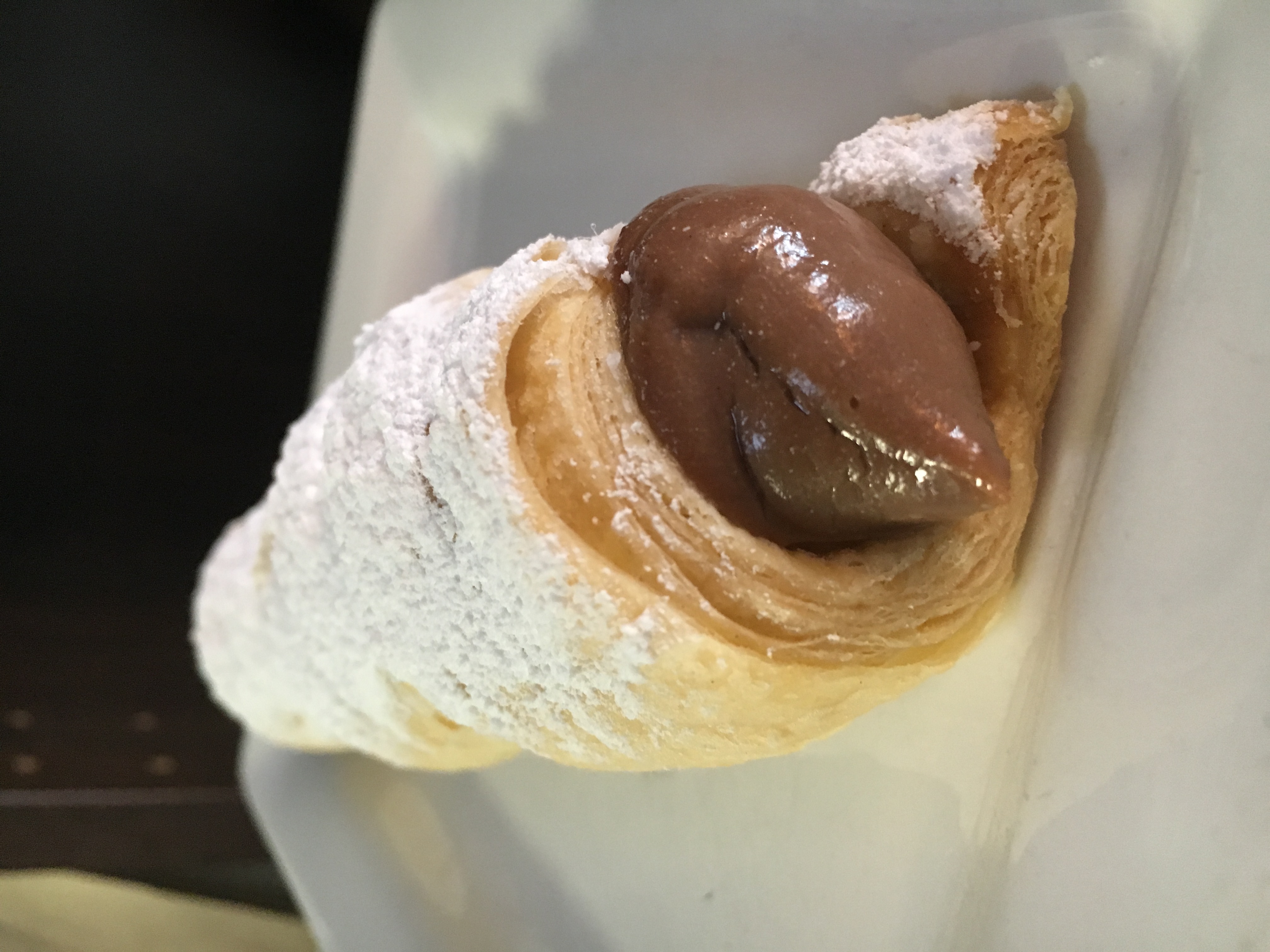
Cannoncini

Cannoncini

Classic puff pastry horns filled with crema.

Open Recipe
Napoleon

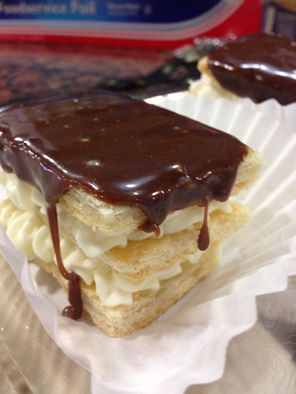
Napoleon (Mille-feuille)

Crisp puff pastry layers with pastry cream and glaze.

Open Recipe
Dessert Directory

Dolci Directory

Browse your dessert recipes and prep bases.

Open Directory
Puff Pastry

More Sfoglia Ideas

Tarts, twists, turnovers, and bakery pastries.

Recipes Home

Nutrition Facts (per 100g dough)

Calories: 510 | Fat: 34g | Carbs: 42g | Protein: 6g
Vegetarian Contains Dairy Contains Gluten