Florentine Culinary History
Bistecca alla Fiorentina — tradition, legend and the documented record
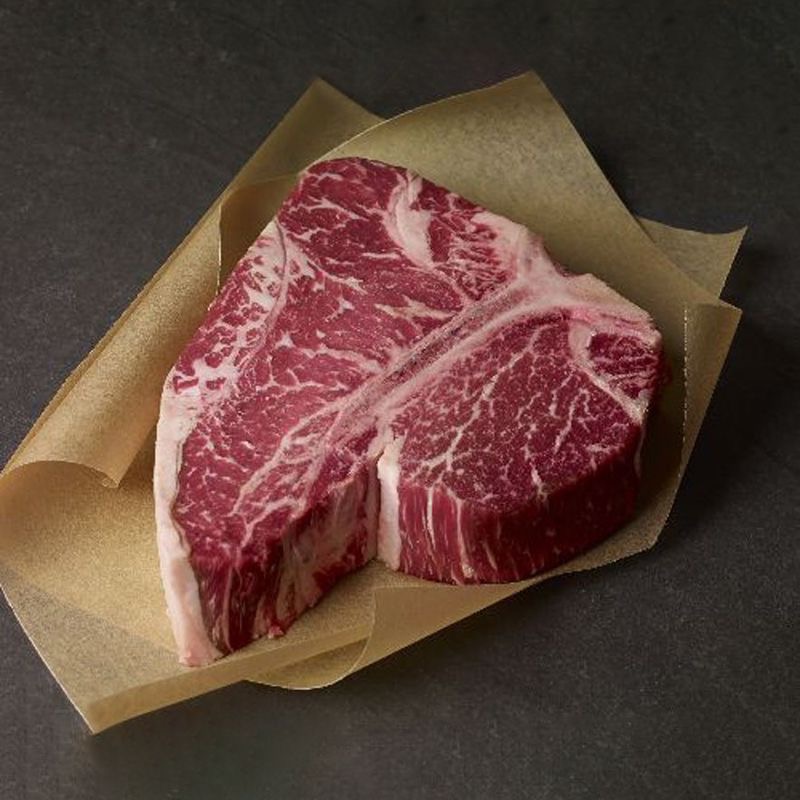
Bistecca alla Fiorentina is more than a steak cut. It is a Florentine ritual built around the quality of the beef,
a substantial bone-in loin steak, live embers, restrained seasoning and shared service. The dish belongs to the
identity of Florence and Tuscany, but its history is best told by separating a beloved local legend from the written record.
🔥 The Florentine grill tradition
The defining preparation is direct cooking over charcoal or glowing embers, with a deeply browned exterior and a rare,
juicy center. The characteristic T-shaped bone divides tenderloin from the strip side of the loin, giving the steak its
unmistakable form and making it naturally suited to carving and sharing at the table.
🏛️ San Lorenzo and the Medici legend
A famous Florentine story connects the steak with public celebrations around San Lorenzo and the Medici era. One version
places an important feast in Piazza San Lorenzo in 1565, where beef was roasted and distributed to the crowd. English
guests are said to have called for “beef-steak,” a phrase Florentines supposedly transformed into “bistecca.” The story
is part of the dish’s cultural mythology, but it should be presented as legend rather than as a securely documented naming event.
📚 What the word “bistecca” tells us
The linguistic connection to English is real. The Accademia della Crusca identifies bistecca as an Italian
adaptation of English beef-steak and notes the word in Italian usage in the first half of the nineteenth century.
This documented linguistic evidence supports the English origin of the name while making the exact 1565 naming story
difficult to treat as established fact.
📖 Artusi records the Florentine steak
By 1891, Pellegrino Artusi included “Bistecca alla fiorentina” as recipe 556 in
La scienza in cucina e l’arte di mangiar bene. He explicitly linked the word to English “beef-steak,” described
a bone-in loin steak cooked over strong charcoal heat, recommended seasoning after cooking, and insisted that the meat
should not be overcooked. That written record helped codify the dish for the modern Italian culinary canon. The Regione Toscana traditional-product record also places the dish in eighteenth-century Florence amid aristocratic travel and notes its presentation as a Tuscan specialty at a late-nineteenth-century Paris Universal Exposition.
Traditional identity:
thick bone-in loin steak · T-shaped bone · tenderloin + strip loin · charcoal embers · rare interior · minimal seasoning · shared carving.
Chianina is one of the breeds strongly associated with the dish, although Florentine-style bistecca can also be prepared from other
high-quality cattle when the cut, thickness, maturation and cooking are appropriate.
Historical references:
Visit Tuscany — legends, facts and recipe ·
Regione Toscana — traditional product record ·
Casa Artusi — recipe 556 ·
Accademia della Crusca — English loanword history.