

Cacciucco in Motion · Chef David Giani
Watch the presentation reel
Follow the visual journey from the earlier Cacciucco presentation toward a modern expression of the dish.
Watch the presentation reel: https://www.tuscanycuisine.com/engine/secondi/Cacciucco-livornese.mp4
Chef David Giani’s Culinary Journey · 2000–2023
One dish, 23 years of inspiration
Chef David Giani presented Cacciucco for Il Fornaio’s Tuscany Festa Regionale in 2000. In 2023, twenty-three years later, he returned to that dish with a modern presentation, drawing inspiration from the earlier plate and the ingredients that gave it its character.

View full photograph ↗
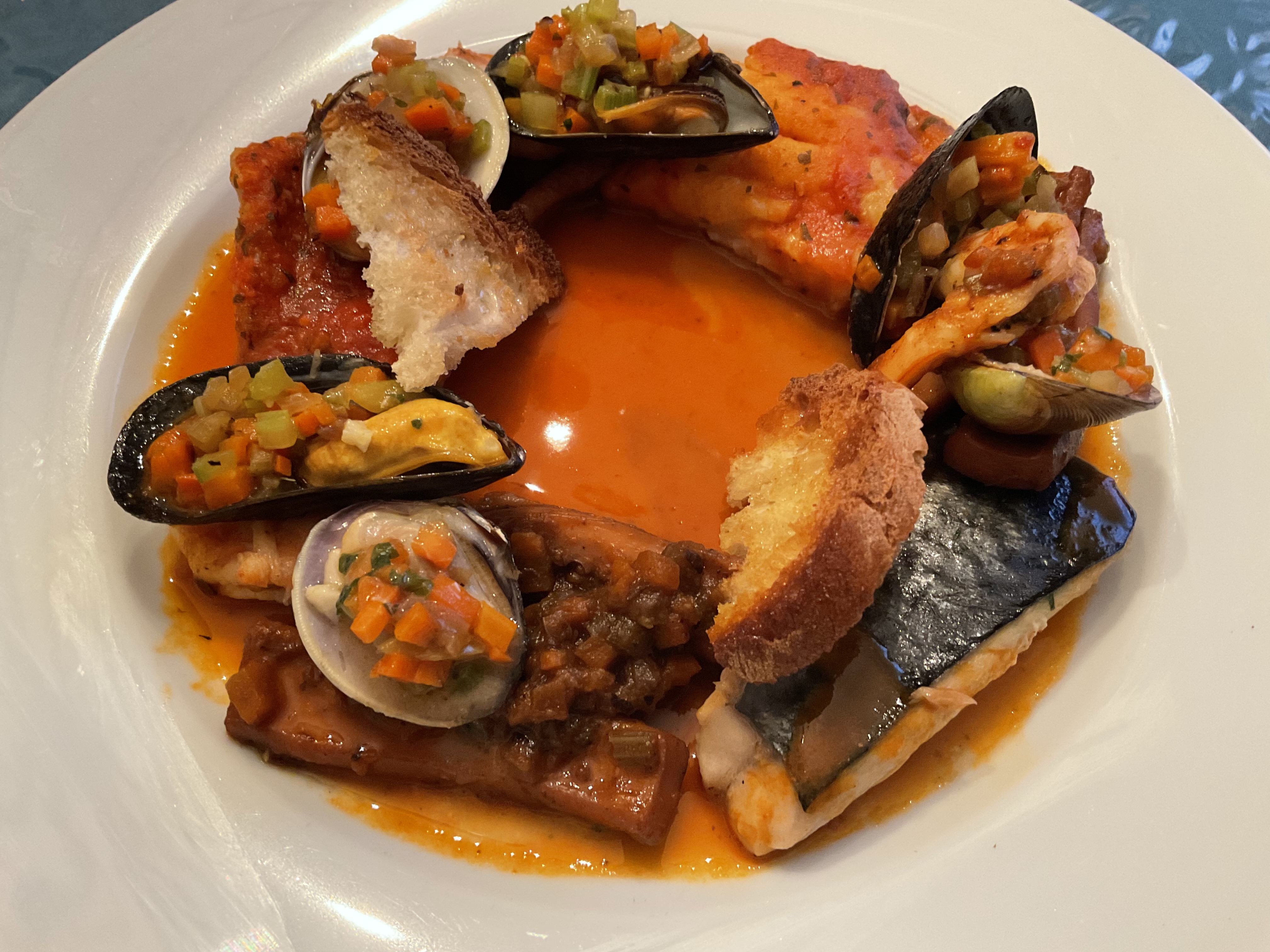
View full photograph ↗
How an earlier dish inspires the next presentation
A recipe can remain a source of new ideas throughout a chef’s career. Returning to Cacciucco creates an opportunity to reconsider how the guest encounters its ingredients: the shape of a fish portion, the curve of a shell, the color of the broth and the texture of the bread.
In the 2023 photograph, the fish and shellfish frame a pool of tomato broth. Diced aromatic vegetables remain visible in the open shells, while pieces of toasted bread bring height and texture to the composition. Each element becomes easier to recognize, and the broth still connects the dish.
- Give the seafood a clear presence. Consider the natural shapes and placement of fish, mussels and clams so their individual qualities can be appreciated.
- Let the broth and vegetables contribute to the presentation. Their color, texture and position can make the recipe’s foundation part of its visual appeal.
- Give the bread a purpose. Place it where its crisp texture can be enjoyed and where it can meet the broth as the guest eats.
The earlier creation becomes the foundation for a new expression. Twenty-three years of experience offer another way to present the dish, while its culinary memory continues to inspire the next plate.
Explore the dish’s history in the Regional Tuscan Menu 2000 archive.
Culinary History & Technique
Cacciucco, Cioppino & cooking with respect
For readers in the United States, Cioppino offers a useful point of comparison: a seafood soup or stew developed in San Francisco by Italian immigrants. Cacciucco alla Livornese has its own Tuscan identity, rooted in Livorno’s seafood cooking and the combination of fish, cooking juices and garlic-rubbed bread.
Separate cooking has a documented place in Cacciucco’s history. An account published by the Accademia Italiana della Cucina describes preparing different fish and molluscs separately, combining their cooking liquids into a concentrated sauce, warming the portions in that sauce and arranging them over toasted garlic bread.
Livornese preparations vary: some cook components separately, while others add seafood in stages according to its cooking time. Separate cooking also appears in versions of Cioppino, so the distinction between the dishes includes their regional traditions as well as each cook’s interpretation.
Chef David Giani’s approach: cook individually, unite at service
For this presentation, each type of seafood is cooked separately with attention to its own texture, thickness and natural flavor. The components are brought together in the hot broth and gently reheated at the moment of service, then arranged so the fish, shellfish and bread retain a clear place on the plate.
Cooking with respect means giving each ingredient the heat and time it needs, protecting its texture, and letting its natural character remain recognizable. The cooking juices unite the flavors; careful assembly gives the finished dish its structure.
This approach supports both the preparation and the presentation: the broth connects the plate, while the individual seafood components remain distinct. The final reheating is brief, and the completed dish is served immediately.
History and recipe references Accademia Italiana della Cucina: Il Cacciucco Livornese (PDF) · Visit Tuscany: Cacciucco recipe · James Beard Foundation: Cioppino history · James Beard Foundation: Cioppino recipe.
Recipe Overview
A Livornese seafood Secondo combining shellfish, finfish, calamari and scallop with a tomato, white-wine and fish-fumet broth. Chef David Giani’s service method cooks the seafood components separately, then brings them together for a brief final reheating and deliberate arrangement on the plate.
Chef Notes
Build the broth first, then cook each seafood component separately according to its own needs. Strain the shellfish cooking liquor into the broth, bring the components together only for the brief final reheating, and plate immediately. Toast and garlic-rub the bread just before service.
Connected Experience
Designed for the Secondi / Fish station with serving scaling, ingredient graphics, live inventory IDs, prepared-component costing for fish fumet, labor allocation, purchasing links and Menu Builder metadata.
Ingredients
-
 Manila Clams — 2 oz · scrubbed and purgedSEAFOOD-MANILA-CLAM
-
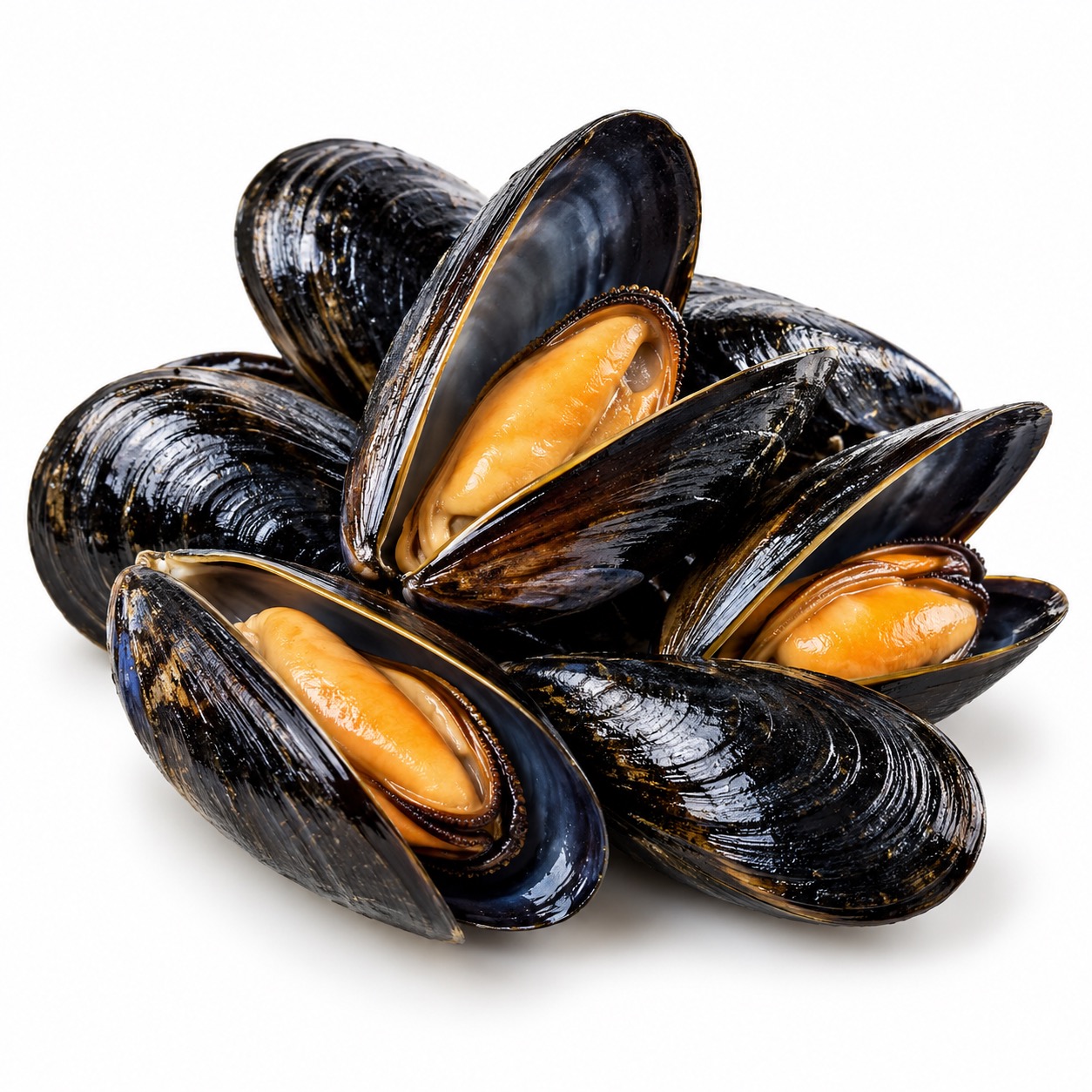 PEI Mussels — 2 oz · cleaned and debeardedSEAFOOD-PEI-MUSSEL
-
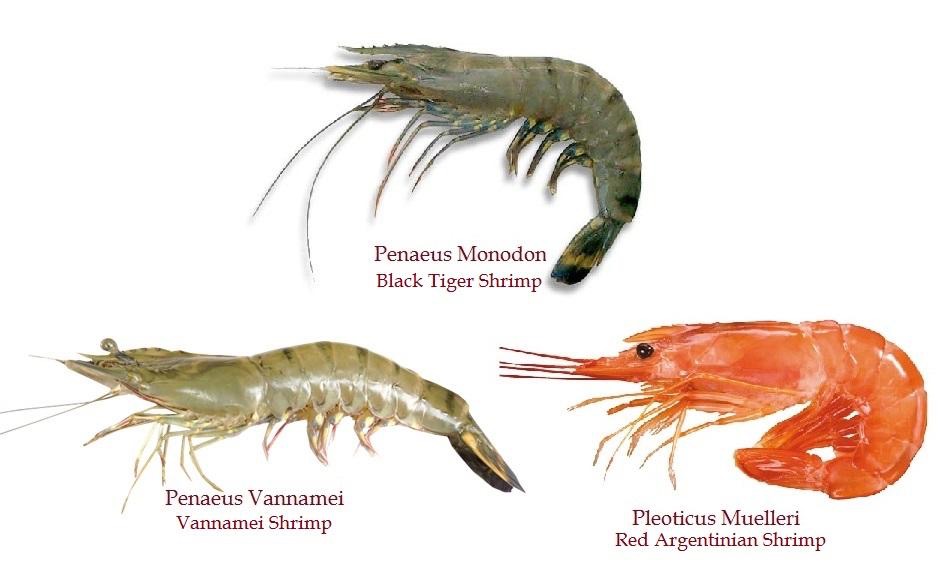 Black Tiger Shrimp — 1 oz · cleanedSEAFOOD-BLACK-TIGER-SHRIMP
-
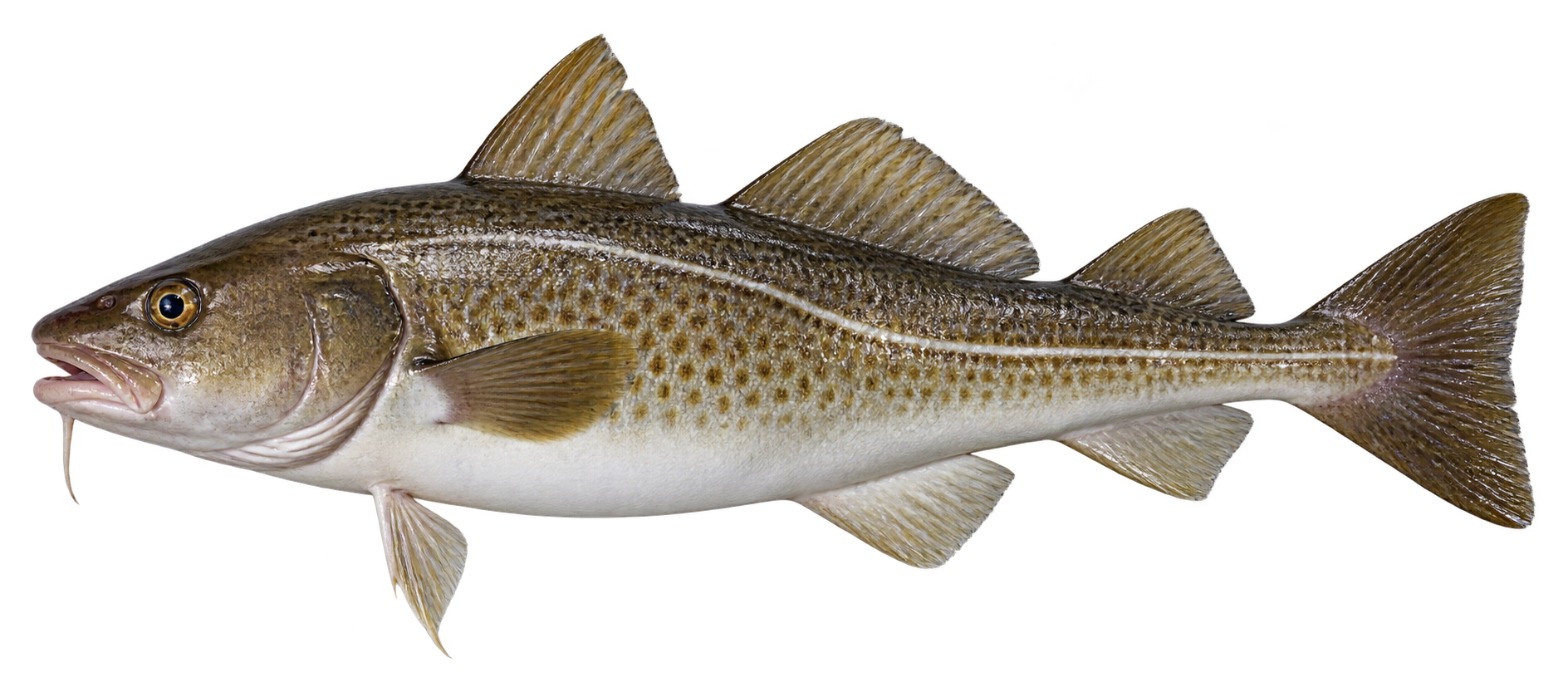 Cod Filet — 1 oz · portion for searingSEAFOOD-COD-FILET
-
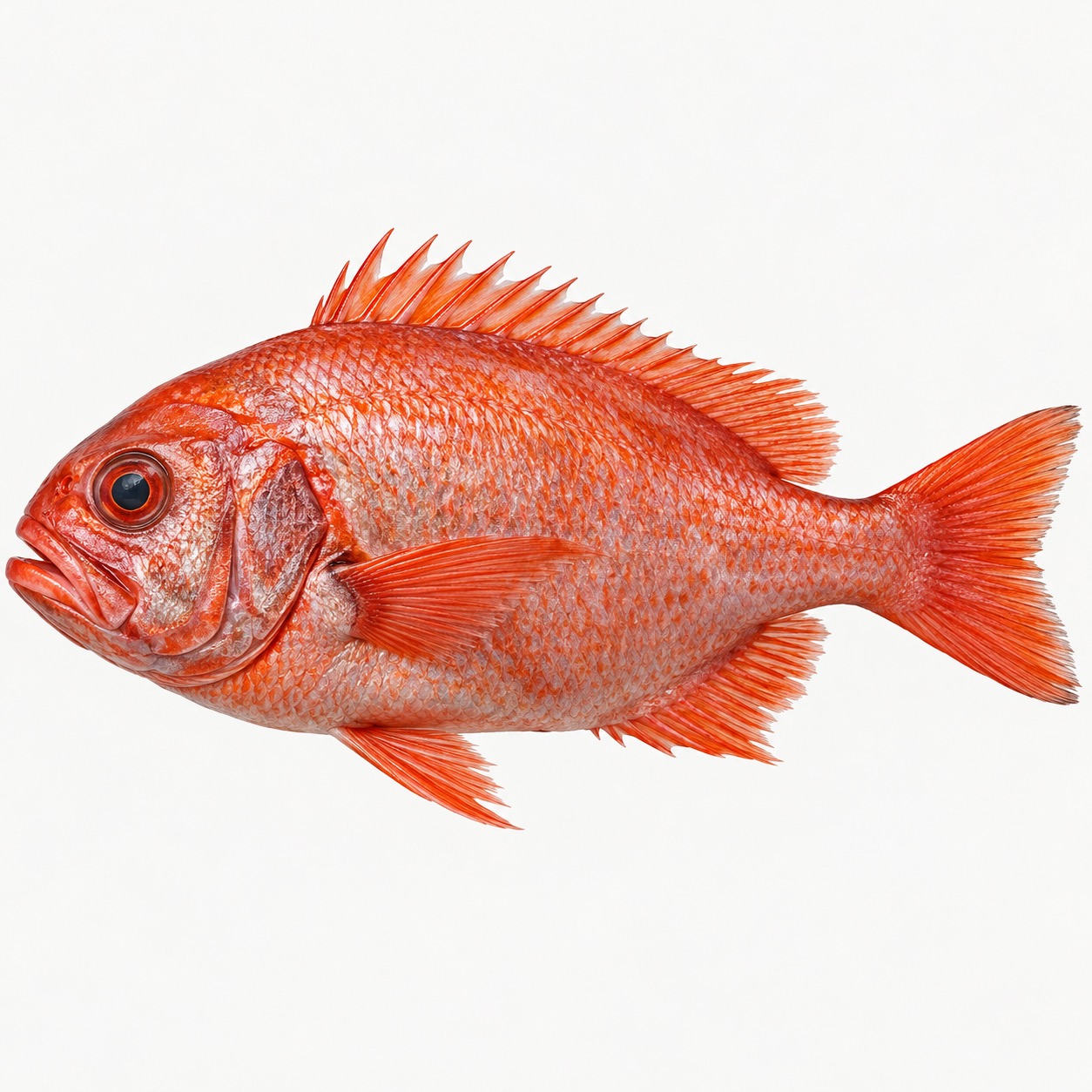 Orange Roughy Filet — 1 oz · portion for searingSEAFOOD-ORANGE-ROUGHY
-
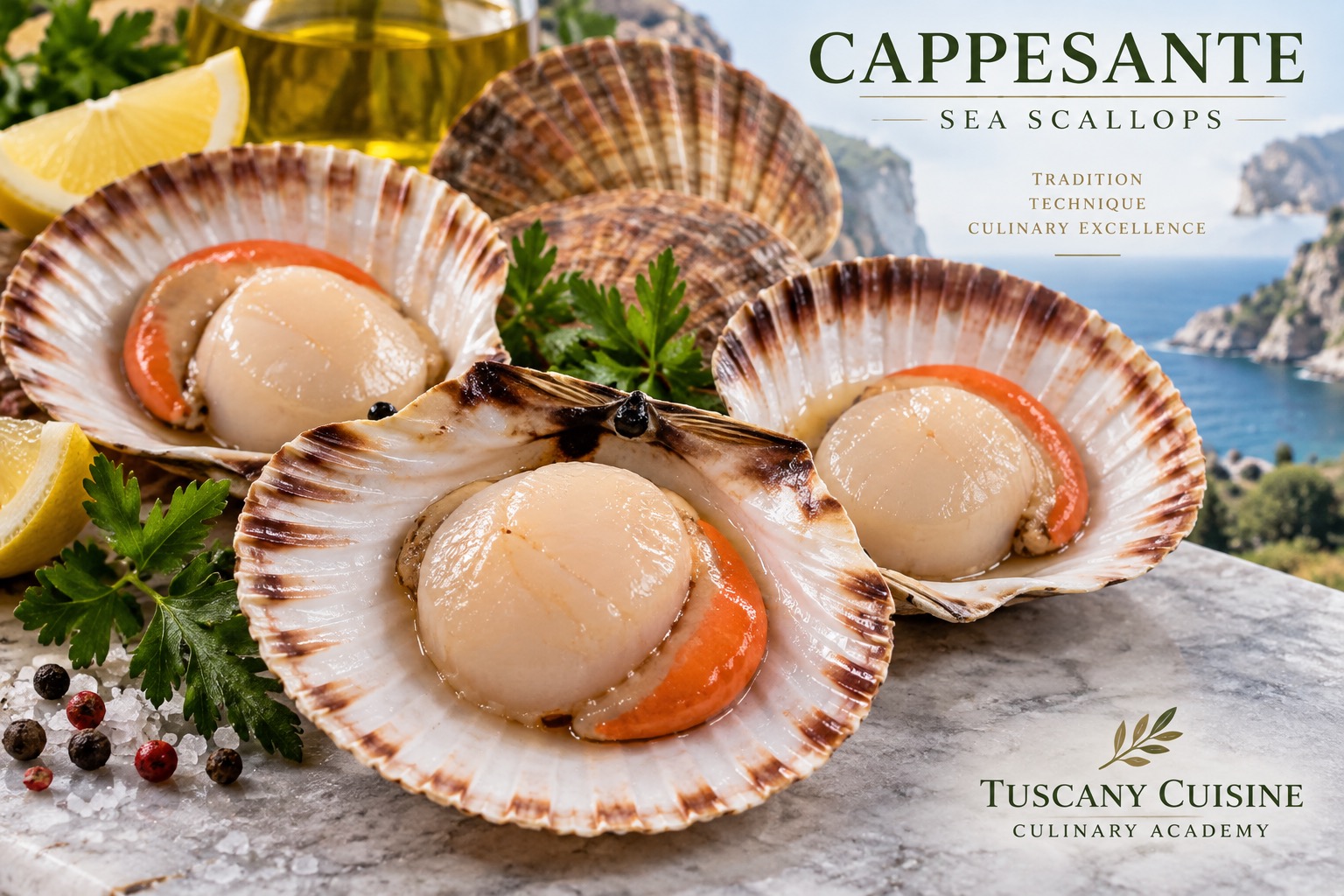 U10 Scallop — 1 each · cleanedSEAFOOD-SCALLOP-U10
-
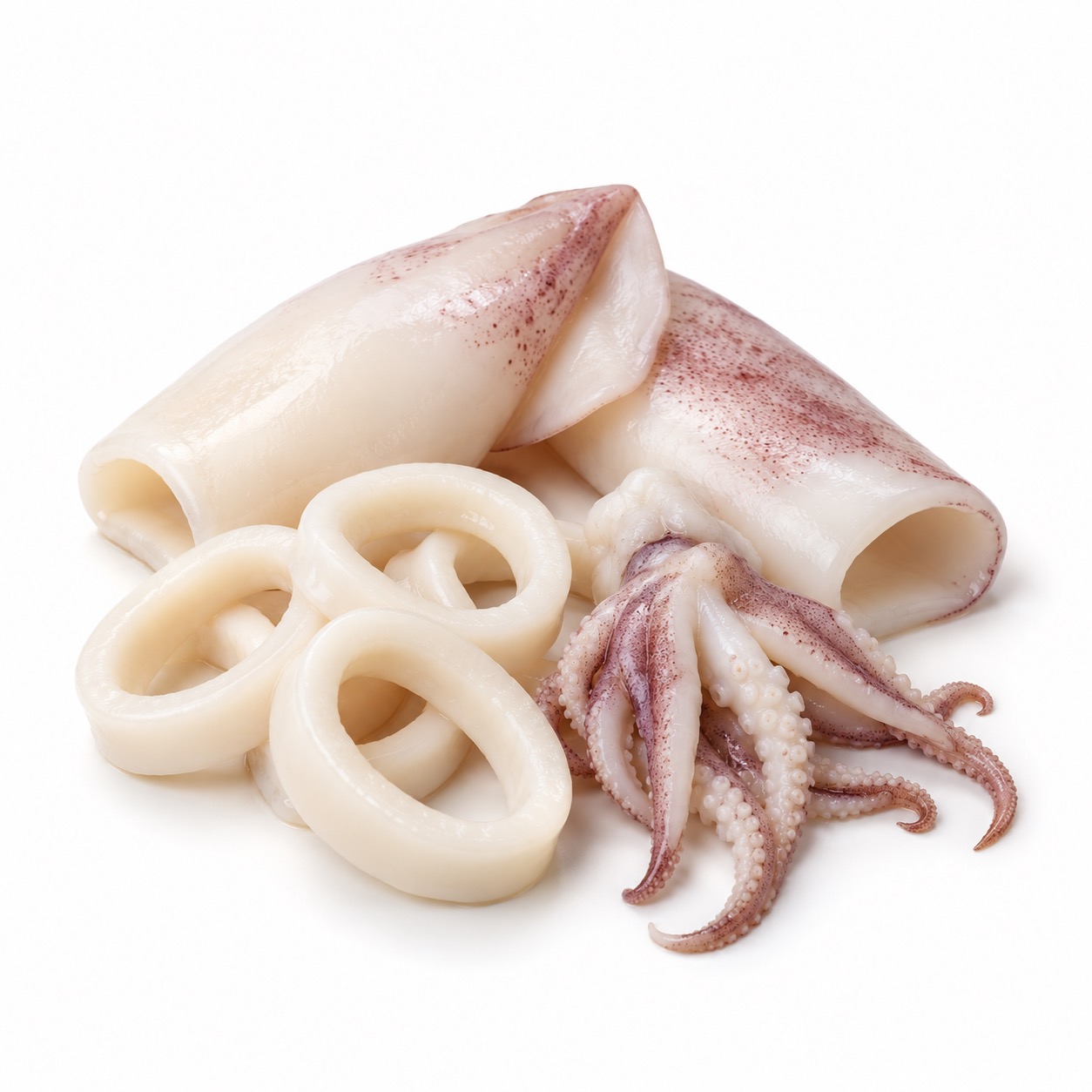 Cleaned Calamari — 1 each · cleaned and cut for stewSEAFOOD-CALAMARI
-
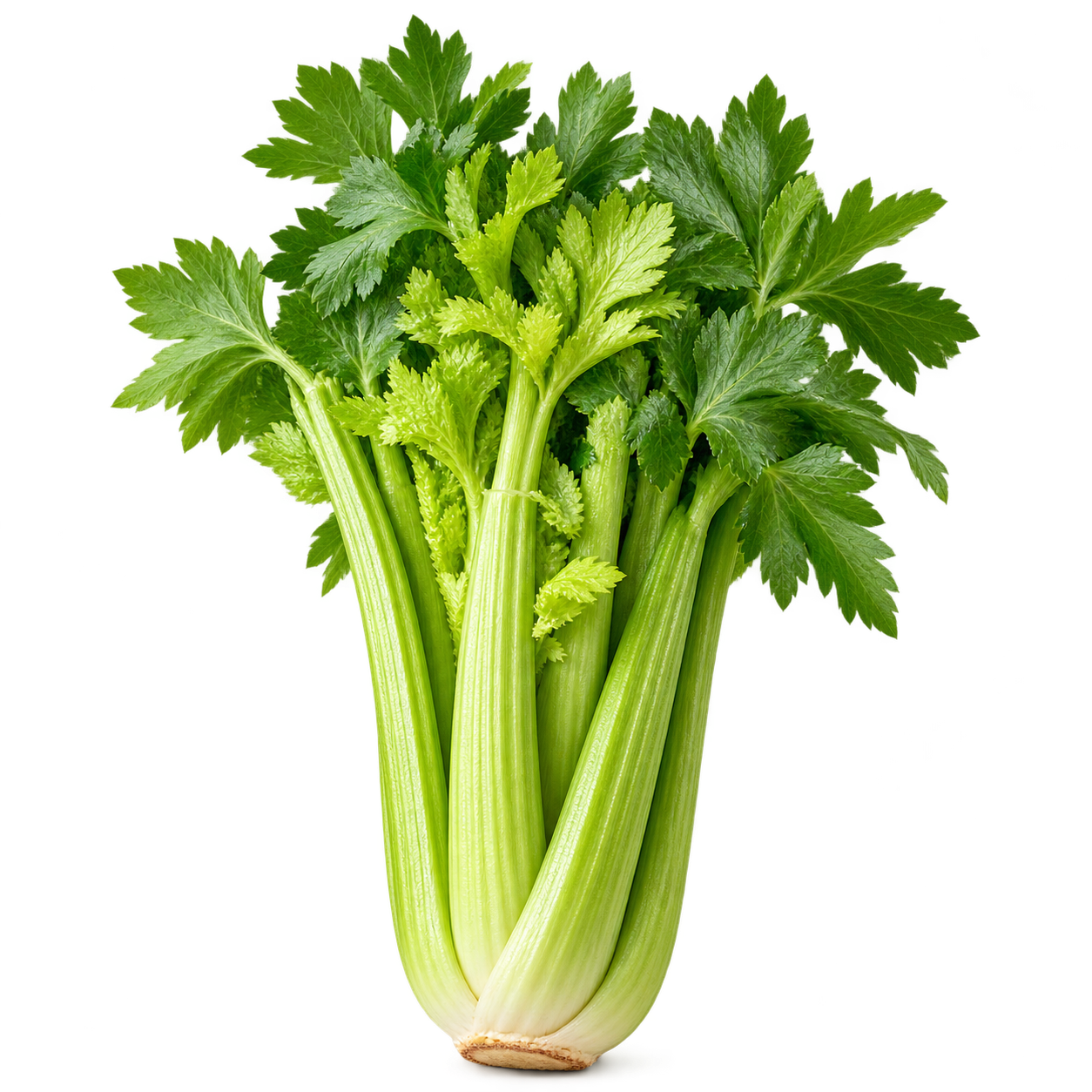 Celery — 2 each · stalksVEG-CEL-001
-
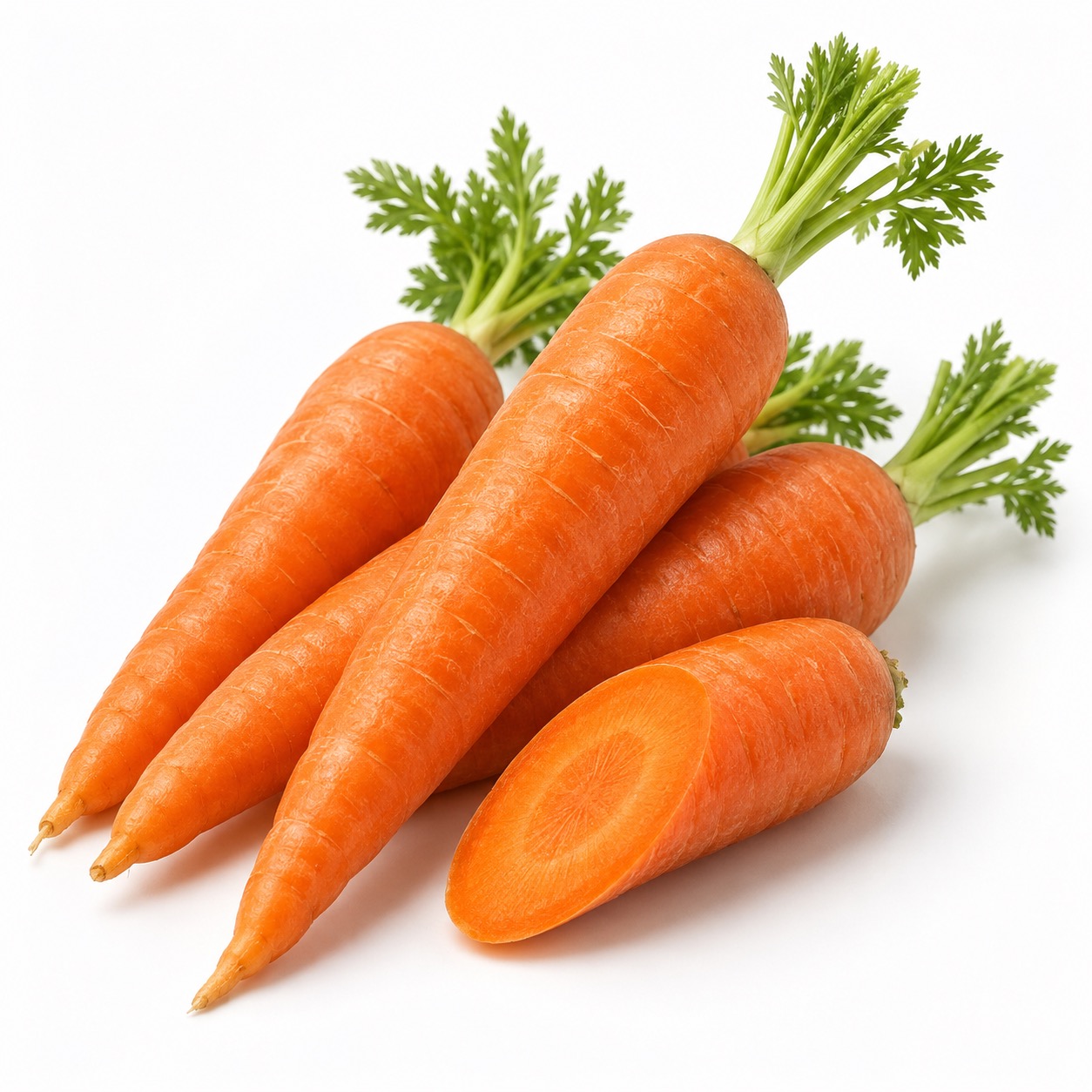 Jumbo Carrot — 1 each · jumboTC-VEG-CARROT-001
-
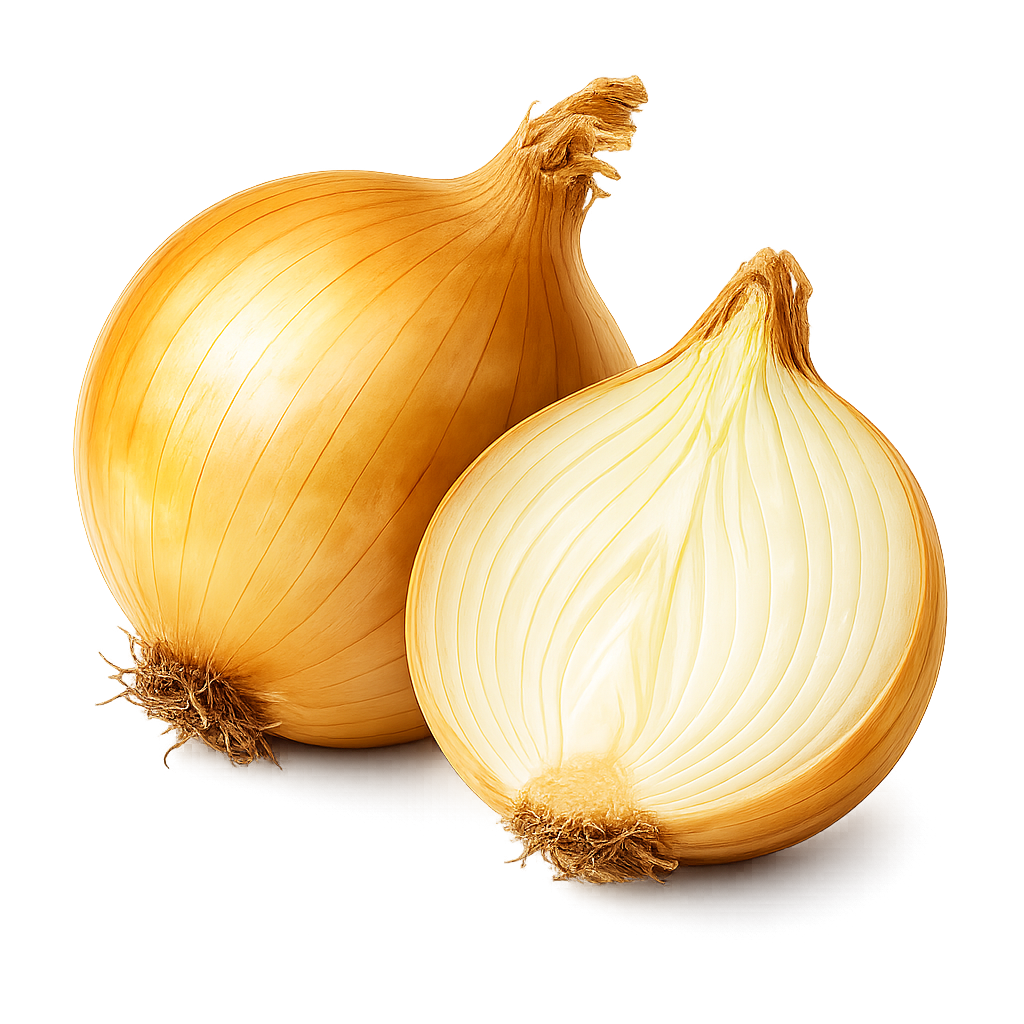 Jumbo Onion — 1 each · jumboTC-YELLOW-ONION
-
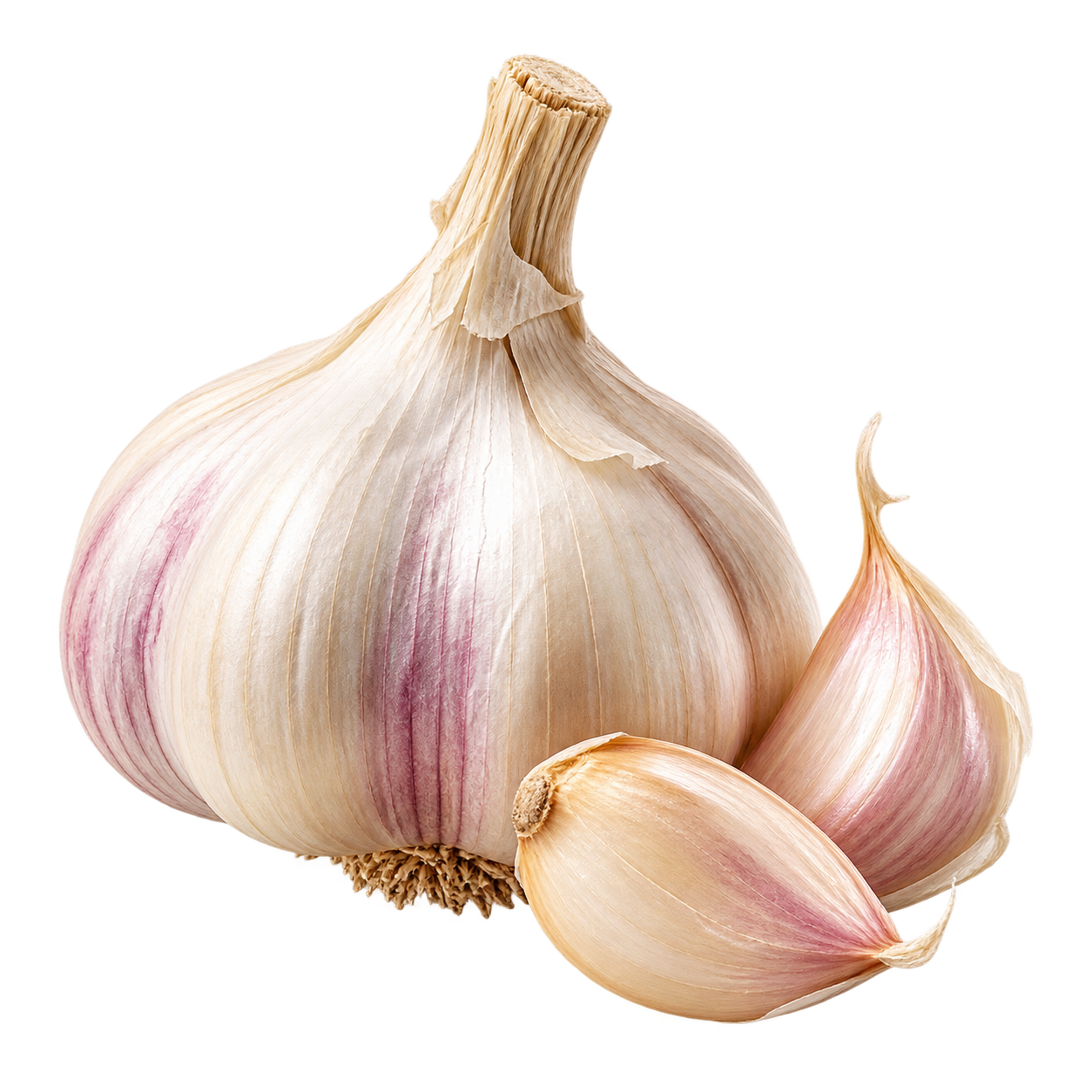 Garlic — 2 each · clovesTC-GARLIC
-
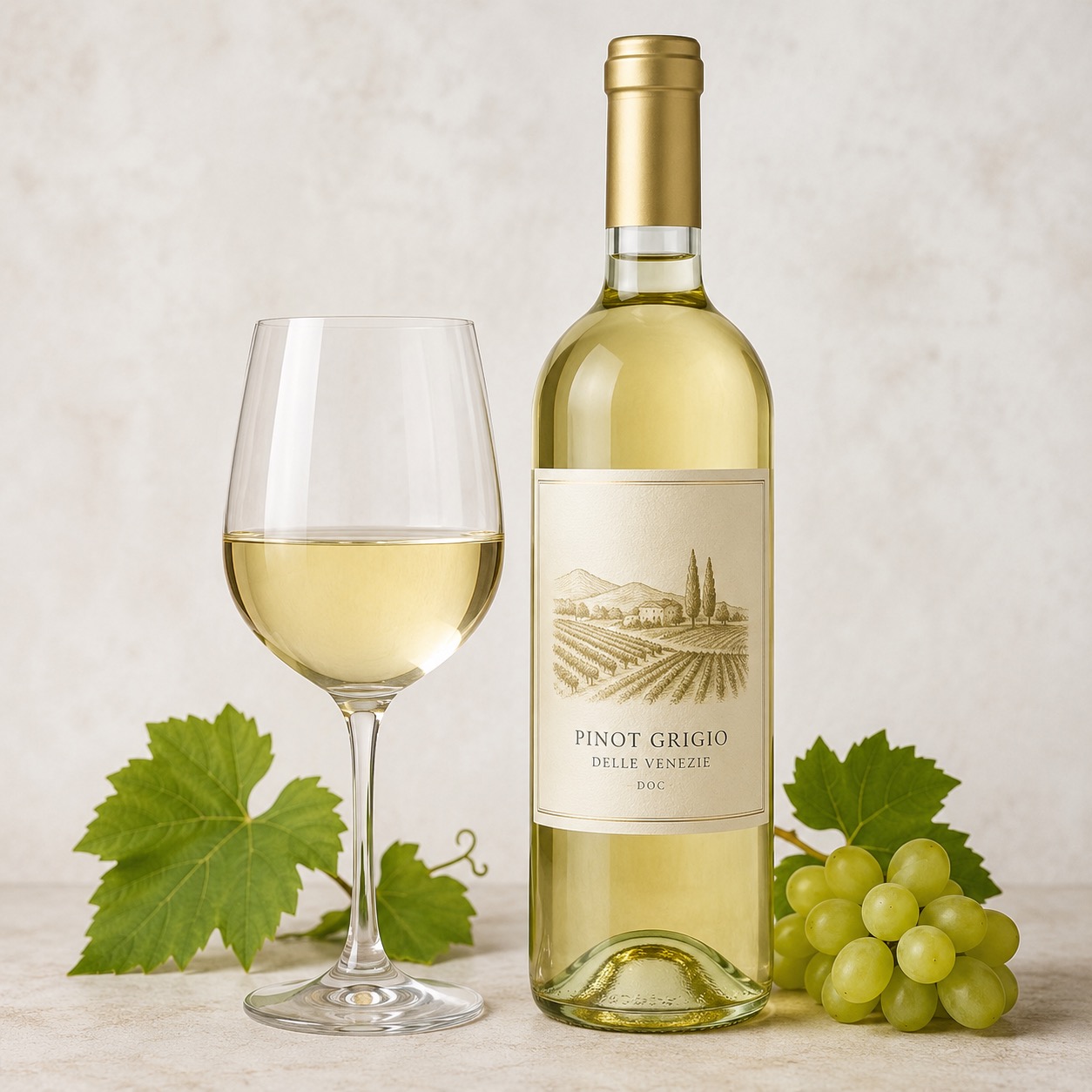 Dry White Wine — 240 ml · approximately 1 glassTC-WHITE-WINE
-
 Fish Fumet — 2 oz · prepared componentFISH-FUMET
-
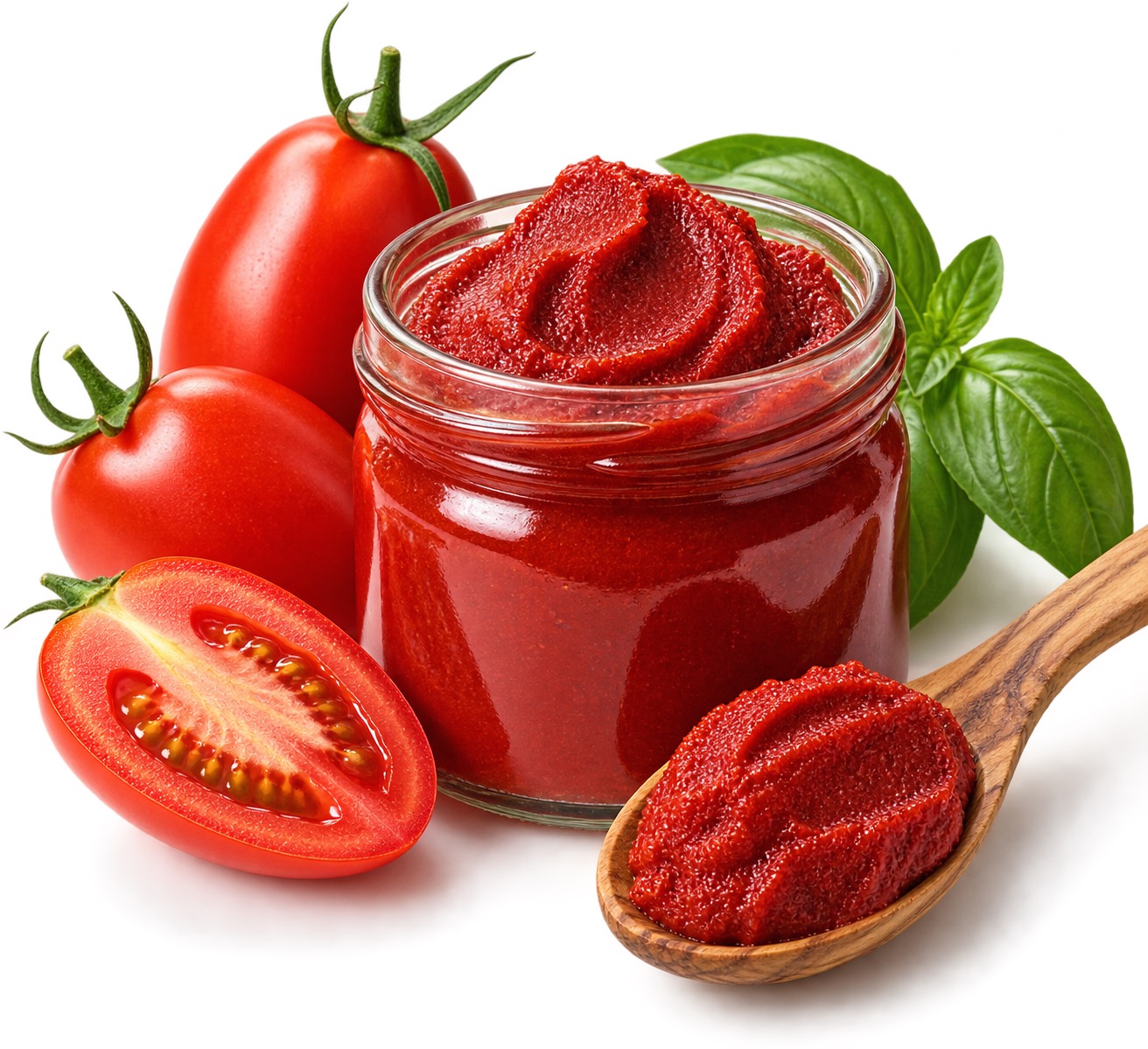 Tomato Paste — 1 tbspTC-TOMATO-PASTE
-
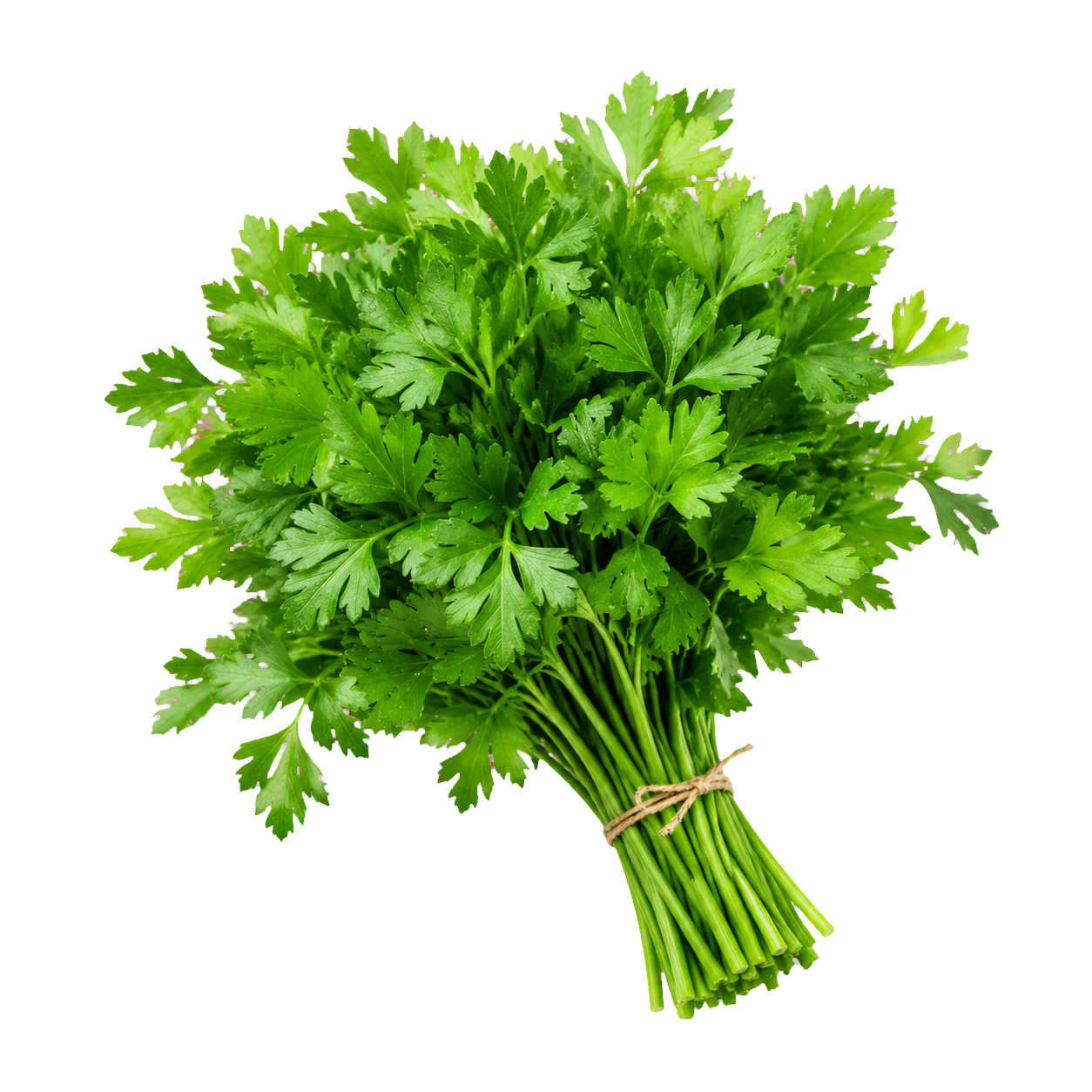 Italian Parsley — 1/2 bunchHERB-PARSLEY-FLAT
-
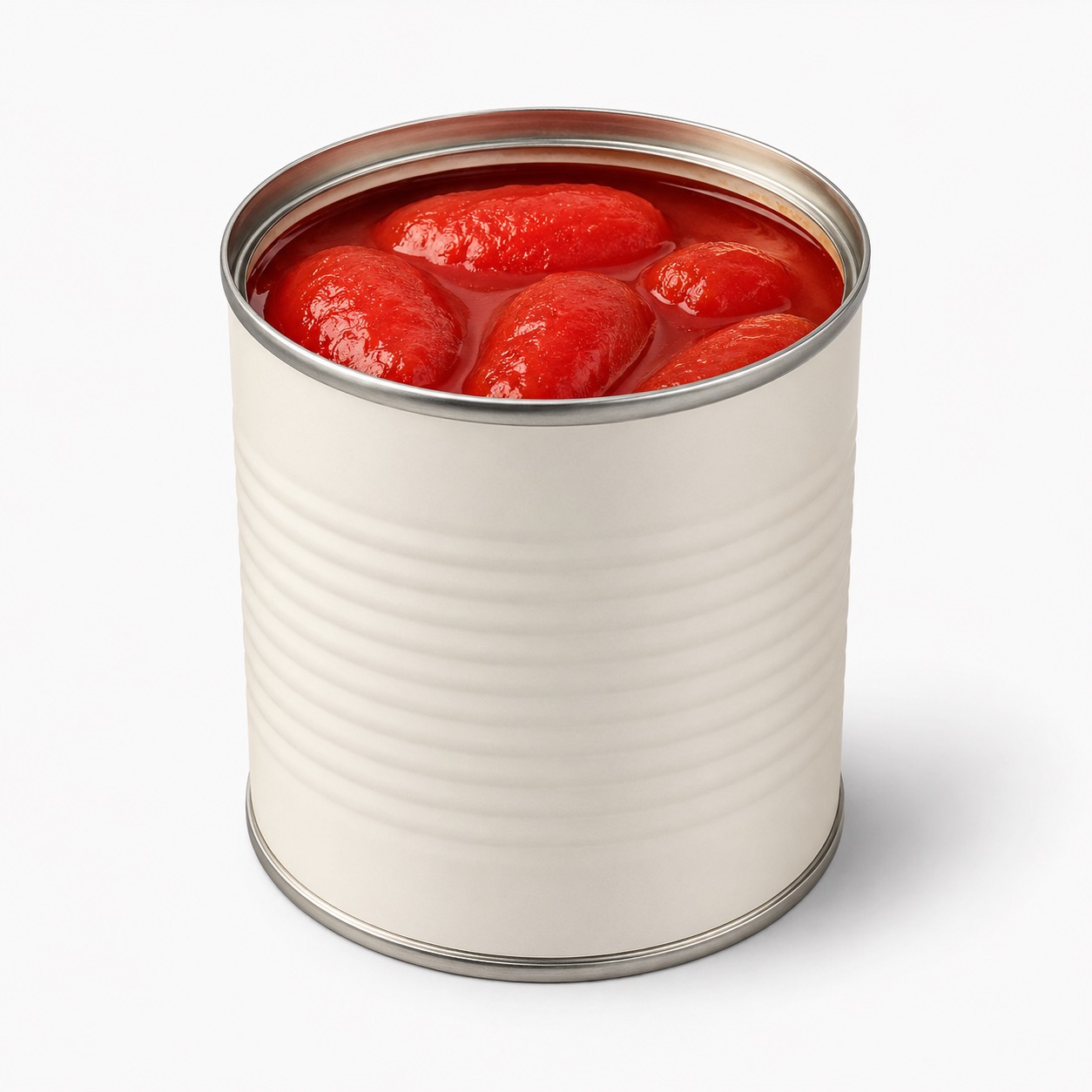 Italian Tomatoes — 1/2 can · blendedITALIAN-TOMATOES-CANNED
-
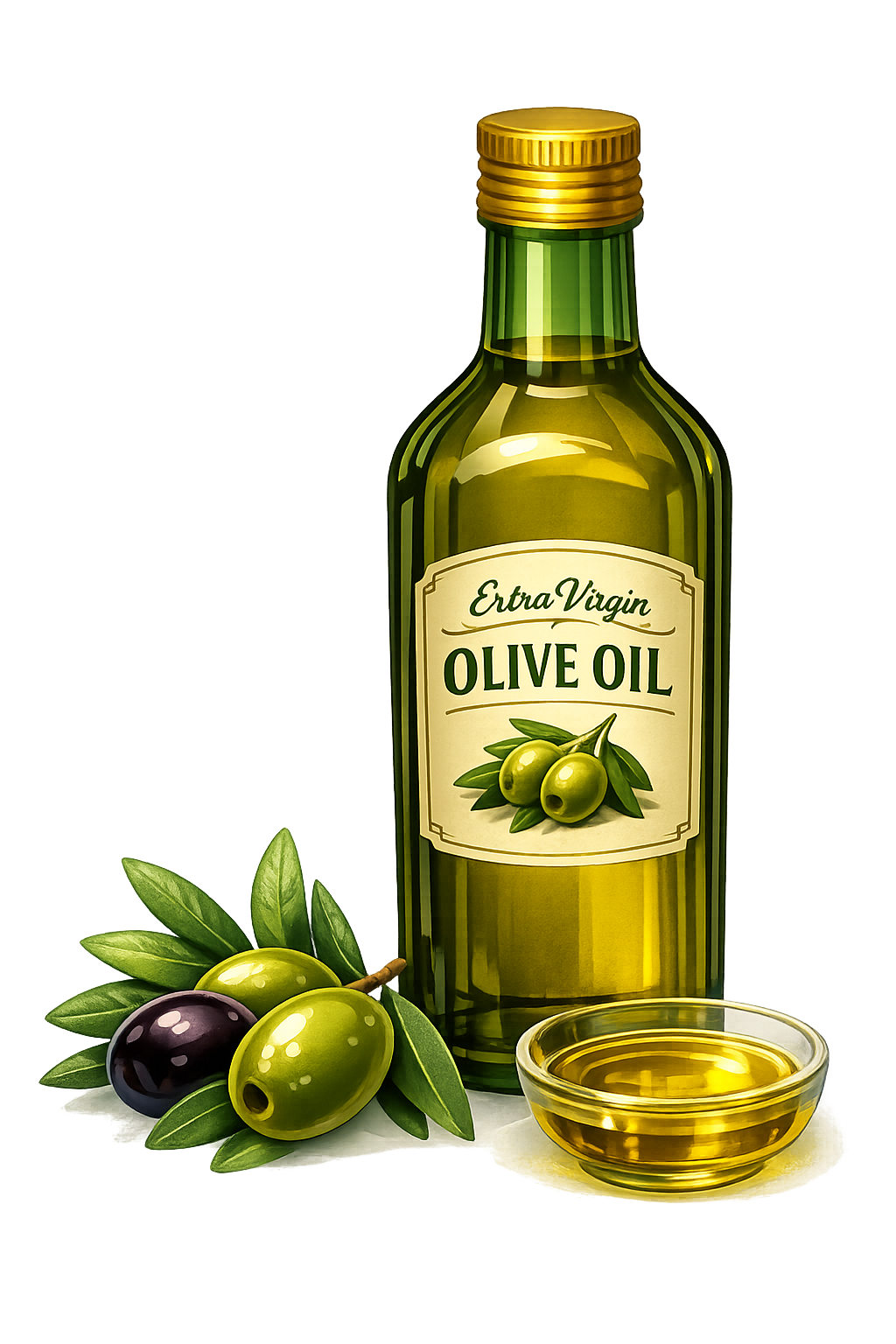 Extra Virgin Olive Oil — 3 ozTC-EXTRA-VIRGIN-OLIVE-OIL
-
 Tuscan Bread — 2 slices · slices, toasted and rubbed with garlicTUSCAN-BREAD
Preparation
- Using part of the measured olive oil, sauté the onion, celery, carrot and garlic until golden.
- Add the tomato paste, white wine, fish fumet and blended tomatoes, then simmer for 30 minutes to develop depth. Keep the broth ready for the final assembly.
- Pan-sear the cod and orange roughy separately, using their share of the measured olive oil and giving each fish the cooking time its thickness requires. Coordinate the seafood preparations for immediate service.
- Cook the clams and mussels in separate covered pans with a little of the hot broth. Remove each shellfish as it opens, and discard any that remain closed after cooking. Strain the cooking liquor to remove grit and add it to the main broth, adjusting its balance as needed.
- Cook the shrimp, calamari and scallop separately, using the remaining measured olive oil as needed. Give each component the heat and time required to cook through while retaining its characteristic texture.
- Immediately before service, bring the cooked seafood together in the hot tomato and fish-fumet broth. Gently reheat together just long enough to serve hot, turning carefully so the pieces remain intact and avoiding a prolonged simmer.
- Arrange the seafood in warm bowls so each ingredient is visible, then spoon the broth around the composition. Finish with the recipe’s parsley and toasted Tuscan bread rubbed with garlic, and serve immediately.
Service Suggestions
- Coordinate the separate seafood preparations so the final assembly follows immediately.
- Reheat the components together briefly in the hot broth, then arrange them in warm bowls.
- Give the seafood and grilled garlic-rubbed Tuscan bread clear positions on the plate, with the broth connecting them.
- Serve immediately to preserve the intended textures.
Dietary / HACCP Notes
- Contains fish, crustaceans and molluscan shellfish; prevent allergen cross-contact.
- Keep seafood properly refrigerated and cook each species only to the operation’s validated safe standard.
- Discard mussels or clams that remain closed after cooking.
- Fish fumet is a prepared component and should carry its own ingredient/allergen record.
| Calories | 460 |
| Protein | 38 g |
| Carbohydrates | 14 g |
| Fat | 22 g |
| Fiber | Not calculated |
| Cholesterol | Not calculated |
| Sodium | Varies with shellfish, fumet, and seasoning |