

Recipe Overview
This four-serving recipe preserves the supplied Tuscany Cuisine formulation while connecting the dish to Live Inventory, Menu Builder, Secondi production, ingredient graphics, labor allocation and structured recipe data without creating a duplicate Recipe entity.
Ingredients
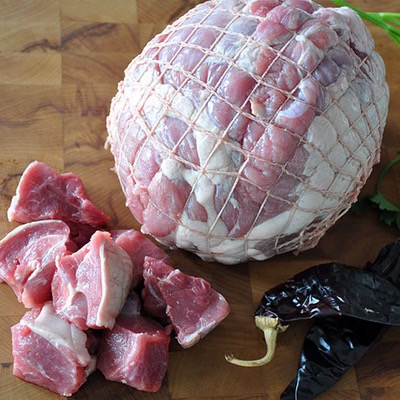 Wild Boar Shoulder — 1200 gcubed for salmì
 Dry Red Wine — 600 mlfor overnight marinade and braise
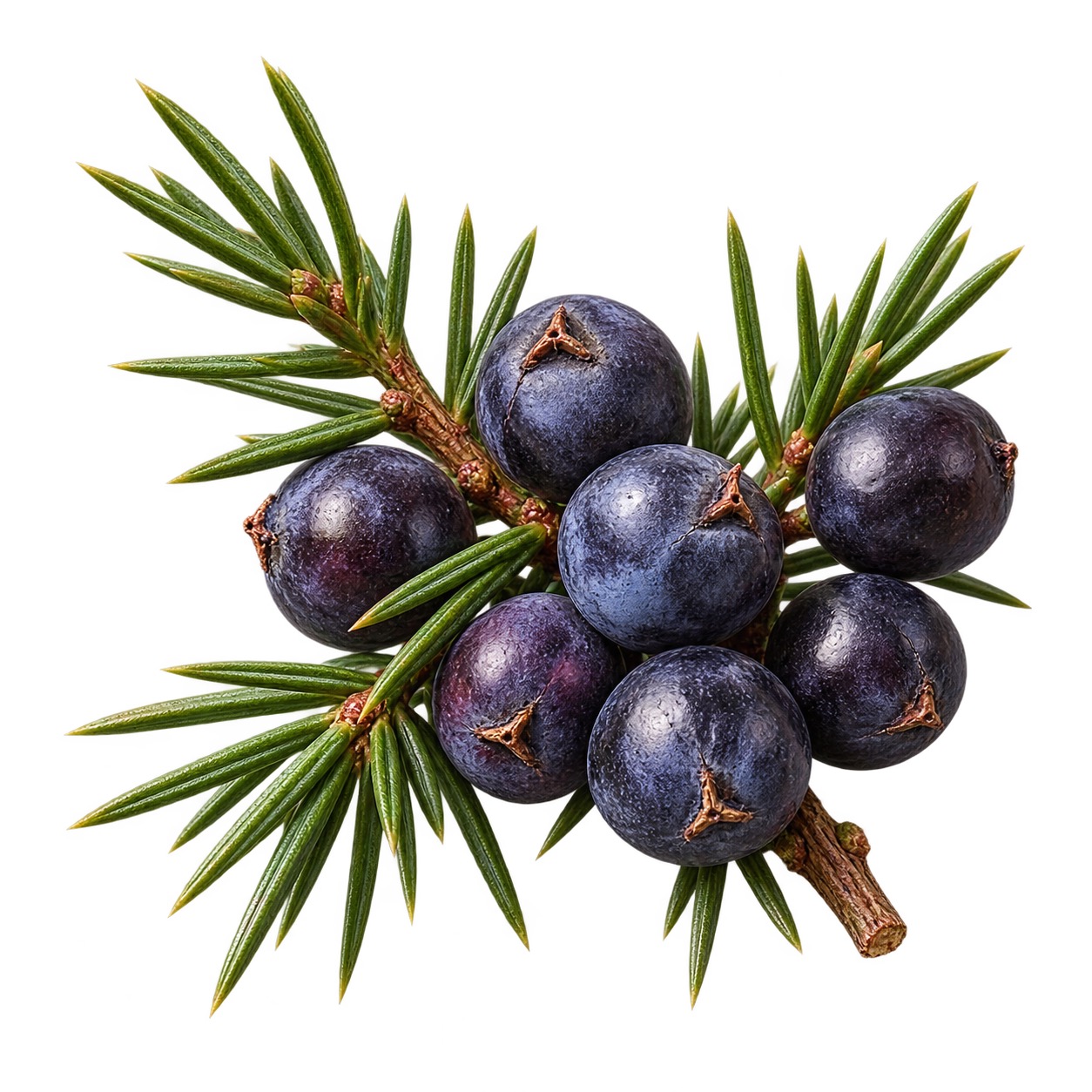 Juniper Berries & Bay Leaves — 8 gcombined source quantity; do not split for costing without a measured formula
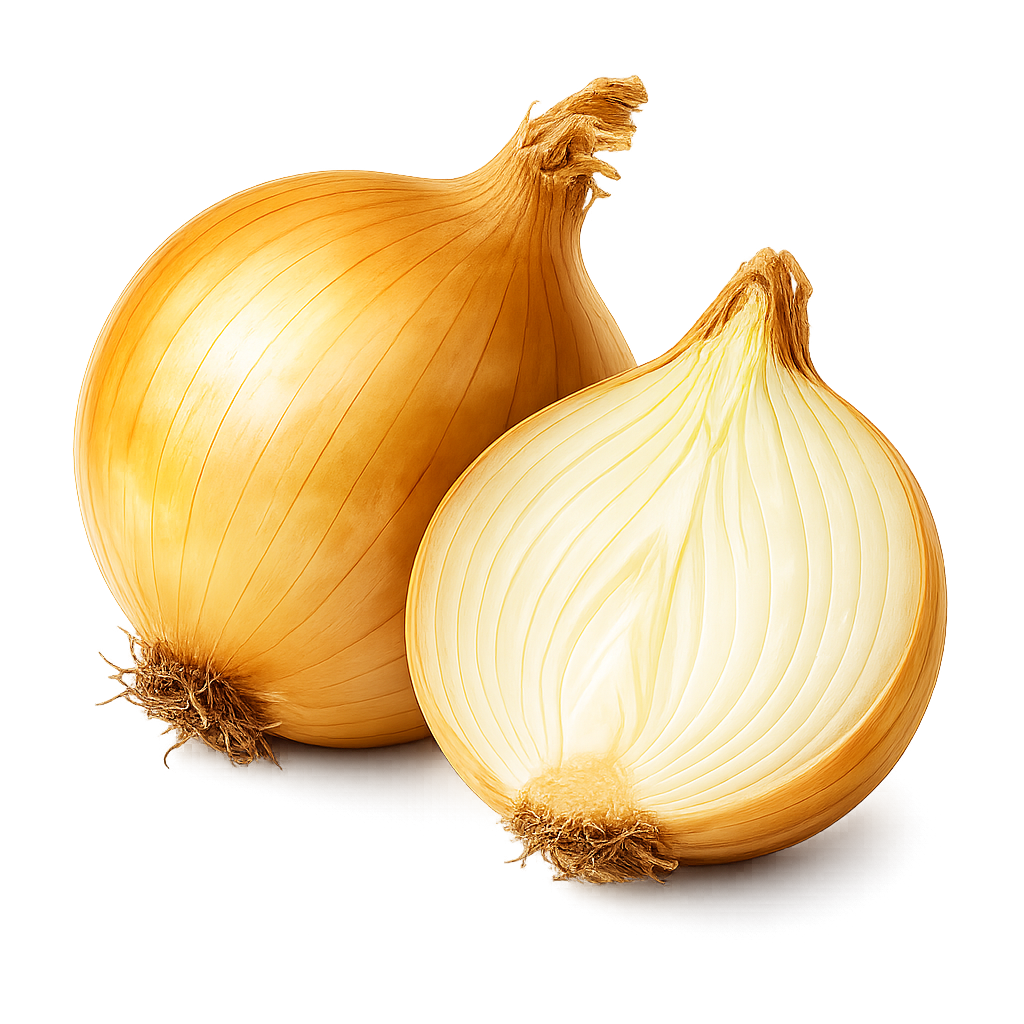 Yellow Onion — 320 gdiced
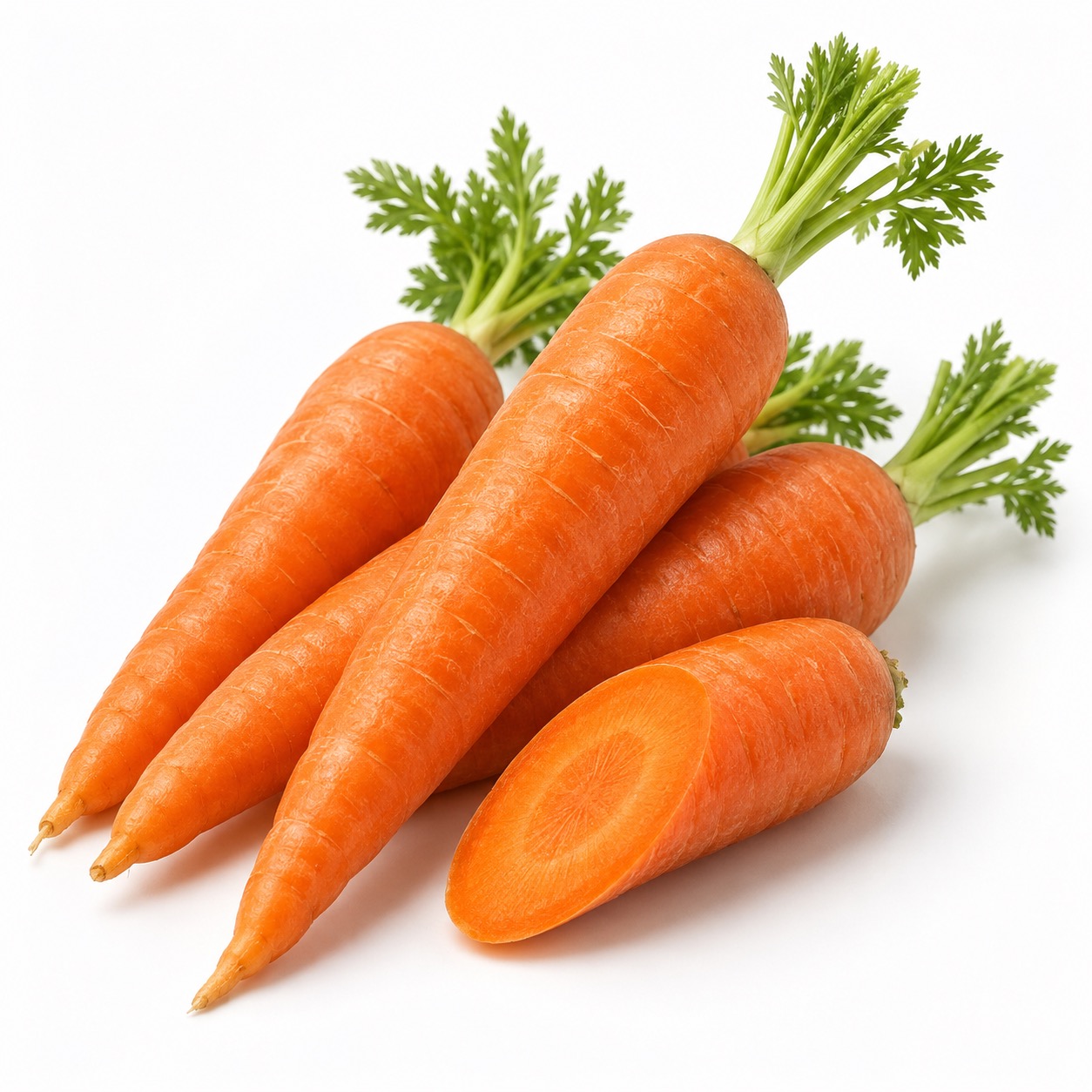 Carrot — 200 gdiced
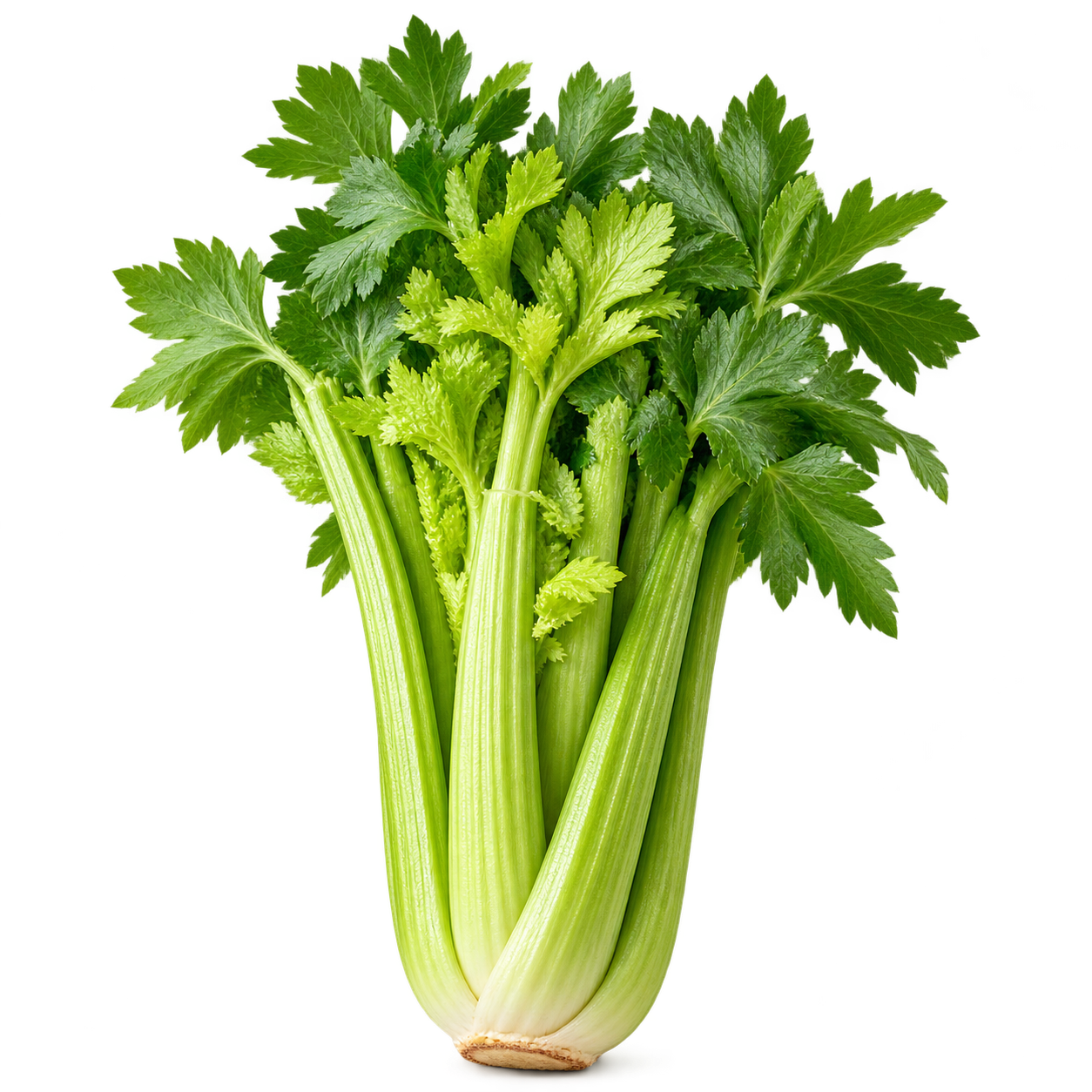 Celery — 200 gdiced
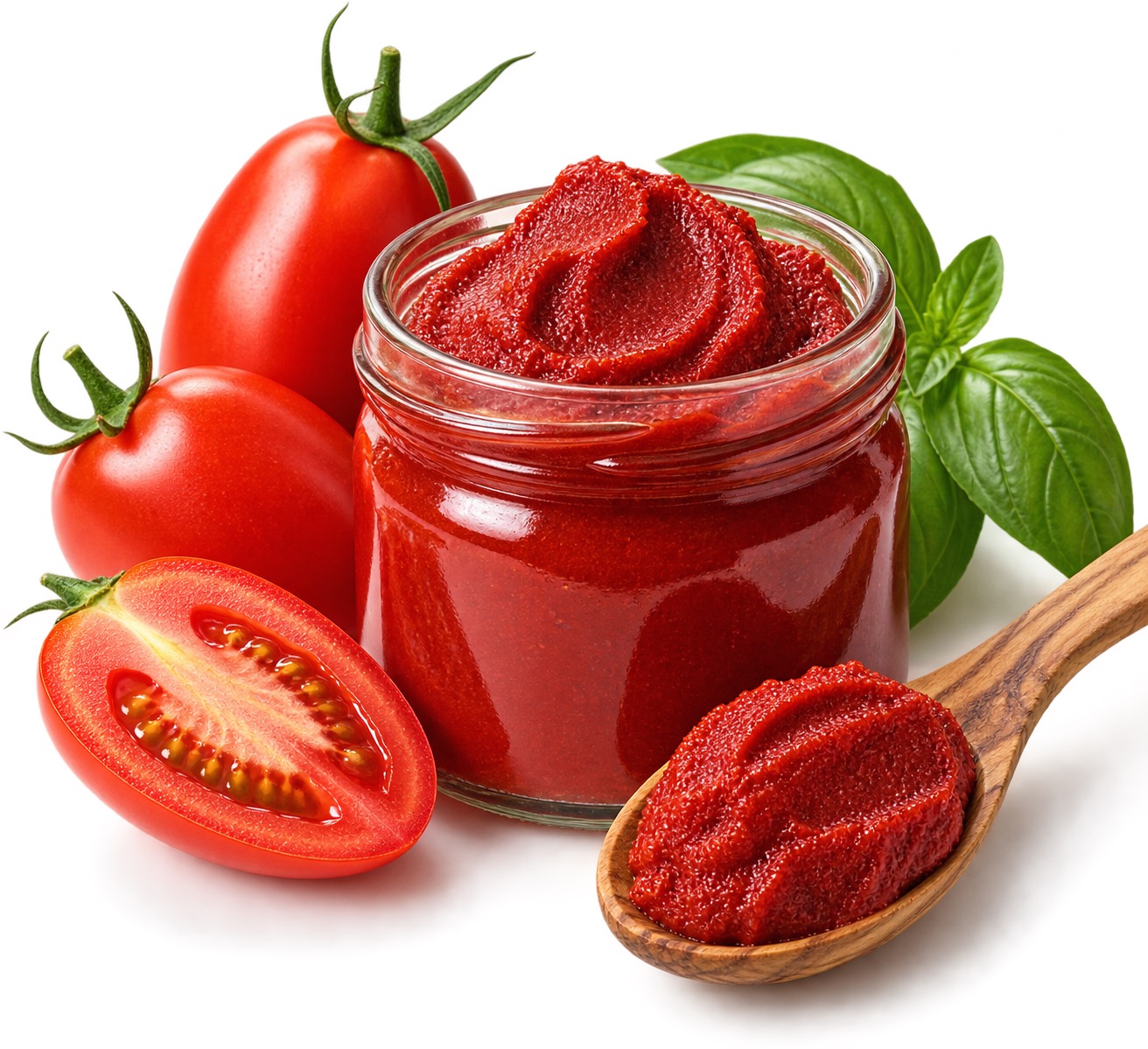 Tomato Paste — 80 gconcentrated tomato
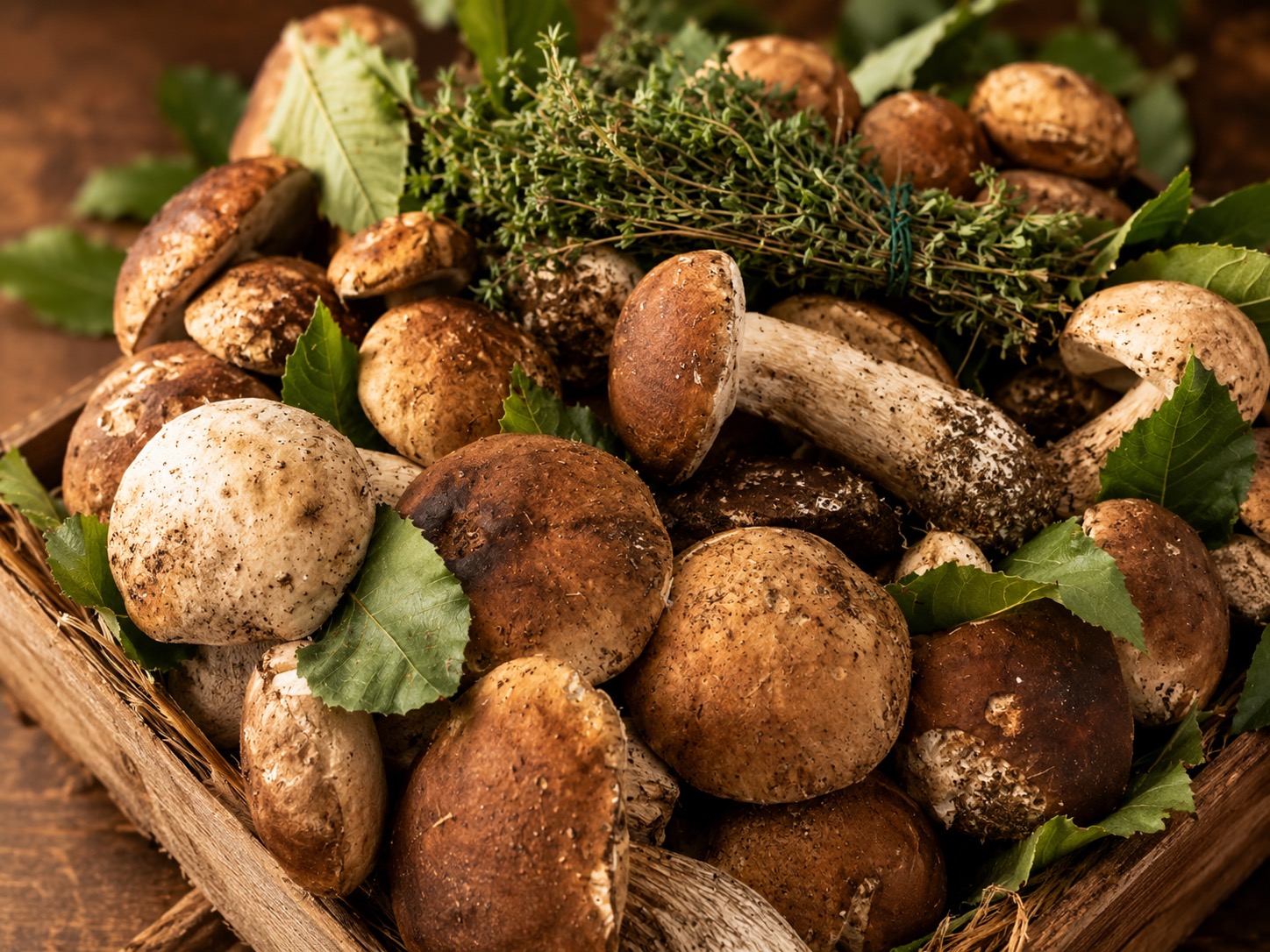 Porcini Mushrooms — 160 grehydrated
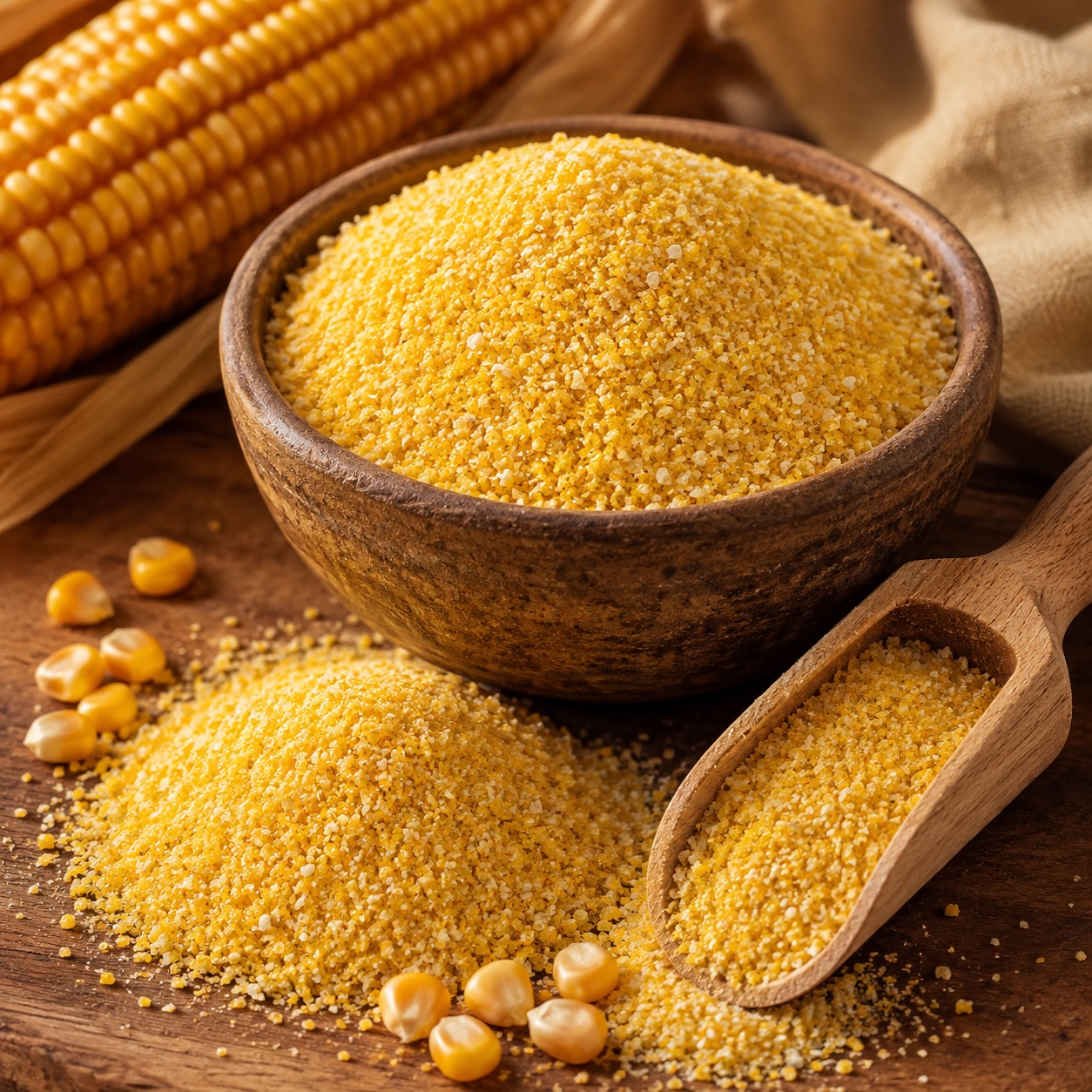 Polenta — 320 gdry polenta
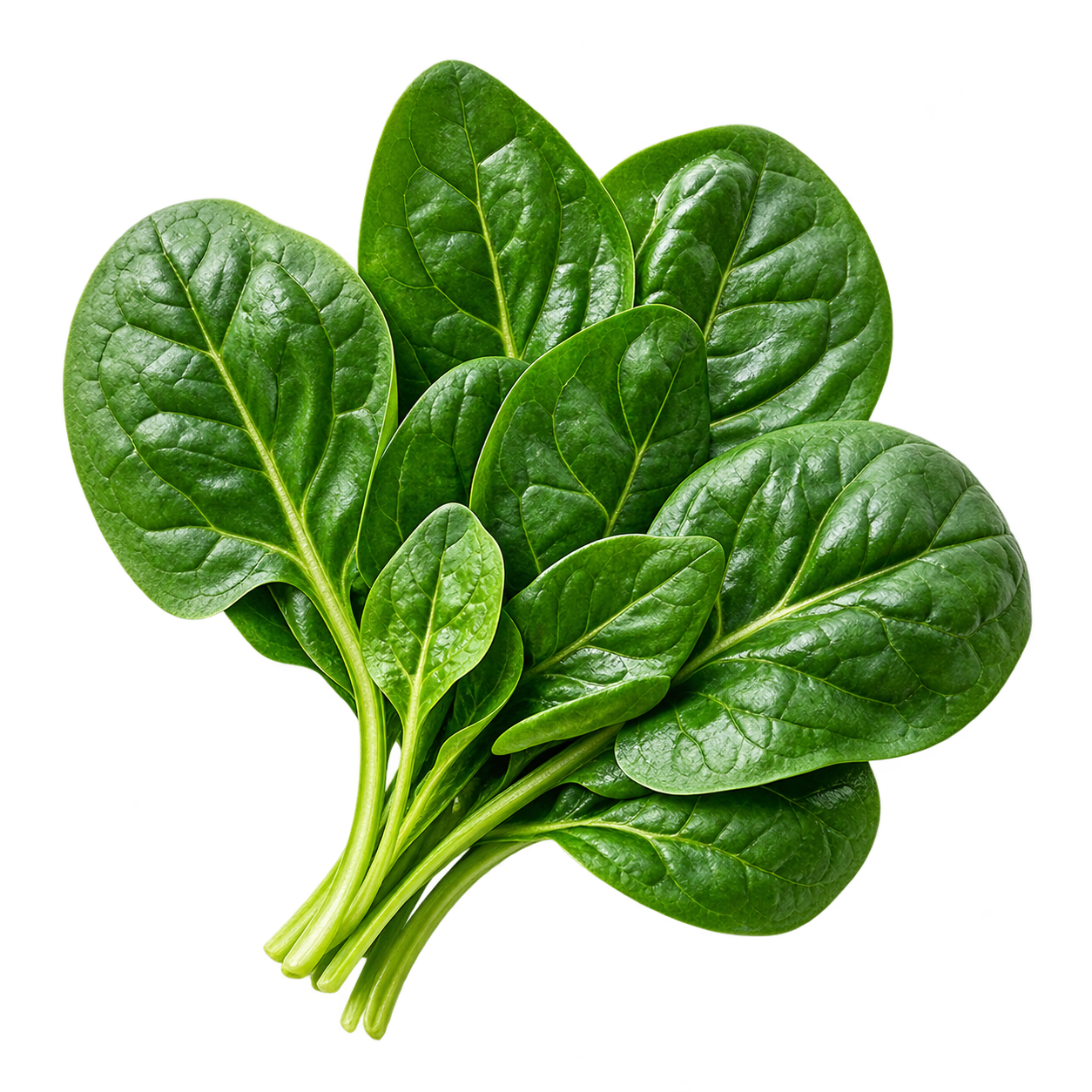 Spinach — 320 gcleaned
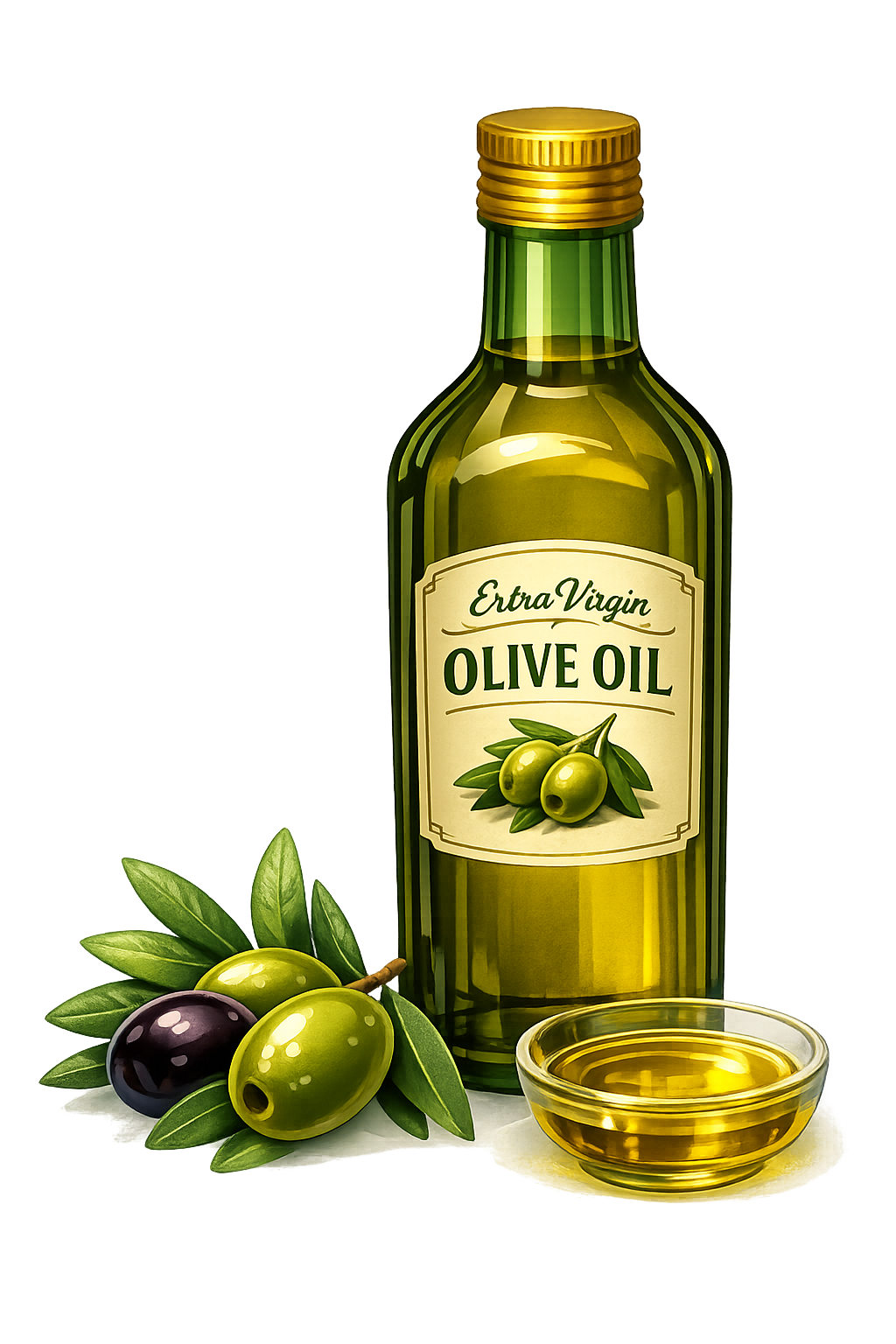 Extra Virgin Olive Oil — 80 mlfor searing and vegetables
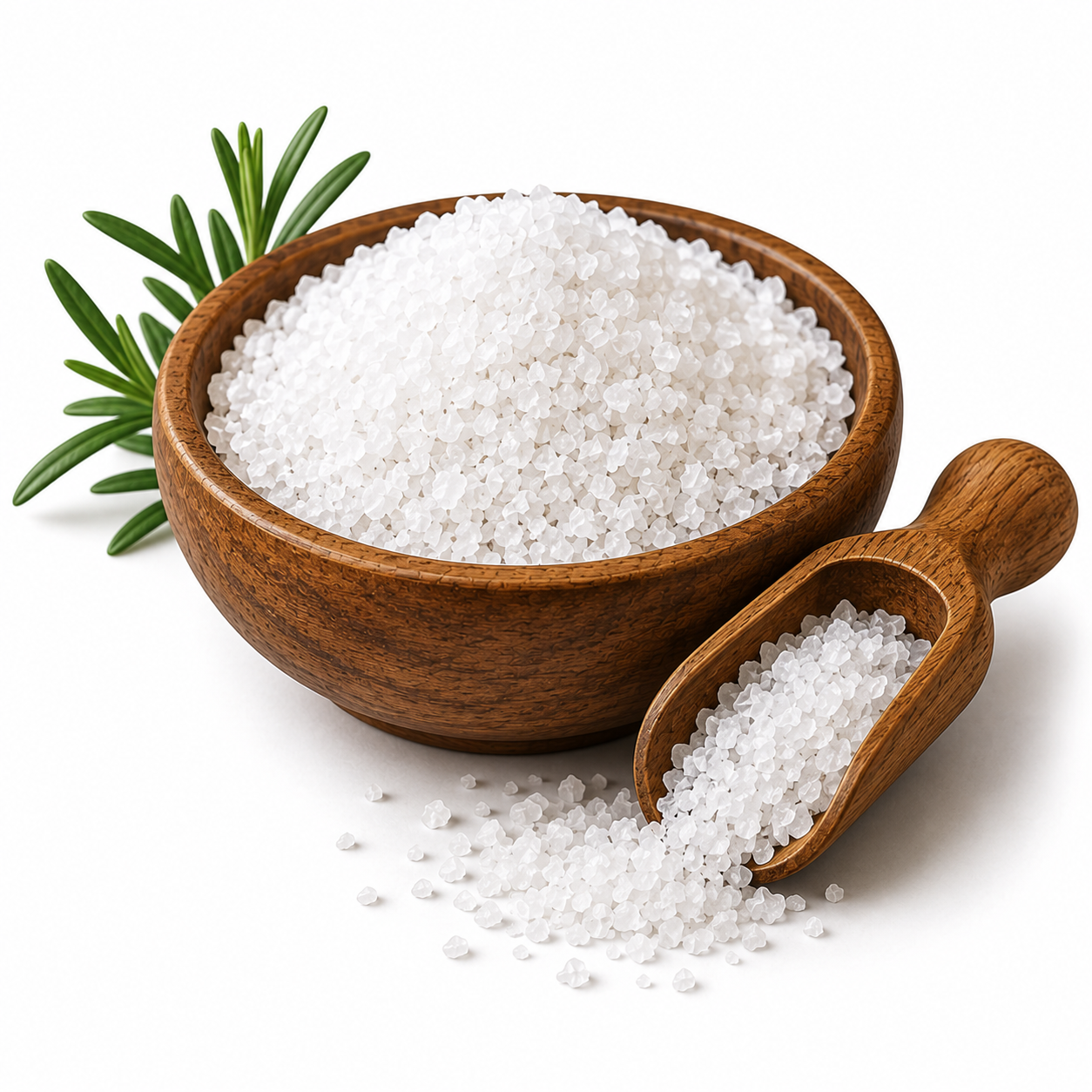 Sea Salt — 12 gmeasured source amount
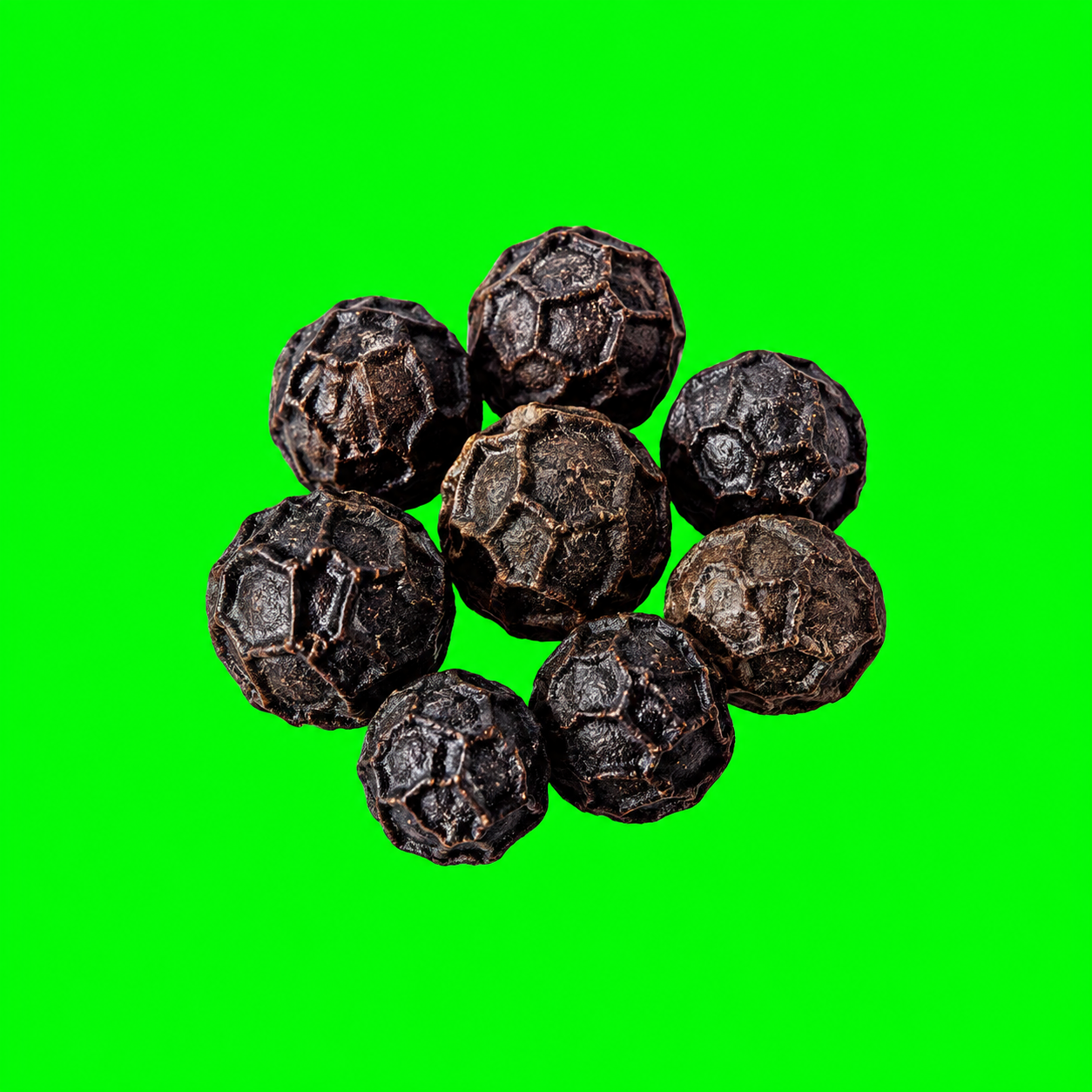 Black Pepper — 4 gground
Method
- Marinate the wild boar. Marinate the wild boar overnight in dry red wine with the juniper berries and bay leaves.
- Drain and sear. Drain the meat, reserve the marinade, pat the wild boar dry, and sear in olive oil until richly browned.
- Build the aromatic base. Add the onion, carrot, and celery and cook gently until softened. Stir in the tomato paste and cook briefly.
- Braise slowly. Return the meat to the pot, add the reserved wine marinade, and braise gently for about 3 hours, or until the shoulder is fork tender.
- Prepare the accompaniments. Prepare the creamy polenta, sauté the rehydrated porcini mushrooms, and cook the spinach for service.
- Plate and serve. Spoon the polenta onto warm plates, add the cinghiale in salmì with its braising juices, and finish with porcini mushrooms and spinach.
Tuscan Tradition & Maremma History
The Maremma region of Tuscany is a land of rolling hills, dense forests, coastal scrub, and a long relationship with wild game. Cinghiale — wild boar — is deeply woven into the identity and cooking traditions of the area.
The source recipe connects wild boar with ancient Tuscan history, noting Etruscan and Roman associations with the animal and the later importance of boar hunting during the Middle Ages. In the kitchen, that heritage continues in dishes such as pappardelle al cinghiale and cinghiale in salmì, where long marination and patient braising transform robust game into a deeply aromatic dish.
This preparation preserves that rustic logic: wine, juniper, bay, aromatic vegetables and time soften and perfume the meat, while polenta, porcini mushrooms and spinach make the finished plate complete and unmistakably Tuscan.
Nutrition (per serving, estimate)
| Calories | 690 kcal |
| Protein | 52 g |
| Fat | 28 g |
| Carbohydrates | 34 g |
| Sodium | Varies with seasoning and reduction |