
Recipe Overview
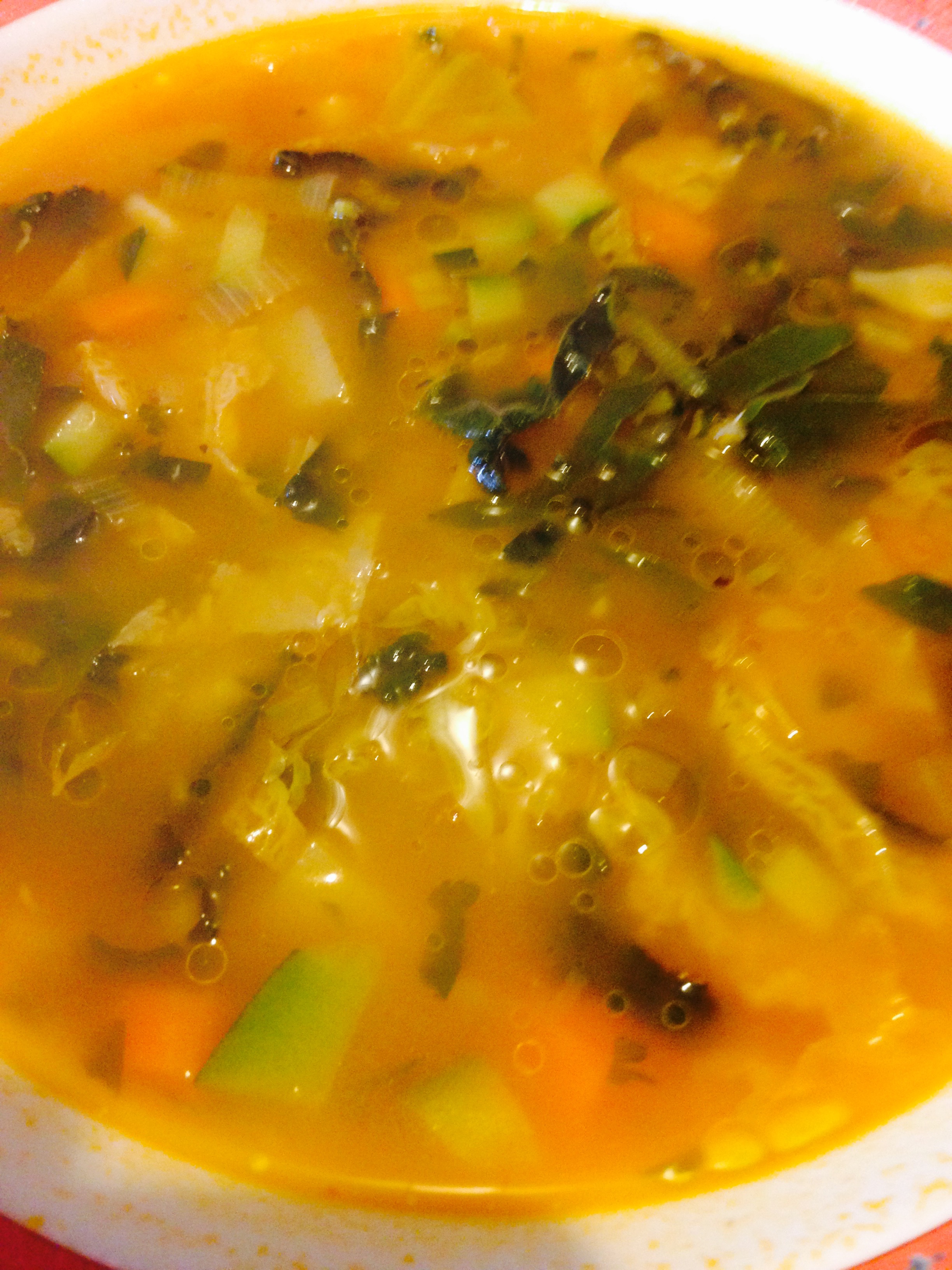
Traditional Tuscan minestrone is one of those soups that changes with the garden, the season, and the cook’s restraint. This version brings together cavolo nero, Savoy cabbage, potatoes, greens, peas, zucchini, and cannellini beans in a broth that gains natural body by blending back a small portion of the pot instead of relying on cream. It is rustic, honest, and deeply useful for both family meals and professional menu planning.
Why This Page Matters
This page gives you a polished public-facing soup recipe while also keeping the internal structure needed for your growing Tuscany Cuisine system, including metadata, station assignment, and inventory mapping.
Connected Experience
Readers can discover the recipe, scale it for service, print it for prep, and eventually send it directly into your Menu Builder and live inventory logic without scraping the page manually.
Ingredients
- 60 g extra-virgin olive oil
- 10 g garlic (about 3 cloves)
- 15 g Italian parsley, chopped
- 300 g Tuscan black kale (cavolo nero), sliced
- 300 g Savoy cabbage, sliced
- 120 g leek, sliced
- 160 g carrots, diced
- 160 g celery, diced
- 400 g potatoes, peeled and diced
- 200 g Swiss chard, chopped
- 150 g spinach, chopped
- 200 g zucchini, diced
- 400 g cooked cannellini beans (drained)
- 70 g tomato paste
- 150 g sweet peas (fresh or frozen)
- 12 g sea salt, or to taste
- 2 g black pepper, or to taste
Preparation
- Warm the extra-virgin olive oil in a large heavy pot and gently sauté the garlic and parsley until aromatic without letting them color too much.
- Add leek, carrots, and celery, then cook slowly to build the aromatic base of the soup.
- Add the black kale, Savoy cabbage, potatoes, tomato paste, and enough water or light broth to cover the vegetables generously.
- Bring to a gentle simmer and cook until the vegetables begin to soften and the broth takes on body.
- Blend a small portion of the soup and return it to the pot to thicken naturally and create the traditional rustic texture.
- Add Swiss chard, spinach, zucchini, peas, and cannellini beans, then continue simmering until all vegetables are tender and the soup is fully integrated.
- Adjust seasoning with sea salt and black pepper and finish with extra-virgin olive oil before serving.
Rustic Soup, Modern Culinary System
This recipe stays faithful to Tuscan peasant tradition while also being structured for modern chef use, event scaling, menu development, and ingredient planning inside your Tuscany Cuisine operational system.
Technique Note
Blending back a small portion of the soup is one of the best classic ways to give minestrone structure and softness without cream, flour, or heaviness. It keeps the bowl rustic, vegetable-forward, and naturally thickened.
Service Notes
- Serve hot with a drizzle of extra-virgin olive oil.
- Optional Parmigiano Reggiano adds savory depth.
- The flavor improves beautifully overnight.
- Excellent for banquet prep, family meal, or seasonal lunch menus.
| Calories | 245 kcal |
| Protein | 9 g |
| Carbohydrates | 29 g |
| Fat | 11 g |
| Fiber | 8 g |
| Cholesterol | 0 mg |
| Sodium | 540 mg |