
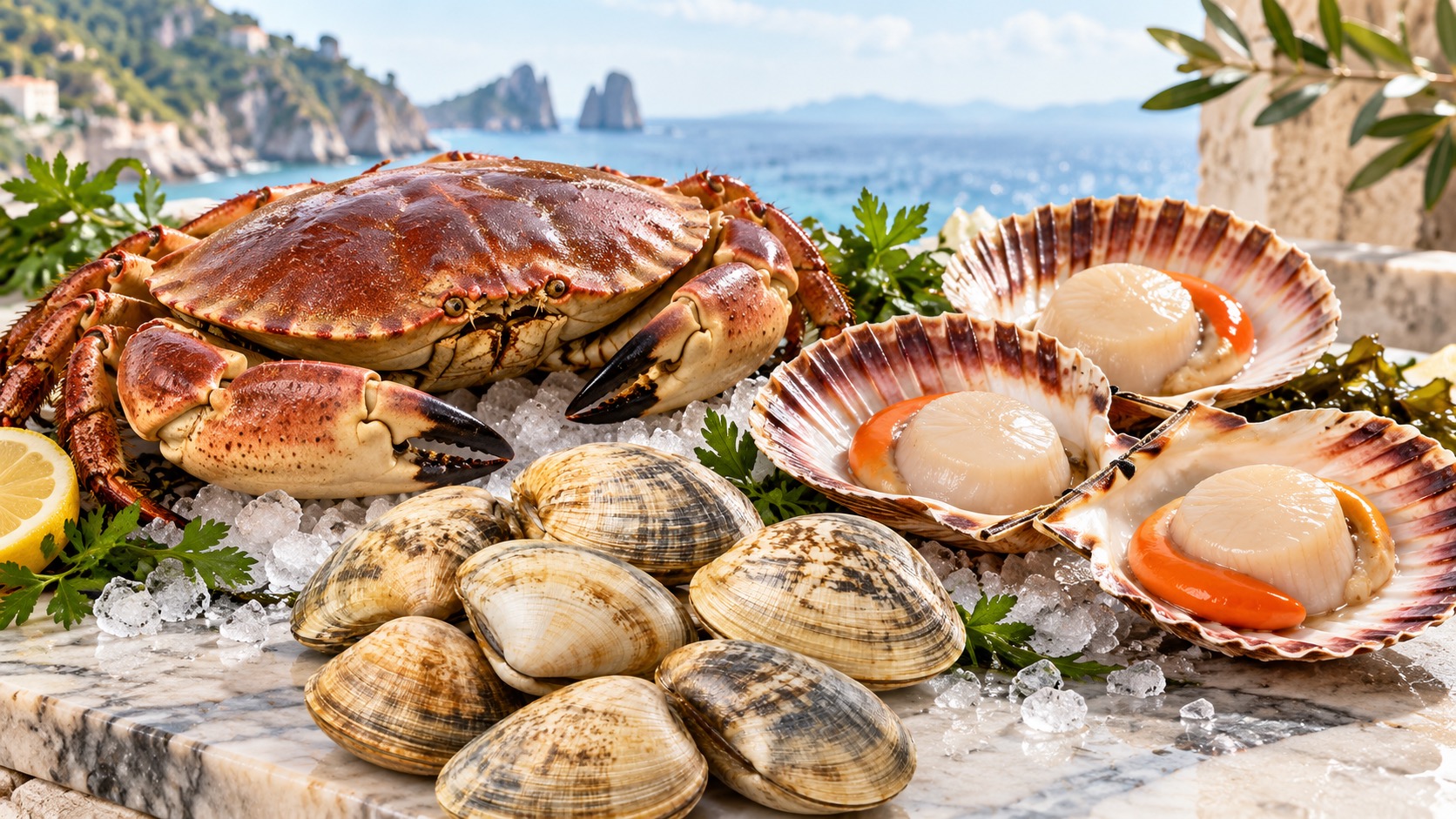
Shellfish library
Shellfish & crustacean ingredient cards
The Tuscany Cuisine shellfish foundation is expanding into a visual ingredient library that connects culinary education, recipes, inventory, purchasing and professional kitchen production.
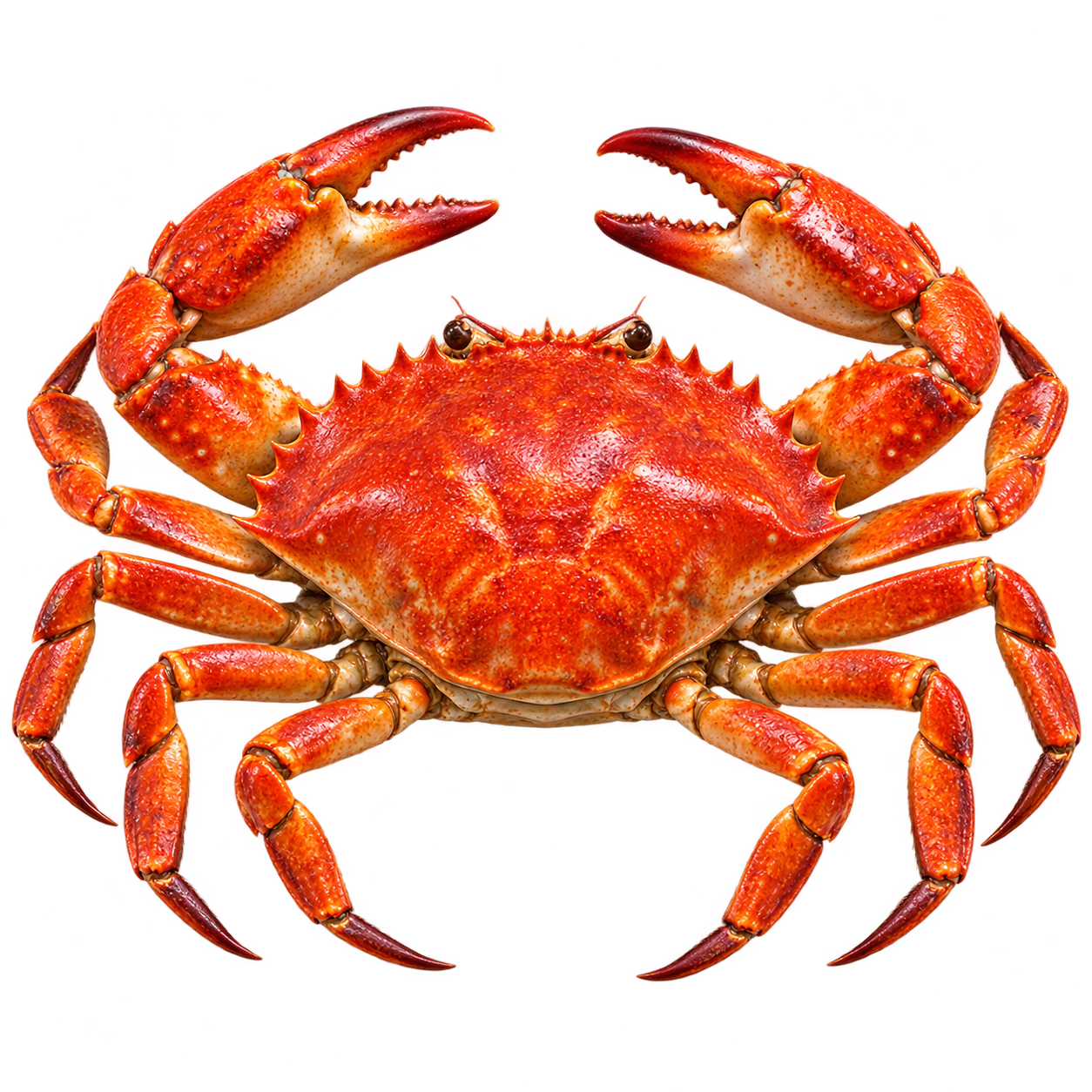
Crab / Granchio
Global crab varieties, meat grades, seasonality, nutrition, quality, processing, sourcing and professional culinary applications.
Crustacean · Live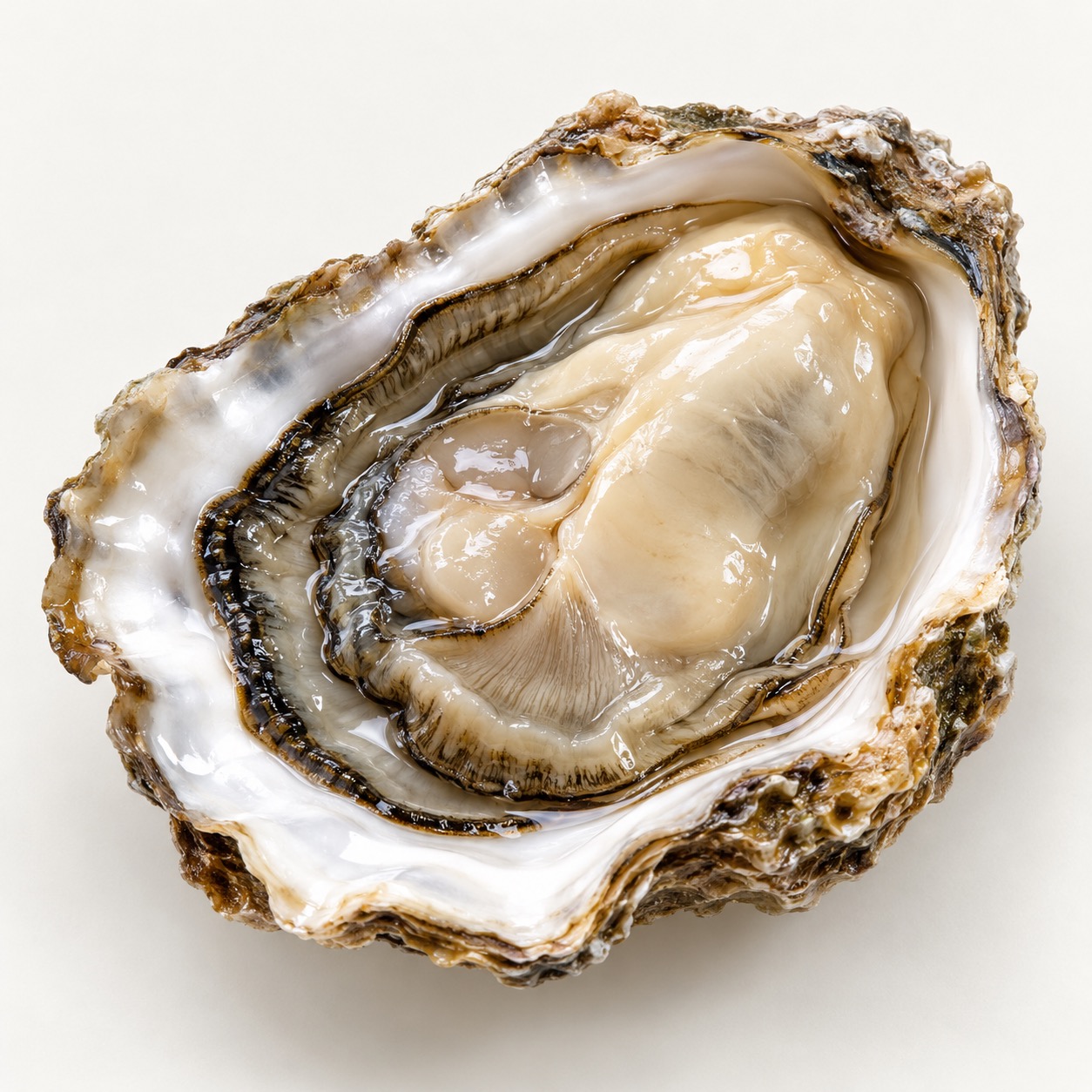
Oysters / Ostriche
Briny bivalve mollusks prized for merroir, delicate texture and natural liquor. Essential for raw-bar service, gratin, roasting, sauces, risotto and refined coastal preparations.
Bivalve Mollusk · New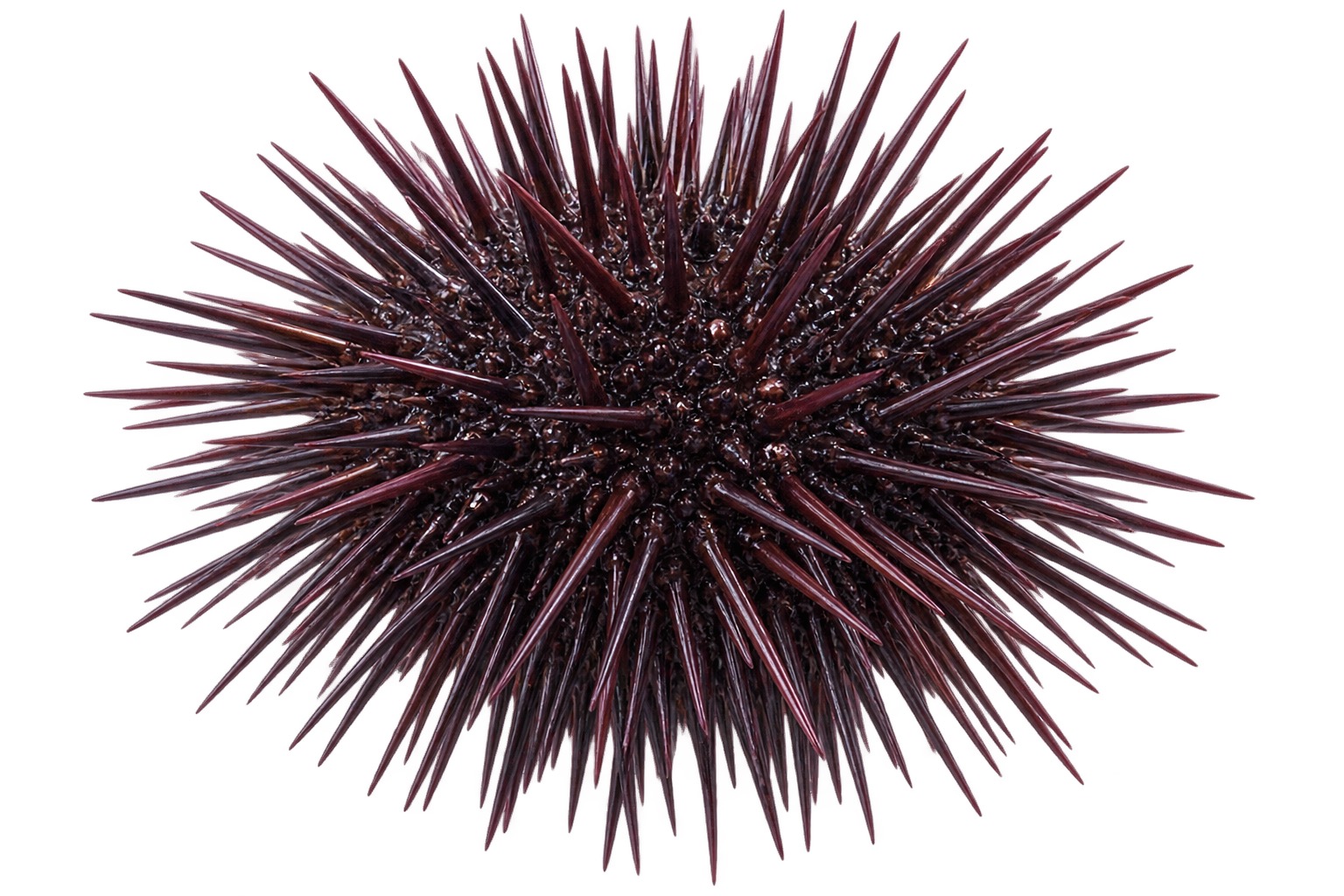
Sea Urchin / Riccio di Mare
Edible Mediterranean purple sea urchin prized for its rich golden gonads, creamy texture, marine sweetness and intense iodine-saline character. Used raw, in pasta, risotto, sauces and refined coastal preparations.
Echinoderm · New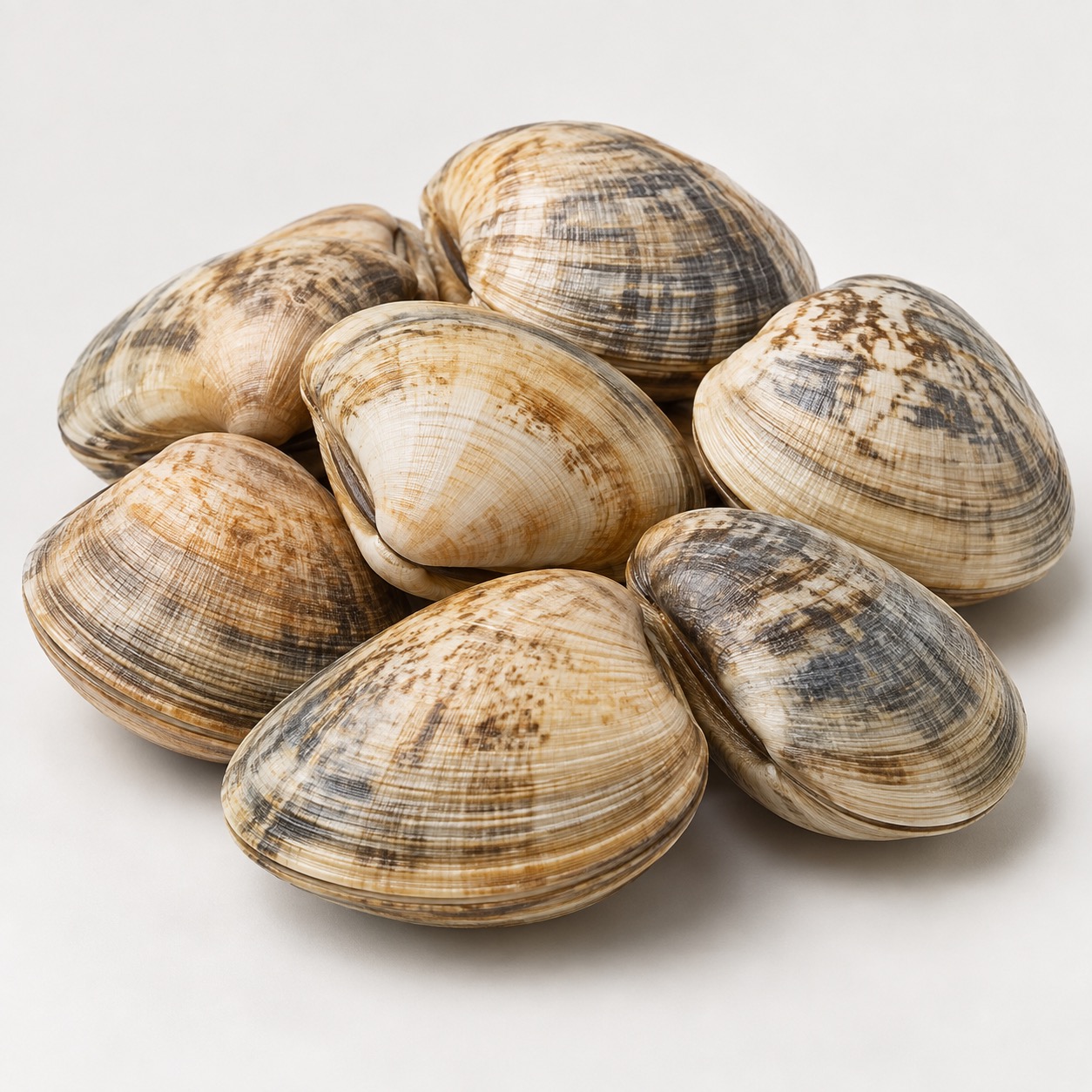
Manila Clams / Vongole Veraci
Small, sweet and briny bivalve clams prized for their tender meat and flavorful liquor. Excellent for pasta, sautés, soups, steaming and refined coastal seafood preparations.
Bivalve Mollusk · New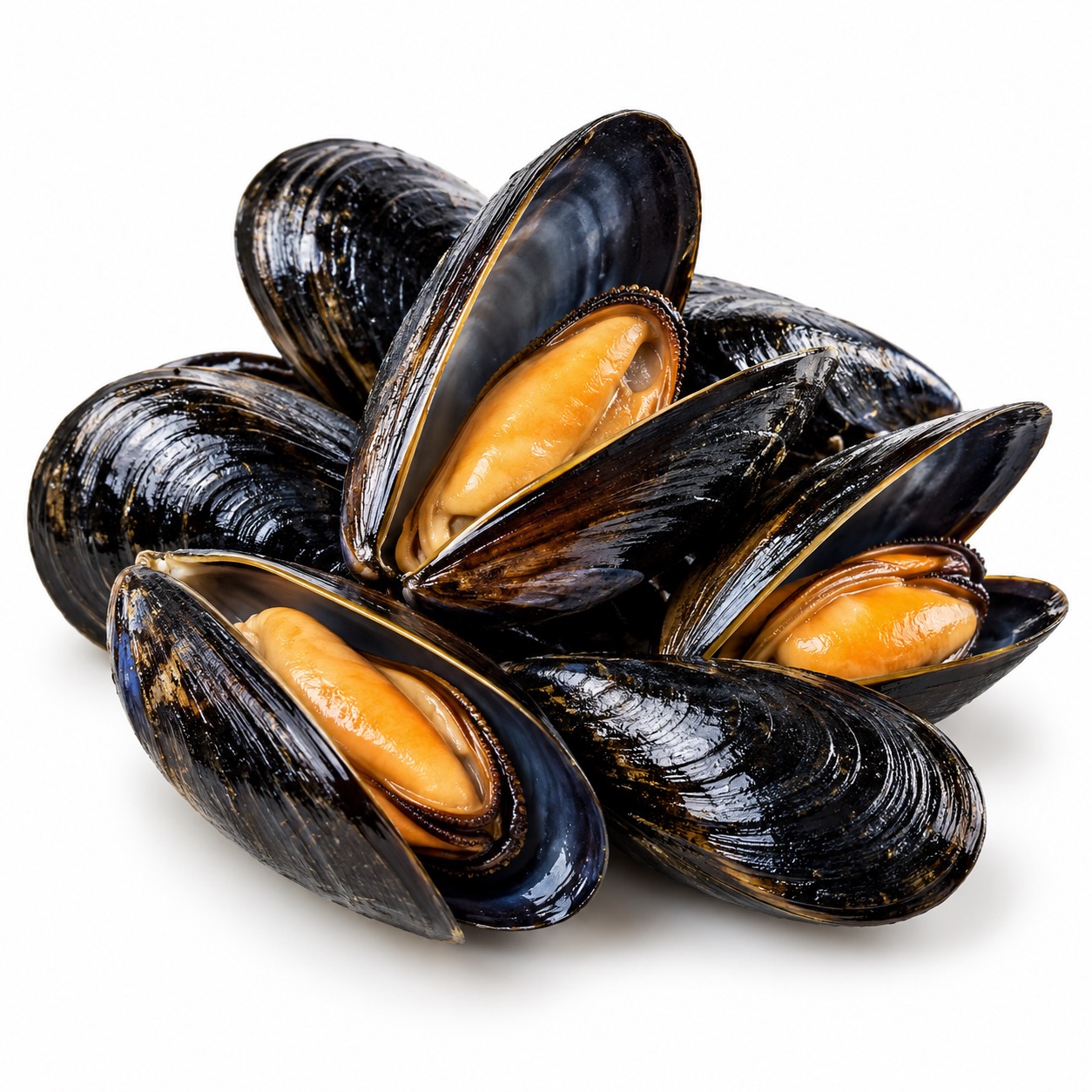
Mussels / Cozze
Professional guide to PEI black-blue mussels and New Zealand Greenshell mussels, with species identity, sourcing, handling, flavor and culinary applications.
Bivalve Mollusk · NewNew shellfish identity
Oysters / Ostriche
Oysters are marine bivalve mollusks valued for their clean salinity, mineral character, soft texture and distinctive sense of place. Species, growing water, salinity, season, handling and harvest method all influence flavor and culinary quality.
Ingredient icon: /academy/culinary-foundations/Oyster.webp
Professional culinary use
Family Ostreidae- Serve raw only from an approved source under the operation’s shellfish sanitation and time-temperature controls.
- Use the oyster liquor to reinforce marine flavor in sauces, risotto, soups and reductions.
- Excellent baked, roasted, grilled, gratinéed, fried or gently poached.
- Pair naturally with Champagne or Prosecco, lemon, shallot, herbs, butter, cream, olive oil and delicate fruit acidity.
- Blue Point and other Atlantic oysters can provide a clean saline profile well suited to the Tuscany Cuisine Oyster Risotto with Champagne.
New shellfish identity
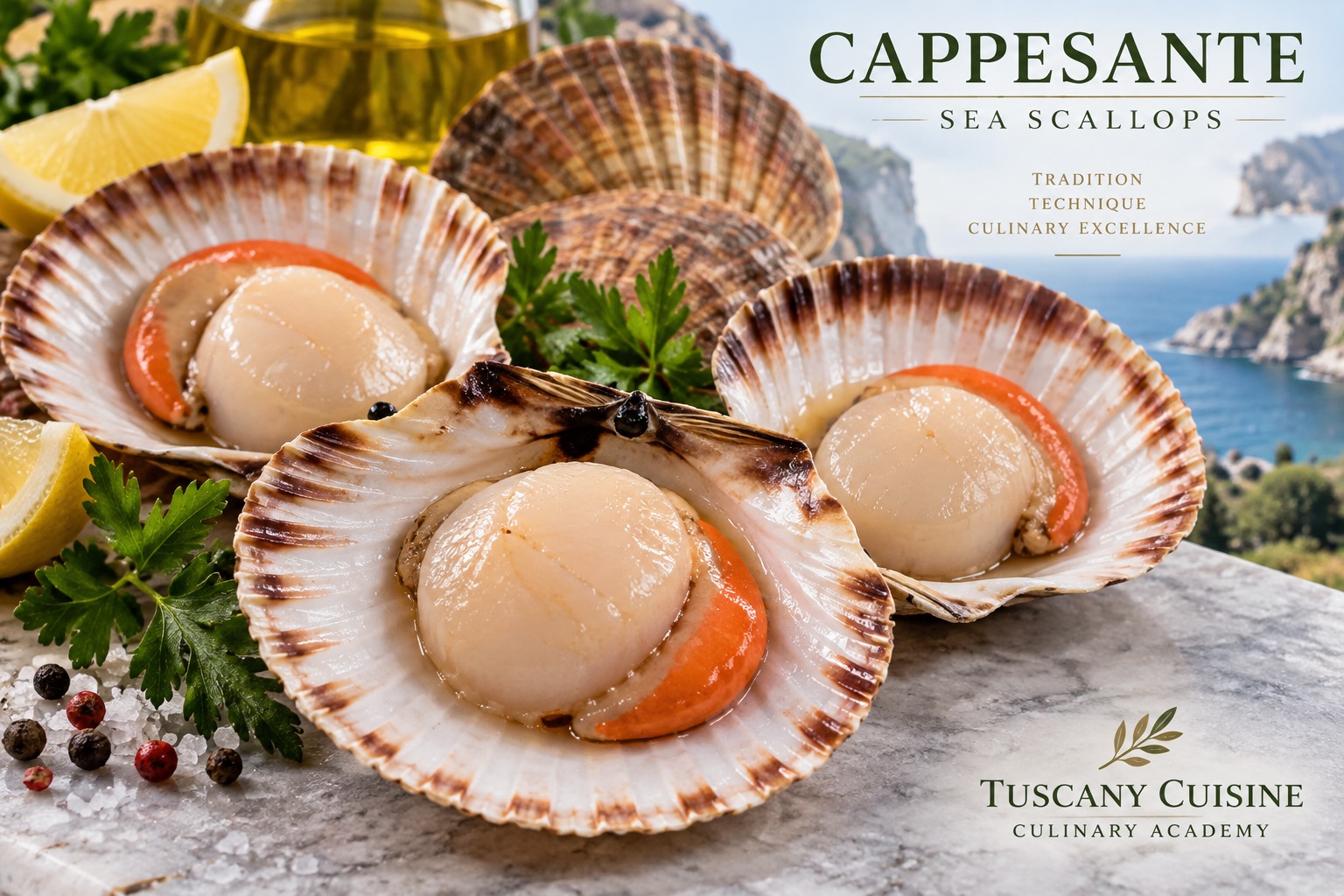
Scallops / Cappesante
Scallops are bivalve mollusks with naturally sweet, delicate meat and a firm but tender texture. Their culinary value depends on freshness, size, harvest origin, moisture content and careful high-heat cooking.
Professional culinary use
- Pan searing and caramelization with controlled moisture.
- Roasting, grilling and gratin preparations.
- Pasta, risotto and seafood first courses.
- Cold appetizers, crudo and composed shellfish presentations when safely sourced for raw service.
- Pairing with citrus, white wine, herbs, olive oil, butter, shellfish stock and delicate vegetable purées.
Ingredient icon: /academy/culinary-foundations/Cappesante.webp
Mediterranean delicacy
Sea Urchin / Riccio di Mare
The edible purple sea urchin, Paracentrotus lividus, is one of the Mediterranean’s most distinctive marine ingredients. The culinary portion is the five-lobed gonad, commonly called roe or uni, valued for a creamy texture and concentrated flavor that can move from sweet and buttery to saline, mineral and iodine-rich depending on habitat, diet, maturity and handling.
Ingredient icon: /academy/culinary-foundations/Riccio.webp
Edible Purple Sea Urchin
Paracentrotus lividus- Edible portion: the gonads, often called sea urchin roe or uni, arranged in five lobes inside the test.
- Flavor: sweet-briny, mineral and marine with a soft, creamy texture when fresh and properly handled.
- Habitat: common in shallow Mediterranean and eastern Atlantic rocky habitats and seagrass areas.
- Professional use: serve raw or fold in at the end of cooking for pasta, risotto, sauces, crostini and delicate seafood preparations.
- Sourcing: purchase only from legal, traceable suppliers or responsible aquaculture because wild stocks are under pressure in parts of the Mediterranean.
Late autumn to early spring focus
There is no single Mediterranean season. Gonads generally build through autumn and winter, while many populations show a principal spawning event in late winter or spring and some show a smaller autumn event. For culinary purchasing, full pre-spawn gonads are often the target, but the best commercial window depends on origin and local biology.
Buy alive, heavy and responsive
Choose intact live urchins with a clean marine aroma and responsive spines or tube feet. After opening, the gonad lobes should be plump, well defined and fresh tasting rather than watery, broken, sour or strongly fishy.
Open close to service
Keep the product cold under the supplier’s approved handling instructions. Open carefully, remove the gonads without breaking them, clean only as needed to remove shell and internal debris, and use promptly. The delicate gonads lose structure when overheated.
Professional culinary applications
- Spaghetti ai ricci di mare and other seafood pasta where the roe is folded in off the heat.
- Risotto finished with sea urchin for marine depth and natural creaminess.
- Raw service, crostini and tasting-menu garnishes when sourced and handled appropriately.
- Emulsified sauces with extra-virgin olive oil, pasta water, shellfish stock or a restrained amount of butter.
- Excellent with lemon, parsley, chives, shallot, garlic, bottarga, Prosecco, Champagne and mineral white wines.
- Tuscany Cuisine recipe: Spaghetti with Sea Urchin.
Seasonality & sustainability note
The reproductive cycle of Paracentrotus lividus varies by location. Mediterranean studies commonly report a major spring spawning period, sometimes accompanied by a secondary autumn spawning event. Because harvest rules, closures, quotas and minimum sizes are regional and can change, chefs should verify current legal harvest conditions with the supplier or responsible fishery authority before listing wild sea urchin as a seasonal menu item.
Chef’s rule: buy for gonad quality, traceability and legal origin—not simply by calendar month. Sea urchin should taste clean, sweet and intensely marine without harsh off-aromas.
Mussel varieties
Mussels / Cozze
Mussels are bivalve mollusks whose size, shell color, meat character and market identity vary by species and growing region. This section begins the Tuscany Cuisine mussel library with Prince Edward Island black-blue mussels and New Zealand Greenshell mussels.
Ingredient icon: /academy/culinary-foundations/Black-Mussels-PEI.webp
Prince Edward Island Blue Mussels
Mytilus edulisPrince Edward Island’s mussel industry is based predominantly on the blue mussel. The shells appear deep blue-black, while the meat is tender, saline and naturally sweet. PEI mussels are rope cultured in sheltered estuaries and are harvested throughout the year.
- Excellent for steaming with white wine, garlic, herbs and olive oil.
- Ideal for seafood pasta, zuppa di pesce, brodetto, cioppino-style preparations and shellfish stock.
- Receive live mussels closed or responsive to tapping, with a clean marine aroma and intact shells.
- Scrub and debeard immediately before cooking; discard damaged mussels and any that remain closed after cooking.
PEI Black / Blue Mussels
Mytilus edulisCompact, dark blue-black shells with tender orange-to-cream meat. Their balanced salinity and sweetness make them highly versatile for steaming, pasta, soups, sauces and composed seafood dishes.
Greenshell / Green-lipped Mussels
Perna canaliculusA larger New Zealand mussel with plump, richly flavored meat. Greenshell mussels are commercially farmed in regions including Marlborough Sounds, Coromandel, Golden Bay and Stewart Island and can be steamed, grilled, baked, sautéed, smoked, curried or used in soups and chowders.
Chef’s comparison: PEI blue mussels are generally smaller and delicate, making them especially useful for pasta and fast steaming. New Zealand Greenshell mussels are larger and meatier, making them well suited to grilling, baking, composed appetizers and presentations where the shell itself becomes part of the plate.
Chef’s foundation
Understanding crab as an ingredient
“Crab” is a culinary family, not one interchangeable product. Species influence sweetness, fiber size, shell-to-meat yield and best cooking method; pack style determines cost, convenience and food-safety controls.
Buy by the dish
Choose large intact pieces for chilled presentations, versatile white meat for cakes and stuffing, and stronger claw meat for soups, sauces and highly seasoned preparations.
Protect the cold chain
Crab is highly perishable. Keep live crab under species-appropriate conditions and follow the package label for cooked, pasteurized or frozen products.
Cost the edible meat
Whole-crab yield varies widely with species, size, molt stage and picking skill. Purchasing should compare usable meat cost, not only whole weight or case price.
World varieties
Crabs found in global kitchens
These culinary groups cover major wild and farmed supply chains. Scientific names help purchasing teams separate similar trade names.
Blue crab
Callinectes sapidusSweet, fine-textured meat prized for jumbo lump, backfin and claw grades; central to Chesapeake, Gulf Coast and Atlantic cooking.
Dungeness crab
Metacarcinus magisterFull-bodied sweetness with generous body and leg meat; excellent whole, cracked, chilled, roasted or folded into delicate pasta.
King crab
Paralithodes and Lithodes spp.Large, luxurious leg sections with long fibers and rich flavor. Red, blue and golden king crab are distinct commercial fisheries.
Snow and Tanner crab
Chionoecetes spp.Slender leg clusters with tender, mildly sweet meat; widely frozen near harvest and marketed in clusters or picked formats.
Brown or edible crab
Cancer pagurusWhite claw meat and richly flavored brown body meat support dressed crab, pâtés, bisques and seafood preparations across Europe.
Mud or mangrove crab
Scylla spp.Large-clawed tropical crab supplied through wild fisheries and aquaculture; valued live in Southeast Asian and Pacific cuisines.
Blue swimming crab
Portunus pelagicus species complexA major source of pasteurized picked meat for international trade, with sweet white body meat and darker claw meat.
Stone crab
Menippe mercenariaHarvested primarily for its dense, sweet claws. Florida regulates size, traps, egg-bearing animals and an annual harvest season.
Spider crab
Maja spp.Distinctive spiny shell, delicate white meat and flavorful interior; traditional in European coastal cooking and seasonal markets.
Jonah crab
Cancer borealisRobust claws and sweet meat, often sold as cooked claws, leg sections or picked meat for foodservice applications.
Best quality during the year
Seasonality and buying windows
Peak windows below are representative purchasing guidance, not legal opening dates. Fisheries open and close according to region, stock assessments, quotas, weather and local regulation.
| Crab group | Representative peak | Important origins | Chef’s quality note |
|---|---|---|---|
| Blue crab | Late spring through autumn in many U.S. coastal markets | U.S. Atlantic and Gulf, Mediterranean, Atlantic imports | Warm-season hard crabs are lively; late-season animals may be fuller. Verify local availability. |
| Dungeness | Often late autumn through spring on the Pacific coast | California, Oregon, Washington, British Columbia, Alaska | Openings are frequently delayed or adjusted; check official fishery notices. |
| King crab | Fall and winter openings in several northern fisheries | Alaska, Russia, Norway | Quota-managed and highly variable. Frozen sections provide consistent year-round access. |
| Snow crab | Winter through summer depending on stock and latitude | Canada, Alaska, Greenland, Norway, Japan, Russia | Buy frozen clusters with intact glaze and minimal breakage. |
| Stone crab claws | October 15 through May 1 in Florida | Florida and Caribbean | Claws should be heavy, clean and well chilled; confirm current rules each season. |
| Brown edible crab | Available much of the year; regional quality often rises late summer into winter | United Kingdom, Ireland, France, Norway and nearby Atlantic waters | Full, heavy crabs offer better yield; brown and white meats serve different preparations. |
| Mud / mangrove crab | Year-round tropical supply with regional monsoon and molting peaks | China, Viet Nam, Indonesia, Philippines, India, Bangladesh, Pacific islands | Live handling and molt stage strongly affect value and meat fill. |
| Spider crab | Often strongest in spring and early summer, varying by coast | Spain, France, Portugal, Italy, United Kingdom | Flavorful interior is excellent for soups, stuffed shells and pasta. |
Purchasing rule: verify the current opening, origin, legal size, certification and stock status with the responsible fishery authority or supplier before promising a seasonal menu item.
Production around the world
From managed fisheries to aquaculture
Global crab supply combines trap and pot fisheries, some net fisheries, hand collection, soft-shell operations and expanding mud-crab aquaculture. FAO statistics classify many species separately, so “world crab production” should be read by species and production method.
Largest diversity of supply
China and Southeast Asian nations supply blue swimming, mud and other portunid crabs through capture fisheries, grow-out ponds, pens and soft-shell systems. Viet Nam, Indonesia, the Philippines, India and Bangladesh are important mud-crab regions.
Cold-water fisheries
Alaska, Canada, Russia, Japan, Greenland and Norway supply snow, Tanner, king and Dungeness crab through quota- and season-managed fisheries, with much of the catch cooked and frozen near origin.
Blue, Jonah and stone crab
U.S. Atlantic and Gulf fisheries support blue crab and stone crab traditions, while the Northwest Atlantic supplies Jonah and snow crab. Canada is a major cold-water crab supplier.
Brown and spider crab
The Northeast Atlantic, North Sea and Mediterranean support brown edible crab, spider crab and regional species, sold live, cooked whole, dressed or picked.
Pots and traps
Baited pots allow target catch to be sorted on deck and non-target animals returned. Gear, escape rings, biodegradable panels and soak times are regulated by fishery.
Mud-crab farming
FAO highlights a transition from wild-caught juveniles toward hatchery-reared crablets, improved seed supply and formulated feeds to reduce pressure on wild stocks.
Purchasing specifications
Types and grades of crab meat
Grade names are commercial conventions, not one universal legal standard. Piece size, species, shell tolerance, origin, drained weight and pack medium should be written into every purchasing specification.
Colossal / jumbo lump
Largest intact muscles associated with the swimming fins of suitable species. Best for chilled presentations, garnish and dishes where visible pieces justify the cost.
Lump
A mixture of intact and broken large white pieces. Useful for crab cakes, salads, pasta and composed appetizers.
Backfin
Smaller broken lump mixed with white body flakes. Balances visible texture and binding for cakes, fillings and gratins.
Special / body meat
Small white flakes from the body. Appropriate for sauces, dips, soups, ravioli, stuffing and mixed preparations.
Claw meat
Darker, firmer meat with stronger crab flavor. Excellent in bisque, chowder, fritters, croquettes and highly seasoned dishes.
Legs, claws and clusters
King, snow, Jonah, stone and Dungeness sections may be sold cooked, frozen or chilled for cracking, buffets and plated service.
Brown meat
Rich internal meat from brown or spider crab, used in dressed crab, pâtés, sauces and bisques. It is distinct from white muscle meat.
Soft-shell crab
A whole crab harvested immediately after molting, before the new shell hardens. Usually cleaned and cooked whole by sautéing, frying or grilling.
Imitation crab
Usually surimi made from finfish and other ingredients. It is not crab meat, has a different allergen profile and must not be substituted without clear menu disclosure.
Nutrition and health
Lean protein with B12, selenium and zinc
The reference panel uses representative USDA data for cooked blue crab per 100 grams. Species, harvest area, added brine, canning medium and preparation can materially change the values.
Complete proteinProvides essential amino acids for tissue maintenance and normal body function.
Vitamin B12Supports normal red blood cell formation and neurological function.
SeleniumAn essential nutrient used by antioxidant enzymes and thyroid metabolism.
Zinc and copperContribute to immune function and numerous enzyme systems.
Low total fatPlain cooked crab is naturally lean; butter, mayonnaise, frying and sauces change the finished dish.
Marine nutrientsCrab contributes omega-3 fatty acids, but amounts vary by species and should not be assumed from one generic value.
Allergen warning: Crab is a major crustacean shellfish allergen. Prevent cross-contact, identify the species and verify every prepared or canned product label. Sodium may be substantially higher in brined, pasteurized or canned packs. Nutrition content is educational and not medical advice.
Preservation and processing
Fresh, pasteurized, canned and frozen crab
These forms are not interchangeable. The processing method controls shelf life, texture, flavor, storage temperature and food-safety requirements.
Live / freshly cooked
- Live animals are held under controlled species-appropriate conditions.
- Crab is cooked, rapidly chilled and picked hygienically.
- Best delicate flavor, but shortest practical service window.
Pasteurized refrigerated
- Cooked picked meat is sealed, then heat treated to a validated process.
- Pasteurization reduces pathogens and spoilage organisms.
- It remains refrigerated; it is not automatically shelf-stable.
Retorted canned
- A sealed low-acid can receives a commercial thermal process.
- The unopened product is shelf-stable when the process and seal remain intact.
- Refrigerate after opening and follow the label.
Frozen
- Whole crab, clusters or picked meat may be blast or plate frozen.
- Ice glaze or moisture-barrier packaging limits freezer dehydration.
- Thaw under refrigeration and preserve the cold chain.
About “preservatives” in canned crab: heat processing and container integrity create shelf stability. Some labels also include salt, citric acid, calcium disodium EDTA or phosphates such as sodium acid pyrophosphate to support flavor, color or quality. These additives vary by product and are not a substitute for validated thermal processing. For frozen crab, glaze is a protective ice layer—not a chemical preservative.
Receiving standards
How to recognize high-quality crab
Accept
- Live crab responsive and species-appropriately active, with intact legs and claws.
- Clean, mild ocean aroma—never sour, ammonia-like or strongly fishy.
- Picked meat moist but not waterlogged, with the declared piece size and minimal shell.
- Frozen packs hard frozen, well protected, with intact glaze and little frost inside the package.
- Cans and sealed tubs undamaged, within date and received at the temperature required by the label.
Reject or investigate
- Dead live-product deliveries when the specification requires live crab.
- Soft, mushy or excessively dry meat; sour odor; uncontrolled temperature.
- Swollen, leaking, deeply dented or rusted cans, or broken refrigerated-package seals.
- Heavy freezer burn, large loose ice crystals, thawing or evidence of refreezing.
- Unclear species, origin, allergen statement, lot code or pack-grade specification.
Culinary history
From coastal harvest to global cold chain
Coastal communities across the Mediterranean, Asia, Africa, the Pacific and the Americas gathered and cooked crab long before written culinary records.
Greek and Roman natural history and food traditions described marine crustaceans, while crab remained a regional product tied to short-distance coastal trade.
Live wells, boiling, salting and local transport expanded crab markets, but delicate picked meat remained highly perishable.
Canning, rail transport, mechanical refrigeration and ice plants allowed crab to travel farther and become a commercial packaged ingredient.
Pasteurization, blast freezing, insulated shipping and international air freight created reliable trade in picked meat, clusters and live premium crab.
Modern supply combines science-based fishery management, traceability, value-added processing and developing crab aquaculture—with sustainability varying by species and origin.
Professional kitchen use
Match the meat to the technique
Salads and appetizers
Jumbo lump, Dungeness or carefully picked white meat benefits from restrained acid, herbs, olive oil and crisp vegetables.
Cakes and croquettes
Lump and backfin give visible texture; claw or special meat can deepen flavor. Use only enough binder to hold the shape.
Pasta and risotto
Fold picked crab in near the end so the fibers stay distinct. Tomato, lemon, white wine, garlic, parsley and delicate chile pair naturally.
Bisque, soup and sauce
Roasted shells build stock; claw and body meat stand up to reduction. Strain carefully to remove fine shell.
Cracked crab and clusters
Steam, roast or gently reheat cooked sections without drying. Serve with shell tools, warm aromatics or simple drawn butter.
Soft-shell crab
Clean immediately before cooking, dry well, then sauté, grill or fry for a crisp exterior and sweet interior.
Tuscany Cuisine platform
Ingredient record and recipe usage
This embedded record allows compatible Tuscany Cuisine recipe, inventory, purchasing and production pages to recognize crab under consistent names and paths.

SEA-CRAB-001
Crab
Seafood › Shellfish › Crustaceans- Canonical unitg edible meat
- Purchase unitskg, lb, can, tub, cluster, whole
- AllergenCrustacean shellfish
- Diet flagsGluten-free · Dairy-free · High-protein
- Icon/academy/culinary-foundations/crab.png
Preparing the crab ingredient record…
0
Recipes using crab
The live count reads compatible recipe records already stored by the Tuscany Cuisine platform in this browser.
- Checking the recipe catalog…
Editorial sources
Authoritative references
Harvest rules and nutrition databases change. These primary references should be checked when the page or a purchasing specification is updated.
- USDA FoodData Central — crab nutrition records
- U.S. FDA — Fish and Fishery Products Hazards and Controls Guidance, cooking and pasteurization
- FAO — Global fisheries and aquaculture production statistics
- FAO — Transitioning to sustainable mud-crab farming
- Alaska Seafood Marketing Institute — seasonality and shellfish harvesting
- NOAA Fisheries — Alaska crab fisheries
- Oregon Department of Fish and Wildlife — commercial Dungeness crab updates
- Florida Fish and Wildlife Conservation Commission — stone crab regulations
- Government of Prince Edward Island — mussel aquaculture, species and harvest
- Seafood New Zealand — Greenshell mussel species, farming regions and culinary use
- FAO / GFCM — Mediterranean sea urchins, Paracentrotus lividus and conservation context
- FAO — Sea urchin farming in the Mediterranean: Paracentrotus lividus
- Water — Reproductive cycle of Paracentrotus lividus in the Aegean Sea
Page reviewed October 3, 2026. Content is culinary education and purchasing guidance, not medical, regulatory or HACCP-plan advice.