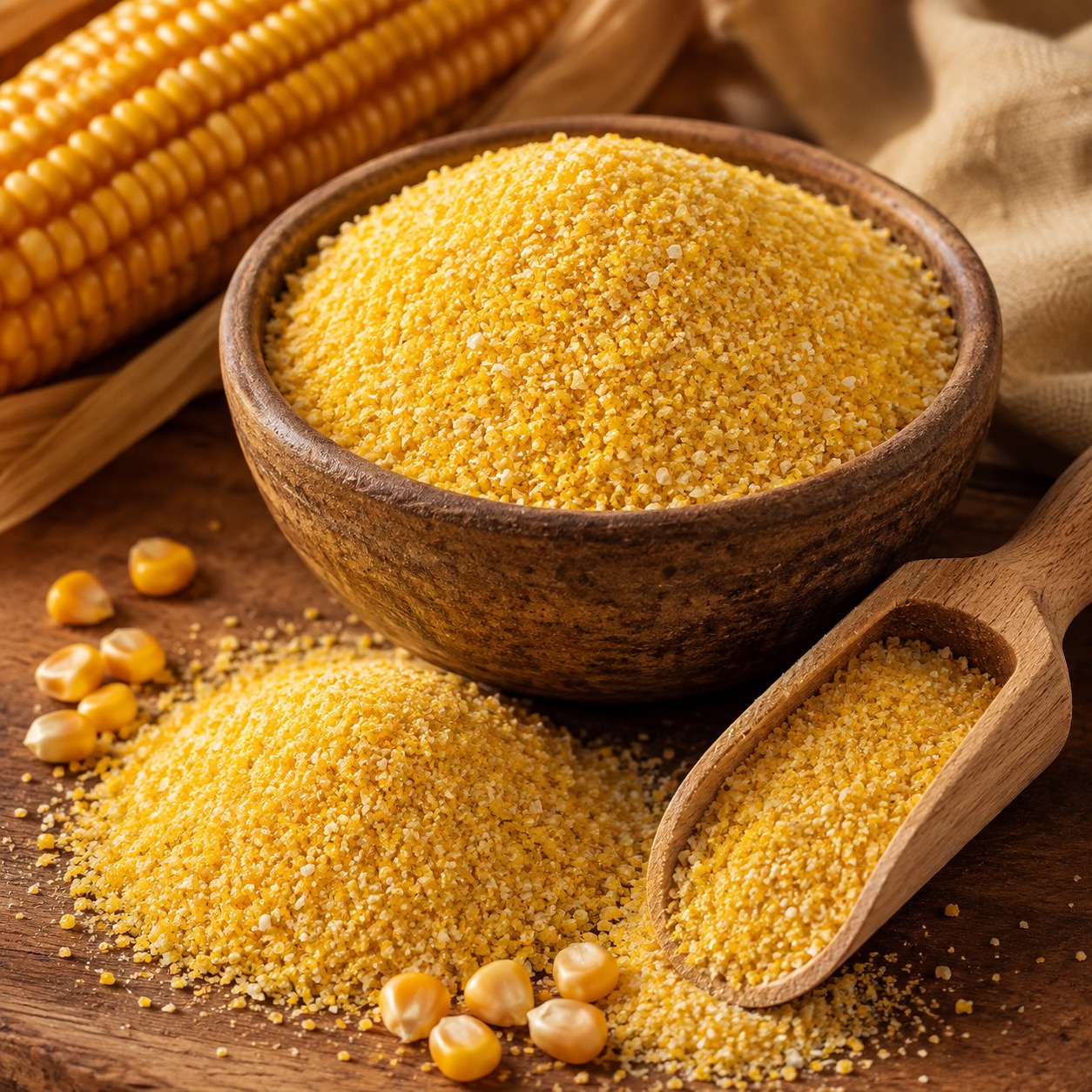
Polenta Flour / Cornmeal
Origins, cultivation, milling, fine-to-coarse grinds, cooking times, water ratios, cooling, grilling, frying, white polenta and Venetian fish traditions.
Open Polenta Flour Library →Discover the ingredients that support the Tuscany Cuisine culinary system. Every collection connects professional cooking knowledge with recipes, seasonality, storage, preparation, purchasing, inventory and kitchen production.
The Ingredient Library is the central culinary reference for ingredients used throughout Tuscany Cuisine. Each published ingredient page strengthens the same connected system: education, recipe usage, preparation, seasonality, storage, purchasing, kitchen production and Live Inventory—without creating duplicate identities.
Three entry points into the growing Tuscany Cuisine culinary knowledge system.
Origins, cultivation, milling, fine-to-coarse grinds, cooking times, water ratios, cooling, grilling, frying, white polenta and Venetian fish traditions.
Open Polenta Flour Library →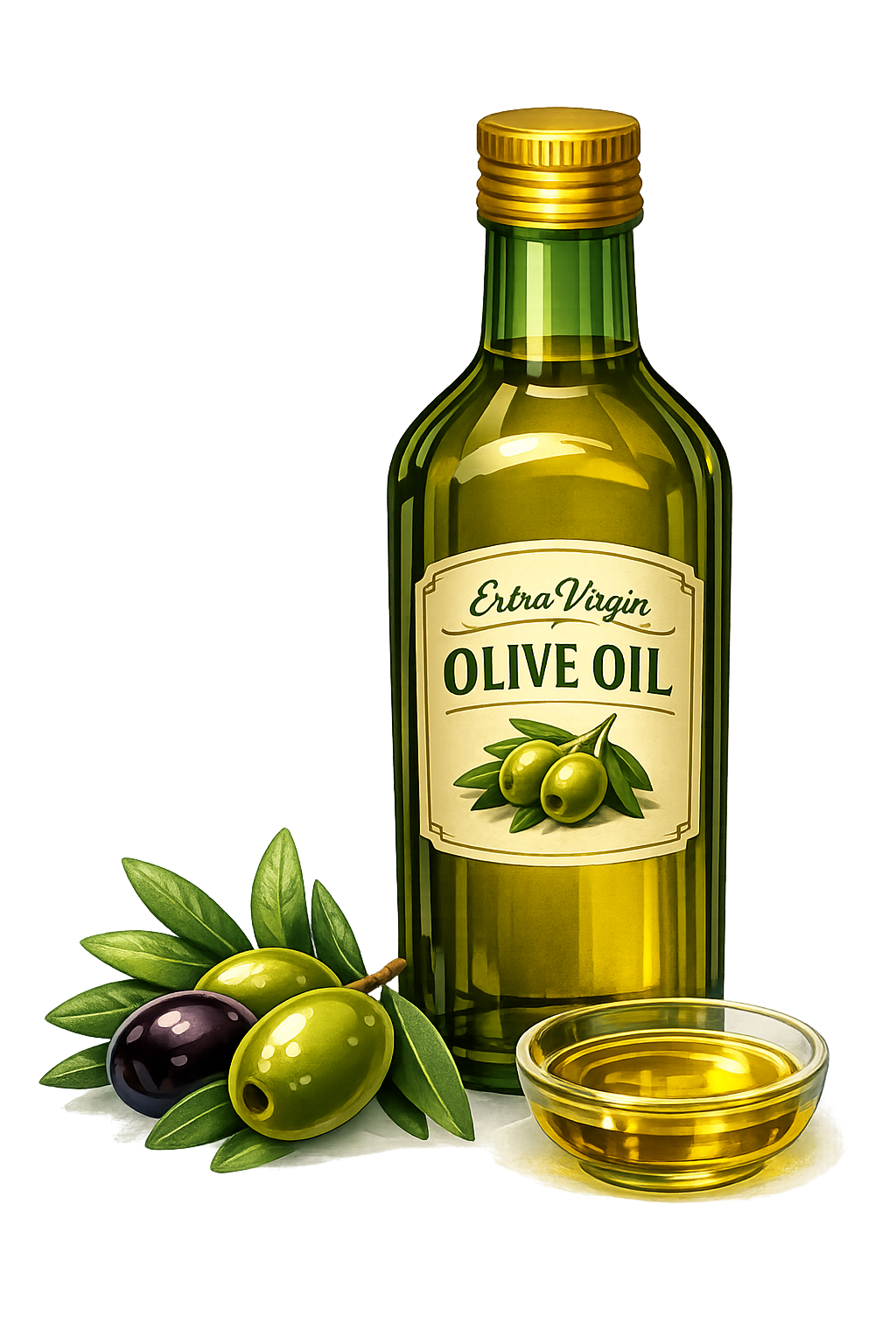
Study D.O.P. oils, premium finishing quality, everyday extra-virgin olive oil, production, storage, cooking applications and pairings.
Open Olive Oil Library →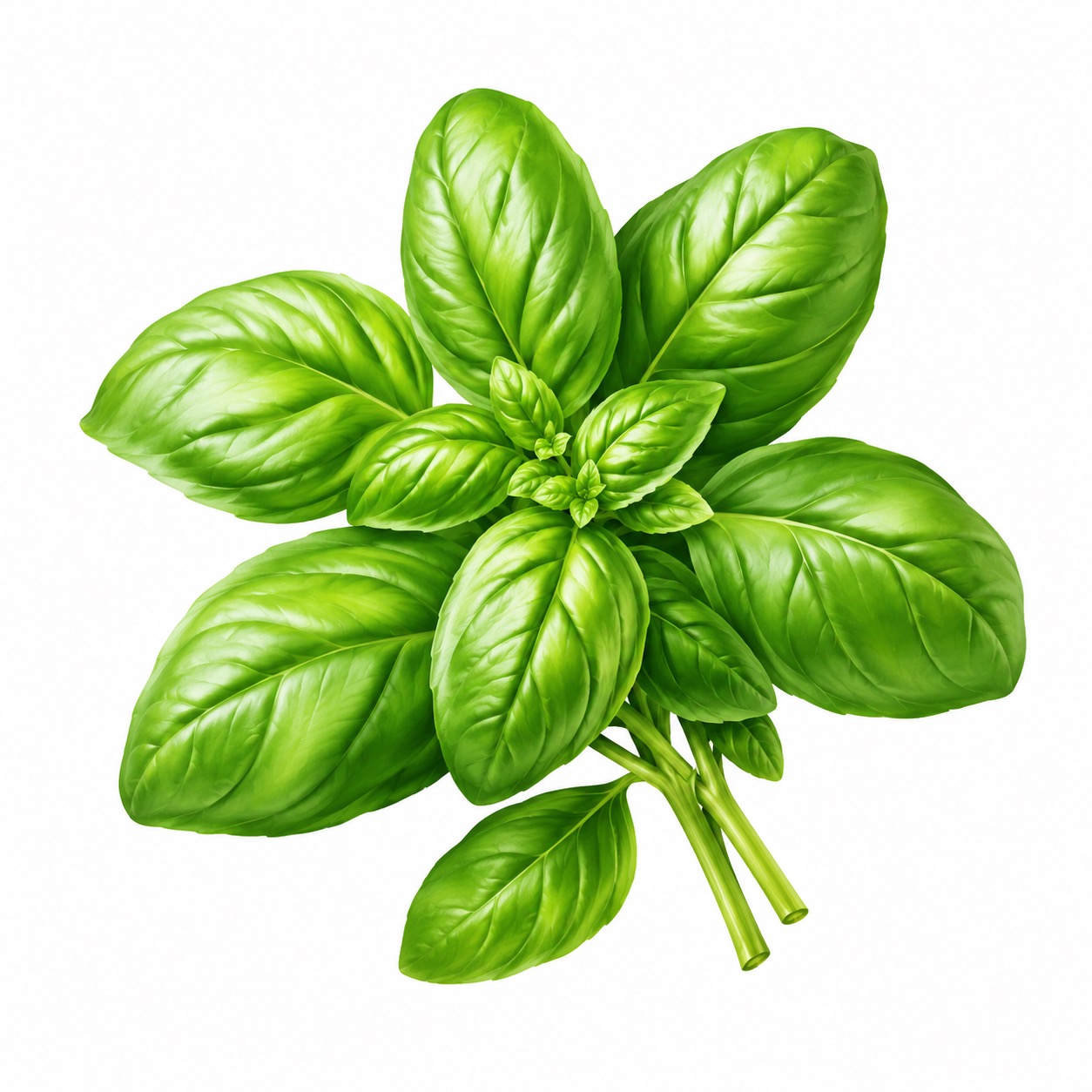
Connect parsley, bay leaf, borage, oregano, marjoram, thyme, basil, mint and chives to professional culinary use and recipe records.
Explore Fresh Herbs →Produce, herbs, fruits, fungi, oils, seasonings, legumes and dairy organized in one clean numerical sequence.
Fresh leafy ingredients and delicate sprouts used for salads, garnishes, cold preparations and refined plate presentation.
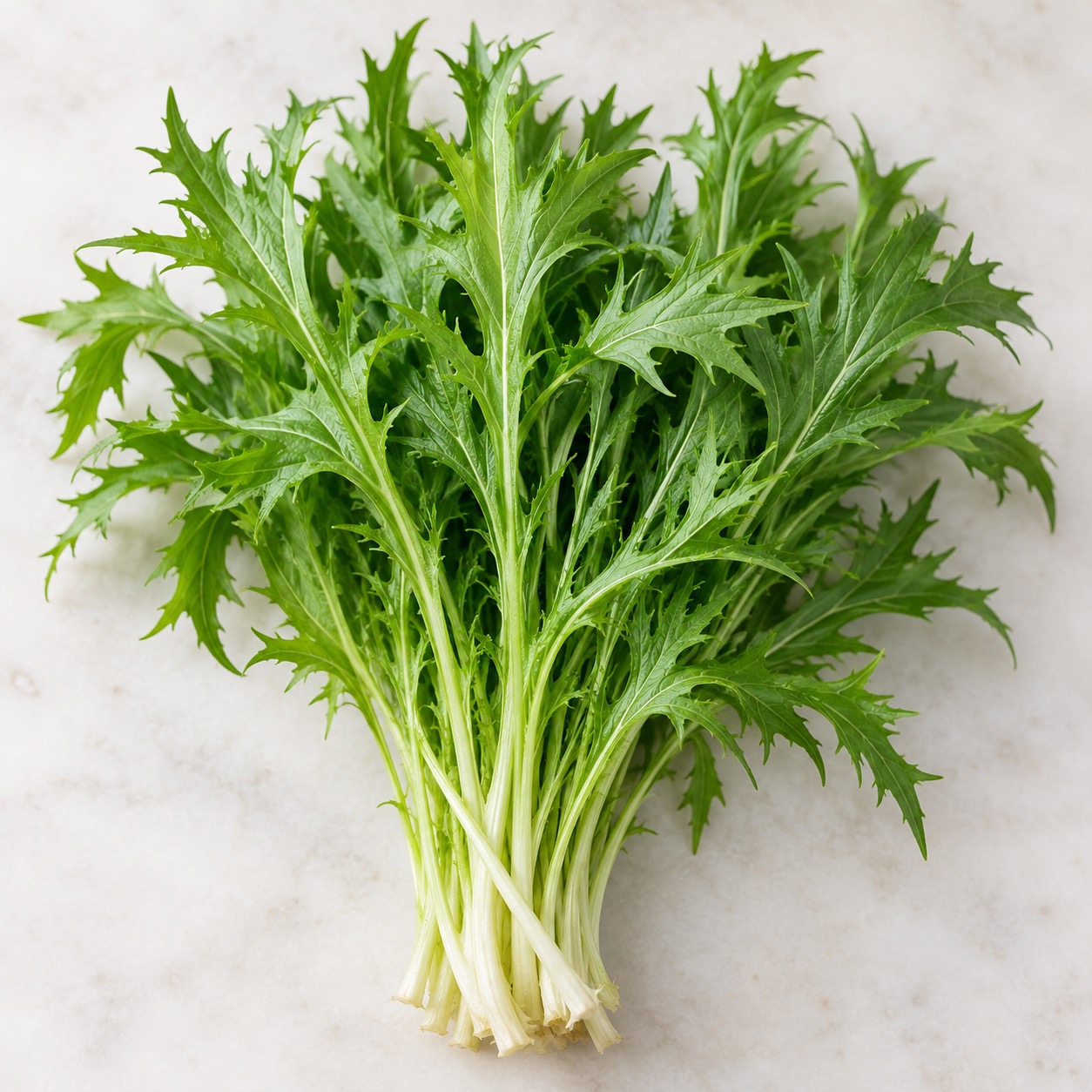 Mizuna / Japanese Mustard Greens
Japanese cool-season Brassica green • mild mustard flavor, nutrition, seasonality, quality, storage, culinary uses and Mango & Shrimp Salad Recipe 355 connection.
Mizuna / Japanese Mustard Greens
Japanese cool-season Brassica green • mild mustard flavor, nutrition, seasonality, quality, storage, culinary uses and Mango & Shrimp Salad Recipe 355 connection.
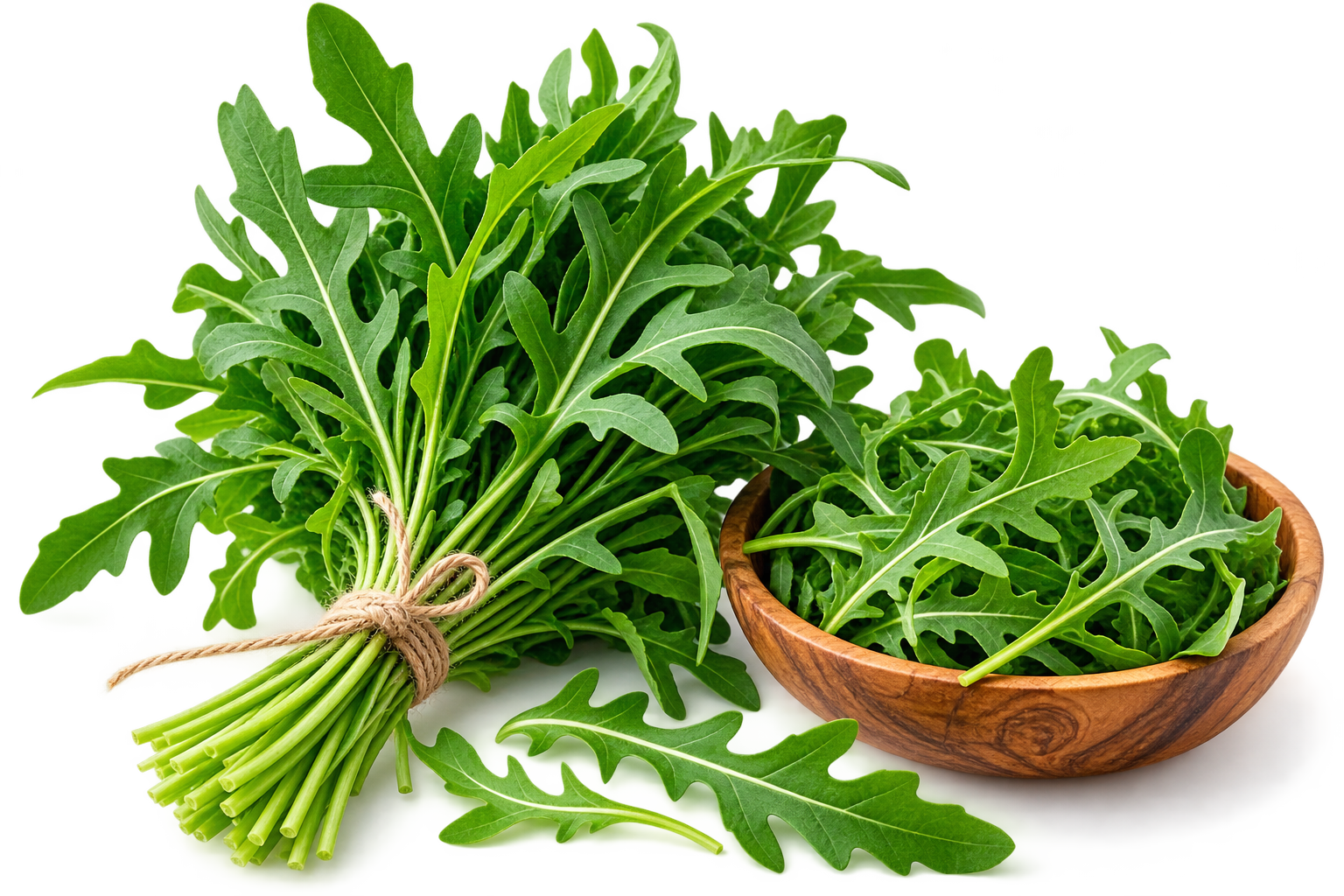 Rucola / Arugula Ingredient Library
Italian rucola and arugula • varieties, flavor, seasonality, quality, storage, nutrition and professional culinary uses.
Rucola / Arugula Ingredient Library
Italian rucola and arugula • varieties, flavor, seasonality, quality, storage, nutrition and professional culinary uses.
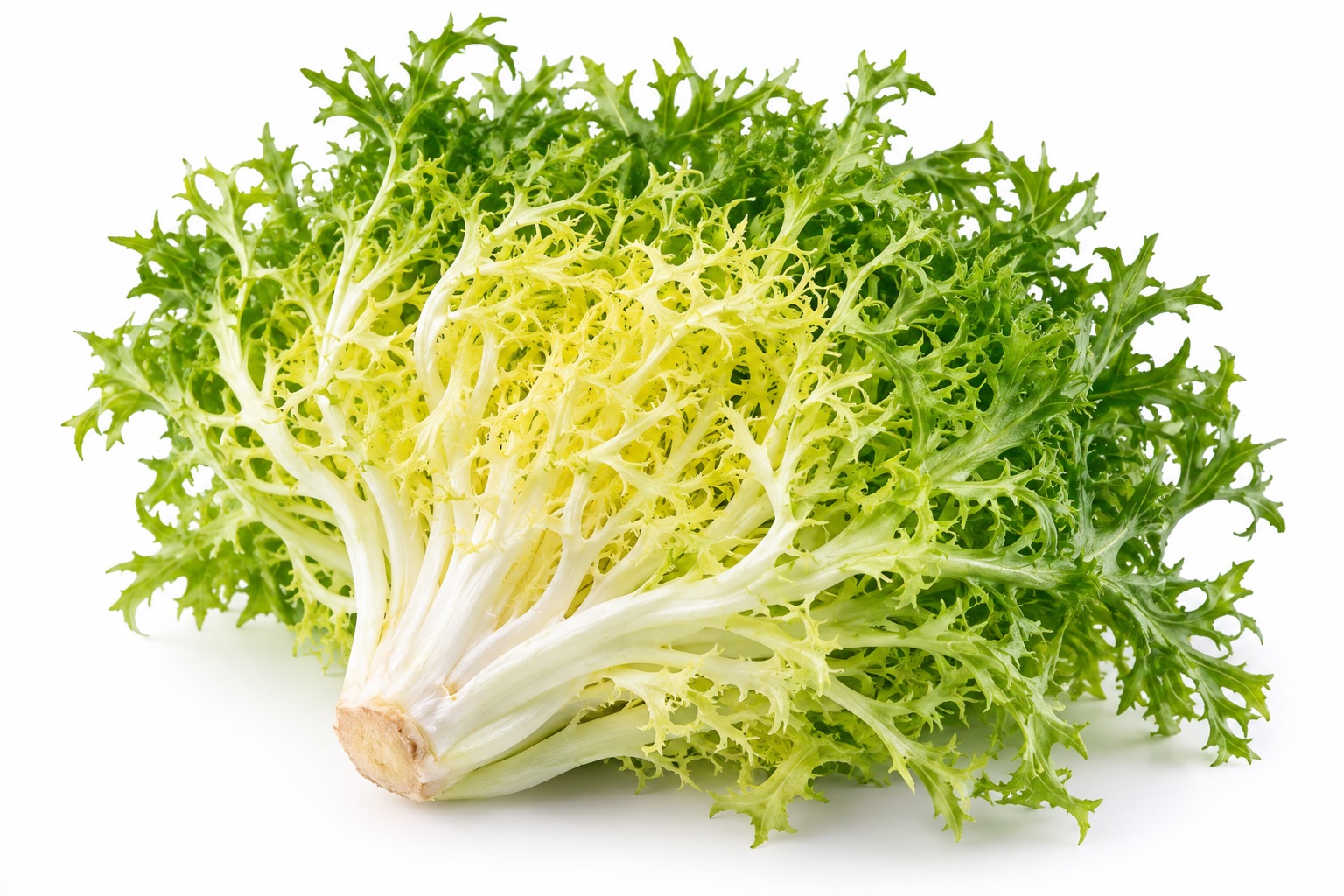 Frisée / Curly Endive
Cichorium endivia var. crispum • origin, cultivation, blanching, seasonality, quality, nutrition, storage, professional salad use and Carrot & Celery Root Salad connection.
Frisée / Curly Endive
Cichorium endivia var. crispum • origin, cultivation, blanching, seasonality, quality, nutrition, storage, professional salad use and Carrot & Celery Root Salad connection.
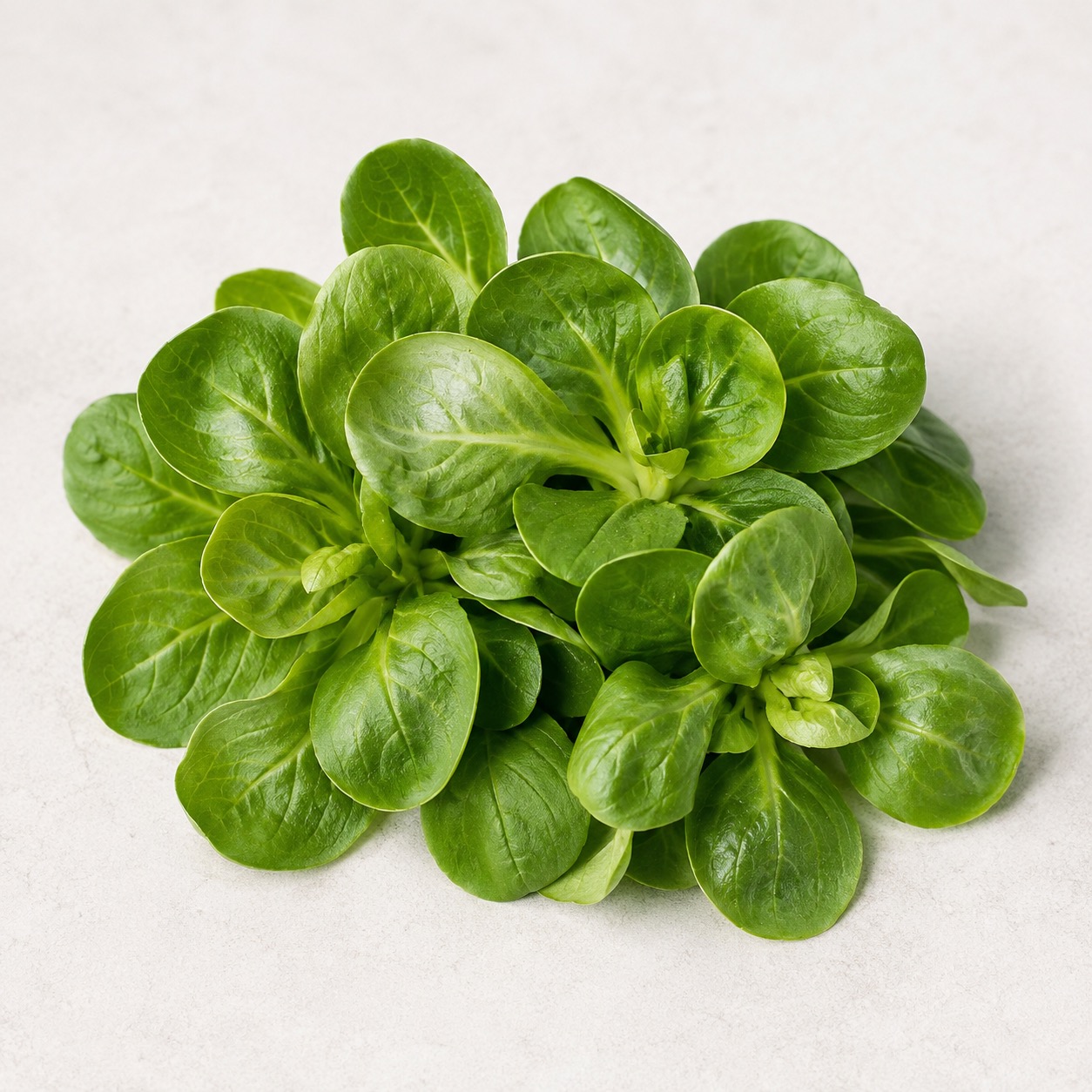 Mâche / Lamb's Lettuce
Corn salad, valerianella, songino and Feldsalat • cool-season cultivation, storage and culinary uses.
Mâche / Lamb's Lettuce
Corn salad, valerianella, songino and Feldsalat • cool-season cultivation, storage and culinary uses.
 Cavolo Nero / Tuscan Kale
Lacinato, dinosaur and black kale • Tuscan history, seasonality, nutrition, storage and Recipe 170 connection.
Cavolo Nero / Tuscan Kale
Lacinato, dinosaur and black kale • Tuscan history, seasonality, nutrition, storage and Recipe 170 connection.
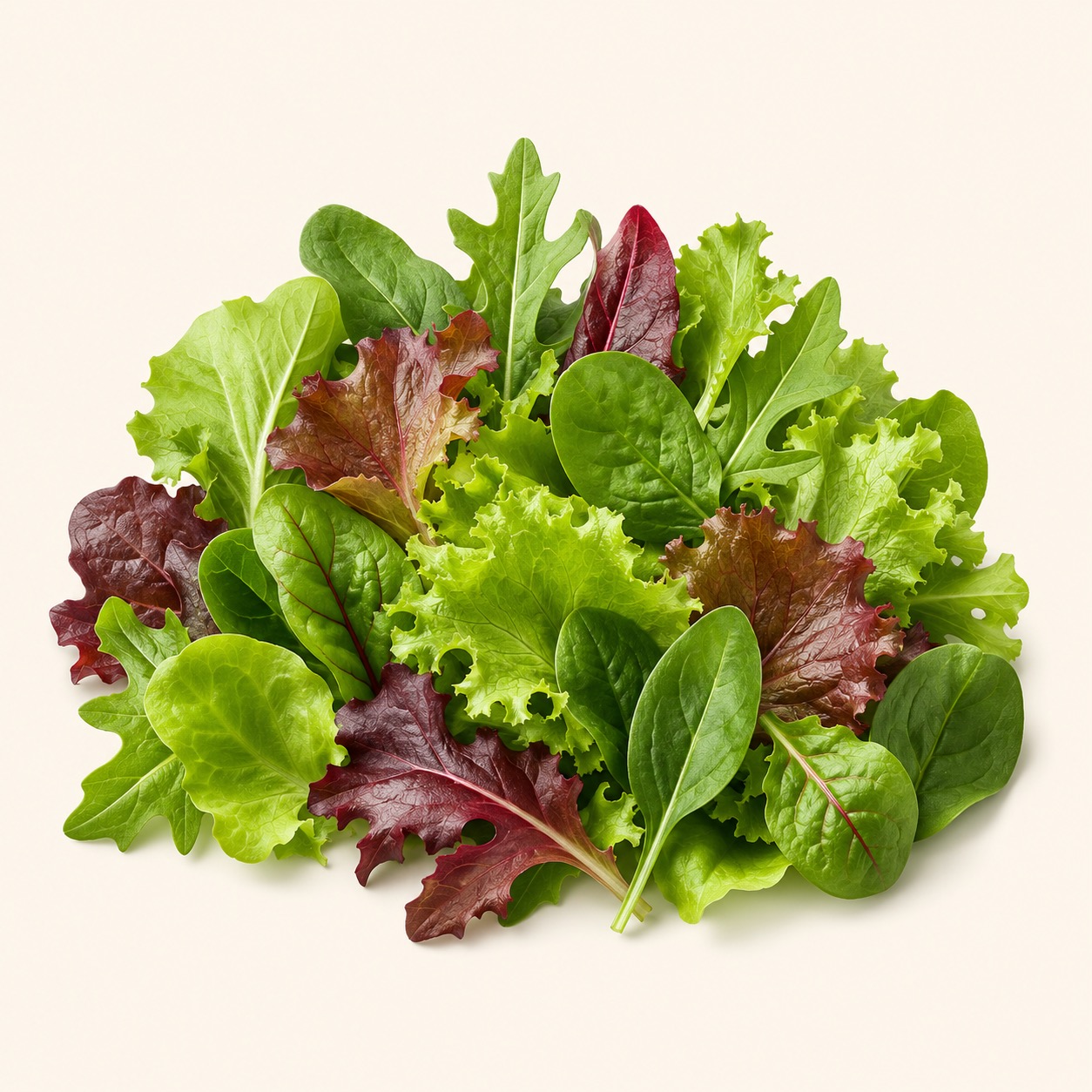 Mixed Greens / Spring Mix
Mesclun, baby leaf mix and tender greens • flavor balance, seasonality, quality, storage and dressing strategy.
Mixed Greens / Spring Mix
Mesclun, baby leaf mix and tender greens • flavor balance, seasonality, quality, storage and dressing strategy.
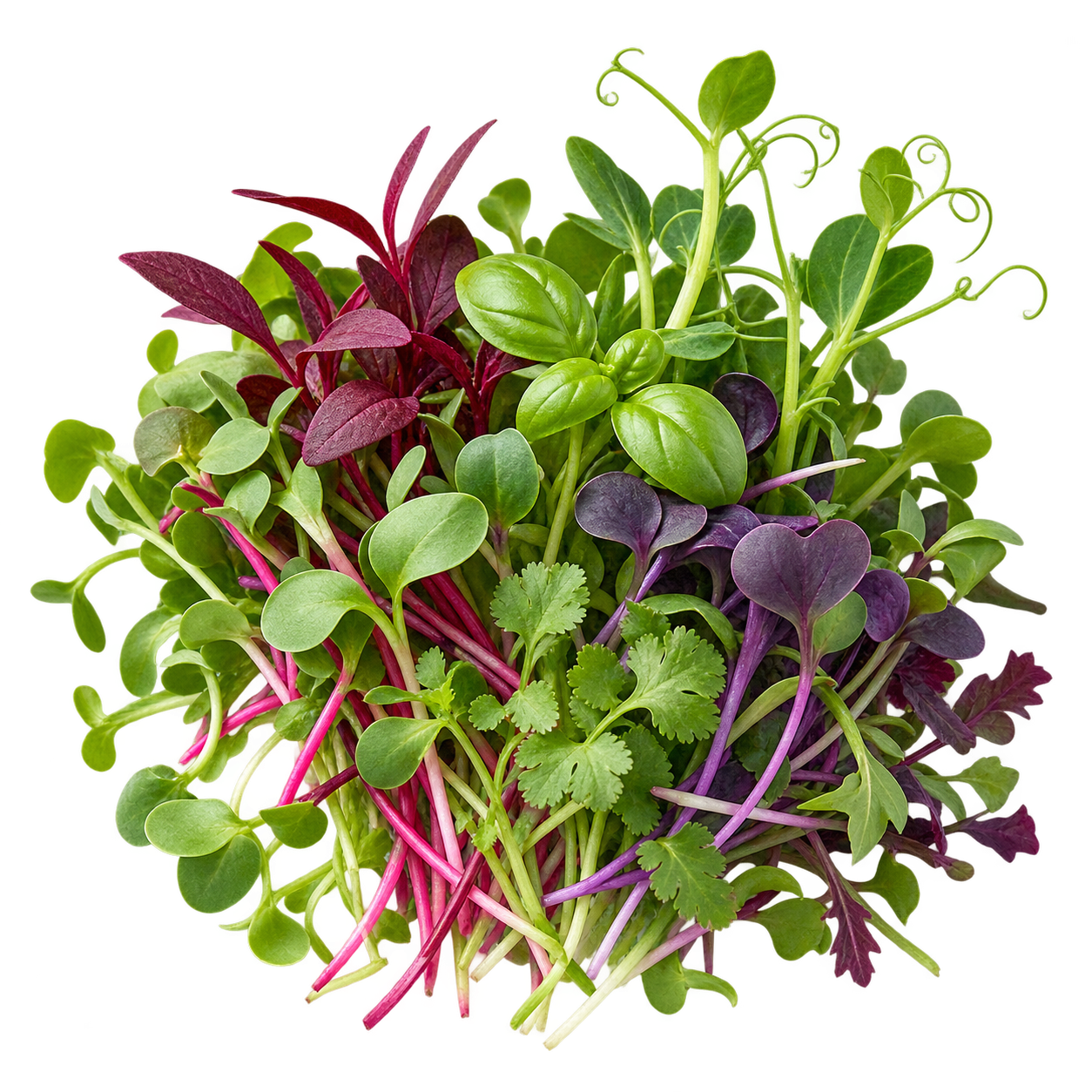 Microgreens Ingredient Library
Micro basil, amaranth, radish, shiso, brassicas and pea shoots • quality, storage and creative menu uses.
Microgreens Ingredient Library
Micro basil, amaranth, radish, shiso, brassicas and pea shoots • quality, storage and creative menu uses.
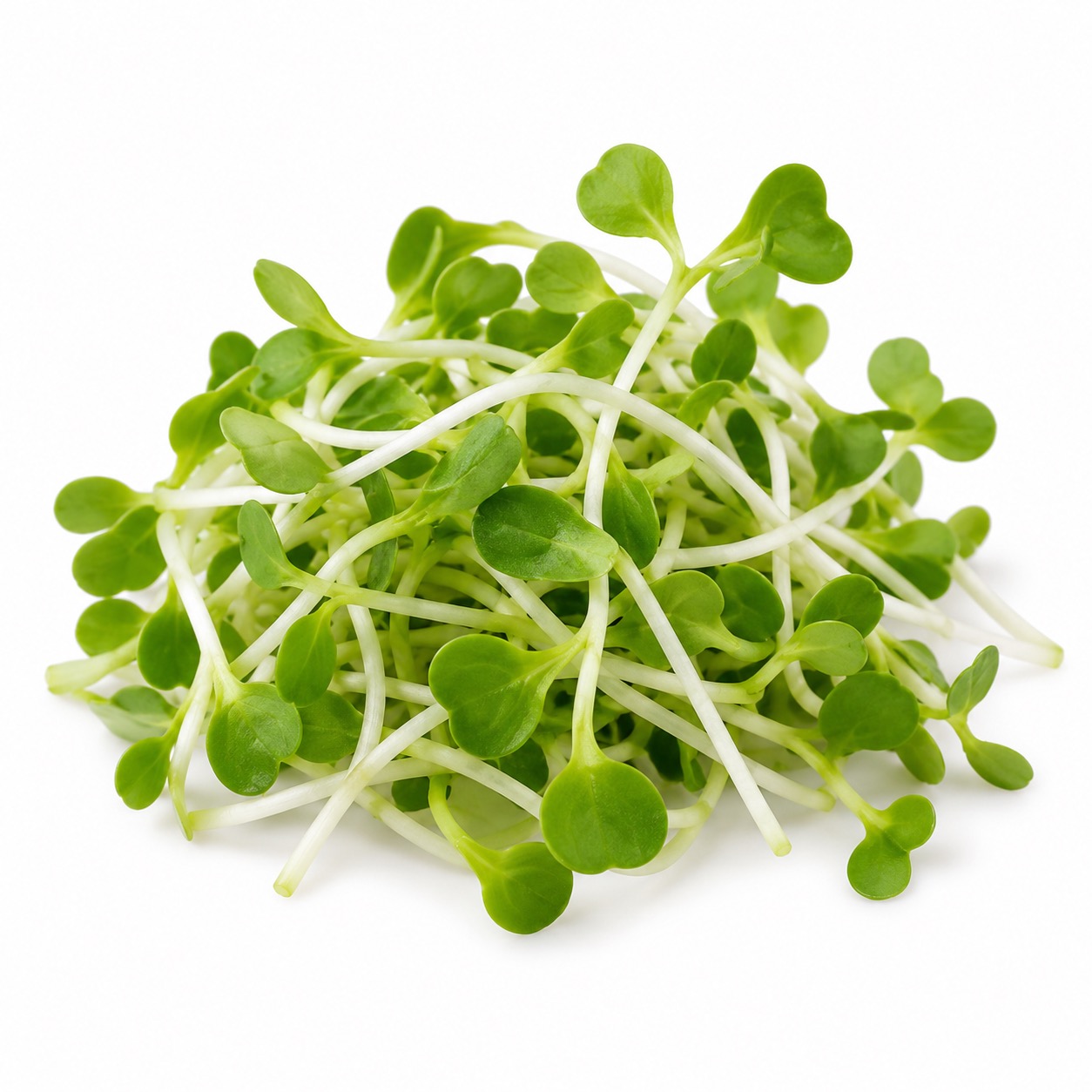 Green Sprouts
Fresh mixed green sprouts • cultivation, quality, nutrition, food safety, storage, garnish use and Chicken Salad Recipe 351 connection.
Green Sprouts
Fresh mixed green sprouts • cultivation, quality, nutrition, food safety, storage, garnish use and Chicken Salad Recipe 351 connection.
Essential produce used for color, texture, flavor, seasonality, nutrition, sauces, sautés, roasting and menu production.
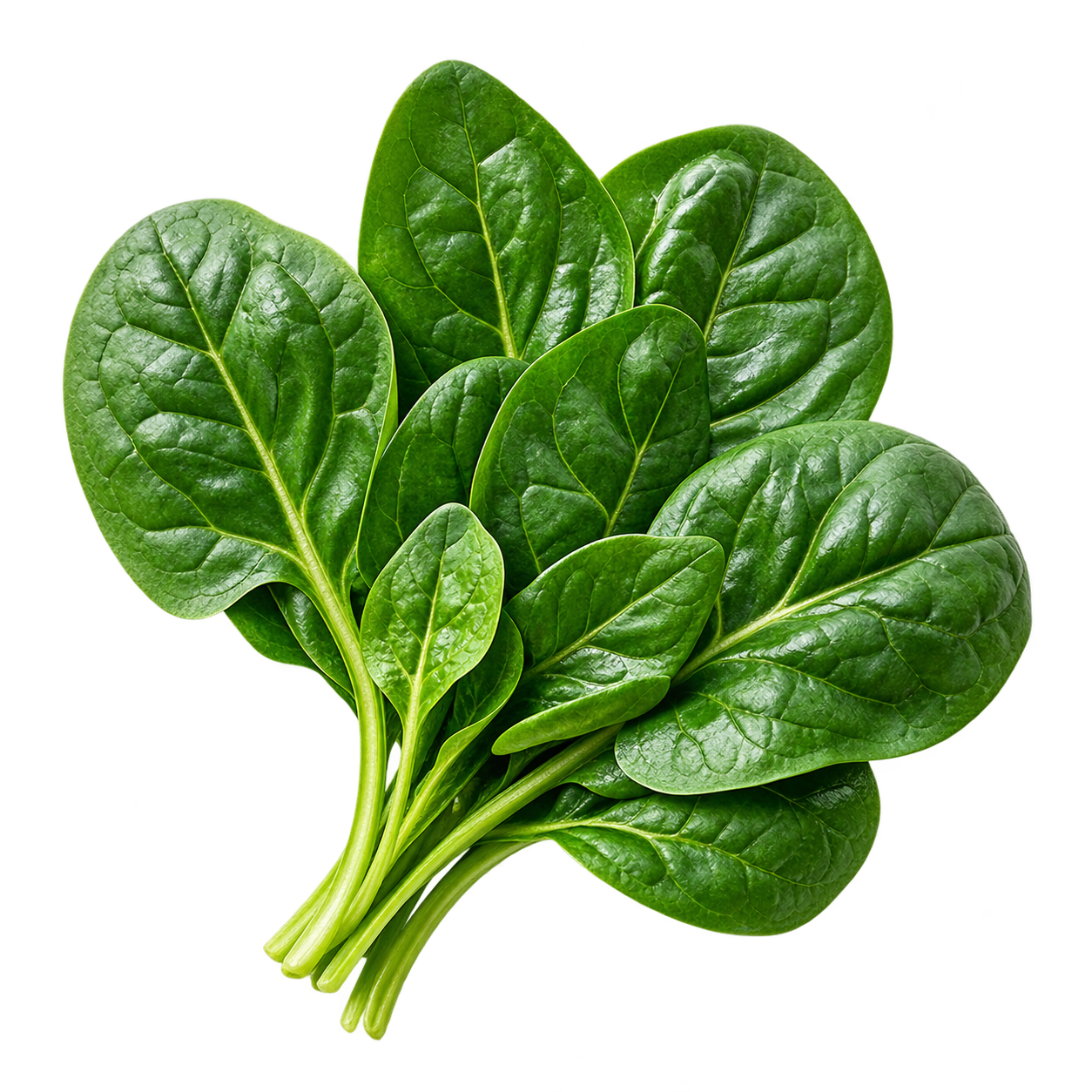 Spinach Ingredient Library
Baby and mature spinach • varieties, seasonality, nutrition, storage, food safety and cooking techniques.
Spinach Ingredient Library
Baby and mature spinach • varieties, seasonality, nutrition, storage, food safety and cooking techniques.
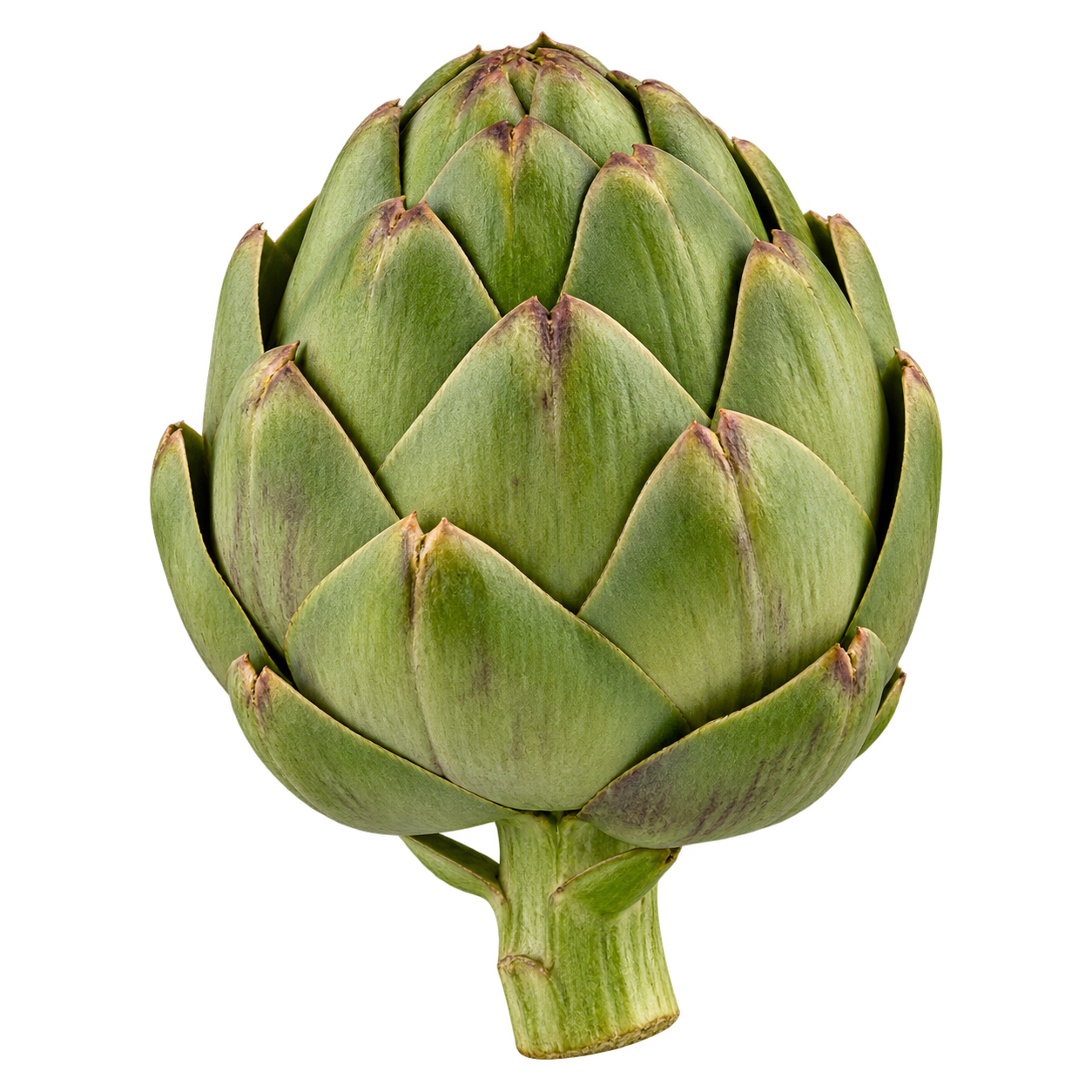 Artichoke Ingredient Library
Large Green Globe, baby, medium and Romanesco violet artichokes • seasonality, preparation and culinary uses.
Artichoke Ingredient Library
Large Green Globe, baby, medium and Romanesco violet artichokes • seasonality, preparation and culinary uses.
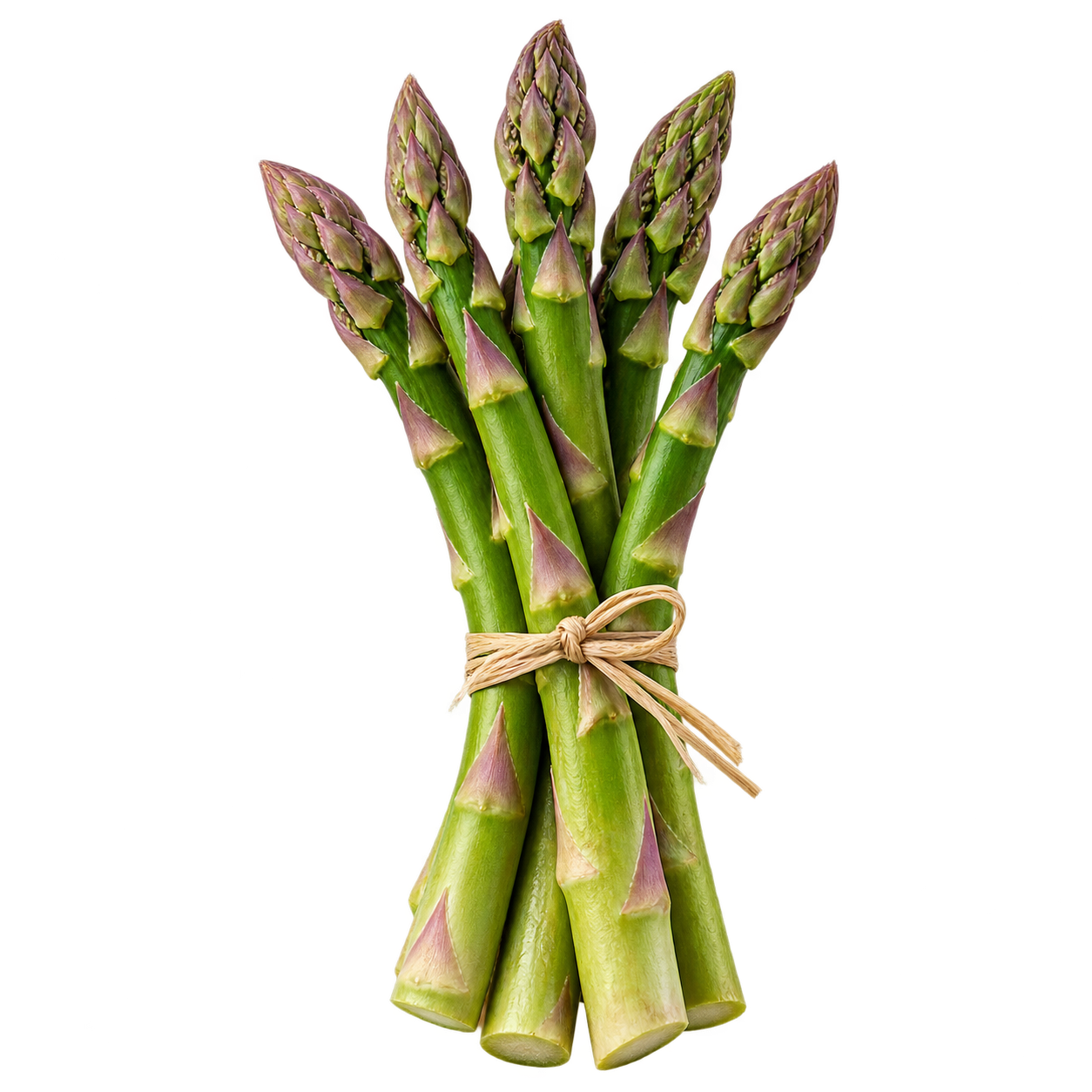 Asparagus Ingredient Library
Green, white, purple and wild asparagus • global seasonality, storage, health and cooking techniques.
Asparagus Ingredient Library
Green, white, purple and wild asparagus • global seasonality, storage, health and cooking techniques.
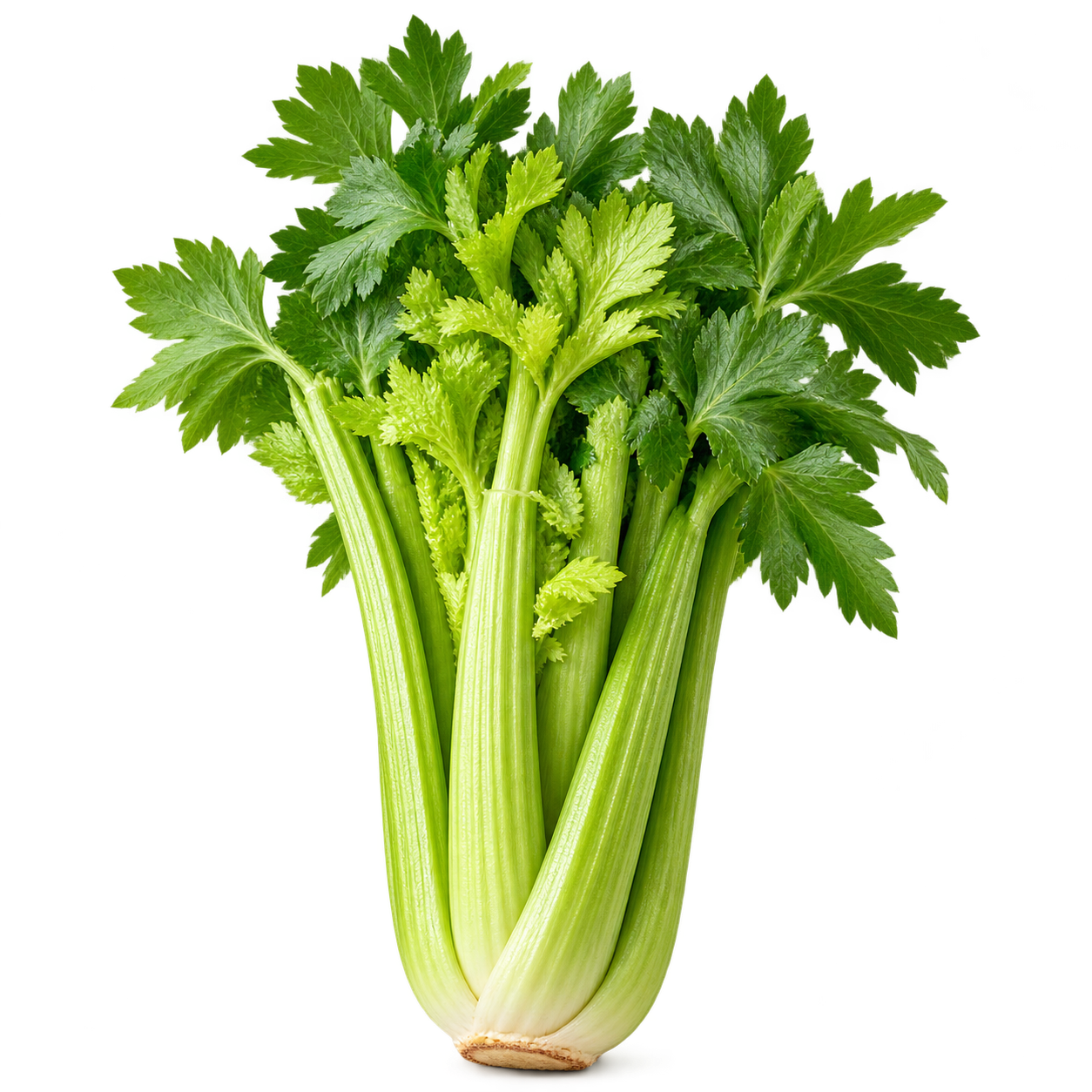 Celery Ingredient Library
Stalk and leaf celery • varieties, flavor, nutrition, global production, storage and culinary uses.
Celery Ingredient Library
Stalk and leaf celery • varieties, flavor, nutrition, global production, storage and culinary uses.
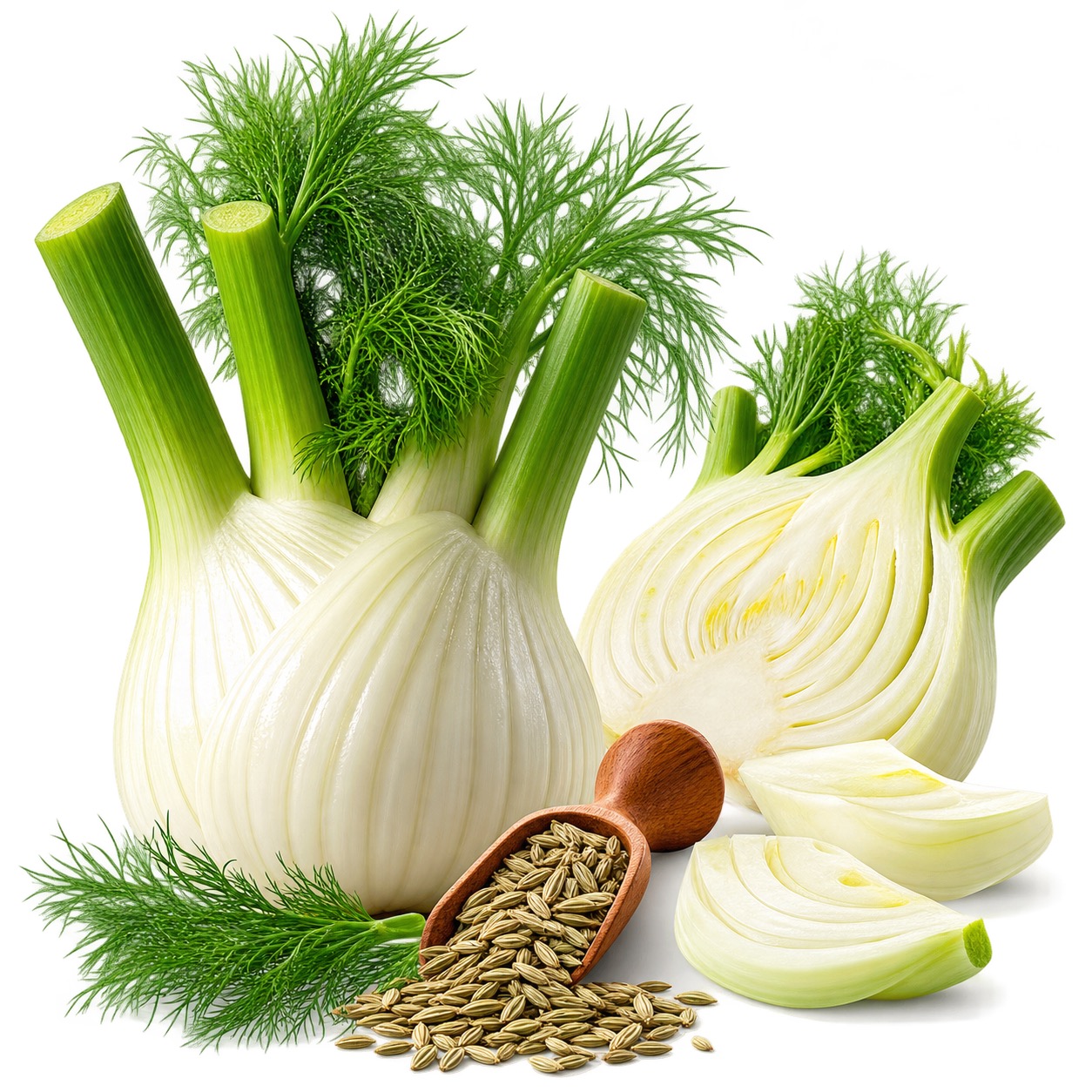 Fennel / Finocchio Ingredient Library
Florence fennel, baby fennel, bulb, stalks and fronds • origins, cultivation, seasonality and culinary uses.
Fennel / Finocchio Ingredient Library
Florence fennel, baby fennel, bulb, stalks and fronds • origins, cultivation, seasonality and culinary uses.
 Cucumber Ingredient Library
English, Persian, Japanese / Kyuri, pickling / Kirby, Armenian and lemon cucumber varieties.
Cucumber Ingredient Library
English, Persian, Japanese / Kyuri, pickling / Kirby, Armenian and lemon cucumber varieties.
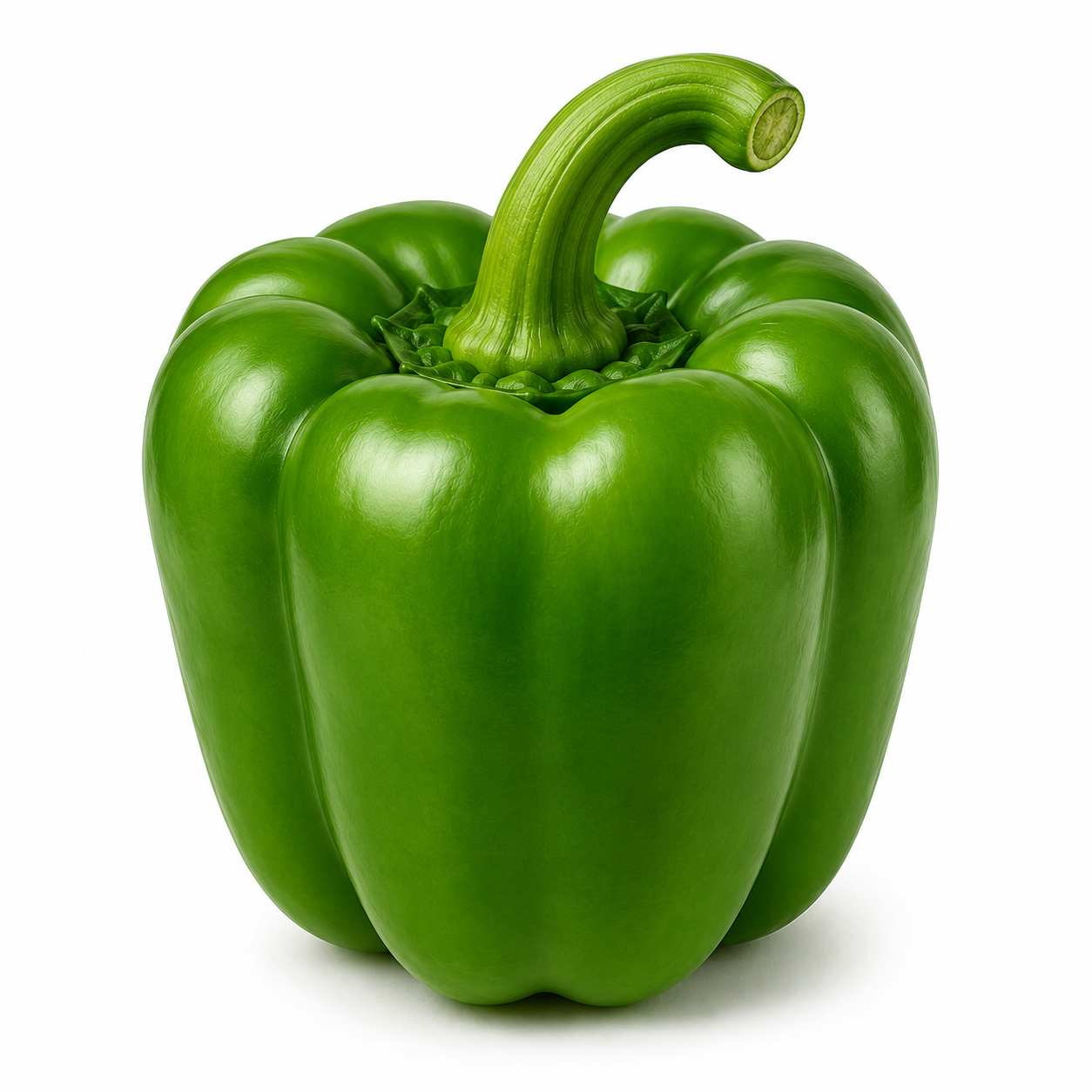 Green, Yellow & Red Bell Peppers
Flavor, ripeness, seasonality, quality and culinary uses.
Green, Yellow & Red Bell Peppers
Flavor, ripeness, seasonality, quality and culinary uses.
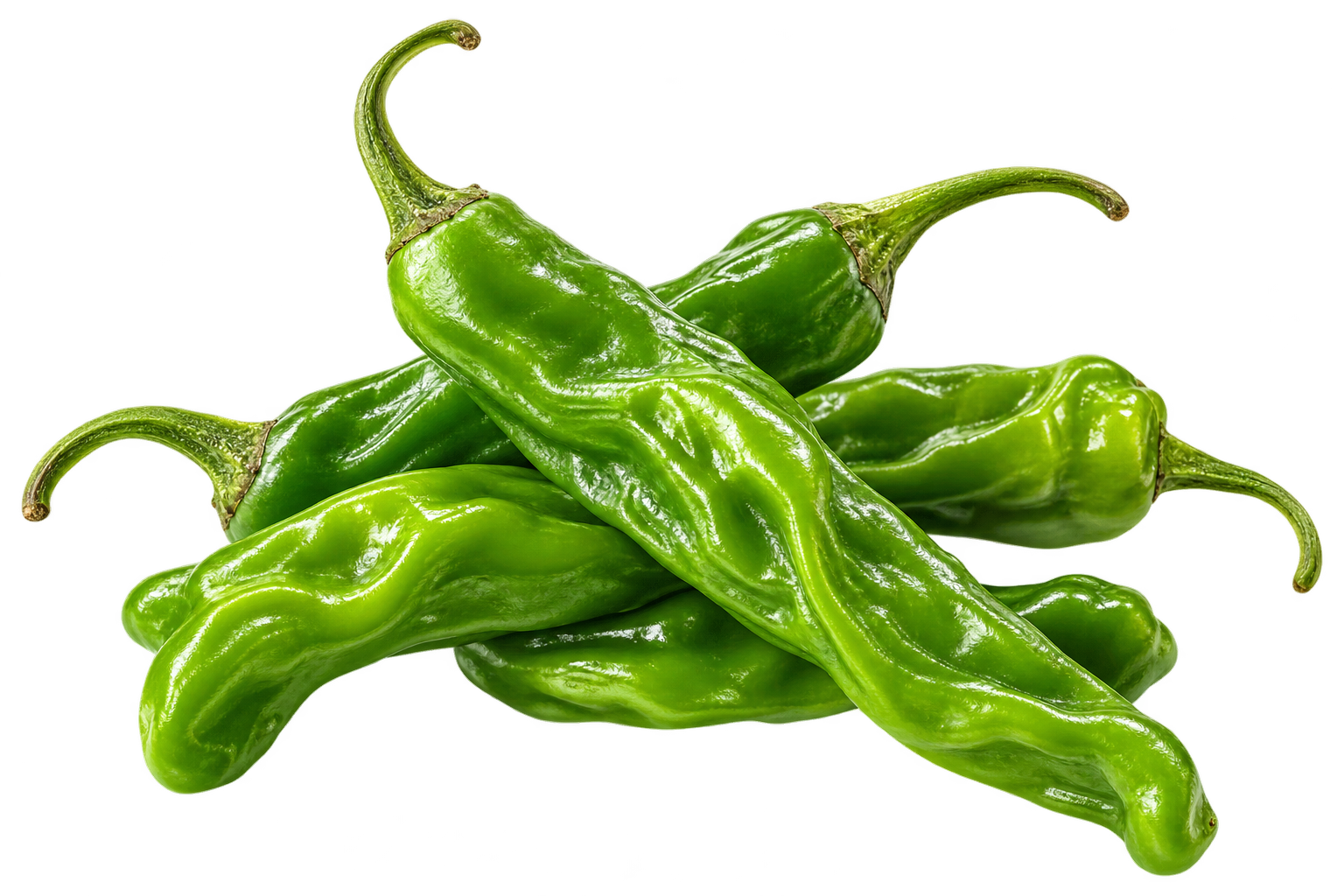 Shishito Peppers Ingredient Library
Japanese mild green peppers • flavor, variable heat, storage, blistering and grilling.
Shishito Peppers Ingredient Library
Japanese mild green peppers • flavor, variable heat, storage, blistering and grilling.
 Onion & Allium Ingredient Library
Red, yellow, white, green, pearl and spring onions plus fresh chives • Allium identity, storage and cooking techniques.
Onion & Allium Ingredient Library
Red, yellow, white, green, pearl and spring onions plus fresh chives • Allium identity, storage and cooking techniques.
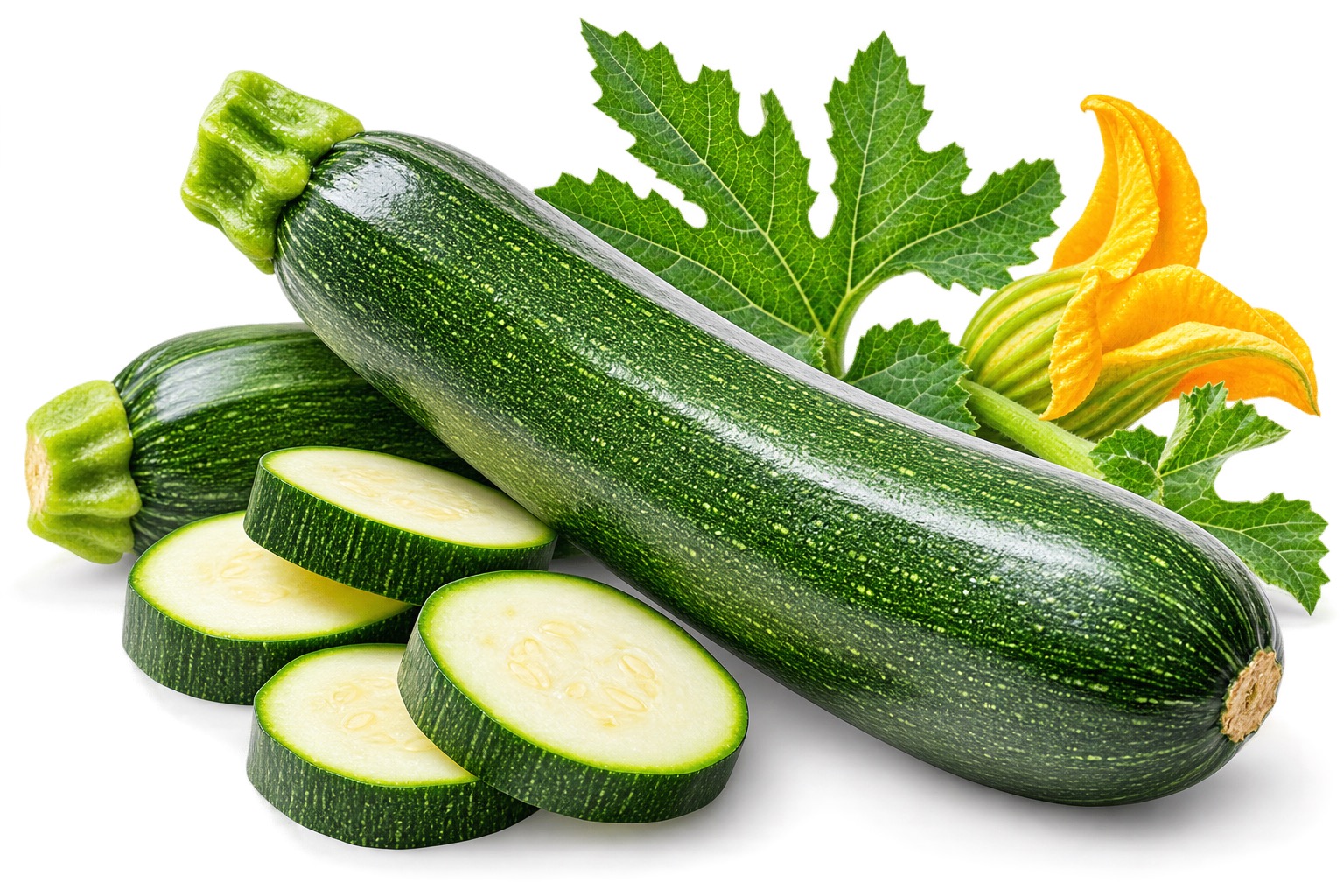 Zucchini / Zucchina Ingredient Library
Summer squash • scapece, grilling, sautéing, frying, stuffed preparations, fiori di zucca and Recipe 158.
Zucchini / Zucchina Ingredient Library
Summer squash • scapece, grilling, sautéing, frying, stuffed preparations, fiori di zucca and Recipe 158.
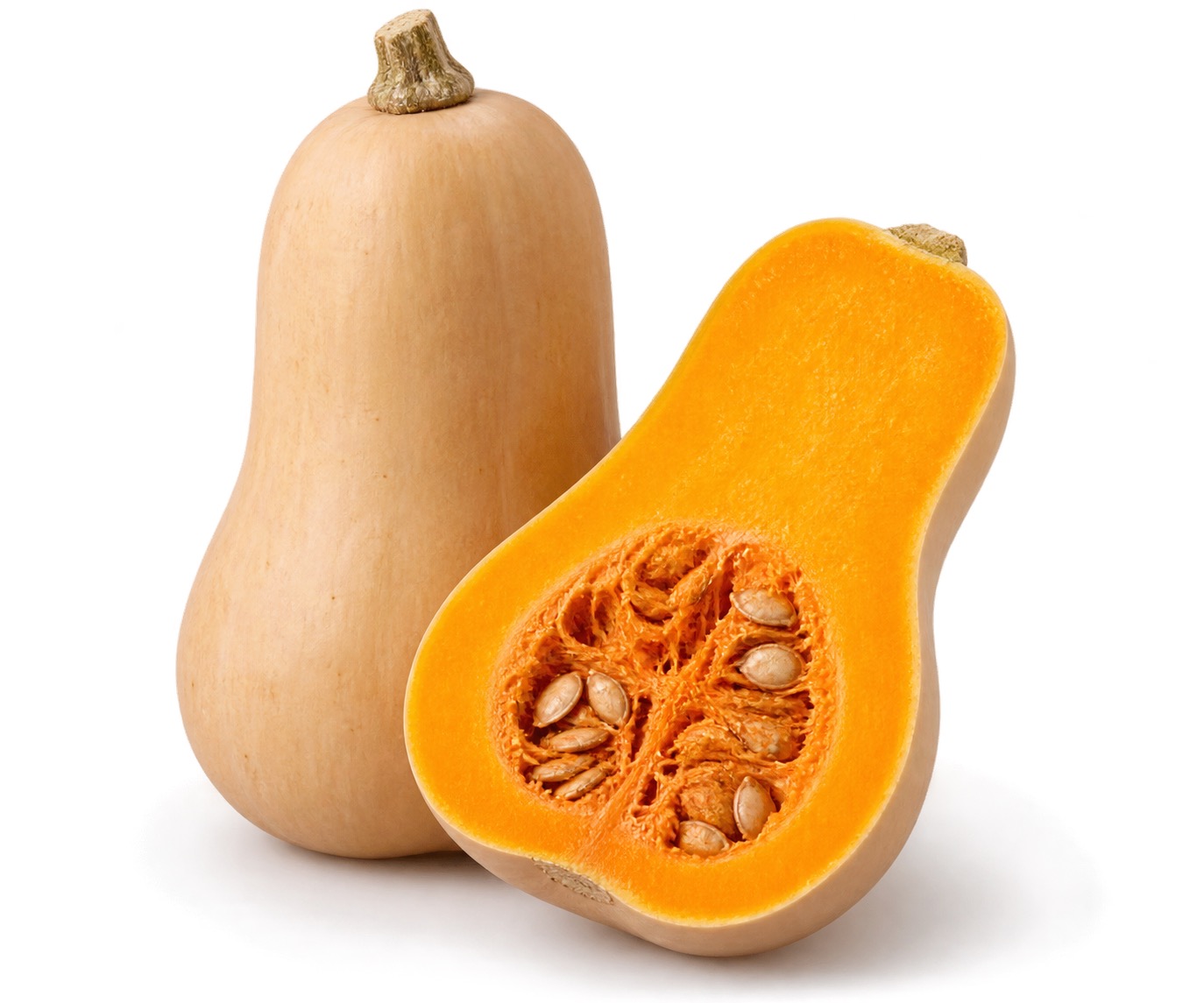 Butternut Squash / Zucca Butternut
Cucurbita moschata • history, varieties, culinary profile, quality, seasonality, nutrition, storage and professional culinary uses.
Butternut Squash / Zucca Butternut
Cucurbita moschata • history, varieties, culinary profile, quality, seasonality, nutrition, storage and professional culinary uses.
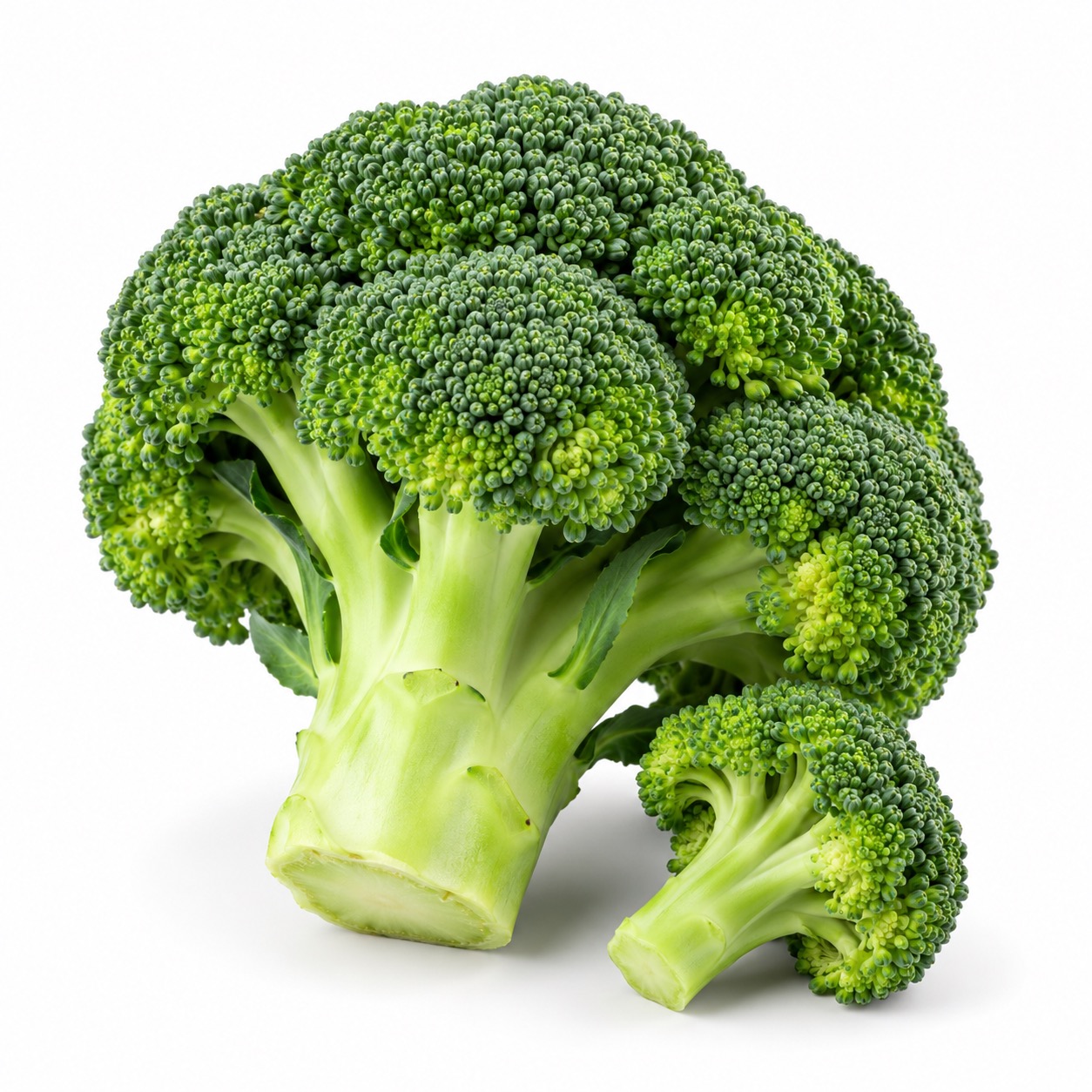 Broccoli / Broccoli Florets
Brassica oleracea var. italica • Italian history, types, cool-season seasonality, quality, nutrition, storage, blanching, roasting and professional culinary uses.
Broccoli / Broccoli Florets
Brassica oleracea var. italica • Italian history, types, cool-season seasonality, quality, nutrition, storage, blanching, roasting and professional culinary uses.
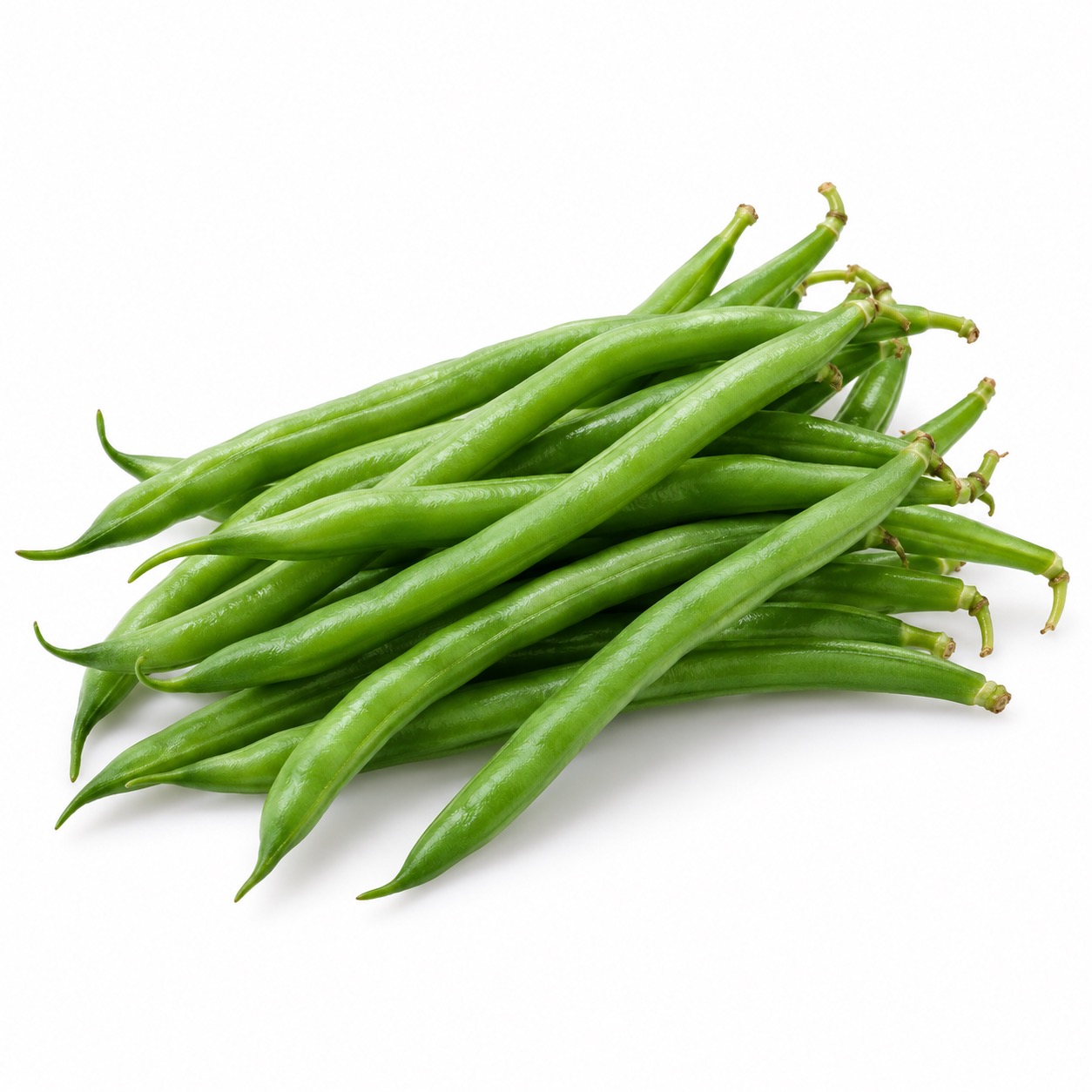 Haricot Vert / Green Beans
Haricot vert, snap beans, Romano and wax bean context • culinary usage, nutrition, seasonality, quality, cultivation, world markets, storage and Haricot Vert & Shrimp Salad Recipe 377 connection.
Haricot Vert / Green Beans
Haricot vert, snap beans, Romano and wax bean context • culinary usage, nutrition, seasonality, quality, cultivation, world markets, storage and Haricot Vert & Shrimp Salad Recipe 377 connection.
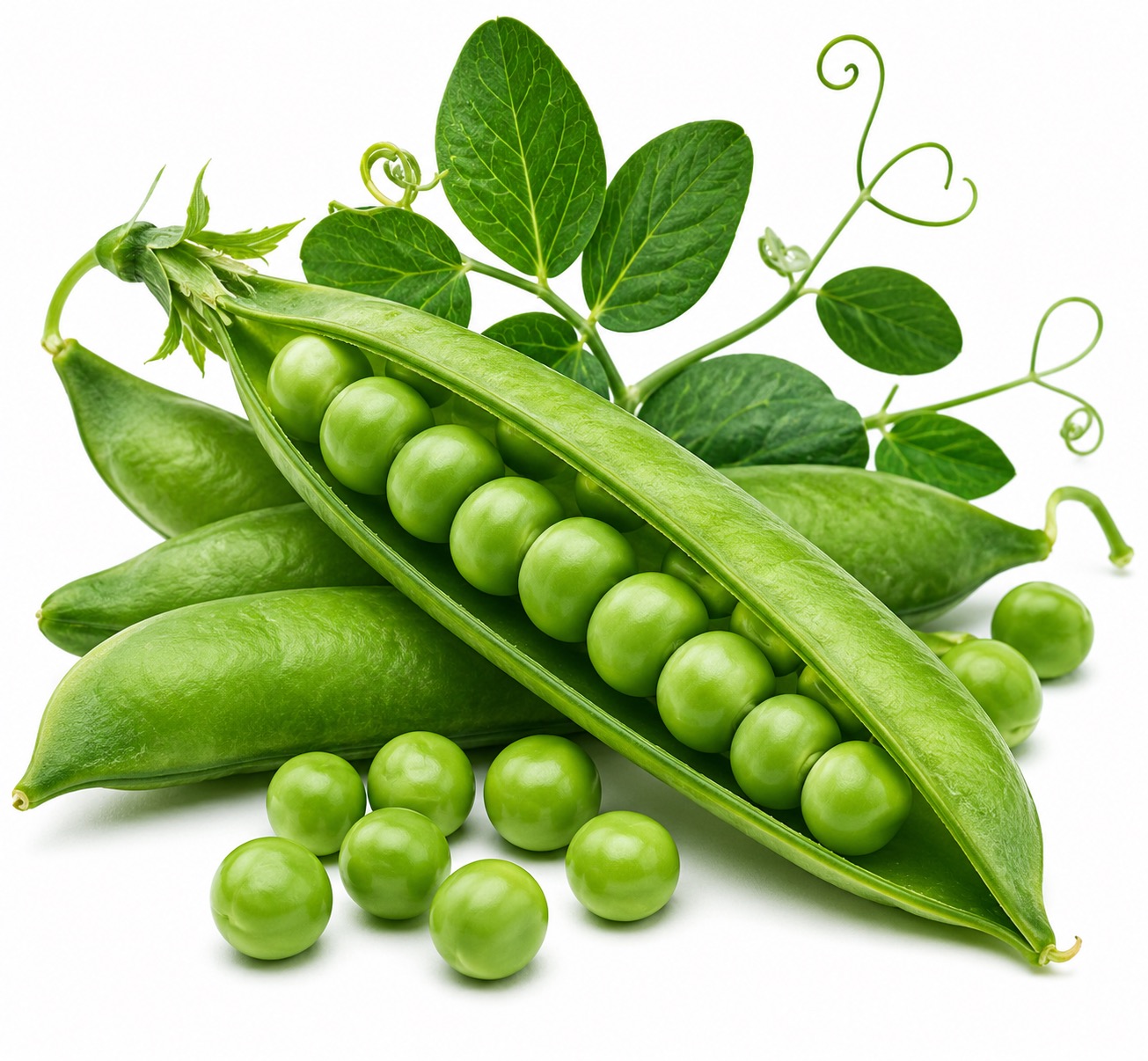 Fresh Green Peas / Piselli
Garden peas, English peas and shelling peas • seasonality, selection, storage, technique and Recipe 158.
Fresh Green Peas / Piselli
Garden peas, English peas and shelling peas • seasonality, selection, storage, technique and Recipe 158.
Foundational roots and bulbs that create flavor, pungency, structure, texture and body in traditional and modern cuisine.
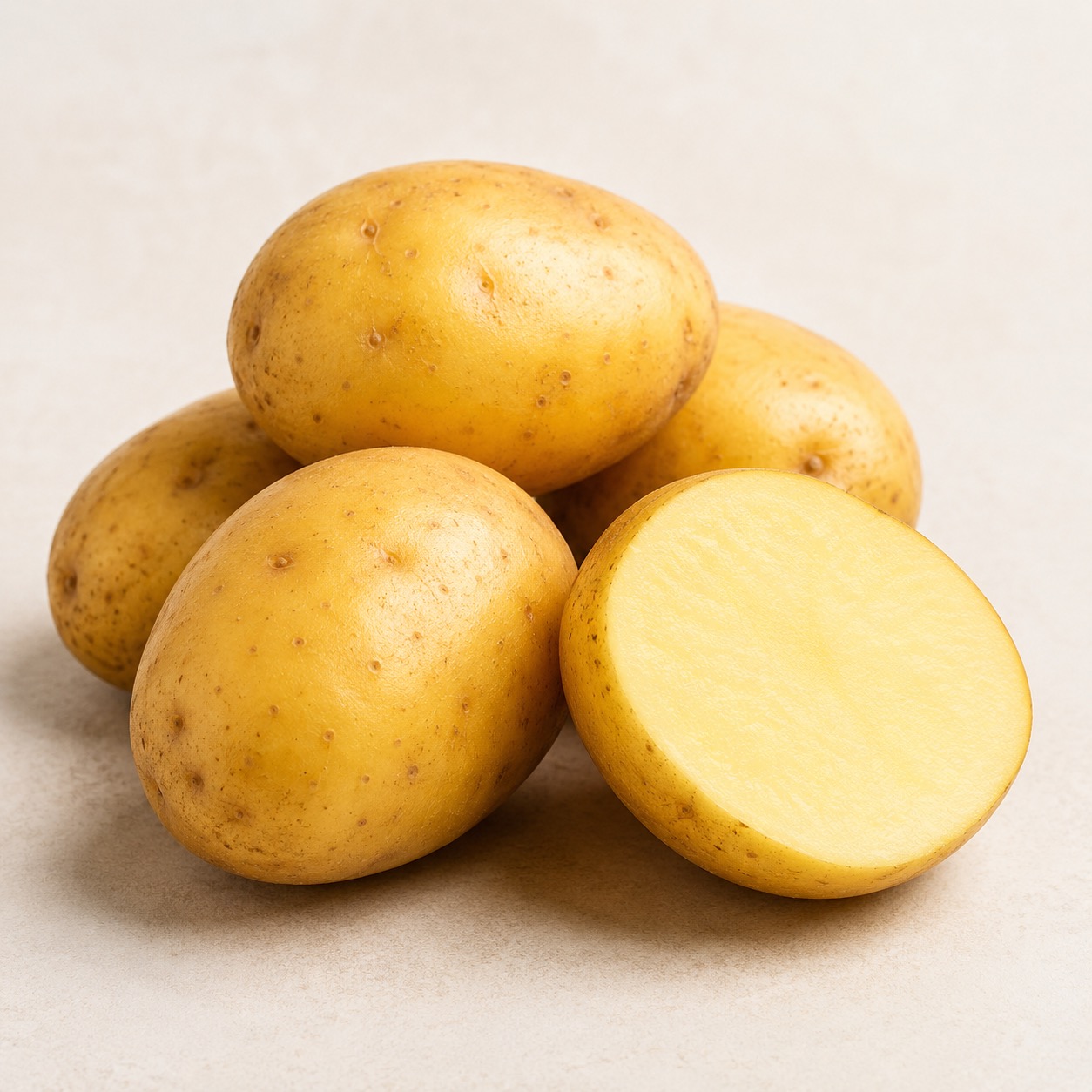 Potato Ingredient Library
Russet, red, yellow, white, purple, fingerling, baby and medley potatoes • baking, frying, purée and roasting.
Potato Ingredient Library
Russet, red, yellow, white, purple, fingerling, baby and medley potatoes • baking, frying, purée and roasting.
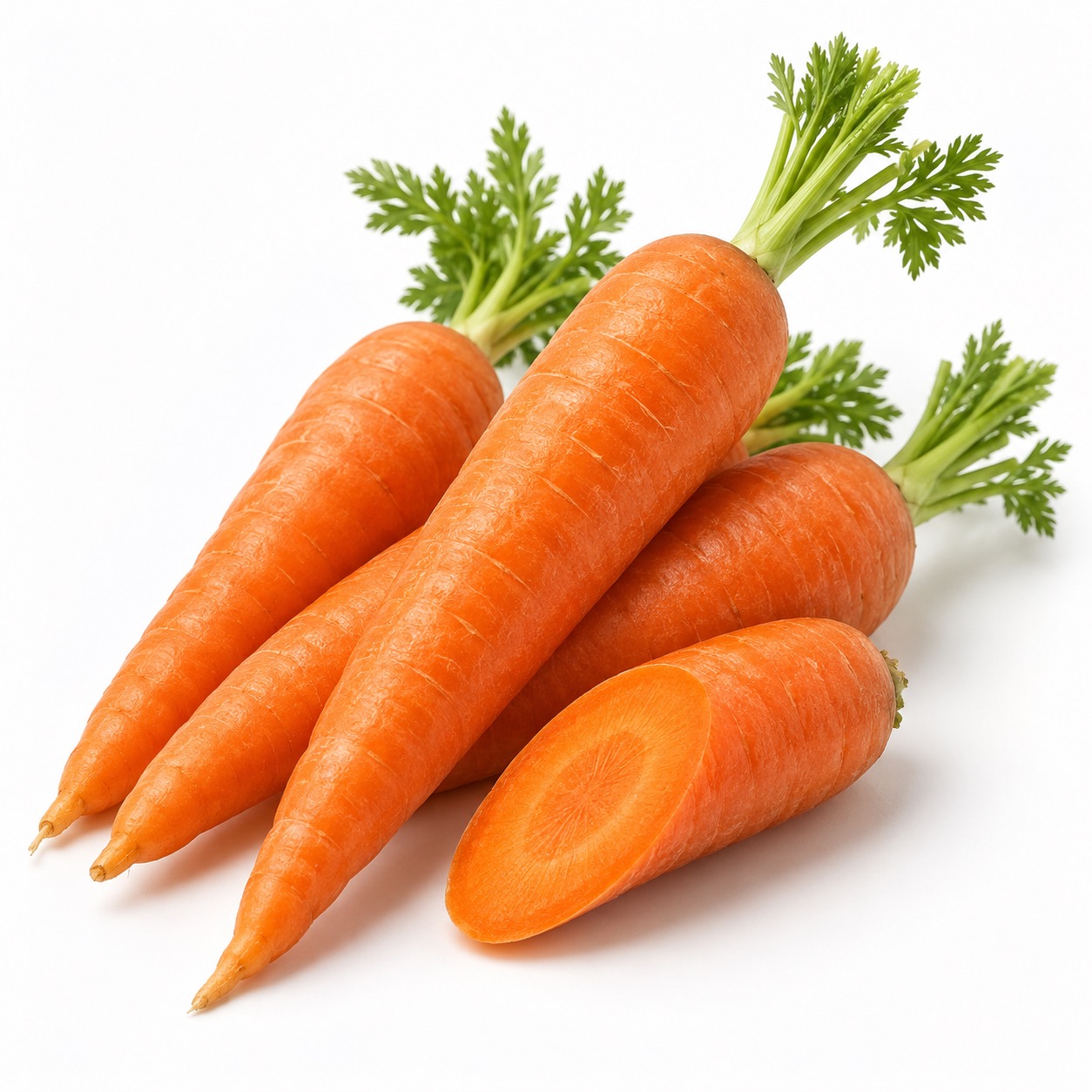 Carrots / Carote
Daucus carota • history, varieties, best quality, seasonality, producing countries, nutrition, storage, professional knife cuts and Carrot & Celery Root Salad connection.
Carrots / Carote
Daucus carota • history, varieties, best quality, seasonality, producing countries, nutrition, storage, professional knife cuts and Carrot & Celery Root Salad connection.
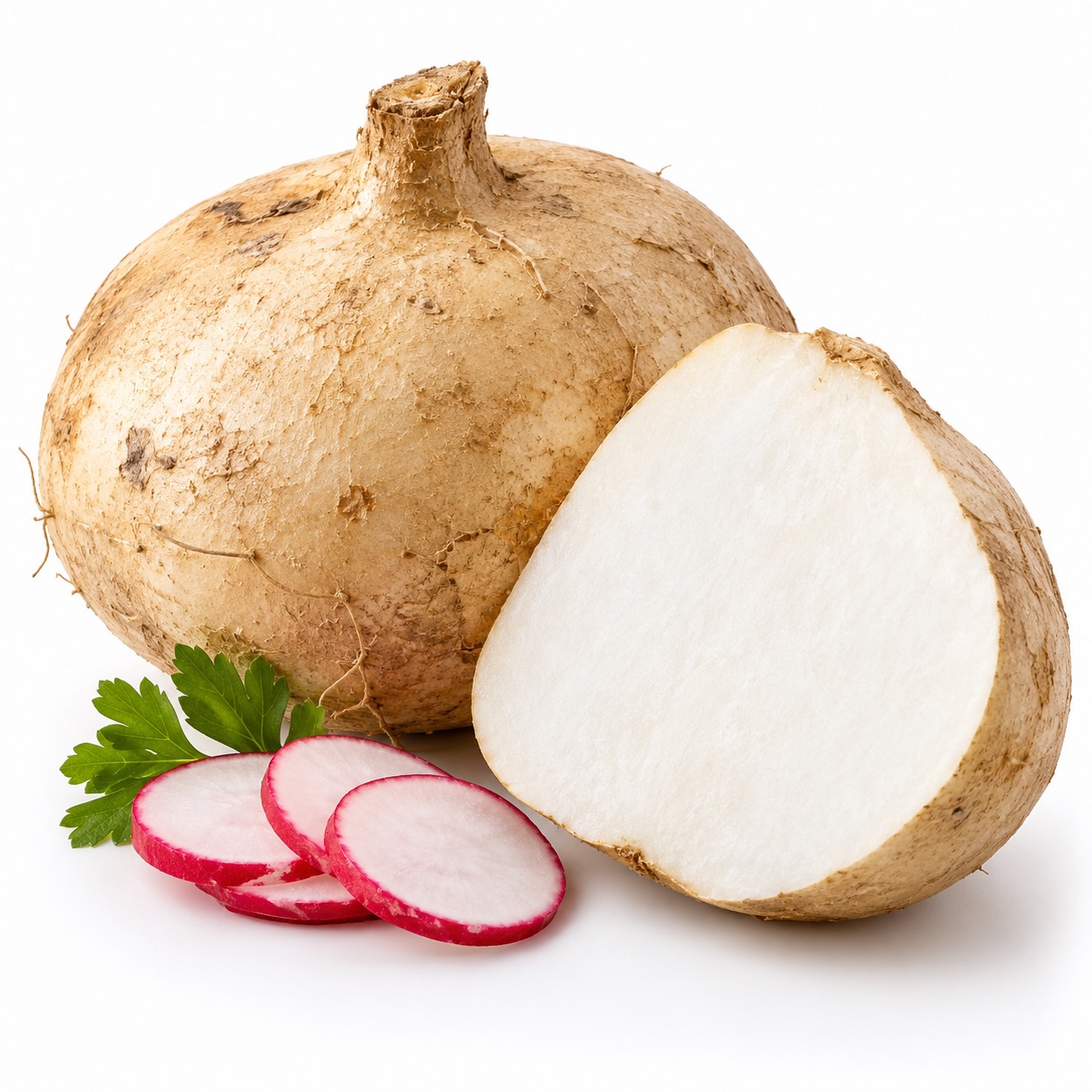 Jicama / Mexican Yam Bean
Pachyrhizus erosus • crisp, juicy and mildly sweet root • history, cultivation, seasonality, quality, nutrition, storage, professional preparation, gazpacho use and Snow Crab Salad connection.
Jicama / Mexican Yam Bean
Pachyrhizus erosus • crisp, juicy and mildly sweet root • history, cultivation, seasonality, quality, nutrition, storage, professional preparation, gazpacho use and Snow Crab Salad connection.
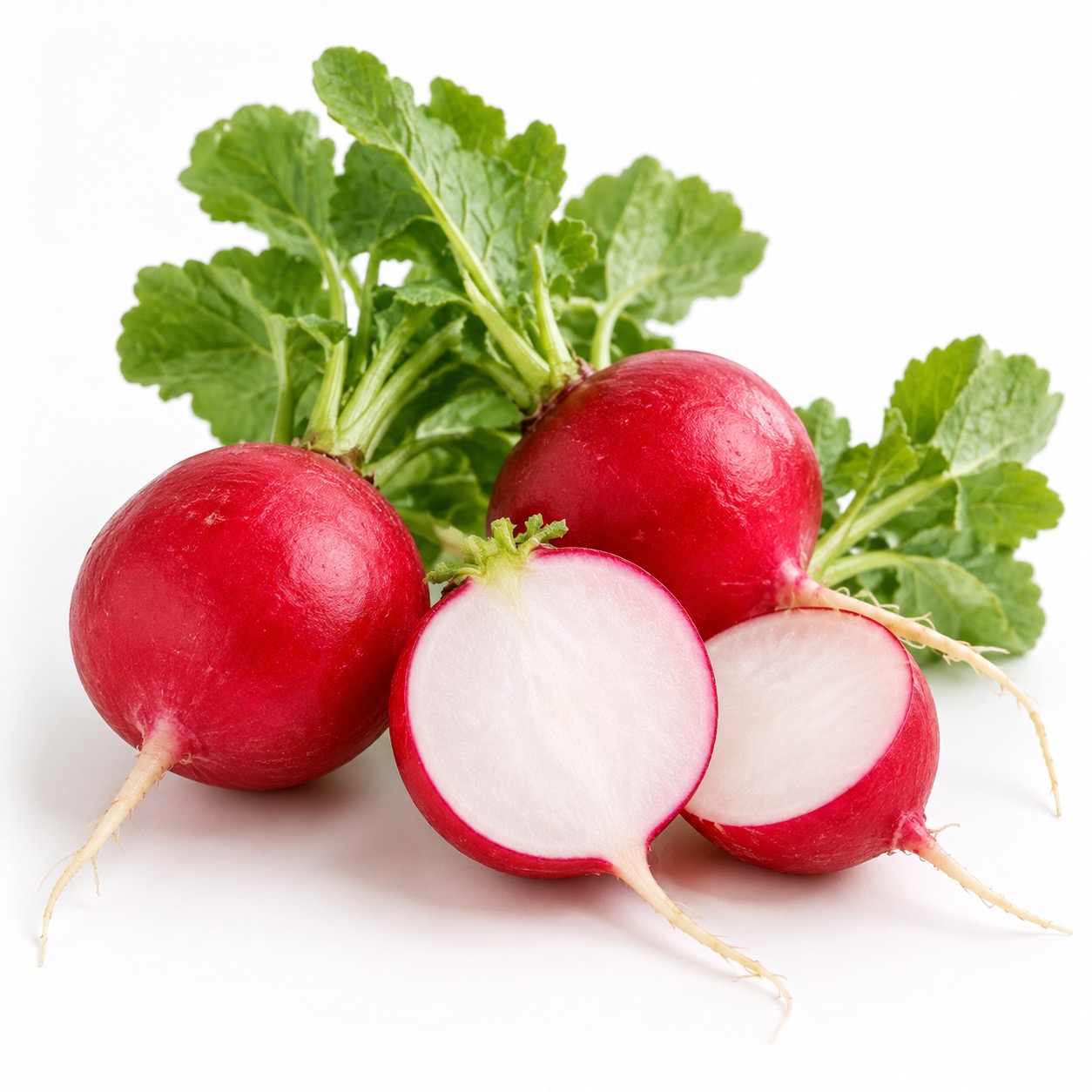 Red Radish / Ravanello Rosso
Raphanus sativus • crisp, juicy and peppery root • history, seasonality, nutrition, storage, raw salads, fine dice, shaving, pickling and Snow Crab Salad connection.
Red Radish / Ravanello Rosso
Raphanus sativus • crisp, juicy and peppery root • history, seasonality, nutrition, storage, raw salads, fine dice, shaving, pickling and Snow Crab Salad connection.
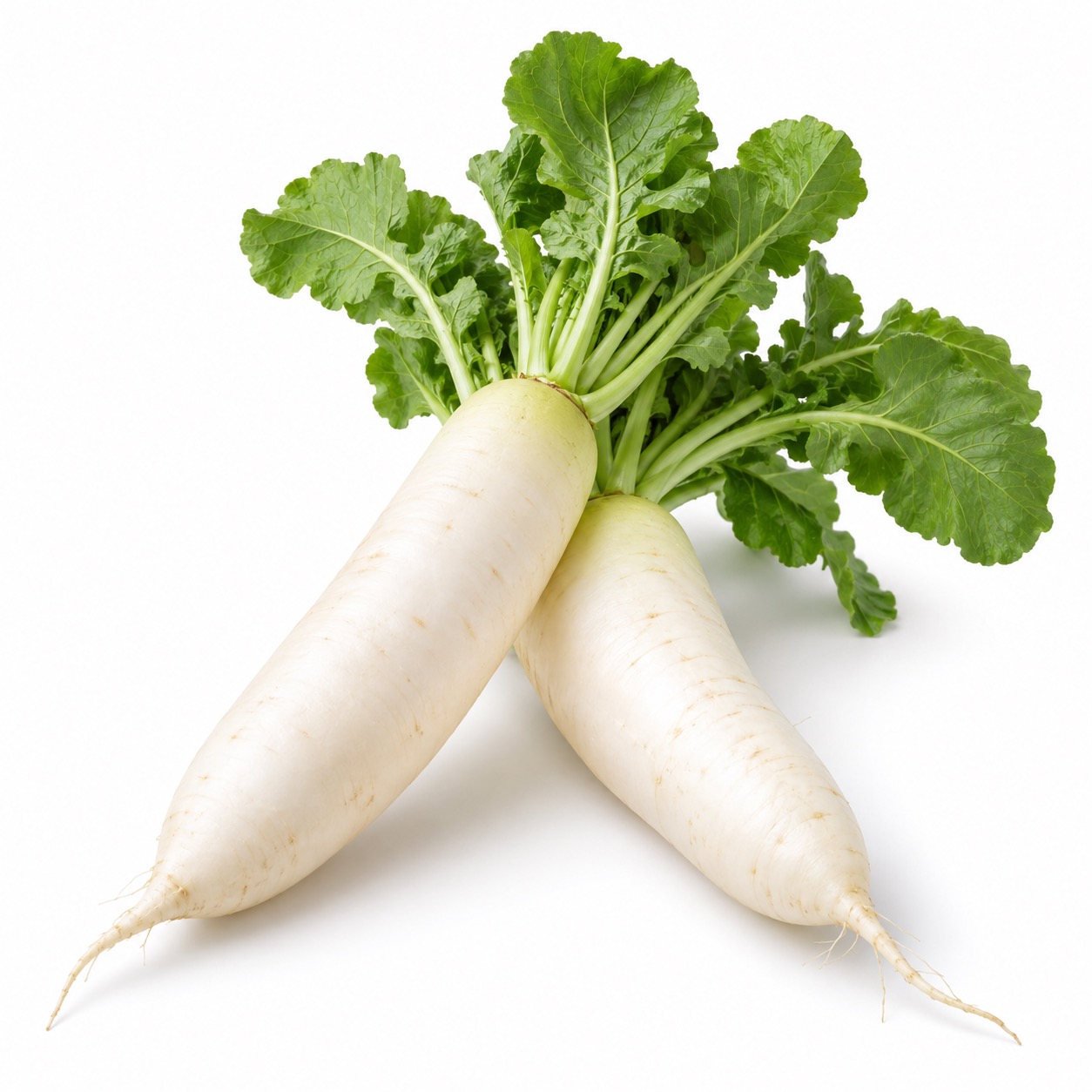 Daikon Root
Daikon, white radish, Japanese radish and mooli • origin, types, culinary usage, nutrition, seasonality, quality, storage, cultivation, world markets and Steamed Vegetable Salad Recipe 378 connection.
Daikon Root
Daikon, white radish, Japanese radish and mooli • origin, types, culinary usage, nutrition, seasonality, quality, storage, cultivation, world markets and Steamed Vegetable Salad Recipe 378 connection.
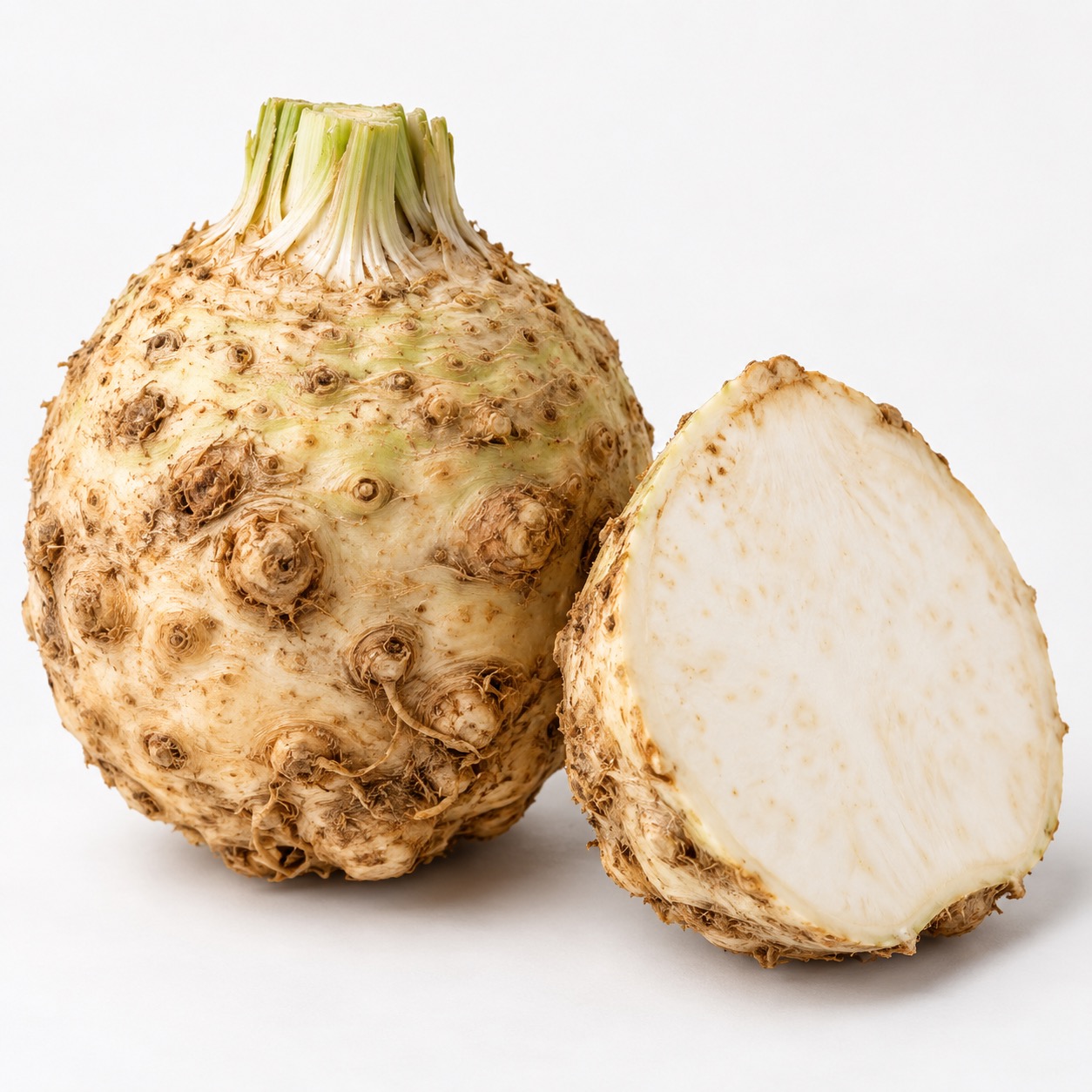 Celery Root / Celeriac / Sedano Rapa
Apium graveolens var. rapaceum • history, cultivation, varieties, seasonality, quality, storage, nutrition, trim yield, julienne salads, remoulade, purees, roasting and Recipe 350 connection.
Celery Root / Celeriac / Sedano Rapa
Apium graveolens var. rapaceum • history, cultivation, varieties, seasonality, quality, storage, nutrition, trim yield, julienne salads, remoulade, purees, roasting and Recipe 350 connection.
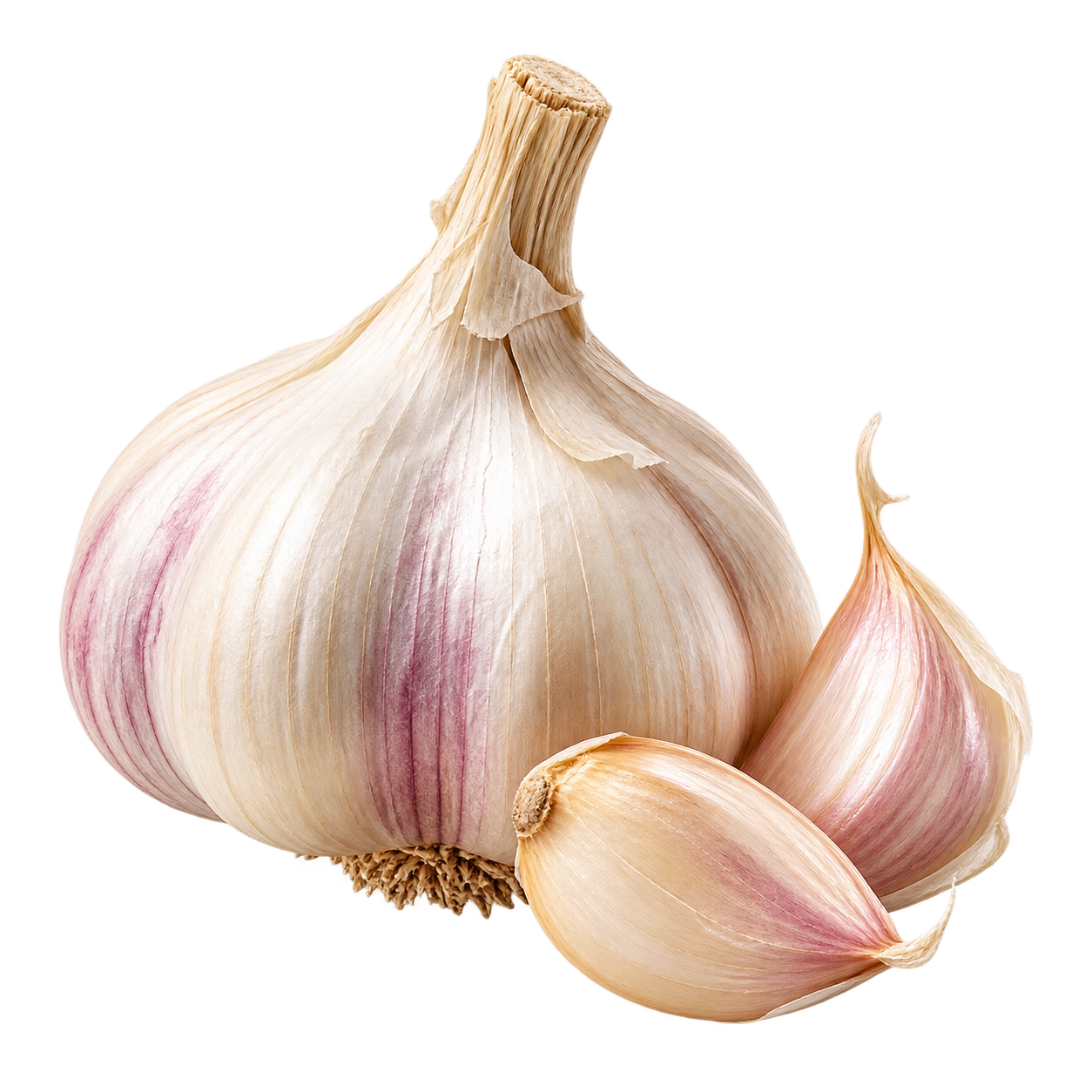 Garlic Ingredient Library
Allium sativum • history, varieties, Tuscan Aglione, black garlic, harvesting, quality and recipe uses.
Garlic Ingredient Library
Allium sativum • history, varieties, Tuscan Aglione, black garlic, harvesting, quality and recipe uses.
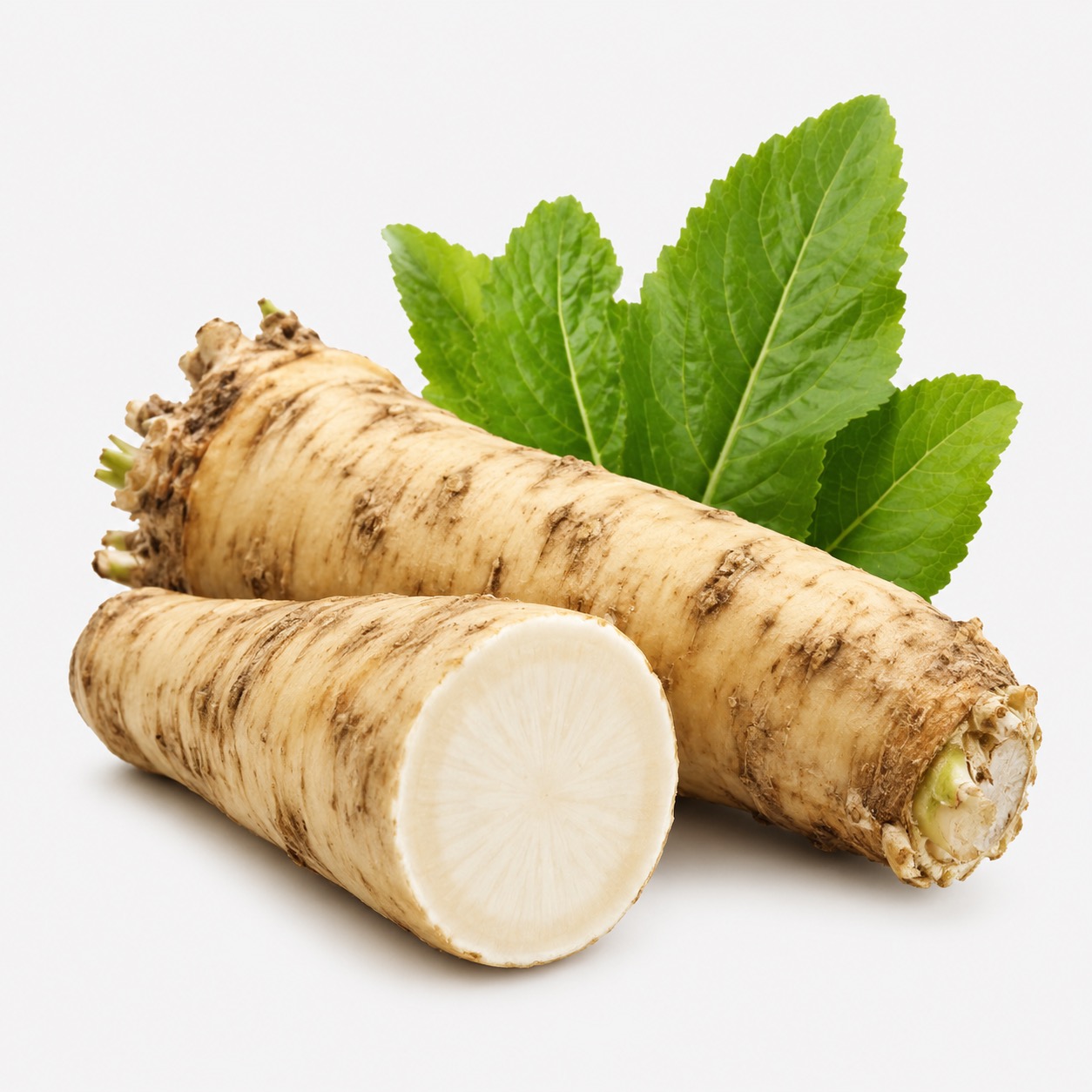 Horseradish
Armoracia rusticana • origins, cultivation, seasonality, nutrition, types, storage, pungency and professional culinary uses.
Horseradish
Armoracia rusticana • origins, cultivation, seasonality, nutrition, types, storage, pungency and professional culinary uses.
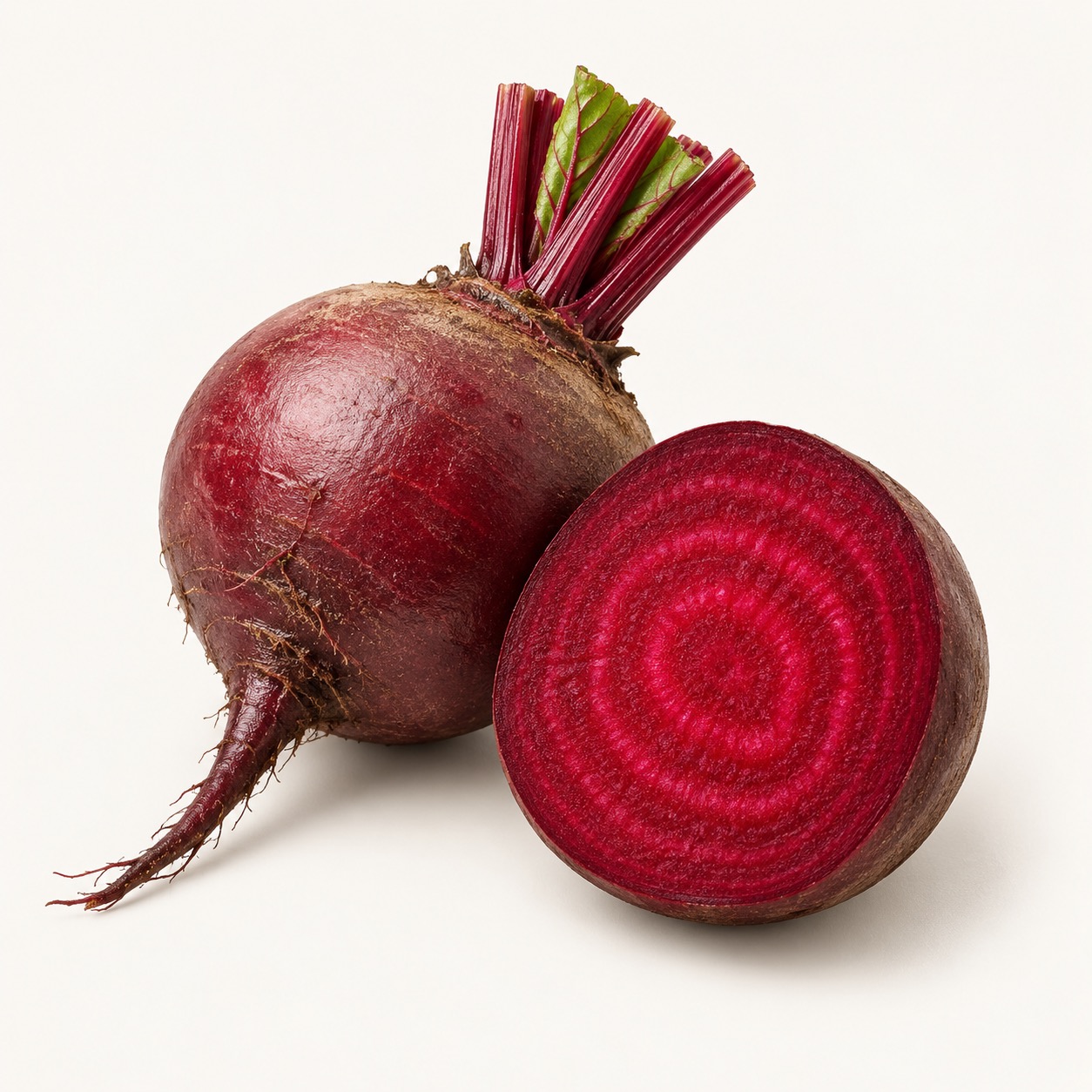 Red Beet / Barbabietola Rossa
Beta vulgaris table beet • history, cool-season production, seasonality, nutrition, storage, roasting, boiling, pickling, raw preparations and professional culinary uses.
Red Beet / Barbabietola Rossa
Beta vulgaris table beet • history, cool-season production, seasonality, nutrition, storage, roasting, boiling, pickling, raw preparations and professional culinary uses.
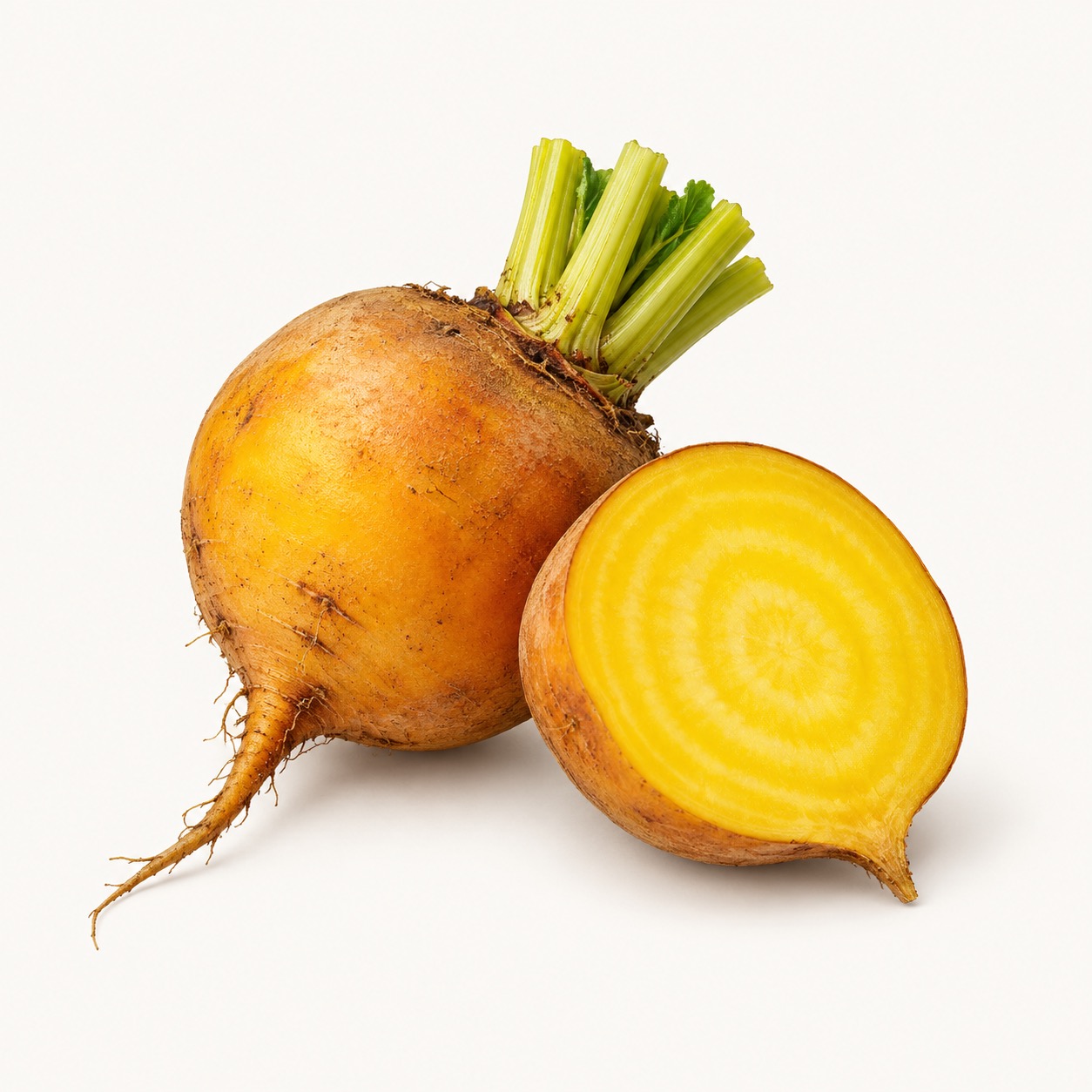 Golden / Yellow Beet
Golden table beet • history, varieties, cool-season seasonality, nutrition, storage, roasting, glazing, salads and professional culinary uses.
Golden / Yellow Beet
Golden table beet • history, varieties, cool-season seasonality, nutrition, storage, roasting, glazing, salads and professional culinary uses.
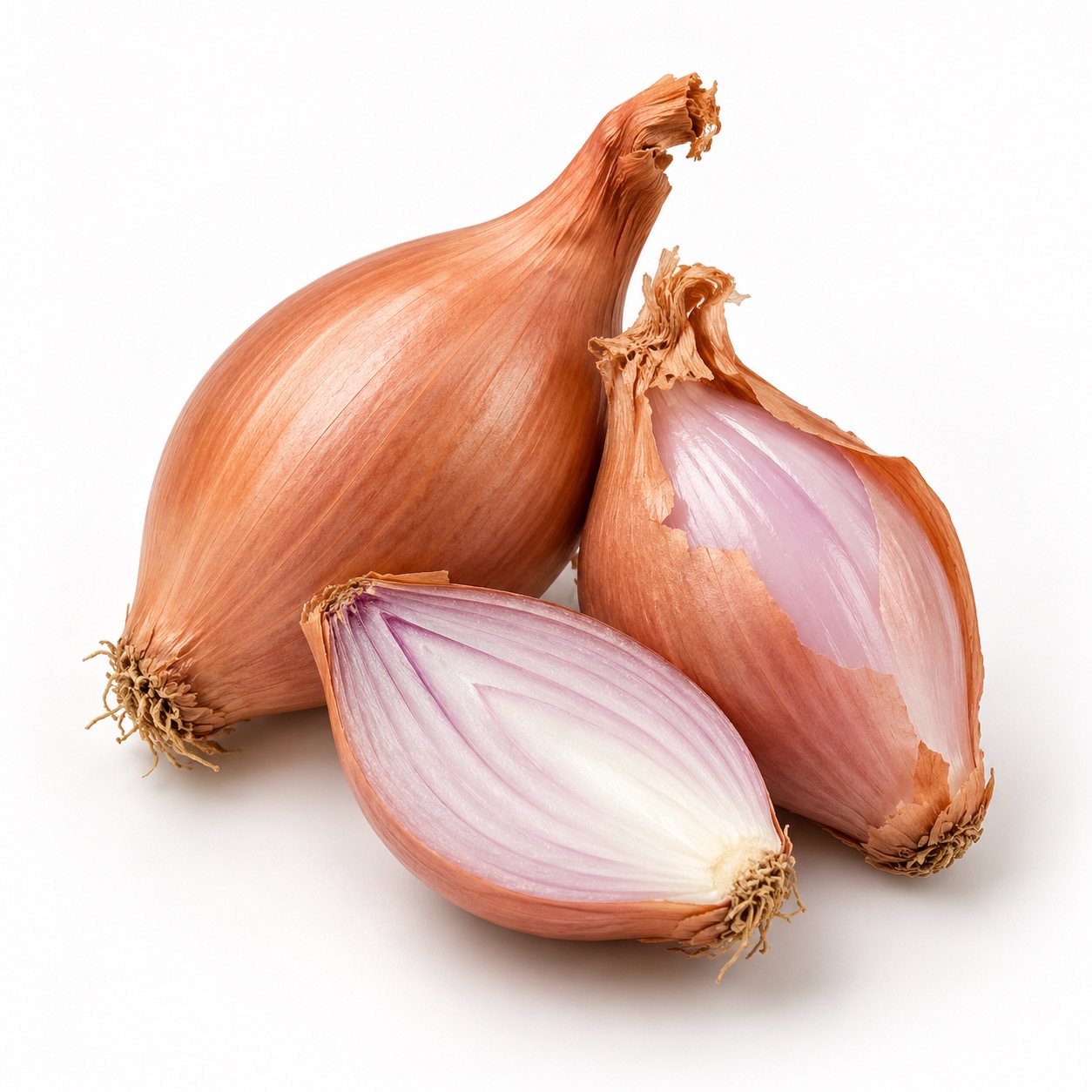 Shallot / Scalogno
Allium cepa • origins, cultivation, seasonality, market quality, flavor, nutrition, storage and professional culinary uses.
Shallot / Scalogno
Allium cepa • origins, cultivation, seasonality, market quality, flavor, nutrition, storage and professional culinary uses.
Aromatic ingredients used to create freshness, fragrance, identity and balance throughout the Tuscany Cuisine recipe system.
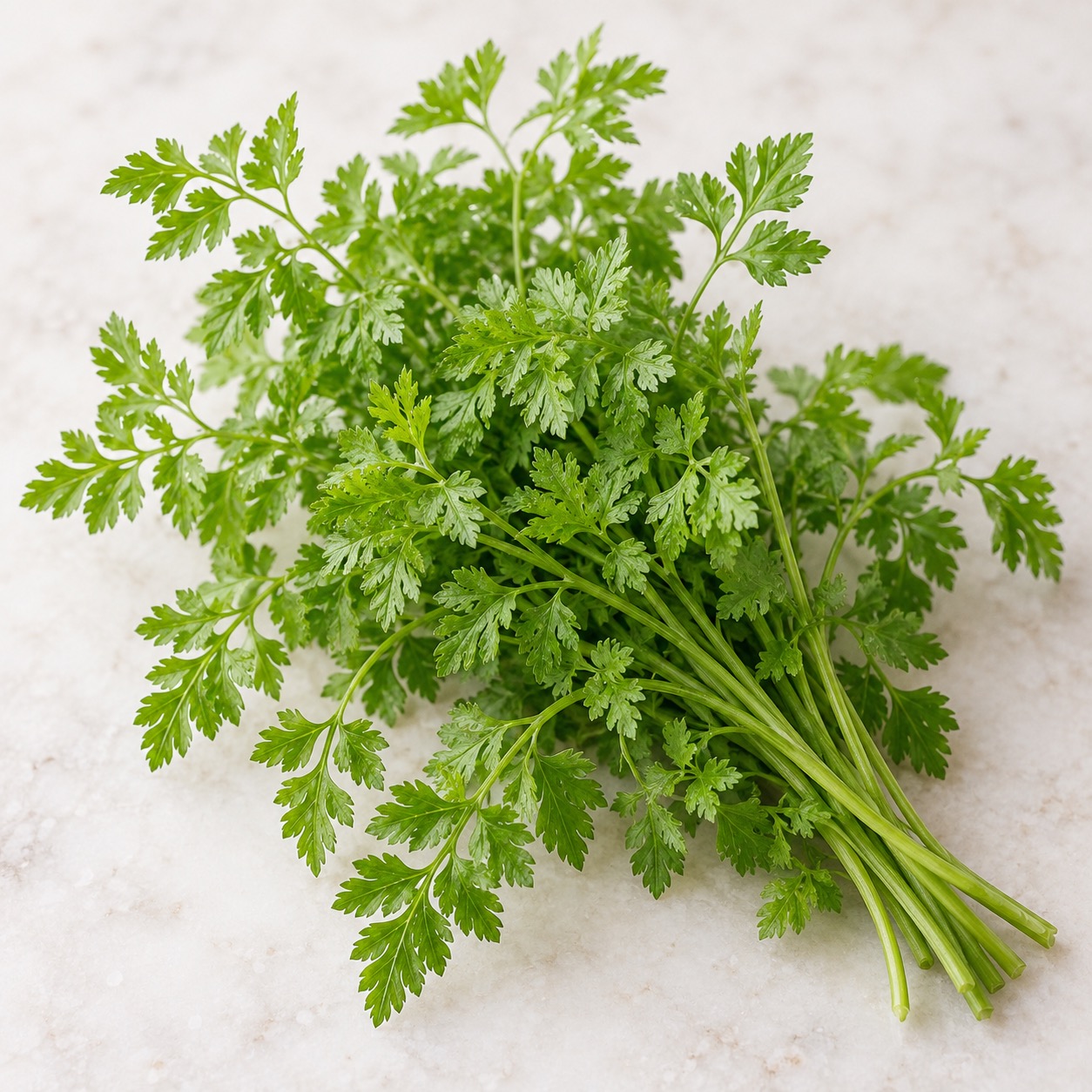 Fresh Chervil / French Parsley
Anthriscus cerefolium • delicate parsley-anise flavor, history, cultivation, nutrition, seasonality, storage, professional culinary uses and Mango & Shrimp Salad Recipe 355 connection.
Fresh Chervil / French Parsley
Anthriscus cerefolium • delicate parsley-anise flavor, history, cultivation, nutrition, seasonality, storage, professional culinary uses and Mango & Shrimp Salad Recipe 355 connection.
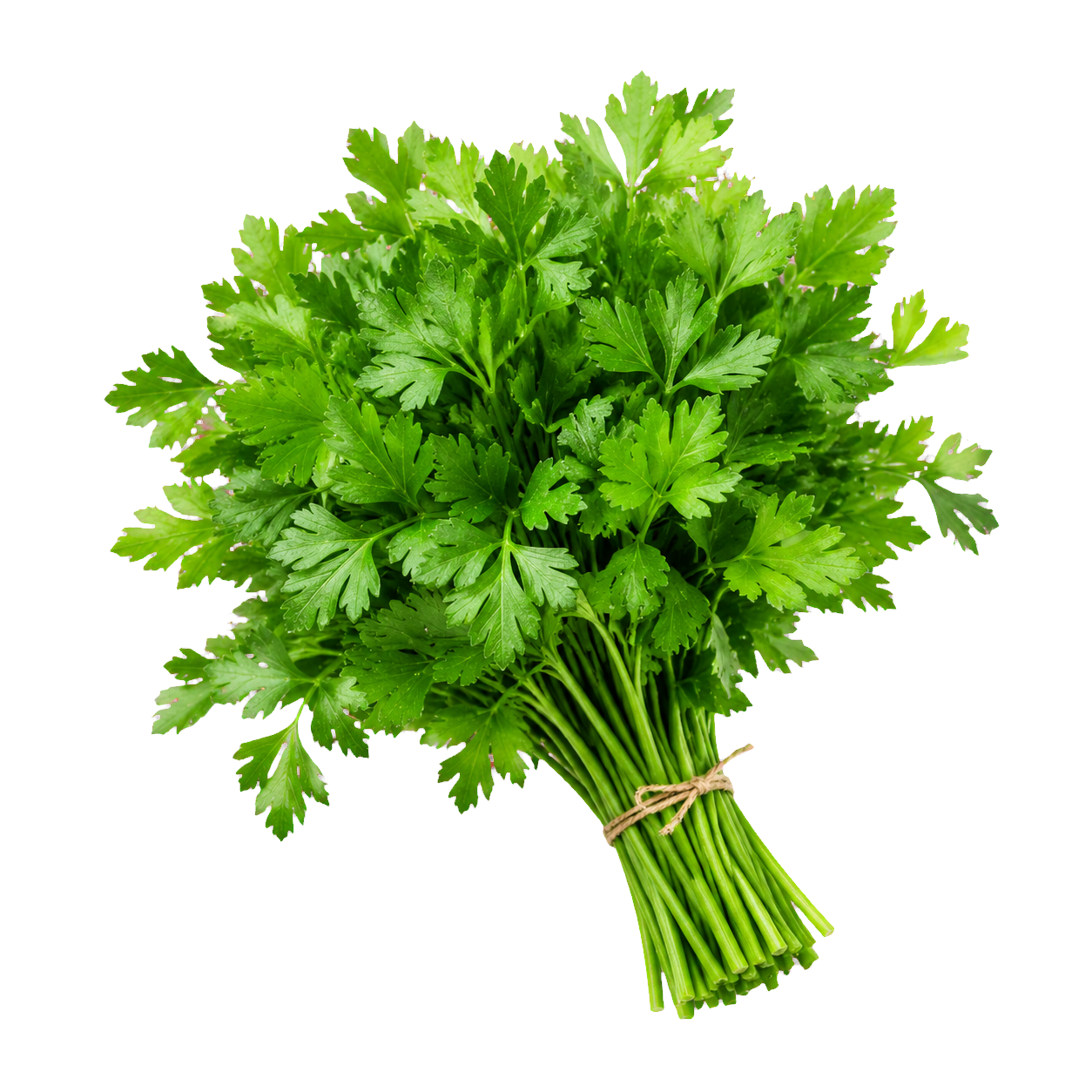 Italian Flat-Leaf Parsley
History, varieties, seasonality, harvesting, storage and professional culinary uses.
Italian Flat-Leaf Parsley
History, varieties, seasonality, harvesting, storage and professional culinary uses.
 Bay Leaves Ingredient Library
Laurus nobilis • fresh and dried leaves, harvesting, quality, storage and connected recipes.
Bay Leaves Ingredient Library
Laurus nobilis • fresh and dried leaves, harvesting, quality, storage and connected recipes.
 Borage Flowers Ingredient Library
Borago officinalis • Mediterranean history, cucumber-like flavor, seasonality, storage and plating.
Borage Flowers Ingredient Library
Borago officinalis • Mediterranean history, cucumber-like flavor, seasonality, storage and plating.
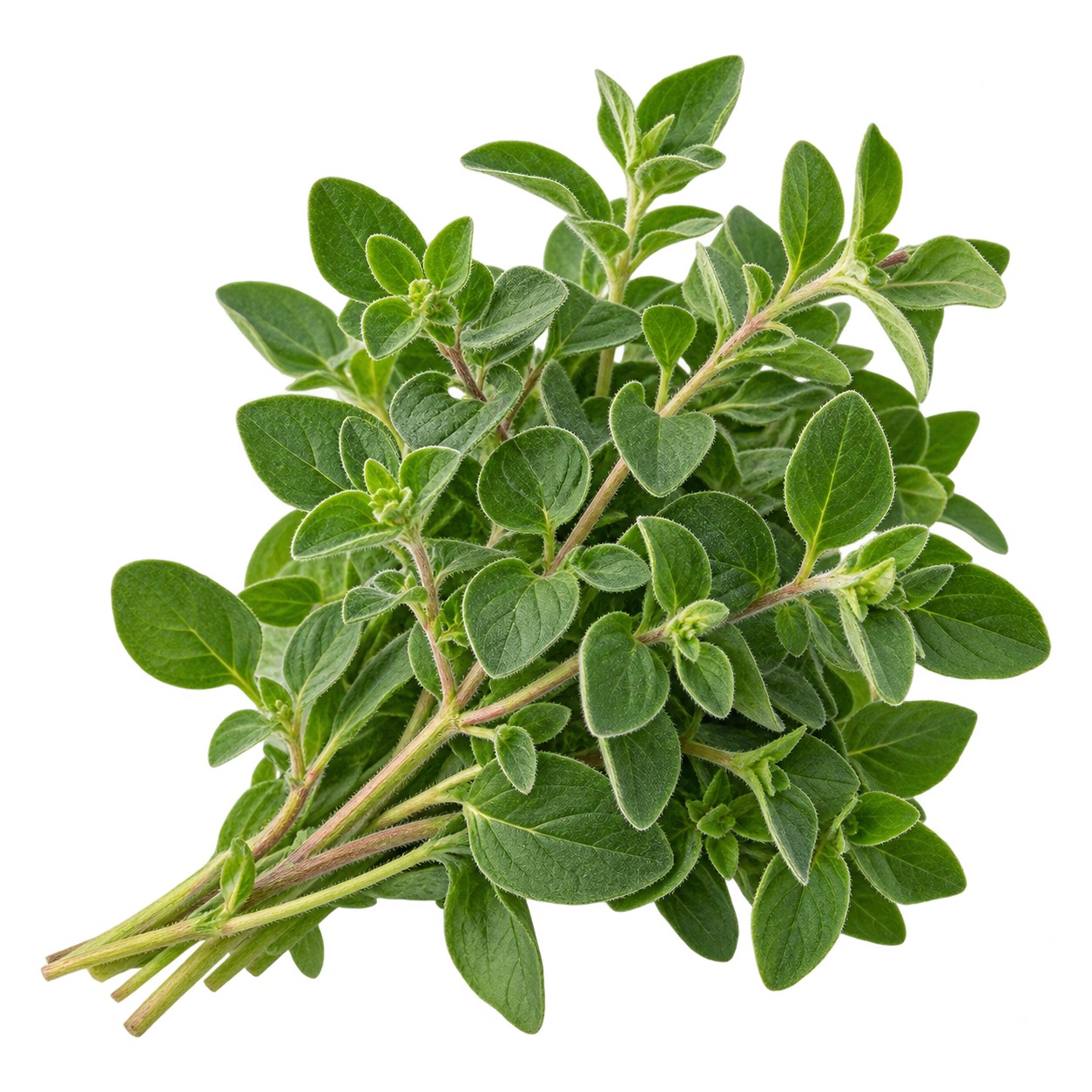 Oregano / Origano Ingredient Library
Origanum vulgare • Italian and Greek varieties, fresh/dried forms, flavor profile and storage.
Oregano / Origano Ingredient Library
Origanum vulgare • Italian and Greek varieties, fresh/dried forms, flavor profile and storage.
 Marjoram / Maggiorana
Origanum majorana • flavor profile, seasonality, cultivation, storage and Recipe 172.
Marjoram / Maggiorana
Origanum majorana • flavor profile, seasonality, cultivation, storage and Recipe 172.
 Thyme / Timo
Thymus vulgaris • stocks, braises, bouquet garni, cultivation, storage and Recipe 172.
Basil / Basilico Ingredient Library
Ocimum basilicum • Genovese basil, Pesto Genovese, seasonality, nutrition, storage and culinary uses.
Thyme / Timo
Thymus vulgaris • stocks, braises, bouquet garni, cultivation, storage and Recipe 172.
Basil / Basilico Ingredient Library
Ocimum basilicum • Genovese basil, Pesto Genovese, seasonality, nutrition, storage and culinary uses.
 Fresh Mint / Menta
Mentha spp. • spearmint, peppermint, cultivation, chiffonade, julienne and Recipe 158.
Fresh Chives
Allium schoenoprasum • edible flowers, nutrition, storage, fine cutting, seafood, sauces and Recipe 530.
Fresh Mint / Menta
Mentha spp. • spearmint, peppermint, cultivation, chiffonade, julienne and Recipe 158.
Fresh Chives
Allium schoenoprasum • edible flowers, nutrition, storage, fine cutting, seafood, sauces and Recipe 530.
Fruits used in savory cooking, desserts, sauces, marinades, garnishes and food-and-wine pairing.
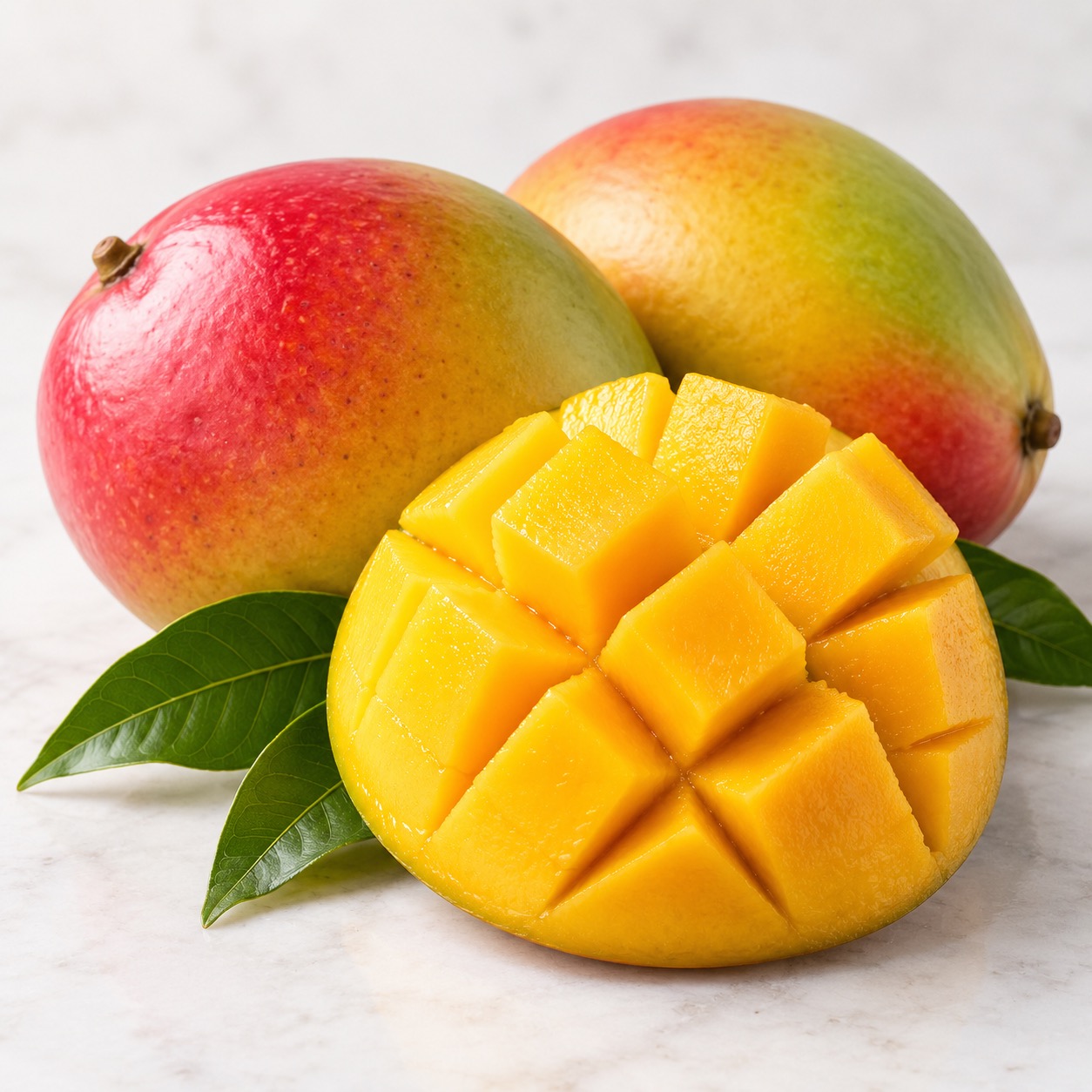 Mango / Ripe Mango
Fresh mango • origins, world traditions, varieties, ripening, nutrition, seasonality, storage, professional culinary uses and Mango & Shrimp Salad Recipe 355 connection.
Mango / Ripe Mango
Fresh mango • origins, world traditions, varieties, ripening, nutrition, seasonality, storage, professional culinary uses and Mango & Shrimp Salad Recipe 355 connection.
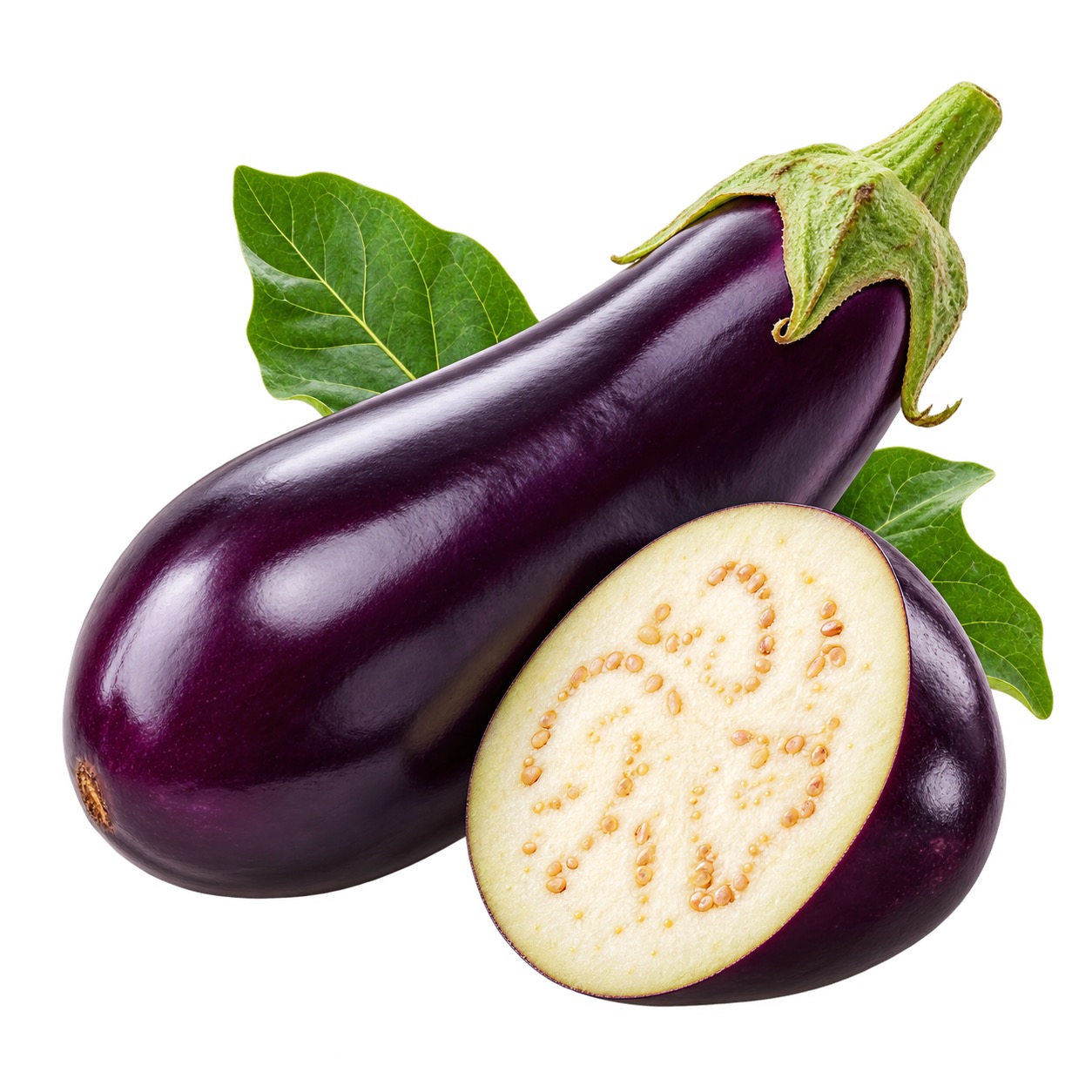 Eggplant Ingredient Library
Aubergine / Solanum melongena • history, cultivation, varieties, nutrition, storage and recipe connections.
Eggplant Ingredient Library
Aubergine / Solanum melongena • history, cultivation, varieties, nutrition, storage and recipe connections.
 Strawberries / Fragole
Fragaria × ananassa • quality, varieties, nutrition, seasonality, shelf life, cultivation, markets, storage and professional culinary uses.
Strawberries / Fragole
Fragaria × ananassa • quality, varieties, nutrition, seasonality, shelf life, cultivation, markets, storage and professional culinary uses.
 Raspberries / Lamponi · Frutti di Bosco
Raspberry and berry family • flavor, botany, nutrition, seasonality, storage, preservation, culinary uses and Raspberry Mustard connection.
Raspberries / Lamponi · Frutti di Bosco
Raspberry and berry family • flavor, botany, nutrition, seasonality, storage, preservation, culinary uses and Raspberry Mustard connection.
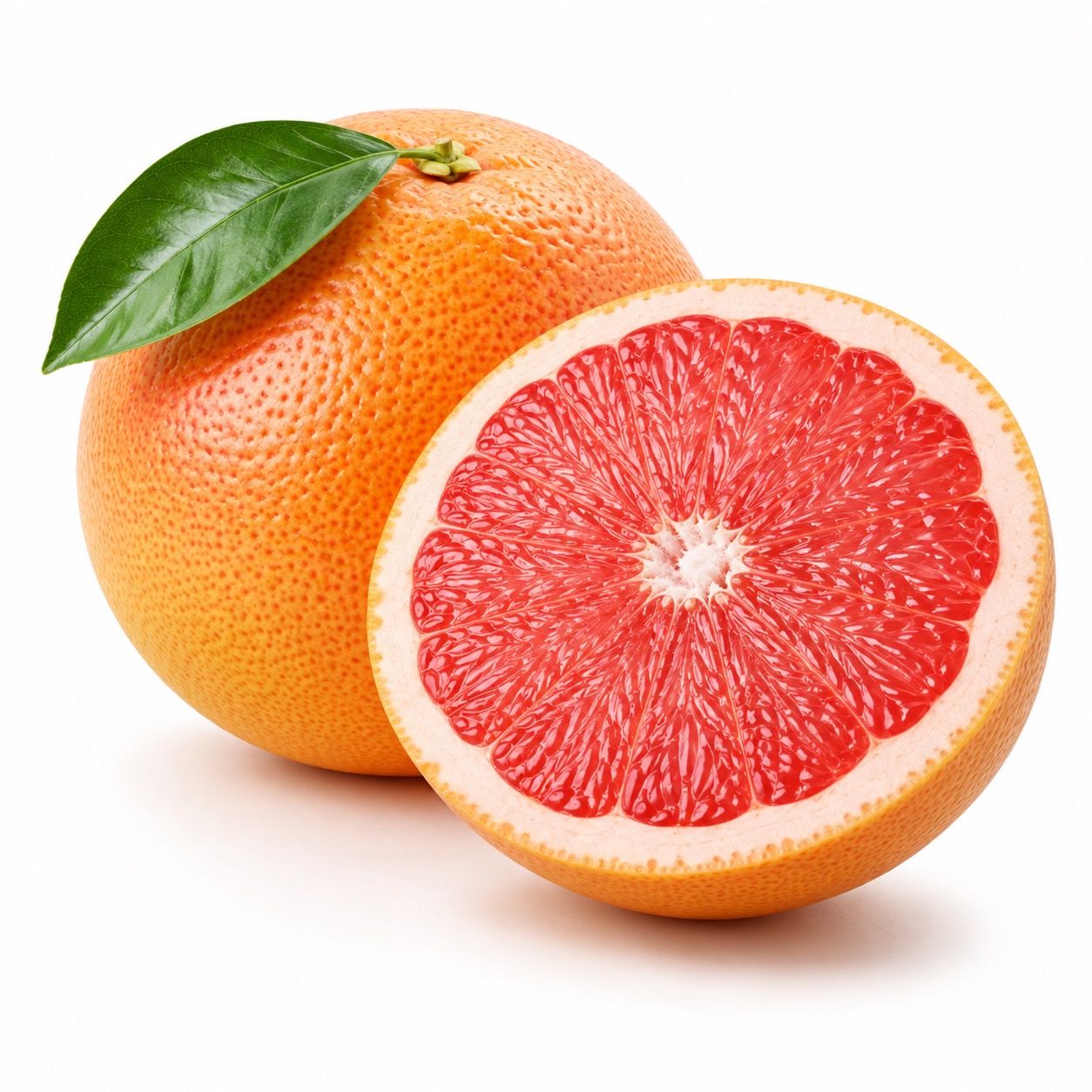 Grapefruit
Citrus × paradisi • nutrition, varieties, quality, seasonality, shelf life, cultivation, markets, storage and professional culinary uses.
Grapefruit
Citrus × paradisi • nutrition, varieties, quality, seasonality, shelf life, cultivation, markets, storage and professional culinary uses.
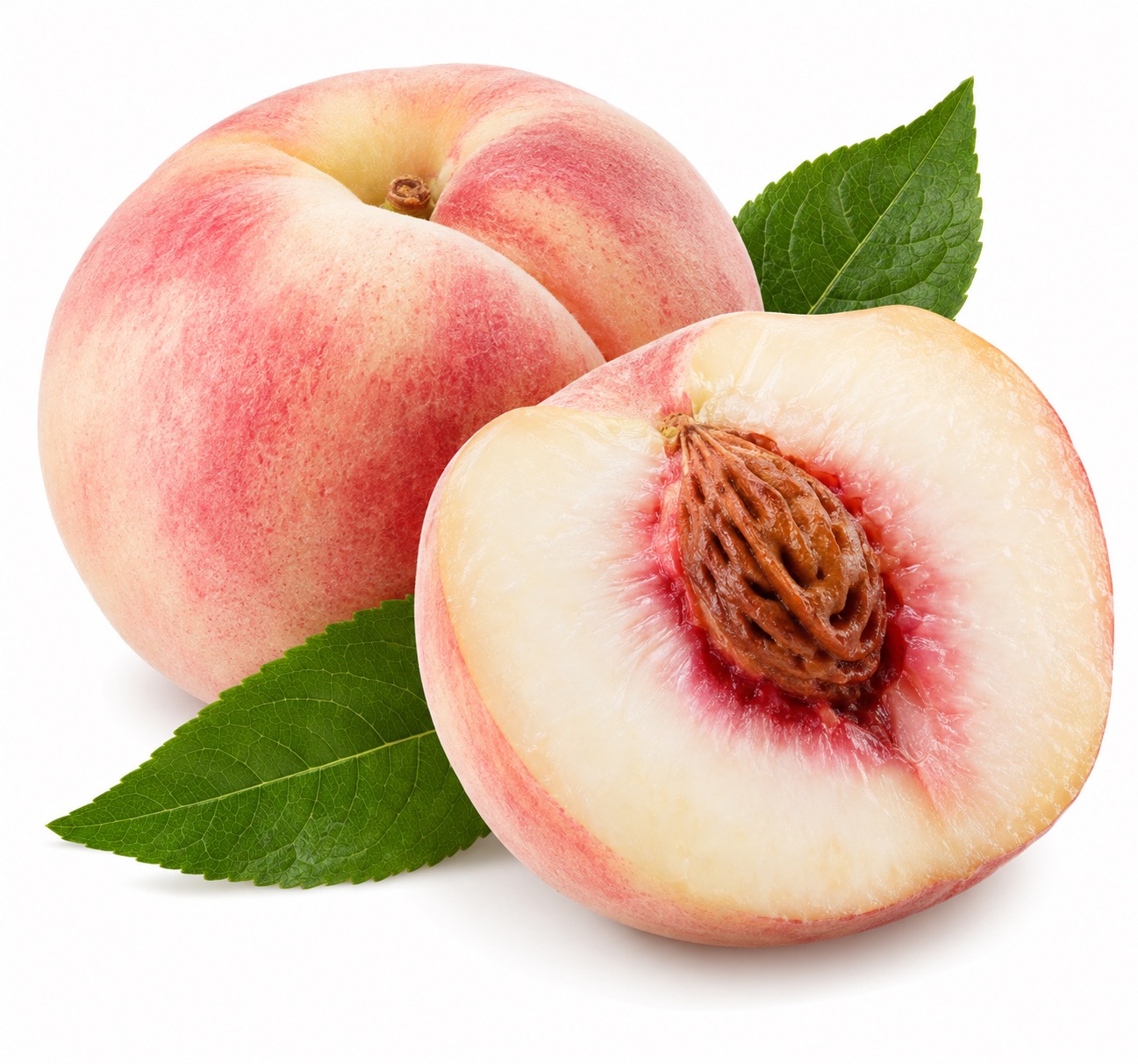 White Peach / Pesca Bianca
Prunus persica • white, yellow, donut, nectarine, clingstone and freestone peach context • history, seasonality, flavor, nutrition, storage, culinary uses and Peach Salad Recipe 367 connection.
White Peach / Pesca Bianca
Prunus persica • white, yellow, donut, nectarine, clingstone and freestone peach context • history, seasonality, flavor, nutrition, storage, culinary uses and Peach Salad Recipe 367 connection.
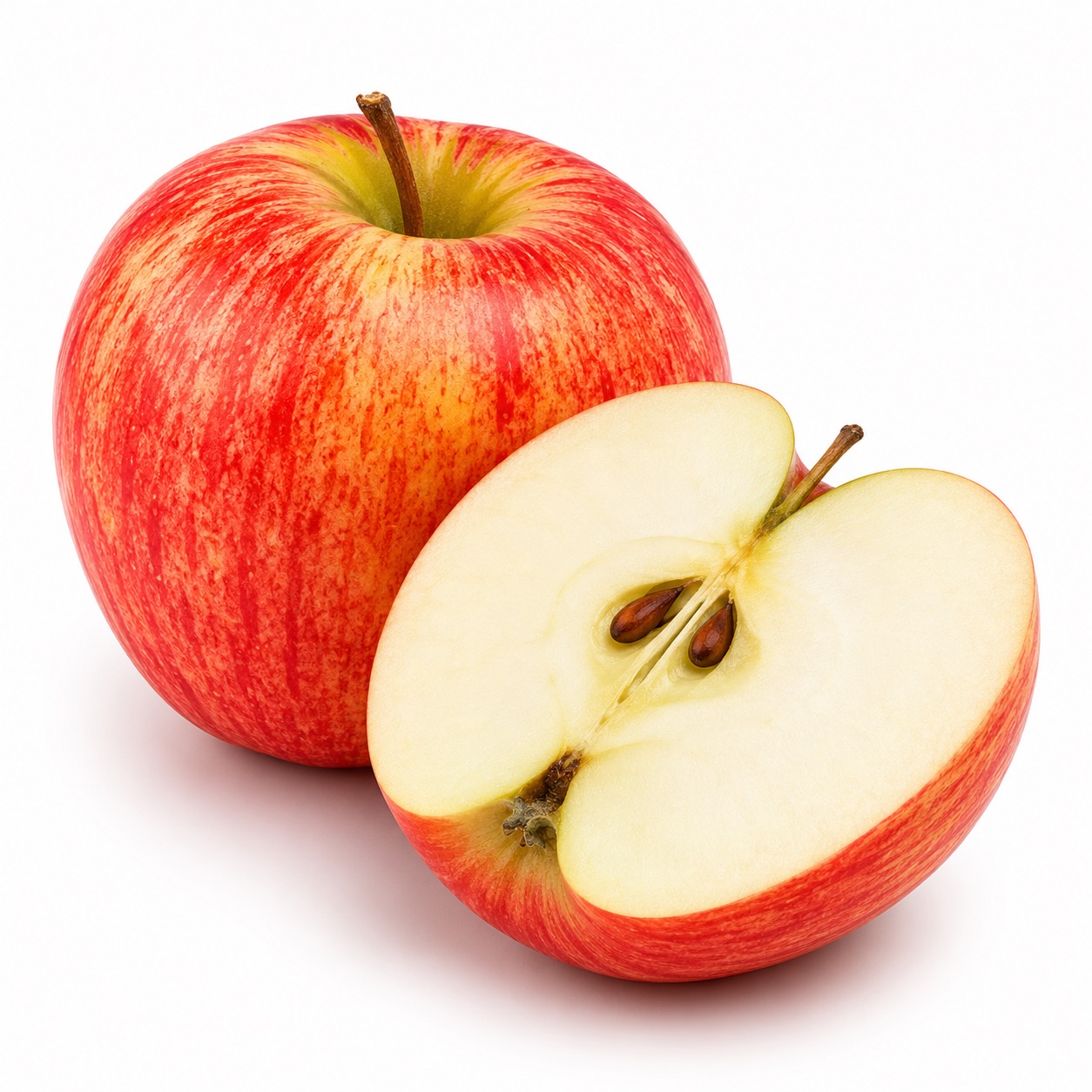 Gala Apples
Malus domestica 'Gala' • origin, history, seasonality, cultivation, apple varieties, nutrition, storage and professional culinary uses.
Gala Apples
Malus domestica 'Gala' • origin, history, seasonality, cultivation, apple varieties, nutrition, storage and professional culinary uses.
 Bosc Pear Ingredient Library
Bosc / Beurré Bosc plus Bartlett, Anjou, Comice, Seckel, Forelle and Asian pears • Recipe 530.
Bosc Pear Ingredient Library
Bosc / Beurré Bosc plus Bartlett, Anjou, Comice, Seckel, Forelle and Asian pears • Recipe 530.
 Prickly Pear / Cactus Pear
Opuntia fruit • handling, vivid color, purées, gazpacho, sorbets, sauces and Recipe 154.
Prickly Pear / Cactus Pear
Opuntia fruit • handling, vivid color, purées, gazpacho, sorbets, sauces and Recipe 154.
 Persimmon / Kaki
Diospyros kaki • Fuyu and Hachiya, ripening, seasonality, nutrition, storage and Recipe 170.
Persimmon / Kaki
Diospyros kaki • Fuyu and Hachiya, ripening, seasonality, nutrition, storage and Recipe 170.
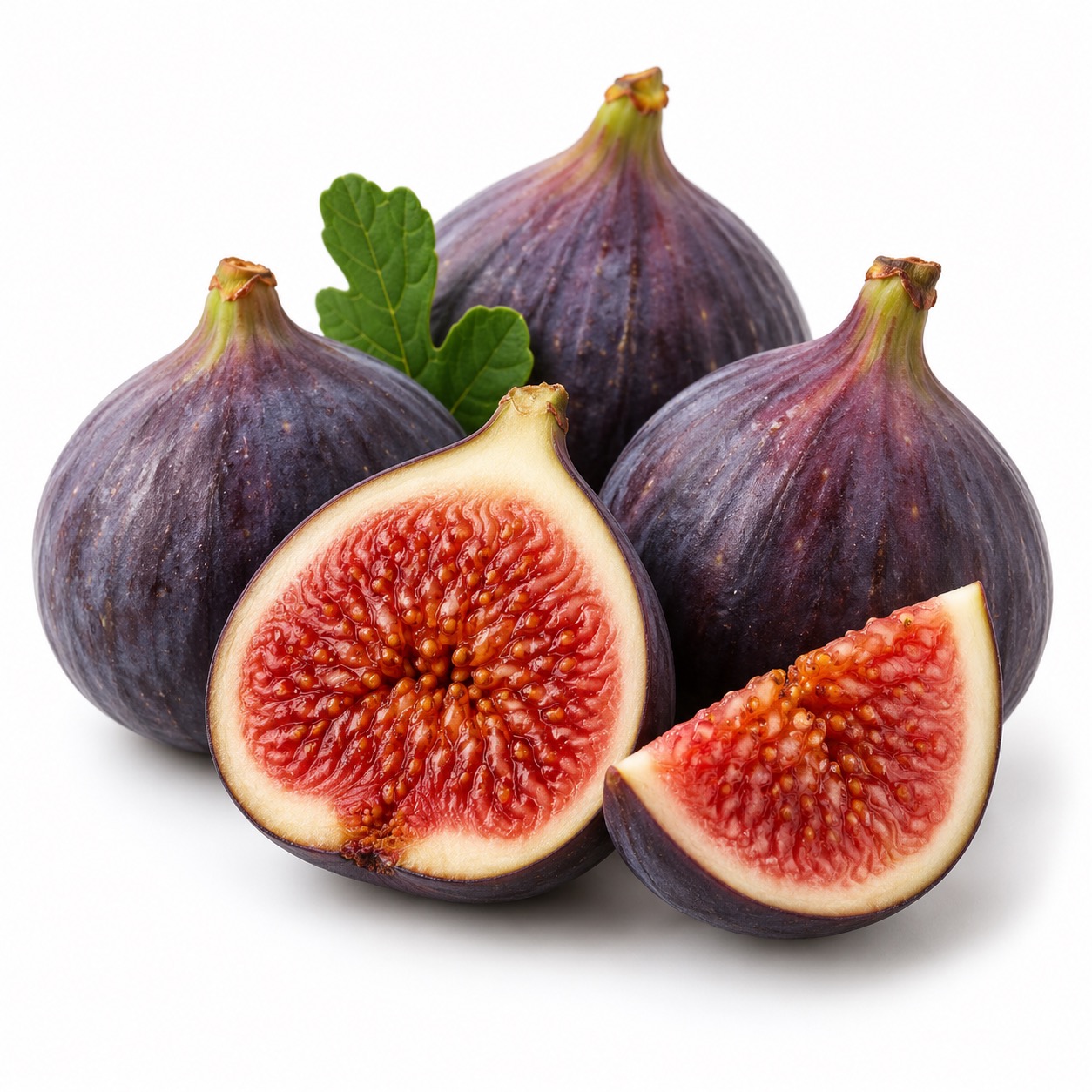 Fresh Figs / Fichi
Ficus carica • varieties, nutrition, seasonality, quality traditions, storage, culinary uses and Balsamic Fig Glaze production connection.
Fresh Figs / Fichi
Ficus carica • varieties, nutrition, seasonality, quality traditions, storage, culinary uses and Balsamic Fig Glaze production connection.
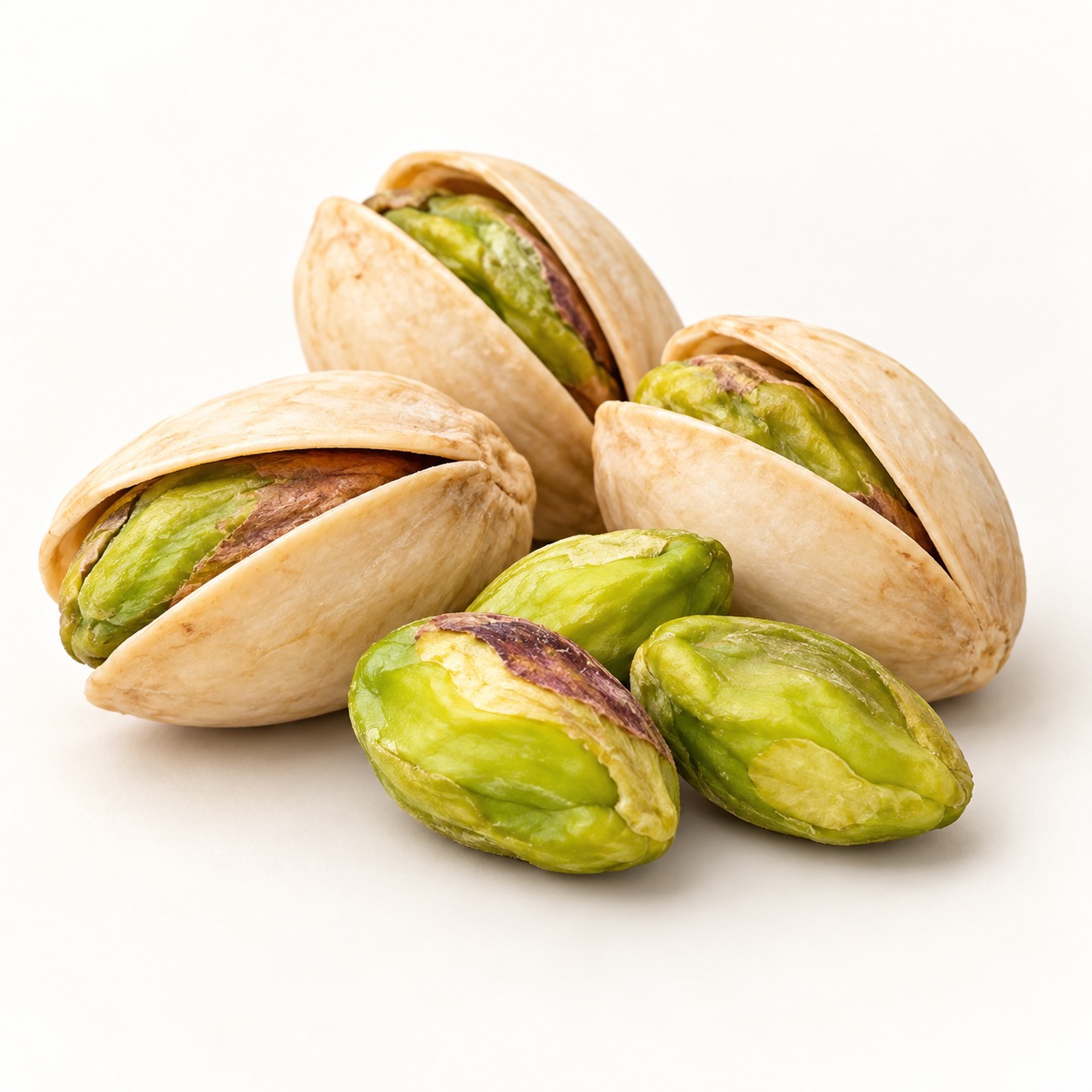 Pistachios / Pistacchi
Pistachios for salads, pastry, sauces, crusts, garnishes and professional savory-sweet applications.
Pistachios / Pistacchi
Pistachios for salads, pastry, sauces, crusts, garnishes and professional savory-sweet applications.
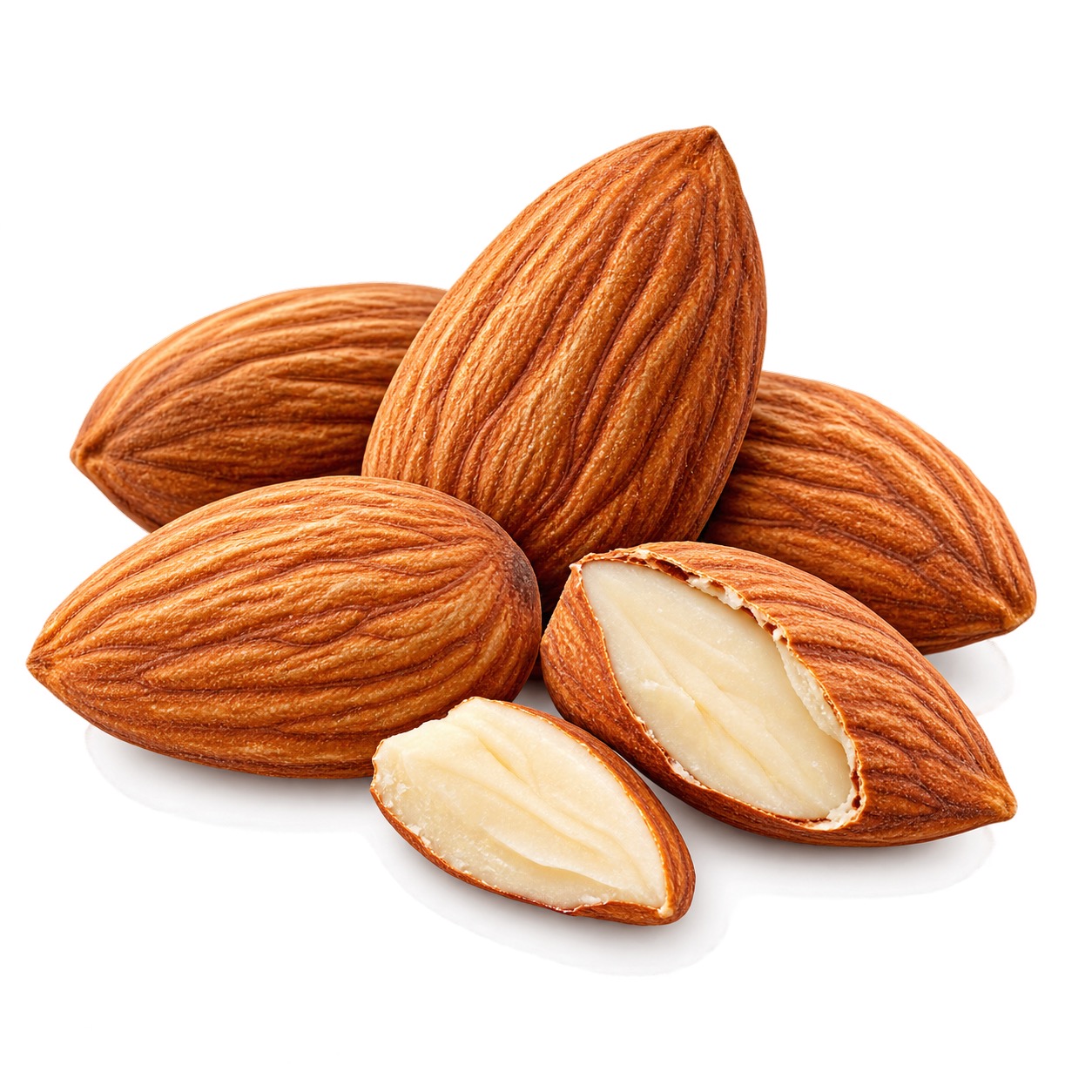 Almonds / Mandorle
Prunus dulcis • raw, peeled and blanched almonds, flour, meal, paste, marzipan and Recipe 170.
Almonds / Mandorle
Prunus dulcis • raw, peeled and blanched almonds, flour, meal, paste, marzipan and Recipe 170.
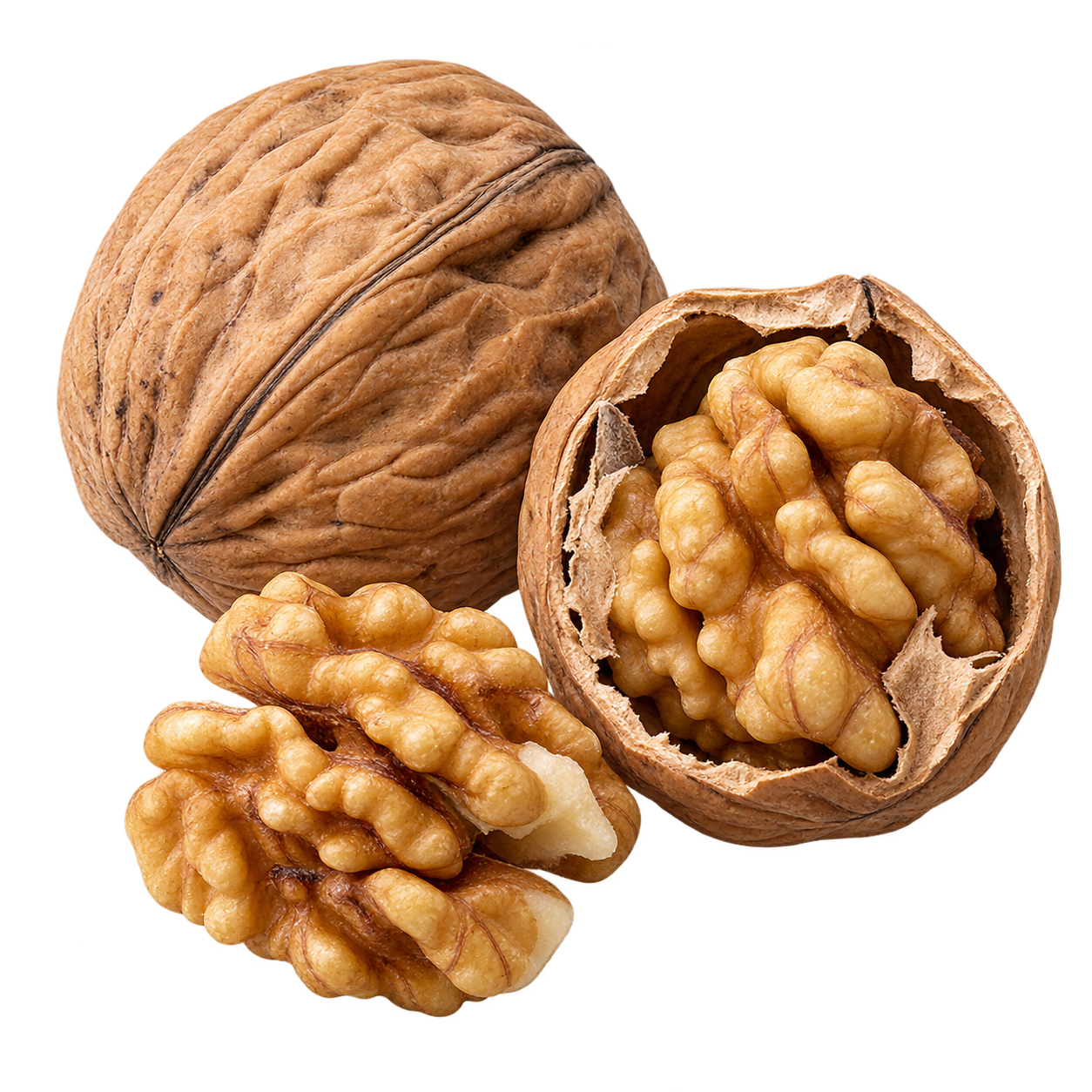 Walnuts / Noci
Juglans regia • Tuscan traditions, Nocino, harvest, storage, walnut oil and Recipe 148.
Walnuts / Noci
Juglans regia • Tuscan traditions, Nocino, harvest, storage, walnut oil and Recipe 148.
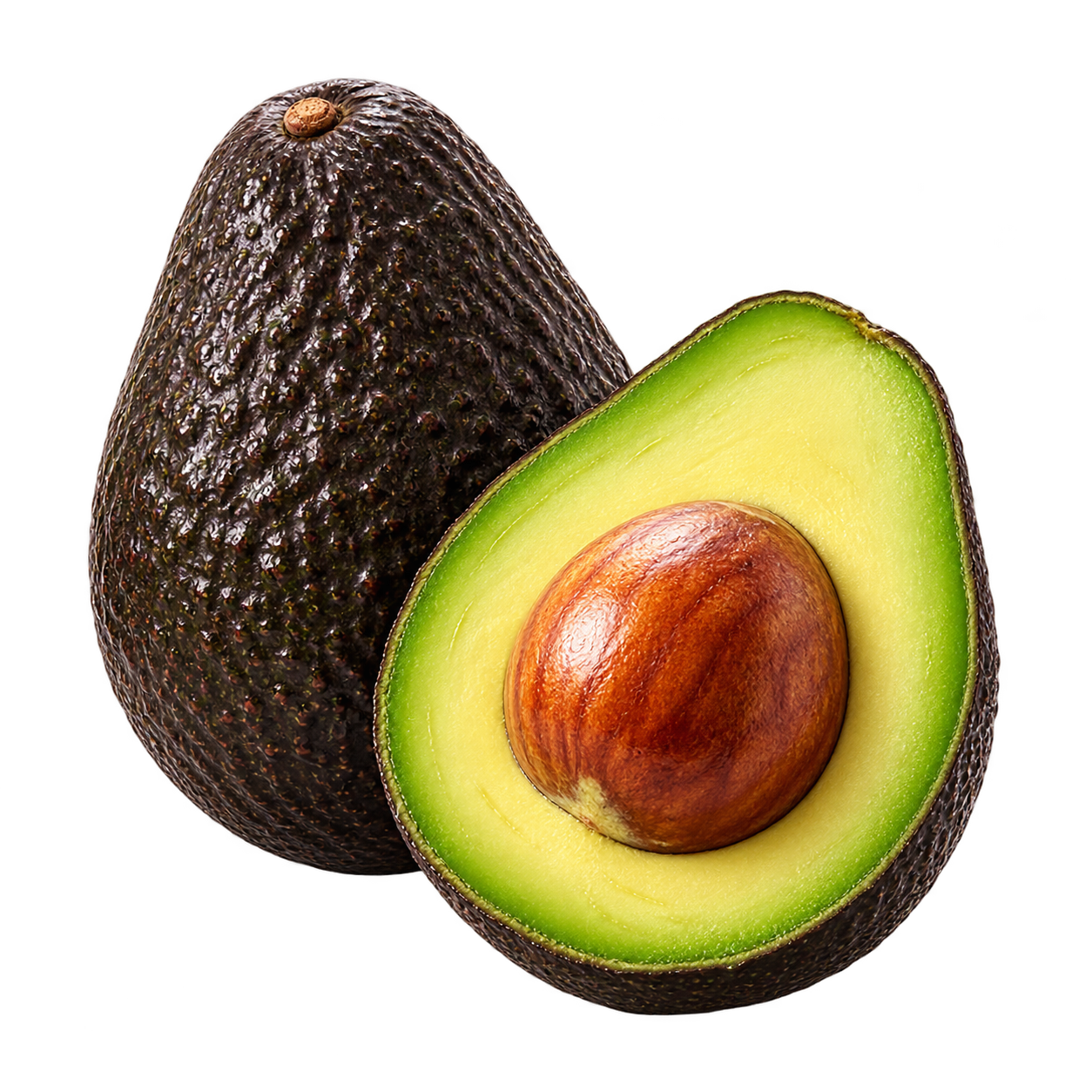 Avocado Ingredient Library
Persea americana • varieties, ripeness, oxidation, global harvest seasons and culinary uses.
Avocado Ingredient Library
Persea americana • varieties, ripeness, oxidation, global harvest seasons and culinary uses.
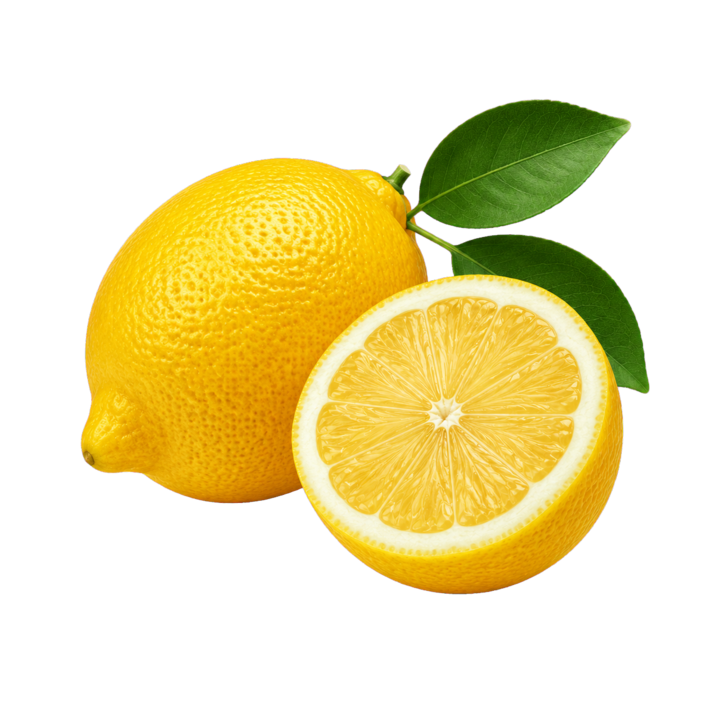 Citrus: Fresh Lemon & Orange
Lemon, orange, grapefruit, lime and specialty citrus • seasonality, storage and culinary uses.
Citrus: Fresh Lemon & Orange
Lemon, orange, grapefruit, lime and specialty citrus • seasonality, storage and culinary uses.
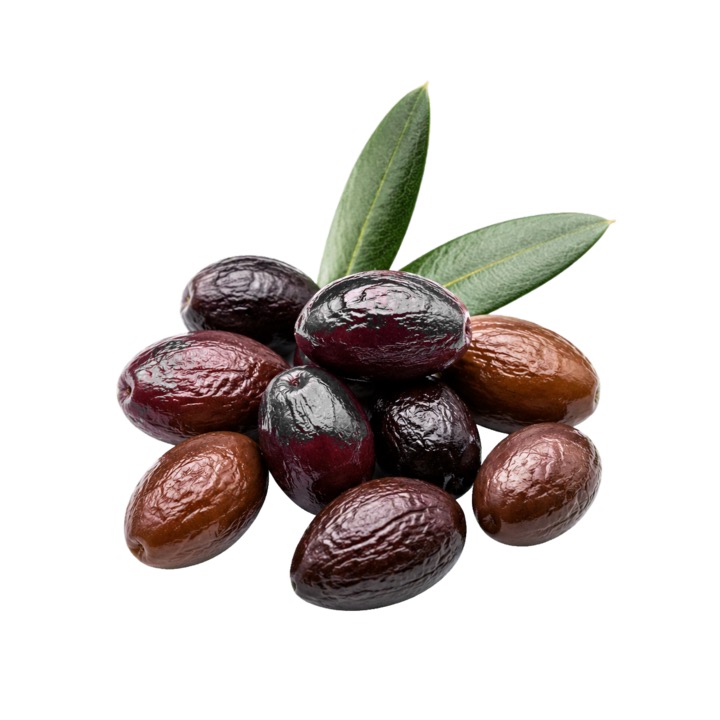 Niçoise & Kalamata Olive Library
Table olives, curing, seasonality, quality, culinary uses and oil-producing cultivars.
Niçoise & Kalamata Olive Library
Table olives, curing, seasonality, quality, culinary uses and oil-producing cultivars.
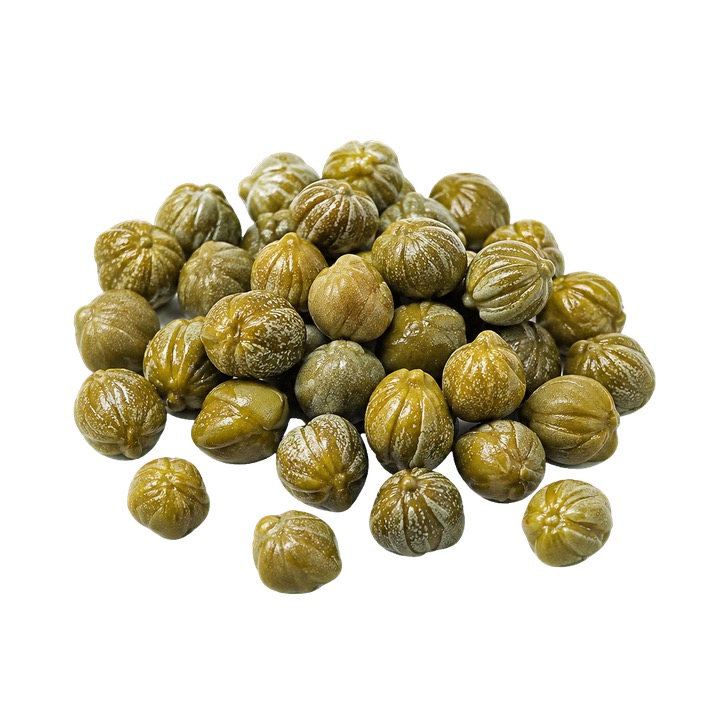 Capers & Caper Berries
Capparis spinosa • buds, berries, trade sizes, brining, salting and culinary uses.
Capers & Caper Berries
Capparis spinosa • buds, berries, trade sizes, brining, salting and culinary uses.
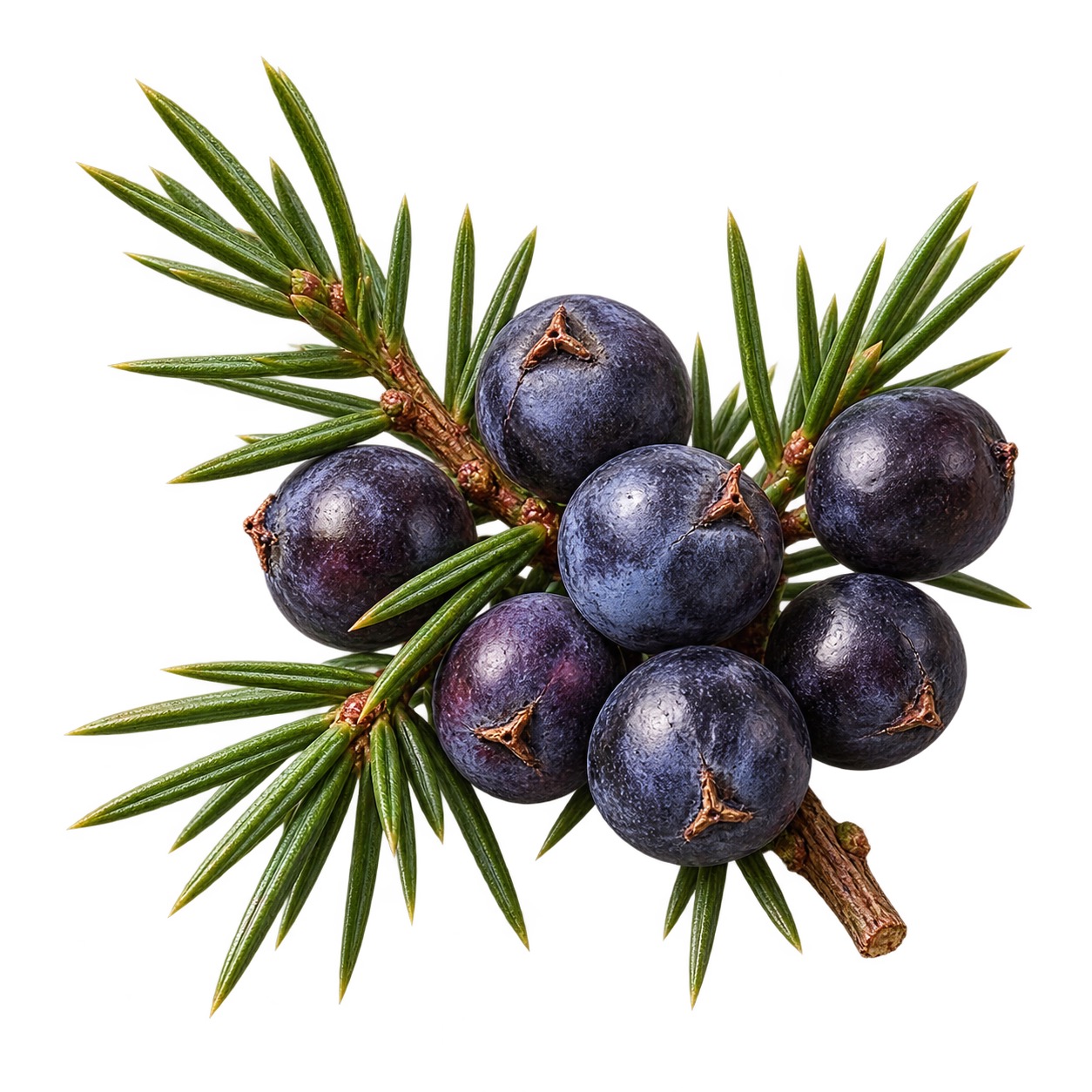 Juniper Berries Library
Juniperus communis • fresh/dried forms, beverages, sauces, game marinades and wild-boar cookery.
Juniper Berries Library
Juniperus communis • fresh/dried forms, beverages, sauces, game marinades and wild-boar cookery.
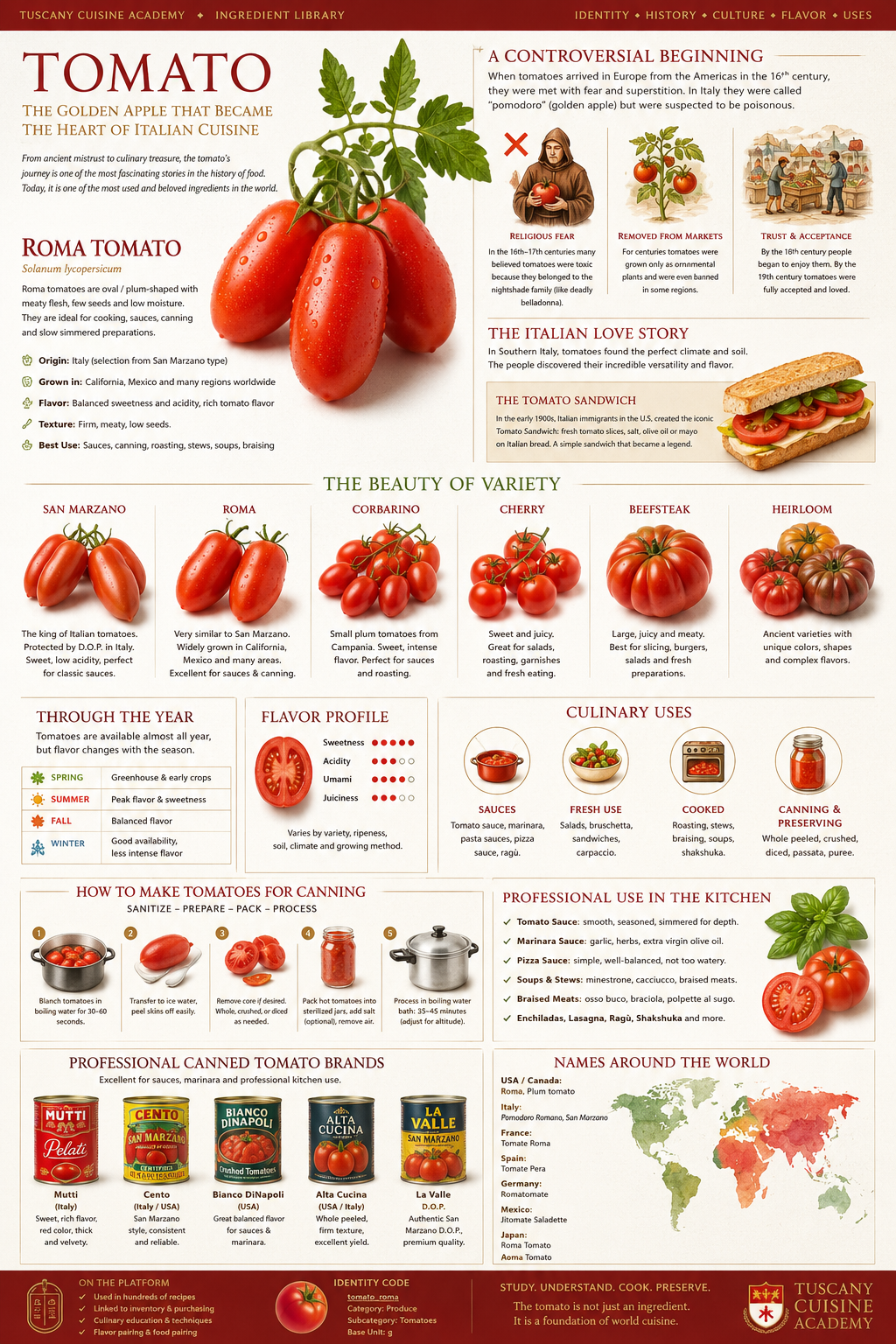 Tomato Ingredient Library
Roma, cherry, vine-ripe, San Marzano and Corbarino context • canning, sauces and professional use.
Tomato Ingredient Library
Roma, cherry, vine-ripe, San Marzano and Corbarino context • canning, sauces and professional use.
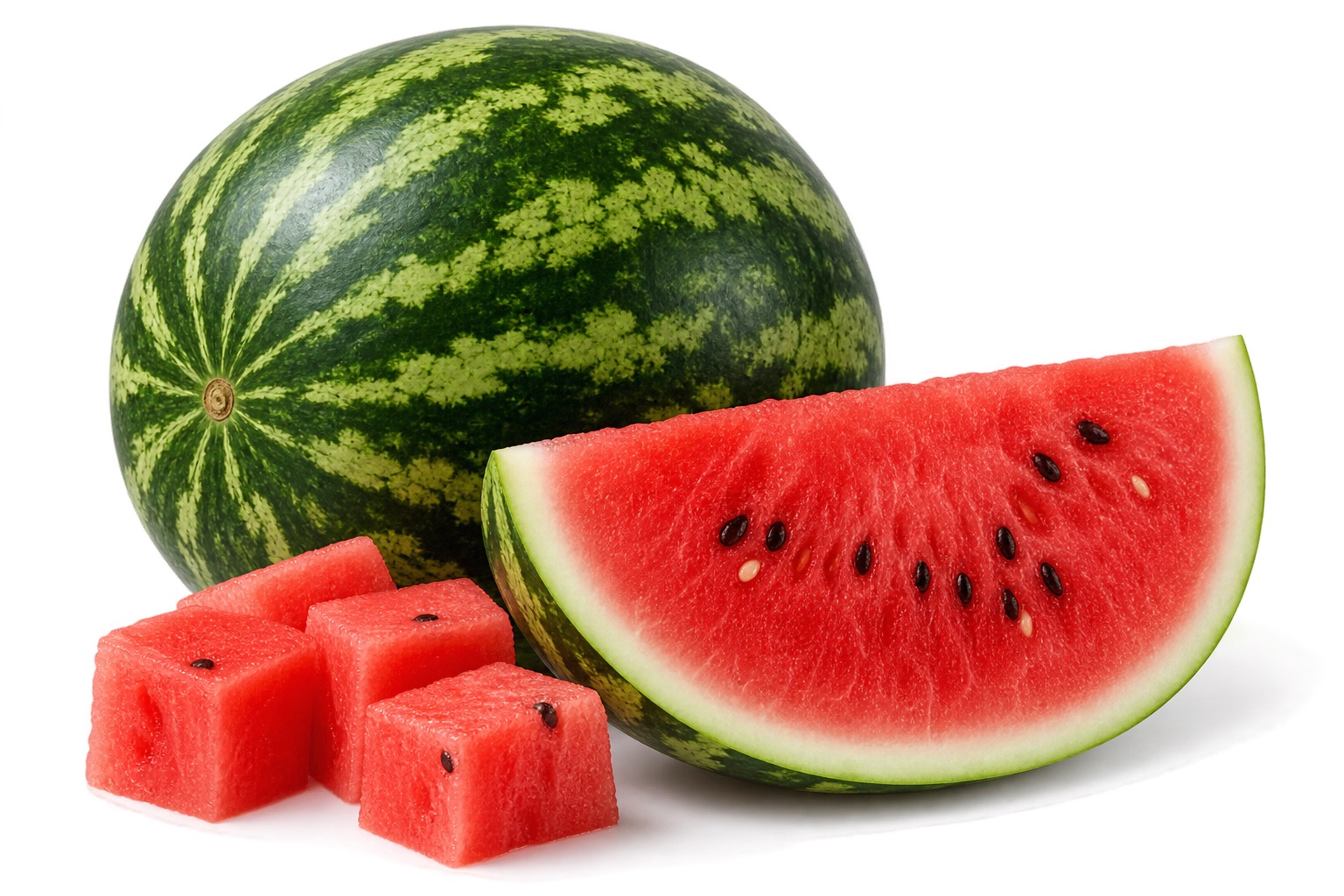 Watermelon & World Melons
Watermelon, cantaloupe, honeydew, Hami, Galia, Canary, Piel de Sapo, Crenshaw, Casaba, Korean, Charentais and Persian melons • nutrition, seasonality, selection, culinary uses and vacuum compression.
Watermelon & World Melons
Watermelon, cantaloupe, honeydew, Hami, Galia, Canary, Piel de Sapo, Crenshaw, Casaba, Korean, Charentais and Persian melons • nutrition, seasonality, selection, culinary uses and vacuum compression.
Culinary fungi organized as individual ingredient identities for recipe usage, purchasing, inventory deduction, storage and professional preparation.
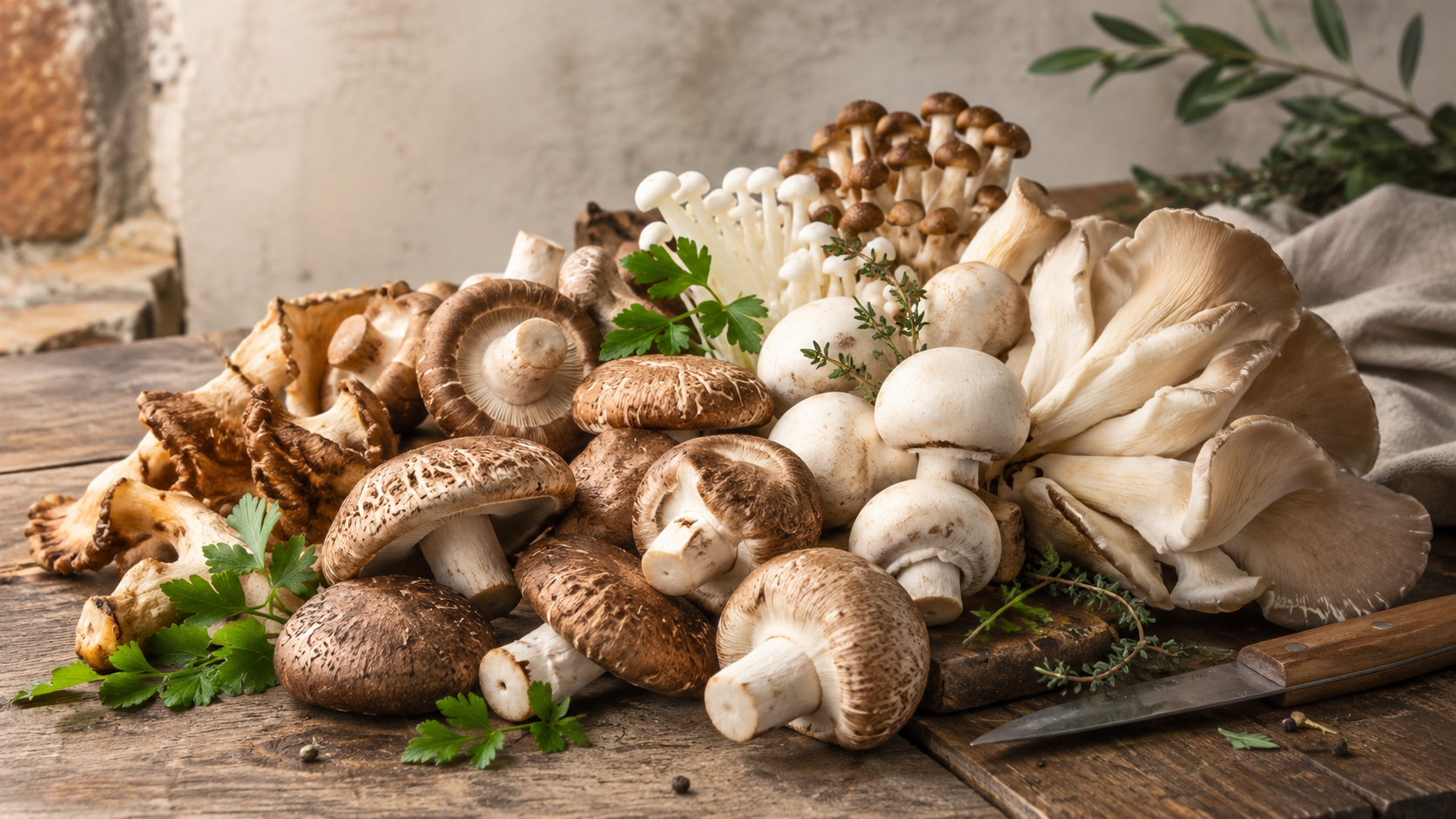 Mushrooms · Funghi Ingredient Library
Professional mushroom hub covering varieties, storage, preparation and culinary technique.
Mushrooms · Funghi Ingredient Library
Professional mushroom hub covering varieties, storage, preparation and culinary technique.
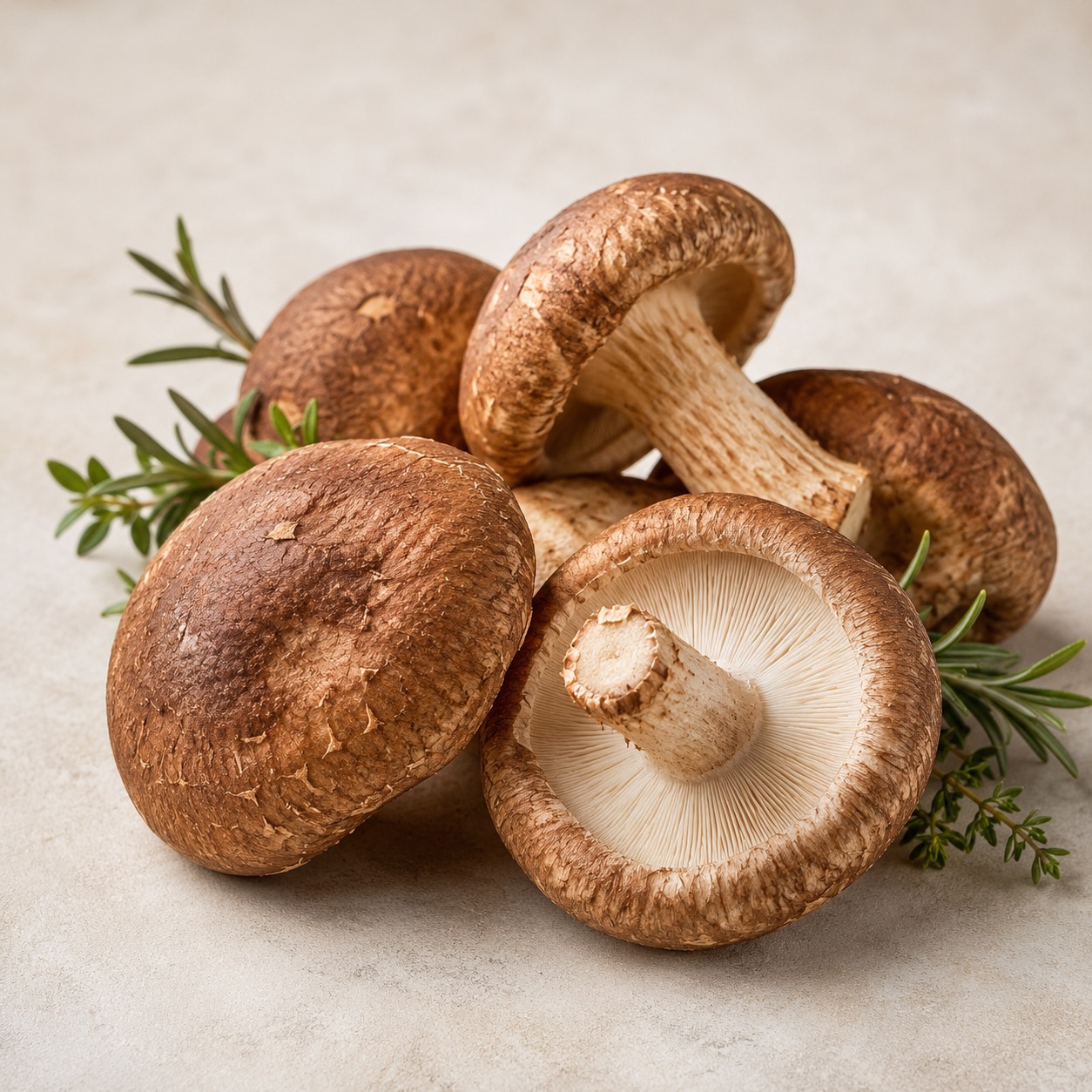 Shiitake Mushroom
Lentinula edodes • deep savory flavor, broths, fillings, sautéing, roasting and terrines.
Shiitake Mushroom
Lentinula edodes • deep savory flavor, broths, fillings, sautéing, roasting and terrines.
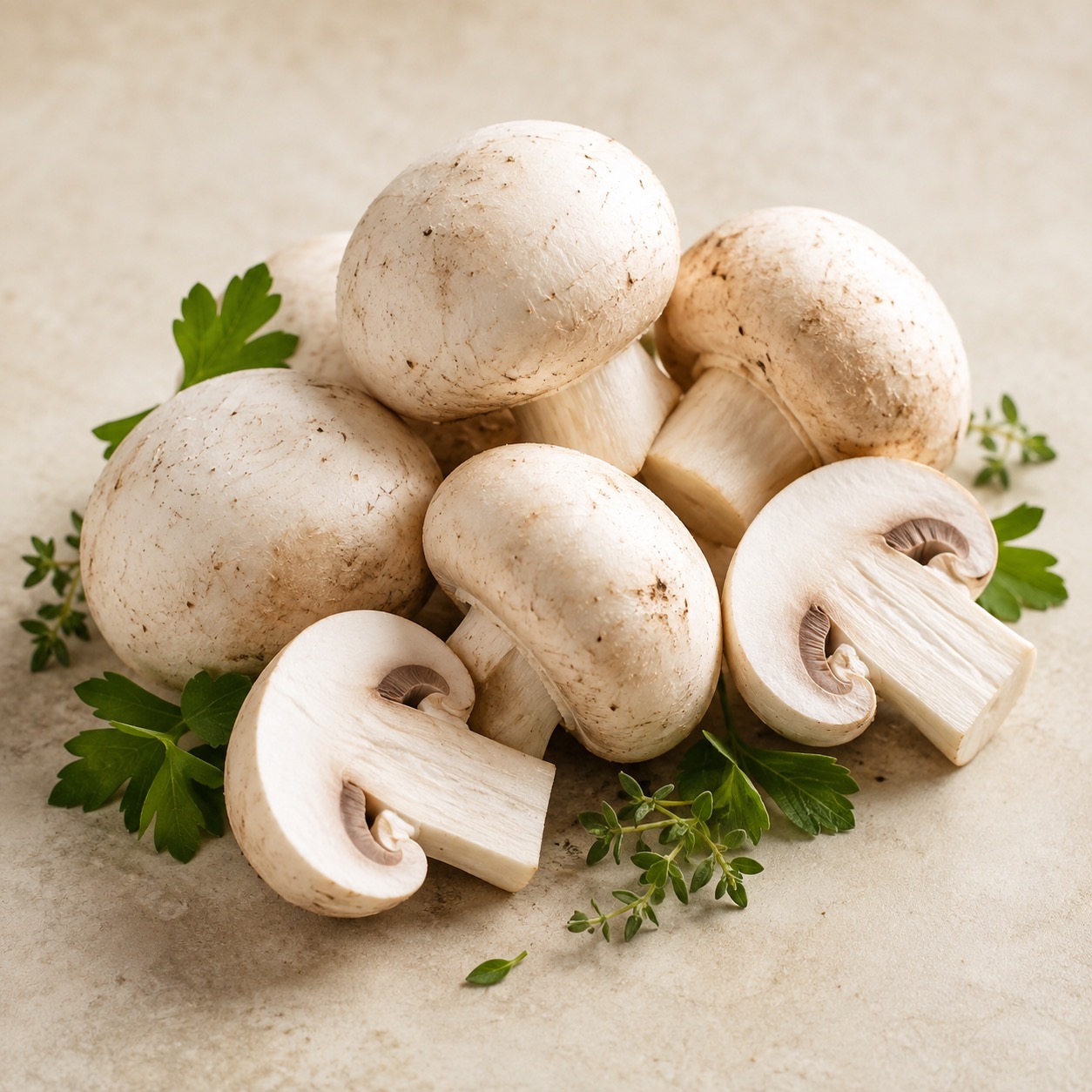 Button Mushroom
Agaricus bisporus • raw preparations, sautéing, roasting, duxelles, stuffing and terrines.
Button Mushroom
Agaricus bisporus • raw preparations, sautéing, roasting, duxelles, stuffing and terrines.
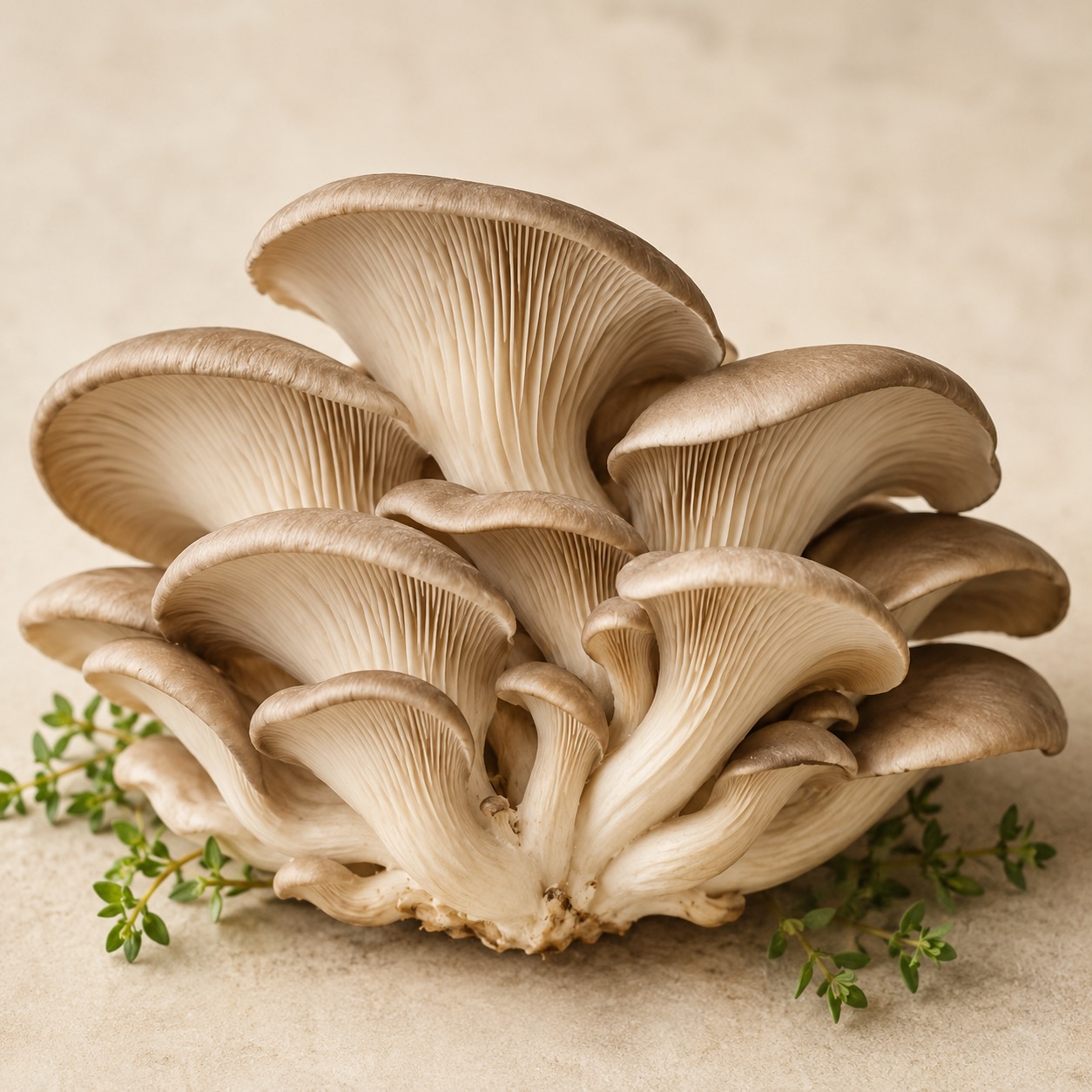 Oyster Mushroom
Pleurotus species • tender fan-shaped mushrooms for searing, roasting and grilling.
Oyster Mushroom
Pleurotus species • tender fan-shaped mushrooms for searing, roasting and grilling.
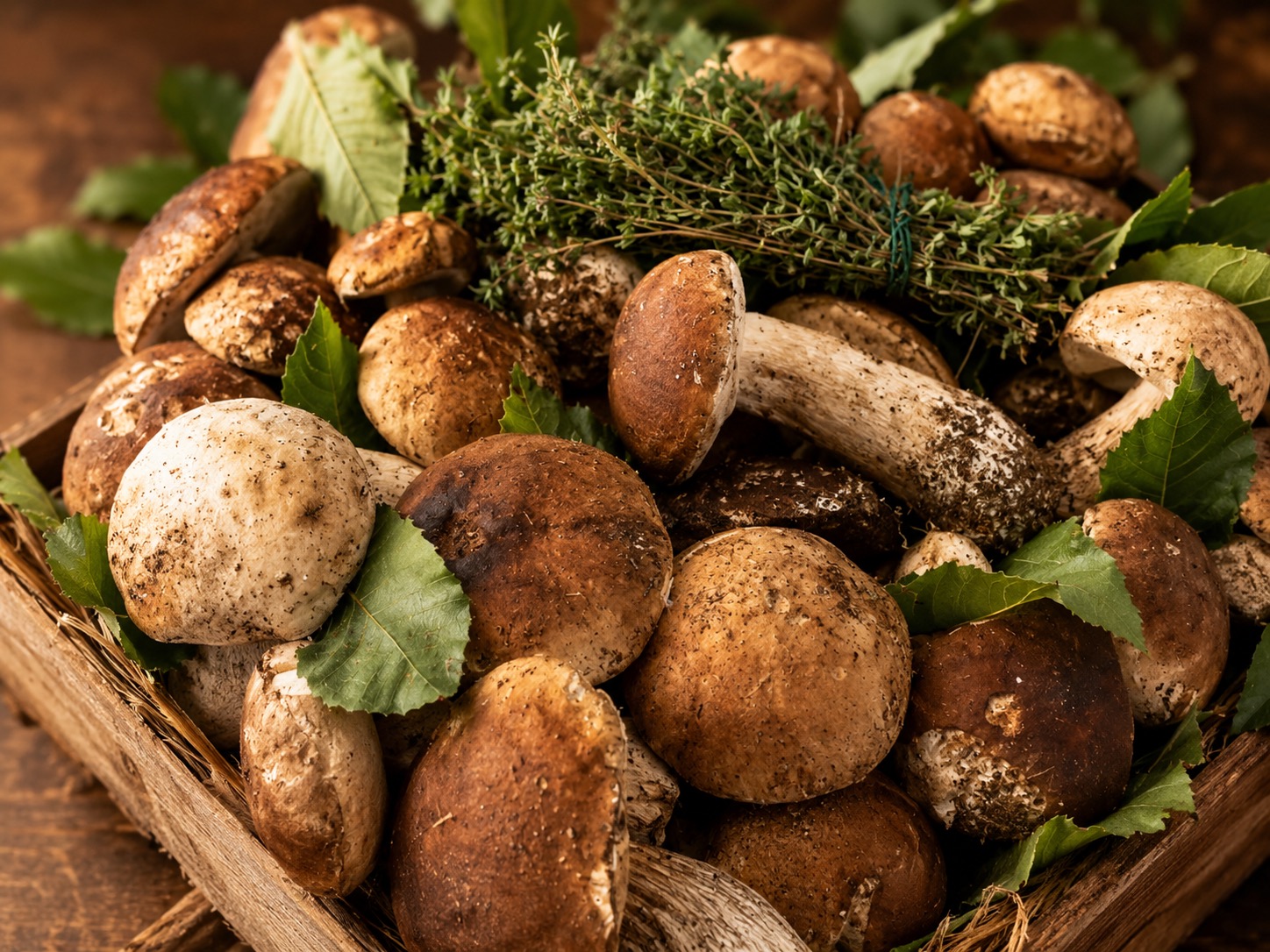 Porcini Mushroom
Boletus edulis • risotto, pasta, sauces, soups, polenta and meat dishes.
Porcini Mushroom
Boletus edulis • risotto, pasta, sauces, soups, polenta and meat dishes.
Study olive-oil quality, regional classifications, flavor, professional selection, finishing applications and cooking use.
Extra Virgin Olive Oil Ingredient
OIL-0001 • quality, flavor, storage, professional selection, finishing and cooking applications.
Neutral and high-heat oils selected according to smoke point, flavor neutrality, frying performance, cost and production needs.
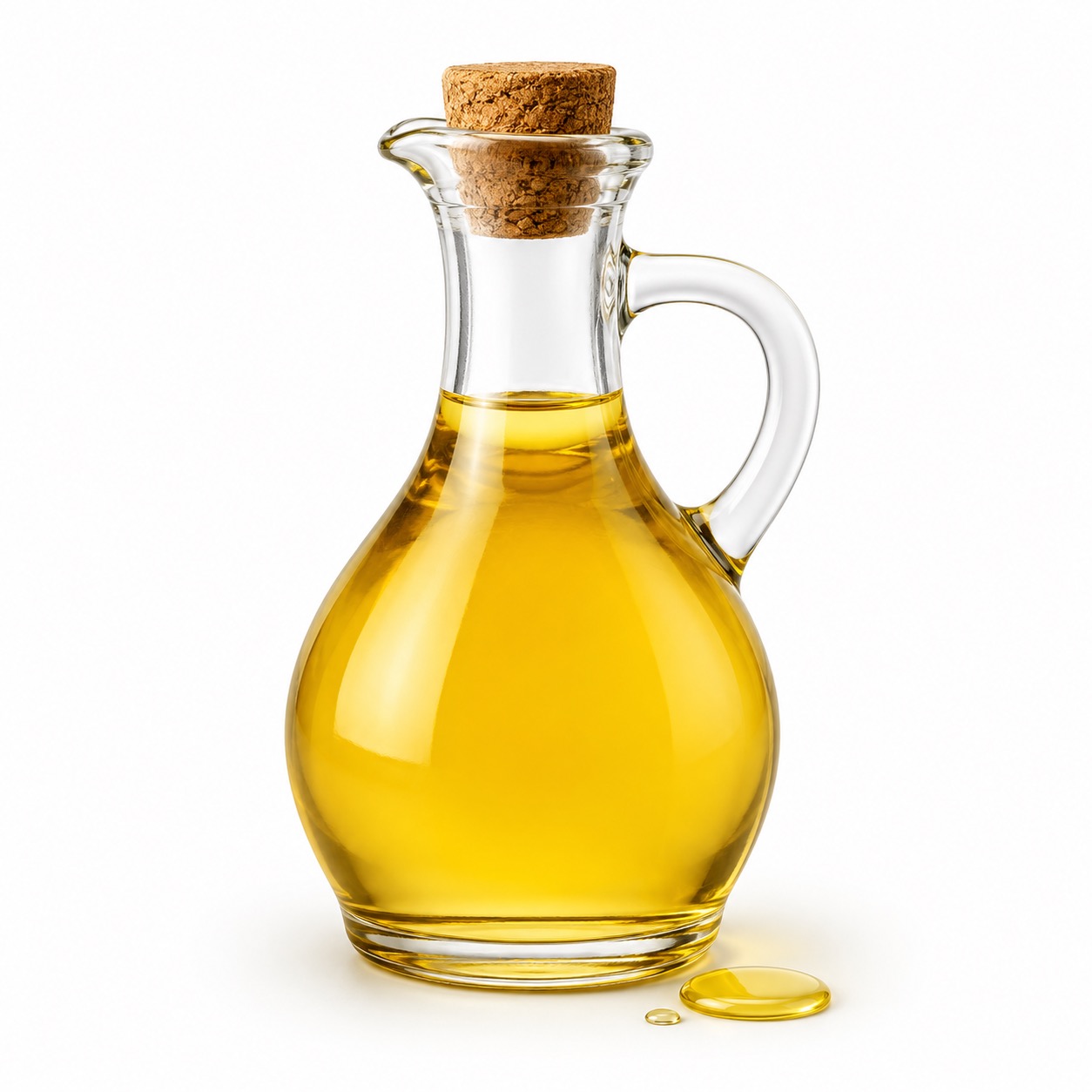 Neutral Frying Oil
Refined peanut oil, canola, high-oleic canola and commercial frying shortening
• fryer management.
Neutral Frying Oil
Refined peanut oil, canola, high-oleic canola and commercial frying shortening
• fryer management.
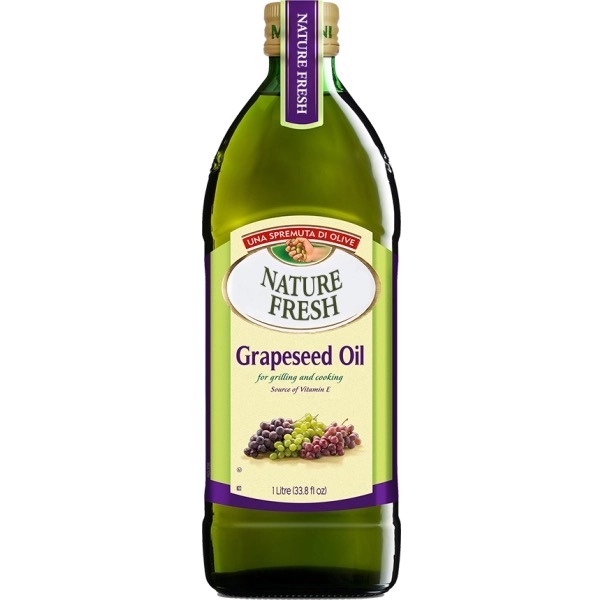 Grapeseed Oil
Grape-seed oil • winemaking by-product, extraction and refining,
quality, nutrition, linoleic acid and omega-6 context, heat and oxidation,
storage, vinaigrettes, emulsions, sautéing and professional culinary uses.
Grapeseed Oil
Grape-seed oil • winemaking by-product, extraction and refining,
quality, nutrition, linoleic acid and omega-6 context, heat and oxidation,
storage, vinaigrettes, emulsions, sautéing and professional culinary uses.
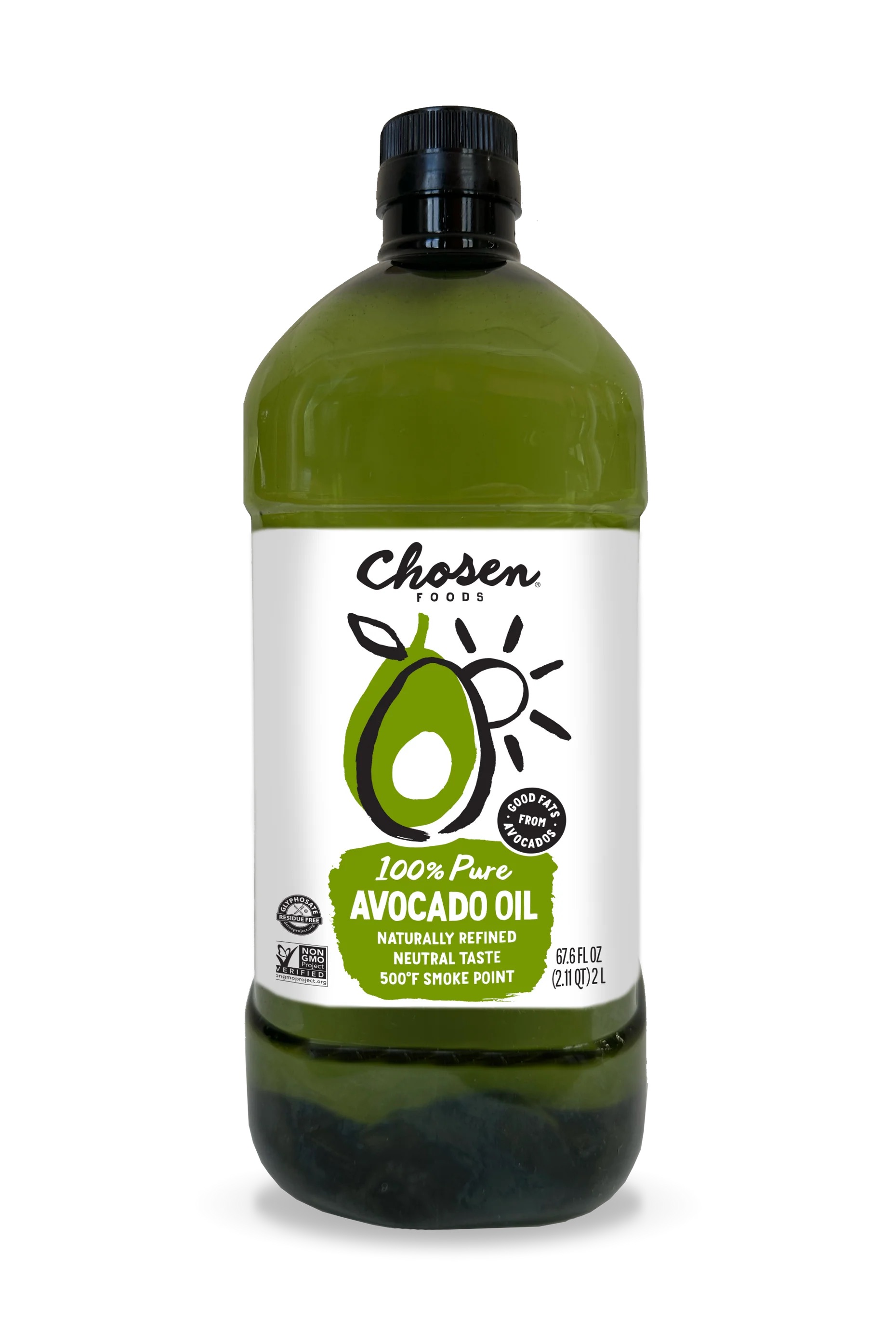 Avocado Oil
Persea americana fruit-pulp oil • origin, extraction, flavor, nutrition,
quality selection, allergy considerations, storage, neutral-oil applications,
professional culinary uses and Balsamic Vinaigrette connection.
Avocado Oil
Persea americana fruit-pulp oil • origin, extraction, flavor, nutrition,
quality selection, allergy considerations, storage, neutral-oil applications,
professional culinary uses and Balsamic Vinaigrette connection.
Professional oils and emulsions prepared with fresh herbs, citrus, spices, truffles and aromatic ingredients for finishing and plate presentation.
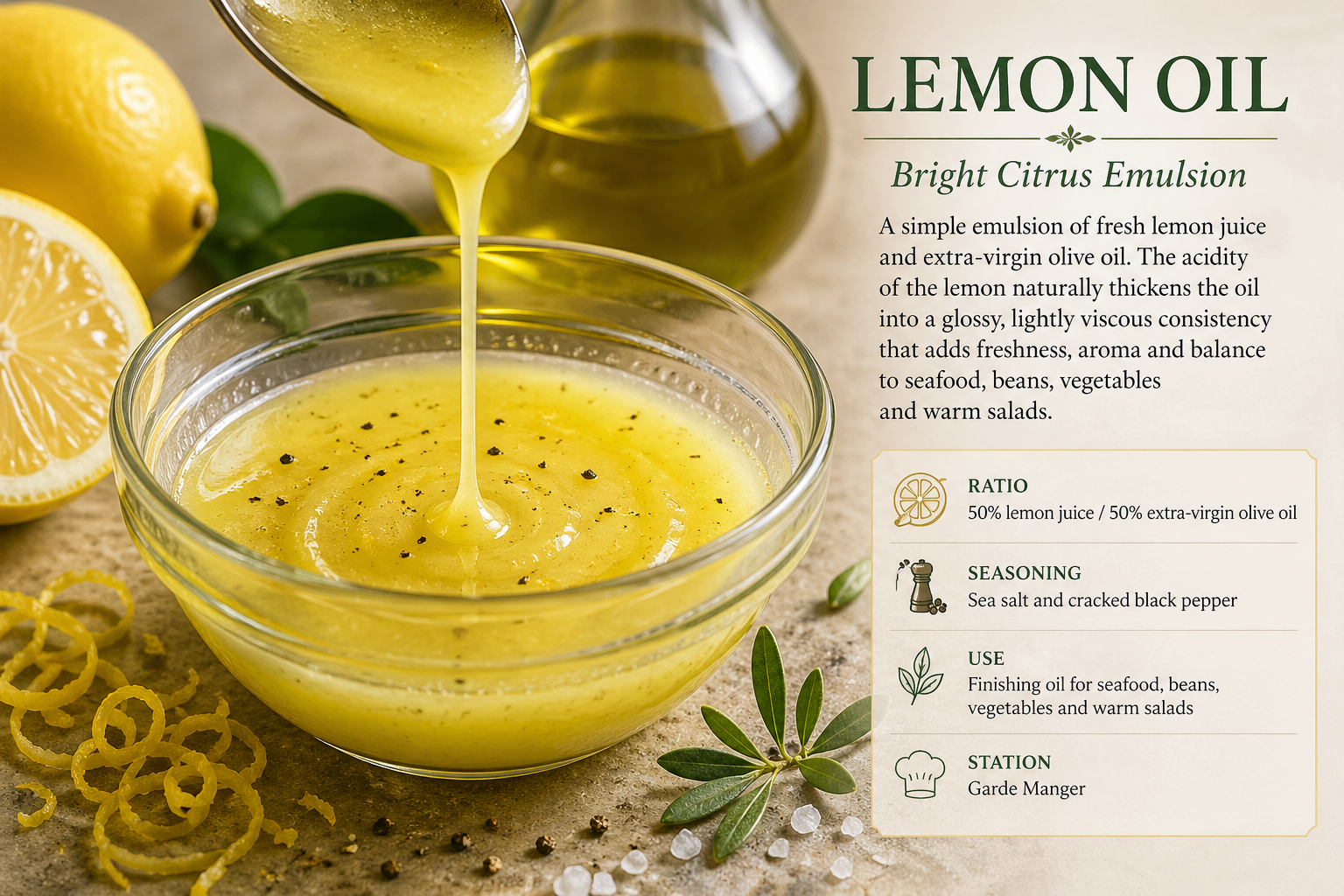 Lemon Olive Oil Emulsion
Recipe-based lemon and olive-oil emulsion for salads, fish and finishing.
Lemon Olive Oil Emulsion
Recipe-based lemon and olive-oil emulsion for salads, fish and finishing.
 Mint Oil
Fresh mint oil preparation for garnish, vegetables, salads and plated applications.
Mint Oil
Fresh mint oil preparation for garnish, vegetables, salads and plated applications.
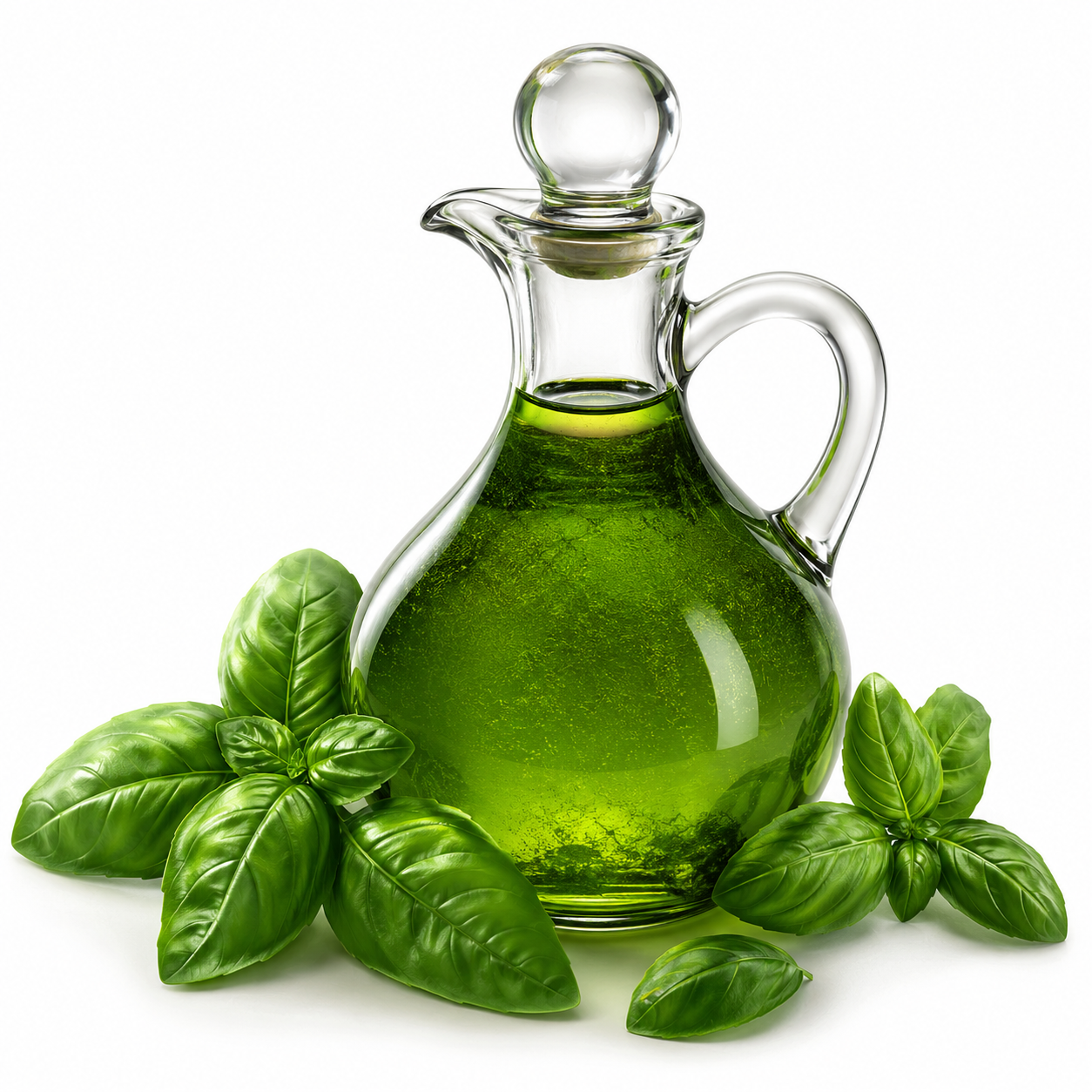 Basil Oil
Fresh basil + avocado oil • 500 g basil : 225 g oil • blanch, chill, squeeze, blend, strain • 2-day refrigerated house shelf life.
Basil Oil
Fresh basil + avocado oil • 500 g basil : 225 g oil • blanch, chill, squeeze, blend, strain • 2-day refrigerated house shelf life.
 White Truffle Olive Oil
White and black truffle oils • production, aroma formulation, authenticity, storage, finishing technique and Recipe 173.
White Truffle Olive Oil
White and black truffle oils • production, aroma formulation, authenticity, storage, finishing technique and Recipe 173.
Essential spices, seasonings, sweeteners, culinary aromatics and condiments used to control flavor, aroma, sweetness, umami, texture, crystallization, curing, preservation, beverages, baking and production.
 Culinary Salt
Sea salt, kosher salt, table salt, brining, curing, preservation and professional kitchen use.
Culinary Salt
Sea salt, kosher salt, table salt, brining, curing, preservation and professional kitchen use.
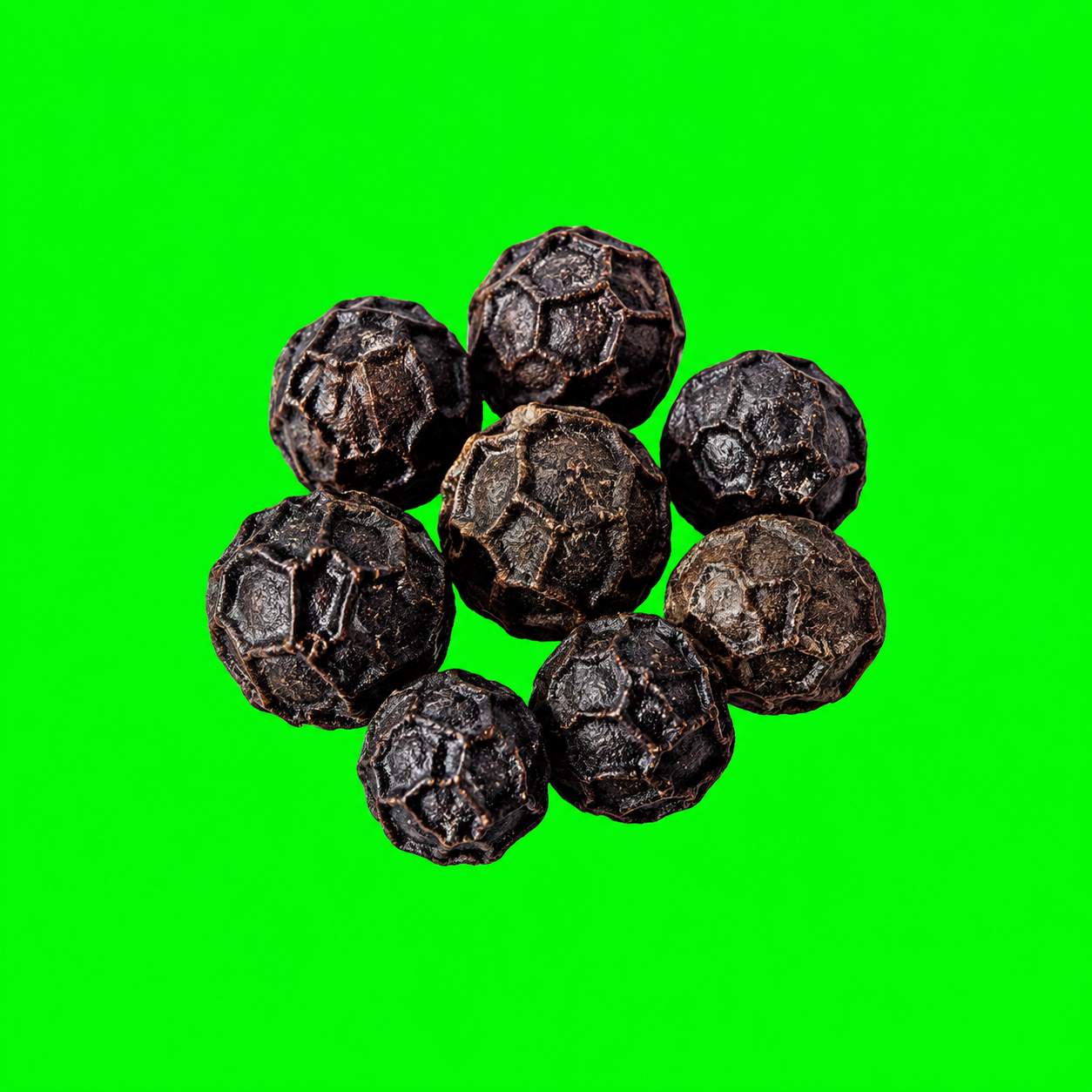 Black, White, Green & Pink Peppercorns
History, flavor, grinding grades, sauces, curing, marinades, storage and professional connections.
Black, White, Green & Pink Peppercorns
History, flavor, grinding grades, sauces, curing, marinades, storage and professional connections.
 Granulated Sugar & Sugar Cane
Sugar cane and beet sources • extraction, refining, quality grades, pastry science and professional use.
Granulated Sugar & Sugar Cane
Sugar cane and beet sources • extraction, refining, quality grades, pastry science and professional use.
 Glucose & Glucose Syrup
Starch-derived sweetener • hydrolysis, pastry science, frozen-dessert texture, crystallization control, storage and professional culinary use.
Glucose & Glucose Syrup
Starch-derived sweetener • hydrolysis, pastry science, frozen-dessert texture, crystallization control, storage and professional culinary use.
 Nutmeg / Noce Moscata
Myristica fragrans • whole, ground and fresh-grated nutmeg, mace comparison and recipe connections.
Nutmeg / Noce Moscata
Myristica fragrans • whole, ground and fresh-grated nutmeg, mace comparison and recipe connections.
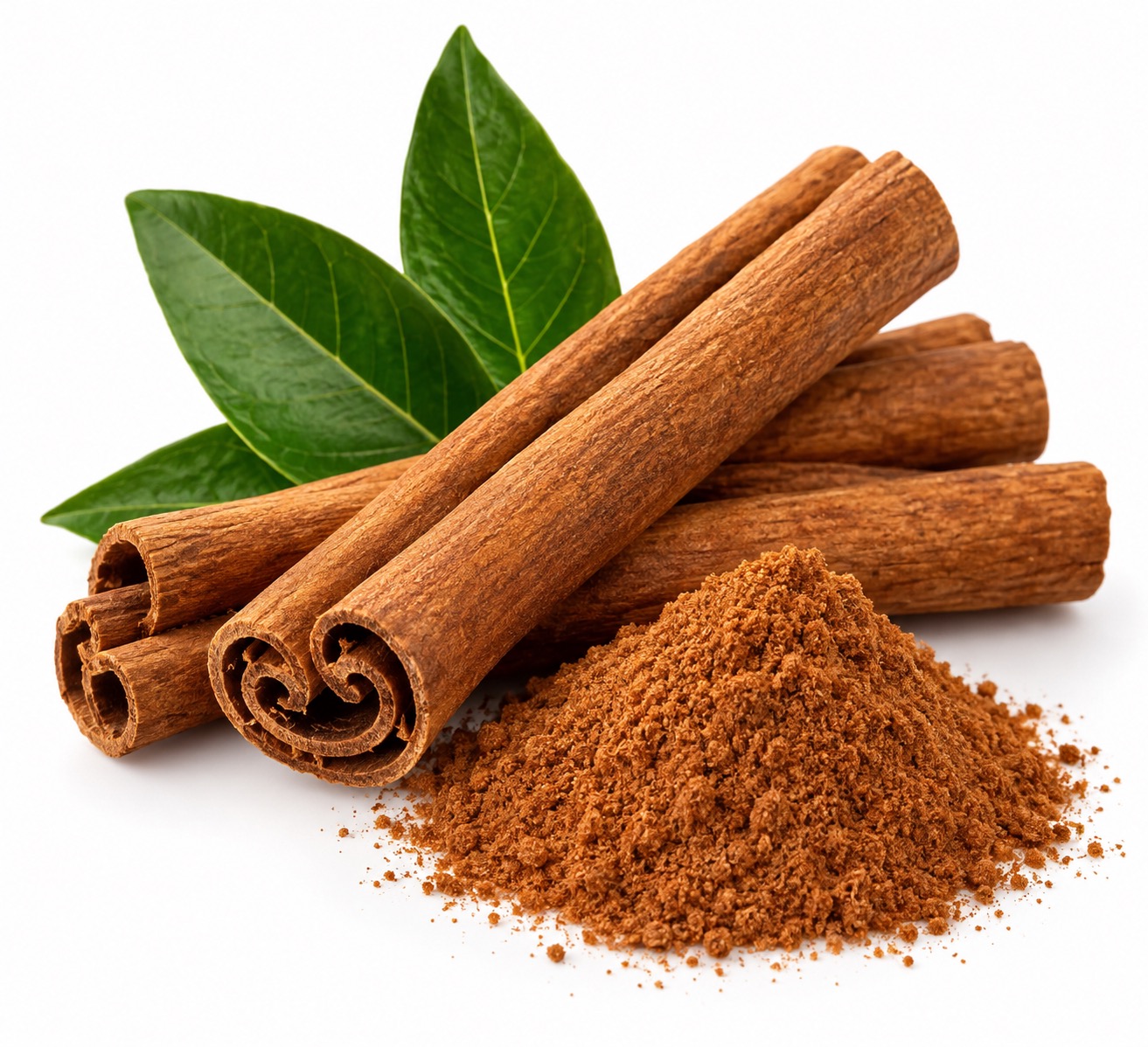 Cinnamon · Cannella
Ceylon, cassia, Korintje and Saigon cinnamon • history, production, nutrition, health and safety, whole sticks, ground cinnamon, culinary uses, beverages, storage and professional ingredient records.
Cinnamon · Cannella
Ceylon, cassia, Korintje and Saigon cinnamon • history, production, nutrition, health and safety, whole sticks, ground cinnamon, culinary uses, beverages, storage and professional ingredient records.
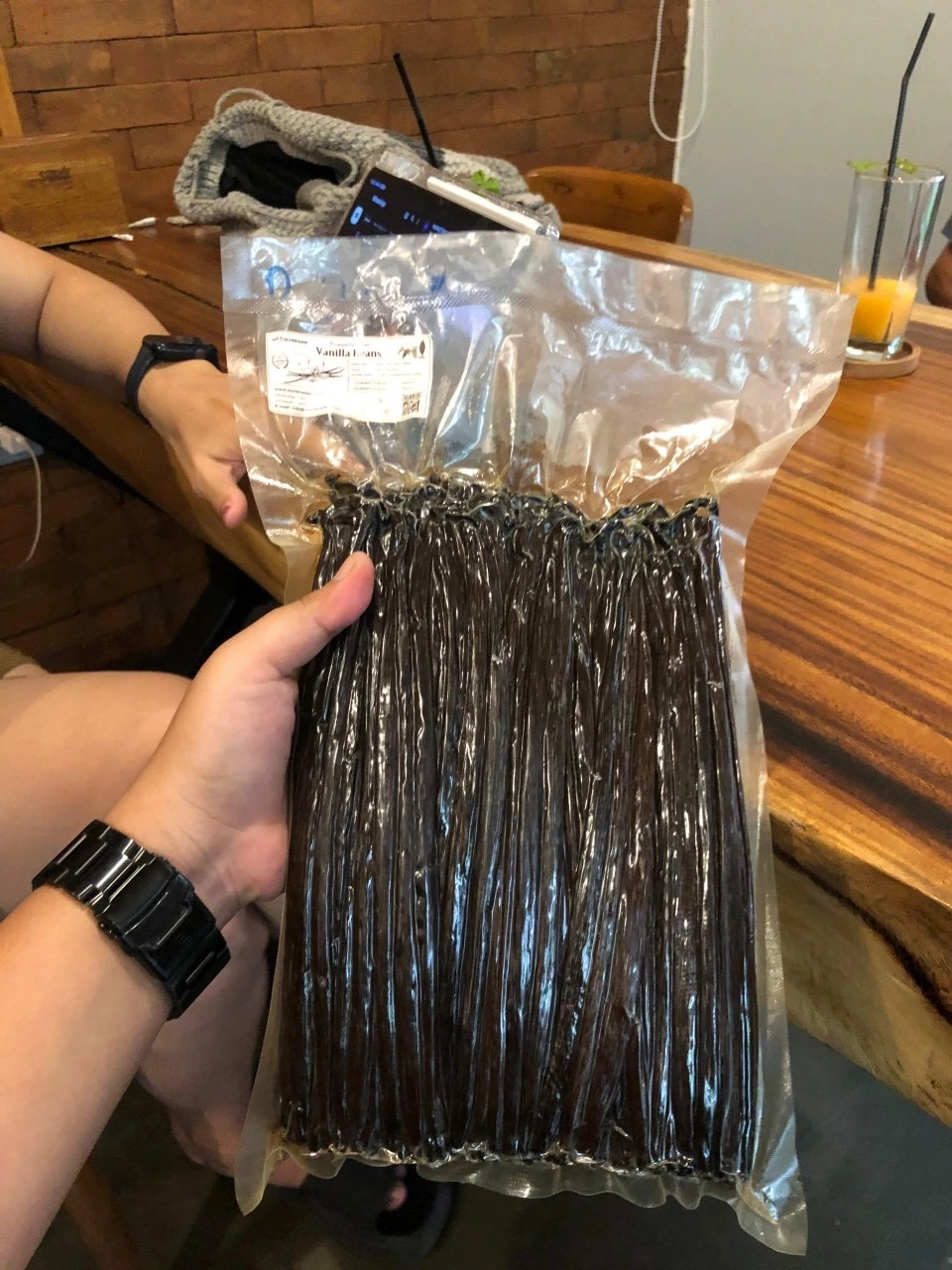 Vanilla Beans / Vaniglia
Whole vanilla beans, extract, paste and powder • aroma, origin, quality, storage, pastry science and professional culinary applications.
Vanilla Beans / Vaniglia
Whole vanilla beans, extract, paste and powder • aroma, origin, quality, storage, pastry science and professional culinary applications.
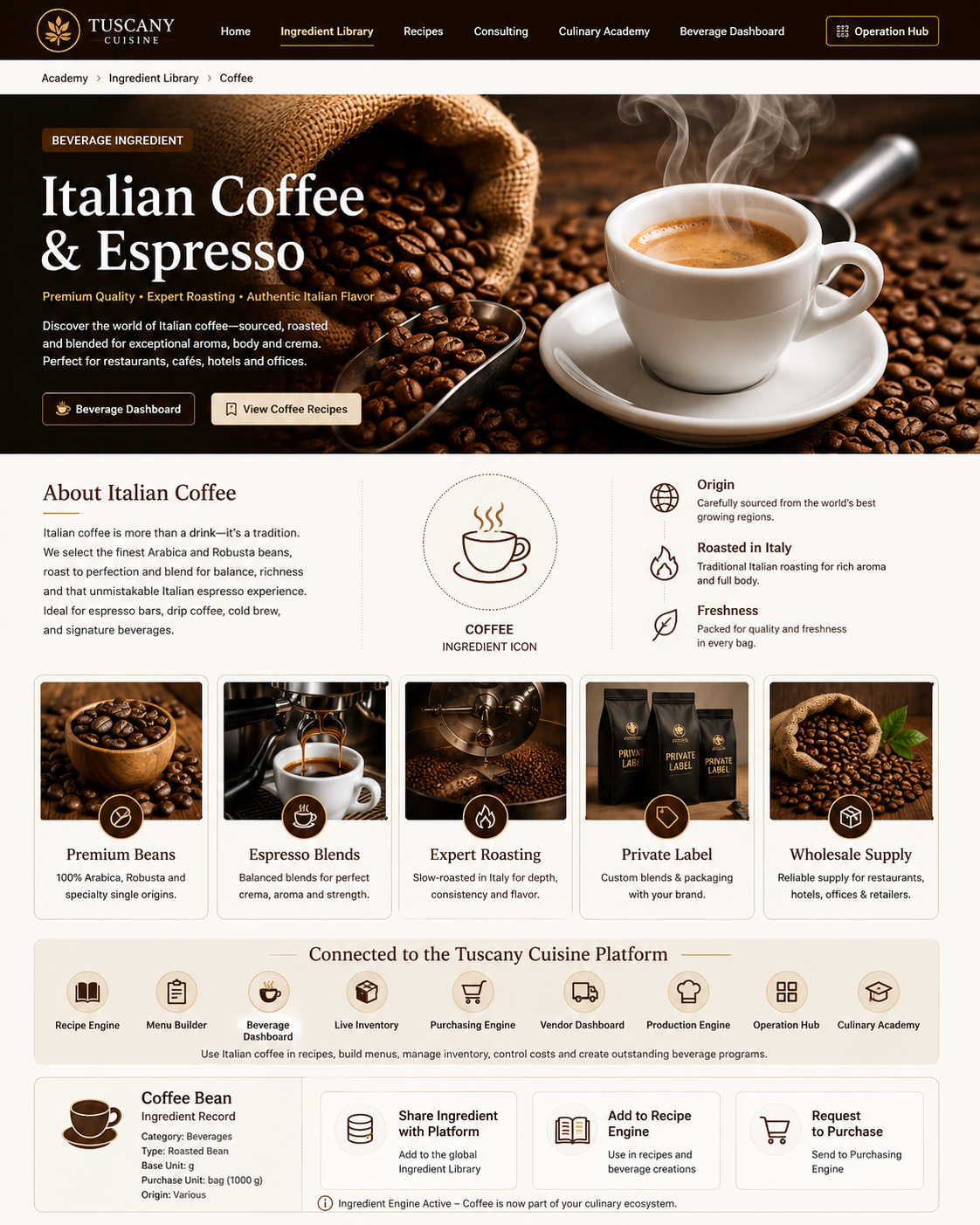 Coffee / Caffè
Arabica and Robusta coffee • roasting, grinding, aroma, espresso, pastry use, storage and professional culinary applications.
Coffee / Caffè
Arabica and Robusta coffee • roasting, grinding, aroma, espresso, pastry use, storage and professional culinary applications.
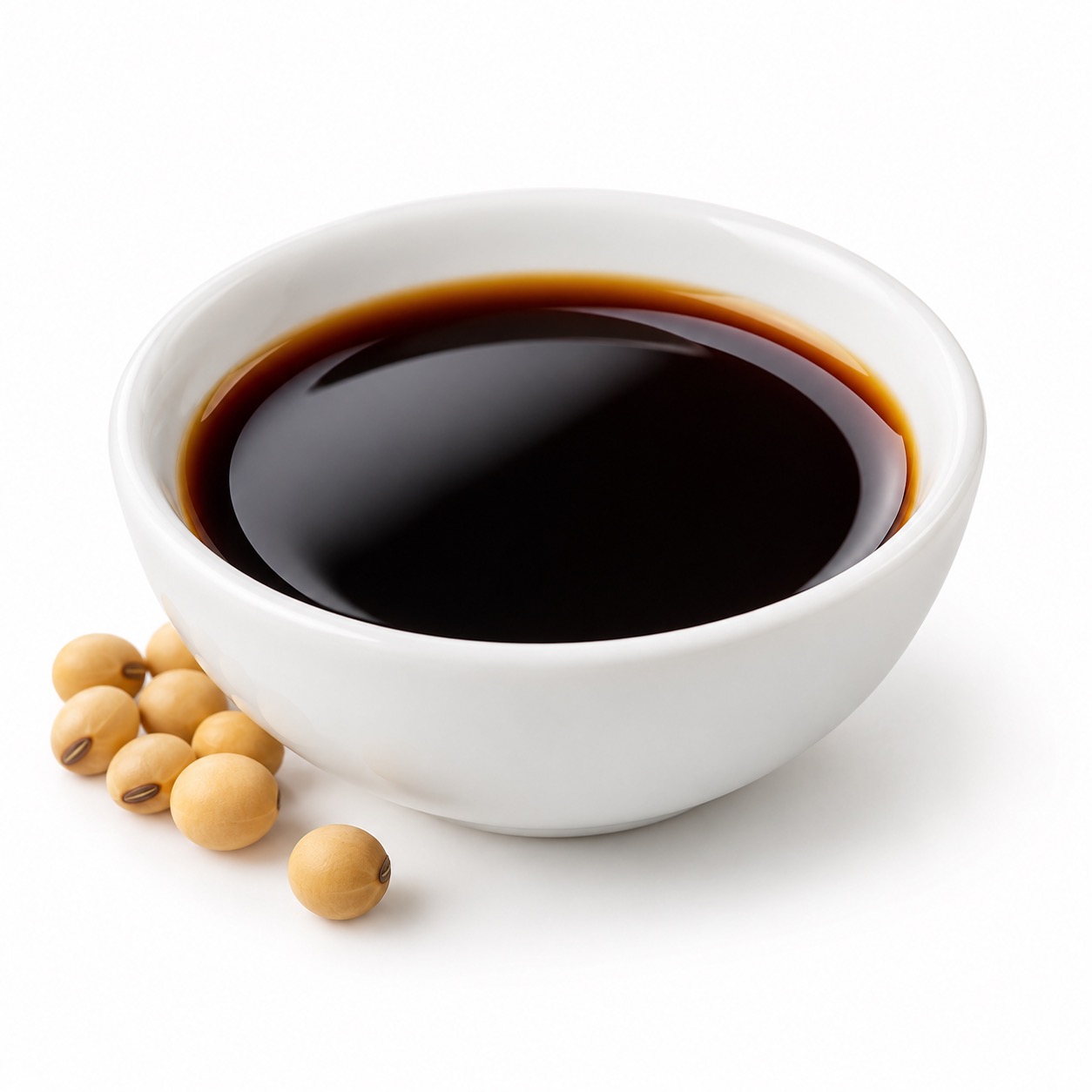 Soy Sauce / Shoyu
Fermented soy seasoning • history, traditional brewing, Japanese styles, umami, quality, nutrition, marinades, glazes, dressings, braises, stir-fries and professional culinary applications.
Soy Sauce / Shoyu
Fermented soy seasoning • history, traditional brewing, Japanese styles, umami, quality, nutrition, marinades, glazes, dressings, braises, stir-fries and professional culinary applications.
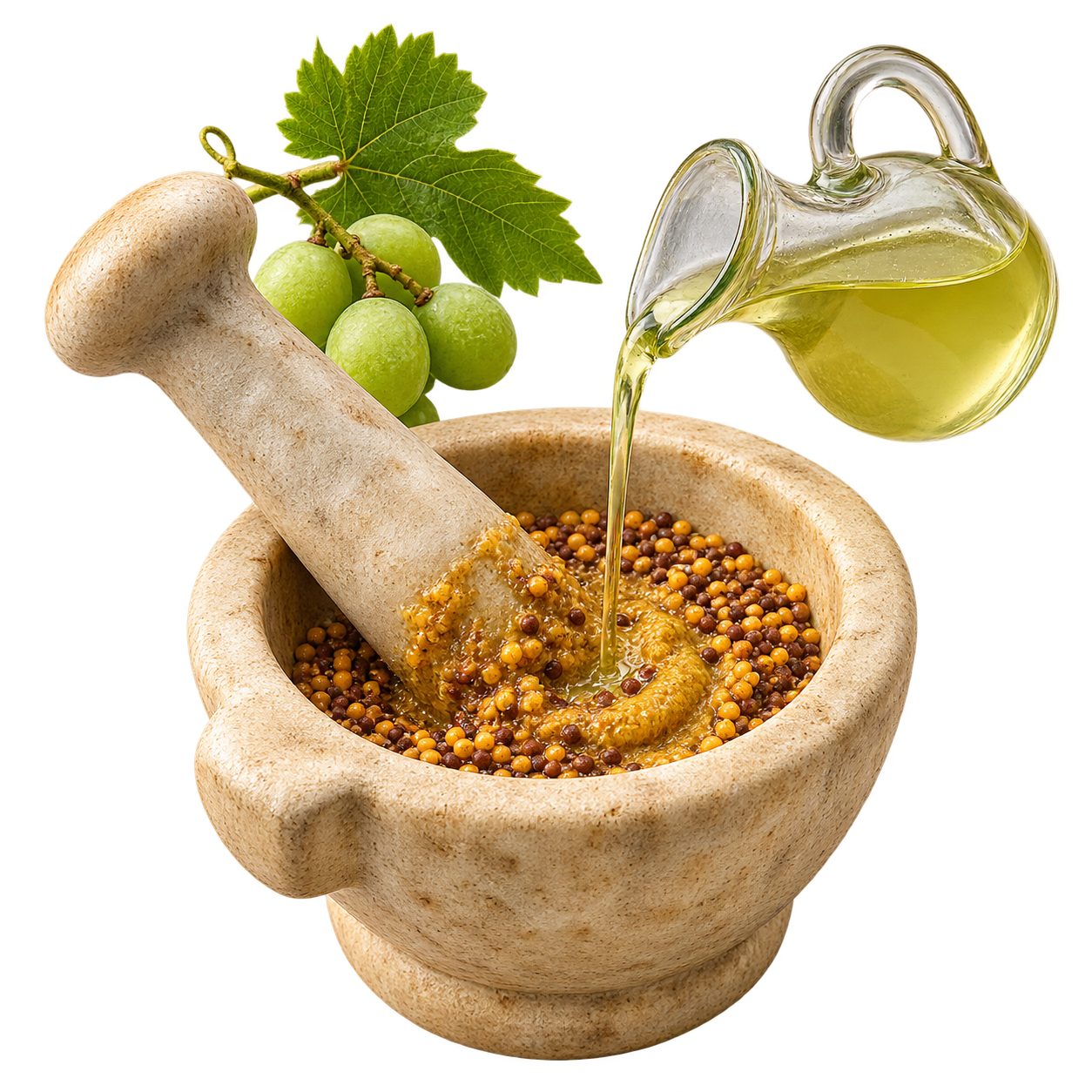 Dijon Mustard
Mustard seed, verjuice and vinegar • history, production, quality, storage, emulsions and sauces.
Dijon Mustard
Mustard seed, verjuice and vinegar • history, production, quality, storage, emulsions and sauces.
 Mustard Extract
Specialty concentrated mustard flavor • supplier sourcing, potency control, allergen guidance and culinary applications.
Mustard Extract
Specialty concentrated mustard flavor • supplier sourcing, potency control, allergen guidance and culinary applications.
Dry and prepared pulses used for plant protein, fiber, texture, soups, salads, purées, pasta dishes and pantry production.
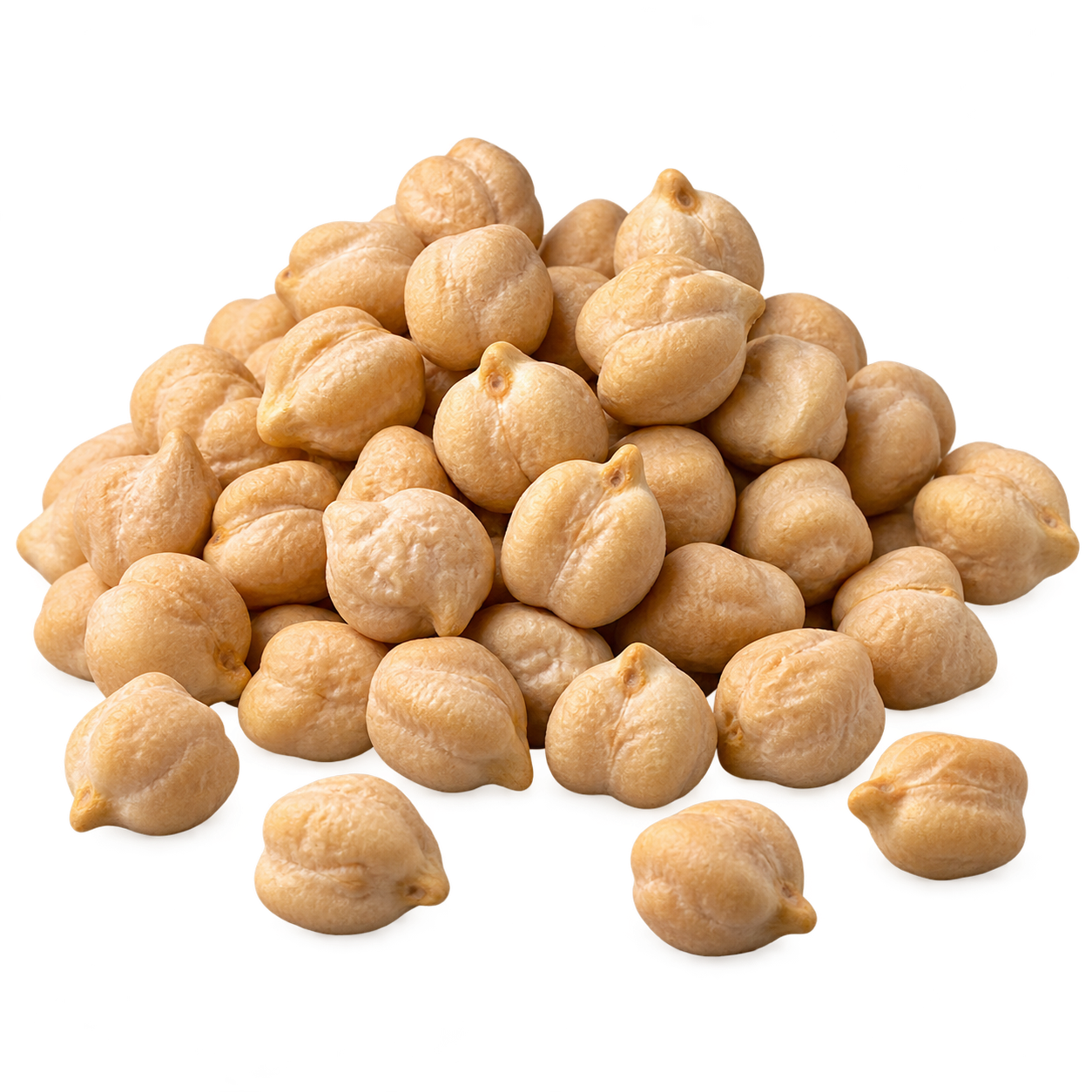 Garbanzo Beans Ingredient Library
Chickpeas / ceci • dry, cooked, canned and flour forms • history, nutrition, soaking, cooking and storage.
Garbanzo Beans Ingredient Library
Chickpeas / ceci • dry, cooked, canned and flour forms • history, nutrition, soaking, cooking and storage.
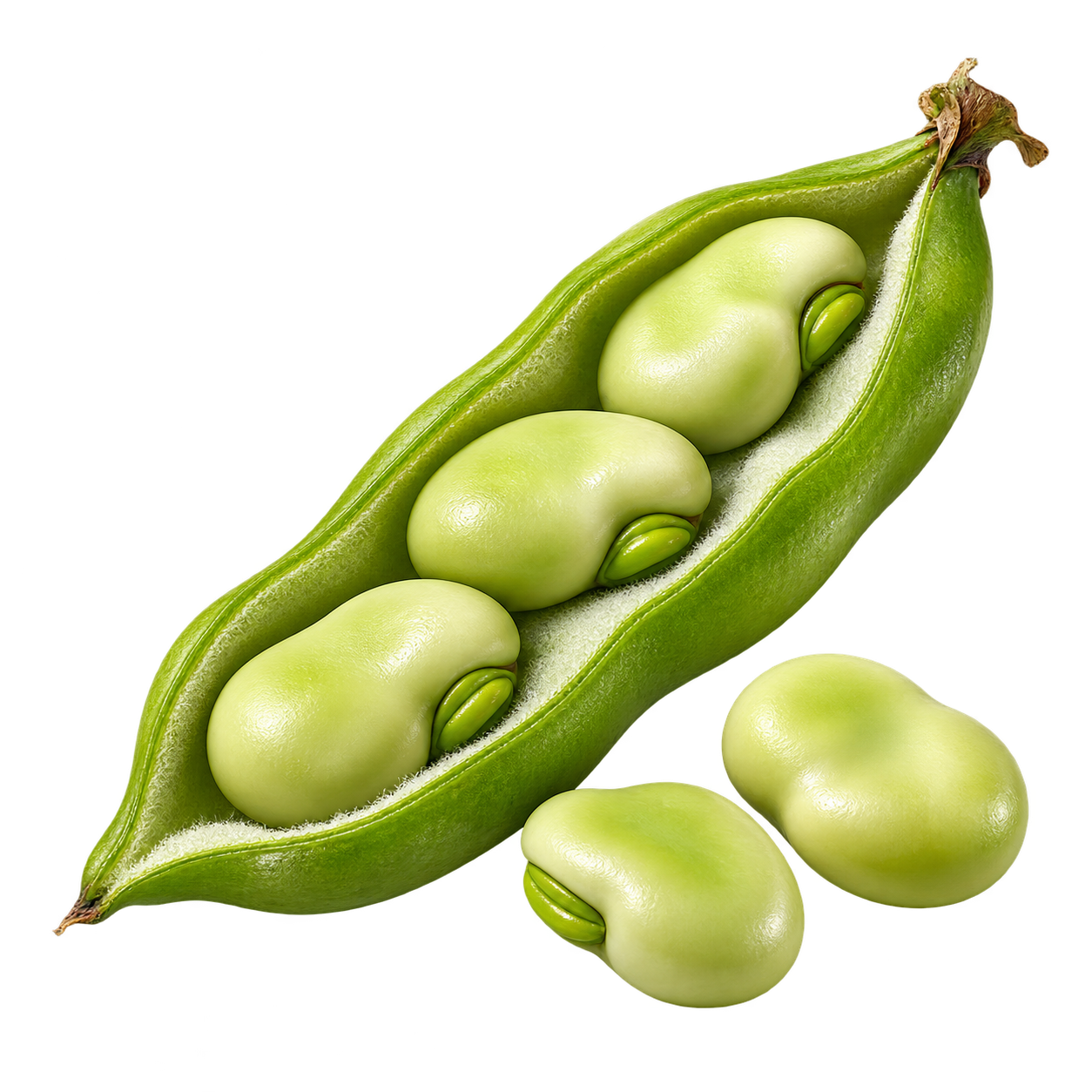 Fava Beans Ingredient Library
Fave and Tuscan baccelli • fresh, frozen, dried, cooked and puréed forms • food-safety context.
Fava Beans Ingredient Library
Fave and Tuscan baccelli • fresh, frozen, dried, cooked and puréed forms • food-safety context.
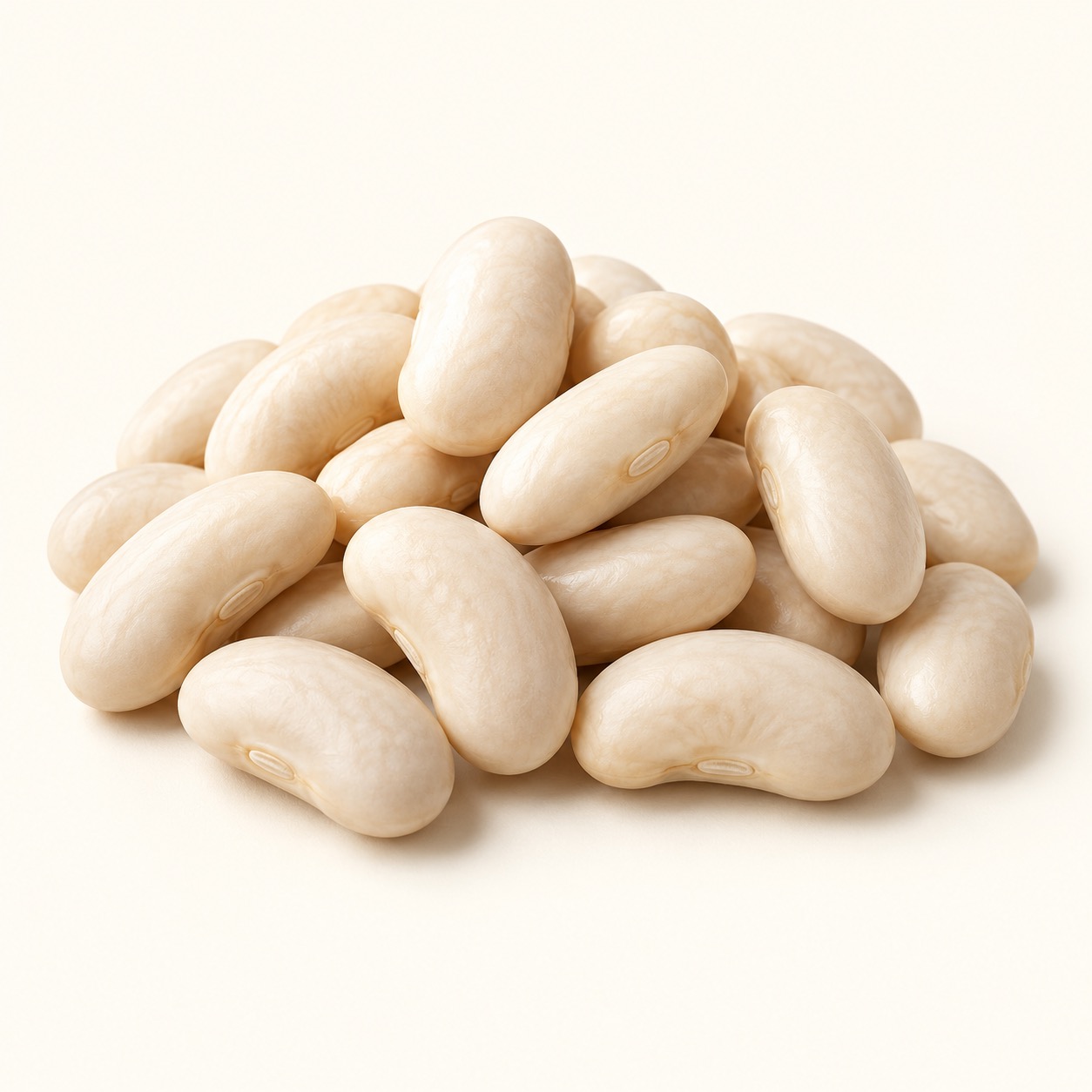 Cannellini Beans / Fagioli Cannellini
Phaseolus vulgaris • creamy Italian white beans • history, seasonality, quality, storage, soups, salads, purées, bean flour and Albacore Tuna & Cannellini Bean Salad connection.
Cannellini Beans / Fagioli Cannellini
Phaseolus vulgaris • creamy Italian white beans • history, seasonality, quality, storage, soups, salads, purées, bean flour and Albacore Tuna & Cannellini Bean Salad connection.
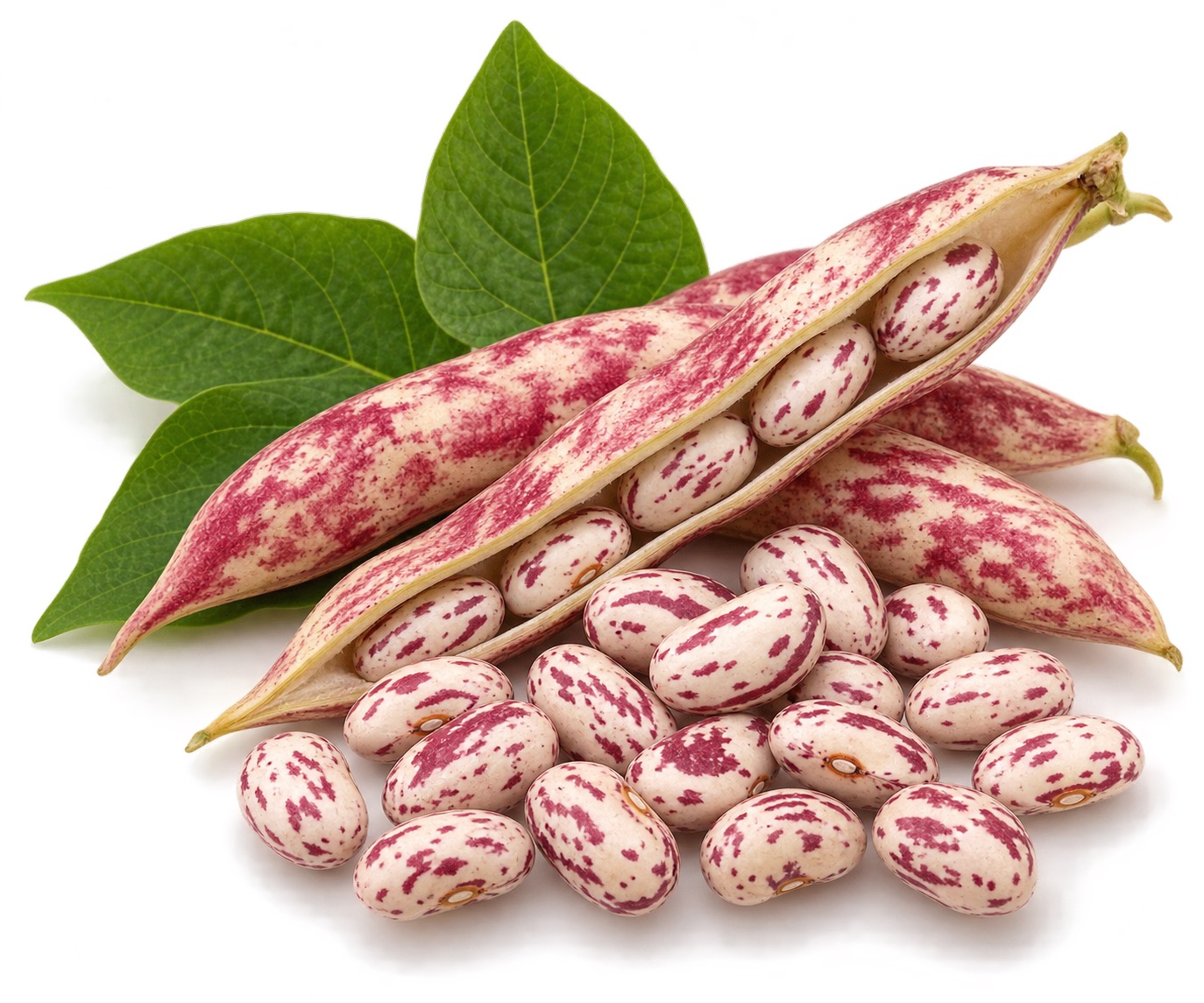 Borlotti Beans / Fagioli Borlotti
Phaseolus vulgaris • cranberry/speckled beans • origins, history, cultivation, seasonality, culinary uses, bean flour and Borlotti Bean & Seafood Salad connection.
Borlotti Beans / Fagioli Borlotti
Phaseolus vulgaris • cranberry/speckled beans • origins, history, cultivation, seasonality, culinary uses, bean flour and Borlotti Bean & Seafood Salad connection.
A professional dairy and egg family connecting milk transformations, fresh and aged cheeses, allergen data, recipes, purchasing and production.
 Milk Ingredient Library
History, pasteurization, nutrition, lactose, milk allergy, dairy derivatives and recipe usage.
Milk Ingredient Library
History, pasteurization, nutrition, lactose, milk allergy, dairy derivatives and recipe usage.
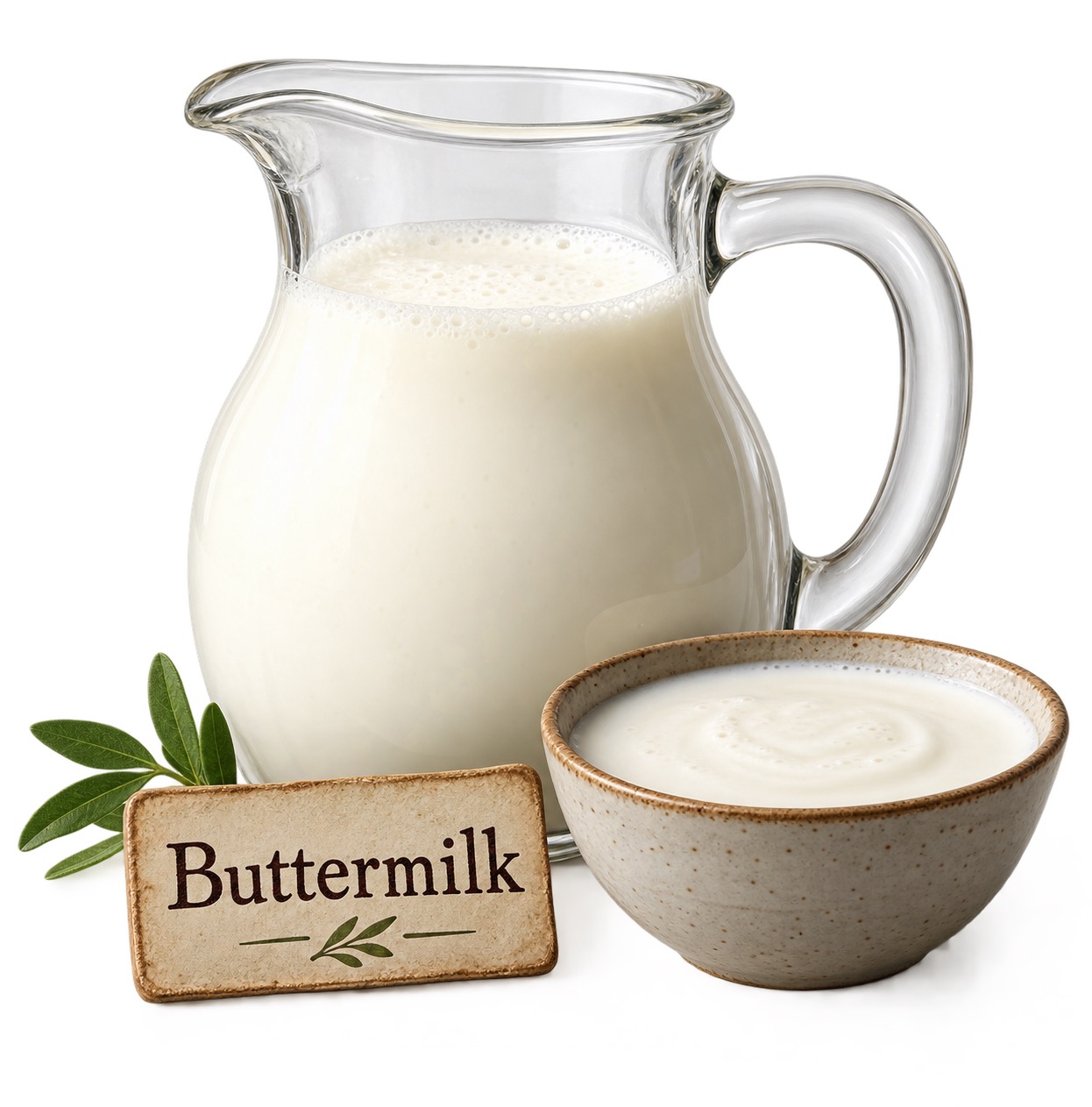 Buttermilk
Traditional and cultured buttermilk • fermentation, quality, nutrition, marinades, fried-food preparation, dressings, baking and professional culinary use.
Buttermilk
Traditional and cultured buttermilk • fermentation, quality, nutrition, marinades, fried-food preparation, dressings, baking and professional culinary use.
 Whole Eggs, Yolks & Whites
Quality grades, production, yolk color, separation, fresh pasta, baking, nutrition and allergy safety.
Whole Eggs, Yolks & Whites
Quality grades, production, yolk color, separation, fresh pasta, baking, nutrition and allergy safety.
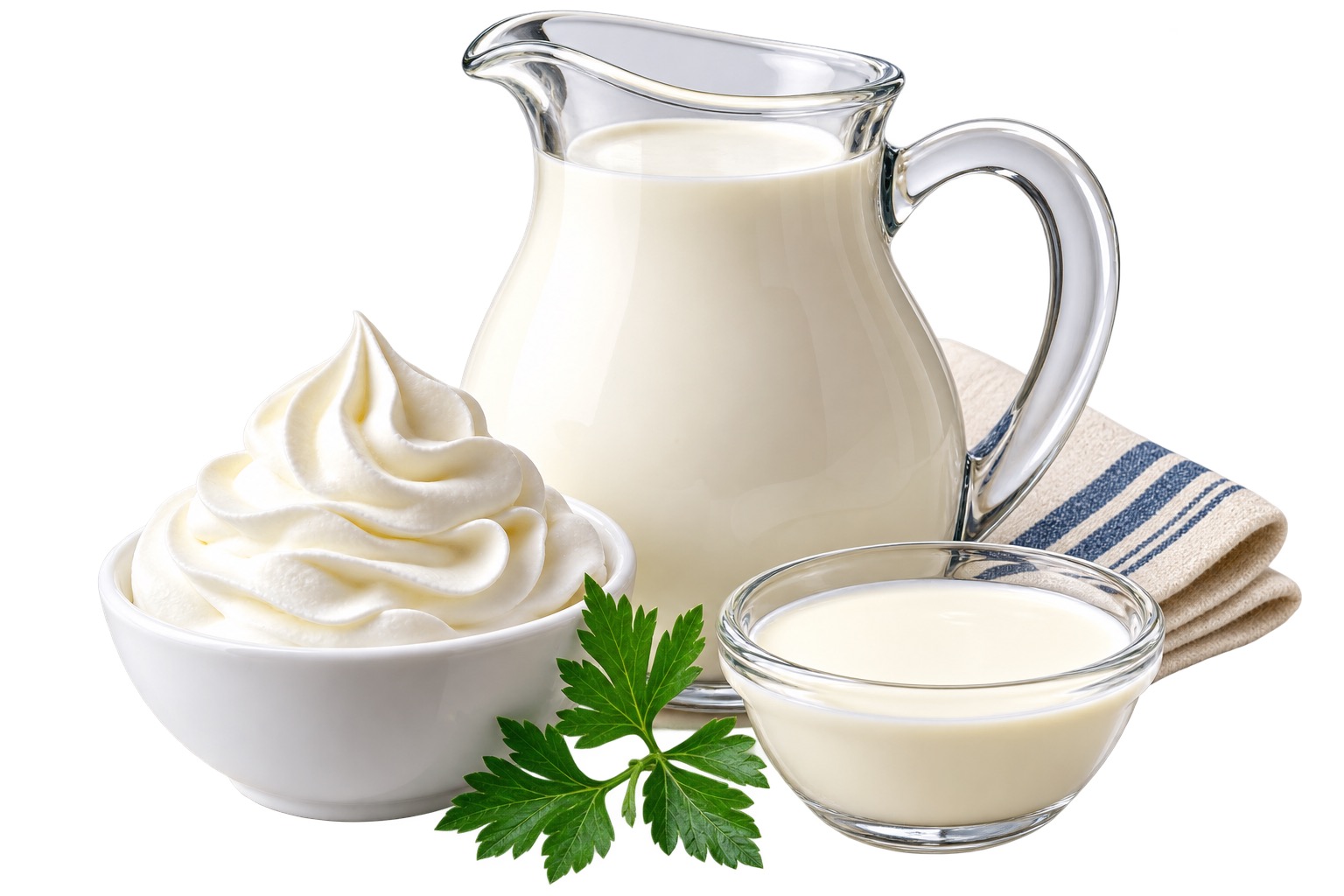 Cream & Cultured Cream
Heavy cream, whipping cream, light cream, half-and-half and cultured cream • production and culinary uses.
Cream & Cultured Cream
Heavy cream, whipping cream, light cream, half-and-half and cultured cream • production and culinary uses.
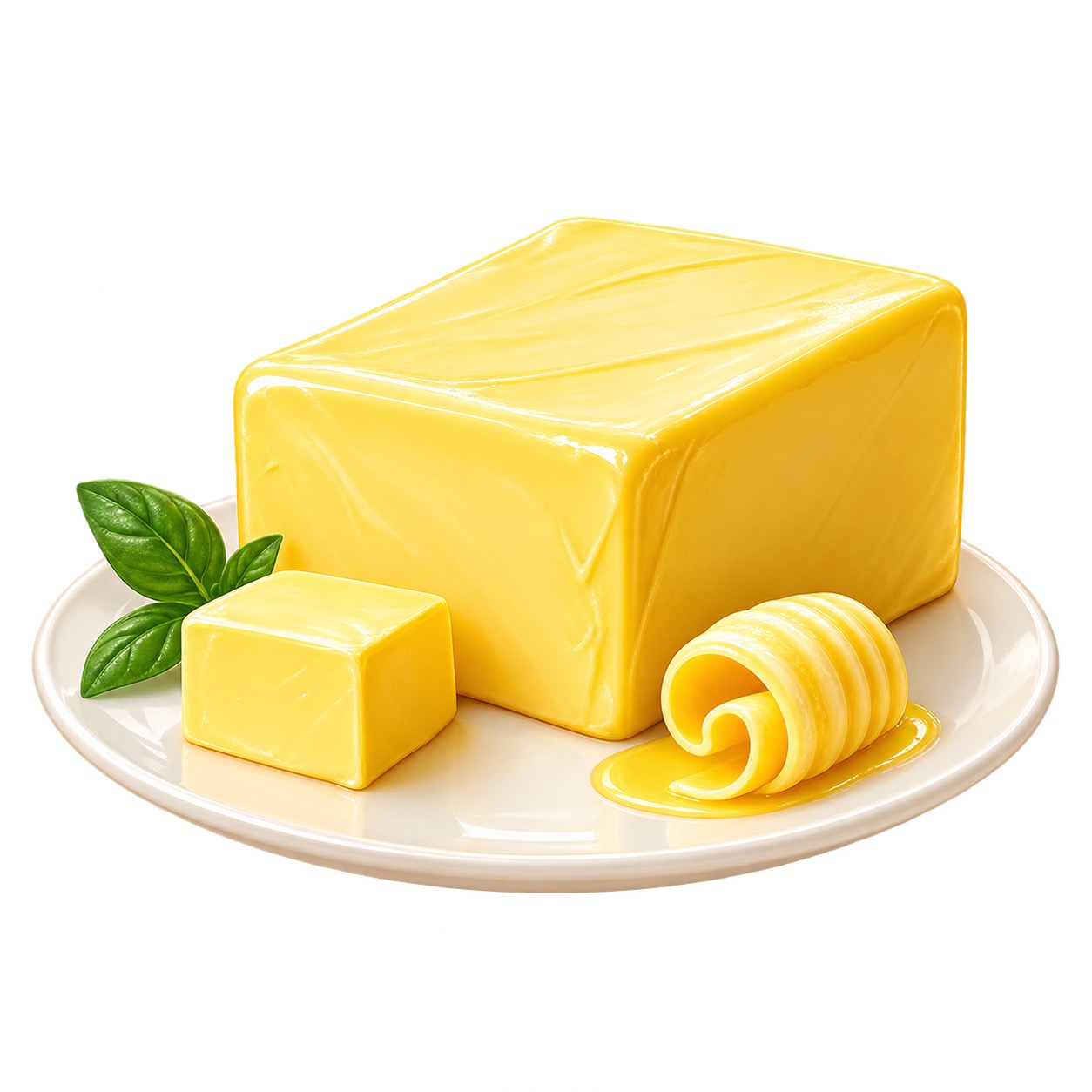 Butter, Clarified Butter & Ghee
Unsalted, salted, cultured and European-style butter, clarified butter and ghee.
Butter, Clarified Butter & Ghee
Unsalted, salted, cultured and European-style butter, clarified butter and ghee.
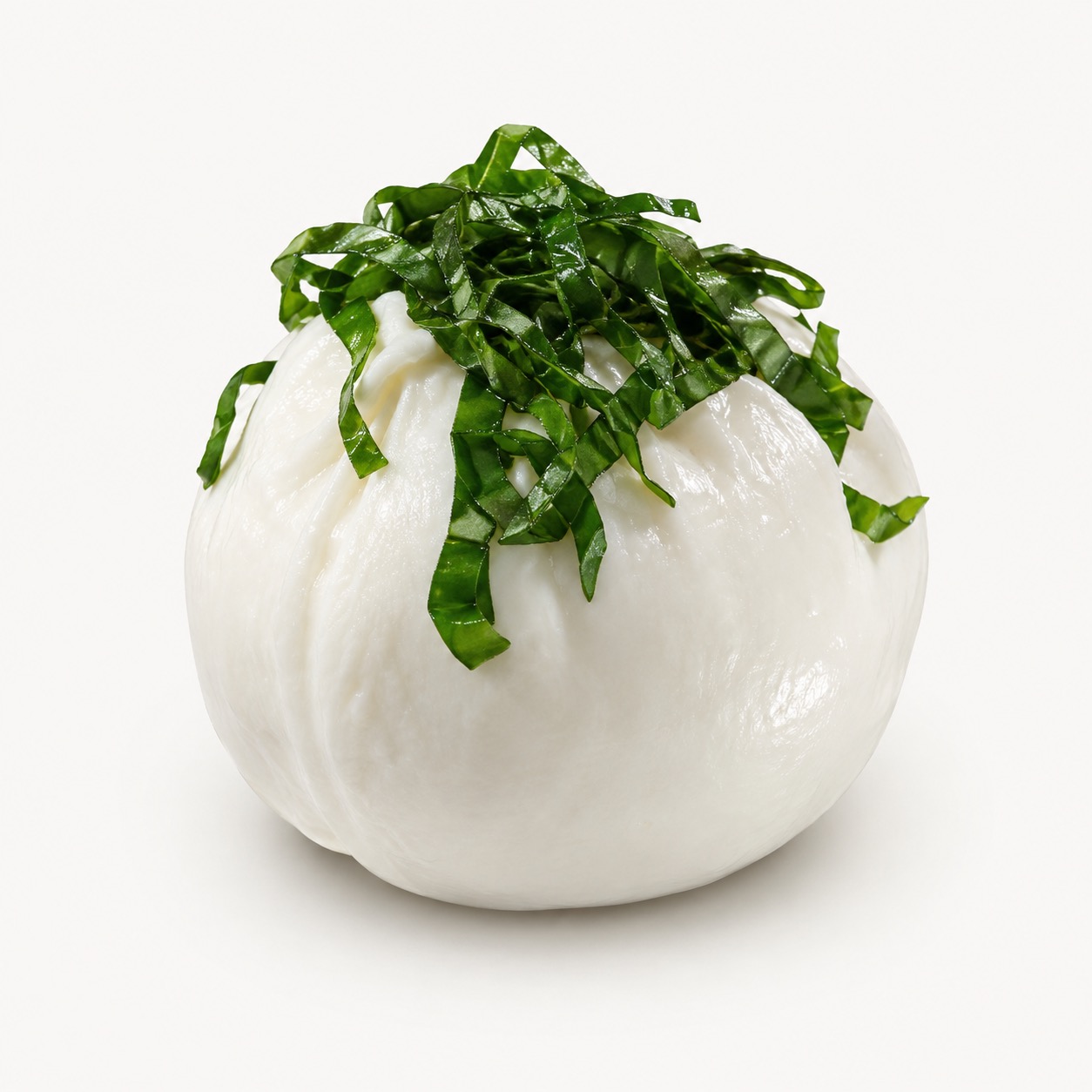 Burrata
Fresh pasta-filata cheese filled with stracciatella and cream • recipes, handling and wine pairing.
Burrata
Fresh pasta-filata cheese filled with stracciatella and cream • recipes, handling and wine pairing.
 Fresh Mozzarella / Fior di Latte
Cow's-milk fresh pasta-filata cheese • high moisture, culinary use, wine pairing and Recipe 169.
Fresh Mozzarella / Fior di Latte
Cow's-milk fresh pasta-filata cheese • high moisture, culinary use, wine pairing and Recipe 169.
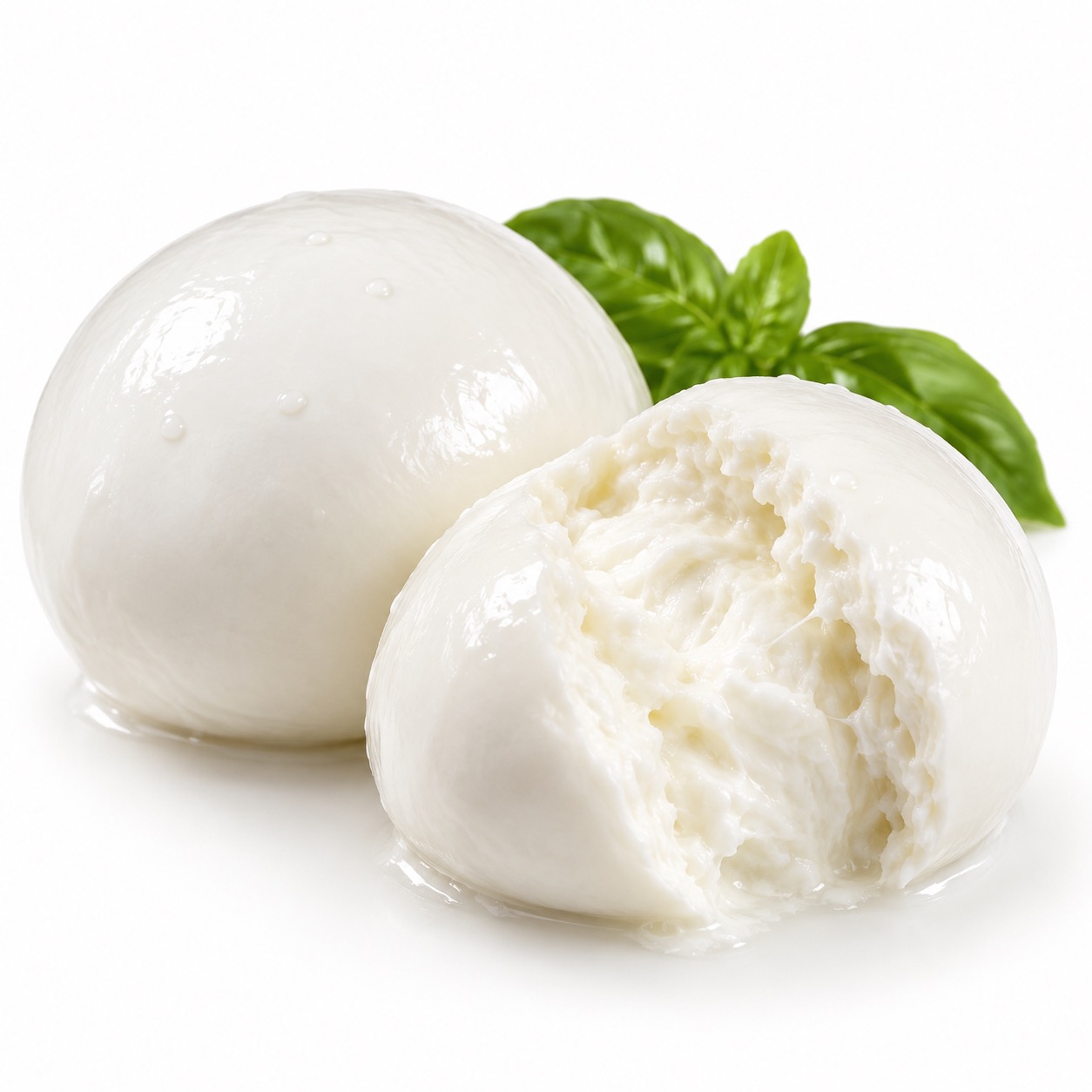 Mozzarella di Bufala
Water-buffalo-milk fresh pasta-filata cheese • Campania tradition, origins, history, nutrition, professional handling, recipe connections and wine pairing.
Mozzarella di Bufala
Water-buffalo-milk fresh pasta-filata cheese • Campania tradition, origins, history, nutrition, professional handling, recipe connections and wine pairing.
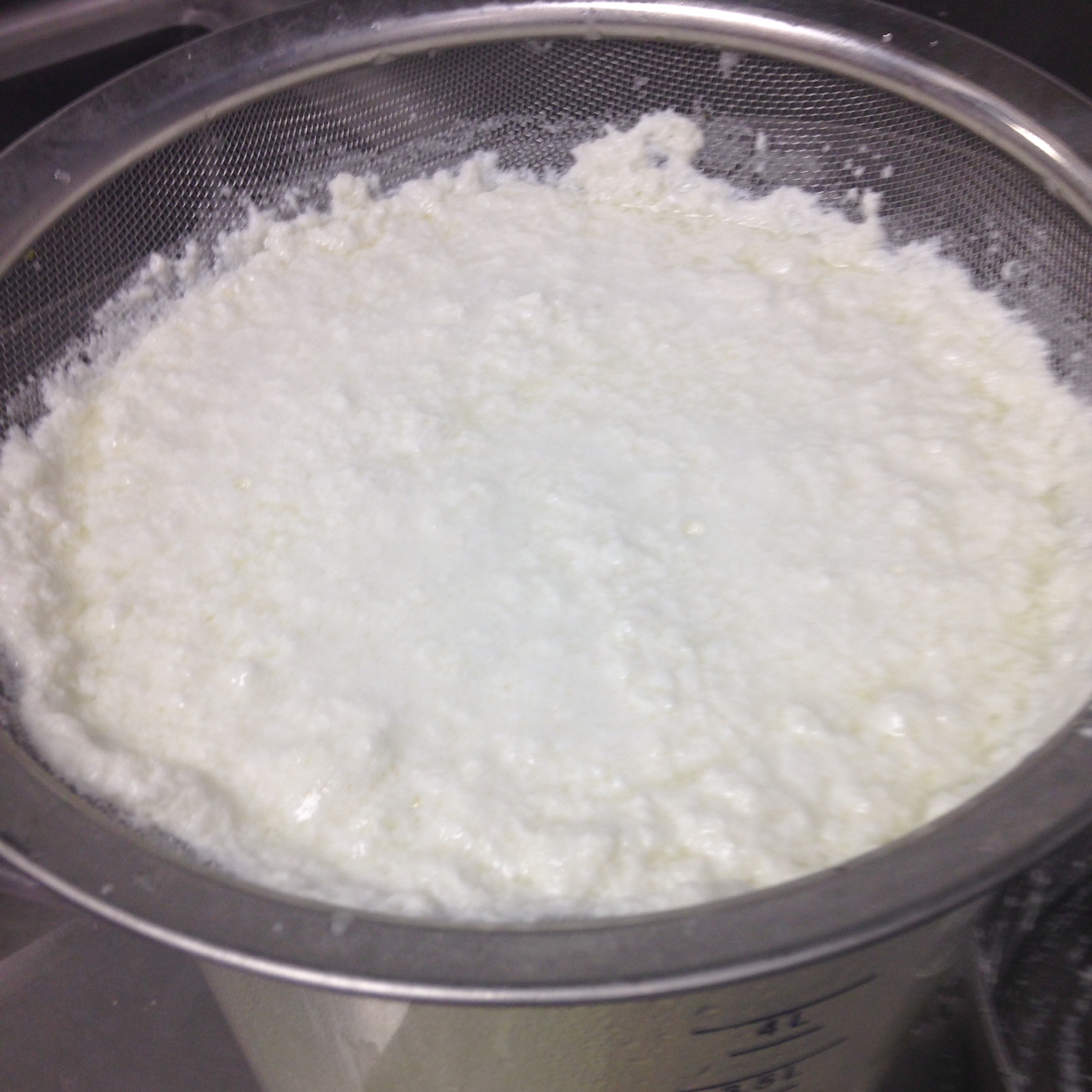 Fresh Ricotta
Fresh soft Italian whey cheese • fillings, gnudi, pasta, savory dishes and desserts.
Fresh Ricotta
Fresh soft Italian whey cheese • fillings, gnudi, pasta, savory dishes and desserts.
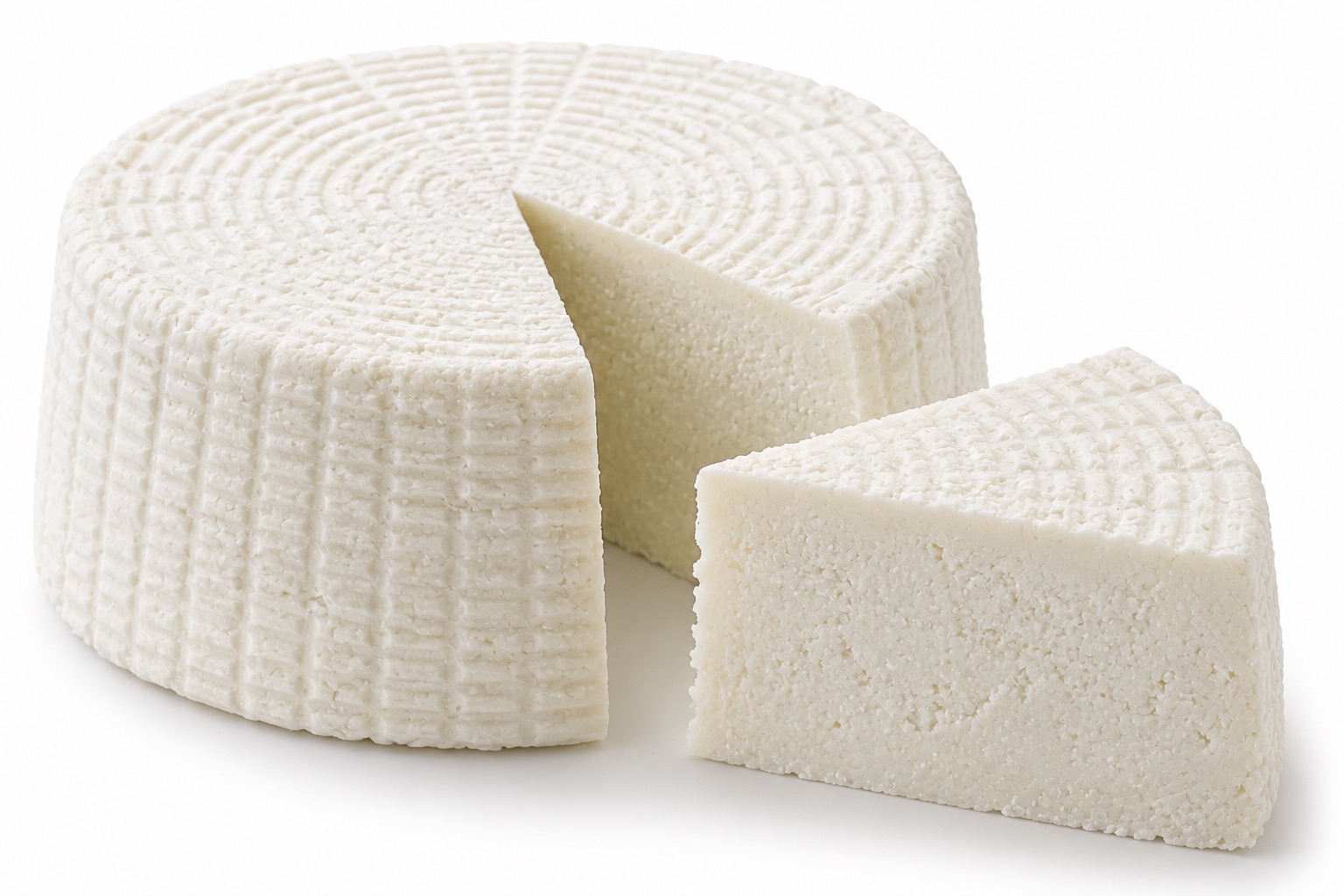 Ricotta Salata
Pressed, salted and matured ricotta for grating, shaving and crumbling • Recipe 158.
Ricotta Salata
Pressed, salted and matured ricotta for grating, shaving and crumbling • Recipe 158.
 Gorgonzola DOP
Italian blue cheese • Dolce and Piccante, protected origin, handling, culinary uses and wine pairing.
Gorgonzola DOP
Italian blue cheese • Dolce and Piccante, protected origin, handling, culinary uses and wine pairing.
 Groviera
Semi-hard alpine-style cow's-milk cheese • nutty flavor, smooth melting quality, crostini and gratin applications • Recipe 175 Tuscan Fettunta with Porcini.
Groviera
Semi-hard alpine-style cow's-milk cheese • nutty flavor, smooth melting quality, crostini and gratin applications • Recipe 175 Tuscan Fettunta with Porcini.
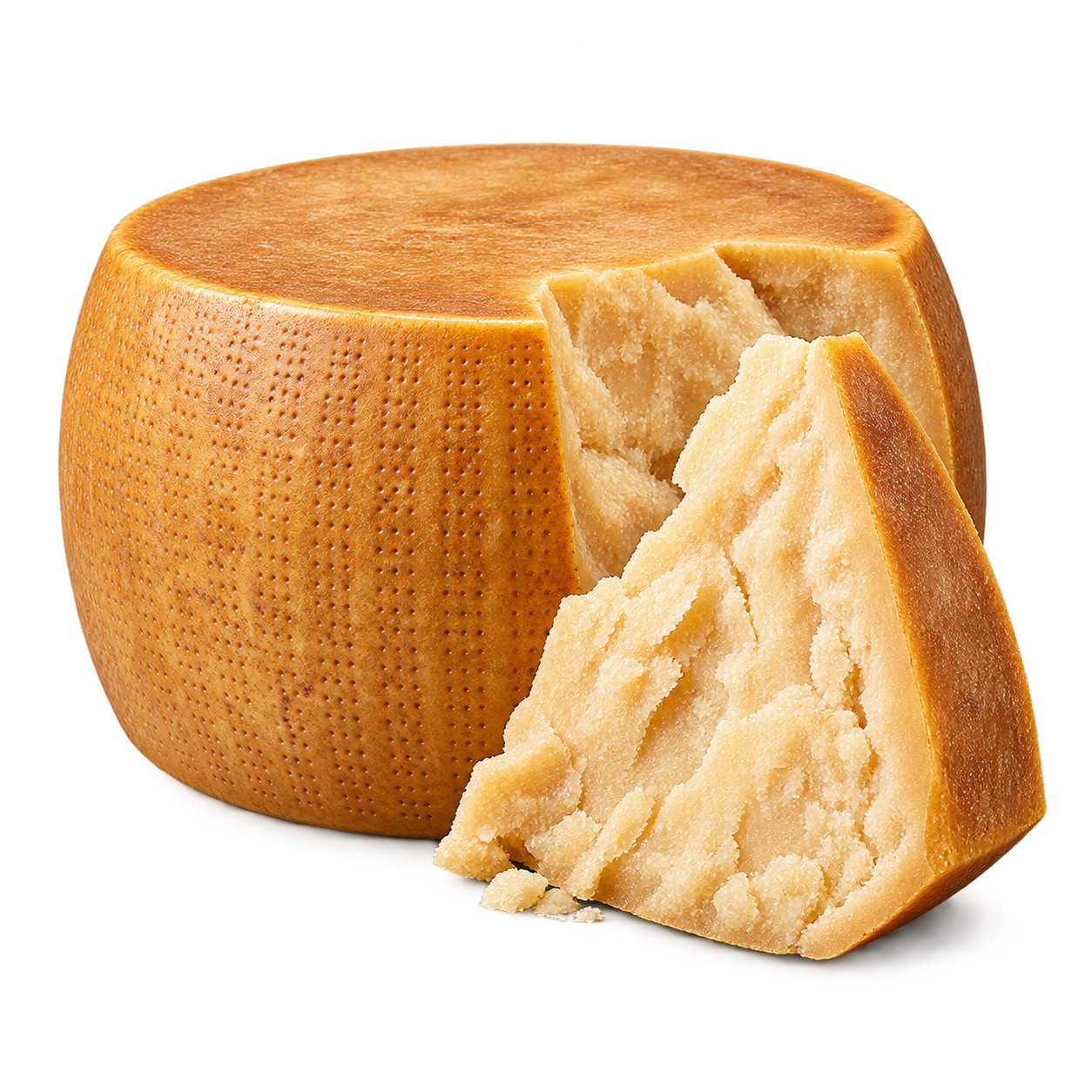 Parmigiano Reggiano DOP
Protected production, aging, culinary applications, recipe usage and Grana Padano comparison.
Parmigiano Reggiano DOP
Protected production, aging, culinary applications, recipe usage and Grana Padano comparison.
Vinegars, hydrocolloids, starches, seeds, dry fruits, flours, cornmeal, grains and preserved tomato products.
Study acidity, protected classifications, production, quality, cooking and finishing applications, storage and recipe usage.
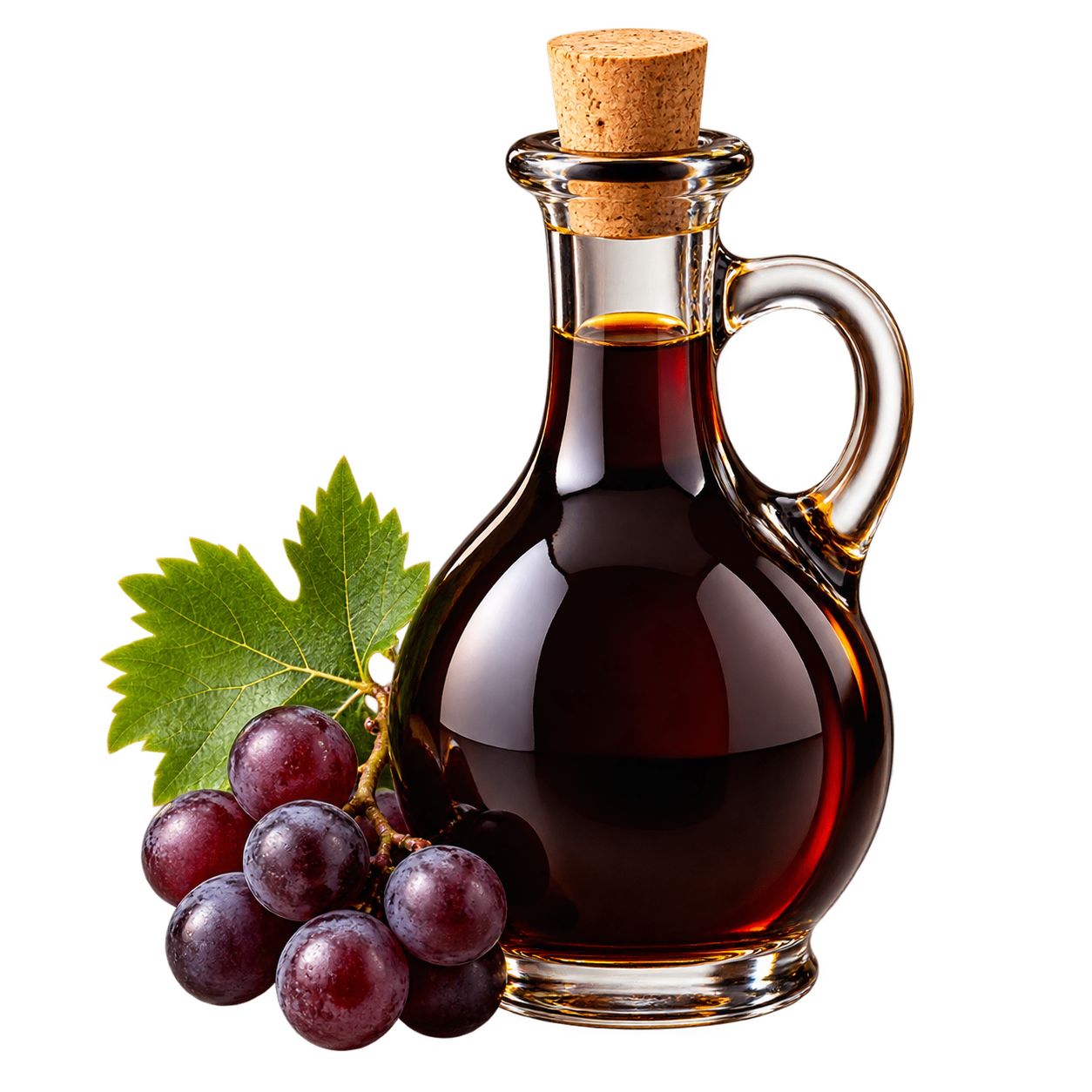 Balsamic Vinegar
Protected Modena styles, everyday cooking quality, finishing quality, production and storage.
Balsamic Vinegar
Protected Modena styles, everyday cooking quality, finishing quality, production and storage.
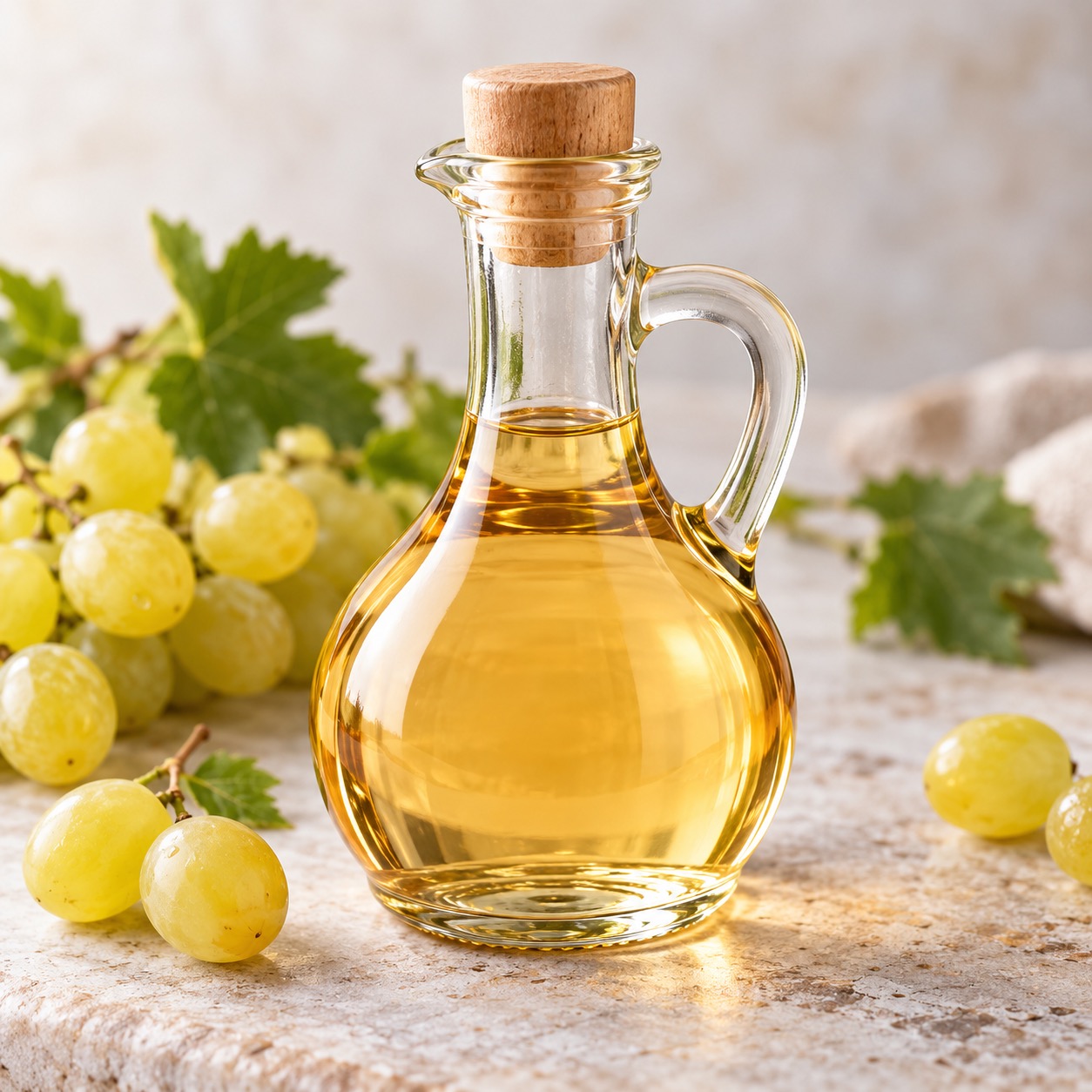 White Balsamic Vinegar / Condimento Balsamico Bianco
Pale-gold balsamic condiment • gentle sweet-sour acidity, mild grape character and clean color for peaches, tomatoes, seafood, delicate greens and Peach Salad Recipe 367.
White Balsamic Vinegar / Condimento Balsamico Bianco
Pale-gold balsamic condiment • gentle sweet-sour acidity, mild grape character and clean color for peaches, tomatoes, seafood, delicate greens and Peach Salad Recipe 367.
 Red Wine Vinegar
Wine-to-vinegar fermentation, acidity, vinaigrettes, marinades, deglazing and storage.
Red Wine Vinegar
Wine-to-vinegar fermentation, acidity, vinaigrettes, marinades, deglazing and storage.
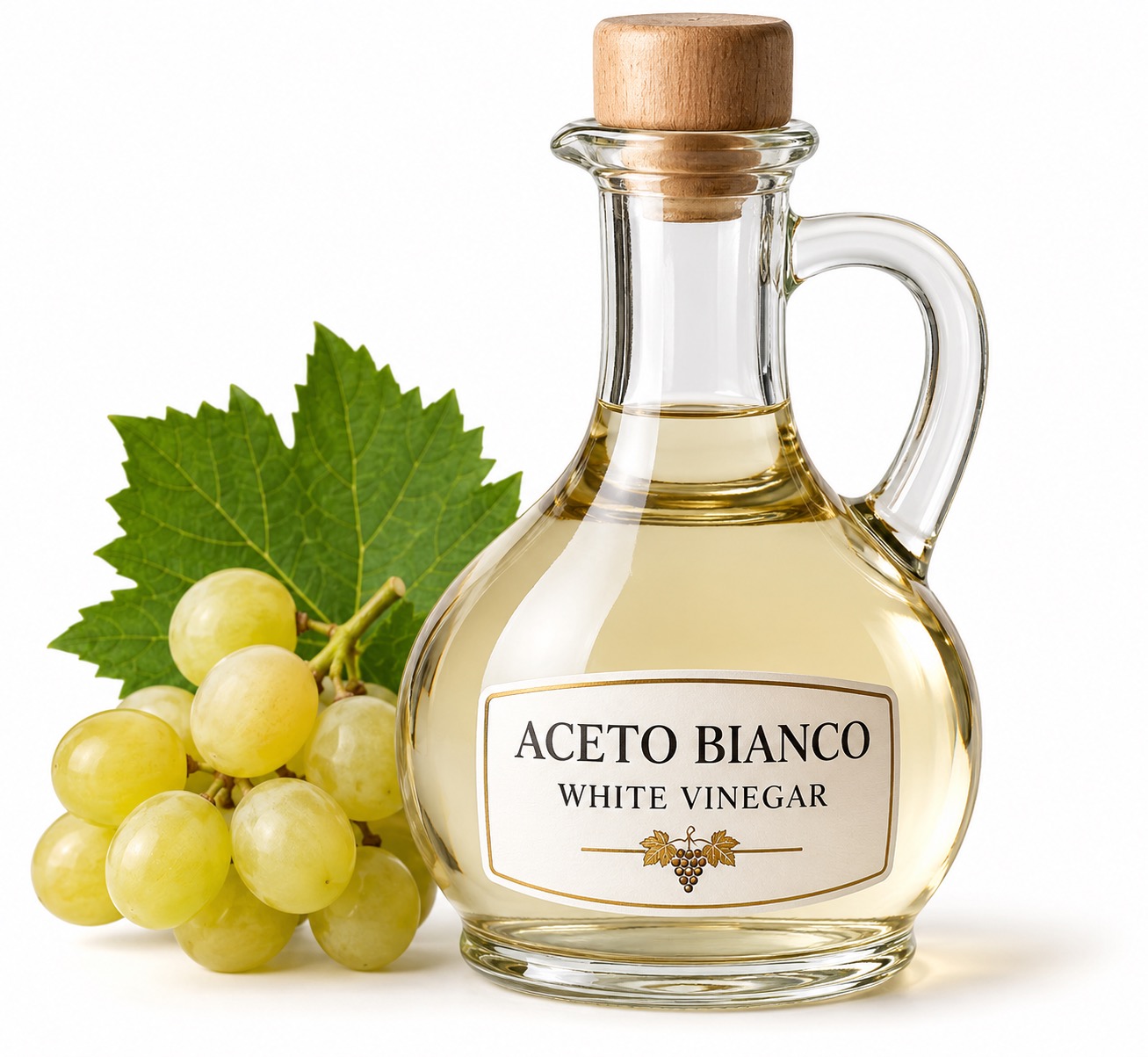 White Wine Vinegar / Aceto Bianco
Aceto di Vino Bianco • grape-wine origin, acetous fermentation, acidity, varieties, nutrition, storage and professional culinary uses.
White Wine Vinegar / Aceto Bianco
Aceto di Vino Bianco • grape-wine origin, acetous fermentation, acidity, varieties, nutrition, storage and professional culinary uses.
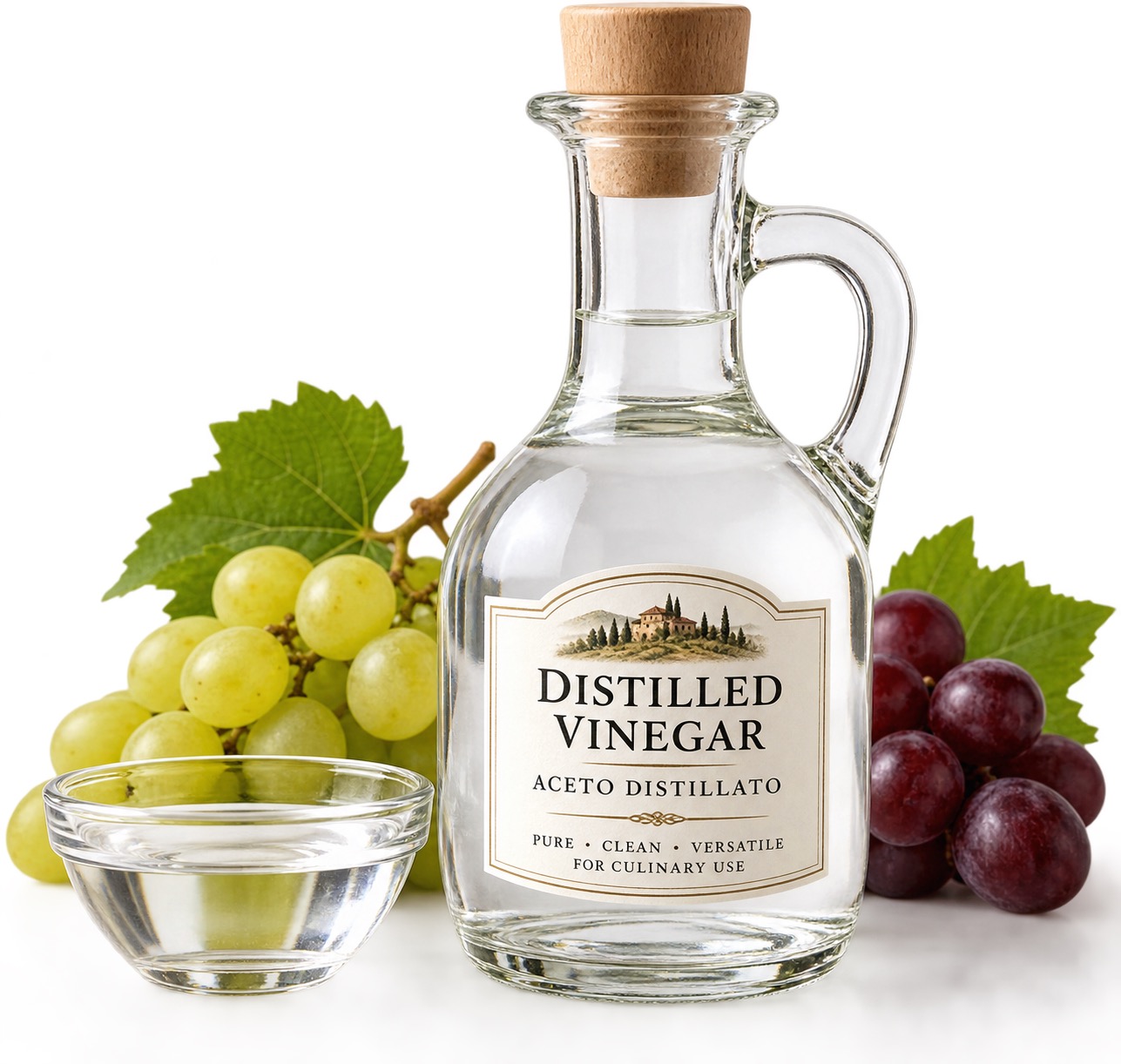 Distilled White Vinegar / Aceto Distillato
Clear, clean and neutral culinary acid • production, standardized acidity, nutrition, storage, pickling, dressings and Raspberry Mustard connection.
Distilled White Vinegar / Aceto Distillato
Clear, clean and neutral culinary acid • production, standardized acidity, nutrition, storage, pickling, dressings and Raspberry Mustard connection.
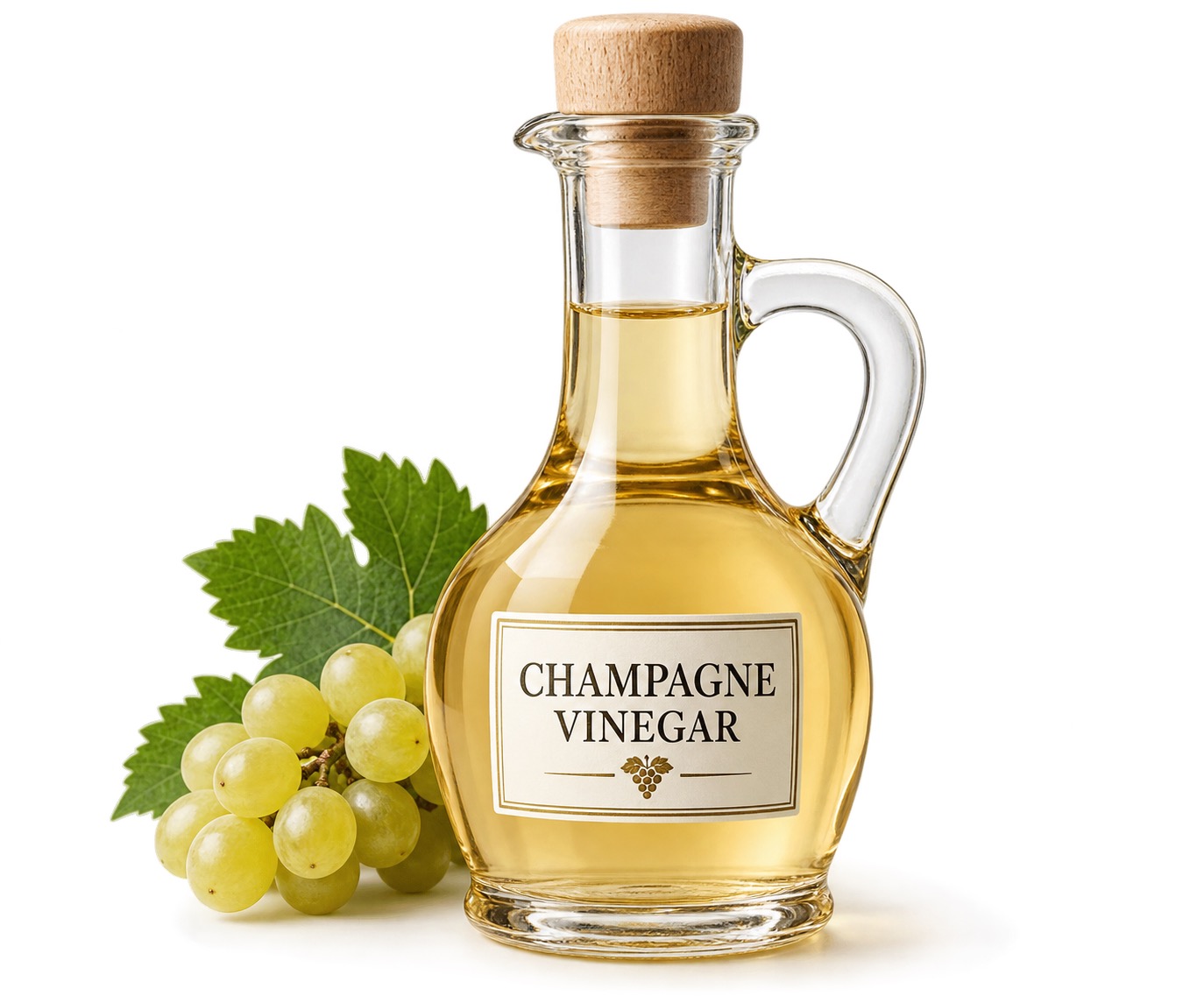 Champagne Vinegar
Delicate pale wine vinegar • history, types, quality, clean floral acidity, vinaigrettes, seafood, mignonette, sauces, marinades, storage and professional culinary uses.
Champagne Vinegar
Delicate pale wine vinegar • history, types, quality, clean floral acidity, vinaigrettes, seafood, mignonette, sauces, marinades, storage and professional culinary uses.
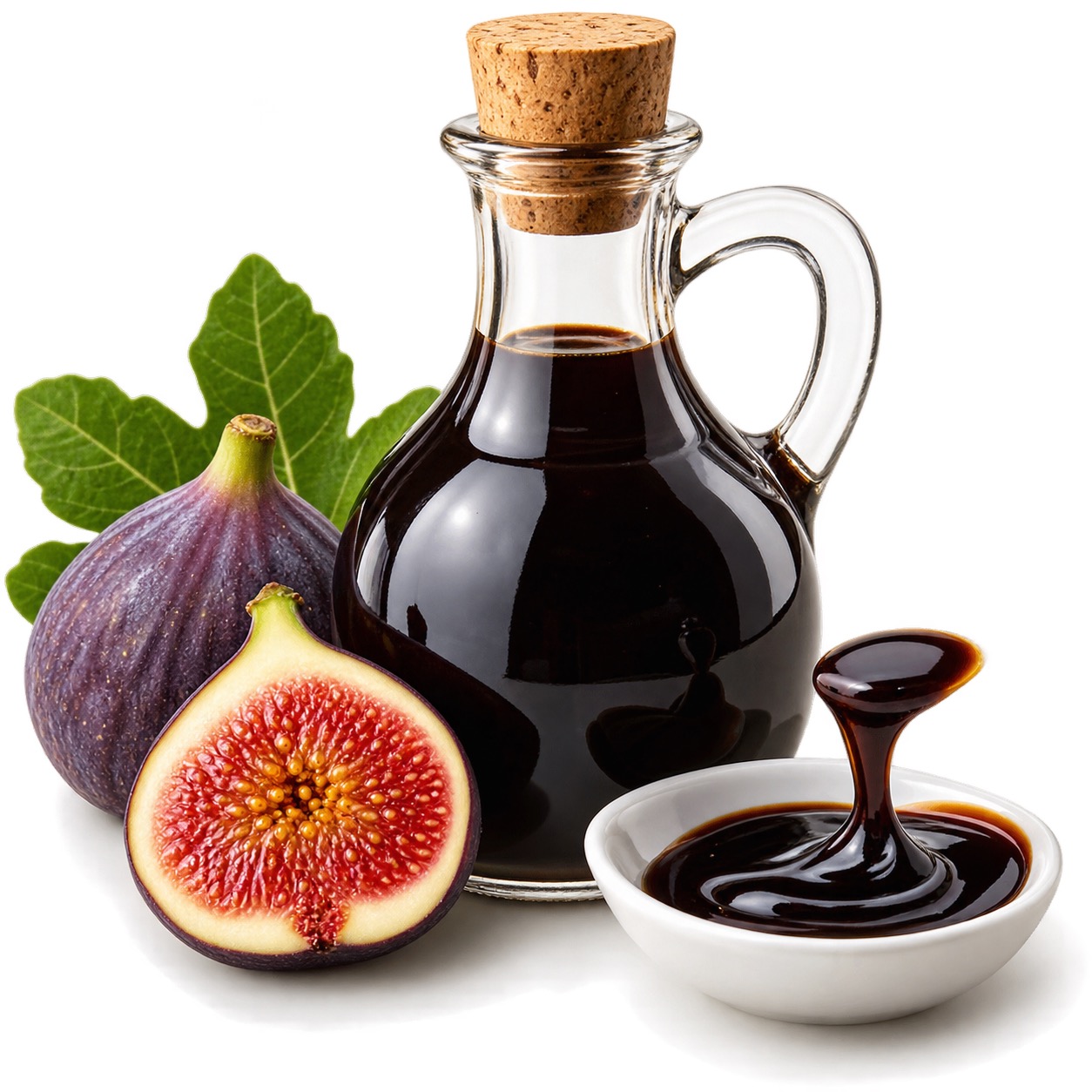 Balsamic Fig Glaze
Dark figs, balsamic vinegar and potable water • simmered, blended, fine-strained and reduced • production recipe, Live Inventory and Salad Station connection.
Balsamic Fig Glaze
Dark figs, balsamic vinegar and potable water • simmered, blended, fine-strained and reduced • production recipe, Live Inventory and Salad Station connection.
 Organic Fruit, Vegetable & Herb Vinegars
Organic red grape, apple and sweet basil vinegars • bright pantry acids for dressings, marinades, pickles, sauces and seasonal culinary use.
Organic Fruit, Vegetable & Herb Vinegars
Organic red grape, apple and sweet basil vinegars • bright pantry acids for dressings, marinades, pickles, sauces and seasonal culinary use.
Functional pantry ingredients used for gelling, thickening, stabilization and modernist techniques including direct and reverse spherification.
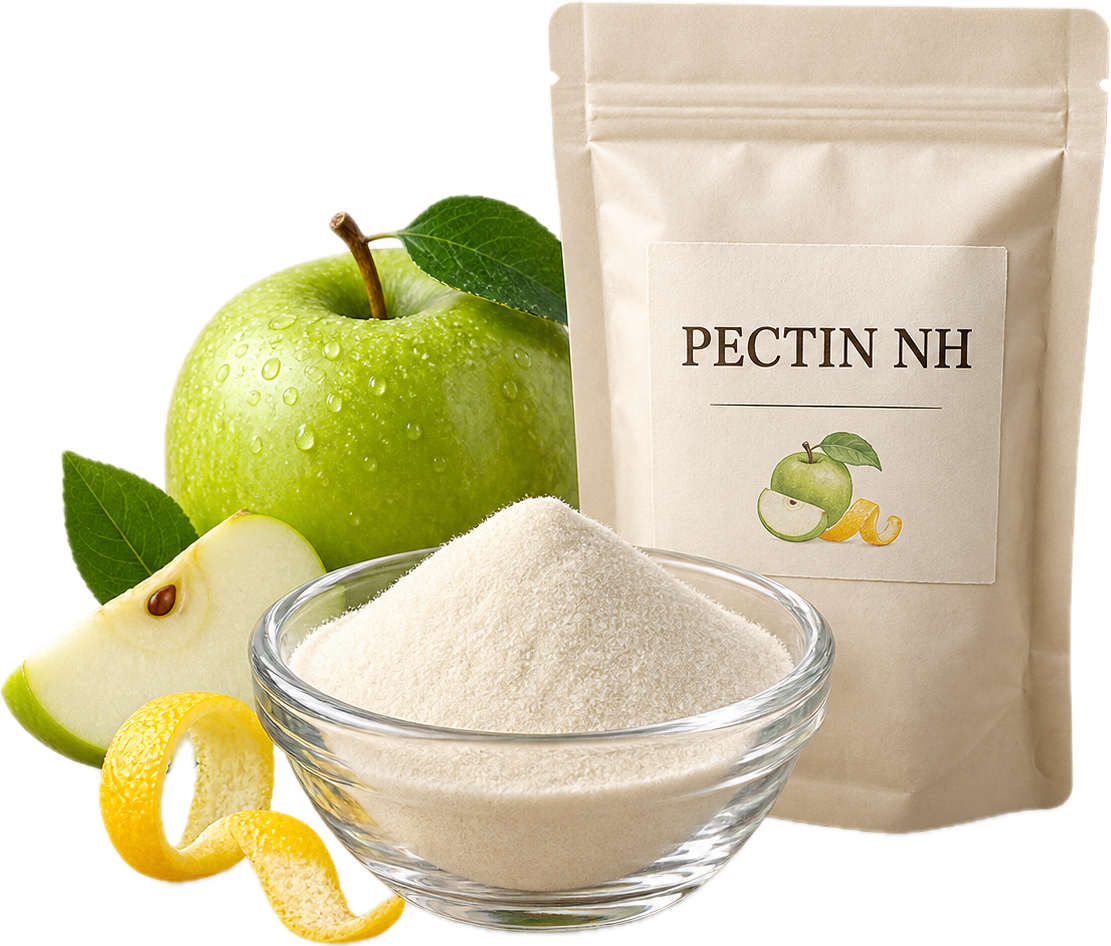 Pectin NH
Pectin families, production, dispersion, activation, troubleshooting, storage and recipe usage.
Pectin NH
Pectin families, production, dispersion, activation, troubleshooting, storage and recipe usage.
 Sodium Alginate
Brown-seaweed hydrocolloid • thickening, stabilization, spherification and Recipe 169.
Sodium Alginate
Brown-seaweed hydrocolloid • thickening, stabilization, spherification and Recipe 169.
 Calcium Lactate
Food-grade calcium salt • reverse spherification, calcium-alginate membrane and Recipe 169.
Calcium Lactate
Food-grade calcium salt • reverse spherification, calcium-alginate membrane and Recipe 169.
 Gelatin Sheets / Fogli di Gelatina
Leaf gelatin, Bloom strength, hydration, thermoreversible gelling and Recipe 170.
Gelatin Sheets / Fogli di Gelatina
Leaf gelatin, Bloom strength, hydration, thermoreversible gelling and Recipe 170.
 Xanthan Gum / Gomma Xantana
E415 / INS 415 • shear-thinning viscosity, sauce and beverage stabilization, Recipe 170.
Xanthan Gum / Gomma Xantana
E415 / INS 415 • shear-thinning viscosity, sauce and beverage stabilization, Recipe 170.
Study starch identity, extraction, cold dispersion, gelatinization, thickening, water binding, crisp coatings, storage and recipe usage.
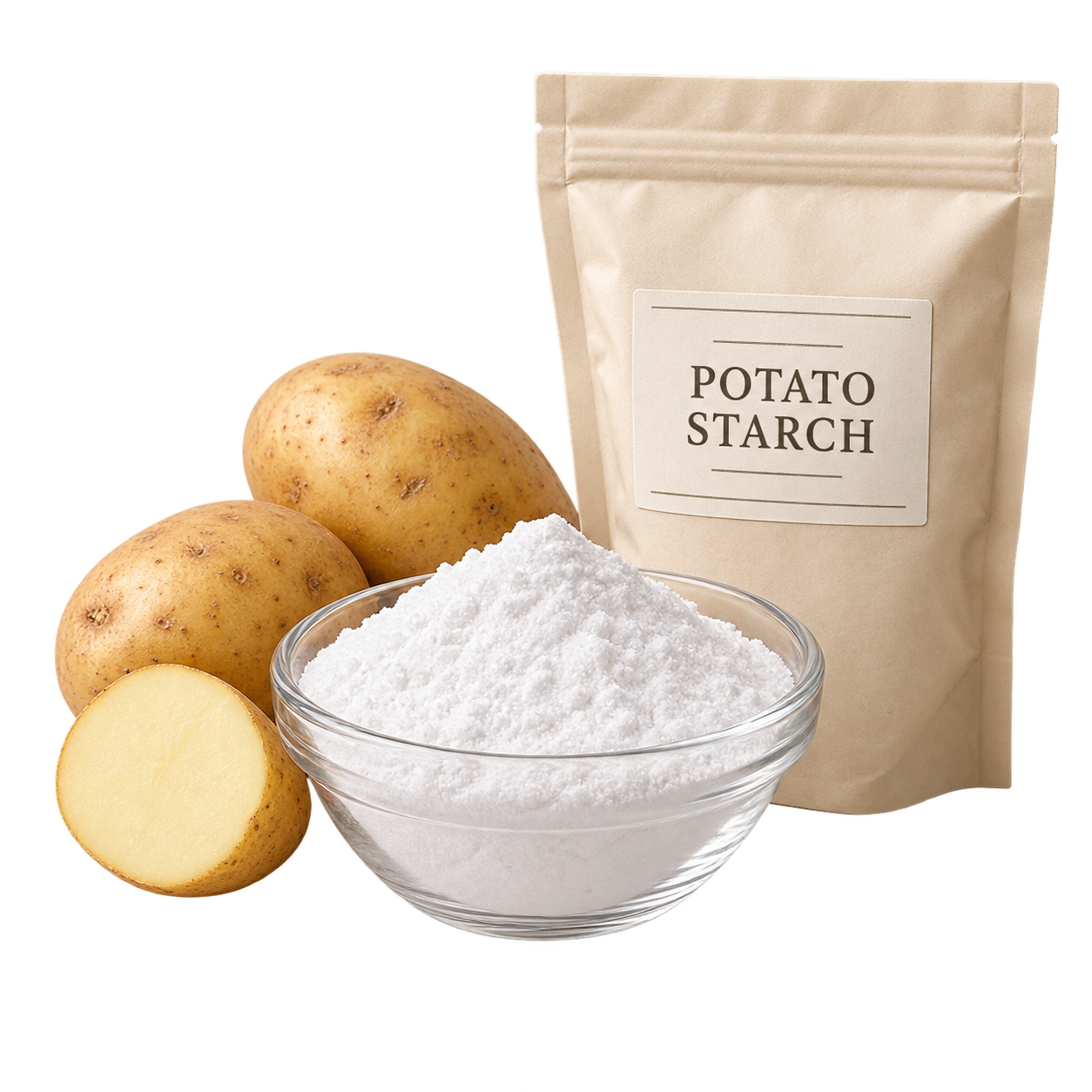 Potato Starch
Extraction, potato flour comparison, slurry technique, gelatinization, sauce thickening and crisp coatings.
Potato Starch
Extraction, potato flour comparison, slurry technique, gelatinization, sauce thickening and crisp coatings.
Culinary seeds used for texture, garnish, baking, sauces, pastes, seasoning blends, oil production and pantry preparation.
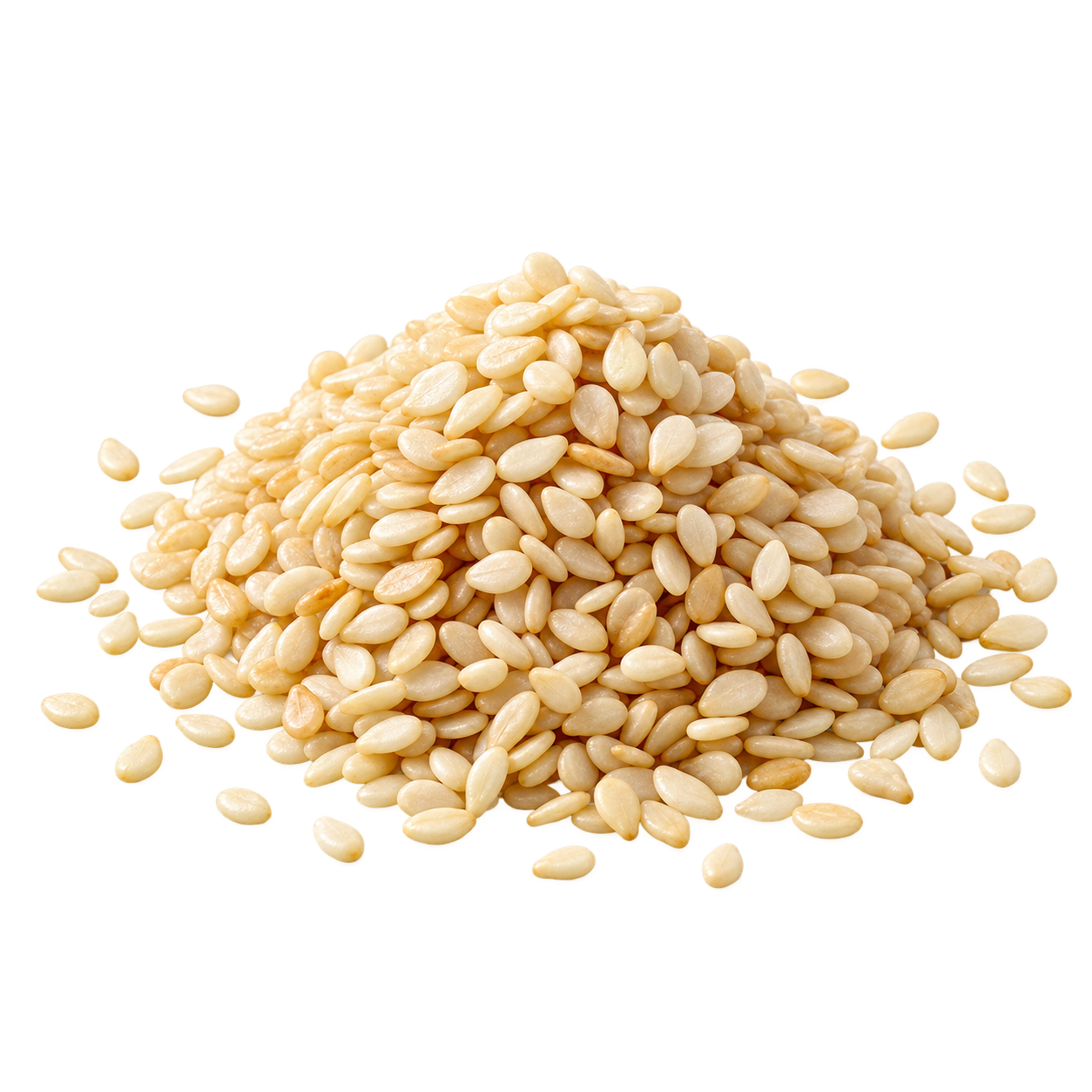 Sesame Seeds Ingredient Library
White, golden and black varieties • raw/toasted, hulled/unhulled, tahini, sesame oil and allergen safety.
Sesame Seeds Ingredient Library
White, golden and black varieties • raw/toasted, hulled/unhulled, tahini, sesame oil and allergen safety.
Shelf-stable dried fruits used for baking, savory preparations, stuffing, sauces, pastry, fermentation and pantry production.
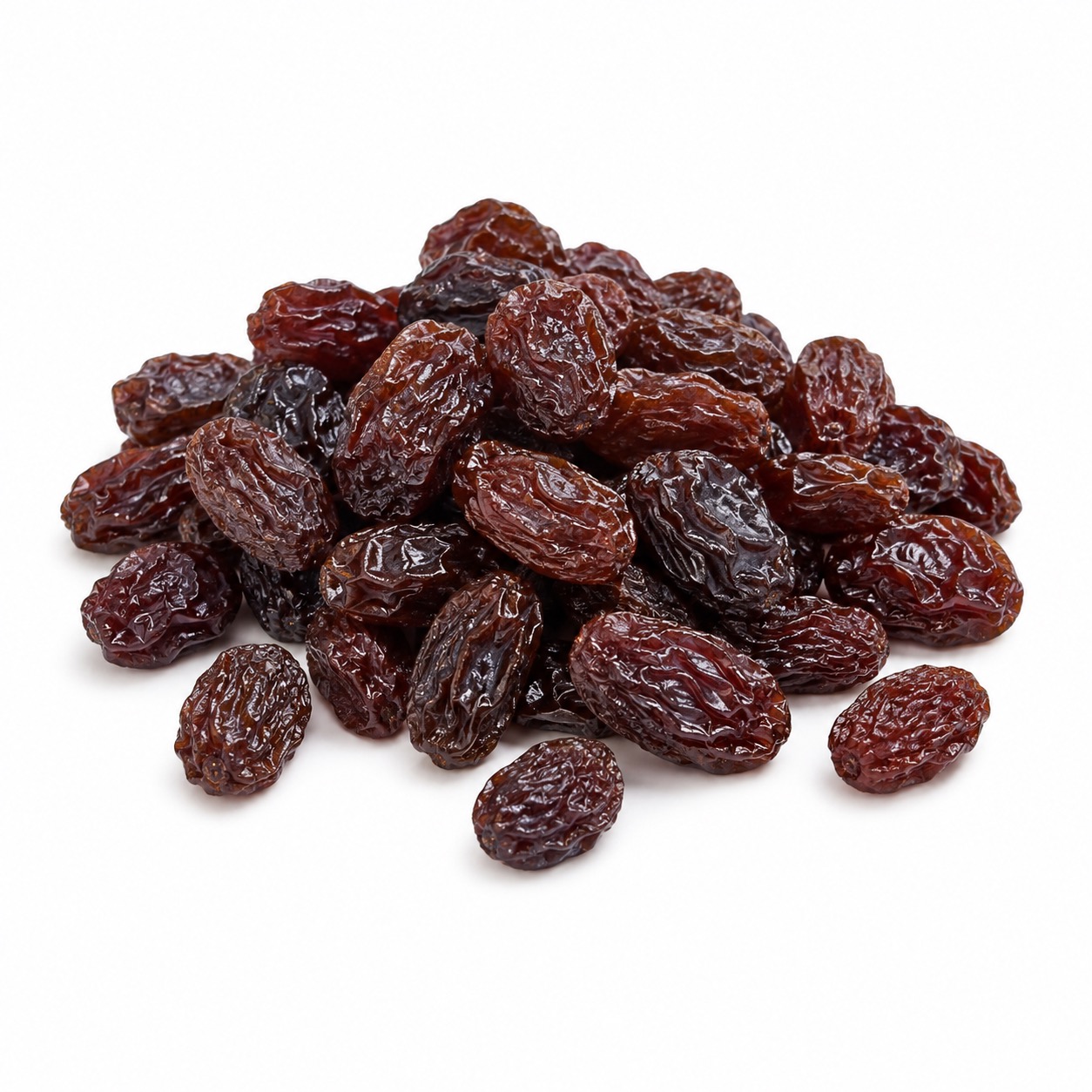 Raisins / Uvetta Ingredient Library
History, grape drying, varieties, quality, nutrition, storage, savory/pastry use and natural yeast water.
Raisins / Uvetta Ingredient Library
History, grape drying, varieties, quality, nutrition, storage, savory/pastry use and natural yeast water.
Professional flour, cornmeal and malt ingredients used for bread, pizza, pastry, pasta, polenta, fermentation, sauces and pantry production.
Polenta Flour / Cornmeal Ingredient Library
Yellow and white cornmeal • fine, medium and coarse grinds • milling, cooking times, water ratios, soft polenta, cooling, grilling, steaming and frying • Recipe 164.
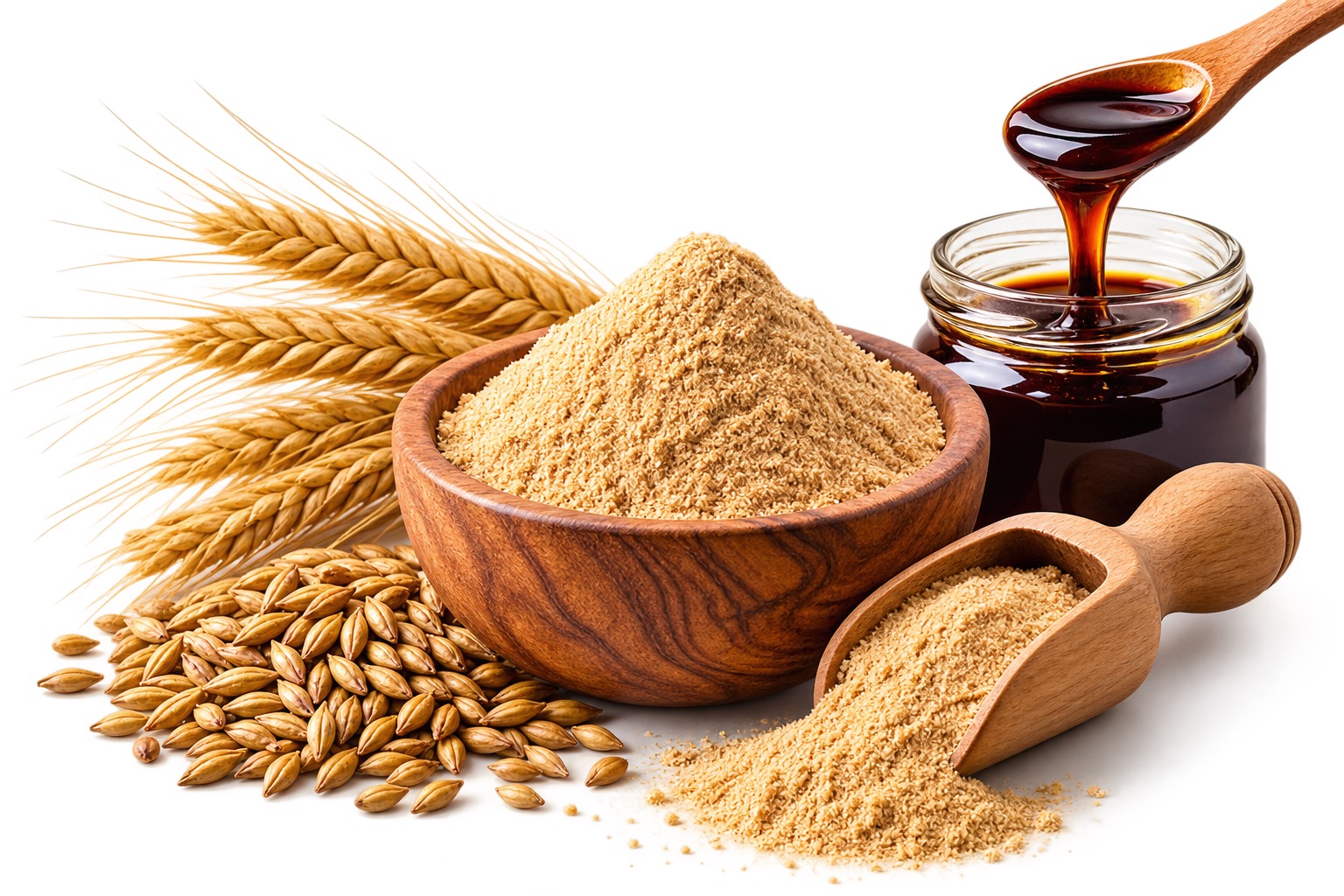 Dry Malt / Malt Powder
Diastatic and non-diastatic malt, malted barley flour and dry malt extract • baking, fermentation, sauces and brewing.
Dry Malt / Malt Powder
Diastatic and non-diastatic malt, malted barley flour and dry malt extract • baking, fermentation, sauces and brewing.
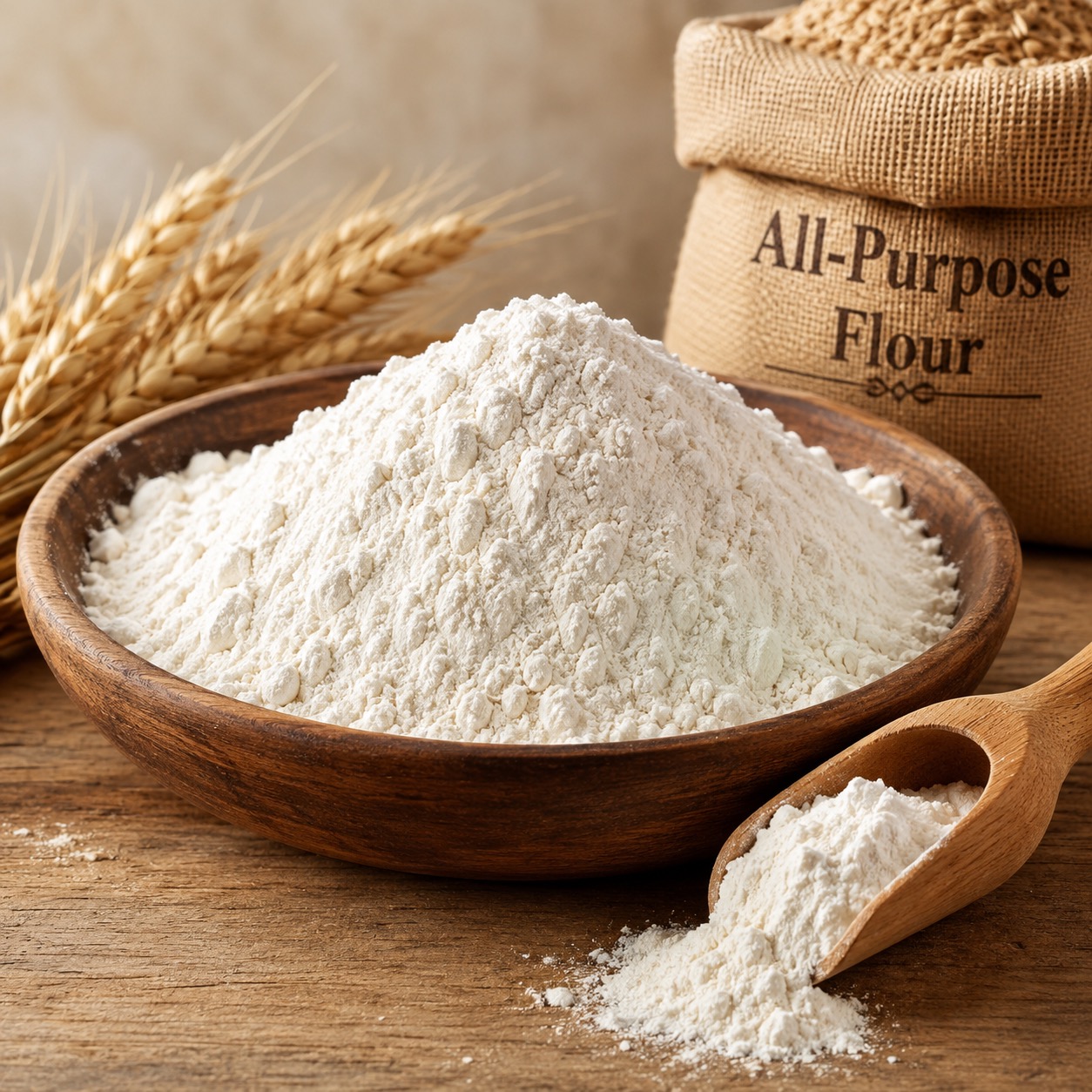 Professional Flour Library
Milling, flour strength, Italian 00 / 0, bread, pizza, pasta, pastry, semolina and professional flour selection.
Professional Flour Library
Milling, flour strength, Italian 00 / 0, bread, pizza, pasta, pastry, semolina and professional flour selection.
Whole and processed cereal grains used for soups, salads, risotto-style preparations, baking, malting, brewing and fermentation.
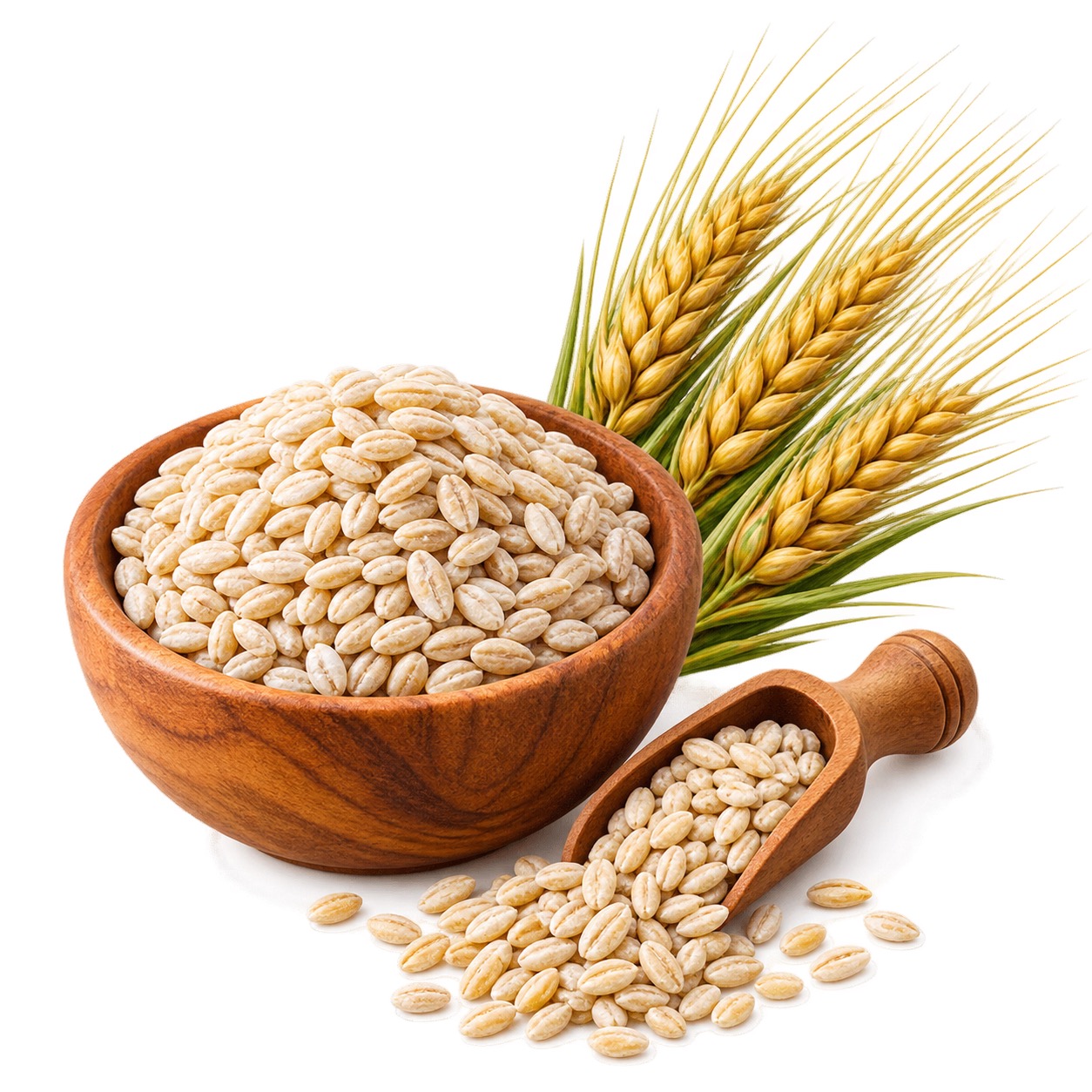 Barley / Orzo Ingredient Library
Hordeum vulgare • pearled, hulled and pot barley, barley flour, nutrition, malting, brewing and Recipe 161.
Barley / Orzo Ingredient Library
Hordeum vulgare • pearled, hulled and pot barley, barley flour, nutrition, malting, brewing and Recipe 161.
Shelf-stable tomato products used for sauces, soups, braises, seafood preparations, flavor bases and inventory-controlled pantry production.
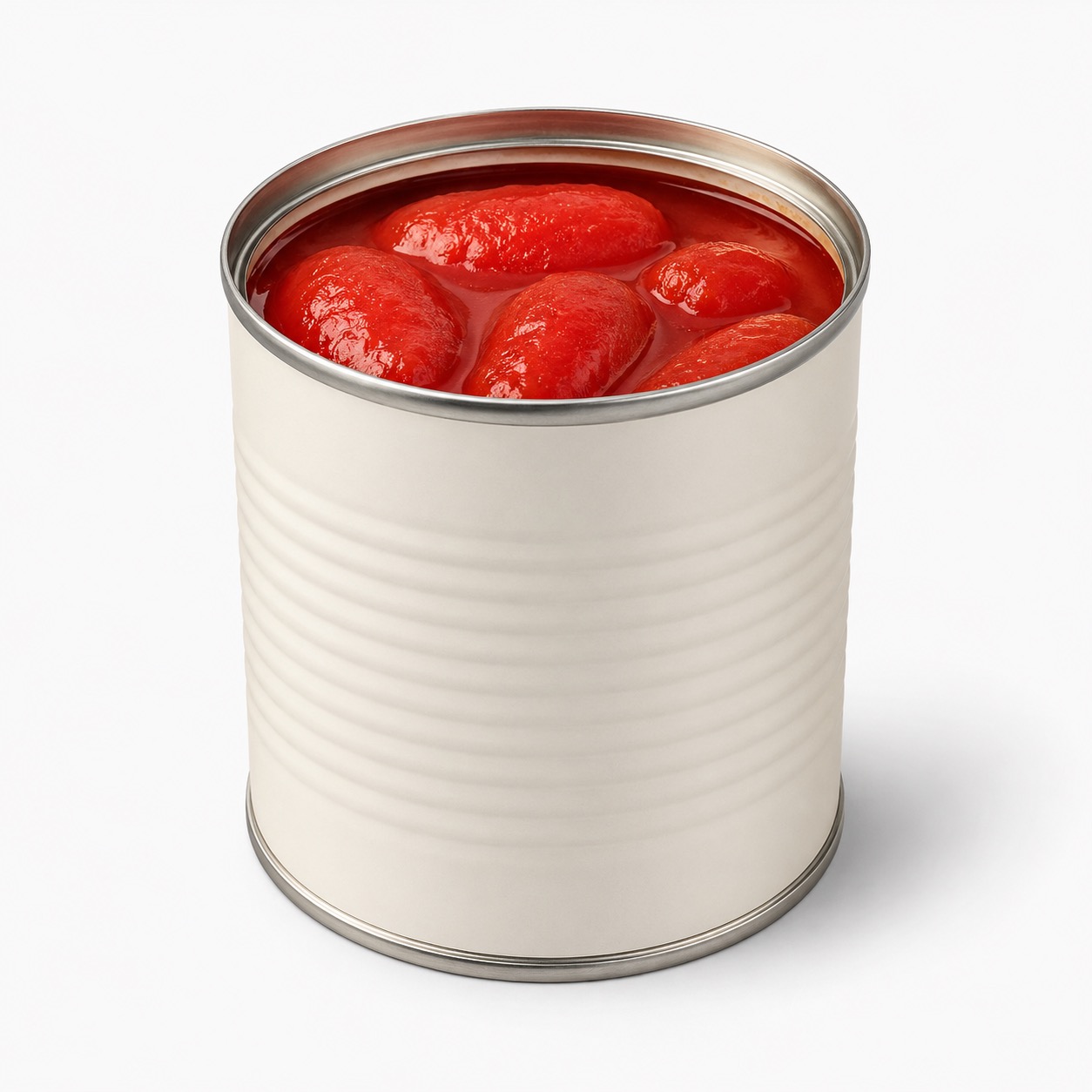 Canned Whole Peeled Tomatoes
Whole peeled tomato pantry identity • juice or purée pack • marinara, pomodoro, soups, braises and seafood.
Canned Whole Peeled Tomatoes
Whole peeled tomato pantry identity • juice or purée pack • marinara, pomodoro, soups, braises and seafood.
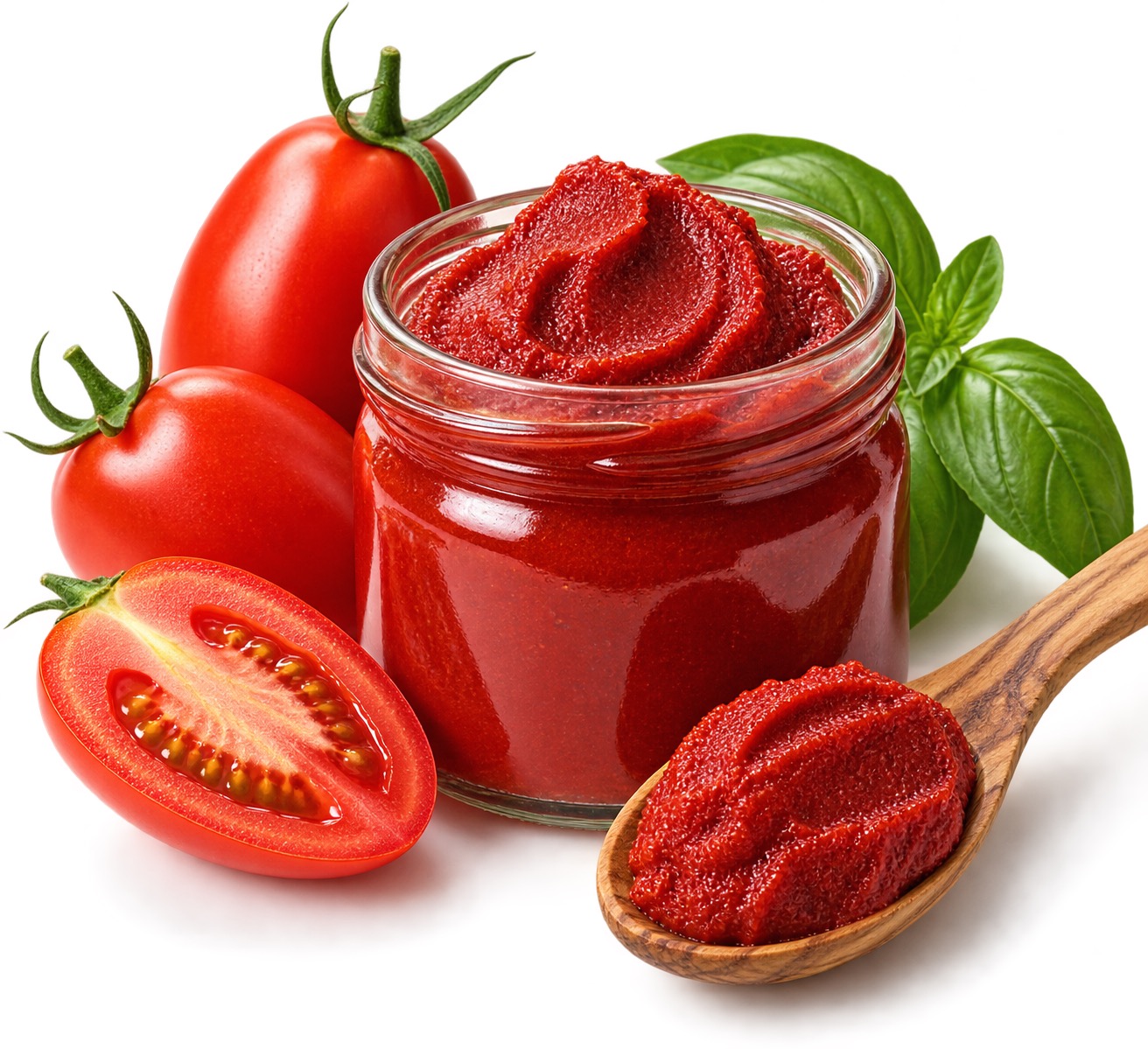 Tomato Paste
Concentrated tomato • color, body, umami and sauce enrichment • Recipe 162 and Live Inventory connection.
Tomato Paste
Concentrated tomato • color, body, umami and sauce enrichment • Recipe 162 and Live Inventory connection.
Ingredient pages are not isolated articles. They are educational records designed to connect the entire culinary platform.
Ingredient pages connect history, flavor, technique, seasonality and professional use with the Recipe Library and Culinary Academy.
Shared ingredient IDs, inventory IDs and icon paths are exposed on the cards so the same identity can be reused by Live Inventory, purchasing, receiving, station production and future operational tools.