
Portable nourishment
Eggs offered a recurring source of protein and fat without slaughtering the laying bird. Early uses included roasting, boiling, thickening and ritual foods.
Dairy & Eggs Ingredient · TC-EGG-WHOLE-001
Uovo · plural: Uova
A compact culinary system of protein, fat, water, lecithin, color and structure—capable of binding fresh pasta, lifting cakes, setting custards, emulsifying sauces and becoming an ingredient family when separated into yolk and white.
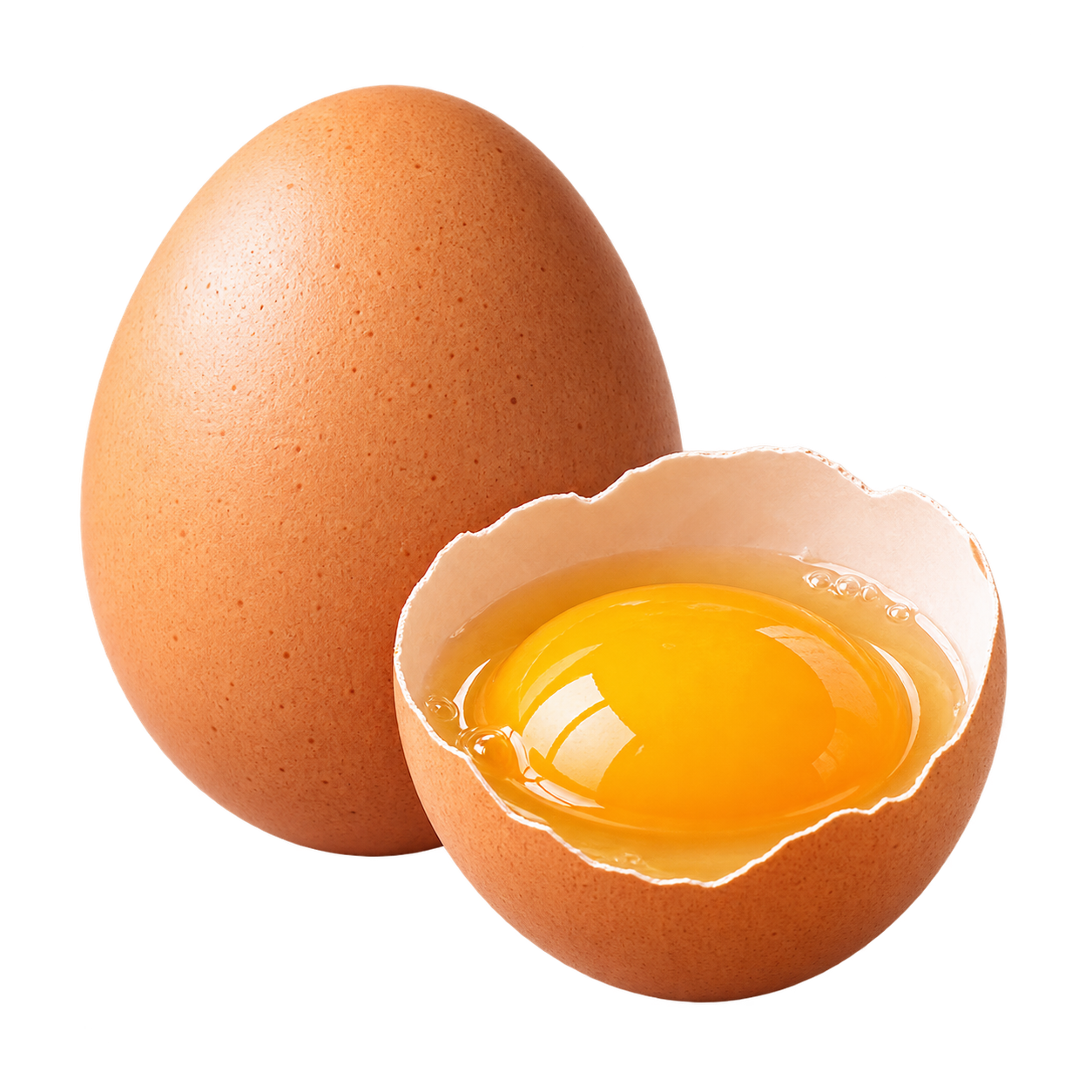
From domestication to professional kitchen
Humans cooked the eggs of wild birds long before poultry farming. Domestic chickens ultimately descend principally from red junglefowl populations of Southeast Asia; archaeology and genetics show that chicken dispersal was gradual and intertwined with agriculture, trade and changing human–animal relationships.
Eggs offered a recurring source of protein and fat without slaughtering the laying bird. Early uses included roasting, boiling, thickening and ritual foods.
Eggs became essential to filled pasta, enriched doughs, custards, fritters, zabaglione, fresh mayonnaise families and countless regional preparations.
Commercial systems now candle, grade, size, pack, date, refrigerate and trace shell eggs, while liquid, frozen and dried products serve high-volume kitchens.
Chef principle: heritage, breed and farm story can add menu value, but professional purchasing still requires verified grade, sound shells, cold-chain control, lot traceability and the correct product form for the preparation.
The quality hierarchy
Quality is not one marketing word. It combines measurable interior condition, freshness, shell integrity, handling, production verification, culinary performance and animal-care expectations.
Very firm, thick albumen; high, round yolk; small air cell; clean sound shell. Excellent when shape and white firmness matter—poaching, frying, refined presentation and premium pastry mise en place.
Firm, dependable interior quality suitable for fresh pasta, baking, scrambling, custards, sauces, batters and most restaurant production.
Thinner white and flatter yolk. Less common at retail; often directed to processed products. USDA notes lower-quality, older eggs can peel more easily after hard boiling.
| Check | What to look for | Culinary reason |
|---|---|---|
| Shell | Clean, uncracked, sound and dry; no leaking or strong odor | Protects the contents and reduces contamination risk |
| Cold chain | Received and held refrigerated according to local code | Controls microbial growth and preserves functional quality |
| Lot and pack data | Traceable supplier, pack date/lot code and rotation system | Supports HACCP, recalls, consistency and inventory |
| Interior | Firm white and centered, rounded yolk for premium use | Improves poaching shape, separation and appearance |
| Formula control | Weigh edible egg rather than relying only on count | Egg size and shell loss can change dough hydration and bake structure |
White, brown, blue and olive shells are primarily breed traits. USDA states that shell color does not determine grade or nutritional quality.
Jumbo, extra-large, large, medium, small and peewee are weight classes. A U.S. large egg averages about 24 ounces per dozen and roughly 50 g edible portion per egg.
Chicken eggs remain the primary record, and quail egg is now an active separate identity. Duck, goose and turkey eggs should also receive their own inventory records because size, richness, yield and culinary performance differ.
Hen treatment and purchasing claims
Good care begins with suitable genetics, balanced feed, clean water, ventilation, sanitation, biosecurity, nesting, litter, perches, room for natural behaviors, predator protection, low-stress handling and rapid collection. Verification matters more than romantic carton imagery.
USDA-verified cage-free hens can roam vertically and horizontally inside housing, with fresh food, water, litter and enrichments such as nests, perches and scratch areas.
Includes the cage-free indoor conditions plus continuous outdoor access during the laying cycle. Outdoor design, vegetation and usable space can still vary by farm.
USDA notes there is no single federal definition for the claim on graded eggs; qualifying products use recognized third-party certification. Read the certifier’s actual standard.
Certified organic poultry requires organic management, certified organic agricultural feed, preventive health practices and required outdoor access subject to allowed temporary confinement.
Golden is a spectrum
Carotenoids such as lutein and zeaxanthin from feed influence yolk color. Corn, marigold, alfalfa and other pigment-rich feed components can move yolks from pale yellow toward deep orange. A dark yolk may be visually desirable, but color alone does not prove freshness, welfare, grade or superior nutrition.
Often associated with lower-pigment grain rations. Still fully usable when grade, freshness and handling meet specification.
The familiar all-purpose color for baking, egg cookery and everyday fresh pasta.
Useful when a chef wants stronger natural color in tagliolini, ravioli dough, custards and plated yolks.
A feed-driven color target. Evaluate flavor, freshness, grade and supplier standards independently.
Fresh pasta purchasing: specify edible egg or yolk weight, grade, pasteurization status and desired yolk-color range. Do not write “orange yolk” as a substitute for a complete quality specification.
Culinary function
Proteins coagulate with heat, setting cakes, custards, fillings, meatballs, breading and savory brûlée while binding water and particles.
Yolk phospholipids—especially lecithin—help combine fat and water in mayonnaise, hollandaise, enriched dough and smooth sauces.
Whipped whites form protein films around air bubbles for meringues, soufflés and sponge cakes; whole eggs can also build foam when properly whipped.
Yolk adds fat, pigments, tenderness, aroma and browning. Egg wash gives breads and pastry gloss, color and adhesion.
Whole egg balances water, protein and yolk fat. Yolk-rich dough becomes silkier and more intensely colored. Flour absorption changes, so standardize the egg weight—not merely the number of shells cracked.
Whole egg sets structure; yolk emulsifies and tenderizes; white dries, firms and foams. A trace of yolk fat can inhibit a delicate white foam, so use clean, grease-free tools.
Eggs enrich fillings, bind gratins, clarify consommé, finish sauces and form custards. Gentle, even heat limits curdling and sulfurous flavors.
Ingredient family
Separating an egg changes its function, yield, nutrition, storage risk and inventory cost. Tuscany Cuisine therefore treats yolk and white as child ingredients connected to the whole-egg record.
Function: balanced binding, setting, emulsifying, enrichment and whole-egg foaming.
Best for: fresh pasta, cakes, custards, breakfast, egg wash and savory fillings.
TC-EGG-WHOLE-001 · whole_eggsFunction: fat, lecithin, pigments, richness, emulsification and tenderization.
Best for: yolk pasta, crème anglaise, curds, mayonnaise, hollandaise and enriched pastry.
TC-EGG-YOLK-001 · egg_yolkFunction: lean protein, foam, clarification, adhesion, structure and crisp drying.
Best for: meringue, macarons, soufflé, royal icing, consommé raft and breading.
TC-EGG-WHITE-001 · egg_whiteProduction rule: label separated yolks and whites with product, quantity, date/time, source lot and use-by limit. Keep refrigerated, prevent shell contact and cross-contamination, and prefer pasteurized separated products for uncooked applications.
Egg species identity · active ingredient record
Quail eggs are treated as their own Tuscany Cuisine ingredient identity rather than as a small chicken egg. Their compact size makes them especially useful for amuse-bouche, canapés, elegant garnishes, tasting menus and single-bite preparations.

The small speckled shell and proportionally rich yolk make quail egg a distinctive premium ingredient. In professional production, count is useful for purchasing, while grams remain the preferred base unit for recipe scaling, yield control and inventory deduction.
Culinary applications: baked or soft-set appetizers, composed salads, canapés, tartlets, garnishes, tasting-menu bites and refined small-plate presentations.
Handling: keep refrigerated and traceable, discard damaged shells, prevent cross-contact, and follow the same egg-allergen controls used for chicken eggs. For raw or lightly cooked service, follow applicable food-code and pasteurization requirements.
TC-EGG-QUAIL-001 · quail_egg · /academy/ibrary/dairy/quail.png Recipe 173: Baked Quail Egg in a Shaved Asparagus Nest →Platform connection: this record gives Recipe 173 an exact quail-egg identity and icon, allowing recipe cards, Live Inventory, station prep, Menu Builder and purchasing logic to distinguish quail_egg from whole_eggs.
Nutrition and health
A large egg provides roughly 6 g of complete protein. The yolk carries most of the fat, choline, vitamins A, D, E and B12, and carotenoids; the white contributes water and high-quality protein with little fat. Exact values vary by size, feed and analytical record.
Egg protein supplies all indispensable amino acids and supports tissue maintenance. Both yolk and white contain protein; discarding either changes the nutrition and food waste profile.
Egg yolk is a concentrated dietary source of choline, an essential nutrient involved in cell membranes, neurotransmitter synthesis and normal liver function.
Yolk carries carotenoids studied for their role in the eye’s macula. Feed can change both concentration and visible yolk color.
Allergy and food safety
Egg is one of the major allergens identified by FDA. Many important allergenic proteins are in the white, but yolk and products containing egg must still be managed and labeled as egg allergens. Separation does not make either fraction reliably safe for an egg-allergic guest.
FDA advises receiving clean, sound eggs under refrigeration and using pasteurized eggs or egg products for raw or insufficiently cooked foods such as mayonnaise, hollandaise, mousse, eggnog, ice cream and egg-fortified beverages.
Do not wash retail eggs before storage: commercial eggs are processed under regulated systems, and casual washing can spread contamination or damage the protective surface. Handle shells as raw-animal-product contact surfaces and follow supplier and local health-department guidance.
Circular kitchen thinking—with a safety boundary
Chicken eggshell is largely calcium carbonate. Research has examined processed eggshell powder as a calcium source, and limited human studies suggest that properly prepared formulations can deliver bioavailable calcium. That evidence does not make home-ground shell a standardized or automatically safe supplement.
A qualified manufacturer may use documented washing and sanitation, membrane control, validated heat treatment, dehydration, milling or micronization, and protected packaging.
Professional use requires specifications for microbiology, particle size, calcium content, heavy metals, allergens, shelf life, lot traceability and permitted food use.
Food-grade eggshell calcium may be evaluated for fortified baked goods or beverages. It does not reproduce the binding, foaming, emulsifying or setting function of whole egg.
No home smoothie instruction: washing, boiling, dehydrating and grinding kitchen shells does not validate pathogen destruction, contaminant limits, particle size or a medically appropriate calcium dose. Do not add homemade shell powder to smoothies or recipes for human consumption. Use only a legally marketed, supplier-verified food-grade ingredient and consult a qualified health professional when it is used as a calcium supplement.
Gluten-free and dairy-free applications: a certified food-grade eggshell calcium ingredient may be compatible with formulas that contain no gluten or dairy, subject to supplier certification and cross-contact control. It remains egg-derived, may require egg-allergen labeling, and is not appropriate for egg-free or vegan menus.
Safer kitchen diversion: where local rules permit, shells can enter a managed composting or commercial recovery stream instead of a human-food formula.
Major markets and distribution
FAO’s 2025 Statistical Yearbook shows hen-egg production concentrated in large population and poultry economies. China is the dominant producer; the United States and India form another major tier, with Mexico, Brazil, Japan, Russia, Indonesia, Thailand and other regional producers supporting large domestic markets. Shell eggs travel less efficiently than dried or liquid egg products, so processing expands international distribution.
| Distribution form | Primary users | Purchasing advantage |
|---|---|---|
| Shell eggs | Restaurants, retail, bakeries and households | Visible freshness and direct culinary use; requires careful handling and shell-waste management |
| Chilled liquid egg | Food service, commissaries and industrial baking | Pasteurized options, faster scaling, no shell waste and easier HACCP control |
| Frozen egg products | Manufacturing and long-cycle production | Extended storage and standardized whole, yolk or white formulas |
| Dried egg powder | Global manufacturing, mixes and emergency supply | Efficient transport, long shelf life and low water weight |
Market note: production and trade rankings change with disease events, feed prices and annual reporting. The page identifies the major production structure; purchasing dashboards should use current supplier and official market data for live decisions.
Tuscany Cuisine ingredient intelligence
The whole-egg record connects recipes to Menu Builder, production, station pick lists, Live Inventory, purchasing and allergen controls. Yolk and white remain linked child records so future recipes can calculate their separate yield and cost.
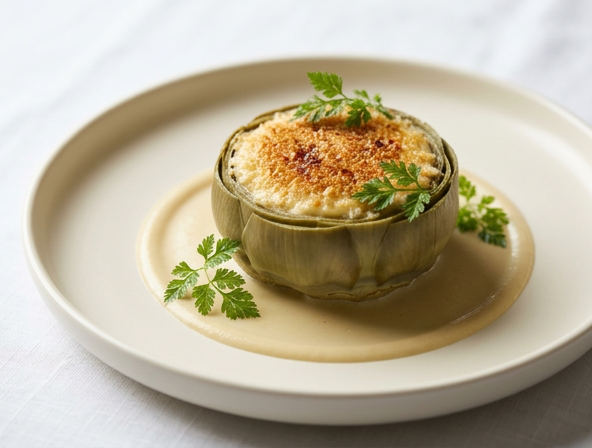
Four whole artichokes filled with a savory egg, milk and Parmigiano custard, then finished with crisp panko gratin.
Recipe: APP-ARTICHOKE-0151 · Station: Antipasti · Inventory: whole_eggs
Open recipe →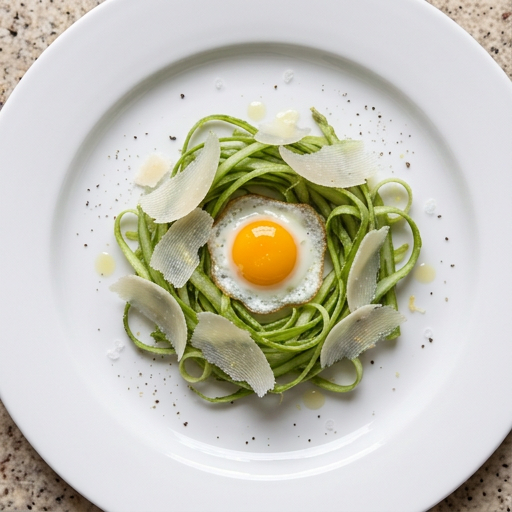
A refined one-bite appetizer with shaved asparagus, gently baked quail egg and white truffle olive oil.
Recipe: APP-QUAIL-ASPARAGUS-0173 · Station: Antipasti · Inventory: quail_egg
Open recipe →2 confirmed egg-family recipes are registered: whole chicken egg and quail egg.
ConnectedEgg identity and allergen data are ready.
ReadyWeight-based scaling supports batch control.
ReadyWhole egg, yolk, white and quail egg can route separately.
ReadyInventory IDs whole_eggs and quail_egg are registered.
ReadyChicken and quail egg purchasing can normalize to grams.
ReadyCanonical match order: chicken egg uses TC-EGG-WHOLE-001 → whole_eggs; quail egg uses TC-EGG-QUAIL-001 → quail_egg. Yolk and white retain their own child codes. Species identities must never overwrite one another.
Quick reference
Choose refrigerated Grade AA or A eggs from a traceable supplier, then weigh the edible whole egg or yolk. Select a yolk-color specification only when the finished pasta color matters.
No. Shell color is primarily a breed characteristic and is not a USDA quality-grade factor.
No. Cage-free refers to indoor mobility and enriched housing. USDA-verified free-range includes outdoor access during the laying cycle.
A plain egg contains neither milk nor gluten, but it is its own major allergen. Prepared egg products and kitchen cross-contact must still be verified before making a dietary claim.
Research and standards