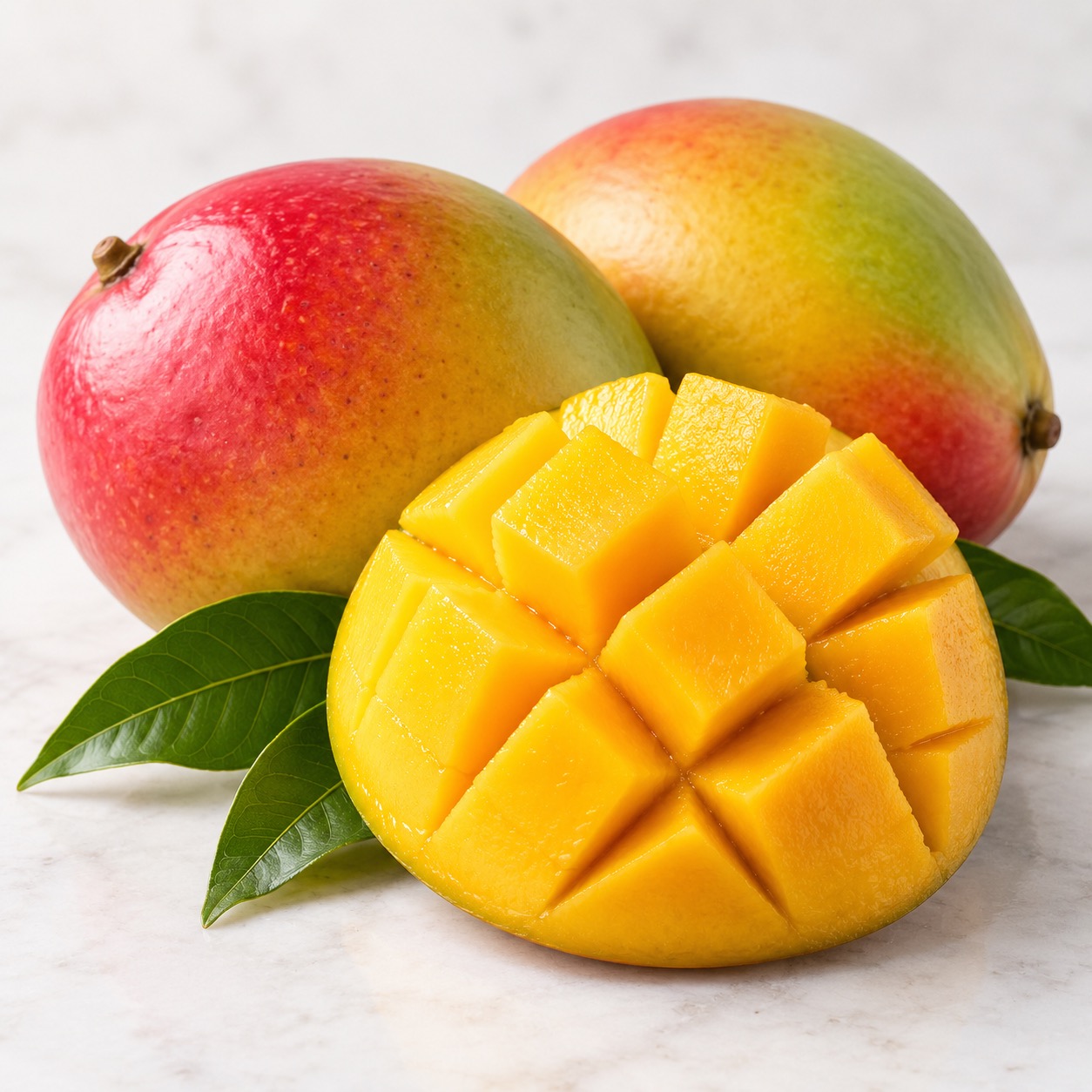
Published ingredient icon
Mango
Icon file: manghi.webp · Ingredient code: TC-FRUIT-MANGO-001
Connected ingredient system
One mango identity across Tuscany Cuisine
This page establishes the Mango ingredient identity used by recipe pages, the Salad Station, Menu Builder, Live Inventory, Purchasing & Receiving, ingredient-icon synchronization, nutrition-driven search and the Culinary Academy.
Mango / Ripe Mango
- Ingredient IDripe_mango
- Inventory IDripe_mango
- CategoryProduce → Fruit → Tropical Fruit
- Base unitgram (g)
- Count uniteach · variable weight
- Icon IDTC-ICON-FRUIT-MANGO-001
- Icon path/academy/ibrary/fruit/manghi.webp
- Page/academy/ibrary/fruit/Mango.html
- Yield planning65% edible flesh planning target; verify by cultivar/case
Checking the shared ingredient library…
Platform destinations
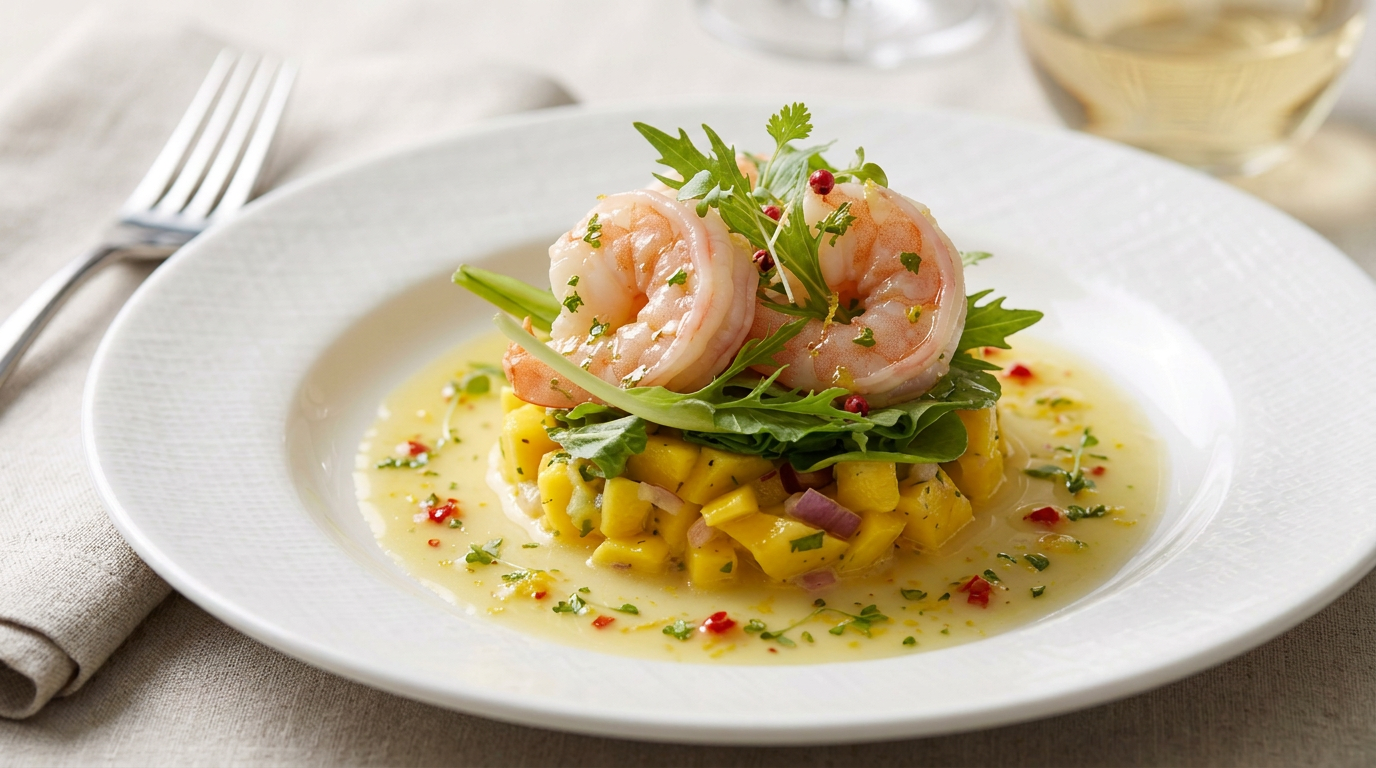
- Mango & Shrimp Salad is published as a connected recipe below.
The master code is TC-FRUIT-MANGO-001. The inventory ID remains ripe_mango so the existing Mango & Shrimp Salad inventory mapping can transition to the permanent ingredient identity without losing its current inventory reference.
Origin and culinary history
From tropical Asia to a world fruit
Mango belongs to an Asian genus with deep cultural and agricultural roots. Kew places the native range of Mangifera indica from Assam through the eastern Himalaya, Myanmar and Thailand into south-central China; centuries of cultivation then carried mango far beyond that range.
-
Mango became deeply established in the food culture of South Asia, where ripe fruit, green fruit, pickles, preserves and dried souring products developed into distinct regional traditions.
-
Seeds and planting material traveled with people and trade routes across Asia and toward East Africa and the Middle East, helping mango move from regional crop to pan-tropical fruit.
-
Portuguese and Spanish maritime networks accelerated the movement of mangoes through Africa and into the Americas, where new climates and local cuisines produced new cultivar and street-food traditions.
-
Commercial breeding, Florida selections and export-oriented production expanded cultivars such as Haden, Tommy Atkins, Kent and Keitt.
-
Mango is cultivated throughout the tropics and subtropics and is sold fresh, dried, frozen, puréed, juiced, pickled and preserved across global food systems.
Traditions around the world
One fruit, many culinary identities
Mango is unusual because chefs can treat the same fruit as a sour vegetable while green and as a fragrant dessert fruit when ripe.
India & South Asia
Green mango: achar/pickle, chutney, relishes, curries and dried amchur powder for acidity. Ripe mango: eaten fresh and used in lassi, sweets, kulfi, purées and desserts. Mango carries deep seasonal and cultural importance.
Thailand & Southeast Asia
Ripe mango is famously paired with coconut sticky rice. Green mango is shredded into spicy salads and paired with chile, fish sauce, herbs, salt, sugar or savory dipping mixtures.
Philippines
Carabao/Manila-type mangoes are prized for smooth sweet flesh. Ripe mango appears in desserts, shakes, pastries and dried fruit; green mango is commonly eaten crisp with salt or savory bagoong, and is also pickled.
Mexico & Latin America
Mango is eaten fresh, in aguas frescas, paletas, salsas and fruit cups. Street preparations commonly combine mango with lime, chile and salt, using acidity and heat to sharpen the fruit's sweetness.
Caribbean
Mango appears in chutneys, pepper sauces, juices, preserves, salads and savory accompaniments. Firm or green fruit is especially useful where acidity and texture are needed beside grilled or spiced foods.
Modern restaurant kitchens
Mango bridges pastry and savory stations: crudo, ceviche-style preparations, composed salads, glazes, hot sauces, vinaigrettes, chutneys, sorbets, mousses, coulis, cocktails and frozen desserts.
Cultivar guide
Choose the mango for texture, sweetness and service
Color alone does not tell you whether a mango is ripe. Cultivars differ greatly in fiber, sweetness, acidity, aroma, firmness and usable yield.
Tommy Atkins Durable
Firm, relatively fibrous flesh with tart-sweet tropical character. Excellent shipping durability and useful structure for dice, salsas and applications where the fruit must hold shape.
Kent Juicy
Sweet, aromatic, juicy and usually less fibrous. Strong for fresh eating, purée, sauces, desserts and refined plated work.
Keitt Firm
Sweet, firm and juicy, often remaining green externally when ripe. Excellent when clean cuts and late-season availability matter.
Honey / Ataulfo Creamy
Small, golden, smooth and low-fiber with a rich sweet-tart profile and peachy tropical aroma. Excellent for purées, sauces, pastry, smoothies and refined garnish.
Haden Aromatic
Historic Florida cultivar with colorful skin and a sweet, aromatic, slightly tart flavor. Important in the ancestry of several commercial mango selections.
Kesar Indian
Highly aromatic, sweet and generally fiber-free with deep saffron-orange flesh. Prized for eating fresh, desserts, dairy preparations and purées.
Carabao / Manila Philippine
Thin-skinned, tender and typically low-fiber with fragrant sweet flesh. Especially suited to fresh fruit, desserts, dried mango and smooth purées.
Palmer Mild
Oblong fruit with firm flesh and mild sweetness. Useful for slicing, cubing and service where shape retention is important.
Nam Dok Mai Thai
Elongated, intensely sweet and perfumed with smooth flesh. A classic choice for fresh dessert presentations and Thai-style mango with sticky rice.
Selection and quality
Judge mango by feel, aroma and purpose
Ignore red blush as a ripeness rule
Red skin can be characteristic of a cultivar and is not a dependable maturity indicator. Green fruit can be fully ripe.
Match firmness to technique
Use firm-ripe fruit for clean dice and salads, softer ripe fruit for purée and sauces, and mature green mango for pickles, slaws and sour preparations.
Check aroma and flesh
Ripe mango should smell fragrant near the stem and have juicy yellow-to-orange flesh without gray breakdown, sour fermentation or excessive stringiness.
Record usable yield
Seed size and peel loss vary by cultivar. Use 65% edible flesh as a planning target, then record real case yield for purchasing and food-cost accuracy.
Receiving specification
- Fruit appropriate to the requested maturity stage
- Uniform size within the purchased grade
- No active decay, mold, leaking juice or fermented odor
- No severe sapburn, deep bruising, cuts or shriveling
- Firm fruit reserved for staged ripening
- Ripe fruit yields slightly and evenly to gentle pressure
- FIFO rotation by ripeness stage as well as delivery date
- Track supplier, cultivar, case weight and usable yield
Ripening, shelf life and storage
Protect aroma without causing chilling injury
Mango is a climacteric fruit: after harvest it continues to ripen and produces ethylene. Professional storage therefore depends on maturity stage.
| Condition | Temperature / handling | Practical shelf-life guidance |
|---|---|---|
| Firm / unripe whole mango | Ripen at room temperature away from direct sun. A paper bag can speed ripening. | Usually several days, depending on cultivar and maturity when received. |
| Ripe whole mango | Refrigerate after the desired softness and aroma are reached. | Use within several days for best eating quality. |
| Professional mature-green storage | UC Davis reference: about 13°C / 55°F and 90–95% RH. | Commercial postharvest potential about 2–4 weeks in air, depending on cultivar and maturity. |
| Partially ripe / ripe commercial storage | UC Davis reference: about 10°C / 50°F and 90–95% RH. | Use as soon as practical; quality declines with continued softening and excessive cold can damage less-ripe fruit. |
| Cut mango | Clean covered container at 40°F / 4°C or below. | Tuscany Cuisine house quality target: 2–3 days. Keep cut fruit out of the temperature danger zone and discard if spoiled. |
| Frozen dice / purée | Freeze promptly in airtight food-safe packaging. | Excellent for future sauce, smoothie, pastry and sorbet production; quality is best when used within several months. |
UC Davis notes that optimum commercial conditions differ by ripeness stage and that mangoes can suffer chilling injury. The 2–3 day cut-fruit target above is a conservative Tuscany Cuisine quality standard rather than a universal regulatory shelf life.
Nutrition
Sweet fruit with vitamin C, folate and carotenoids
Mango is naturally low in fat and sodium. Nutrient values vary slightly by cultivar and ripeness; the reference below reflects raw mango.
Nutrition Facts
Approximate USDA raw-mango reference values.
A 124 g serving supplies about 45 mg vitamin C, roughly half the current U.S. Daily Value.
Mango contributes folate and copper along with smaller amounts of several other vitamins and minerals.
Fresh mango contributes dietary fiber and is naturally high in water, making it a fresh fruit rather than a concentrated sweetener.
The golden-orange flesh reflects carotenoid pigments; intensity varies with cultivar and ripeness.
Flavor development
Mango changes dramatically as it ripens
Ripening converts starch toward sugars, lowers perceived acidity and develops carotenoid color and aromatic volatiles. The best stage depends on the dish—not every mango should be fully soft.
Professional culinary applications
Use ripeness as a technique
Fresh & savory
Dice for salads, seafood crudo, tuna or shrimp preparations, salsas and grain salads. Mango pairs especially well with lime, lemon, chile, ginger, herbs, shallot, seafood, avocado and bitter or peppery greens.
Sauces & dressings
Blend into mango vinaigrette, coulis, chutney, glaze, hot sauce, gastrique-style fruit sauces, marinades and purées. Balance sweetness with acid, salt and aromatic heat.
Pastry & beverage
Sorbet, gelato, mousse, panna cotta garnish, tart filling, compote, jam, dried fruit, smoothie, lassi, agua fresca, cocktail and non-alcoholic beverage applications.
Green mango technique
Treat unripe mango as a culinary acid
Best green-mango uses
- Salt or oil pickles
- Chutneys and relishes
- Spicy shredded salads and slaws
- Curries and souring preparations
- Fermentation and preserved condiments
- Dried slices or amchur-style sour powder
Why it works
Green mango has firm structure, lower sweetness and pronounced acidity. FAO processing guidance specifically recognizes unripe fruit for pickles, chutneys, curries and dehydrated products, while ripe fruit is better suited to purée, juice, nectar, frozen preparations and dried sweet products.
Yield and cost control
The seed matters to food cost
Mango usable yield varies widely because cultivars differ in seed size, peel thickness and fruit shape. Treat case yield as a purchasing metric, not a fixed universal percentage.
| Variety example | Published usable yield | Kitchen implication |
|---|---|---|
| Haden | ≈56% | Larger trim/seed allowance; cost by usable flesh, not case weight alone. |
| Kent | ≈71% | High usable flesh yield in National Mango Board cutting trials. |
| Keitt | ≈59% | Firm fruit; useful for clean cutting but seed/trim still material. |
| Tommy Atkins | ≈61–63% | Reasonable planning range for a widely available commercial mango. |
| Honey / Ataulfo | ≈71% | Small fruit but excellent flesh recovery in published trial data. |
National Mango Board cutting/yield research demonstrates why Tuscany Cuisine uses a provisional 65% planning yield in the platform record and recommends recording actual vendor/cultivar yields.
Tuscany Cuisine connections
Recipes using the Mango identity
Food safety and professional handling
Wash before the knife crosses the peel
Safe preparation
- Wash hands and rinse whole mango under running water before peeling or cutting.
- Use clean knives and cutting boards and prevent cross-contact with raw meat or seafood surfaces.
- Refrigerate peeled and cut mango promptly.
- Keep cold prepared fruit at 40°F / 4°C or below during holding.
Discard when quality becomes spoilage
- Reject mold, leaking fruit, slime, extensive internal breakdown or fermented/off odors.
- Do not leave cut fruit at room temperature for more than 2 hours, or 1 hour when ambient temperature is above 90°F / 32°C.
- Label cut-fruit containers with prep date/time and rotate FIFO.
- Use your establishment's approved food-safety plan where it is stricter.
Questions chefs ask
Mango FAQ
How can I tell whether a mango is ripe?
Use gentle pressure and aroma rather than skin color alone. A ripe mango gives slightly to gentle pressure. Red blush does not automatically mean ripe, and some ripe cultivars remain mostly green.
Which mango is best for a composed salad?
Choose a firm-ripe, low-fiber cultivar such as Kent, Keitt, Honey/Ataulfo or another smooth-fleshed mango that can be diced cleanly without turning mushy. The exact best choice depends on local availability and desired sweetness.
Which mango is best for purée?
Use fully ripe aromatic fruit with smooth flesh. Honey/Ataulfo, Kent, Kesar, Nam Dok Mai and Carabao/Manila-type mangoes are excellent examples when available.
Can I refrigerate an unripe mango?
For normal kitchen use, ripen firm mangoes at room temperature first. Excessive cold can interfere with normal ripening and cause chilling injury. Refrigerate once the fruit reaches the desired ripeness.
Why does the page use 65% edible yield?
It is a cost-planning midpoint, not a biological constant. Published cutting trials show usable yield from roughly the mid-50s to low-70s percent depending on variety and size. Tuscany Cuisine should replace the planning percentage with actual vendor and cultivar yield data whenever available.
Research foundation
Selected sources
These references support the botanical, nutrition, storage, processing, variety and quality information on this educational page.
- Royal Botanic Gardens, Kew — Mangifera indica taxonomy and native range
- UC Davis Postharvest Research and Extension Center — Mango maturity, quality and storage
- National Mango Board — Varieties and commercial availability
- National Mango Board — Cutting and usable-yield research
- National Mango Board — Ripeness and nutrition FAQ
- Mango Nutrition Facts — USDA reference values for raw mango
- FAO — Green mango pickle and global preservation traditions
- FAO — Mango processing: green and ripe fruit applications
- Philippine DOST-PCAARRD — Mango industry, Carabao, Pico and Katchamita varieties
- Intellectual Property Office of the Philippines — Guimaras Mango geographical indication
- FoodSafety.gov — Refrigerating peeled/cut produce and the 2-hour rule