Origin & History of Apples
The modern cultivated apple, Malus domestica, is strongly associated with Central Asia. An important wild ancestor is Malus sieversii, native to parts of Kazakhstan and neighboring Central Asian regions. Apples moved westward through human trade and migration, and their diversity expanded dramatically as grafting allowed desirable fruit characteristics to be reproduced reliably.
Central Asian Roots
Wild apple forests of Central Asia contributed important genetic material to the apples cultivated today. Archaeological and historical evidence shows that people gathered and transported apples for thousands of years, while grafting transformed apple growing into a system capable of preserving selected varieties.
The Gala Story
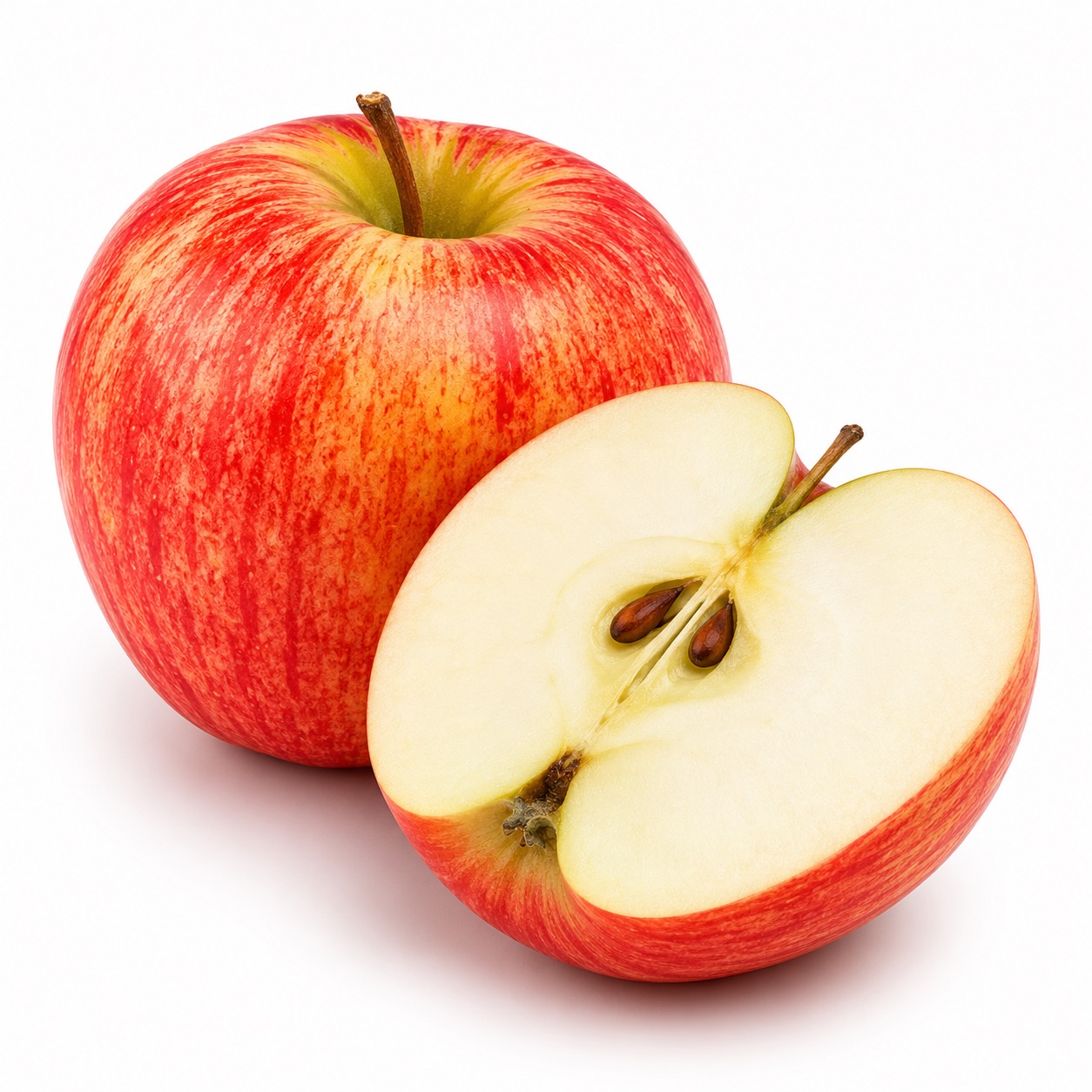
Gala originated in New Zealand from a cross between Kidd's Orange Red and Golden Delicious. Its sweet flavor, crisp texture, striped red-orange appearance, and dependable eating quality helped it become one of the most important commercial apple cultivars.
Cultivation
Apple trees are deciduous and require a seasonal growth cycle. Orchards depend on cultivar selection, rootstock, winter chilling, spring bloom, pollination, fruit set, thinning, irrigation, pest management, and carefully timed harvest. Commercial fruit is usually picked at physiological maturity and then sorted by size, color, firmness, and external quality.
Orchard Cycle
- Winter: dormancy, pruning, chill accumulation.
- Spring: blossom, pollination, early fruit set.
- Summer: fruit sizing, color development, irrigation and canopy management.
- Late summer–fall: cultivar-specific harvest.
- Postharvest: sorting, cooling, storage and distribution.
Professional Quality Standards
- Firm fruit with cultivar-appropriate color.
- No soft spots, decay, punctures or serious bruising.
- Good weight and crisp flesh for fresh applications.
- Choose acidity, sweetness and firmness according to recipe purpose.
Seasonality & Market Availability
Most Northern Hemisphere apples are harvested from late summer through fall, but cultivar timing varies. Modern controlled-atmosphere cold storage allows high-quality apples to remain in distribution well beyond harvest. Southern Hemisphere production further extends global supply, which is why many major varieties are available nearly year-round.
| Variety | Typical Harvest Window | Professional Use |
|---|---|---|
| Gala | Mid-summer into early fall; U.S. harvest can begin in July | Fresh service, sauces, purées, juice, salads |
| Honeycrisp | Late summer–early fall | Fresh, salads, cheese boards, premium garnish |
| Fuji | Fall | Fresh, roasting, juice, sauces |
| Granny Smith | Fall | Baking, tart preparations, savory sauces |
| Golden Delicious | Early–mid fall | Baking, compotes, sauces, purées |
| Red Delicious | Early fall | Fresh presentation and salads |
| Pink Lady / Cripps Pink | Late fall | Fresh service, salads, desserts |
Apple Variety Cards
Gala
Red-orange striped fruit with aromatic sweetness. Excellent raw, in fruit sauces, light compotes, salads, juice and modern savory preparations.
Granny Smith
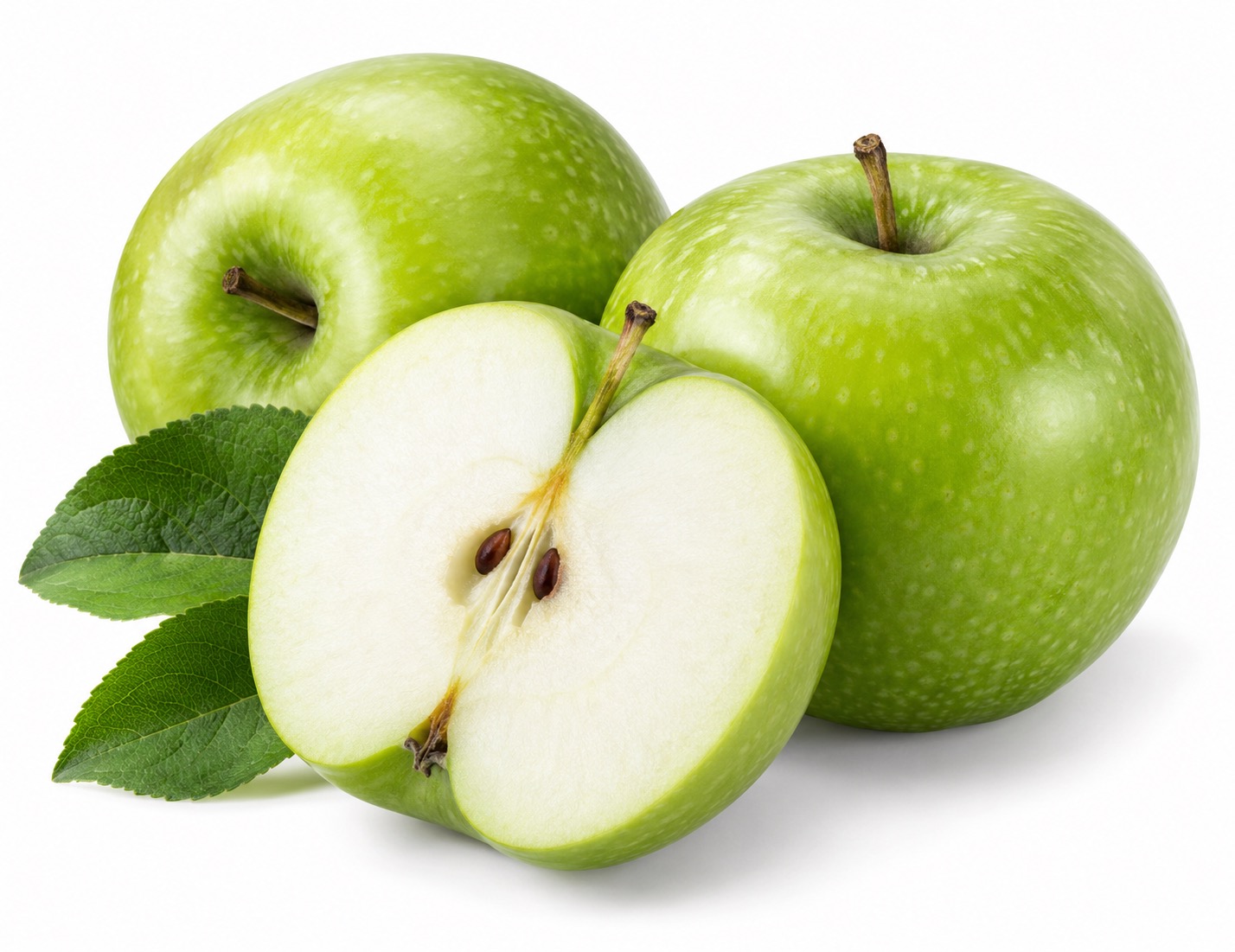
Flavor profile: distinctly tart and refreshing with bright green-apple acidity, restrained sweetness, a clean vegetal-fruity aroma and a crisp, dense bite.
Culinary usage: excellent for pies, tarts, apple mustard, chutneys, savory sauces, salads, slaws, pork and poultry accompaniments, and any preparation where acidity and shape retention are important.
Seasonality: generally harvested in fall in the Northern Hemisphere, with refrigerated and controlled-atmosphere storage extending professional availability well beyond harvest.
Graphic: /academy/ibrary/fruit/grammy-apple.webp
Fuji
Juicy and sweet with dense flesh. Excellent for raw use, roasting, fruit salads, juices and sweet purées.
Honeycrisp
Exceptionally crisp and juicy, with a sweet-tart profile. Best when texture is the focus: fresh plates, salads, cheese service and garnishes.
Red Delicious
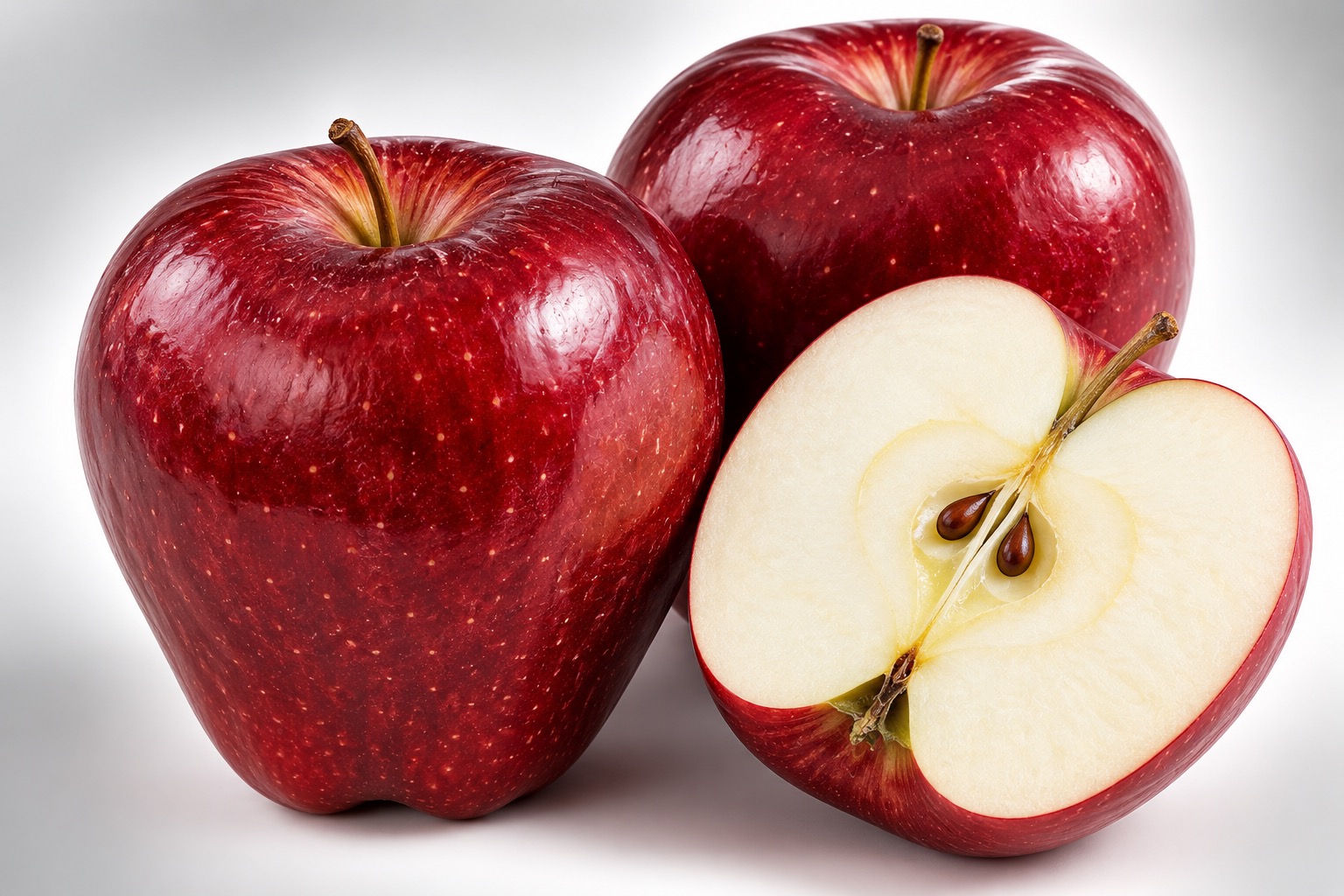
Recognizable deep-red fruit with mild sweetness. Primarily suited to fresh eating, presentation and simple cold preparations.
Graphic: /academy/ibrary/fruit/red-delicius-apple.webp
Golden Delicious
Sweet, mellow and versatile. Useful in baking, sauces, compotes, purées, salads and cooked fruit garnishes.
Pink Lady / Cripps Pink
Firm, aromatic and balanced between sweetness and acidity. Excellent for fresh slicing, salads, desserts and cheese pairing.
Braeburn
Firm with balanced sweet-tart flavor. Useful in baking, roasting, chutneys and savory apple preparations.
McIntosh
Perfumed, soft-textured and juicy. Particularly useful for applesauce, compotes, cider and soft cooked preparations.
Nutrition by Apple Type
Cultivar, growing conditions, ripeness and analytical method cause natural variation. The table below is an approximate professional reference per 100 g raw apple with skin, using USDA FoodData Central cultivar records where available.
| Apple Type | Calories | Carbohydrate | Sugars | Fiber | Kitchen Profile |
|---|---|---|---|---|---|
| Gala | ~61 kcal | ~14.8 g | ~11.8 g | ~2.1 g | Sweet, aromatic, crisp |
| Fuji | ~63 kcal | ~15.2 g | Varies | ~2.1 g | Very sweet, dense, juicy |
| Honeycrisp | ~60 kcal | ~14.7 g | ~12.4 g | ~1.7 g | Juicy, crisp, sweet-tart |
| Granny Smith | ~59 kcal | ~14.1 g | ~10.6 g | ~2.5 g | Tart, firm, baking-friendly |
| Red Delicious | ~62 kcal | ~14.8 g | ~12.2 g | ~2.0 g | Mild, sweet, fresh-service |
| General raw apple | ~50–60 kcal | ~13.8–15 g | ~10–12 g | ~2–3 g | Reference range; cultivar dependent |
Professional Culinary Usage
Cold & Fresh Applications
- Julienne or brunoise for salads and raw garnish
- Cheese and charcuterie boards
- Crudo and seafood accompaniments
- Fresh juices and clarified apple preparations
- Slaws, relishes and composed salads
Cooked & Pastry Applications
- Apple sauce, compote and purée
- Tarts, pies, cakes and strudel
- Chutneys, mostarda and savory sauces
- Roasted fruit with pork, poultry or game
- Sorbet, granita, gelée and plated dessert components
Flavor Pairings
Savory Pairings
- Mustard, horseradish, celery, fennel and cabbage
- Pork, duck, chicken, game and foie gras
- Tuna, smoked fish and shellfish
- Blue cheese, aged cheddar, Parmigiano and goat cheese
- Walnuts, almonds and hazelnuts
Sweet & Aromatic Pairings
- Cinnamon, nutmeg, vanilla and clove
- Caramel, honey and maple
- Lemon, orange and grapefruit
- Calvados, cider, brandy and dessert wine
- Rosemary, thyme, sage and mint
Storage, Shelf Life & Oxidation
Whole apples maintain quality best under refrigeration. Commercial operations often use controlled-atmosphere storage to slow respiration and preserve firmness. Once cut, apple flesh oxidizes and browns; acidulated water, lemon juice or other approved anti-browning techniques can slow discoloration. Cut apples should be refrigerated and used promptly.
Kitchen Storage
- Refrigerate whole fruit for extended quality.
- Keep away from produce highly sensitive to ethylene.
- Wash before cutting rather than before long storage.
- Store cut fruit covered and cold.
Receiving Checklist
- Firm flesh and intact skin
- No fermentation aroma or decay
- No severe bruising or punctures
- Flavor and texture appropriate to cultivar and intended dish
Tuscany Cuisine Culinary Record
This identity is ready to replace generic Gala apple placeholders in connected recipes. Other cultivar cards remain educational references until their own identities are intentionally added to the Master Ingredient Registry.