Home / Ingredient Library / Fruit / Berries
Fruit Ingredient Family

Berries

Small fruits with extraordinary culinary range. Berries bring acidity, perfume, color, sweetness, tannin and texture to salads, sauces, desserts, condiments, beverages and savory cooking. This Tuscany Cuisine ingredient-family page begins with the raspberry as its first connected platform ingredient.

Fresh Fruit Garde Manger Pastry Sauce & Condiment Plant Based
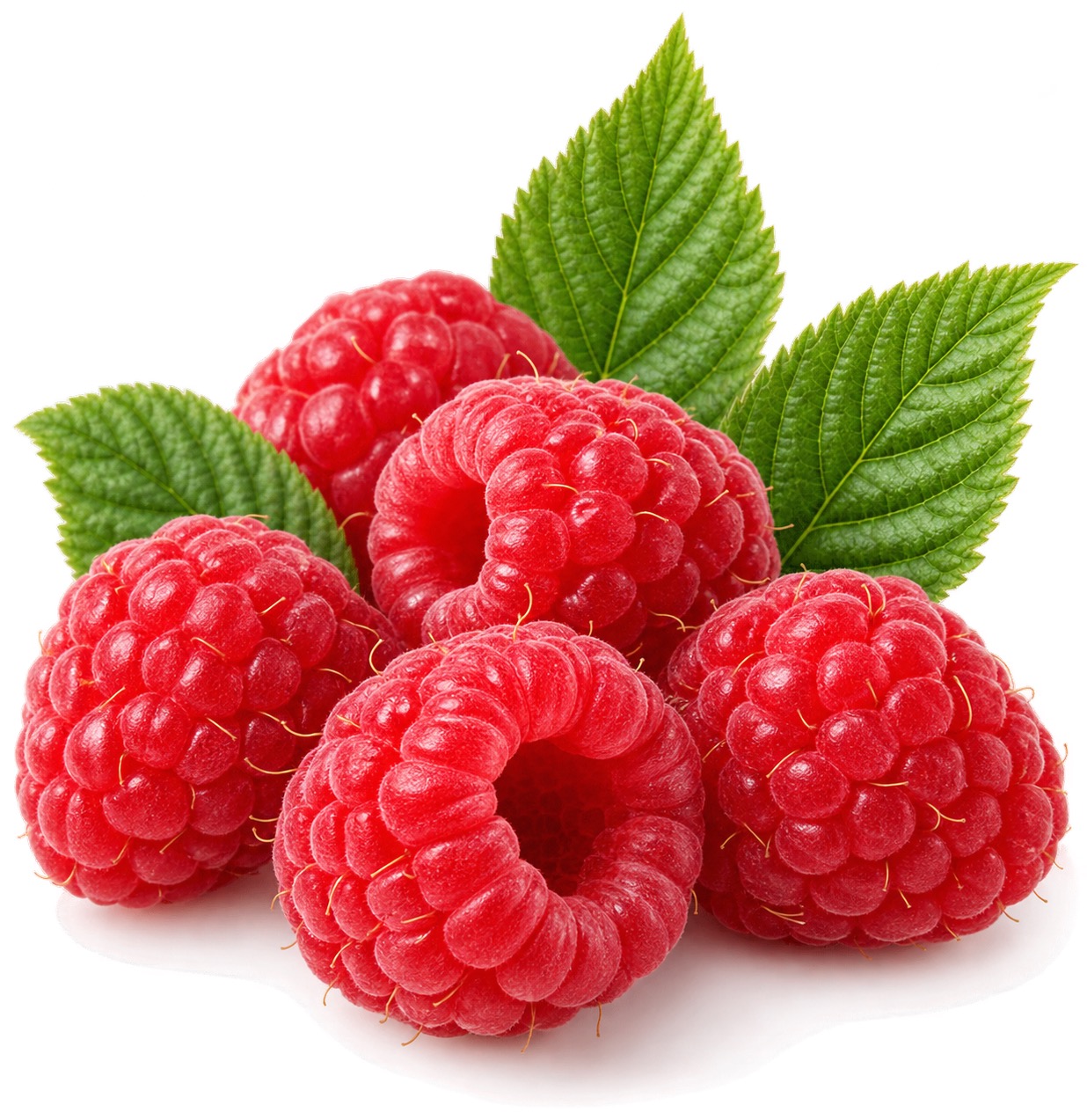
Fresh raspberry ingredient icon for Raspberry Mustard
Berry Identity Types Raspberry Nutrition Seasonality Storage Culinary Uses Preservation

What Is a Berry?

In everyday cooking, the word berry describes a practical culinary family of small, juicy fruits such as raspberries, strawberries, blueberries and blackberries. Their shared culinary value comes from vivid flavor, natural acidity, color and delicate texture.

Botanical classification is different. Raspberries and blackberries are aggregate fruits composed of many small drupelets. Strawberries are also not botanical berries, while fruits such as blueberries fit the botanical berry definition more closely.

Chef's Ingredient Philosophy

Berries should taste alive. Their greatest strength is the tension between sweetness and acidity. In savory cooking, preserve that freshness rather than burying it under excess sugar. Use salt, citrus, vinegar, herbs, mustard, wine, pepper and quality fats to extend the fruit into the savory side of the kitchen.

The Culinary Berry Family

Each berry brings a different combination of sweetness, acid, perfume, tannin and texture. These profiles help guide menu pairing and recipe development.

Strawberry

Juicy, floral and gently acidic. Excellent fresh, macerated, roasted, pureed, paired with balsamic, herbs or fresh cheeses.

Blueberry

Sweet, mild and softly tannic. Useful in breakfast, pastry, gastriques, compotes, sauces and salads.

Blackberry

Dark, wine-like and sweet-tart with more tannic structure. Excellent with game, duck, pork, cheese and desserts.

Cranberry

Firm and distinctly tart. Ideal for reductions, chutneys, relishes, preserves, glazes and rich meat pairings.

Currants

Red and black currants provide vivid acidity and aromatic intensity for sauces, jellies, pastries and savory accompaniments.

Gooseberry

Tart, green and refreshing when less ripe; sweeter as it matures. Useful with seafood, cream, desserts and preserves.

Elderberry

Deeply colored and traditionally cooked into syrups, sauces and preserves. Use only properly identified edible fruit and appropriate preparation.

Raspberry · First Connected Berry Record

Raspberry is the first berry ingredient being mapped into this Tuscany Cuisine family page. The same raspberry.webp icon can now serve recipe pages, Ingredient Library navigation, search identity, inventory mapping and future menu-system logic.

Ingredient CodeFRUIT-RASPBERRY-001
Inventory IDraspberry
Icon IDTC-ICON-FRUIT-RASPBERRY
Icon Fileraspberry.webp
CategoryFruit
SubcategoryBerries
Primary StationGarde Manger
Platform StatusReady

Raspberry Nutrition

Raw raspberries are naturally low in energy and notable for their fiber content. A typical 100 g serving provides approximately:

NutrientApprox. amount per 100 g raw raspberries
Energy52 kcal
Carbohydrate11.9 g
Dietary fiber6.5 g
Protein1.2 g
Fat0.7 g
WaterAbout 86 g

Values are approximate and naturally vary by cultivar and growing conditions. Nutrition data should be recalculated from the actual ingredient record when used in a standardized recipe.

Seasonality & Purchasing

Local season varies by climate and cultivar. Raspberries are commonly associated with summer into fall, while blackberry harvest is commonly concentrated in spring and summer in U.S. seasonal-produce guidance.

Select berries that are:

  • Dry rather than wet or leaking.
  • Full-colored for the variety.
  • Free of visible mold.
  • Fragrant and fresh-smelling.
  • Firm enough to handle but properly ripe.
  • Protected from crushing during receiving and storage.

Storage & Handling

Fresh berries are highly perishable. Store them refrigerated and protect them from moisture accumulation and physical damage. USDA food-service guidance recommends maintaining refrigerators at 41°F / 5°C or below.

  • Inspect immediately at receiving and remove damaged or moldy fruit.
  • Keep berries cold, dry and loosely protected from crushing.
  • Wash under cool running water close to preparation or service.
  • Drain and dry well before using in composed salads or garnishes.
  • For fragile raspberries, plan rapid turnover; quality declines quickly after harvest.

Raspberry Flavor Profile

SweetnessModerate
AcidityBright
AromaFloral / berry
TextureSoft / drupelet

Excellent pairings

Lemon, orange, balsamic vinegar, distilled vinegar, mustard, mint, basil, black pepper, vanilla, chocolate, hazelnut, almond, pistachio, yogurt, mascarpone, ricotta, goat cheese, blue cheese, duck, pork and game.

Professional Culinary Uses

FreshSalads, breakfast, garnish, cheese courses, plated desserts and petits fours.
MaceratedSugar, citrus, wine, vinegar, herbs or liqueur can modify texture and build sauce naturally.
PureedCoulis, dressings, sorbets, mousses, pastry inserts and beverage bases.
ReducedSauces, gastriques, glazes, meat accompaniments and concentrated fruit condiments.
SavoryMustards, vinaigrettes, cheese pairings, duck, pork, game and charcuterie accompaniments.
PastryTarts, entremets, gelato, semifreddo, creams, jams, compotes and chocolates.
BeverageShrubs, syrups, cocktails, mocktails, teas, infused waters and smoothies.
DehydratedPowders, garnishes, concentrated sauces, chocolate work, pastry and shelf-stable flavor components.

Preservation & Processing

  • Freezing: preserves berries for sauces, smoothies, pastry and cooked applications.
  • Dehydration: intensifies fruit flavor and reduces water activity.
  • Jam / preserve: combines fruit, sugar and acid under an appropriate preserving process.
  • Puree: useful for measured production, pastry and sauces; refrigerate or freeze according to process.
  • Reduction: concentrates flavor for sauces, glazes and condiments such as Raspberry Mustard.
  • Pickling / shrubs: vinegar can move berries into savory and beverage applications.

Allergen & Dietary Profile

Plain berries do not inherently contain the major U.S. food allergens and are naturally plant-based. Cross-contact can still occur during growing, packing, processing or kitchen handling, so institutional allergen programs should verify the actual supplier and product.

Dried, sweetened, frozen, coated or prepared berry products may contain added sugar, sulfites or other ingredients depending on the manufacturer. Always check the label.

From Ingredient to Recipe System

The purpose of this page is not only education. It gives berries a structured location inside the Tuscany Cuisine platform so individual berry icons can connect to recipes, nutrition, purchasing, inventory deduction, station prep, menu costing and future ingredient-driven recipe search.