Bean & Sprout Culinary Records
Varieties, Origins, Production and Professional Usage
Each card is designed as a future Master Ingredient Registry identity.
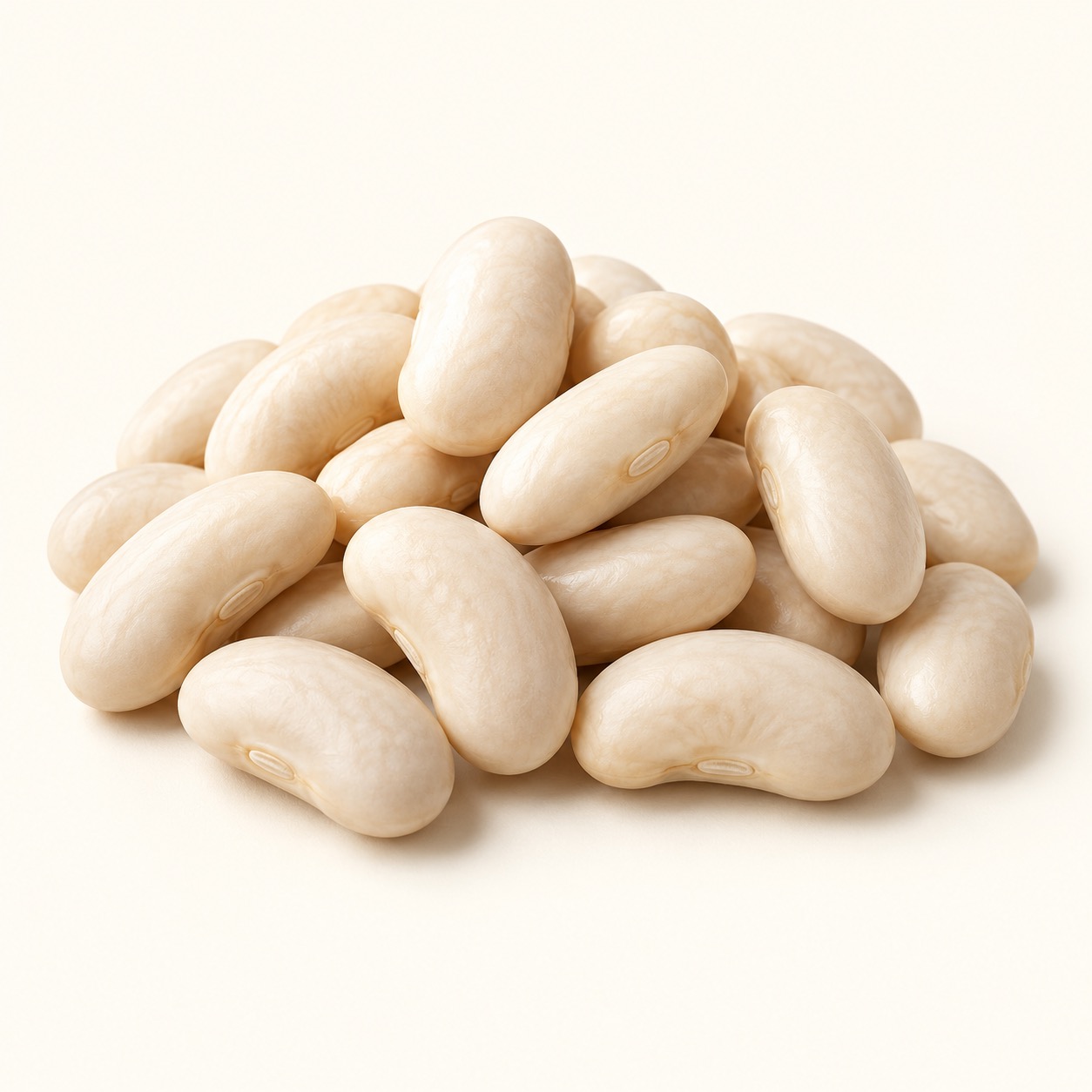
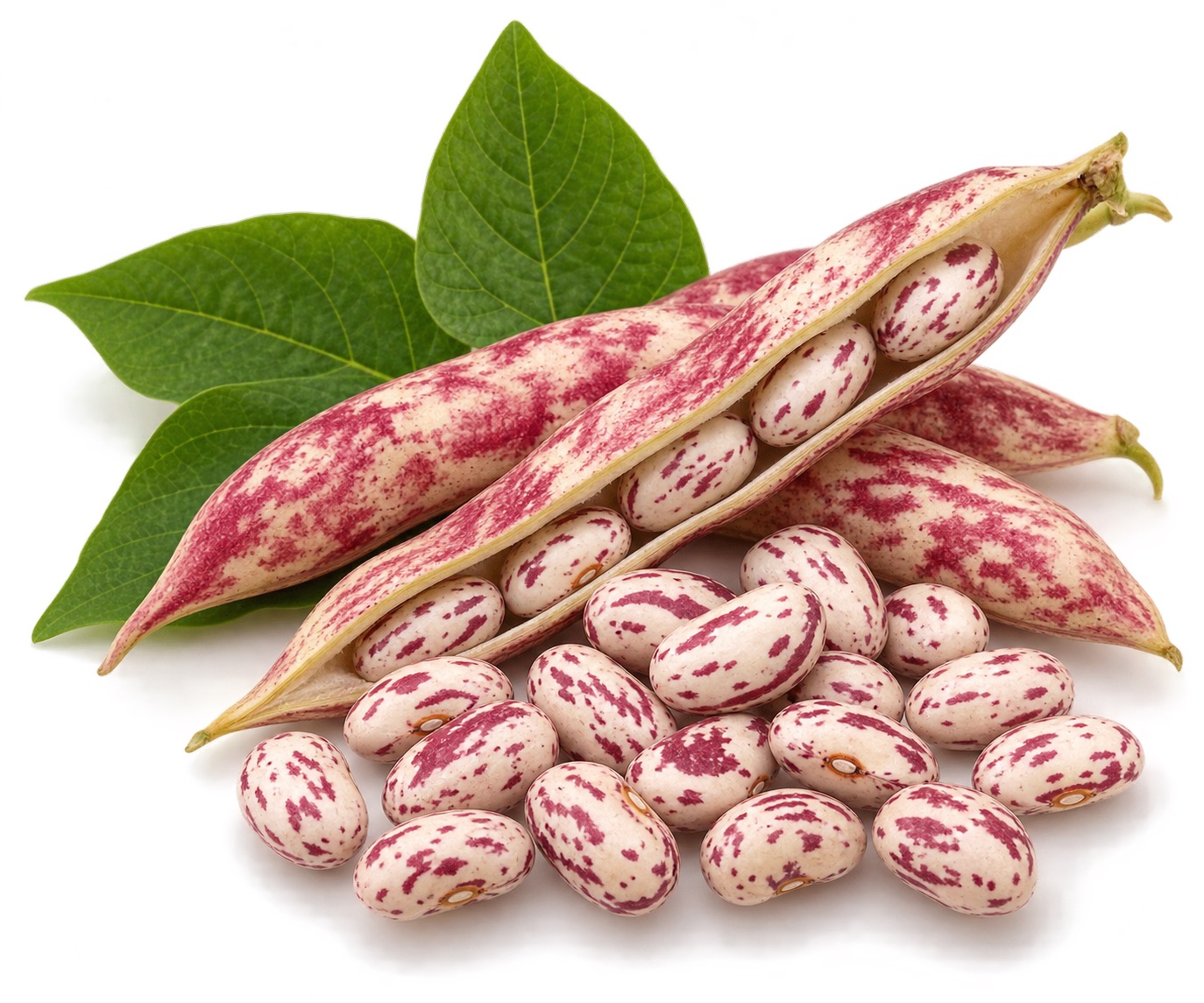
Dedicated graphics are being added one by one; Cannellini is connected to
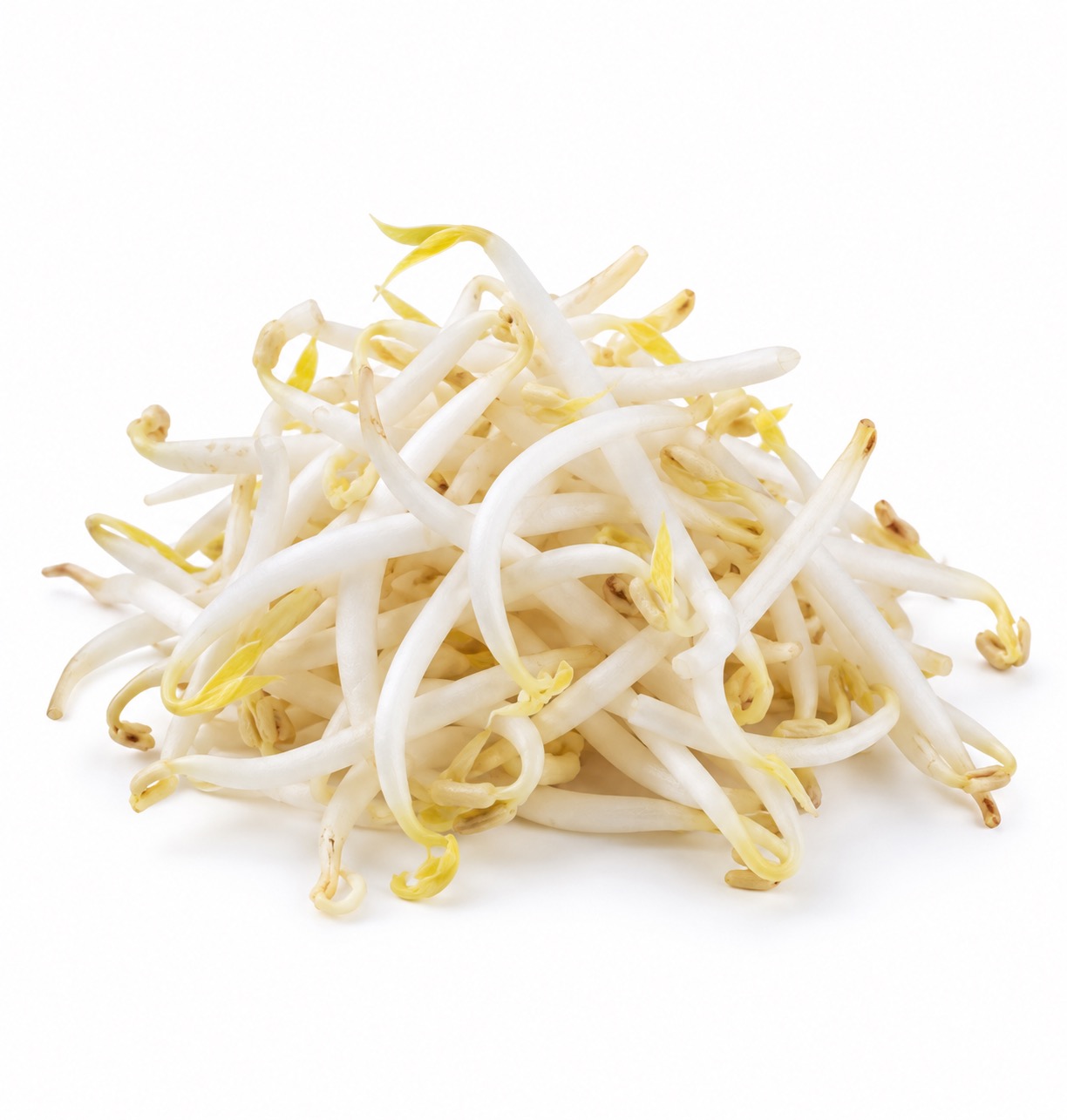
cannellinibeans.webp, Borlotti to borlotti.png, and the new White Bean Sprouts / Mung Bean Sprouts identity to whitebeansprout.webp.
White kidney bean / common bean
Cannellini Beans
Fagioli Cannellini
Phaseolus vulgaris
TC-LEGUME-CANNELLINI-001
Published icon: cannellinibeans.webp
Inventory: cannellini_beans
Origin
Cannellini belong to the American common-bean species Phaseolus vulgaris. After common beans reached Europe during the Columbian exchange, white kidney types became deeply established in Italian cooking, especially in central Italian soups, salads, crostini accompaniments and vegetable dishes.
History
Today Cannellini are strongly associated with Italian cuisine, but their botanical ancestry is New World rather than Mediterranean. Their mild flavor and creamy interior helped them become a classic pantry bean in Tuscany and other Italian regions.
Quality Production
Quality sourcing is associated with Italian specialty growers and with commercial white/kidney-bean production in the United States and Canada. For purchasing, look for uniform seed size, low split percentage, clean color, low defect rate and recent crop-year stock.
Cultivation & Seasonality
Warm-season crop. Fresh shelling beans are a late-summer to early-fall product in temperate regions; fully dried Cannellini are shelf-stable and available year-round.
Flavor & Texture
Delicate, nutty and creamy with a thin skin when cooked correctly.
Culinary Usage
Ribollita, pasta e fagioli, white-bean purées, seafood salads, braises, grilled bread toppings, vegetable soups, contorni and bean-based sauces.
Bean-flour potential: Produces a pale, protein- and fiber-rich flour useful in composite breads, pasta, crackers, batters and gluten-free formulations. Because white kidney beans can contain lectins when raw, flour must be commercially heat-treated or thoroughly cooked before consumption.
Connected Recipe → Albacore Tuna & Cannellini Bean Salad
Cranberry / speckled bean
Borlotti Beans
Fagioli Borlotti
Phaseolus vulgaris
TC-LEGUME-BORLOTTI-001
Published icon: borlotti.png
Origin
Borlotti are a speckled market class of the common bean, Phaseolus vulgaris, whose deeper ancestry is American. In Italy they became one of the most recognizable beans for soups, pasta dishes and rustic seasonal cooking.
History
Borlotti are closely tied to northern and central Italian cooking. Fresh pods and shelling beans are prized during the harvest season, while dried Borlotti became a practical year-round pantry ingredient. USDA commercial standards recognize cranberry/speckled cranberry beans as a distinct market class.
Quality Production
Italy is important for specialty and regional Borlotti culture, while cranberry-type beans are also produced commercially in North America. Canada and the United States have established dry-bean industries that include cranberry classes.
Cultivation & Seasonality
Fresh Borlotti are best in late summer through early fall in temperate climates. Dried beans are harvested after full pod maturity and remain available all year.
Flavor & Texture
Creamy, chestnut-like and slightly sweet with a fuller flavor than many white beans.
Culinary Usage
Pasta e fagioli, minestrone, seafood-and-bean salads, stews, braises, warm salads, purées and Tuscan-style vegetable preparations.
Bean-flour potential: Borlotti can be cleaned, dehulled if desired, milled and sifted into a pink-beige speckled flour. It works well in savory crackers, fresh pasta blends, flatbreads, soups as a thickener and high-protein composite flour.
Connected Recipe → Borlotti Bean & Seafood Salad
Pinto / mottled common bean
Pinto Beans
Fagioli Pinto / Frijol Pinto
Phaseolus vulgaris
TC-LEGUME-PINTO-001
Dedicated pinto icon planned
Origin
Pinto beans are another form of Phaseolus vulgaris, part of the common-bean domestication history of the Americas. They became especially important in Mexico, the Southwestern United States and northern dry-bean production regions.
History
The word pinto refers to the bean's painted or mottled appearance. Pinto beans are foundational in Mexican, New Mexican and Southwestern cooking and remain one of the major commercial dry-bean classes tracked by USDA.
Quality Production
Major quality production and trade are centered in Mexico, the United States and Canada. North Dakota and other northern U.S. states are major commercial pinto-growing areas; Canada also produces and exports pinto beans.
Cultivation & Seasonality
Warm-season field crop, normally planted after soils warm in spring. Dry-bean harvest generally runs from late summer into fall, depending on region and cultivar.
Flavor & Texture
Earthy, creamy and moderately nutty; the mottled skin fades as the bean cooks.
Culinary Usage
Whole beans, frijoles de olla, refried beans, soups, chili, salads, burritos, tostadas, dips, purées and bakery applications using cooked-bean pastes.
Bean-flour potential: Pinto flour has a tan color and earthy flavor. It can be used in tortillas, crackers, quick breads, savory batters and pasta blends, usually as part of a composite flour system.
Cowpea / blackeye
Black-Eyed Peas
Fagioli dall'Occhio / Cowpea
Vigna unguiculata
TC-LEGUME-BLACKEYE-001
Dedicated black-eye icon planned
Origin
Black-eyed peas are not Phaseolus beans. They are cowpeas, Vigna unguiculata, native to Africa. Kew describes cowpea as an African crop domesticated in West Africa thousands of years ago and later distributed into Europe, Asia and the Americas.
History
Cowpeas became a major food crop across West and Central Africa and later an important ingredient in the Americas. Their flour traditions are especially significant: West African cuisines use ground cowpeas for preparations such as akara and moin-moin.
Quality Production
Quality production is important across West Africa, including Nigeria, Niger and neighboring savanna regions, with additional production in Brazil, India and the southern United States. California also grows blackeye beans commercially.
Cultivation & Seasonality
Highly adapted to warm and hot conditions and relatively drought tolerant. In temperate production it is a summer crop; fresh peas arrive in summer, while dry black-eyed peas are marketed year-round.
Flavor & Texture
Mild, earthy and slightly grassy with a tender, creamy center.
Culinary Usage
Hoppin' John, bean salads, soups, stews, fritters, akara, moin-moin, purées, curries and vegetable dishes.
Bean-flour potential: Cowpea is one of the strongest traditional examples of bean flour use. Cleaned dry seeds may be dehulled, milled and used in batters, steamed cakes, fried fritters, crackers and other pulse-flour foods.
Black turtle / black common bean
Black Beans
Fagioli Neri
Phaseolus vulgaris
TC-LEGUME-BLACK-001
Dedicated black-bean icon planned
Origin
Black beans are dark-seeded common beans, Phaseolus vulgaris, with roots in the American domestication history of the species. They became central to many cuisines of Mexico, Central America, the Caribbean and South America.
History
Black beans are a classic example of how one species diversified into distinct culinary market classes. They are now tracked as a separate commercial dry-bean class in U.S. production statistics and remain important throughout Latin American food culture.
Quality Production
Important quality-producing regions include Mexico, Brazil, the United States and Canada. In North America, USDA tracks black beans separately and Canada produces black beans for domestic and export markets.
Cultivation & Seasonality
Warm-season crop. Plant after frost danger and once soils are warm; dry-bean harvest usually occurs in late summer or fall after pods dry.
Flavor & Texture
Deep, earthy and slightly sweet with a dense, creamy texture and dark cooking liquor.
Culinary Usage
Feijoada-style preparations, soups, rice-and-bean dishes, tacos, salads, purées, dips, vegetarian fillings, sauces and modern plant-forward dishes.
Bean-flour potential: Black-bean flour is dark gray-purple to brown and strongly flavored. It performs well in tortillas, crackers, brownies, high-protein snacks, gluten-free blends and extruded foods.
Large lima / baby lima / butter bean
Lima Beans
Fagioli di Lima / Butter Beans
Phaseolus lunatus
TC-LEGUME-LIMA-001
Dedicated lima icon planned
Origin
Lima bean is a separate species, Phaseolus lunatus, originating in the Neotropics. Kew describes two main domestication centers: small-seeded forms in Central America and large-seeded forms in South America, especially Peru.
History
Lima beans spread from the Americas to Europe, Asia and Africa after trans-Atlantic contact. Their soft, buttery texture led to the common name butter bean in many English-speaking markets.
Quality Production
Peru has strong historical importance, while commercial production also occurs in tropical and subtropical regions worldwide. In the United States, California has long been a major center for dry lima production.
Cultivation & Seasonality
Warm-season and particularly sensitive to cold soils and frost. Fresh lima beans are commonly a late-summer to early-fall crop; Purdue FoodLink lists fresh availability roughly August through October.
Flavor & Texture
Buttery, mild and rich, with a soft interior that makes the bean excellent for purées and braises.
Culinary Usage
Succotash, braises, vegetable stews, soups, purées, warm salads, casseroles, Mediterranean-style butter-bean dishes and side dishes.
Bean-flour potential: Lima-bean flour is creamy in color and mild in flavor. It can be incorporated into soups, sauces, batters, crackers and composite bakery or pasta formulations after appropriate thermal processing.
Fresh sprouted legume
White Bean Sprouts
Germogli di Fagiolo Mungo
Vigna radiata · Mung Bean Sprouts
TC-LEGUME-BEAN-SPROUT-WHITE-001
Published icon: whitebeansprout.webp
Inventory: white_bean_sprouts
Description
These crisp white sprouts are produced by germinating mung beans in warm, humid conditions with limited light, creating pale juicy stems with small yellow-green seed leaves. In the Tuscany Cuisine platform, the recipe-facing name White Bean Sprouts maps to this common mung bean sprout identity rather than to sprouts grown from Cannellini or white kidney beans.
Flavor Profile
Very mild, fresh and slightly sweet with a clean vegetal character. The stems are juicy and crunchy, while the small tips are tender. Their delicate flavor readily absorbs soy, sesame, citrus, vinegar, ginger, garlic and aromatic oils.
Nutrition · Raw per 100 g
30 kcal · Protein 3.04 g · Carbohydrate 5.94 g · Fiber 1.8 g · Fat 0.18 g · Potassium 149 mg · Vitamin C 13.2 mg · Folate 61 µg. Values are USDA reference amounts and can vary with growing and handling conditions.
Culinary Usage
Use raw only when appropriate to the operation's food-safety policy, or blanch, steam, sauté or stir-fry briefly. Excellent in warm salads, noodle dishes, vegetable stir-fries, soups, spring rolls and composed plates where crisp texture is desired.
Quality
Choose crisp, firm, pale stems with fresh tips and a clean aroma. Avoid sliminess, excessive browning, wilting, sour odors or standing liquid. Keep refrigerated and use promptly because sprouts are highly perishable.
Platform Culinary Record
Base unit: grams. Category: Legumes & Pulses / Fresh Sprouts. Primary station connections: Salad, Pantry and Sauté. The identity is designed to synchronize with Recipe 351 and future Live Inventory, Purchasing, nutrition-search and ingredient-icon systems.
Food-safety note: raw sprouts are produced under warm, humid conditions that can also support microbial growth. Professional kitchens should follow approved supplier, refrigeration, washing and cooking controls, and use cooked sprouts for higher-risk populations when required by food-safety guidance.
Ingredient Fabrication
How Bean Flour Is Produced
Pulse flours are produced by controlled size reduction of clean dry seeds.
Commercial milling may be dry or wet, and may include dehulling, splitting,
classification and heat treatment depending on the intended food application.
Receive & Grade
Identify bean class and crop lot. Inspect moisture, foreign material, insects, mold, cracked seed and off-odors.
Clean & Destoner
Remove soil, stones, stems, metal and foreign seeds using screens, aspiration, magnets and destoning equipment.
Condition / Dehull
Depending on product goals, retain the whole seed for more fiber or remove hulls for lighter color, smoother texture and different functional behavior.
Mill
Use hammer, impact, roller, pin, stone or other controlled milling systems to reduce cotyledons into flour.
Sieve & Classify
Screen flour to a consistent particle size; coarse fractions can be remilled and fine fractions standardized by specification.
Thermal Process
Where required, use validated cooking, extrusion, steam, roasting or other commercial processing to improve safety, flavor and functionality.
Blend & Formulate
Use bean flour alone in suitable gluten-free foods or blend with wheat, rice, corn and other flours for pasta, bread, crackers, batters and snacks.
Pack & Store
Protect from moisture, oxygen, heat, pests and cross-contamination. Label lot, allergen controls, treatment status and intended cooking use.
Professional Food-Safety Note — Raw Bean Flour Is Not Ready-to-Eat
Milling does not make raw beans safe to eat. Raw or undercooked beans can contain
lectins such as phytohaemagglutinin, particularly in kidney-type beans.
Commercial bean flour should use a validated heat-treatment process when intended
for ready-to-use applications, or the finished food must receive thorough cooking.
Never taste raw bean flour, batter or dough.
Culinary Applications of Bean Flour
Bean and pulse flours can increase protein and fiber, provide starch functionality,
thicken soups and sauces, and create new textures in plant-forward foods. Research
and commercial practice use pulse flours in breads, flatbreads, pasta, crackers,
cakes, cookies, gluten-free foods, batters and extruded snacks. In wheat-based
bakery products, partial substitution is often more practical than full replacement
because bean flour contains no gluten network.