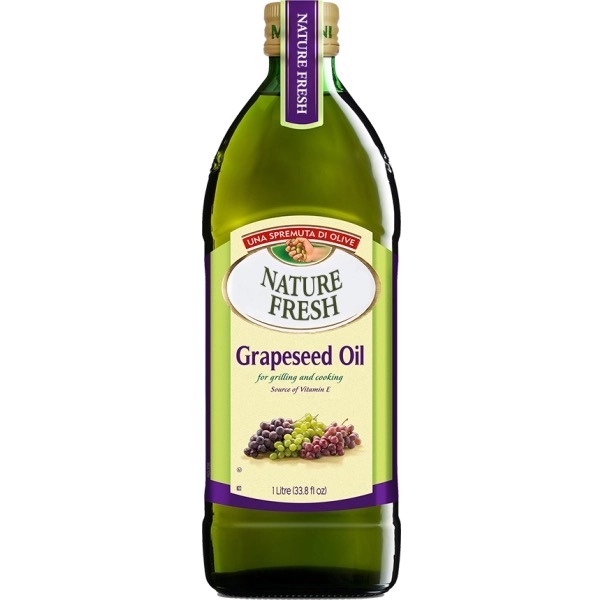
What Is Grapeseed Oil?
Grapeseed oil is an edible plant oil produced from the seeds of grapes
(Vitis vinifera and related cultivated grapes). Those seeds are commonly
separated from grape pomace—the skins, seeds and stems remaining after grapes
are pressed for wine or juice. Turning the seeds into oil converts part of a
major food-production by-product into a useful culinary ingredient.
The oil is characterized by a high proportion of unsaturated fatty acids.
Published reviews commonly identify linoleic acid, an omega-6
polyunsaturated fatty acid, as the dominant fatty acid, with oleic acid generally
the next major component. Exact composition varies with grape variety,
growing conditions and extraction method.
Chef’s perspective: grapeseed oil is valuable when you need the
functional properties of oil without the pronounced fruitiness or bitterness of
extra-virgin olive oil. It should complement EVOO in a professional pantry—not
automatically replace it.
History & Connection to Winemaking
Grapes have been cultivated and pressed for wine for thousands of years, but
commercial grapeseed-oil production is a much newer development. Modern
industrial interest grew from the desire to recover value from grape pomace
instead of treating every component of it as waste.
Food-science literature reports commercial grapeseed-oil manufacturing in
European wine-producing countries including Germany, France and Italy
by the 1930s. As extraction and refining technology developed, the oil
became increasingly useful to food, cosmetic and specialty-oil markets.
Today, grapeseed oil is a good example of culinary upcycling: grape seeds that
might otherwise remain part of winery waste can be cleaned, dried and processed
into an oil used by restaurants, bakeries, manufacturers and home cooks.
How Grapeseed Oil Is Produced
Production starts by separating seeds from grape pomace. The seeds are cleaned
and dried before oil extraction. The chosen extraction method affects yield,
aroma, color, cost, shelf life and the amount of minor compounds retained.
Cold Pressing
Mechanical pressure removes oil without conventional solvent extraction.
Yield is lower, but cold-pressed oils may retain more aroma and naturally
occurring minor compounds. Flavor can be more distinctive.
Expeller / Mechanical Pressing
Seeds are mechanically crushed and pressed. Processing temperature and
filtration vary by producer. Mechanical extraction generally produces less
oil than solvent-assisted methods.
Solvent Extraction & Refining
Industrial production may use solvent extraction to improve yield, followed
by solvent recovery and refining steps such as neutralization, bleaching,
deodorization and filtration. The finished oil is usually mild and neutral.
Supercritical Extraction
Supercritical-fluid systems, often using carbon dioxide, can achieve high
extraction efficiency while limiting conventional solvent residue. These
technologies are more specialized and equipment-intensive.
Production reality: there is no single “grapeseed oil process.”
A cold-pressed specialty bottle and a highly refined food-service oil can behave
differently in flavor, stability and kitchen use. Always evaluate the actual
product specification.
Quality: What Chefs Should Look For
- Clean aroma: the oil should not smell stale, paint-like, waxy or rancid.
- Fresh packaging: select containers protected from excessive light and heat.
- Extraction style: cold-pressed products can offer more character; refined products are usually more neutral.
- Ingredient statement: for a pure product, look for 100% grapeseed oil rather than an unidentified oil blend.
- Supplier specification: confirm intended use, storage, shelf life and heat recommendations from the producer.
- Turnover: buy a package size your operation will use while the oil remains fresh.
- Consistency: for standardized restaurant recipes, record the approved brand or specification in Purchasing and Live Inventory.
Flavor & Culinary Profile
Refined grapeseed oil is typically valued for a restrained flavor that allows
herbs, vinegars, citrus, mustard, seafood, vegetables and spices to remain at
the center of the dish. Cold-pressed versions may show more seed, nut or vinous
character.
Nutrition Profile
Grapeseed oil is essentially pure fat. Like other cooking oils, it contains no
meaningful protein, carbohydrate or fiber. A tablespoon of culinary oil is
typically about 14 g and roughly 120 calories; exact values should always be
taken from the product’s Nutrition Facts label.
Nutrition Facts
Typical serving: 1 tablespoon (about 14 g)
Calories≈ 120
Total Fat≈ 14 g
Saturated Fat≈ 1–2 g
Polyunsaturated Fat≈ 9–10 g
Monounsaturated Fat≈ 2–3 g
Carbohydrate0 g
Protein0 g
Cholesterol0 mg
Research reviews report that unsaturated fatty acids make up the great majority
of grapeseed oil. Linoleic acid commonly represents roughly 58–75%
of the fatty-acid profile, depending on variety and processing. The oil can also
contain vitamin-E compounds and phytosterols, although amounts vary substantially.
Is Grapeseed Oil Bad for Your Diet?
What Supports Its Use
Grapeseed oil is predominantly unsaturated fat. Major cardiovascular
guidance favors replacing saturated fats with monounsaturated and
polyunsaturated fats, and the American Heart Association includes
grapeseed among specialty oils that can be healthy choices.
What Requires Moderation
It is still oil: one tablespoon contributes roughly 120 calories. Frequent
free-pouring can add substantial energy to a meal even when the type of fat
is favorable. Portion control matters when total calorie intake matters.
Omega-6 Is Not Automatically “Bad”
Grapeseed oil is rich in omega-6 linoleic acid, an essential fatty acid.
Current human evidence does not support the popular claim that omega-6
intake itself should generally be avoided because it causes inflammation.
Heat & Oxidation Matter
Oils rich in polyunsaturated fatty acids are susceptible to oxidation.
Protect grapeseed oil from prolonged heat, light and air, do not let it
smoke, and avoid repeatedly reheating the same oil.
Bottom line: grapeseed oil is not a “toxic seed oil,” nor is it
a health food that should be consumed without limit. Use it as a measured,
fresh culinary fat within a diet centered on vegetables, fruits, legumes, whole
grains, nuts, fish and other minimally processed foods.
For a Mediterranean-style kitchen, extra-virgin olive oil remains a valuable
primary oil because of its distinctive flavor and strong culinary tradition.
Grapeseed oil earns its place as a neutral technical oil for
emulsions, sautéing, baking and recipes where olive-oil character would be too
dominant.
Omega-6, Linoleic Acid & the Seed-Oil Debate
Much of the online criticism of “seed oils” focuses on linoleic acid, an
omega-6 polyunsaturated fatty acid. The human body cannot make essential
omega-6 fatty acids and must obtain them from food.
Current evidence-based nutrition guidance does not recommend eliminating
omega-6-rich plant oils simply because they contain linoleic acid. The more
useful dietary question is what the oil is replacing. Replacing butter, lard
or other fats high in saturated fat with liquid unsaturated plant oils generally
improves the fat profile of the diet.
That does not mean every food containing seed oil is healthy. Many
ultra-processed foods are energy-dense, high in sodium, refined starch or added
sugar. Their overall dietary pattern—not the presence of one seed oil alone—is
the more meaningful issue.
Heat, Smoke Point & Oxidation
Refined grapeseed oil is frequently marketed for higher-temperature cooking,
but chefs should not treat one published smoke-point number as universal.
Smoke behavior changes with refining, free-fatty-acid level, age, impurities,
pan conditions and the individual product.
- Follow the manufacturer’s heat-use specification for the exact oil purchased.
- If the oil begins to smoke, reduce the heat and replace badly overheated oil.
- Do not repeatedly heat and cool the same oil for routine cooking.
- Discard oil that develops rancid, paint-like, stale or otherwise unpleasant aromas.
- For very high-volume frying, evaluate a purpose-designed commercial frying oil for stability and operational cost.
Professional rule: “high smoke point” does not mean
“indestructible.” Freshness, fatty-acid composition, refining and how the oil
is handled all influence performance.
Culinary Uses
Vinaigrettes
Excellent when you want Champagne vinegar, citrus, herbs, Dijon mustard or
another acid to define the flavor rather than the oil.
Mayonnaise & Emulsions
Its neutral profile makes it useful in mayonnaise, aioli-style sauces,
dressings and blended emulsions.
Sautéing
Useful for vegetables, seafood and proteins when a neutral cooking fat is
preferred. Control heat and avoid smoking.
Roasting
Provides an even oil coating without adding an assertive oil flavor to
vegetables, potatoes, grains or proteins.
Baking
Can replace other neutral vegetable oils in cakes, quick breads, muffins
and selected pastry applications when recipe structure permits.
Marinades
Carries herbs, garlic, spices, citrus zest and vinegars without competing
heavily with the marinade’s aromatic profile.
- Salads: mâche, arugula, citrus, pear, beet, fennel and composed seafood salads.
- Seafood: shrimp, scallops, white fish and shellfish preparations.
- Sauces: herb oils, vinaigrettes, mustard emulsions and blended dressings.
- Vegetables: grilling, roasting and sautéing where a neutral base is useful.
- Pastry: neutral-oil cakes and baking formulas.
- Blending: combine with EVOO when you want olive character at a lower intensity.
Grapeseed Oil vs. Extra-Virgin Olive Oil
| Chef Factor |
Grapeseed Oil |
Extra-Virgin Olive Oil |
| Flavor |
Neutral to mild |
Fruity, bitter and/or peppery depending on oil |
| Main culinary role |
Technical neutral oil |
Cooking + finishing ingredient with flavor identity |
| Dominant fat tendency |
Polyunsaturated, especially linoleic acid |
Monounsaturated, especially oleic acid |
| Best use when... |
You do not want the oil to dominate |
You want the oil to contribute flavor |
| Storage priority |
Protect carefully from heat, light and oxidation |
Also protect from heat, light and oxidation |
Storage & Professional Kitchen Handling
- Keep tightly closed in a cool, dark, dry storage location.
- Protect from direct sunlight, hot shelves, ranges and fryer exhaust.
- Use smaller containers when turnover is slow to reduce prolonged oxygen exposure.
- Date opened containers according to your kitchen’s food-quality program.
- Do not top off old oil indefinitely with new oil.
- Discard rancid or heavily overheated oil.
- Maintain original supplier/lot information for receiving and traceability.
Grapeseed Oil FAQ
Is grapeseed oil healthy?
It can fit into a healthy diet. It is predominantly unsaturated fat, but it
remains calorie-dense. The most important factors are portion size, the total
dietary pattern and using fresh oil appropriately.
Is grapeseed oil inflammatory because it contains omega-6?
Current human evidence does not support the blanket claim that dietary
omega-6 fatty acids cause harmful inflammation. Linoleic acid is an essential
polyunsaturated fatty acid.
Is cold-pressed grapeseed oil better?
It is different rather than universally better. Cold pressing avoids
conventional solvent extraction and may preserve more minor compounds and
aroma, while refined oils can offer a more neutral profile and different heat
performance. Choose according to application.
Can I deep-fry with grapeseed oil?
Some refined grapeseed oils are sold for high-heat use, but restaurant frying
demands repeated thermal stability, cost control and manufacturer guidance.
For heavy-volume frying, evaluate a purpose-designed commercial frying oil
rather than relying only on a generic smoke-point claim.
Why use grapeseed oil in salad dressing?
Its neutral flavor allows delicate acids, herbs, cheese, fruit and seafood
flavors to remain clear. This makes it especially useful in composed salads
and emulsified dressings.
Evidence & Reference Notes
This culinary reference combines professional kitchen guidance with current
nutrition and food-science sources. Nutrition values vary by brand and should
be confirmed from the supplier label when used for regulated menu labeling.
-
American Heart Association — Healthy Cooking Oils:
https://www.heart.org/en/healthy-living/healthy-eating/eat-smart/fats/healthy-cooking-oils/
-
American Heart Association — Fats in Foods:
https://www.heart.org/en/healthy-living/healthy-eating/eat-smart/fats/fats-in-foods
-
American Heart Association — There's no reason to avoid seed oils and plenty of reasons to eat them:
https://www.heart.org/en/news/2024/08/20/theres-no-reason-to-avoid-seed-oils-and-plenty-of-reasons-to-eat-them
-
Harvard T.H. Chan School of Public Health, The Nutrition Source — Types of Fat:
https://nutritionsource.hsph.harvard.edu/what-should-you-eat/fats-and-cholesterol/types-of-fat/
-
Garavaglia et al. — Grape Seed Oil Compounds: Biological and Chemical Actions for Health, Nutrition and Metabolic Insights:
https://pmc.ncbi.nlm.nih.gov/articles/PMC4988453/
-
Martin et al. — Grape (Vitis vinifera L.) Seed Oil: A Functional Food from the Winemaking Industry:
https://pmc.ncbi.nlm.nih.gov/articles/PMC7599587/
-
Recent review — Advances in Grape Seed Oil Extraction Techniques and Their Applications in Food Products:
https://pmc.ncbi.nlm.nih.gov/articles/PMC11592970/
Page reviewed: September 8, 2026.