Pastry & Baking
Dry figs are used in cakes, fruit breads, biscotti, holiday sweets, pastry fillings, tart components and confections. They can be chopped, soaked, puréed or folded whole into doughs and batters.
Dried figs are one of the oldest preserved fruits in the Mediterranean world. Drying transforms the fresh fig into a concentrated, sweet, shelf-stable ingredient with rich flavor, chewy texture and broad culinary value in pastry, savory pairings, stuffing, baking and holiday specialties.
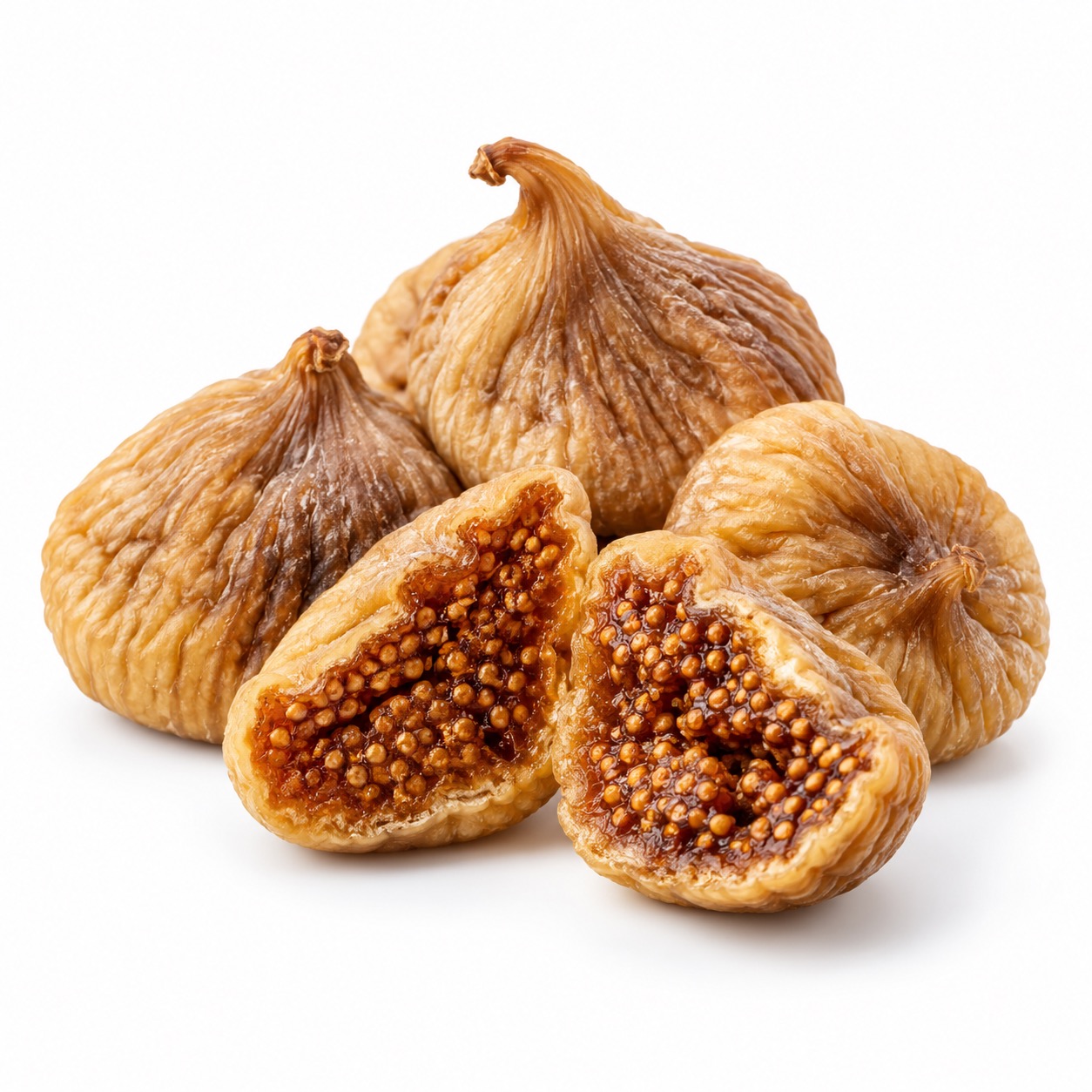
Dry figs are mature figs that have been dehydrated to reduce moisture while concentrating sugars, aroma and texture. Compared with fresh figs, dried figs are smaller, denser, sweeter, chewier and more stable in storage. They are important in pastry, confectionery, breakfast preparations, cheese accompaniments and regional baked goods.
Dry figs are used in cakes, fruit breads, biscotti, holiday sweets, pastry fillings, tart components and confections. They can be chopped, soaked, puréed or folded whole into doughs and batters.
Their sweetness works naturally with aged cheese, fresh goat cheese, blue cheese, cured meats, pâtés and terrines. They bring balance, fruit concentration and visual warmth to cheese boards.
In savory cooking, dried figs can enrich braises, stuffings, agrodolce preparations, grain salads and sauces. They pair especially well with pork, duck, game, nuts, vinegar, wine and aromatic herbs.
Dry figs taste honeyed, fruity and deeply sweet with notes of caramel, jam, dried flowers and mild earthiness. Texture can range from tender-chewy to denser and seedier depending on the variety and the degree of drying.
The transformation from fresh figs to dried figs is a preservation process. As moisture leaves the fruit, the sugars, aroma compounds and natural fruit solids become more concentrated.
Figs are harvested when ripe and sweet. At this stage they contain high moisture, delicate skin and soft flesh, making them delicious but perishable.
The figs are exposed to controlled drying conditions—traditionally sun drying or more modern mechanical dehydration. Water content decreases, the skin wrinkles, the fruit tightens and sweetness intensifies.
The finished dried fig is smaller, denser and more shelf-stable than the fresh fruit. The interior becomes concentrated, chewy and seed-rich, and the natural sugars may appear as a slight bloom or surface crystallization.
Store dry figs in a cool, clean, dry environment in a sealed container. For extended quality and warmer climates, refrigeration can help preserve freshness and protect the product from excess humidity.
Different fig cultivars produce different size, seed density, sweetness and color. Some dry pale golden-beige, while others become darker amber-brown or deep brown.
Traditional sun drying gives a classic Mediterranean identity. It can produce complex sweetness and rustic character when the climate and sanitation conditions are favorable.
Controlled dehydration provides consistency, food-safety control and predictable moisture reduction. This is useful for commercial standardization and professional production.
Dried figs are naturally rich in carbohydrates and fiber because drying concentrates the fruit solids. They also contribute minerals and plant compounds typical of dried fruit.
| Reference serving | Approximate value |
|---|---|
| 40 g dried figs | About 95–110 kcal |
| Carbohydrate | About 24–28 g |
| Dietary fiber | About 3–4 g |
| Total sugars | Naturally occurring fruit sugars |
| Fat | Very low |
| Protein | Low |
| Minerals | Source of potassium and small amounts of calcium and iron |

Panforte di Siena is one of the most typical traditional holiday cakes of Tuscany, especially associated with the city of Siena. This dense, spiced sweet represents the meeting point of dried fruit, nuts, honey, candied citrus and historical trade spices.
Dried figs belong naturally in the world of Panforte because they reflect the same preserved-fruit culture that shaped Tuscan festive baking. Their concentrated sweetness and chewy texture make them an important reference ingredient when discussing Italian holiday sweets, pantry fruit and regional confectionery traditions.
| Ingredient | Dry Figs |
|---|---|
| Italian name | Fichi Secchi |
| Ingredient code | TC-DRY-FRUIT-FIGS-001 |
| Inventory ID | dry_figs |
| Category | Pantry and Dry Goods |
| Subcategory | Dry Fruit |
| Base unit | g |
| Primary stations | Pastry · Prep Kitchen · Cheese & Charcuterie · Pantry |
| Icon | /academy/ibrary/pantry/dry-fruit/dry-figs.webp |
| Page | /academy/ibrary/pantry/dry-fruit/Dry-figs.html |