Soy Sauce
Soy sauce, or shoyu in Japanese, is a fermented seasoning built around salt, soybean proteins, grain starches and microbial fermentation. It provides salinity, deep umami, aroma, color and complexity in marinades, glazes, stir-fries, dressings, dipping sauces, braises, soups, pan sauces and countless contemporary preparations.
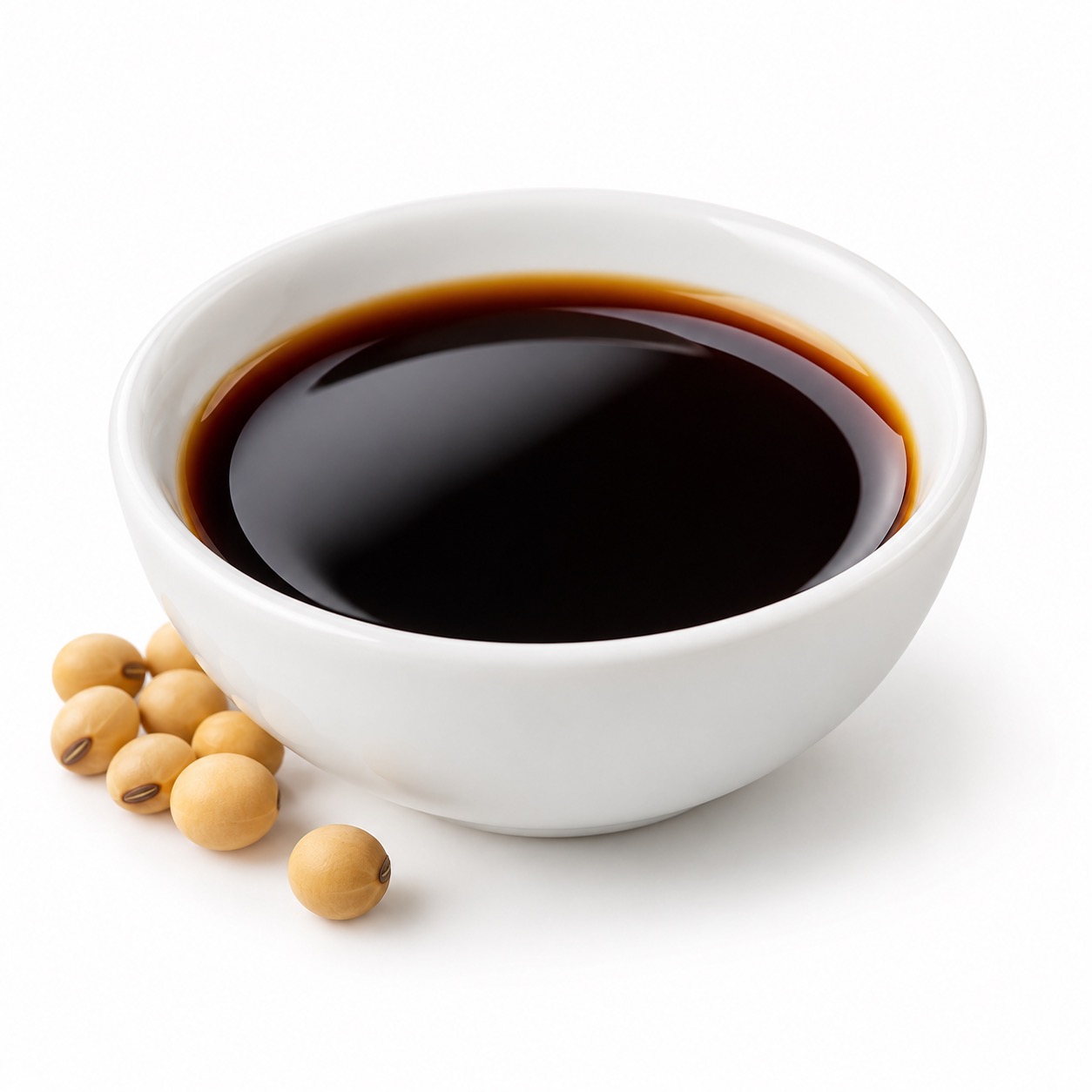
What soy sauce contributes to a recipe
Soy sauce is more than salt. During fermentation, soybean proteins are broken down into amino acids that contribute savory depth, while wheat starches generate sugars and aromatic compounds. Lactic acid bacteria and yeast further shape acidity, aroma and roundness. The result is a seasoning that can deepen meat, poultry, seafood, vegetables, grains, noodles and sauces with very small quantities.
From ancient fermented pastes to modern shoyu
Ancient roots
The ancestry of soy sauce is linked to ancient Chinese salted fermented preparations often grouped under the historical concept of jiang. Grain- and soybean-based versions developed as preservation and seasoning systems and later influenced fermented foods in Japan.
In Japan, early soybean ferments known as hishio existed long before modern bottled soy sauce. Over time, liquid seasoning separated from fermented pastes became increasingly valued in its own right.
Japanese development
Japanese soy sauce tradition is strongly associated with the Kansai region and later with Kanto production centers. The Soy Sauce Information Center traces an important tradition to Kishu Yuasa and notes that production expanded as the condiment became a daily necessity.
During the Edo period, the darker, stronger style now associated with koikuchi shoyu developed to suit Kanto tastes. Japanese soy sauce eventually became an international pantry ingredient used far beyond Japanese cuisine.
How naturally brewed soy sauce is made
In traditional honjozo brewing, moromi fermentation and maturation commonly continue for months. The Japanese Soy Sauce Information Center describes roughly six to eight months for a typical traditional common soy sauce process.
Five Japanese soy sauce styles recognized by JAS
| Type | Character | Professional use |
|---|---|---|
| Koikuchi Shoyu Common / dark | Balanced saltiness, deep umami, rounded sweetness, acidity and aroma. The standard all-purpose Japanese style. | Marinades, teriyaki-style glazes, dipping, stir-fry, soups, braises, dressings and table seasoning. |
| Usukuchi Shoyu Light color | Lighter color but typically not lower in salt. Designed to season while preserving ingredient color. | Clear soups, delicate vegetables, simmered dishes, egg custards and pale sauces. |
| Tamari | Thicker, darker, dense in umami, with a pronounced aroma. Often made with little or no wheat, but formulas vary. | Sashimi, dipping, glazing, grilled meats, reductions and rich sauces. |
| Saishikomi Shoyu Refermented | Deep color, concentrated flavor and aroma because soy sauce is used in the brewing liquid instead of ordinary brine. | Premium dipping, sushi, sashimi, chilled tofu, finishing sauces and tasting applications. |
| Shiro Shoyu Extra light | Very pale amber, comparatively sweet and aromatic, developed to minimize dark coloration. | Clear soups, chawanmushi, pale sauces, pickles and preparations where ingredient color must remain bright. |
Global note: Chinese light soy, Chinese dark soy, Korean ganjang and Southeast Asian soy sauces have their own traditions and production profiles. They should not be treated as exact equivalents of the five Japanese JAS categories.
How to evaluate soy sauce
Ingredient list
- Traditional shoyu commonly centers on soybeans, wheat, salt and water.
- Check whether the product is traditionally brewed, blended or chemically hydrolyzed.
- For gluten-sensitive guests, verify certified gluten-free labeling rather than assuming tamari is safe.
Sensory quality
- Clean fermented aroma without stale or harsh notes.
- Balanced salinity and umami rather than one-dimensional saltiness.
- Fresh roasted, malty, slightly sweet or fruity complexity depending on style.
Kitchen specification
- Choose one dependable all-purpose shoyu for general production.
- Add specialty tamari or usukuchi when the menu benefits from their specific behavior.
- Use reduced-sodium versions when a recipe will reduce heavily or contains several salty components.
Standard brewed shoyu — reference values per 100 g
Soy sauce is low in calories and fat, but it is a high-sodium seasoning. The nutritional impact of a recipe depends more on the amount used than on its calories. Brand, type and reduced-sodium formulation can change the numbers substantially.
Reference basis: USDA SR Legacy entry for soy sauce made from soy and wheat (shoyu), per 100 g. Values vary by brand, concentration and style.
Using soy sauce as a marinade foundation
Soy sauce is especially useful in marinades because it seasons the surface, contributes umami and promotes appealing color during grilling, roasting and sautéing. It works best as part of a balanced system rather than as the only liquid.
| Ingredient | Marinade direction | Professional note |
|---|---|---|
| Chicken | Soy sauce + water or stock + ginger + garlic + citrus or rice vinegar + small amount of sugar or honey. | Excellent for grilling, roasting or stir-fry. Dilute when marinating for several hours to control salinity. |
| Beef | Soy sauce + sesame oil + garlic + scallion + ginger + sweetness + optional pear or fruit purée. | Works well for sliced beef, steaks, skewers and Korean-inspired preparations. |
| Pork | Soy sauce + brown sugar or honey + garlic + ginger + rice wine or vinegar. | Strong match for ribs, loin, shoulder, belly and glazed roast applications. |
| Fish & seafood | Soy sauce + citrus + ginger + scallion + mirin or light sweetness. | Use shorter marination than for meat; delicate fish can become overly salty or firm if held too long. |
| Tofu & vegetables | Soy sauce + acid + sesame or neutral oil + garlic + chili + herbs. | Excellent for mushrooms, eggplant, broccoli, cabbage, tofu and grilled vegetables. |
Many ways to use soy sauce in the professional kitchen
Ingredients that pair naturally with soy sauce
Aromatics
Ginger, garlic, scallion, shallot, onion, lemongrass, chili.
Acidity
Rice vinegar, lemon, lime, yuzu, orange, wine vinegar.
Sweetness
Mirin, honey, brown sugar, maple, fruit purée.
Fats
Sesame oil, neutral oil, butter, mayonnaise, nut and seed pastes.
Umami partners
Miso, mushrooms, kombu, bonito, tomato, Parmesan in fusion applications.
Texture builders
Cornstarch slurry, reduced stock, purées, emulsions and sesame paste.
Professional handling
Unopened
Store sealed soy sauce in a cool, dry pantry away from direct heat and sunlight. Follow manufacturer shelf-life and lot-control instructions.
Opened
For best aroma and color retention, refrigerate after opening when recommended by the producer, especially for premium or lightly processed products. Keep caps and pour spouts clean to prevent contamination and crystallized salt buildup.
Platform ingredient identity
This identity is designed to synchronize the Soy Sauce icon with recipe pages, Live Inventory, Menu Builder, Salad Station, Purchasing and future ingredient search/nutrition systems.
TC-SAUCE-SOY-001soy_saucesoy_sauce/academy/ibrary/pantry/sauces/soysauce.webp/academy/ibrary/pantry/sauces/soy.htmlTC-ICON-SAUCE-SOY-001Soy sauce questions
Is light soy sauce lower in sodium?
Not necessarily. Japanese usukuchi means light in color, not low in sodium. In fact, it can be saltier than standard koikuchi. Always distinguish “light color” from a product specifically labeled reduced-sodium or low-sodium.
Is tamari always gluten-free?
No. Tamari is often brewed with little or no wheat, but formulas differ. Verify the label and certification when preparing food for someone who must avoid gluten.
When should soy sauce be added to a stir-fry?
Usually near the end or as part of a prepared sauce. This gives controlled seasoning and reduces the chance of scorching or over-reducing the sauce during very high-heat cooking.
Can soy sauce replace salt completely?
Sometimes, but not automatically. Soy sauce adds water, color, aroma, acidity and umami as well as sodium, so replacing salt changes more than salinity. Adjust the whole recipe rather than making a simple one-for-one substitution.
Research notes
Historical, brewing and Japanese type classifications on this page follow the Soy Sauce Information Center of Japan. Nutrition figures use the USDA SR Legacy reference for soy sauce made from soy and wheat (shoyu). Product specifications vary by brand and should always be checked for sodium, wheat/gluten status, additives and production method.