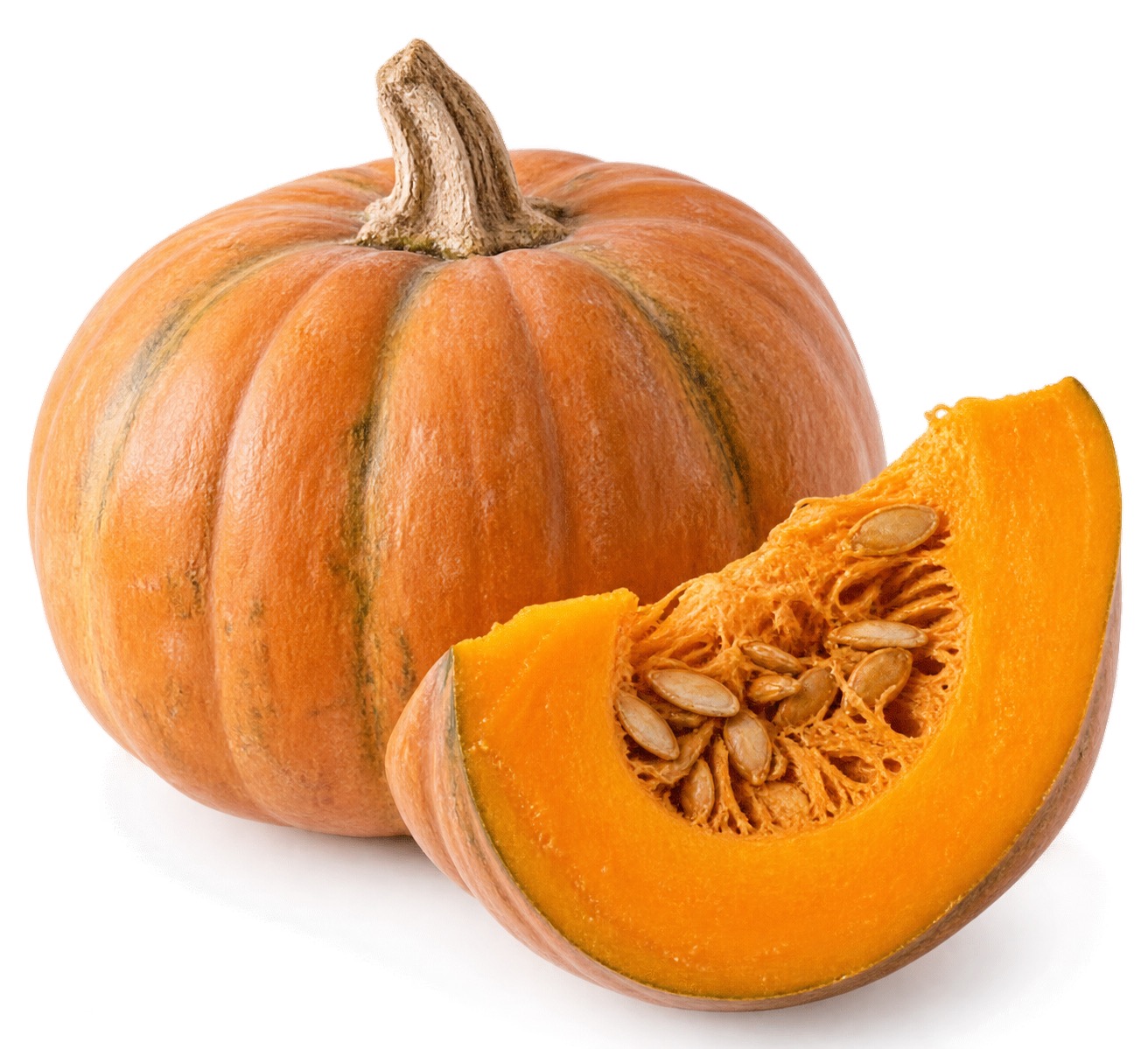
History: From the Americas to the World
Pumpkins and other squashes belong to the genus Cucurbita, a group native to the Americas. Archaeological and genetic evidence places squash among the earliest domesticated food plants in the Americas, with cultivation reaching back roughly 10,000 years.
Early peoples selected wild gourds over generations for larger fruit, better flesh and reduced bitterness. Squash later became part of sophisticated Indigenous food systems, including the “Three Sisters” association of squash, maize and beans in parts of North America. When Europeans encountered American squashes, seeds traveled back across the Atlantic and the crop entered European kitchen gardens, eventually becoming deeply rooted in regional cuisines.
Today the word “pumpkin” covers culinary forms from several species, especially Cucurbita pepo, C. maxima and C. moschata. Their flavors, moisture levels, skin thickness and starch content vary dramatically, which is why professional kitchens should choose cultivar by application rather than color alone.
Traditions Around the World
🇮🇹 Italy — Zucca
In northern Italy, especially around Mantua, pumpkin is central to tortelli di zucca, where the sweet flesh may be balanced with amaretti, mostarda, cheese and nutmeg. Zucca also appears in risotto, gnocchi, soups, baked dishes and filled pasta.
🇲🇽 Mexico — Calabaza
Pumpkin has deep pre-Hispanic roots in Mexico. The fruit, seeds, shoots and flowers have culinary uses, and calabaza en tacha—pumpkin slowly cooked with piloncillo and spices—is strongly associated with Día de Muertos traditions.
🇺🇸 United States — Autumn Symbol
Pumpkin became an enduring symbol of harvest season. It appears in soups, breads, pies and preserves, while carving pumpkins became a defining Halloween custom. Pumpkin pie later became closely identified with Thanksgiving.
🌏 Asia & Modern Global Cooking
Dense, sweet squash types such as kabocha are valued for steaming, simmering, tempura, curries and braises. Contemporary chefs also use pumpkin in purées, dumpling fillings, sauces, fermented preparations and vegetable-forward tasting menus.
Culinary Usage
Pumpkin’s professional value comes from the way its texture changes with heat. Moist cooking keeps the flavor clean and vegetal; roasting drives off water and concentrates sugars; blending creates natural body without cream; and controlled browning produces nutty, caramelized notes.
Steam, simmer or roast until completely tender. Blend with controlled liquid and emulsify with olive oil, butter or another fat.
Add roasted or cooked pumpkin purée gradually to rice for color, sweetness and creamy body while maintaining grain structure.
Use drier pumpkin flesh for fillings and doughs. Excess water should be removed before mixing to protect texture.
High dry heat intensifies sweetness and produces browned edges. Cut evenly and avoid overcrowding.
Purée is used in custards, cakes, breads, pies and plated desserts. Variety and water content strongly affect results.
Seeds can be washed, dried and roasted; pepitas contribute crunch, fat and a nutty contrast to soups, salads and sauces.
Flavor Architecture & Pairings
Pumpkin sits between vegetable and sweet applications. Its mild sweetness becomes more pronounced after roasting, while its earthy character gives chefs room to build either savory, spicy or dessert profiles.
Nutrition — Raw Pumpkin per 100 g
| Energy | 26 kcal |
| Water | 91.6 g |
| Protein | 1.0 g |
| Total fat | 0.1 g |
| Carbohydrate | 6.5 g |
| Dietary fiber | 0.5 g |
| Total sugars | 2.76 g |
| Potassium | 340 mg |
| Calcium | 21 mg |
| Iron | 0.8 mg |
| Vitamin C | 9 mg |
| Vitamin A | 426 µg RAE |
| Sodium | 1 mg |
Reference basis: USDA raw pumpkin values per 100 g edible portion. Values vary by species, cultivar, maturity and cooking method. Roasting or reducing pumpkin changes nutrient concentration per 100 g because water is lost.
Cultivation & Harvest
Warm soil
Pumpkins are warm-season cucurbits. Plant into fertile, well-drained soil after it has warmed; University of Illinois guidance notes germination/planting around 58–60°F soil temperature.
Room to vine
Vining cultivars need significant space, while semi-bush and miniature types can be planted more tightly. Good airflow and open growth reduce disease pressure.
Pollination & water
Flowers require pollination for fruit set. Maintain consistent irrigation while avoiding prolonged wet foliage and waterlogged soil.
Full maturity on the vine
Pumpkins do not meaningfully continue ripening after harvest. Leave them on the vine until mature, with a firm rind and hardening stem.
Harvest gently
Harvest before damaging frost, avoid cuts and bruises, and handle by the fruit rather than relying on the stem as a handle.
Cool, dry storage
Store mature whole fruit in a cool, dry, ventilated area. Avoid extended temperatures below about 45°F / 7°C because pumpkins are susceptible to chilling injury.
Professional Kitchen Handling
Receiving
- Rind should be firm, intact and free from soft spots, wet decay, mold or deep cuts.
- Choose fruit heavy for its size and appropriate to the intended application.
- For fillings and gnocchi, favor dense, dry-fleshed culinary cultivars over watery carving types.
Prep
- Wash the exterior before cutting because the knife can carry surface contamination into the flesh.
- Stabilize the pumpkin before splitting; large fruit can be awkward and require a strong chef’s knife or cleaver-style tool.
- Remove seeds and stringy fibers. Save seeds for roasting when quality permits.
- Peel before cooking when the rind is tough; some varieties can be roasted with the skin and peeled afterward.
Sources & Reference Notes
This page combines Tuscany Cuisine culinary guidance with external historical, nutrition and horticultural references. External sources support the background data; culinary workflow and platform identity fields are part of the Tuscany Cuisine ingredient system.
- Smithsonian National Museum of Natural History — squash domestication and early history
- Mantova Tourism — Tortelli di Zucca tradition
- Mexico Secretaría de Agricultura — Calabaza en Tacha
- USDA FoodData Central — raw pumpkin nutrition reference
- University of Illinois Extension — pumpkin culture and harvest guidance
- University of Minnesota Extension — harvest maturity and storage