Tuscany Cuisine
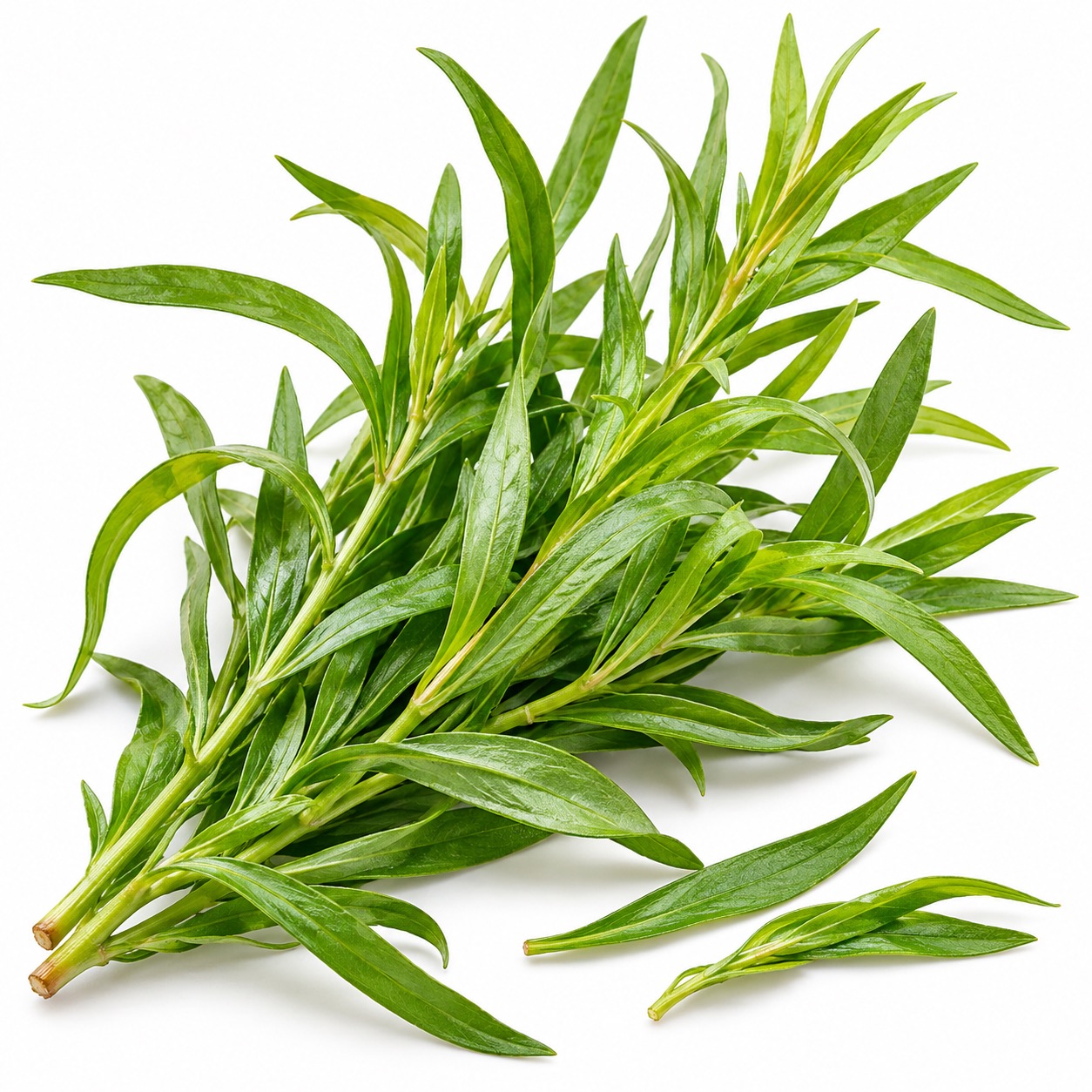
Fresh green tarragon sprigs, Italian dragoncello
Tuscany Cuisine Ingredient Library · Culinary Herbs

Tarragon Dragoncello

Tarragon is one of the world's most distinctive culinary herbs: elegant, aromatic and unmistakably fragrant, with notes often described as anise, licorice, pepper and fresh green herbs. In Italian it is known as dragoncello, while the French name estragon reflects the herb's deep association with classical French cuisine.

Botanically known as Artemisia dracunculus, tarragon is a perennial member of the Asteraceae family. Its culinary identity is especially associated with French tarragon, the intensely aromatic form favored by chefs for sauces, poultry, fish, eggs, vinaigrettes and herb mixtures.

Chef's flavor profile: fresh, green, sweet-anise aroma with gentle peppery bitterness. Tarragon should perfume a dish rather than dominate it.
Ingredient Record

Tarragon at a Glance

A professional culinary reference for identifying, purchasing, storing and using dragoncello in the kitchen.

English Name Tarragon
Italian Name Dragoncello
French Name Estragon
Botanical Name Artemisia dracunculus L.
Plant Family Asteraceae
Plant Type Perennial Herb
Primary Culinary Part Leaves & Tender Shoots
Flavor Anise · Licorice · Peppery
Best Culinary Variety French Tarragon
Best Form Fresh Leaves
Harvest Spring through Autumn
Image Record dragoncello.webp
Origins

Where Tarragon Comes From

Tarragon cannot accurately be assigned to one modern country of origin. Artemisia dracunculus has a broad natural range across temperate areas of the Northern Hemisphere, particularly Eurasia, and populations also occur naturally in parts of North America.

Central Asia, Siberia, Russia and neighboring Eurasian regions have long been important in accounts of the herb's geographic history. Over time, cultivated forms moved westward and became established in European herb gardens and kitchens.

Region / Country Relationship to Tarragon
Central Asia Part of the herb's important Eurasian native range and historical center of diversity.
Russia & Siberia Strongly associated with wild and Russian forms of Artemisia dracunculus.
China & Inner Asia Included within the broad natural geographic distribution of the species.
Turkey & Eastern Mediterranean Part of the historical route connecting Asian and European herb traditions.
France Not the sole botanical origin of the species, but the country most closely associated with the refined culinary use of French tarragon.
Italy Known as dragoncello and cultivated as a culinary herb, particularly for sauces, poultry, fish, eggs, vegetables and aromatic vinegars.
North America Wild populations of Artemisia dracunculus occur naturally across parts of the continent.
History

From the “Little Dragon” to the Classical Kitchen

The Name

Dragoncello and the Little Dragon

The botanical epithet dracunculus means “little dragon.” Historical explanations connected the name with the plant's serpentine-looking roots or long, narrow leaves and with older traditions surrounding dragon- and serpent-named plants.

Middle Ages

Movement Through Eurasian Herb Culture

Tarragon circulated through Eurasian and Middle Eastern culinary and herbal traditions before becoming firmly established in Western European gardens. Medieval references exist, but the herb was not one of the principal culinary plants of classical Mediterranean antiquity.

1536

A Clear Renaissance Botanical Record

One of the important early Western European botanical descriptions appears in the work of French physician and botanist Jean Ruel during the sixteenth century. From this period forward, references to the plant become increasingly recognizable in European herb literature.

17th–18th C.

European Herb Gardens

Tarragon became an established cultivated herb. Different regional forms were recognized, and the more aromatic cultivated French type eventually became especially valued by cooks.

Classical Cuisine

A Signature Herb of French Cooking

Tarragon became closely connected with the development of French sauce work and herb combinations. Its role in Béarnaise sauce, fines herbes, vinaigrettes, poultry and egg preparations made estragon one of the defining aromatic herbs of the classical French kitchen.

Today

An International Culinary Herb

Modern chefs use tarragon far beyond France. It appears in European, Mediterranean, Caucasian and contemporary international cooking and remains an important herb for sauces, fish, poultry, vegetables, eggs and infused condiments.

Varieties

French Tarragon vs. Russian Tarragon

French Tarragon

French tarragon is the preferred culinary form. Its leaves are highly aromatic, delivering a refined combination of anise, licorice, pepper and fresh herbal notes.

It is especially valued for delicate sauces, poultry, fish, eggs and vinaigrettes where its perfume can remain recognizable.

French tarragon generally does not produce useful viable seed, so good culinary plants are propagated by division or cuttings.

Russian Tarragon

Russian tarragon is typically taller, more vigorous and more tolerant of difficult winter conditions.

Its culinary aroma, however, is considerably less intense. The flavor may appear greener, grassier and slightly more bitter than good French tarragon.

Russian tarragon can be grown from seed, making it easier to reproduce, but professional kitchens generally prefer the French form for flavor.

Professional Purchasing Tip

When buying tarragon for a restaurant or recipe, aroma is more important than leaf size. Rub a leaf gently between your fingers: quality French tarragon should immediately release its distinctive sweet anise-like perfume.

Culinary Usage

How Tarragon Is Used in the Kitchen

Tarragon has a strong aromatic personality, but its elegance comes from restraint. A small quantity can give a sauce or vinaigrette remarkable complexity.

French Cuisine

Tarragon is essential to many classical French preparations, most famously Béarnaise sauce. It is also associated with fines herbes, tarragon vinegar, mustard sauces, chicken, omelets and delicate fish preparations.

Italian Cooking

Known as dragoncello, the herb can complement poultry, freshwater and marine fish, eggs, vegetables, aromatic vinegars and delicate pan sauces. Its licorice-like aroma works especially well when balanced with acidity.

Caucasus & Eurasia

Tarragon also has important culinary traditions in the Caucasus and Eurasia, where fresh herbs may accompany meats, stews, salads, preserved foods and aromatic beverages.

Traditional Culinary Pairings

Chef's Technique

Fresh tarragon is most expressive when it is not subjected to excessive cooking. For many preparations, add a portion during the sauce-making process to build the aroma, then finish with a small amount of freshly chopped tarragon immediately before service.

This technique creates both depth and a fresh top note without allowing the herb's volatile aroma to disappear during prolonged heat.

Cultivation

Growing Tarragon

Tarragon is a perennial herb that performs best in a sunny, sheltered position with excellent drainage. Heavy, continuously wet soil is one of the plant's greatest enemies.

Light Full sun is preferred for strong, aromatic growth.
Soil Loose, fertile and especially well-drained soil.
Water Water consistently during establishment but avoid waterlogged roots.
Growth Habit Perennial herb that forms expanding clumps through underground growth.
Propagation French tarragon is normally propagated through division or cuttings rather than seed.
Harvest Regularly harvest young shoot tips to encourage tender new growth.
Flower Control Removing flower buds can help maintain continued leaf production during the growing season.
Winter The aerial growth dies back in cold climates. French tarragon especially benefits from protection against cold, wet winter soil.
Containers Tarragon performs well in containers when drainage is excellent, making winter protection easier.
Seasonality

When Tarragon Is at Its Best

Tarragon begins producing tender shoots in spring and can be harvested repeatedly through summer and into autumn. Young leaves and shoot tips generally offer the finest balance of tenderness and aroma.

Winter Dormant outdoors in colder climates. Preserved or greenhouse tarragon may remain available.
Spring Young shoots emerge. Excellent season for tender fresh leaves.
Summer Peak growth and continuous harvesting with regular trimming.
Autumn Harvest continues until declining temperatures or hard frost.

Preserving the Season

Fresh tarragon provides the finest aroma. For longer storage, the leaves can be frozen or used to infuse vinegar. Drying is possible, although dried tarragon develops a softer and less vivid flavor than the fresh herb.

Nutrition

Tarragon Nutrition Profile

Tarragon contributes numerous vitamins, minerals and aromatic plant compounds. Because herbs are normally consumed in small amounts, their primary culinary purpose is flavor rather than supplying large quantities of calories or macronutrients.

USDA Reference — Dried Tarragon

Nutrient Per 100 g Dried
Energy 295 kcal
Protein 22.77 g
Carbohydrate 50.22 g
Dietary Fiber 7.4 g
Total Fat 7.24 g
Calcium 1,139 mg
Iron 32.3 mg
Magnesium 347 mg
Potassium 3,020 mg
Vitamin C 50 mg
Folate 274 µg
Vitamin A 210 µg RAE
Important: these values represent dried tarragon per 100 grams, a quantity much larger than a normal culinary serving. Fresh tarragon and typical recipe portions contain substantially smaller absolute quantities of these nutrients.

Nutritional Highlights

Tarragon contains a diverse mineral profile, including potassium, calcium, magnesium, iron and manganese.

Dried tarragon also contains several B vitamins, folate, vitamin C and vitamin A compounds.

Nutrient concentration increases substantially when an herb is dried because much of its water has been removed. This is why dried-herb values should never be confused with an equal weight of fresh leaves.

Culinary Health Perspective

The practical nutritional advantage of aromatic herbs such as tarragon is that they add complexity and flavor without requiring large quantities of sugar, saturated fat or sodium.

Professional Kitchen

Purchasing, Quality & Storage

Quality Indicators

  • Bright, lively green leaves
  • Strong clean tarragon aroma
  • Flexible tender stems
  • No blackened or slimy leaves
  • No excessive wilting
  • No sour or fermented odor

Storage

Refrigerate fresh tarragon and protect the delicate leaves from dehydration and crushing. Keep it lightly wrapped or stored in an appropriate herb container and use it while the aroma remains fresh and vibrant.

For longer preservation, freezing generally retains more of the fresh character than drying. Tarragon can also be preserved through vinegar infusions.

FAQ

Frequently Asked Questions About Tarragon

What is tarragon?

Tarragon is an aromatic perennial herb of the species Artemisia dracunculus, belonging to the Asteraceae family. It is cultivated primarily for its narrow, aromatic leaves.

What is tarragon called in Italian?

The common Italian name is dragoncello. The name estragone may also be encountered.

What does tarragon taste like?

Tarragon has a distinctive aromatic flavor combining fresh green herbal notes with anise, licorice and gentle peppery bitterness.

Is French tarragon better for cooking?

French tarragon is generally preferred by chefs because its aroma is considerably more pronounced than Russian tarragon. Russian tarragon is typically more vigorous and hardy.

What foods pair well with tarragon?

Tarragon pairs particularly well with chicken, eggs, fish, shellfish, salmon, mushrooms, asparagus, potatoes, mustard, vinegar, butter, cream and delicate wine sauces.

Why is tarragon important in French cuisine?

Tarragon is a defining herb in classical preparations including Béarnaise sauce and fines herbes and is frequently used with poultry, eggs, vinaigrettes and fish.

When is fresh tarragon in season?

Garden tarragon generally produces harvestable leaves from spring through autumn, with tender young growth particularly desirable for culinary use.

Can tarragon be dried?

Yes. Tarragon can be dried, although its flavor becomes softer and less vivid than fresh tarragon. Freezing and vinegar infusion are useful alternatives for preserving its aroma.

Continue Exploring

Tuscany Cuisine Culinary Library

Explore recipes, ingredients and culinary techniques throughout the Tuscany Cuisine online cooking search.