Milano · Festive Sweet Dough
Panettone Classico
A two-stage enriched dough using mature, carefully refreshed lievito madre, strong flour, egg yolks and butter. Includes long fermentation and upside-down cooling.
Open Panettone Recipe →
The living heart of Italian baking: a stiff natural yeast culture for aromatic breads, panettone, focaccia, pizza and long-fermented doughs.
Tradition • Fermentation • Fire • Handmade
Foundation Natural Yeast + Menu Builder Ready
This page works as the master natural yeast reference for the Baking directory: history, science, legatura, refresh tools, panettone pre-build logic, linked recipe variations and search metadata.
Tuscany Cuisine · Original Culinary Documentary
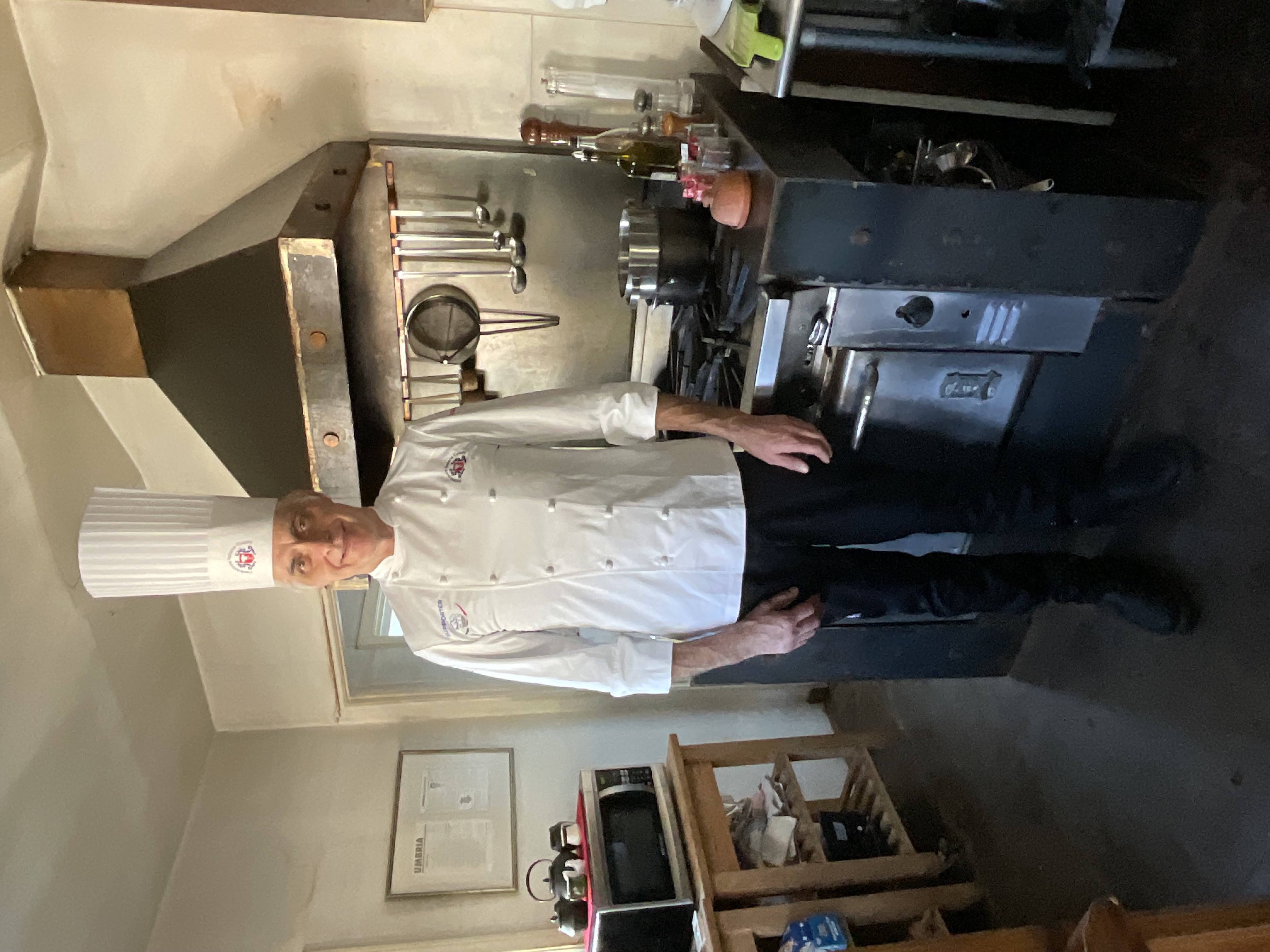
Join Chef David Giani on a 12-scene journey through Italian breadmaking: ancient grains and mills, flour classification, lievito madre, fermentation, dough development, regional breads, focaccia, pizza, panini and festive baking. The film connects the science of natural yeast on this page with the wider traditions of the Italian forno.
Educational focus: natural fermentation, dough hydration, shaping, baking science and the heritage of Italian breads.
The tradition of lievito madre dates back centuries in Italy, long before commercial yeast existed. Bakers preserved a living culture of flour and water, passing it from generation to generation. This natural yeast became the foundation for iconic preparations such as panettone, colomba and rustic regional breads.
Unlike modern yeast, lievito madre reflects its environment — the flour, temperature, water and hands of the baker. Each culture develops its own microbial fingerprint, making every bakery’s bread slightly different. In Tuscany, where bread is traditionally saltless, natural fermentation brings depth, aroma and structure that help compensate for the absence of salt.
Lievito madre is a symbiotic culture of wild yeast and lactic acid bacteria. Yeast produces carbon dioxide to leaven dough; bacteria create organic acids and aroma compounds that shape flavor, gluten behavior and shelf life.
Use this section to connect the Lievito Madre page to the rest of the Baking directory. Each recipe can later show a small toggle: “Make this with Lievito Madre.”
Discover how a properly refreshed mother yeast can be used in enriched festive baking, artisan pizza, modern Roman pinsa and specialty sandwich rolls. Each preparation has its own flour balance, water calculation, fermentation schedule and dough-handling technique.
A two-stage enriched dough using mature, carefully refreshed lievito madre, strong flour, egg yolks and butter. Includes long fermentation and upside-down cooling.
Open Panettone Recipe →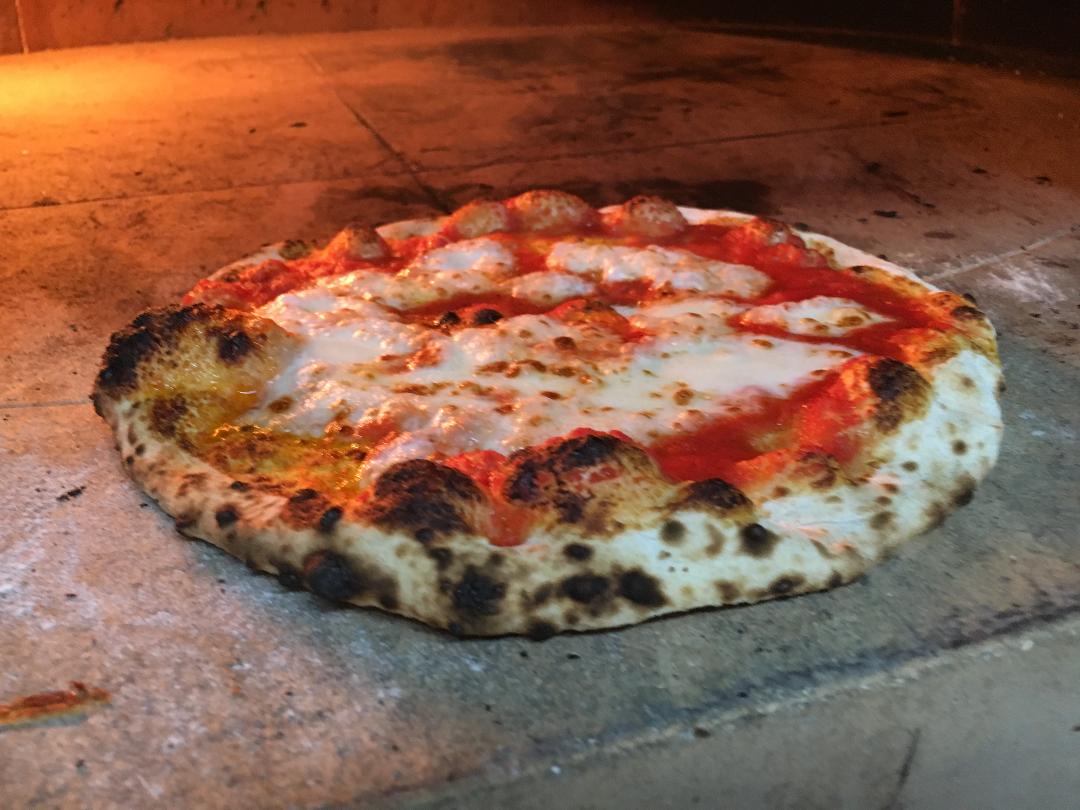
Learn how lievito madre can be substituted for commercial yeast as a separate, recalculated dough variation. Review hydration, gluten development and cold fermentation.
Open Pizza Dough Recipe →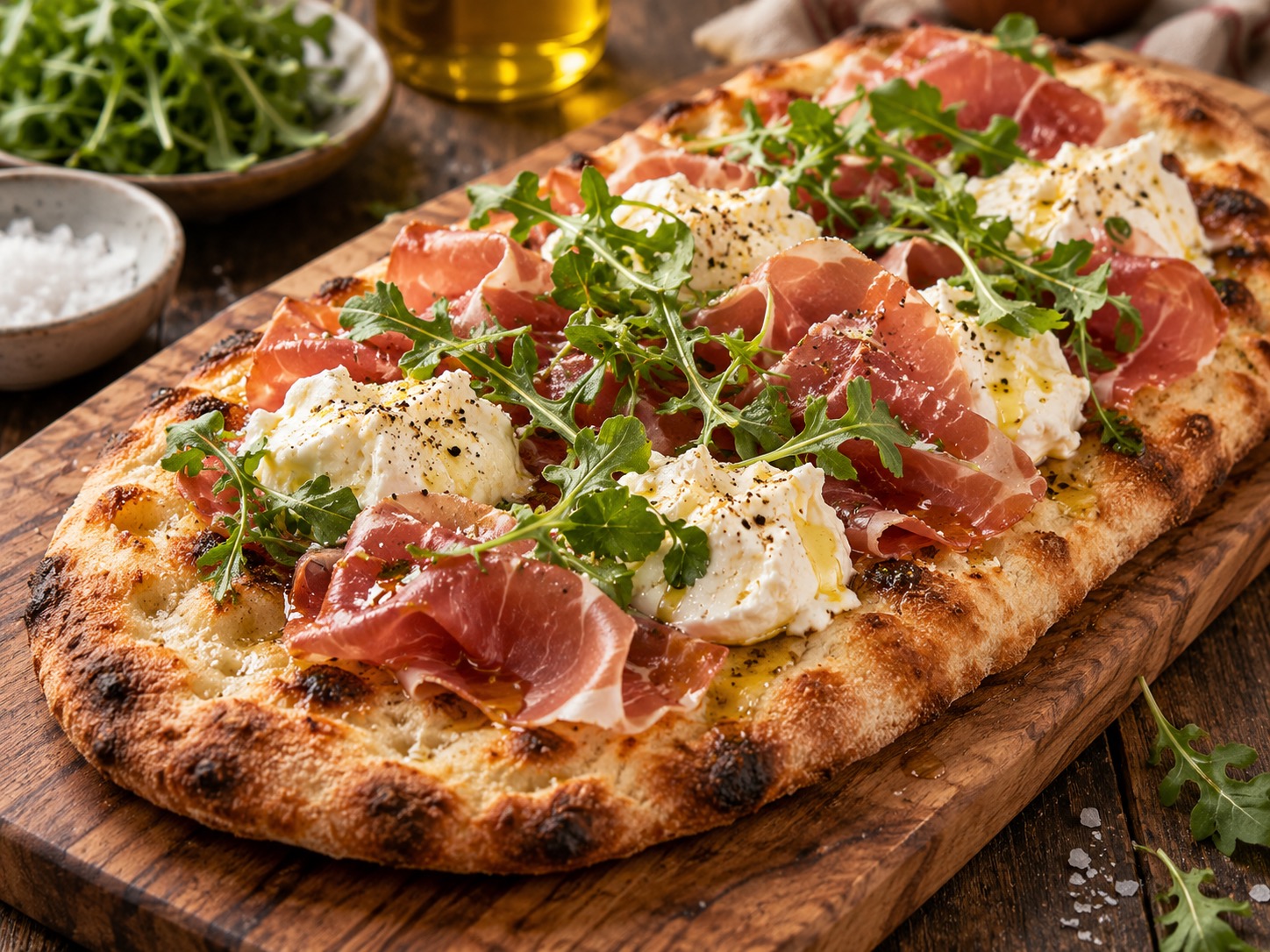
Compare a wheat, rice and soy flour dough at about 80% hydration with the alternative mother-yeast fermentation process. Preserve dough bubbles through gentle stretching.
Open Pinsa Recipe →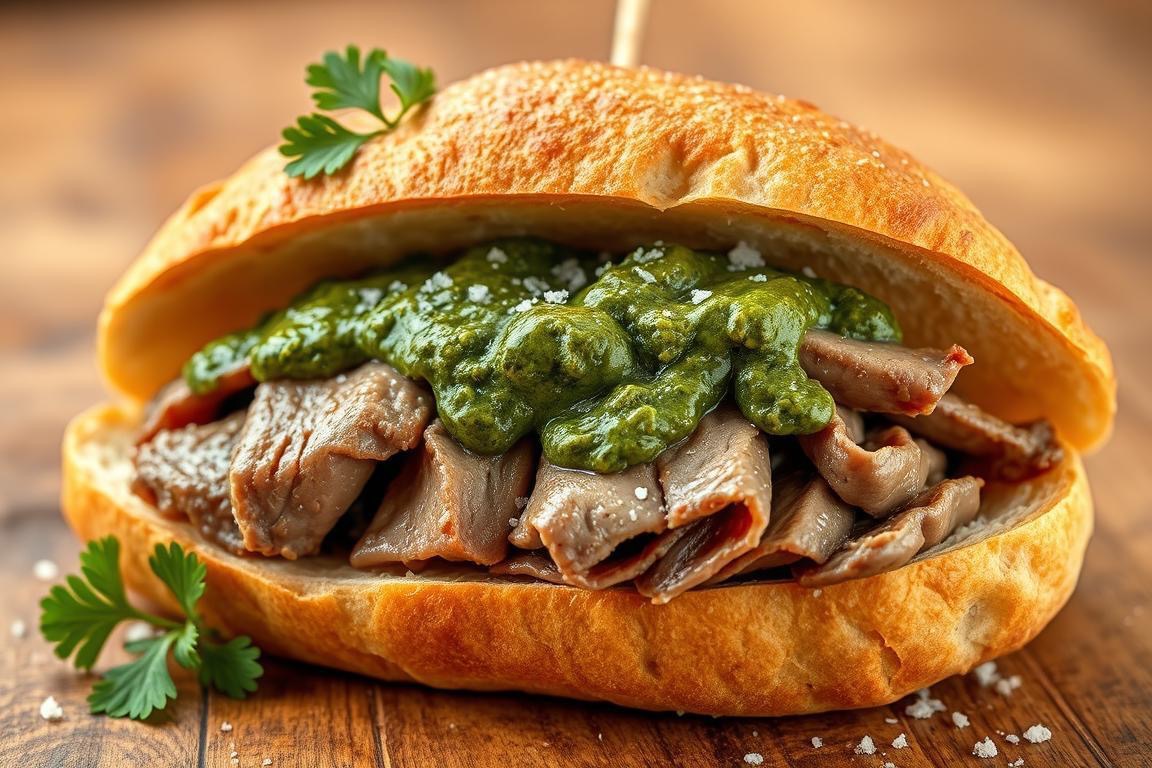
Explore the bread used for Chef David’s lampredotto sandwich. A mother-yeast michetta is an optional bakery interpretation; Florence also traditionally uses the semelle roll.
Explore Lampredotto Panino →Production note: these links are recipe connections and educational variations, not four tested lievito-madre formulas. When adding starter to pizza, pinsa or michetta, account for the flour and water already present in the mother yeast and verify proofing times experimentally.
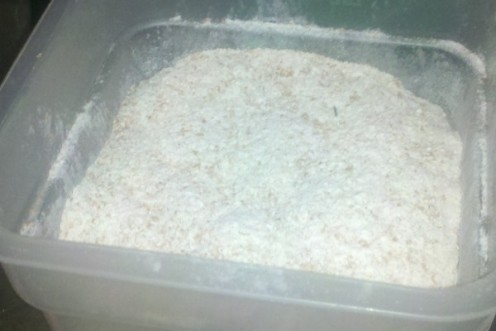
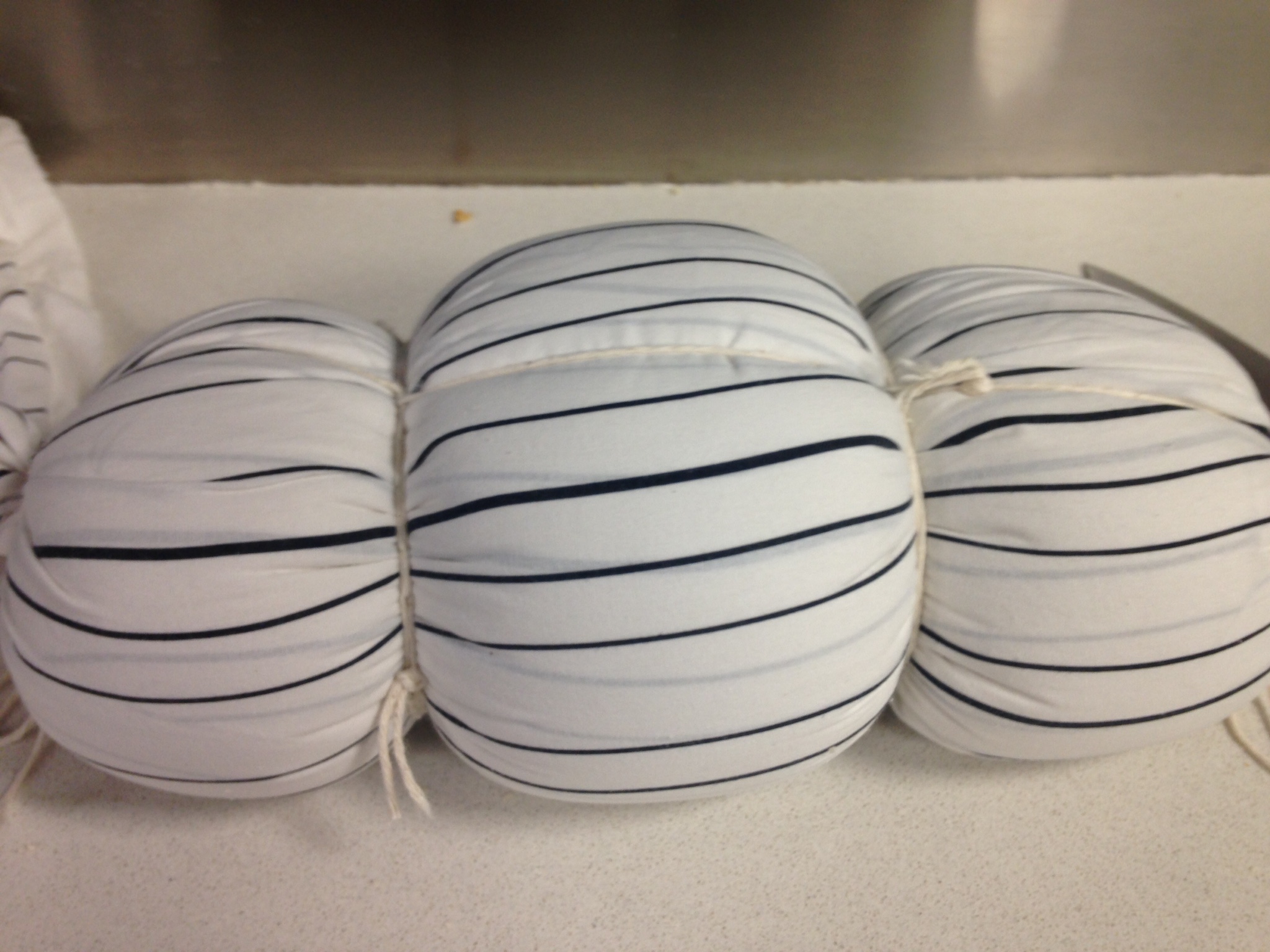
Use with a stiff LM at 45–50% hydration. Cloth binding moderates acid, strengthens the gluten network and encourages a sweet aroma.
Aim for sweet aroma, low tang and strong elasticity.
Enter starter to refresh, current hydration, target hydration and flour-per-starter feed ratio.
| Flour to add | — |
| Water to add | — |
| Total after refresh | — |
| Inoculation | — |
| Ratio | — |
Prepare and refresh the mother yeast here, then follow the complete two-stage production method in Chef David Giani's Panettone Classico recipe →.
Plan the LM build for rich doughs. Choose total flour, prefermented flour %, LM hydration and inoculation level.
| Target preferment flour | — |
| Target preferment water | — |
| Target preferment total | — |
| Seed LM needed | — |
| Add flour | — |
| Add water | — |
| Seed : flour : water | — |
For enriched doughs, perform 2–3 warm refreshments before the pre-build and keep acids low with legatura and timely feeds.