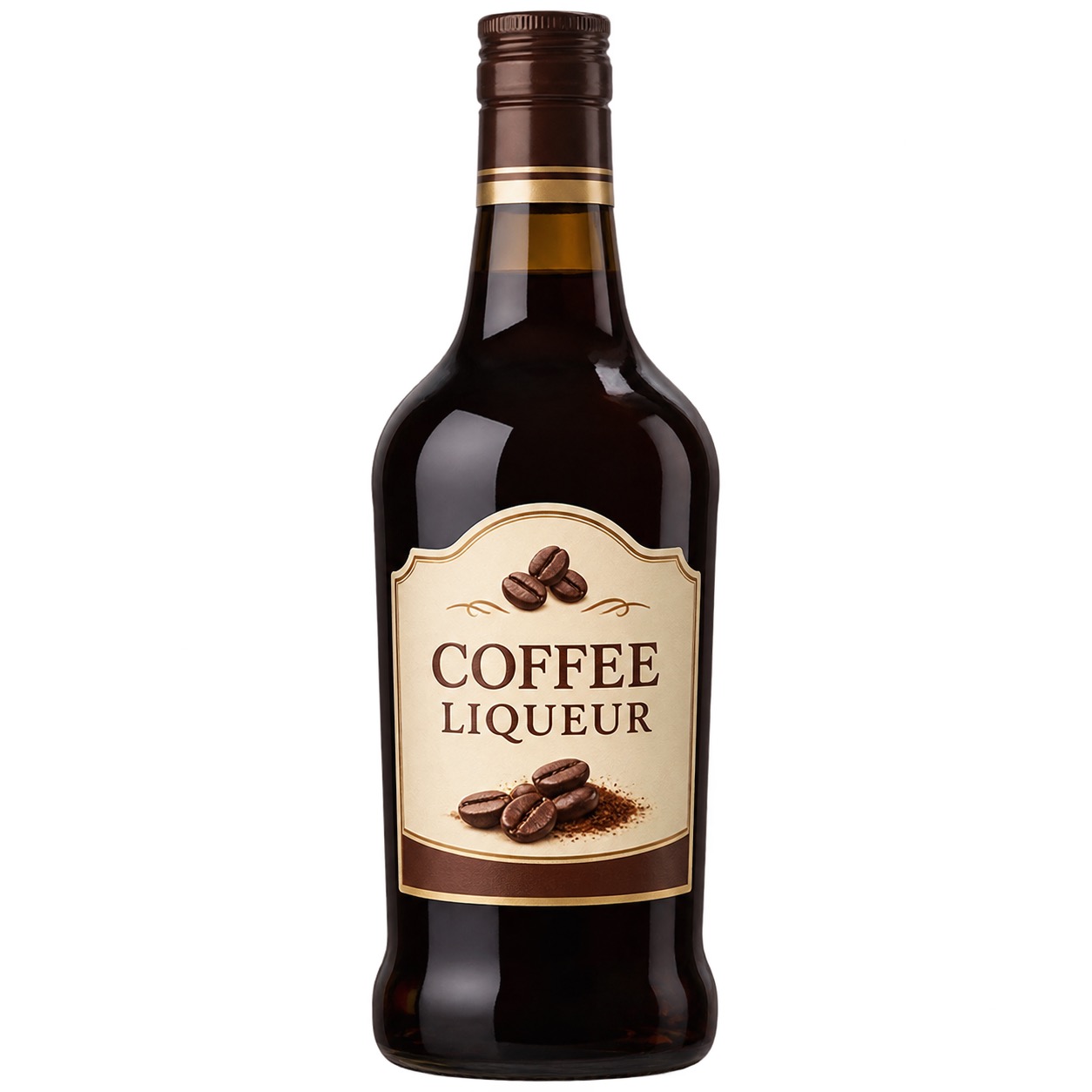
Origin
Coffee liqueur belongs to the broader family of sweetened flavored spirits created by combining distilled alcohol with coffee, sugar and complementary aromatics. Modern commercial coffee liqueurs became especially associated with coffee-producing regions, where roasted coffee could be paired naturally with rum or other neutral spirits.
Mexico became particularly important in the international identity of coffee liqueur during the twentieth century, but the category itself is broader than any single brand or country. Today coffee liqueurs are produced worldwide using rum, neutral spirit, brandy or other alcoholic bases, depending on the producer's desired style.
History
The idea of sweetening and flavoring spirits with coffee developed from the long European tradition of infused and flavored liqueurs. As coffee became a major global beverage, its roasted aroma and natural bitterness made it a logical partner for sugar and alcohol.
During the twentieth century, branded coffee liqueurs helped transform the category from a regional specialty into an internationally recognized bar ingredient. Coffee liqueur later became central to cocktails such as the White Russian, Black Russian, Mudslide and Espresso Martini-style drinks, while pastry chefs adopted it for tiramisu-style desserts, chocolate preparations, creams and syrups.
Fabrication / Production
Production methods vary by producer, but most coffee liqueurs are built around four elements: coffee extraction, spirit, sweetness and aromatic finishing.
Flavor Profile
Bar Usage
Coffee liqueur is one of the most versatile bridge ingredients between coffee service and the cocktail bar. It can provide sweetness, roasted depth and body while also reducing the need for additional simple syrup.
- Black Russian: vodka and coffee liqueur.
- White Russian: vodka, coffee liqueur and cream.
- Espresso cocktails: used alongside espresso, vodka, rum or aged spirits.
- Mudslide-style drinks: paired with cream and chocolate flavors.
- After-dinner service: served neat, over ice or with coffee.
- Layered drinks: its density and sweetness make it useful in visually layered cocktails.
Culinary Usage
In the pastry kitchen, coffee liqueur should be treated as both a flavoring ingredient and a liquid component. Its sugar, alcohol and coffee intensity can affect sweetness, moisture and texture, so quantities should be balanced carefully rather than added only for aroma.
- Chocolate ganache: adds roasted coffee depth and reinforces cocoa flavor.
- Tiramisu-style desserts: used in coffee soaking syrups and mascarpone preparations.
- Pastry cream and custards: added after cooking or during finishing for aroma.
- Chocolate mousse: enhances dark chocolate and espresso notes.
- Ice cream and gelato: contributes coffee flavor and a softer frozen texture because of the alcohol.
- Whipped cream: used in small quantities for flavored finishing creams.
- Dessert sauces: combined with caramel, chocolate, cream or espresso reductions.
- Cakes and tortes: used in soaking syrup, fillings or chocolate layers.
- Truffles and bonbons: blended into ganache centers and confectionery fillings.
Chef's Application Notes
Coffee liqueur works particularly well with dark chocolate, cocoa, mascarpone, cream, vanilla, hazelnut, almond, caramel and warm spices. When baking, remember that some alcohol will evaporate while the coffee, sugar and aromatic compounds remain. For uncooked creams, mousses and ganache, the alcoholic character will remain more evident.
In chocolate desserts, a small amount can sharpen roasted flavors without making the dessert taste overtly alcoholic. In frozen desserts, alcohol lowers the freezing point, so excessive quantities can prevent gelato or ice cream from setting properly.