Tuscany Cuisine Wine & Ingredient Library · Professional culinary knowledge by Chef David Giani
Protected Fortified Wine · Culinary Ingredient

Port Wine

Port Wine — Vinho do Porto — is the celebrated fortified wine of Portugal's Douro Demarcated Region. Its identity is built on origin, grape varieties, controlled fermentation, fortification with grape spirit, blending and aging. In the professional kitchen, Port adds fruit, sweetness, acidity, alcohol and oxidative complexity to sauces, reductions, pâtés, fruit preparations and desserts.

Portugal Douro PDO Fortified Wine Ruby & Tawny Vintage & LBV Cooking Wine Ingredient
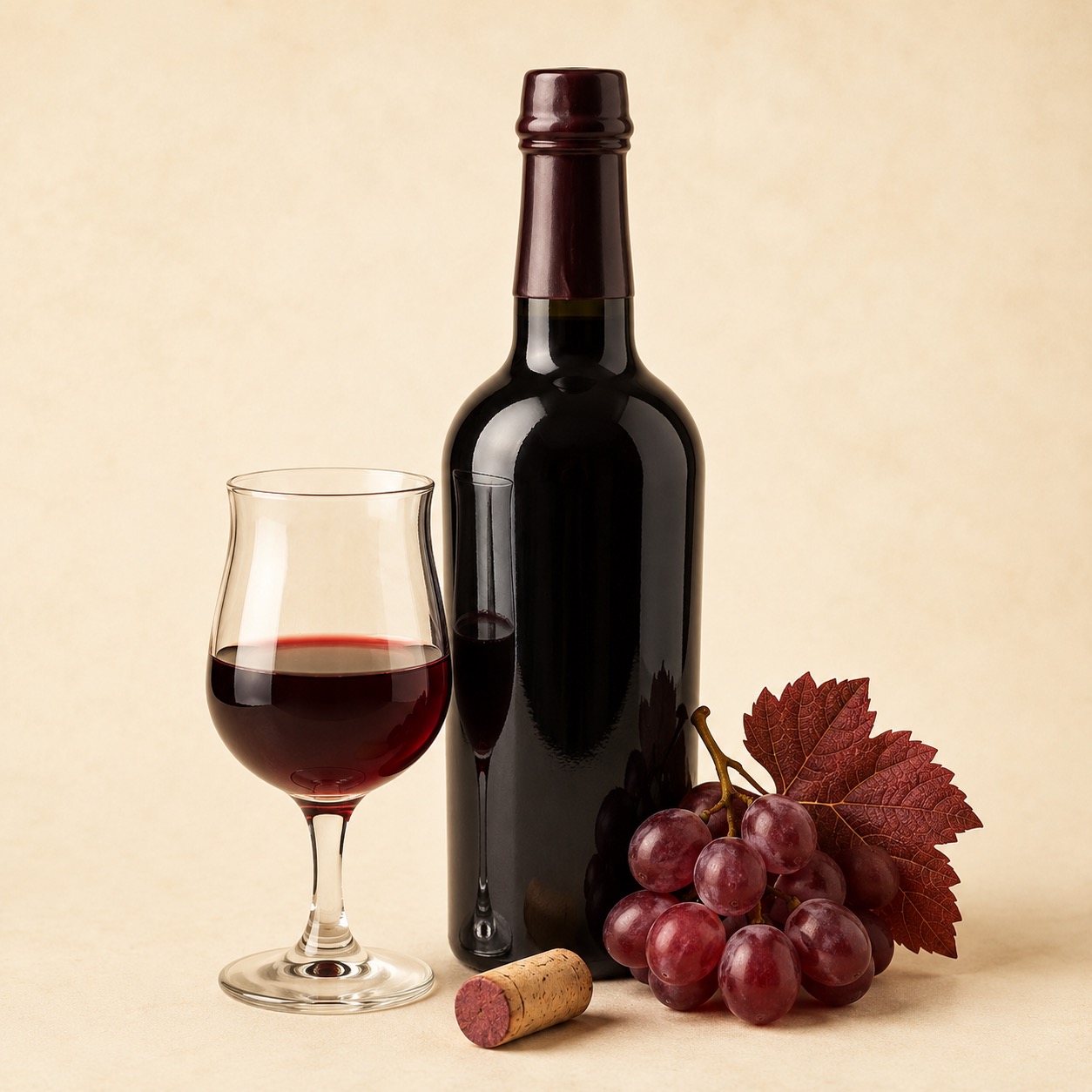
Port Wine bottle, tasting glass and red grapes ingredient graphic
Protected Origin Douro, Portugal Port / Porto / Vinho do Porto is a protected designation tied to the Douro Demarcated Region.
Wine Type Fortified Wine Fermentation is intentionally stopped by adding certified grape spirit.
Typical Strength Usually 19–22% ABV Alcohol and sweetness vary by category and production style.
Recipe Identity Port Wine · port_wine Current Tuscany Cuisine recipe inventory alias used for reductions and sauces.
Protected Wine Identity

What Makes Port Wine Port?

Port is not simply a sweet fortified wine. The name belongs to wine produced under the rules of the protected Douro origin in Portugal.

Douro Origin

The Instituto dos Vinhos do Douro e do Porto (IVDP) defines Port as fortified wine produced in the Douro Demarcated Region under specific natural and human conditions. European protected-origin rules recognize names including Porto, Port, Vinho do Porto, Port Wine and Oporto.

Wines made elsewhere may resemble Port stylistically, but the protected Port designation belongs to the regulated Portuguese origin.

Sweetness, Alcohol & Color

Port commonly falls between 19% and 22% alcohol by volume, though certain regulated White Port styles can be lower. The point at which grape spirit is added determines how much natural grape sugar remains, producing wines from extra-dry through very sweet.

Chef principle: identify the Port style before cooking. Ruby emphasizes youthful dark fruit; Tawny contributes dried fruit, nut, caramel and oxidative complexity. They are not interchangeable when the sauce profile matters.
History & Trade

From the Douro River to International Markets

Port's identity developed through vineyard agriculture, river transport, Atlantic commerce, international merchants and one of the world's earliest systems for regulating a geographically defined wine region.

1678

Port Wine in Customs Records

The IVDP identifies 1678 as an important early customs record using the term associated with “wine of Porto,” reflecting the wine's increasing export importance.

1703

British Trade Expands

The Methuen Treaty favored Portuguese wine in the British market and strengthened a commercial relationship already growing because of Anglo-French trade disruption.

1756

Douro Demarcation

The Companhia Geral da Agricultura das Vinhas do Alto Douro was created on September 10, 1756 to regulate origin, quality, quantities and trade.

Modern Port

Tradition + Technical Control

Modern Port combines historic vineyard and cellar methods with controlled fermentation, certified fortifying spirit, laboratory analysis, blending, regulated categories and protected labeling.

The IVDP describes the Douro as the first demarcated wine denomination of its kind: a famous agricultural product from a defined area placed under formal rules, geographic controls and a regulating authority.
Winemaking

How Port Wine Is Produced

Port production begins in the vineyard but becomes distinctive in the cellar: extraction, fermentation and the carefully timed addition of grape spirit preserve natural sweetness and create the foundation for subsequent aging.

1 · Harvest Douro grapes are harvested according to ripeness, acidity, aromatic potential and the intended Port style.
2 · Crush & Extract Red Port requires effective extraction of color, flavor and tannin. Traditional lagares and modern cellar systems may both be used.
3 · Ferment Yeast begins converting grape sugars into alcohol. The fermentation is intentionally shorter than for a fully dry table wine.
4 · Fortify Certified grape spirit is added to stop fermentation. Residual grape sugar remains and the alcohol level rises.
5 · Settle & Rack After fermentation and fortification, the wine rests so solids can settle, then is separated from sediment.
6 · Classify Wines are assessed for quality and aging potential, helping determine whether they are destined for Ruby, Tawny, Vintage, LBV or other categories.
7 · Blend & Age Depending on category, Port may mature in large vats, smaller wooden casks or bottle, with oxygen exposure strongly affecting the final style.
8 · Bottle & Protect Identity The final product is bottled according to category and protected-origin rules that preserve the Port designation.
Major Port Styles

Ruby, Tawny, Vintage, LBV, White & Rosé

The most important difference is not only sweetness — it is the relationship between fruit, oxygen, wood aging and bottle aging.

Ruby

Deep red, youthful and fruit-driven. Producers seek to preserve primary berry fruit, color and freshness with relatively limited oxidative development.

Fresh Fruit · Youthful

Ruby Reserve

Richer and more concentrated than basic Ruby, generally blended from selected wines to deliver deeper fruit, body and intensity while remaining ready to drink.

Rich · Fruity · Versatile

Late Bottled Vintage (LBV)

Port from a single year, selected for quality and generally bottled after four to six years of wood aging. Most is ready to drink when released.

Single Year · 4–6 Years Wood

Vintage Port

A single-vintage Port bottled young, generally two to three years after harvest, then developed substantially in bottle. It can evolve for decades.

Bottle Aged · Collectible

Tawny

Wood-matured Port showing softer color and increasing aromas of dried fruit, nuts, caramel, spice and wood as oxidative development progresses.

Oxidative · Nutty · Dried Fruit

Tawny with Age

Blended Tawnies labeled 10, 20, 30 or 40 years express the sensory character associated with the indicated age profile and are ready to drink when bottled.

10 · 20 · 30 · 40 Years

Colheita

A wood-aged Tawny from a single harvest year. It combines vintage identity with prolonged oxidative maturation in cask.

Single Harvest · Wood Aged

White & Rosé Port

White Port ranges from extra-dry to very sweet and from fresh to wood-matured. Rosé Port is made with light maceration of red grapes and is intended for youthful, aromatic service.

Aperitif · Chilled · Cocktails
Professional Culinary Uses

Port Wine in the Kitchen

Port is valuable because it brings concentrated grape fruit, sweetness, wine acidity, alcohol and style-specific aging flavors into a preparation.

🍷

Port Reduction

Reduce Port alone or with stock, fruit, aromatics or vinegar to create a glossy, sweet-savory sauce. Control reduction carefully because sugar concentration rises quickly.

🍗

Poultry & Liver

Ruby-style Port pairs naturally with chicken liver, pâté, faux gras and game, where dark-fruit sweetness balances mineral, savory and slightly bitter flavors.

🍇

Fruit Sauces

Grapes, cherries, plums, figs, pears and berries can be poached or reduced with Port for sauces, compotes and plated-dessert components.

🥩

Meat & Game Sauces

Port can enrich demi-glace, jus and pan sauces for beef, venison, duck and wild game. Use it as one layer of flavor rather than allowing sweetness to dominate.

🧀

Cheese Pairing

Ruby and LBV work well with many full-flavored cheeses, while mature Tawny styles complement harder cheeses and nutty, caramelized flavors.

🍫

Dessert & Chocolate

Ruby, LBV and Vintage styles support berry and chocolate desserts; Tawny brings dried-fruit, nut and caramel character to pastry, custards and plated desserts.

Alcohol note: cooking and reducing Port lowers alcohol concentration but does not automatically guarantee that all alcohol is removed. If a preparation must be alcohol-free, use a validated alcohol-free formula rather than assuming cooking eliminates it completely.
Service & Storage

Serving Temperature and Open-Bottle Life

Port categories age differently, so both serving temperature and open-bottle conservation should match the style rather than follow one rule for every bottle.

Port Style IVDP Serving Guidance Open-Bottle Guidance Professional Note
Rosé Port About 4°C Follow producer guidance Serve very cold; designed for youthful, aromatic drinking and cocktails.
White Port About 6–10°C Modern styles about 8–10 days; traditional wood-matured styles about 15–20 days Excellent as an aperitif and useful in lighter savory or fruit preparations.
Ruby / Ruby Reserve About 12–16°C About 8–10 days Strong choice for fruit-forward reductions and kitchen use.
LBV Ruby-style range About 4–5 days Use higher-quality bottles primarily for service; a sound Ruby may be more economical for general cooking.
Vintage Ruby-style range About 1–2 days Often requires decanting due to sediment; too valuable for routine reduction unless intentionally selected.
Tawny / Tawny Reserve About 10–14°C About 3–4 weeks Oxidative aging makes Tawny especially useful where nut, caramel and dried-fruit notes are desired.
Age-Indicated Tawny / Colheita About 10–14°C Approximately 1–4 months depending on age/style Best reserved for tasting, pairing or deliberate premium culinary use.
Tuscany Cuisine Recipe Usage

Port Wine as a Connected Ingredient

On Tuscany Cuisine, Port Wine is both a wine-education subject and a functional recipe ingredient. One shared identity allows the same record to support culinary learning, recipes, inventory, costing and purchasing.

Chicken Faux Gras with Artichoke Tart

The current appetizer formula uses 300 g Port Wine with 150 g red grapes. The grapes and Port are simmered and reduced into a syrup-like glaze that accompanies the chicken faux gras and artichoke tart.

In that recipe the working inventory identity remains port_wine, while this page becomes the culinary knowledge destination for the ingredient.

Open Chicken Faux Gras with Artichoke Tart →

Choosing Port for Production

For a dark-fruit reduction, a sound Ruby or Ruby Reserve generally provides the most direct fruit profile. Tawny can be chosen when the intended result calls for nuttier, caramelized and oxidative character.

Vintage, old Tawny and Colheita can be excellent wines, but their cost and complexity may be better preserved for beverage service unless a premium recipe specifically benefits from those attributes.

Tuscany Cuisine Platform

Port Wine System Record

Port Wine now has one shared educational and culinary identity. Recipe records can preserve exact style, brand and bottle specification while connecting to the same `port.html` knowledge page and `port.png` graphic.

🧾 Master Ingredient Identity Port Wine · protected Portuguese fortified wine.
🍷 Ingredient Graphic /wine/port.png
📖 Knowledge Page /wine/port.html
🍽 Recipe Library Current connected usage: Chicken Faux Gras with Artichoke Tart.
📦 Live Inventory Current recipe inventory alias: port_wine.
💲 Recipe Costing Convert bottle or milliliter purchasing cost to the recipe's working gram quantity when required.
🚚 Purchasing & Receiving Store producer, Port style, bottle size, vintage/age indication, alcohol level, lot and vendor.
🍇 Culinary Attribute Ruby, Tawny, LBV, Vintage, White or Rosé should remain visible when style affects recipe performance.
🌍 Protected Origin Maintain Douro / Portugal origin information so the system does not confuse Port with generic fortified wine.
System Field Port Wine Record
Canonical Knowledge Name Port Wine
Protected Names Port · Porto · Vinho do Porto · Port Wine · Oporto
Suggested Ingredient Code TC-WINE-PORT-001
Current Inventory Alias port_wine
Knowledge Category Wine / Fortified Wine
Current Recipe Category Pantry / Wine
Recipe Base Unit g (current Chicken Faux Gras formula)
Purchasing Units ml · L · bottle · case, converted to recipe base quantity as needed
Origin Douro Demarcated Region · Portugal
Ingredient Page /wine/port.html
Icon Path /wine/port.png
Registry API /MENUS1/api/inventory/ingredients/registry.php
Recipe Usage Count Dynamic / Registry Linked Allow the platform to calculate usage as Port Wine records are connected.
One Ingredient · One Identity: keep Port Wine as the central protected wine identity. Preserve important recipe and purchasing attributes — Ruby, Tawny, LBV, Vintage, White, Rosé, producer, vintage, age indication and bottle size — without creating unnecessary duplicate knowledge pages.

Sources & Further Study