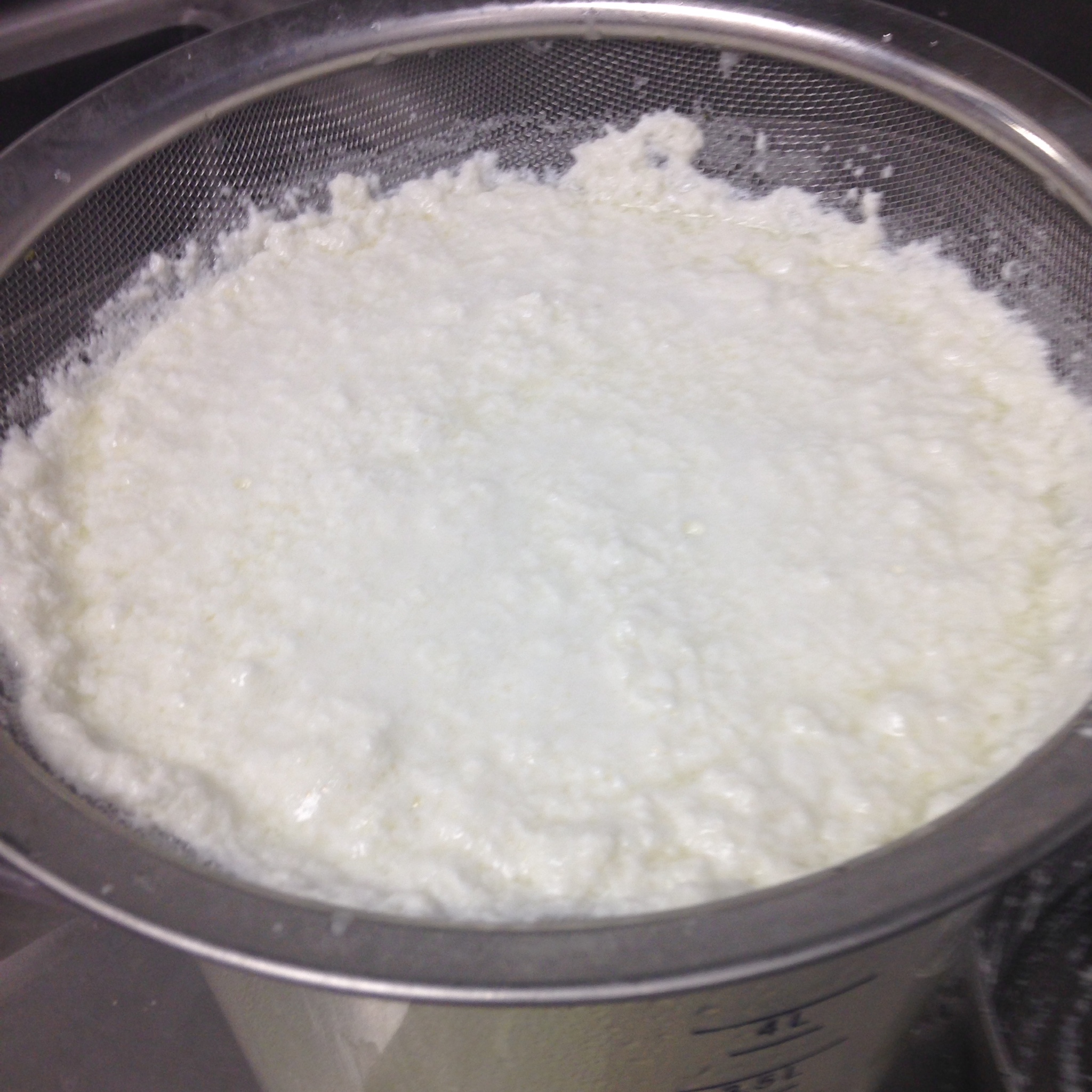
Ricotta
Dating back to Roman times, ricotta (“recooked”) is made from whey, not curd. Its delicate texture works in sweet or savory dishes—from cannoli to ravioli fillings and simple toasts with honey.
History, serving ideas, and recipes—curated by Chef David Giani with perfect Tuscan wine pairings.
Italian cheese reflects regional milk, pasture, climate, aging, craftsmanship, and centuries of culinary tradition. Explore ricotta, burrata, pecorino Toscano, and mozzarella di bufala; learn how each cheese is produced, served, paired, and used in recipes. Continue into the Ingredient Library for deeper ingredient education, visit the Culinary Academy for professional cheese handling and menu applications, and connect these recipes to menu planning, production, labor, inventory, purchasing, and food-cost analysis through the Tuscany Cuisine platform.
Dating back to Roman times, ricotta (“recooked”) is made from whey, not curd. Its delicate texture works in sweet or savory dishes—from cannoli to ravioli fillings and simple toasts with honey.

Born in Puglia in the early 1900s, burrata is best at room temperature. Serve with tomatoes, basil, and olive oil—or melt into pasta and pizza for a luxurious finish.
 Handmade Burrata on Roasted Beets
Pairing: Montepulciano
Molecular Burrata in a Baked Pasta Cup
Pairing: Montepulciano
Handmade Burrata on Roasted Beets
Pairing: Montepulciano
Molecular Burrata in a Baked Pasta Cup
Pairing: Montepulciano


Etruscan-era roots with a distinctive black wax rind. Slice for antipasto with honey or jams, shave over pasta, or enjoy with figs and pears. Perfect with Chianti or Brunello.


With 12th-century origins, buffalo milk yields a lush texture and gentle tang. Enjoy in Caprese, on pizza, or with roasted vegetables. Best consumed very fresh.
Warm Mozzarella di Bufala on Vegetable Mosaic
Pairing: Morellino di Scansano
 Pan-Fried Mozzarella Sandwich (Carrozza)
Pairing: Bisol Jeio Prosecco Brut
Pan-Fried Mozzarella Sandwich (Carrozza)
Pairing: Bisol Jeio Prosecco Brut
Study milk types, cheese families, aging, protected designations, storage, handling, flavor, and seasonality.
Build professional knowledge in cheese service, slicing, storage, cooking applications, antipasti, pasta, and plating.
Discover appetizers, salads, pasta, secondi, sauces, baking, and desserts featuring Italian cheeses.
Add cheese-based recipes to menus and connect production, inventory, labor, purchasing, and food-cost analysis.
Develop cheese boards, antipasti, pasta dishes, menu concepts, sourcing standards, and kitchen systems with Chef David Giani.
Pair fresh, soft, aged, sheep’s-milk, and buffalo-milk cheeses with Tuscan and regional Italian wines.