Gentle Poaching
Poach below a boil in wine, fumet, water or a light aromatic court bouillon. This preserves moisture and is ideal for refined plated service.
Solea solea, commonly known as European Dover sole or common sole, is one of Europe’s most prized flatfish. Its fine-grained white flesh, delicate marine sweetness and elegant texture make it a classic choice for gentle poaching, sautéing, meunière-style cooking, roasting, grilling and refined sauce-based presentations.
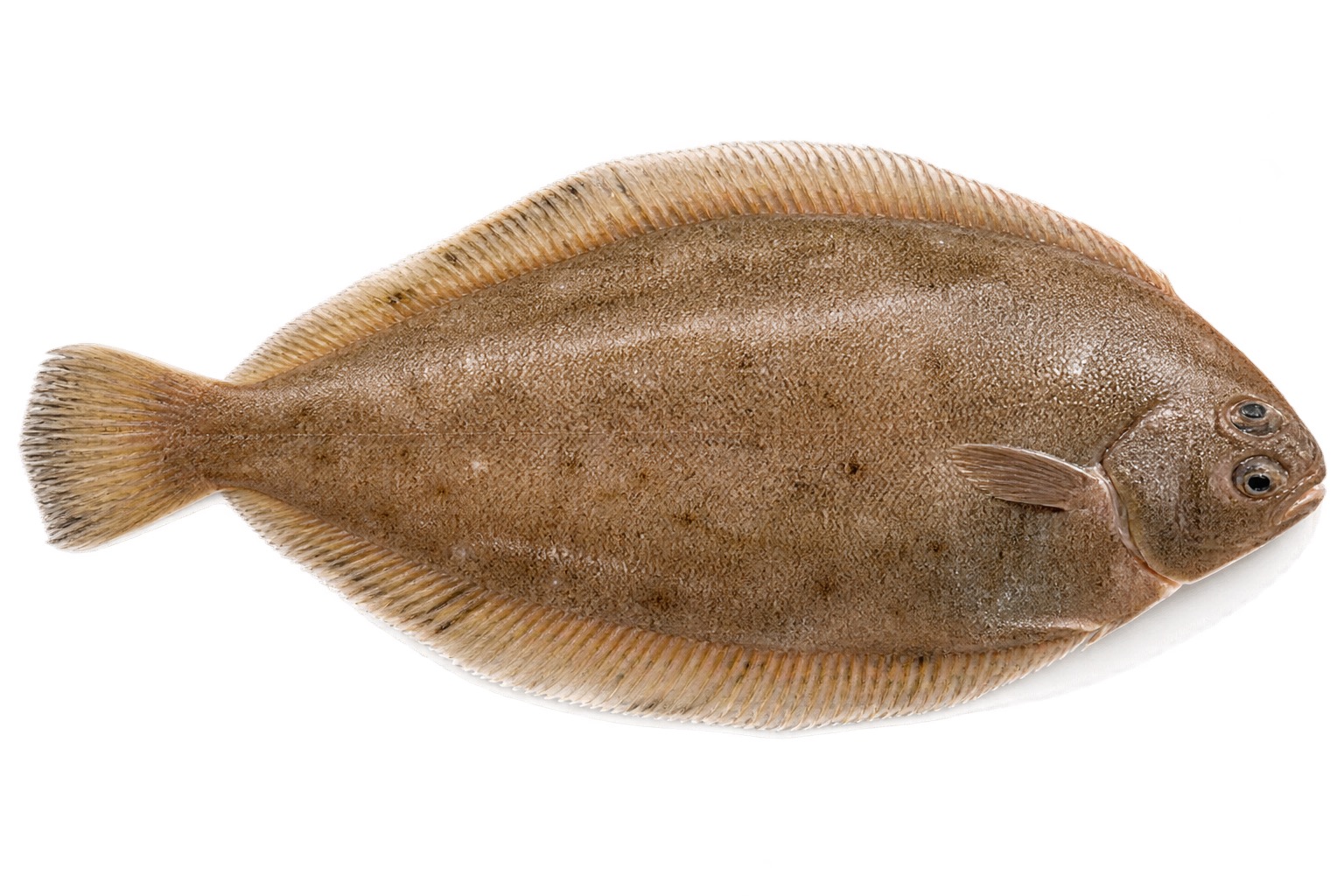
This page establishes the culinary identity for Dover sole so recipes, Live Inventory, search, Menu Builder and fish-station records can use one authoritative ingredient reference.
Dover sole is a right-eyed flatfish from European and Mediterranean waters, valued commercially and gastronomically for subtle flavor and exceptionally fine texture. In professional kitchens the fish may be served whole, skinned and trimmed, or fabricated into fillets depending on the preparation and service style.
Dover sole has long been considered a premium European table fish. Its delicate flesh became particularly associated with classical restaurant cooking because it responds well to precise heat, butter-based pan sauces, gentle poaching liquids and elegant whole-fish presentation. The fish became a reference ingredient in French and continental European cuisine and remains important in professional seafood cookery.
In Italy, sogliola is commonly treated with restraint: olive oil, lemon, parsley, white wine, capers, delicate vegetables and light pan sauces are favored because they support rather than overwhelm the fish. The same philosophy fits Tuscany Cuisine’s poached Dover sole preparation with lemon, capers, olives, spinach and potatoes.
Common sole occurs in European Atlantic waters and the Mediterranean and favors sandy or muddy bottoms. Availability varies by fishery and region, so professional purchasing should follow local landings, management rules, size requirements and sustainability guidance rather than relying on one fixed calendar.
Seasonal cycles differ by region. Sole populations undertake reproductive and feeding cycles through the year, and spawning periods vary geographically. Mediterranean and Adriatic fisheries should therefore be evaluated by local source and current fishery conditions.
Specify species, catch area, whole or filleted format, weight range, freshness standard and intended preparation. Because “Dover sole” may be used loosely in markets, verify the scientific identity when exact species matters.
The key to Dover sole is controlled heat. Because the flesh is fine and delicate, aggressive boiling or prolonged high heat can dry the fish and damage its texture.
Poach below a boil in wine, fumet, water or a light aromatic court bouillon. This preserves moisture and is ideal for refined plated service.
Lightly flour if desired, sauté carefully and finish with lemon, butter, parsley or capers. This method gives delicate browning without masking the fish.
Whole fish or fillets can be roasted with olive oil, herbs, lemon and a small amount of wine. Avoid excessive oven time.
Best with whole fish or thicker presentations. Oil the fish and grill over controlled heat to protect the delicate flesh.
A clean technique for preserving natural sweetness. Pair with citrus, herbs, greens and light sauces.
Fillets may be rolled around delicate fillings or aromatics and gently poached or baked for classical banquet and fine-dining service.
Dover sole is a lean, protein-rich fish. Exact values vary with species identity, catch area, season, portion size and cooking method. The following values are practical culinary reference ranges for approximately 100 g of raw lean sole.
| Nutrient | Approximate culinary reference | Kitchen significance |
|---|---|---|
| Calories | About 75–100 kcal | Lean protein option |
| Protein | About 17–20 g | High-quality complete protein |
| Total fat | About 1–2.5 g | Lean flesh; cooking fat strongly affects final calories |
| Carbohydrate | 0 g | Naturally carbohydrate-free |
| Micronutrients | B vitamins, selenium, phosphorus and other minerals | Values depend on source and laboratory data |
Nutrition values are presented as culinary reference ranges, not a laboratory analysis for a specific supplier lot. Recipe-level nutrition should be calculated from the exact ingredient weights and preparation method.
A flatfish yields four primary fillets, two from each side. Use a flexible filleting knife and follow the bone structure closely to maximize yield. Reserve clean bones and trim for fish fumet when appropriate.
The Tuscany Cuisine Secondi recipe uses Dover sole fillet with white wine, water, cherry tomatoes, capers, black olives, Italian parsley, garlic, roasted potatoes, lemon juice, extra virgin olive oil and fresh spinach.
The ingredient record below gives the recipe, Menu Builder, Fish/Secondi station, search system and Live Inventory a shared Dover sole identity and a single icon reference.
Ingredient: Dover Sole / Sogliola
Scientific name: Solea solea
Ingredient code: TC-FISH-DOVER-SOLE-001
Ingredient ID: dover_sole
Inventory ID: dover_sole_fillet
Category: Fish & Seafood
Subcategory: Flatfish / Sole
Base unit: g
Icon ID: TC-ICON-FISH-DOVER-SOLE-001
Icon: /academy/culinary-foundations/fishes/Dover-Sole.webp
Ingredient page: /academy/culinary-foundations/fishes/Sogliola.html
Recipe connection: /engine/secondi/poachedsole.html
Station connections: Fish Station / Secondi Station
Aliases: Dover Sole, European Dover Sole, Common Sole, Sogliola, Solea solea
Status: active