🔪 Essential Knives
Published Lesson
Knife Skills
Professional knife selection, handling, sharpening, safety, classical cuts, efficiency, precision, and station-ready preparation.
Every great chef begins with strong fundamentals. Build professional confidence, consistency, speed, organization, product knowledge, and kitchen discipline through the essential skills that support every recipe and every successful culinary operation.
This is the starting department of the Tuscany Cuisine Culinary Academy: learn the fundamental skills before advancing to specialized culinary subjects.
Build safe, accurate, repeatable professional cooking skills.
Recognize product quality, seasonality, storage, and culinary use.
Practice mise en place, timing, station organization, and workflow.
Connect each lesson to recipes, menus, production, and operations.
Start with the completed flagship lessons and continue through the developing Culinary Foundations curriculum as new professional resources are added.
Professional knife selection, handling, sharpening, safety, classical cuts, efficiency, precision, and station-ready preparation.
Explore fish species, shellfish, fabrication, curing, smoking, dry aging, sustainability, seasonality, storage, freezing science, purchasing, and professional cooking methods.
Fish & Shellfish Quick Links
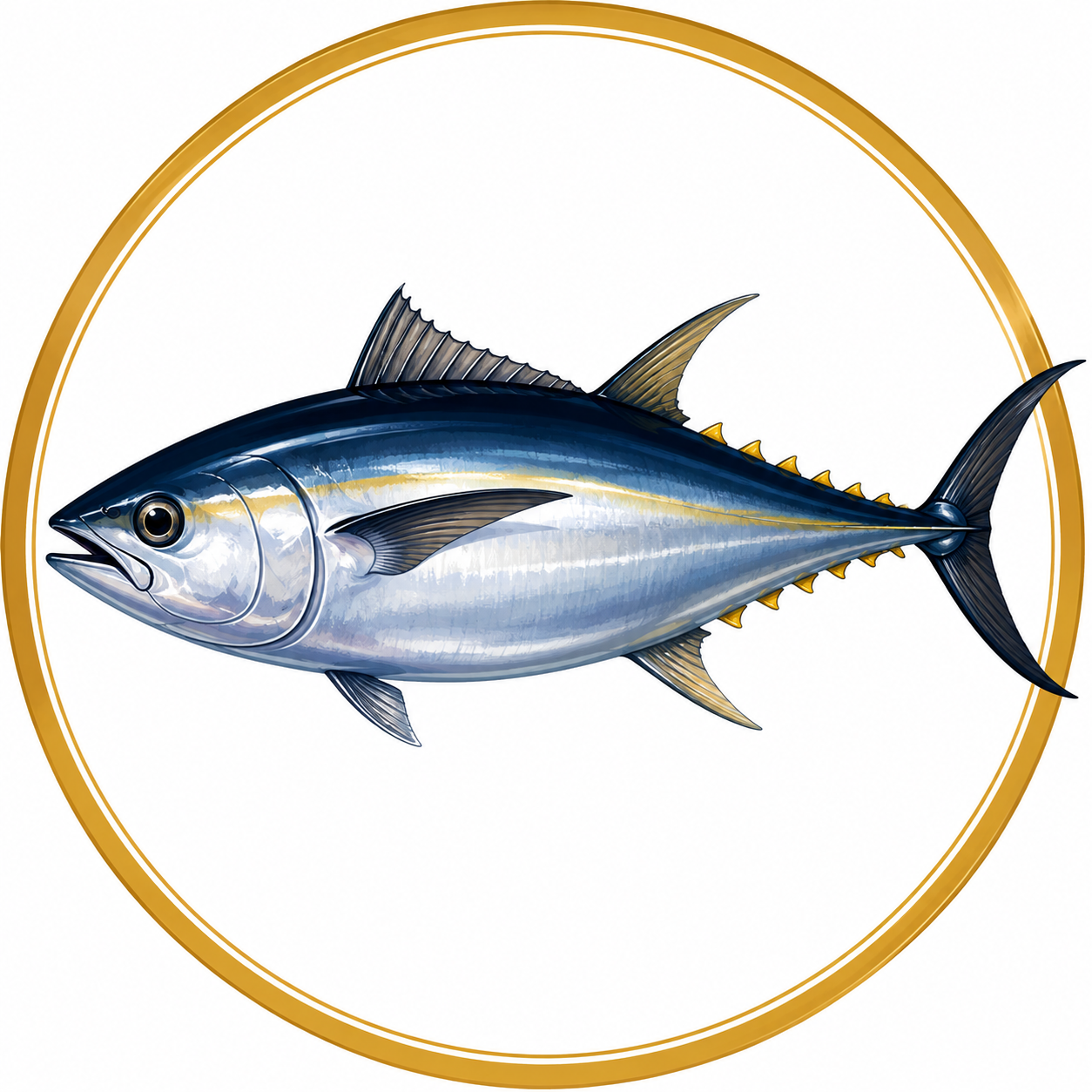 FinfishTuna / Tonno →
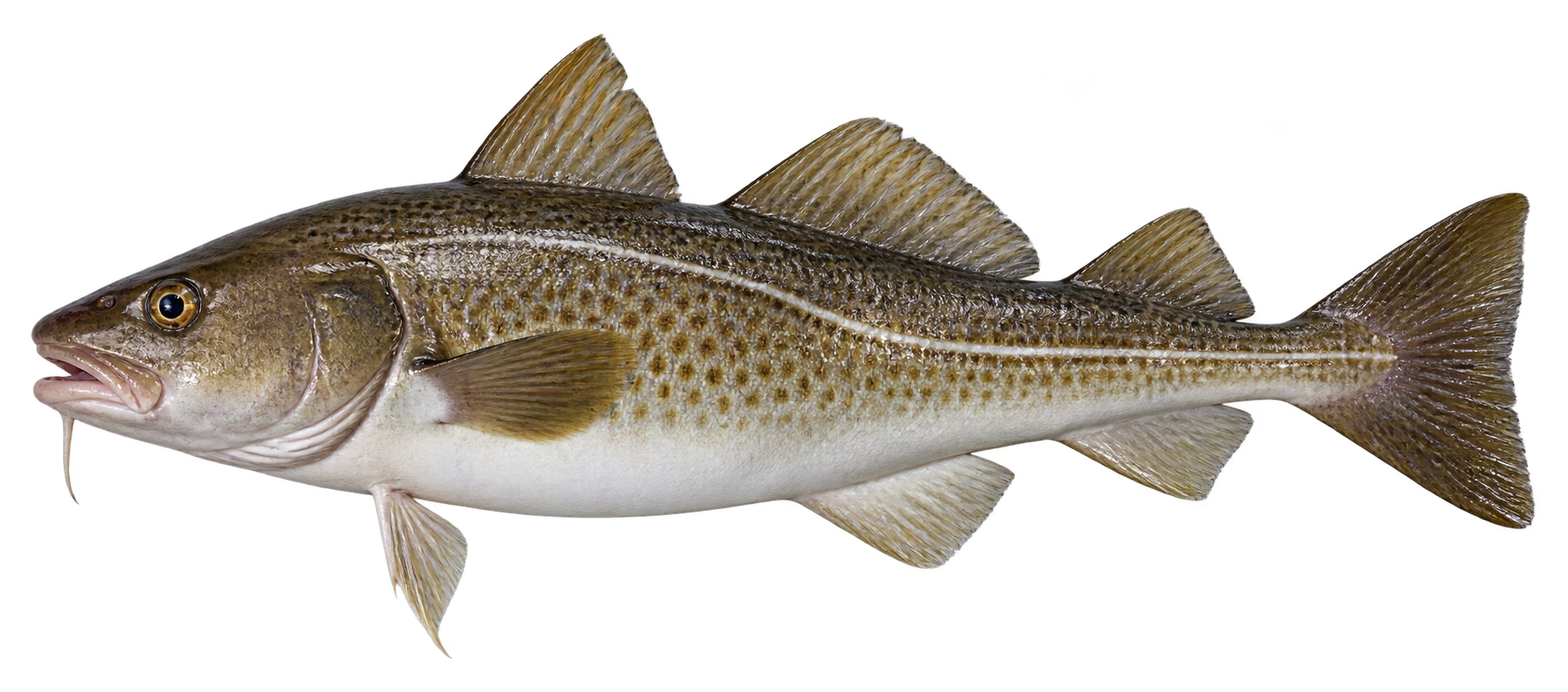 FinfishCod · Baccalà · Stoccafisso →
 FinfishSalmon · Species & Cuts →
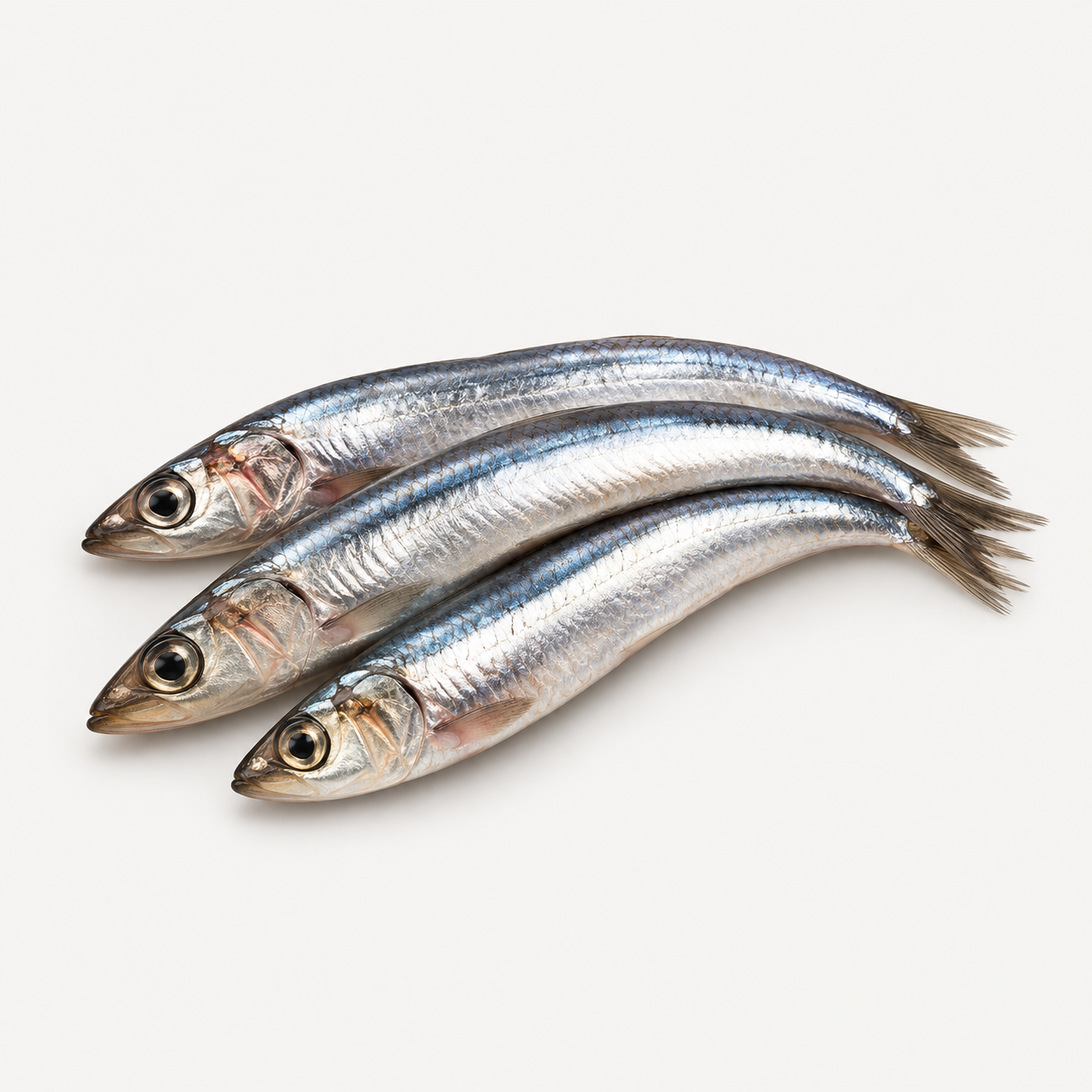 FinfishAnchovy / Acciuga / Alici →
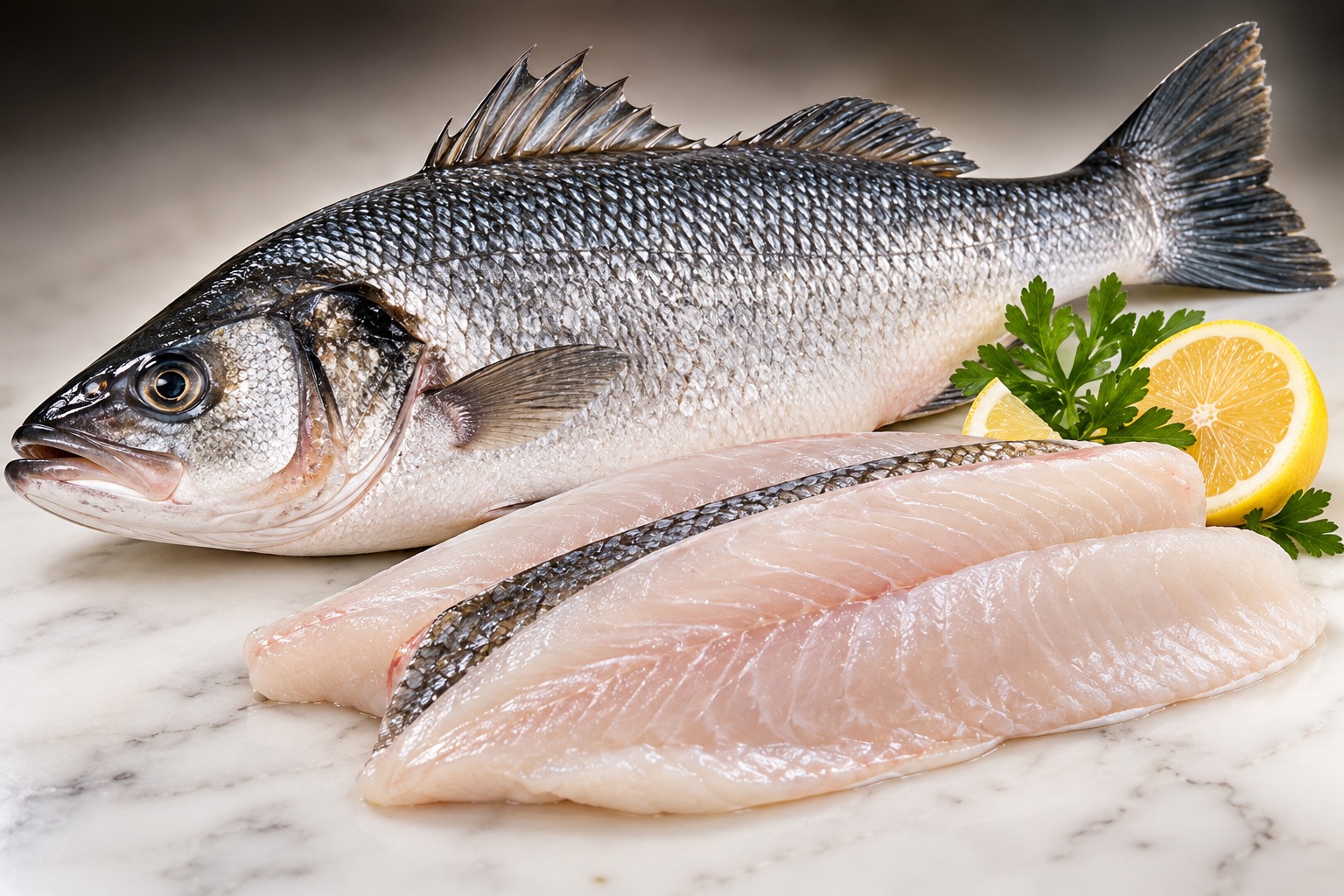 FinfishSea Bass / Branzino →
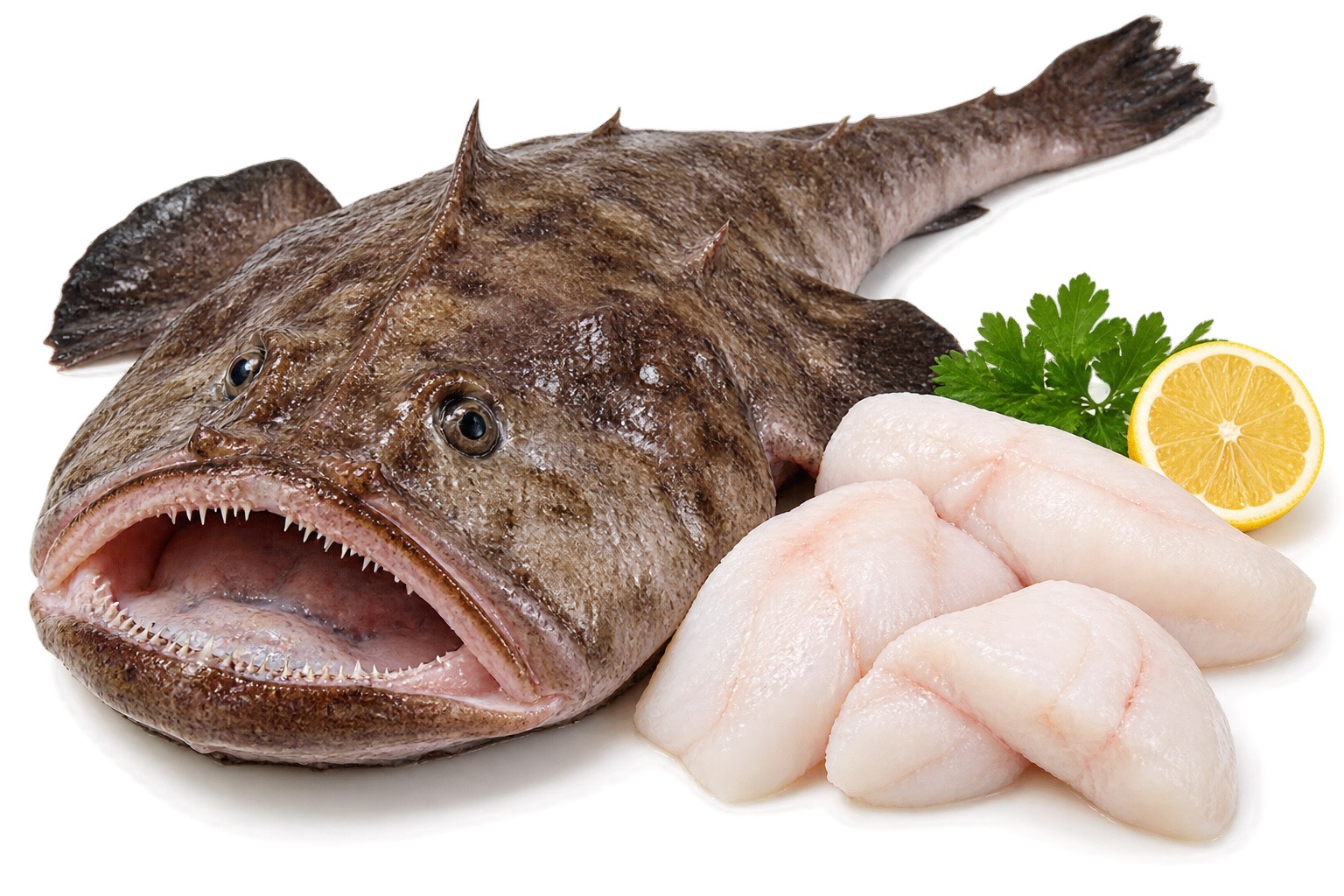 FinfishMonkfish / Coda di Rospo →
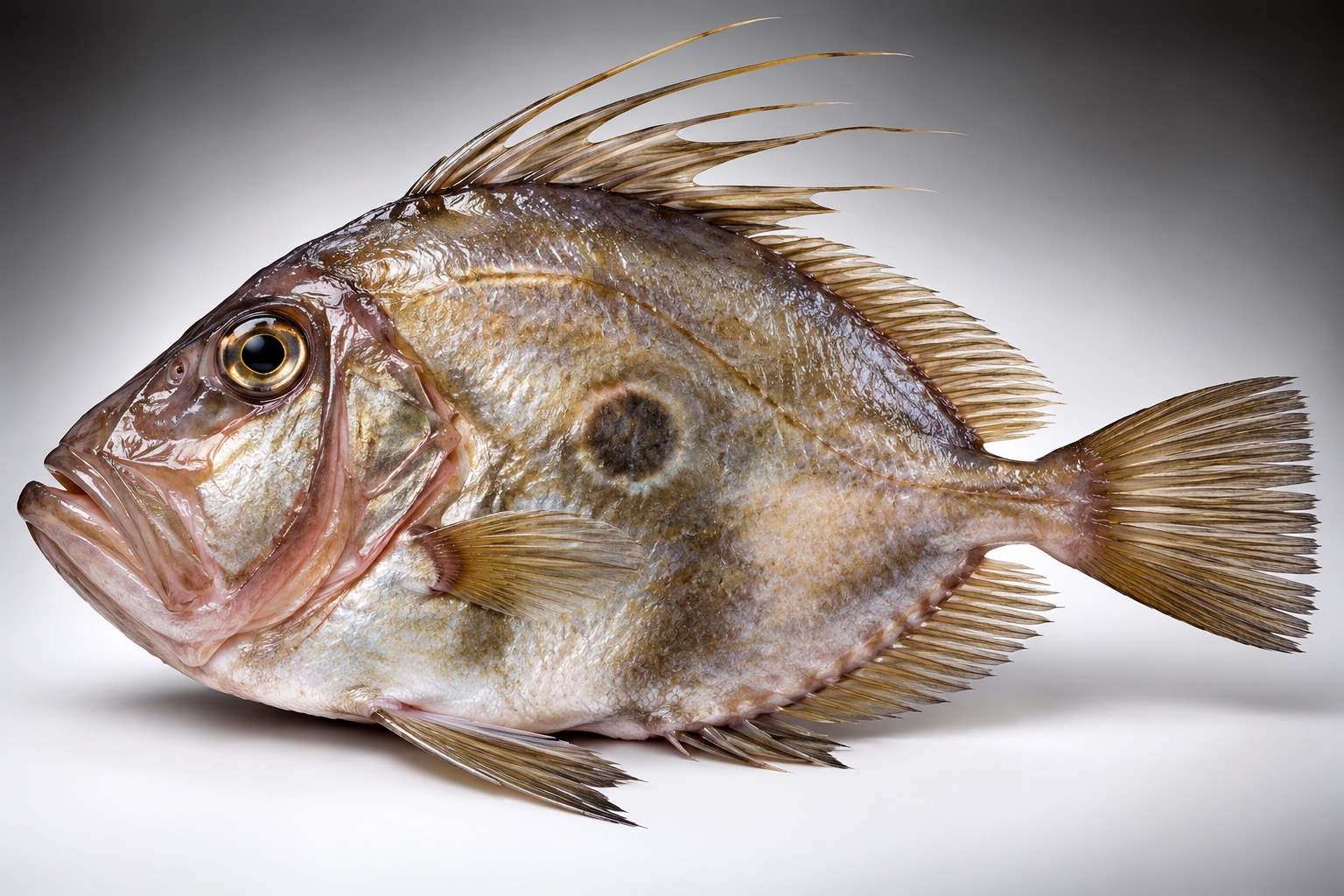 FinfishJohn Dory / Pesce San Pietro →
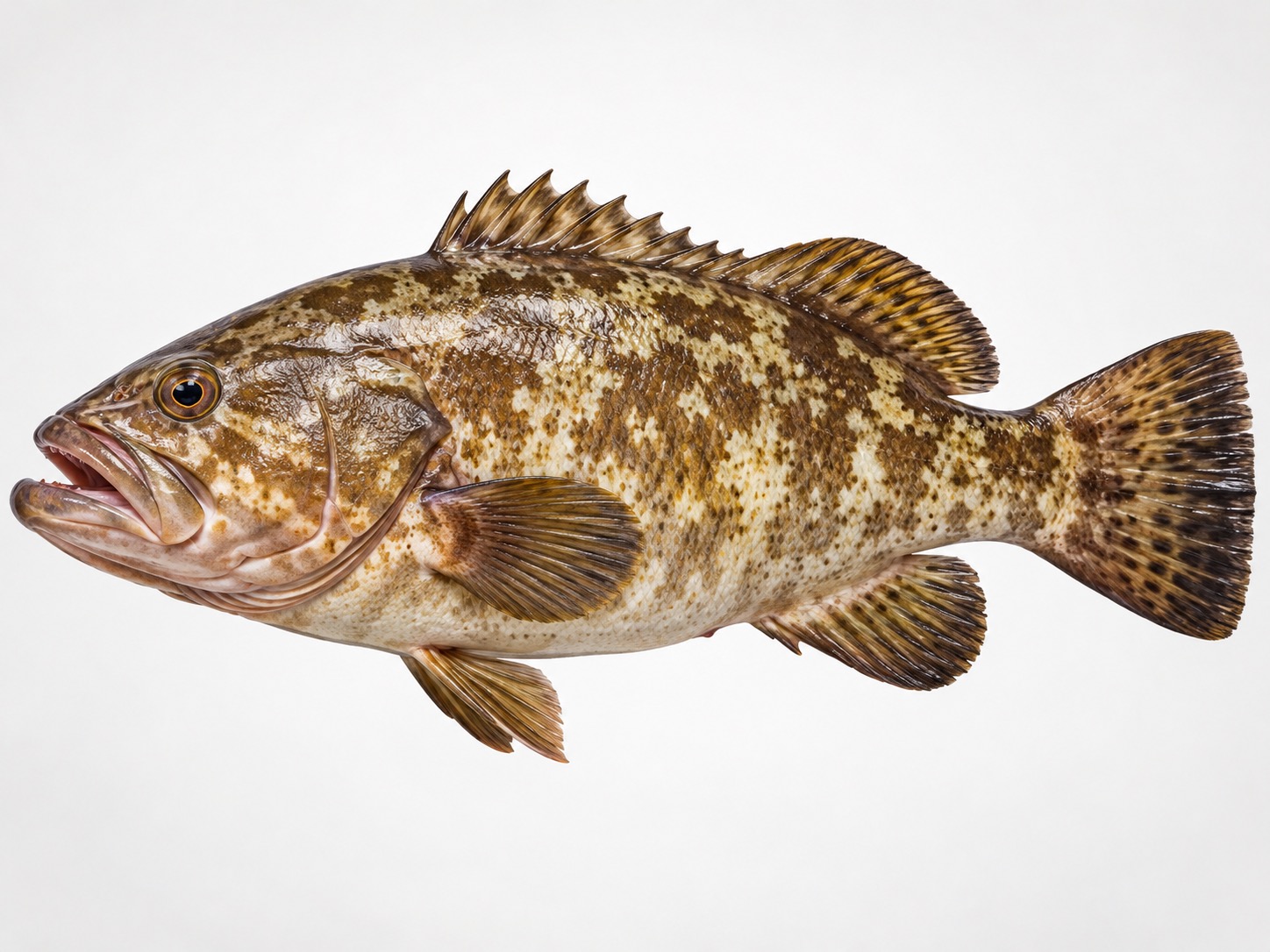 FinfishCernia / Grouper / Hāpuku →
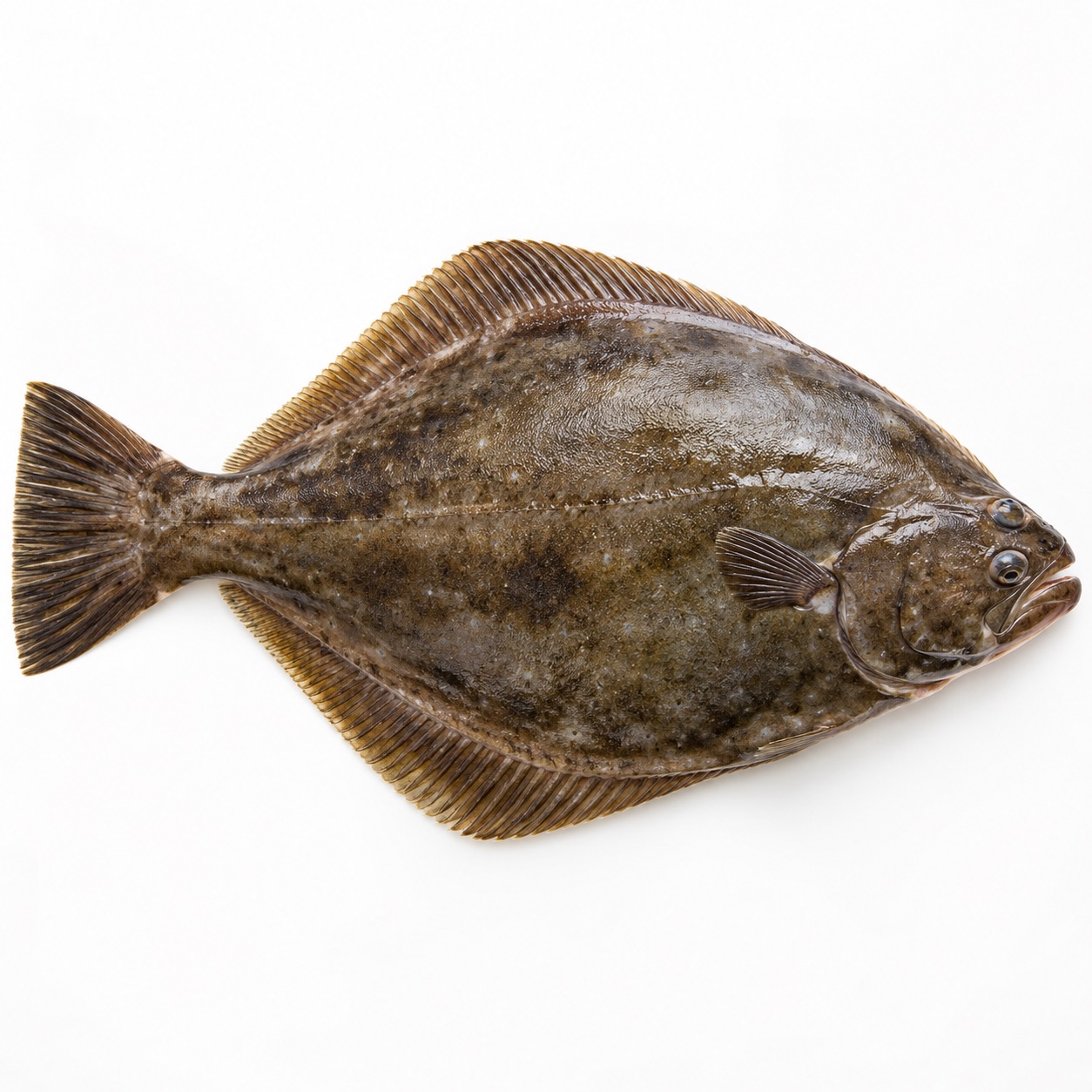 Finfish · Flatfish
Halibut / Ippoglosso →
Finfish · Flatfish
Halibut / Ippoglosso →
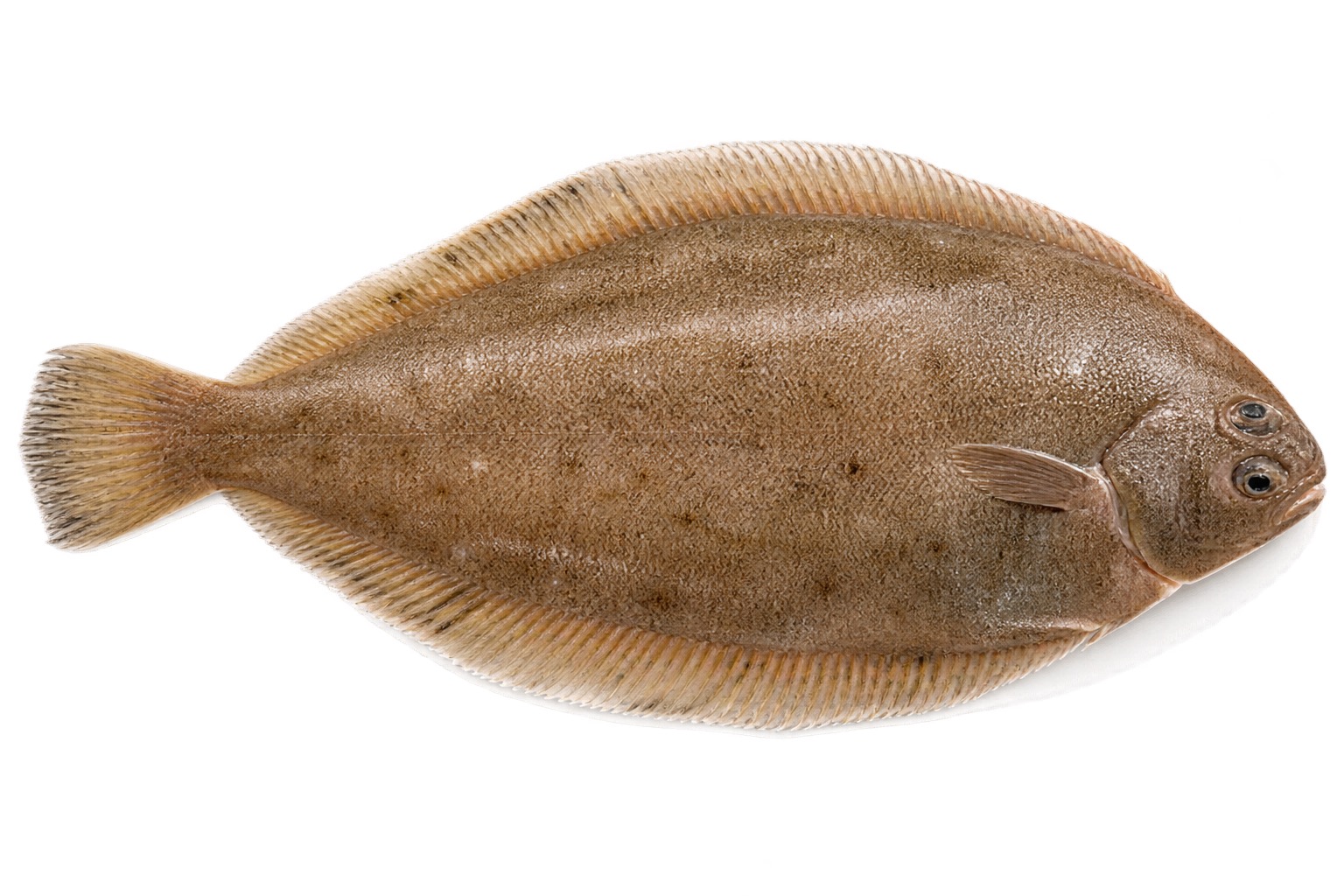 Finfish · Flatfish
Dover Sole / Sogliola →
Finfish · Flatfish
Dover Sole / Sogliola →
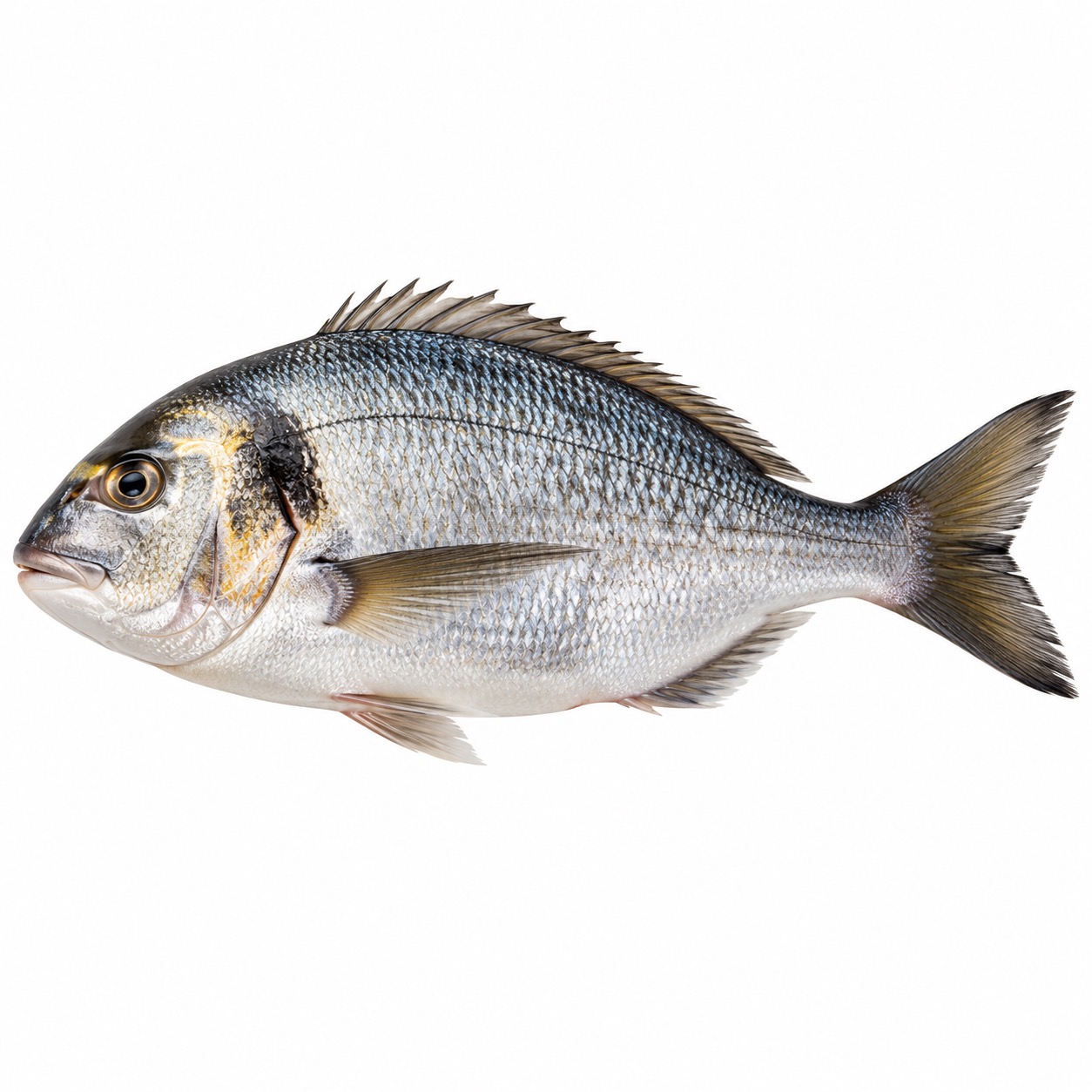 Finfish · Mediterranean
Sea Bream / Orata →
Finfish · Mediterranean
Sea Bream / Orata →
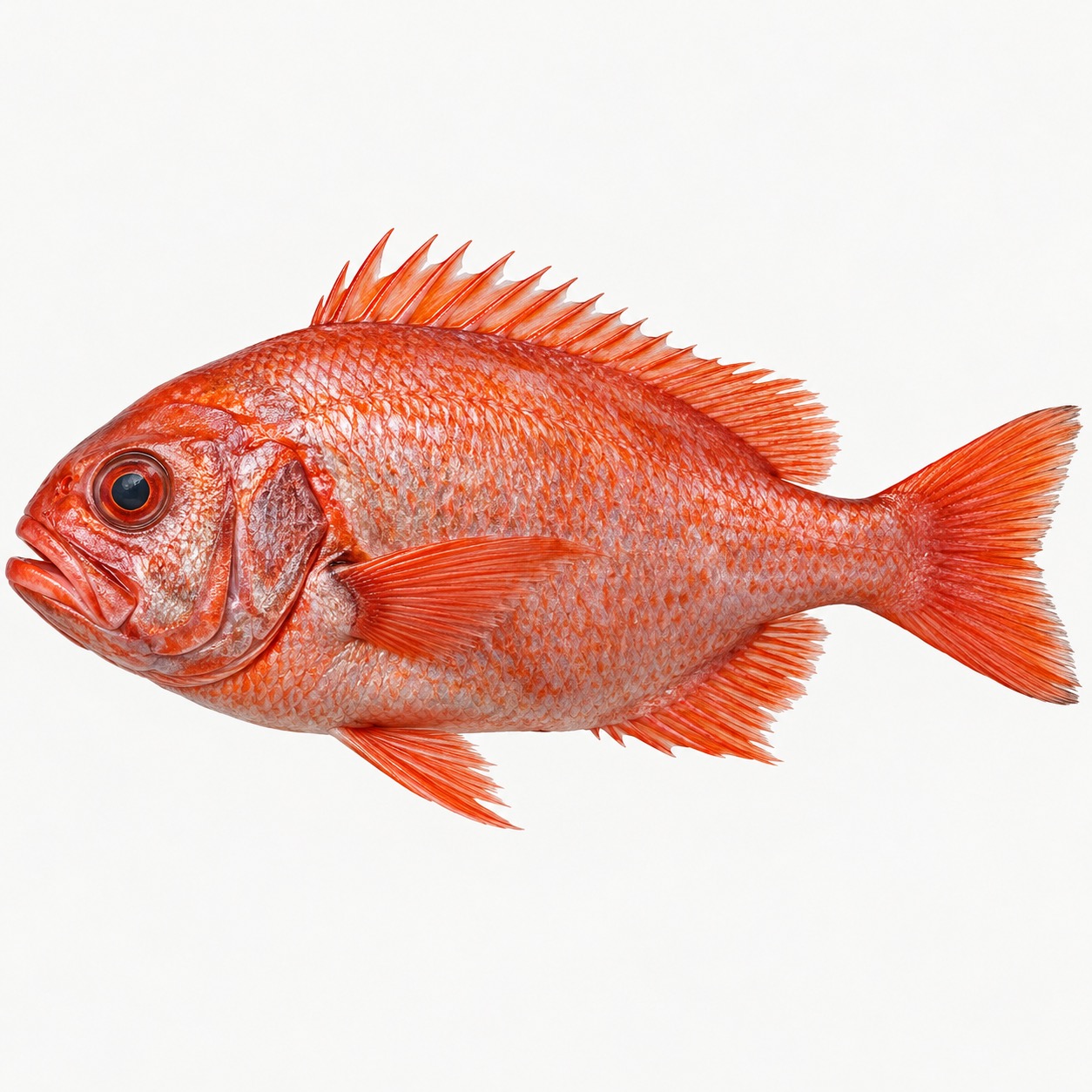 Finfish · Deep-Water
Orange Roughy →
Finfish · Deep-Water
Orange Roughy →
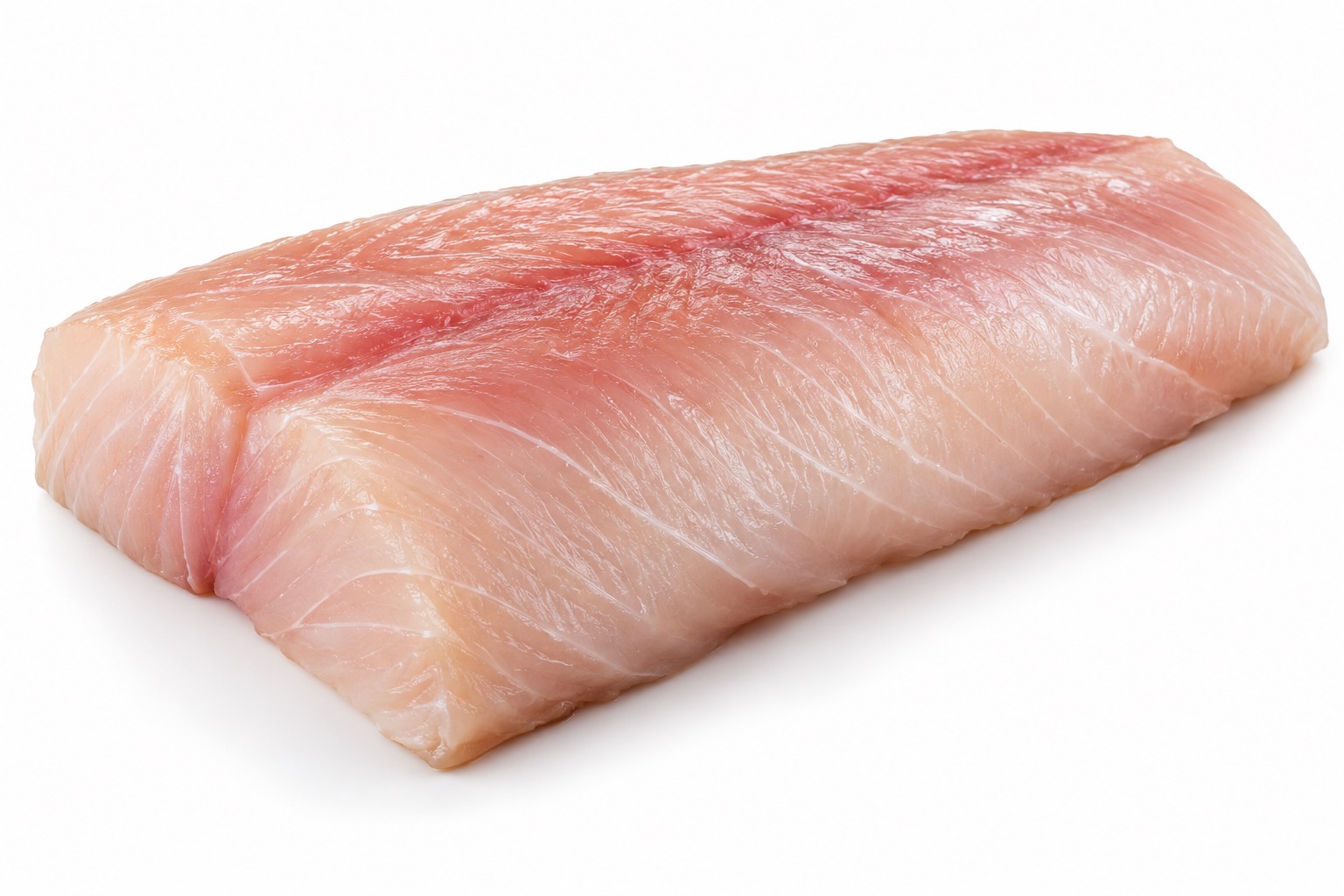 Finfish · Warm-Water Pelagic
Mahi Mahi / Dorado →
Finfish · Warm-Water Pelagic
Mahi Mahi / Dorado →
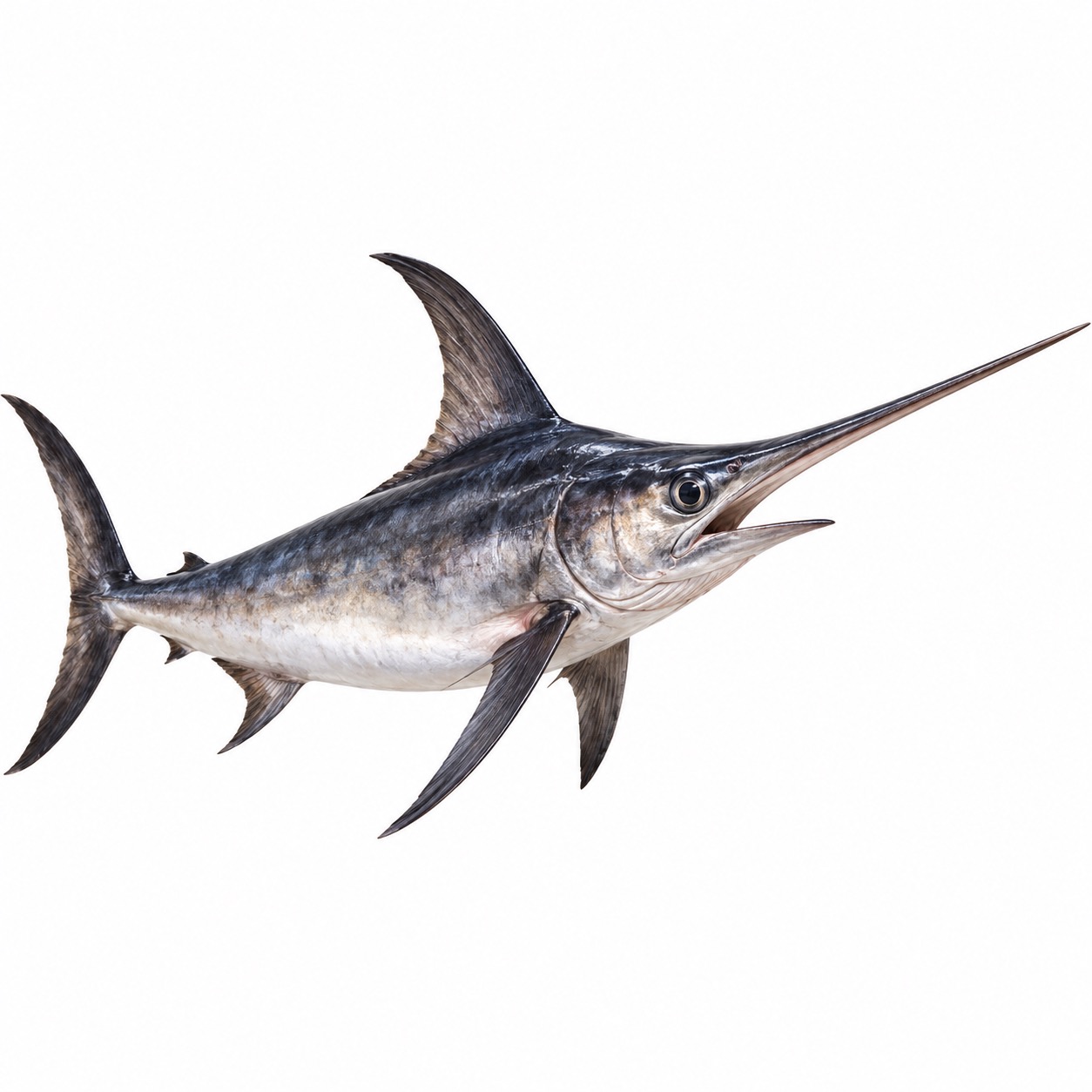 Finfish · Large Pelagic
Swordfish / Pesce Spada →
Finfish · Large Pelagic
Swordfish / Pesce Spada →
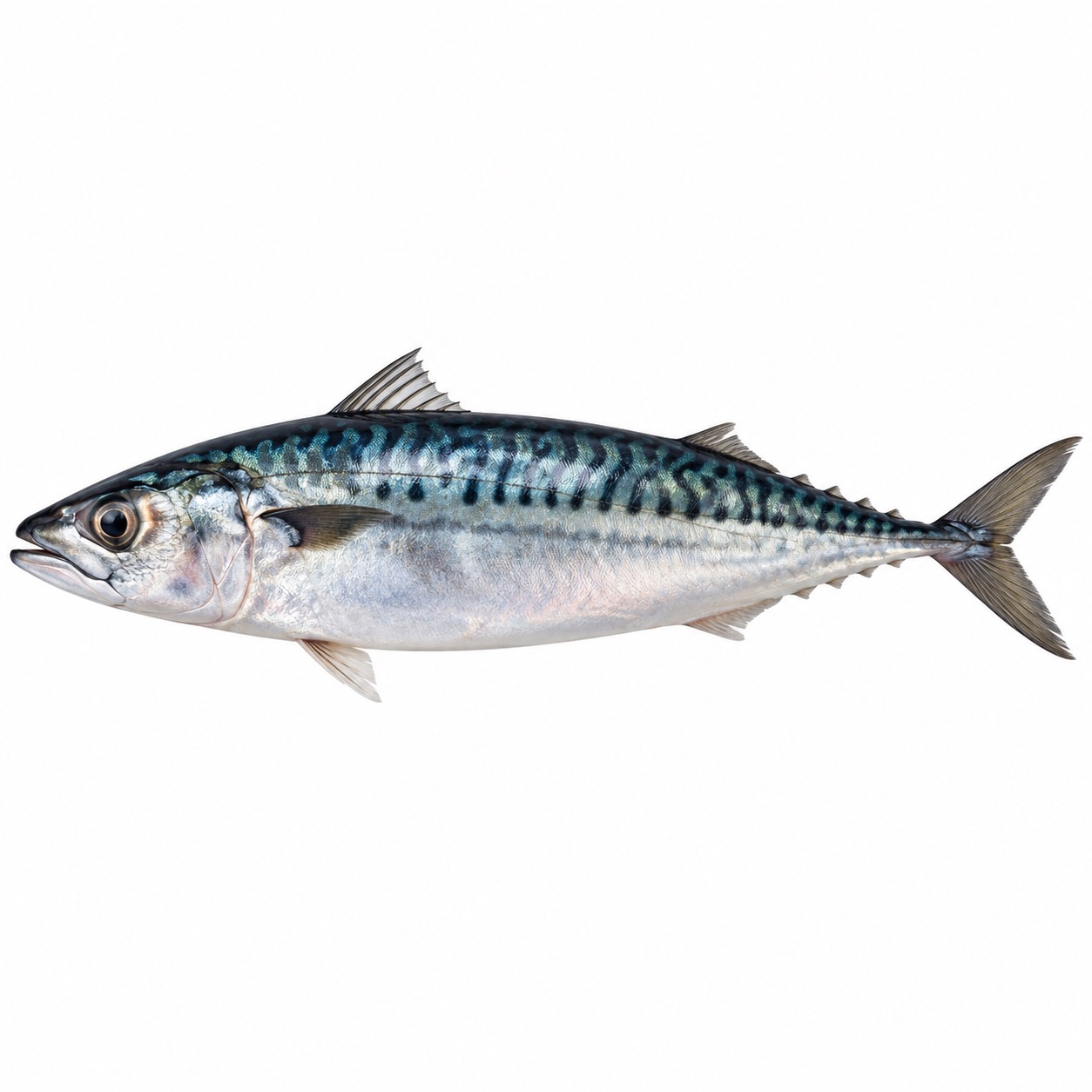 Finfish · Oily Pelagic
Mackerel / Sgombro →
Finfish · Oily Pelagic
Mackerel / Sgombro →
 FinfishRed Snapper →
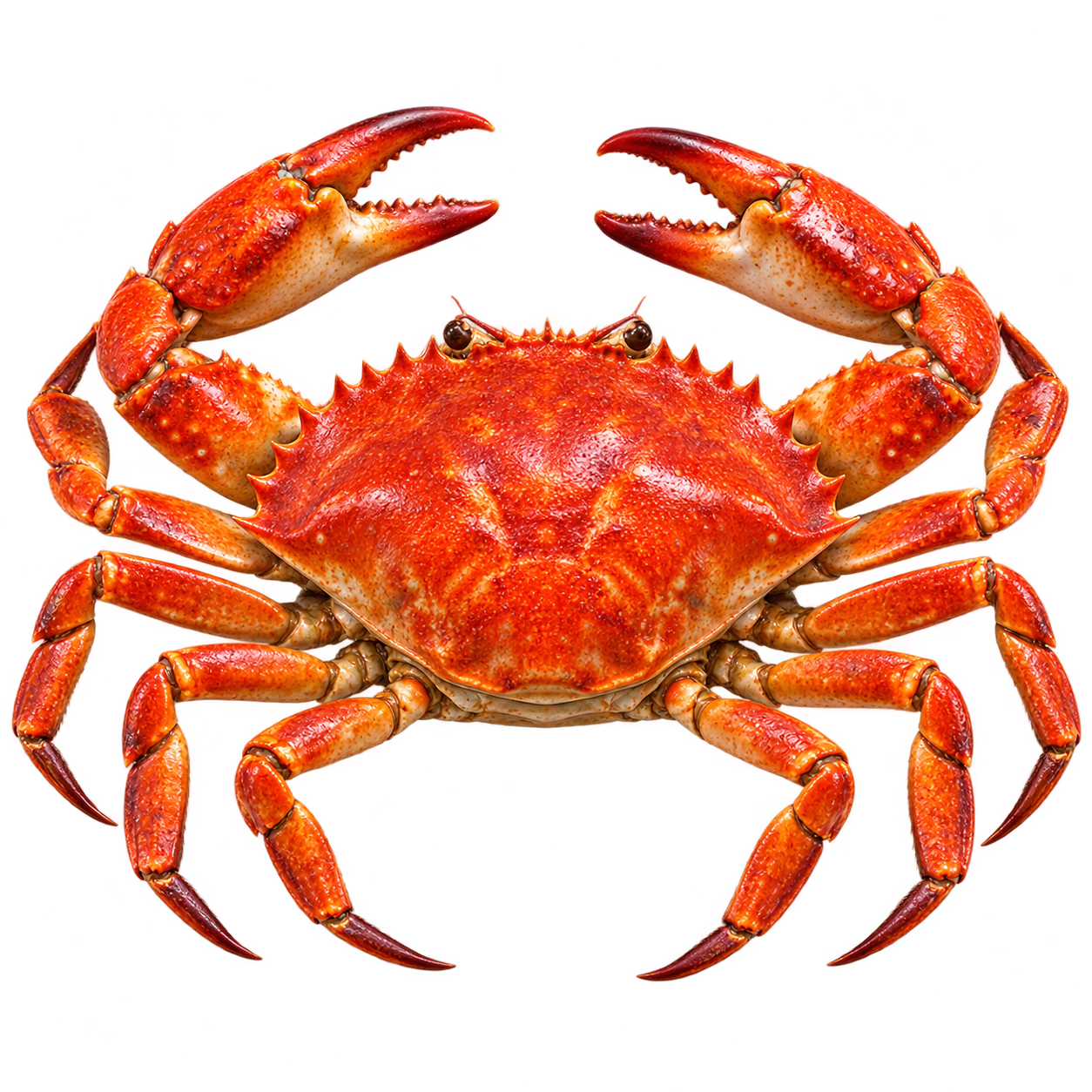 CrustaceanCrab / Granchio →
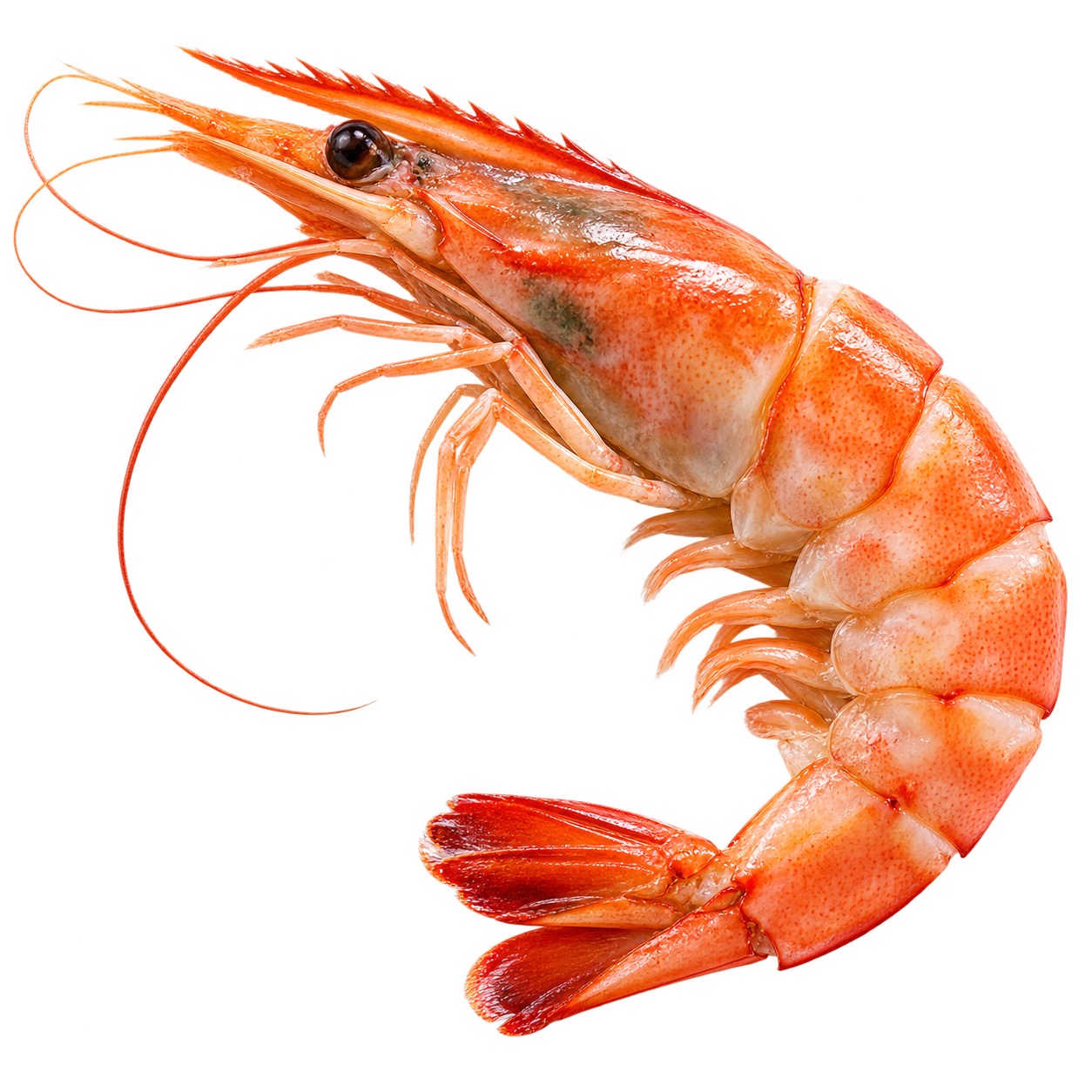 CrustaceanShrimp / Gamberi / Prawns →
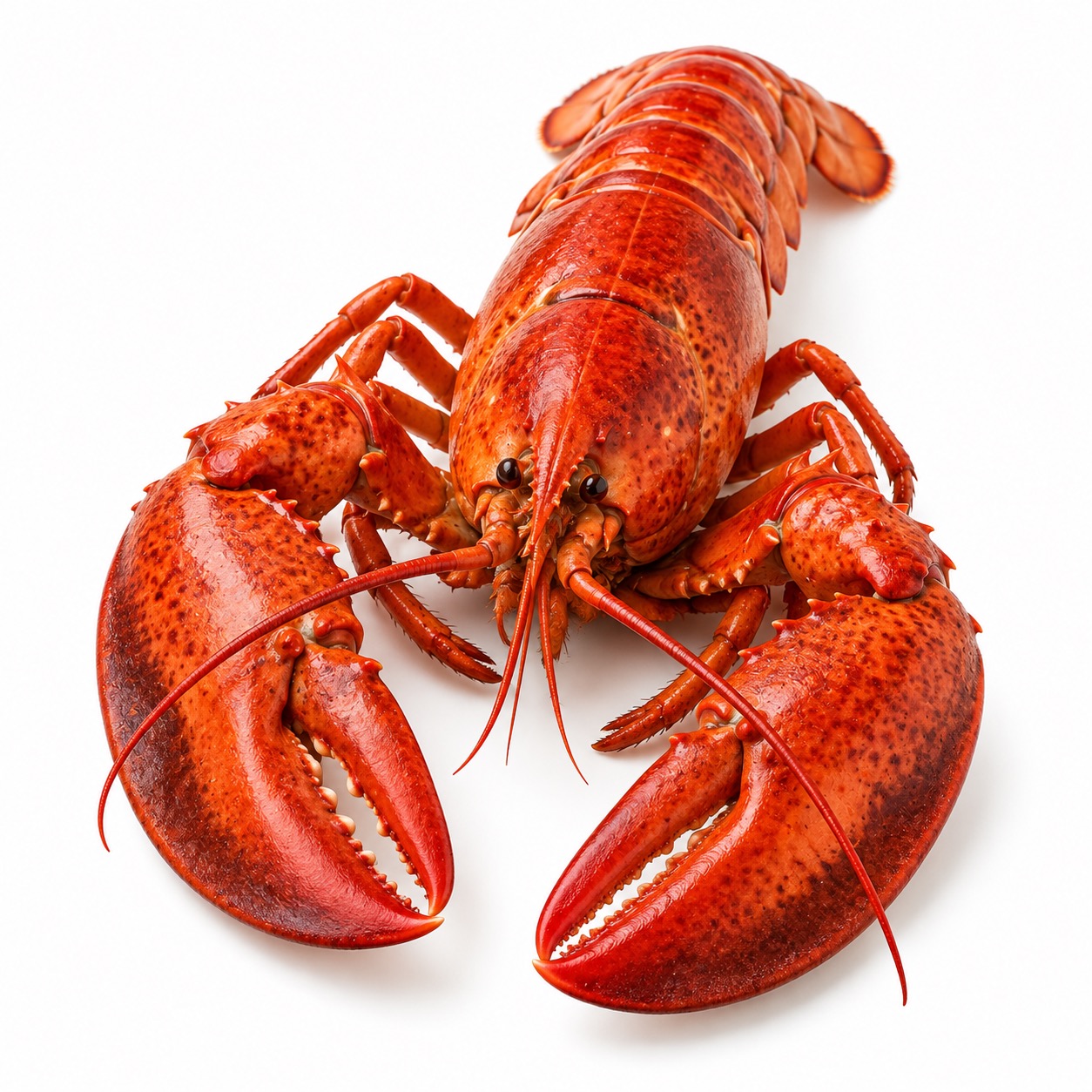 CrustaceanLobster / Aragosta →
 Bivalve ShellfishClams / Vongole →
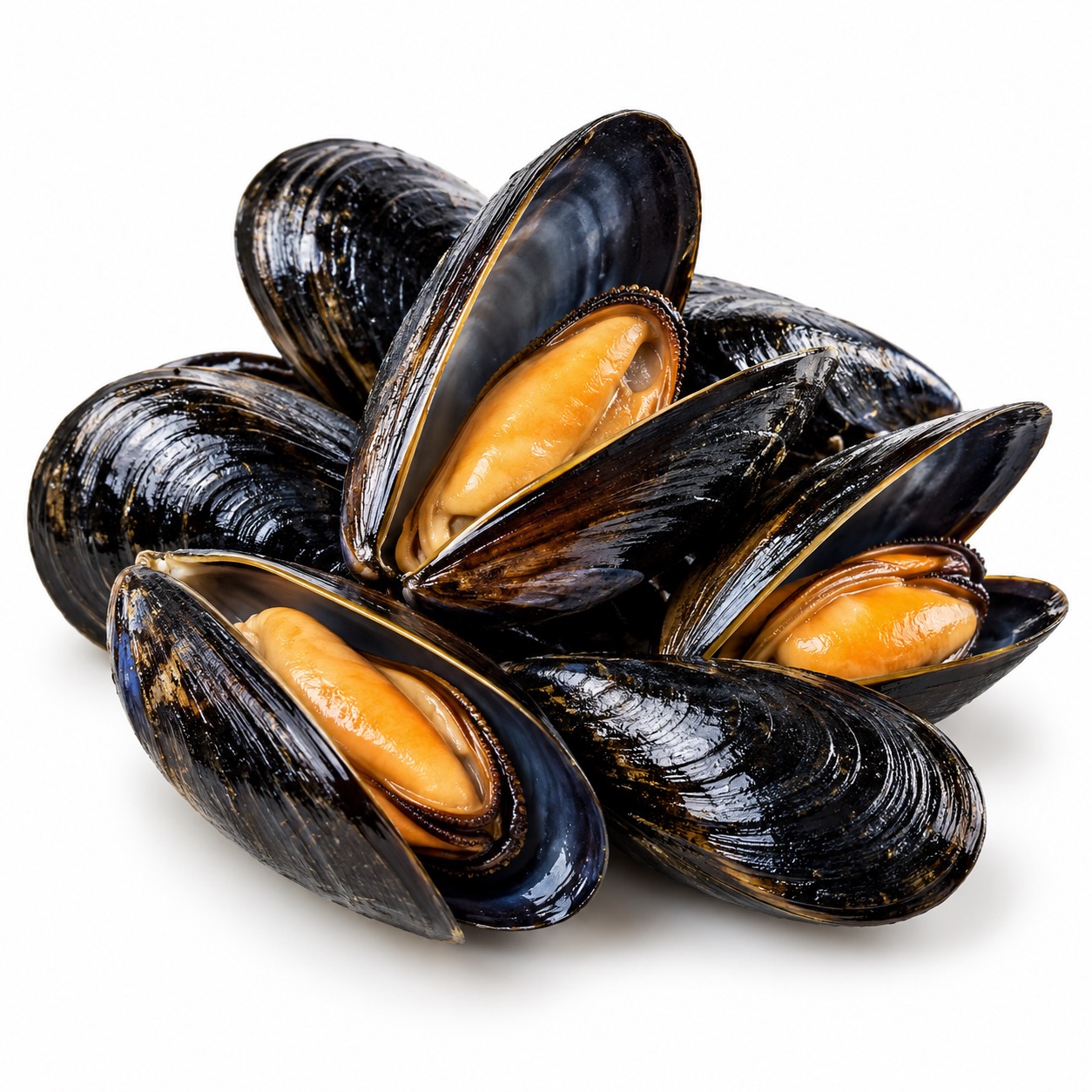 Bivalve ShellfishBlack Mussels PEI / Cozze →
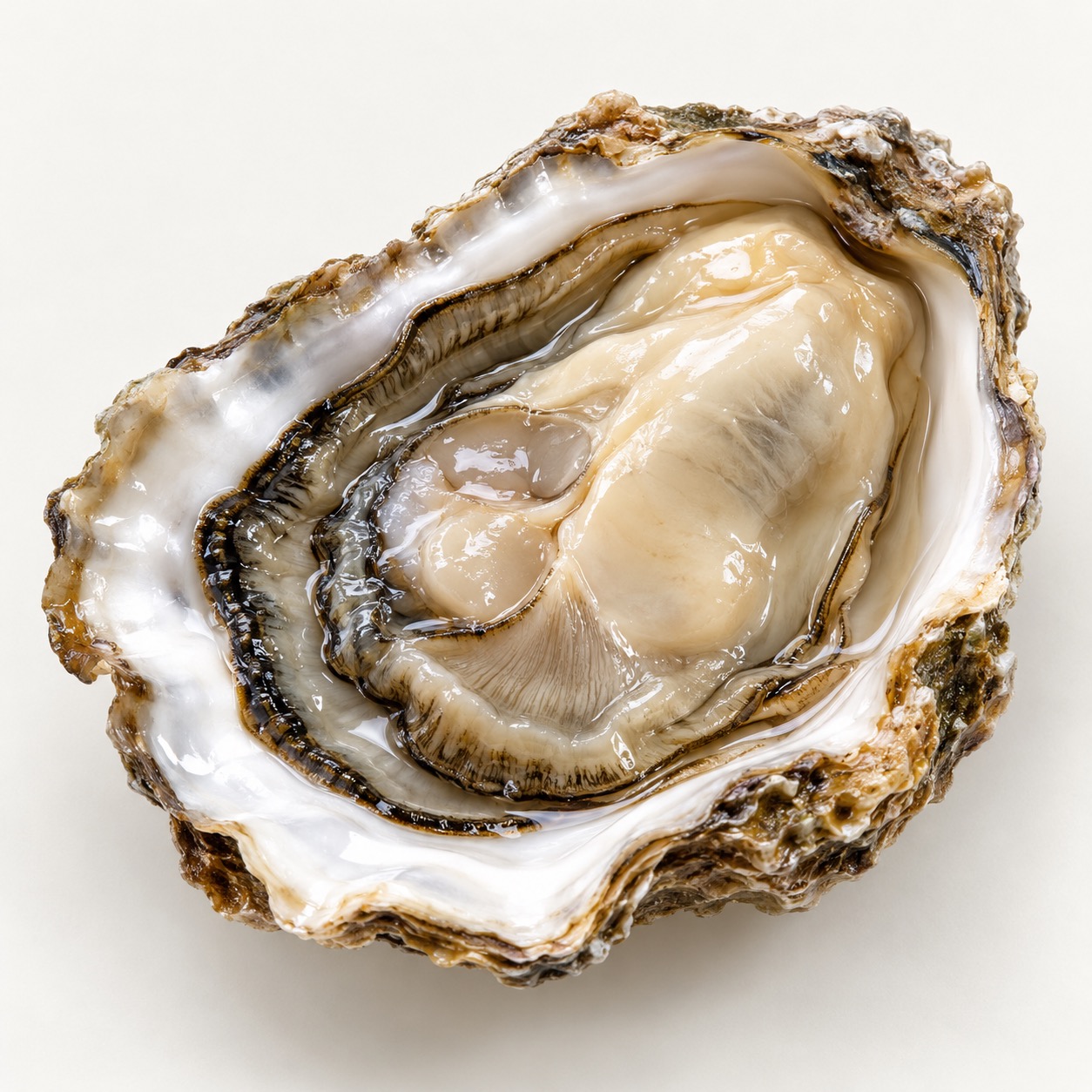 Bivalve ShellfishOysters / Ostriche →
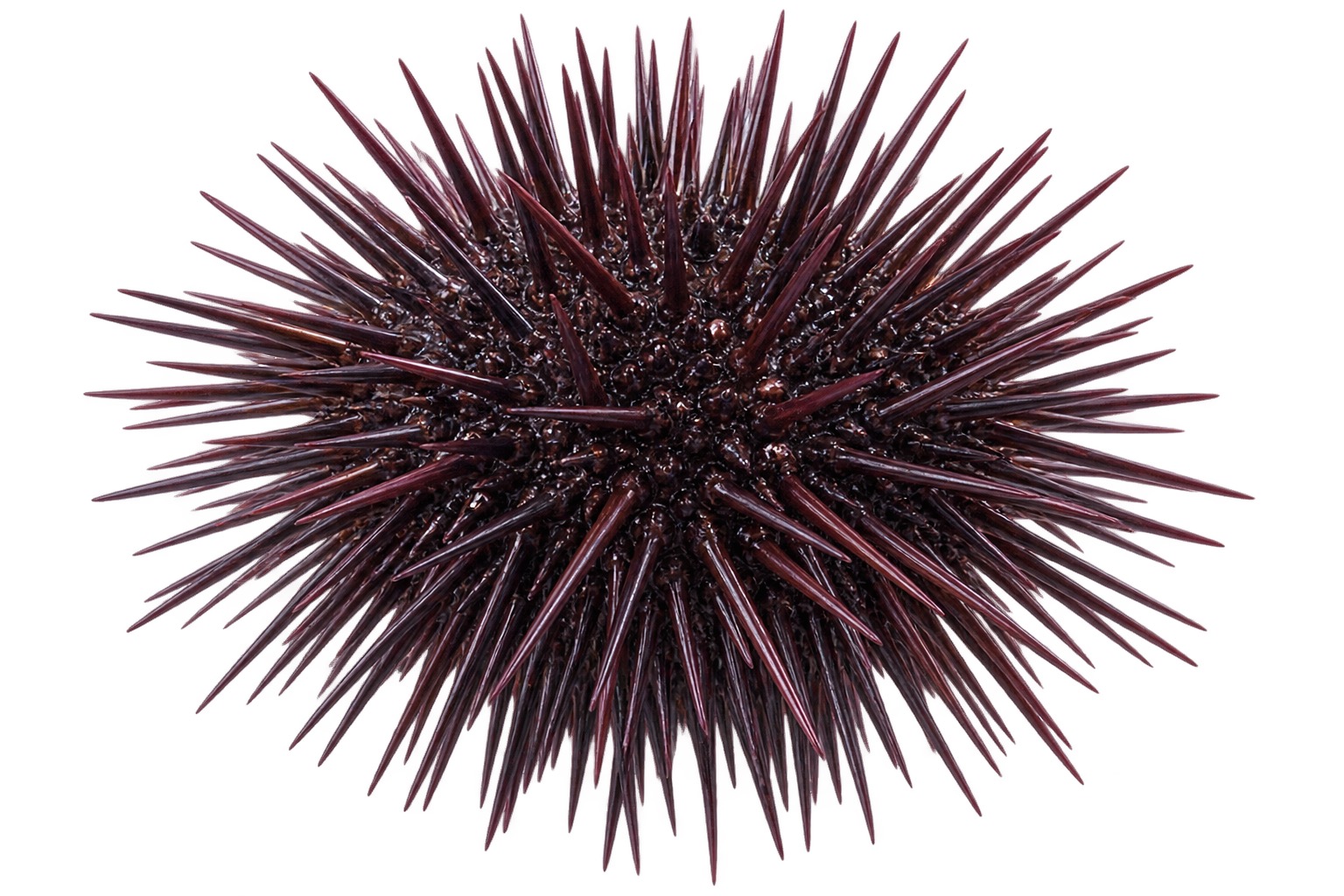 EchinodermSea Urchin / Riccio di Mare →
 Cephalopod IngredientSquid Ink / Nero di Seppia →
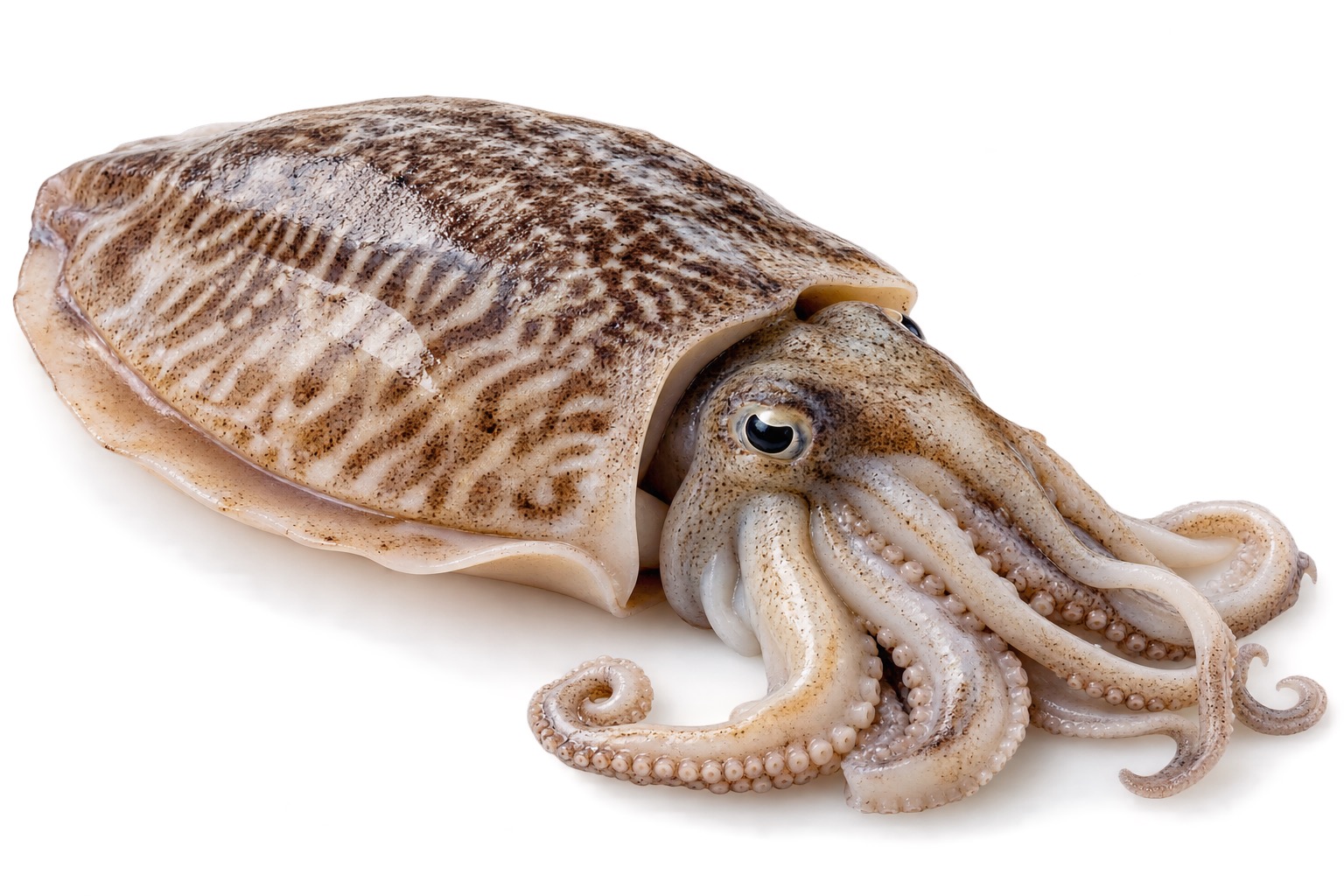 CephalopodCuttlefish / Seppia →
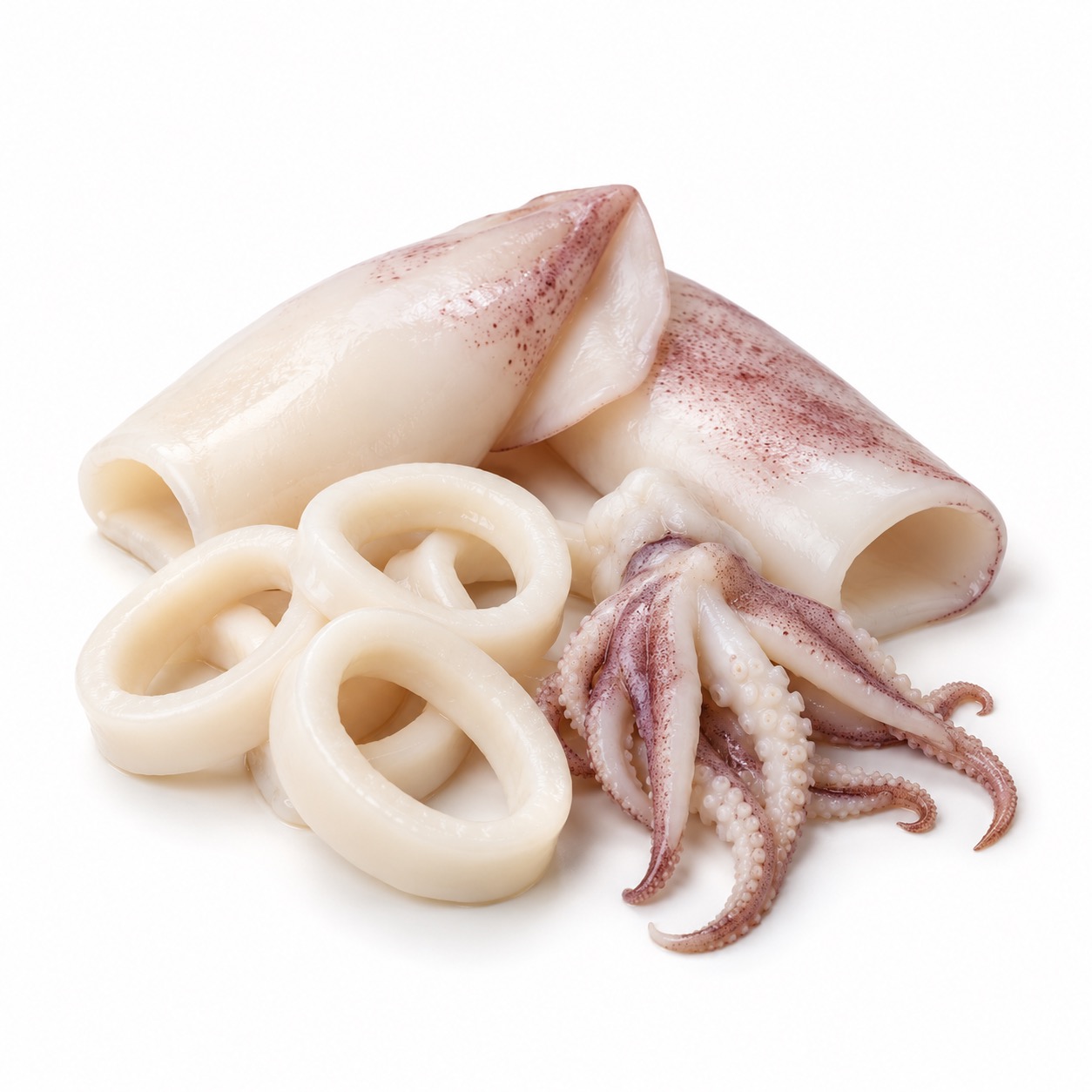 CephalopodCalamari / Totano / Squid →
 CephalopodOctopus / Polpo →
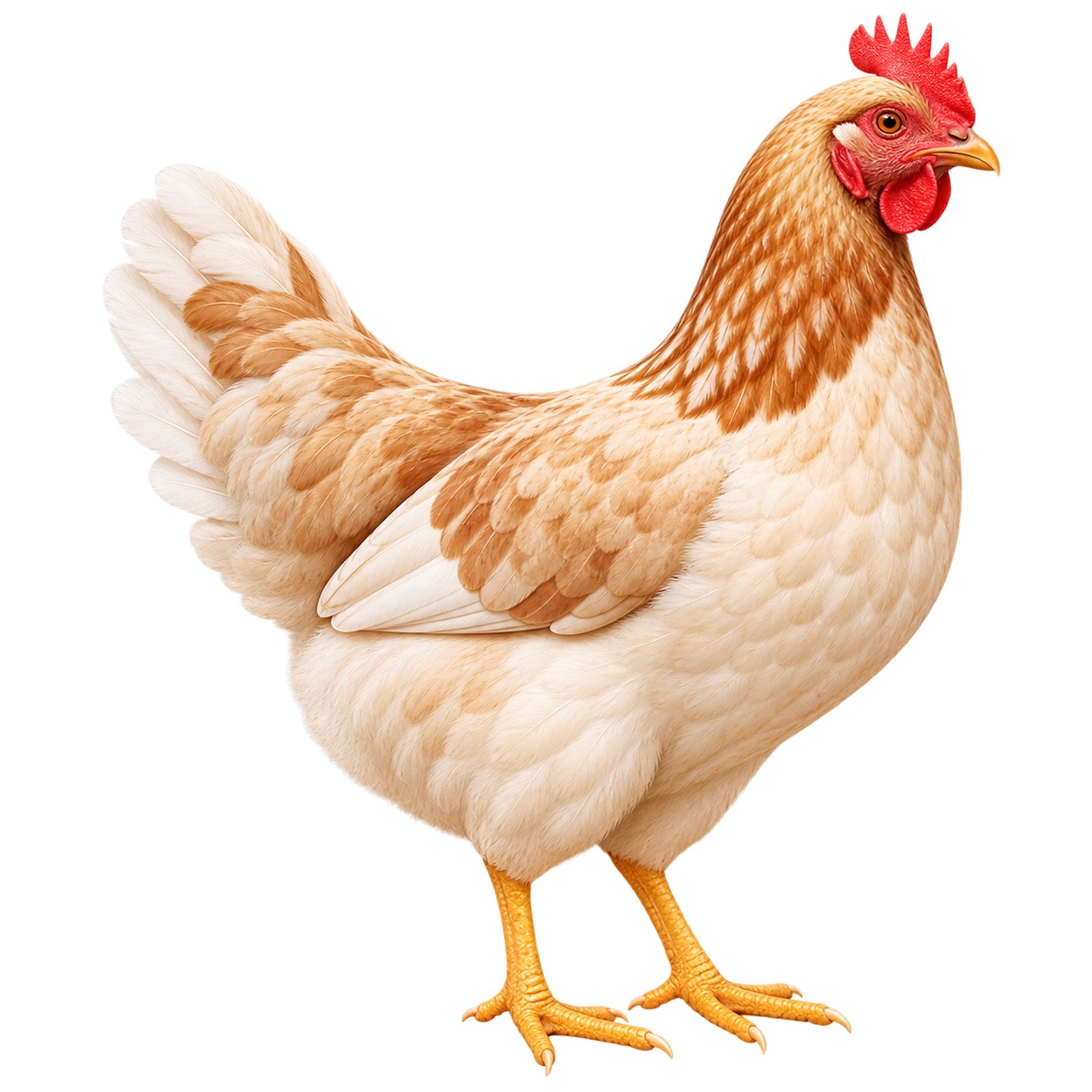
Study chicken, duck and poultry anatomy, quality selection, fabrication, storage, cooking methods, confit, roasting, breast and leg preparation, and professional kitchen applications.
Explore beef anatomy, primal and subprimal cuts, tenderloin, quality grading, purchasing, storage, fabrication, cooking techniques, doneness and resting. Continue into Veal for milk-fed and grass-fed characteristics, Lamb / Agnello for butcher cuts, international origins, cooking methods, nutrition and rendered lamb fat, Pork for butcher cuts, bacon and global pork traditions, Rabbit / Wild Rabbit for hare species and Tuscan game traditions, and Wild Boar / Cinghiale for Maremma heritage, game-meat cuts, marination, braising and professional culinary use.
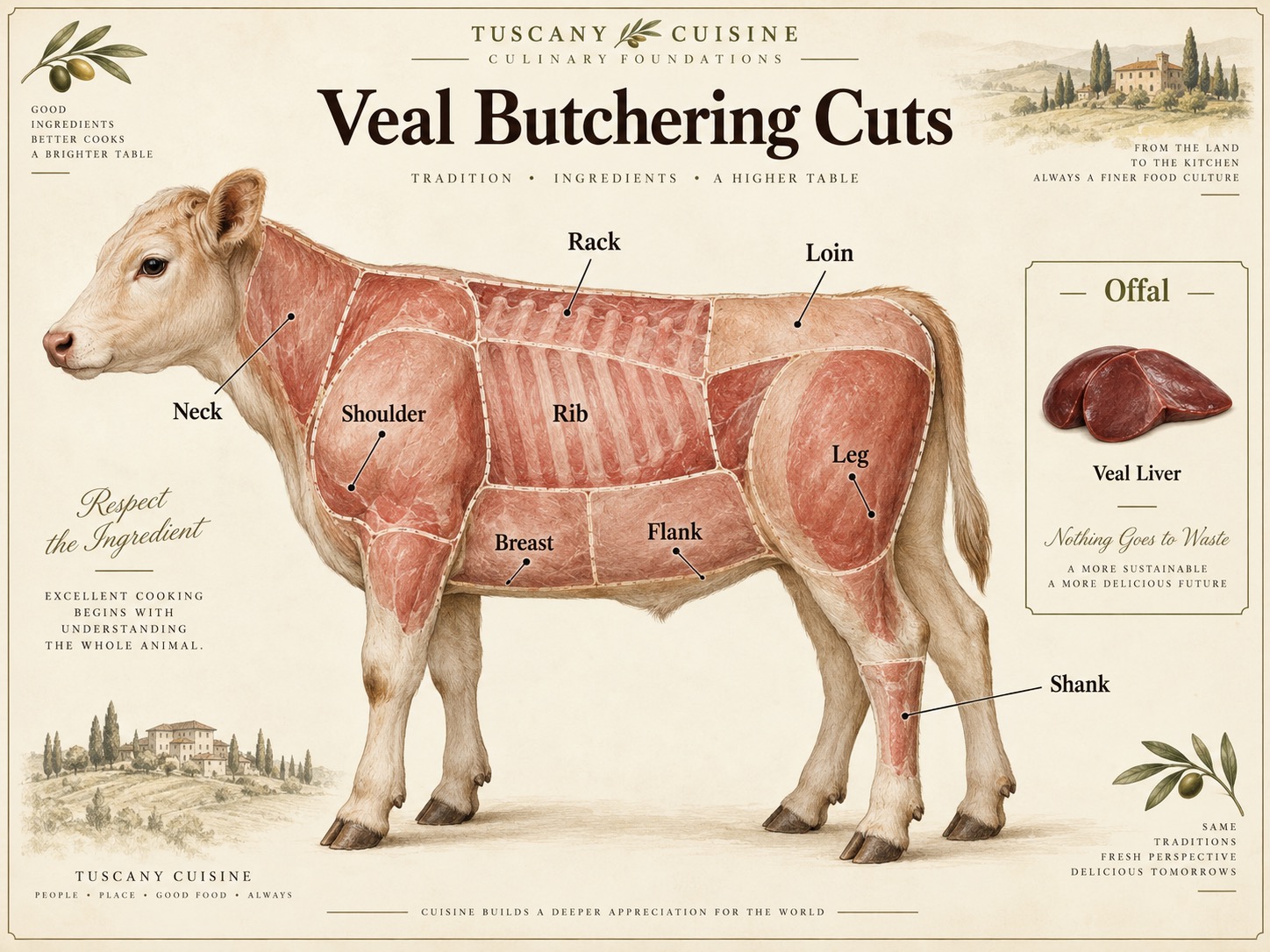 Published Meat FoundationVeal · Characteristics, Butchering Cuts & Veal Liver →
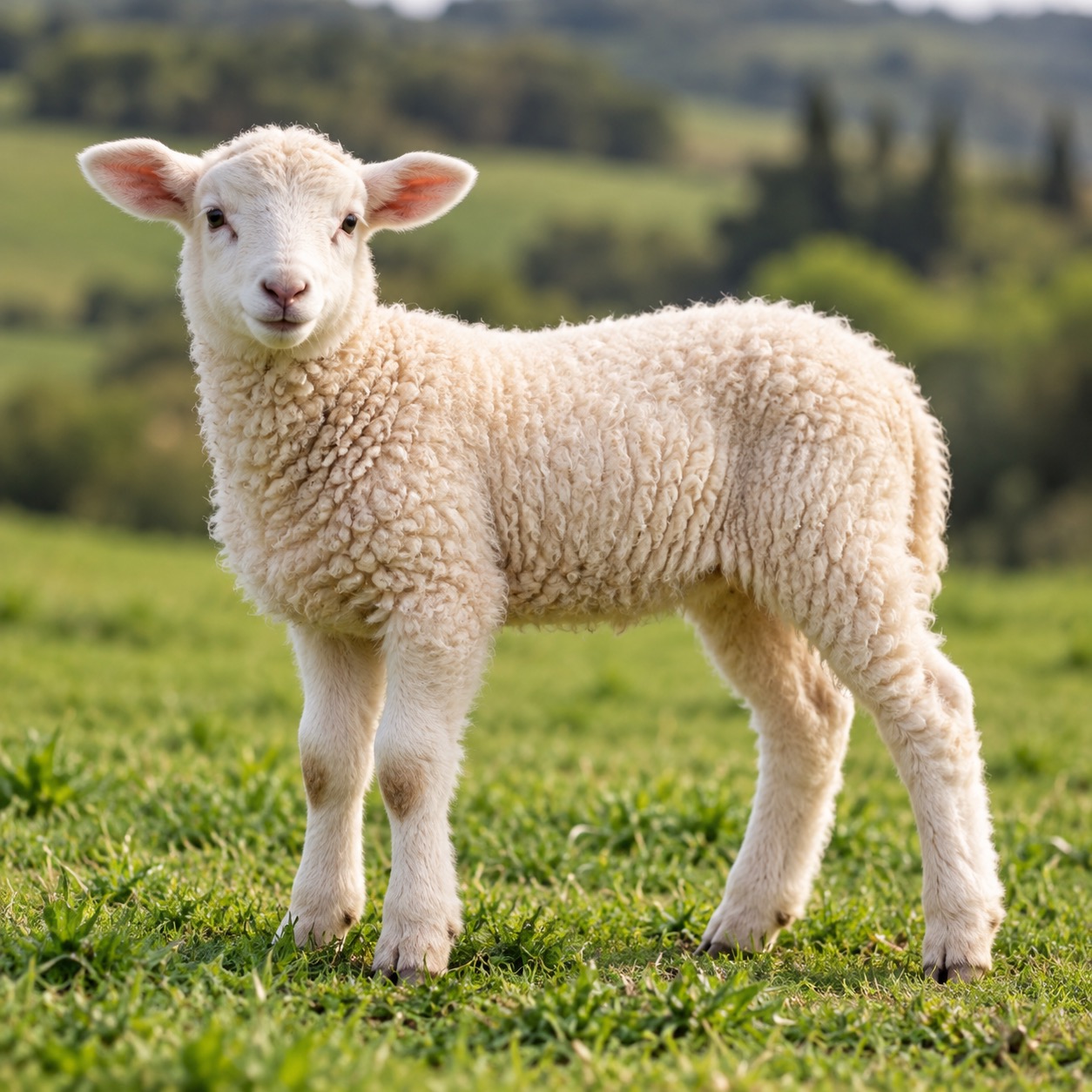 Published Meat FoundationLamb / Agnello · Cuts, Cooking Methods & Lamb Fat →
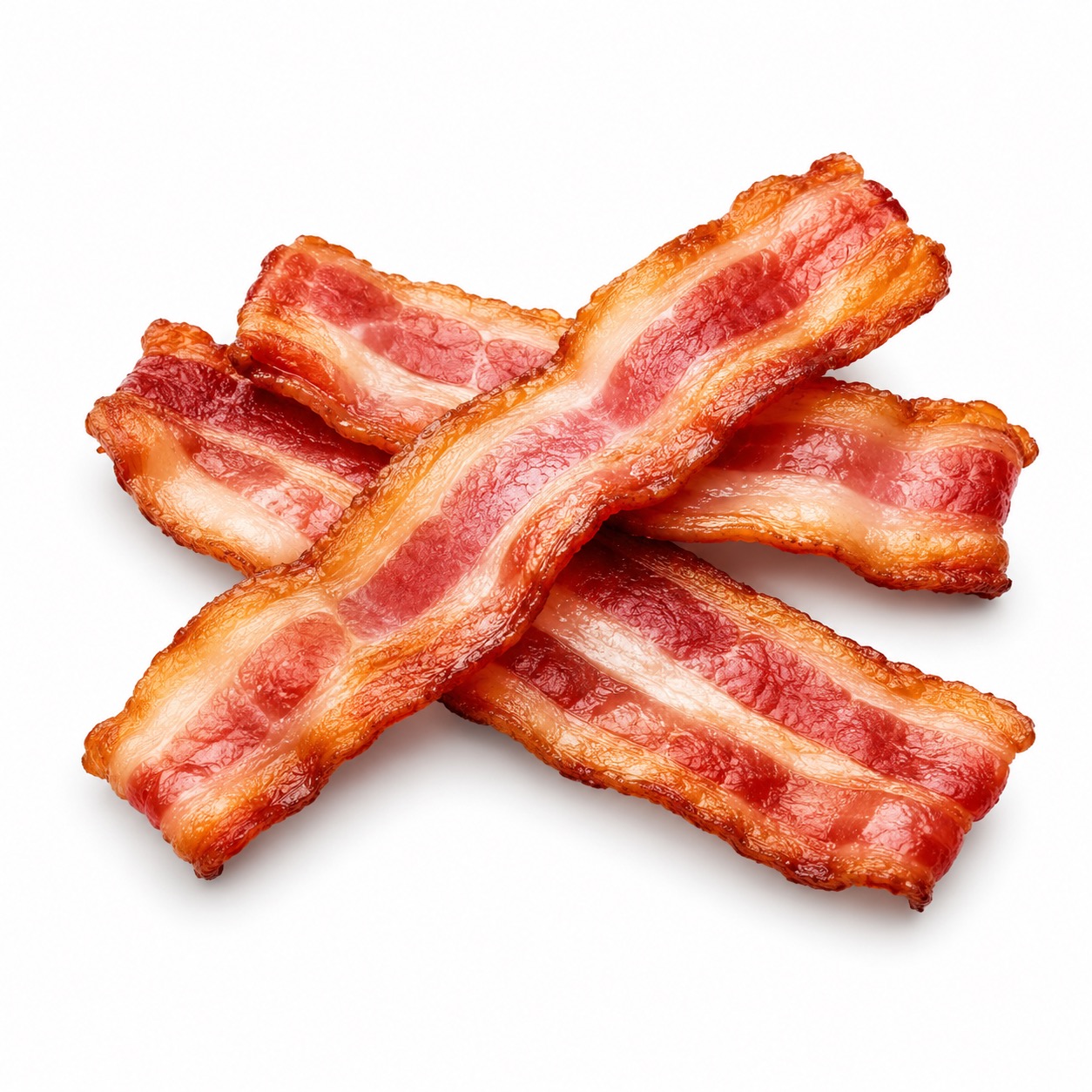
🐖Published Meat FoundationPork · Butchery Cuts, Bacon & Global Pork Knowledge →
Published Meat FoundationLamb / Agnello · Cuts, Cooking Methods & Lamb Fat →
🐖Published Meat FoundationPork · Butchery Cuts, Bacon & Global Pork Knowledge →
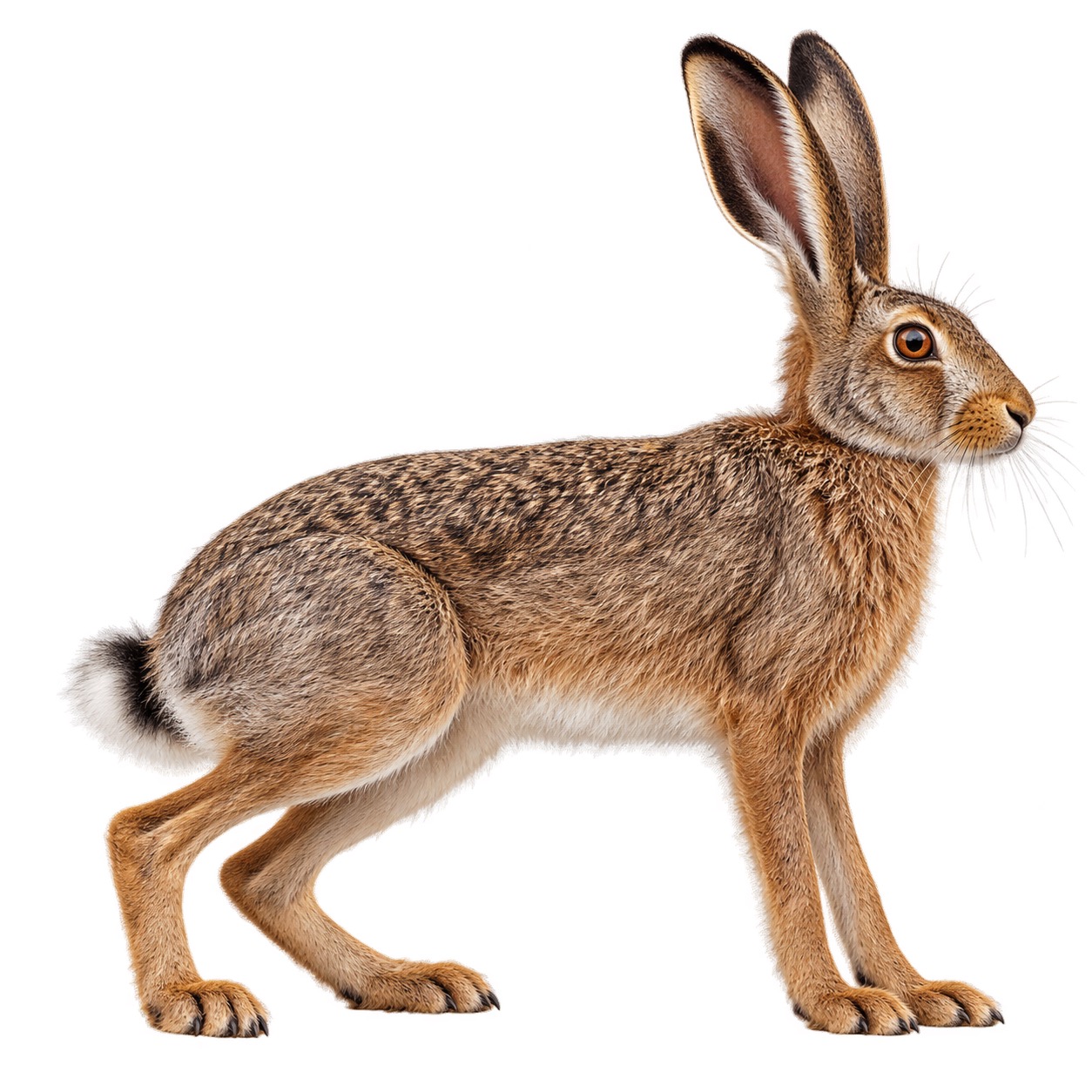 Published Game Meat FoundationRabbit / Wild Rabbit · Blue Hare, Species & Tuscan Culinary Tradition →
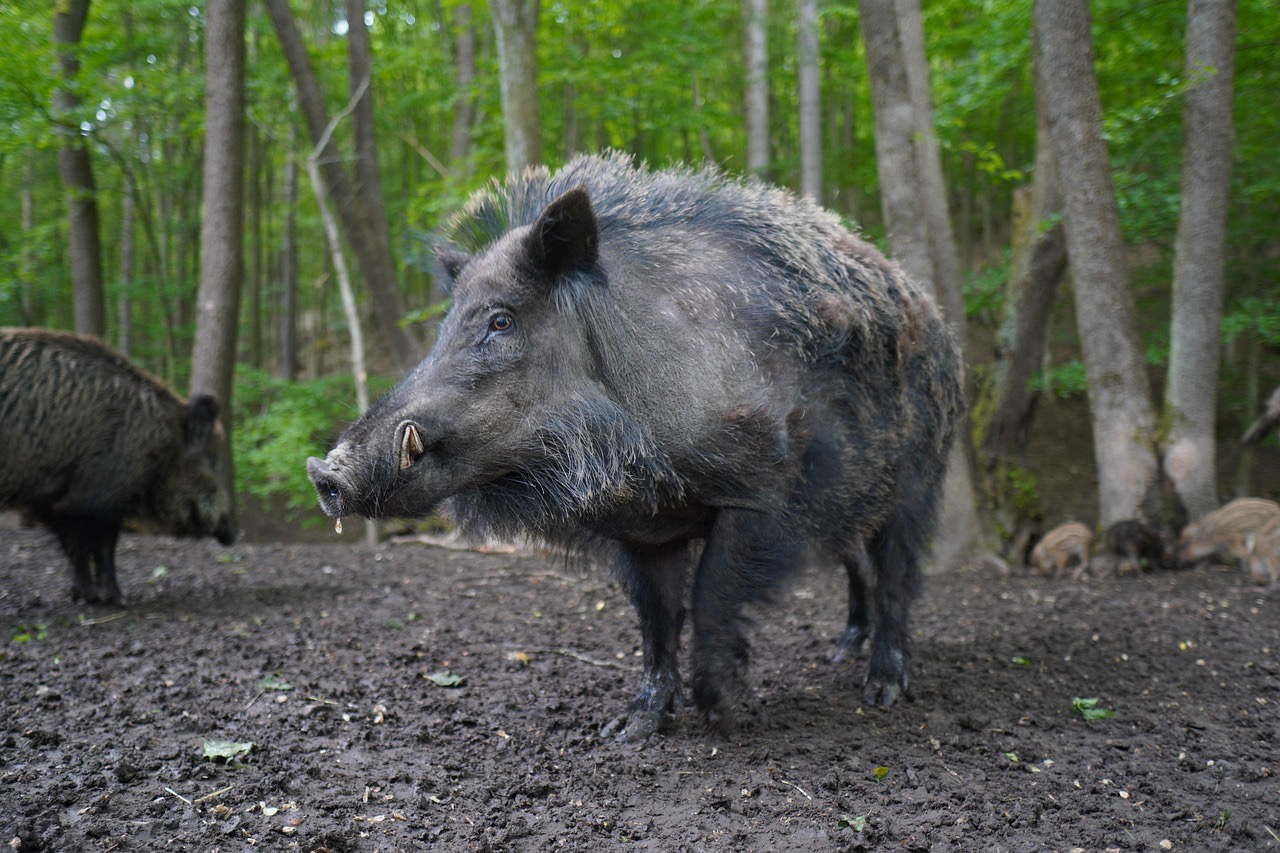 Published Game Meat FoundationWild Boar / Cinghiale · Cuts, Maremma Tradition & Culinary Knowledge →
Open Veal Butchery & Cuts →
Published Game Meat FoundationWild Boar / Cinghiale · Cuts, Maremma Tradition & Culinary Knowledge →
Open Veal Butchery & Cuts →
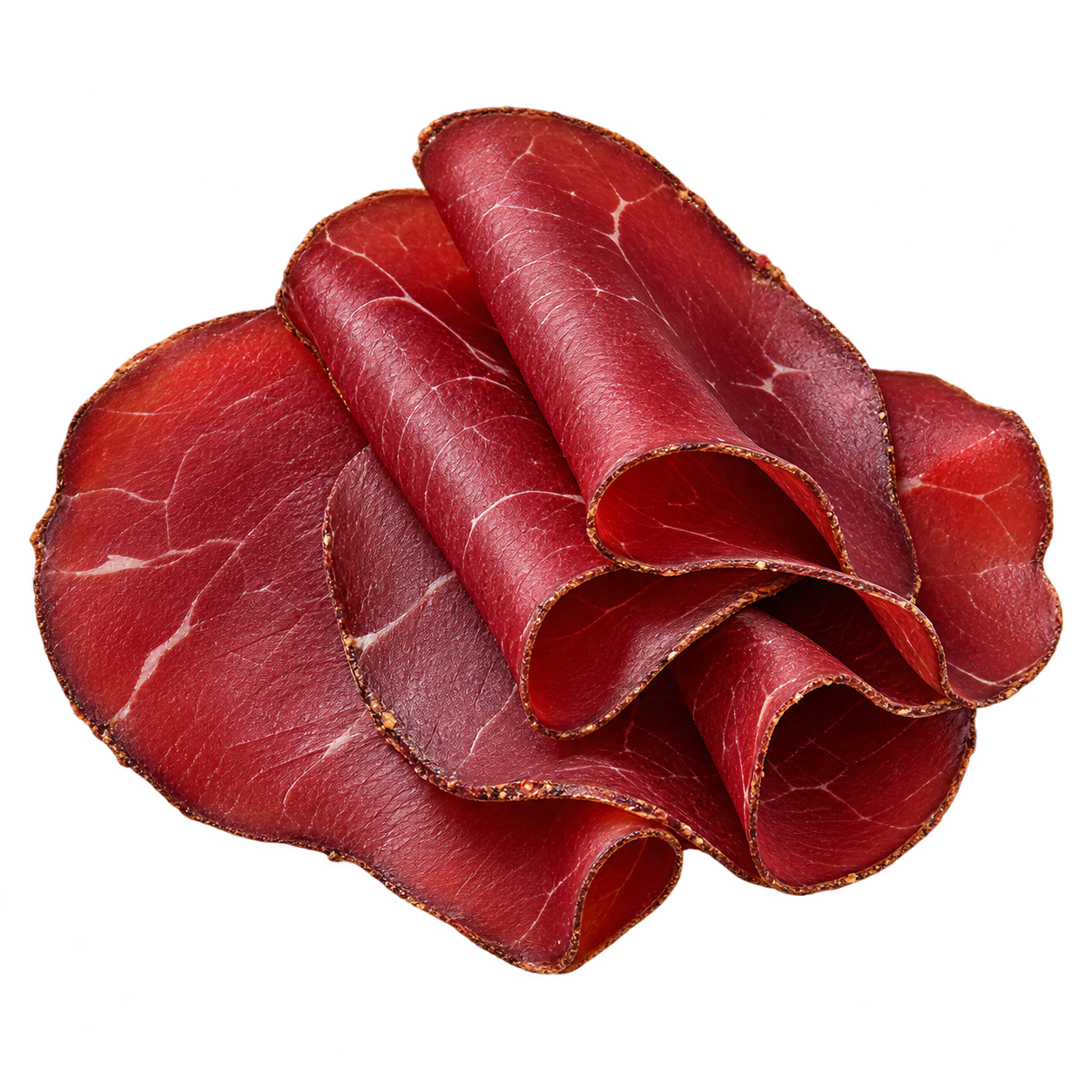
Study whole-muscle cured meats, salumi, meat selection, trimming, salting, drying, ageing, regional traditions, protected-origin products, food safety, storage, slicing, purchasing, and professional service.
Study ingredient identity, seasonality, quality selection, storage, preparation, culinary applications, recipe connections, purchasing, inventory, and professional kitchen use.
Begin with Sous Vide precision cooking. Study temperature control, heat transfer, thickness-based timing, protein doneness, HACCP food safety, vacuum packaging and finishing techniques.
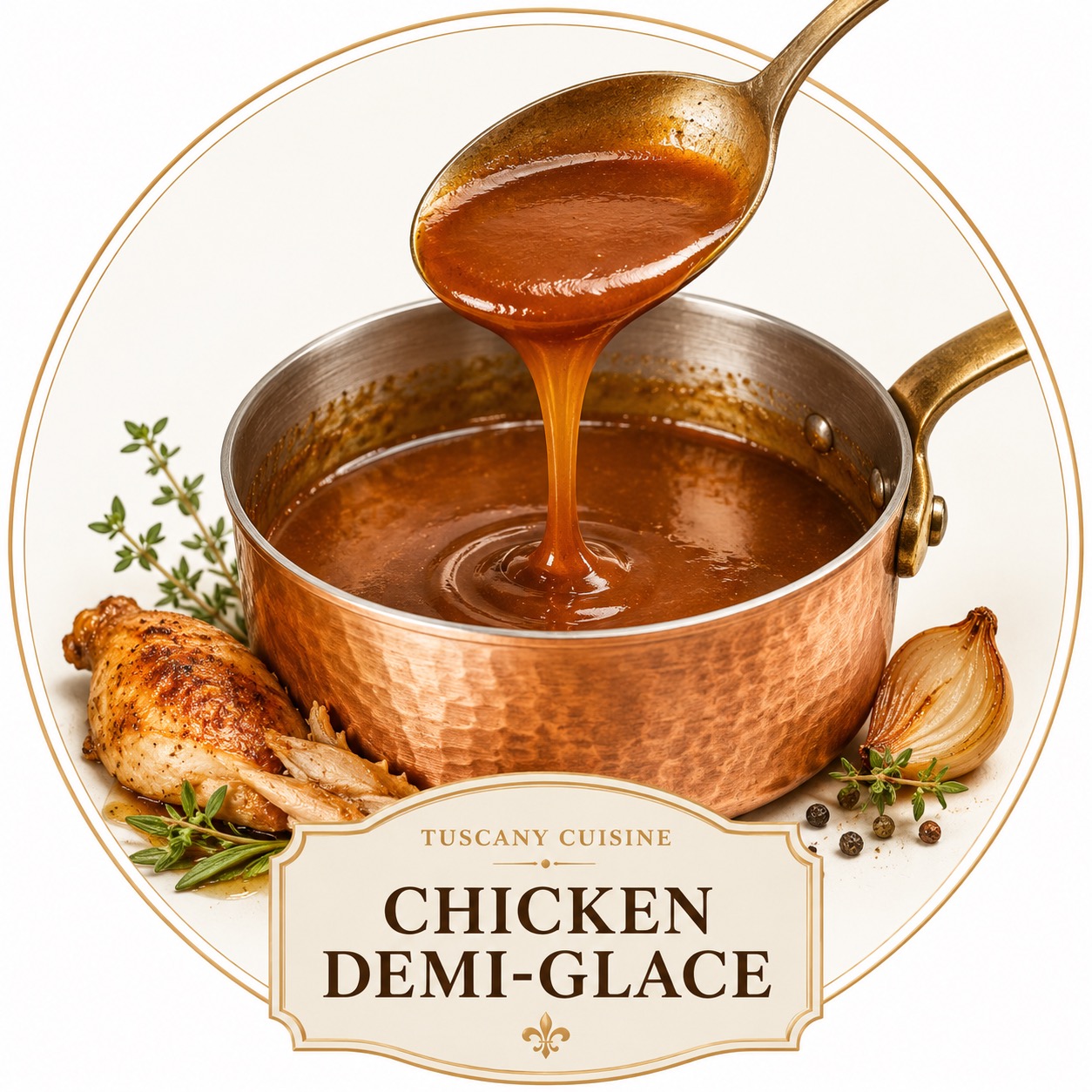
Open Sous Vide Cooking Method →Study professional stock building, roasted-bone extraction, collagen, gelatinization, reduction, demi-glace, sauce body, flavor concentration, consistency and finishing.
Temperature control, storage, cross-contamination prevention, receiving standards, labeling, sanitation, and HACCP principles.
Curriculum in developmentStation setup, preparation sequencing, production lists, communication, organization, cleanliness, and professional workflow.
Curriculum in developmentWeights, volumes, conversions, recipe scaling, yields, percentages, portions, food cost foundations, and production calculations.
Curriculum in developmentSalt, acidity, sweetness, bitterness, umami, herbs, spices, aromatics, texture, and professional evaluation of flavor.
Curriculum in developmentClassical and modern culinary terms, professional kitchen language, Italian and French terminology, production vocabulary, and definitions.
Curriculum in developmentCulinary foundations are not only individual techniques. They are the professional habits that create consistency, safety, efficiency, quality, and teamwork every day.
This department will continue to grow with printable charts, professional guides, training videos, identification resources, and practical culinary references.
Apply the foundations through professional recipes, organize those recipes into menus, and connect culinary knowledge to production, inventory, labor, and restaurant operations.