Large Lakes
Alborella may form schools near the surface of subalpine and lowland lakes, following food availability and temperature.
A professional species and culinary reference for one of northern Italy's small, silvery freshwater fish: habitat, distribution, spawning season, legal fishing considerations, traditional lake cuisine, food safety, nutrition context and its connected record inside the Tuscany Cuisine platform.
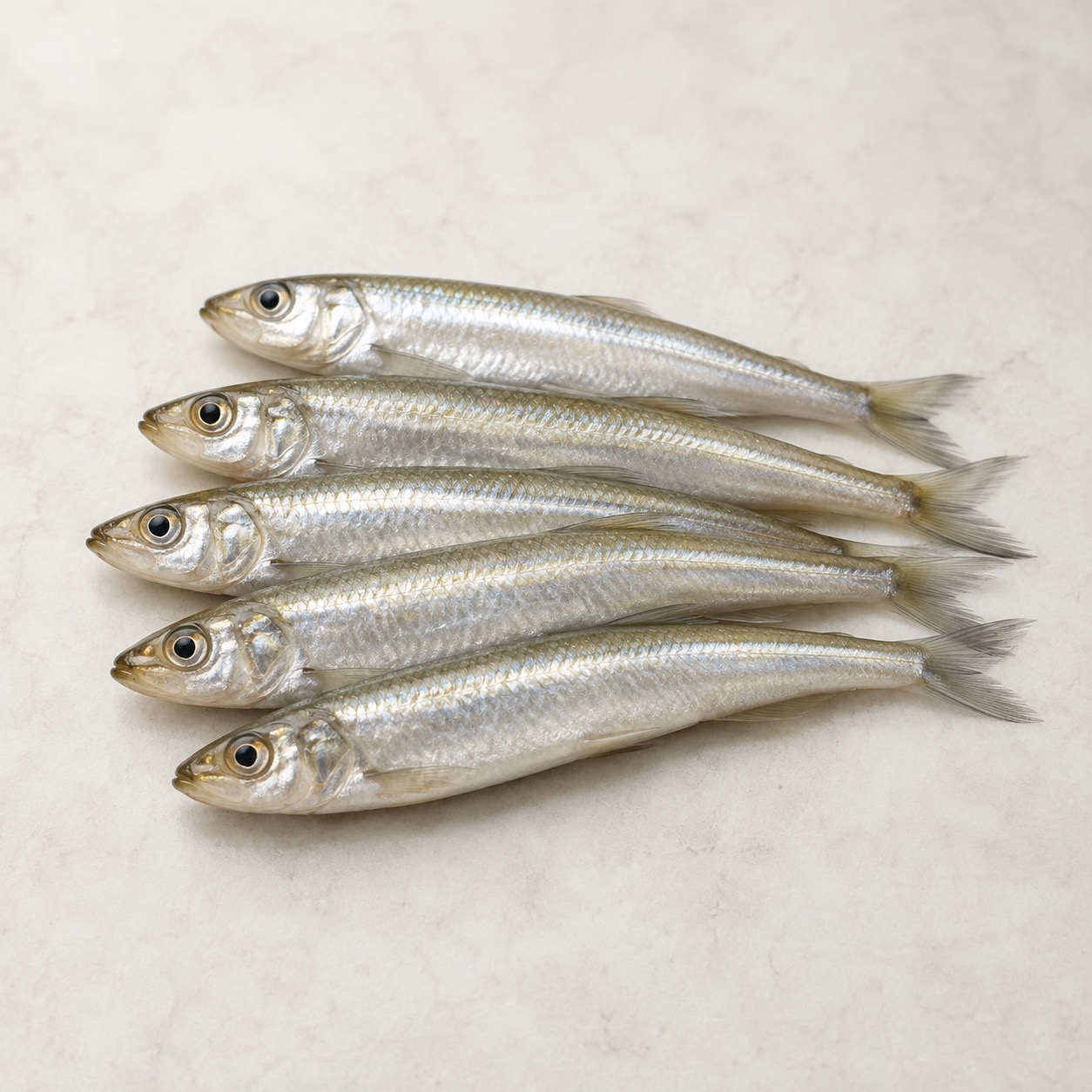
smelts.pngSpecies identity
Alborella is a small, schooling freshwater fish recognized today as Alburnus arborella. FishBase places it in the family Leuciscidae and records a maximum standard length of about 13.6 cm. It occupies open surface waters ranging from large subalpine lakes to smaller lowland streams, feeding on plankton, insects and other small invertebrates.
smelts.png and the existing
recipe/inventory alias smelts for platform continuity, while this page
identifies the Italian species correctly as Alburnus arborella.
| Common Italian name | Alborella |
|---|---|
| Scientific name | Alburnus arborella (Bonaparte, 1841) |
| Family | Leuciscidae — minnows |
| Environment | Freshwater; temperate; open water / benthopelagic habitat |
| Typical form | Small, slender, silvery schooling fish with a slightly superior mouth |
| Recorded maximum | About 13.6 cm standard length in FishBase |
| EU commercial name | Alborella |
| FAO species code | FCY |
Origins & habitat
FishBase records Alburnus arborella in European Adriatic drainages from the Soča area south toward the Ancona region, with records in Italy and neighboring countries. It also occurs in the Arno drainage on the Tyrrhenian side and has been introduced to additional Italian drainages. The species favors open water, where its small size, schooling behavior and plankton-oriented feeding ecology make it an important part of freshwater food webs.
Alborella may form schools near the surface of subalpine and lowland lakes, following food availability and temperature.
It also occurs in suitable lowland river systems and smaller streams where open-water habitat and spawning substrate are available.
Plankton, insects and small invertebrates form much of the diet; the fish itself is prey for larger freshwater predators.
Fishing seasonality & reproduction
Regional sources describe Alborella spawning from late spring through summer. Trentino Fishing reports reproduction from May to August when water temperatures rise, while the Torbiere del Sebino reserve describes reproduction from late May through the end of July. Because spawning fish gather in shallow areas, these months are particularly important for conservation.
Culinary history & professional use
Historical sources from the Italian lake regions describe Alborella as an important food for lakeshore communities. It was eaten fresh and preserved with salt; culinary references also describe frying and preservation in carpione. Its small size makes whole-fish cooking practical and places texture, crispness, freshness and immediate service at the center of professional preparation.
Tuscany Cuisine culinary record
Tuscany Cuisine currently records this ingredient in the Antipasti system through Crispy Polenta with Smelts: 200 g of cleaned small fish, fried and paired with crisp polenta and arugula. The ingredient identity connects the recipe, icon system, Live Inventory, station production and Menu Builder metadata.
Open the recipe →Nutrition
Tuscany Cuisine did not find a sufficiently authoritative, standardized nutrient panel specifically for Alburnus arborella in the sources used to build this page. For that reason, this page does not assign invented calories, protein or fat values to Alborella.
Nutrition varies with species, season, size, edible portion, preparation and whether the fish is consumed whole. Frying and breading can substantially change calories, sodium and fat.
Receiving, storage & food safety
Inspect for clean aroma, intact skin, bright appearance and proper refrigeration. Reject fish showing strong sour, ammonia-like or decomposed odors.
Keep seafood refrigerated at 40°F / 4°C or below, protected from cross-contamination and excessive meltwater. Follow local food-code requirements and supplier use-by guidance.
For ordinary cooked service, FDA Food Code guidance commonly uses 145°F / 63°C for fish unless an approved process or jurisdiction-specific rule applies.
Tuscany Cuisine platform record
This page establishes the permanent educational identity behind the existing Smelts inventory
and recipe record. The dedicated graphic can now replace the fallback icon wherever the shared
ingredient engine recognizes the smelts identity.
/academy/culinary-foundations/fishes/smelts.png
Dedicated graphic for recipe cards, Live Inventory previews and future ingredient dashboards.
/academy/culinary-foundations/fishes/arborelle.html
Educational species record for origins, culinary usage, seasonality, safety and platform connections.
inventory_id: smelts
Retains compatibility with the existing recipe record and Live Inventory item.
Research references
Species taxonomy and ecology should be separated from culinary tradition and from local fishing law. These references provide the main factual foundation used for this page.