Tuscany Cuisine Culinary Academy Β· Professional Knowledge Built Through Real Kitchen Experience
Professional Culinary Foundations

Fish & Seafood Knowledge From Ocean to Plate

Master the selection, fabrication, preservation, seasonality, sourcing, storage and cooking science behind one of the kitchen's most delicate and rewarding ingredients.

SelectionFreshness & sourcing
FabricationYield & precision
PreservationCuring & smoking
InnovationDry aging & science

The professional seafood journey

Seafood knowledge begins before the fish reaches the cutting board.

Fish and shellfish demand precision at every stage. Species, season, harvest method, handling, transportation, temperature, storage and fabrication all shape the flavor and texture that finally reach the guest.

This Academy brings together classical fishmongering and preservation with modern culinary practices. It is designed as a growing professional gateway for chefs, culinary students and serious cooks who want to understand seafoodβ€”not simply cook it.

01Ocean
02Harvest
03Market
04Storage
05Craft
06Plate
Explore the learning modules

Build a complete understanding of fish and seafood.

The front page is the gateway. Each learning card will grow into a complete illustrated chapter with professional notes, diagrams, culinary applications, recipes and related tools.

Developing
🐟

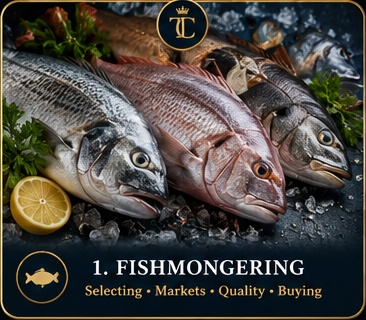
Fishmongering

Learn how chefs inspect, select, purchase and receive exceptional whole fish and seafood.

Explore selection knowledge β†’
Developing
πŸ”ͺ

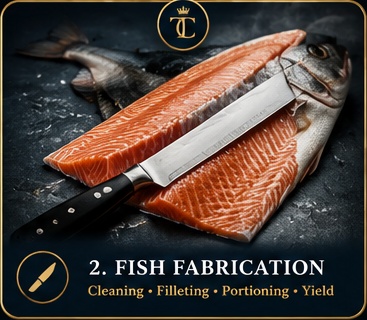
Fish Fabrication

Scaling, gutting, filleting, skinning, pin-bone removal, portioning and yield control.

Explore professional butchery β†’
Developing
🌍

Fish Around the World

Discover species from Mediterranean, Atlantic, Pacific, Arctic, tropical and freshwater ecosystems.

Enter the species encyclopedia β†’
3 Guides Live
πŸ§‚

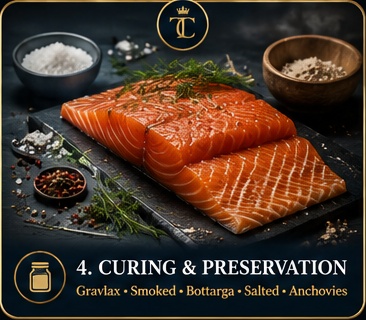
Curing & Preservation

Salmon curing, gravlax, smoked salmon, bottarga, salt cod, anchovies and traditional preservation.

Explore preservation methods β†’
Developing
❄️

Fish Dry Aging

Study controlled temperature, humidity, airflow, enzymatic change and flavor concentration.

Explore modern aging practice β†’
Developing
βš“

Sourcing & Sustainability

Compare wild harvest, aquaculture and emerging cultivated seafood through a culinary lens.

Explore responsible sourcing β†’
Developing
πŸ“…

Seafood Seasonality

Understand regional availability, migration, spawning cycles and why peak season matters.

Open the seasonal guide β†’
Developing
🧊

Storage & Food Safety

Receiving temperatures, drainage, icing, refrigeration, cross-contamination and safe handling.

Explore professional storage β†’
Developing
❄

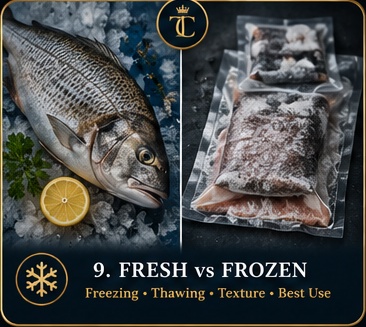
Fresh vs. Frozen

Learn how freezing speed, ice crystals, thawing and moisture loss influence flavor and texture.

Understand freezing science β†’
Developing
πŸ”₯

Seafood Cooking Methods

Grilling, roasting, steaming, poaching, pan roasting, sous vide, salt crust and raw preparations.

Explore cooking techniques β†’
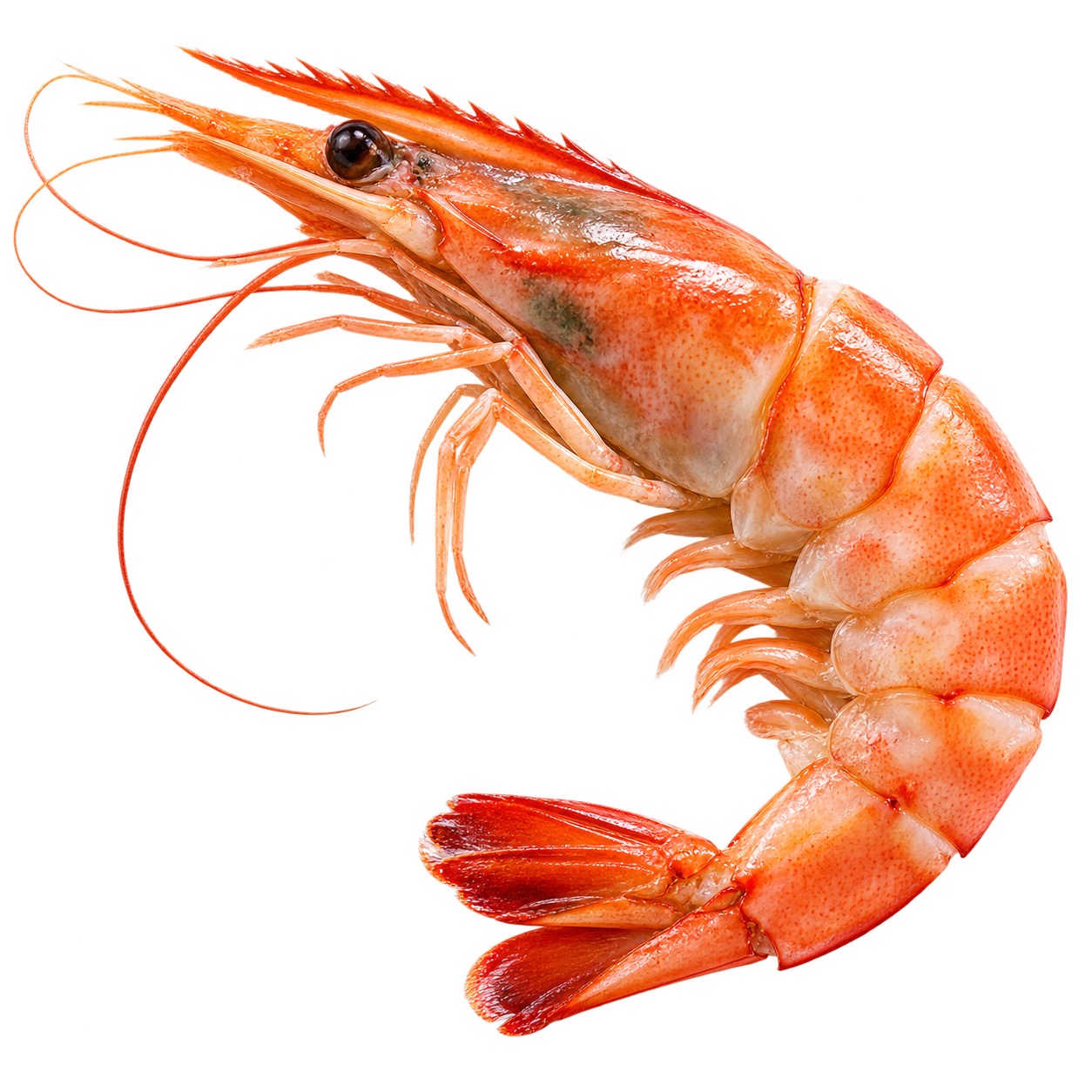
Shrimp Guide Live
🦐

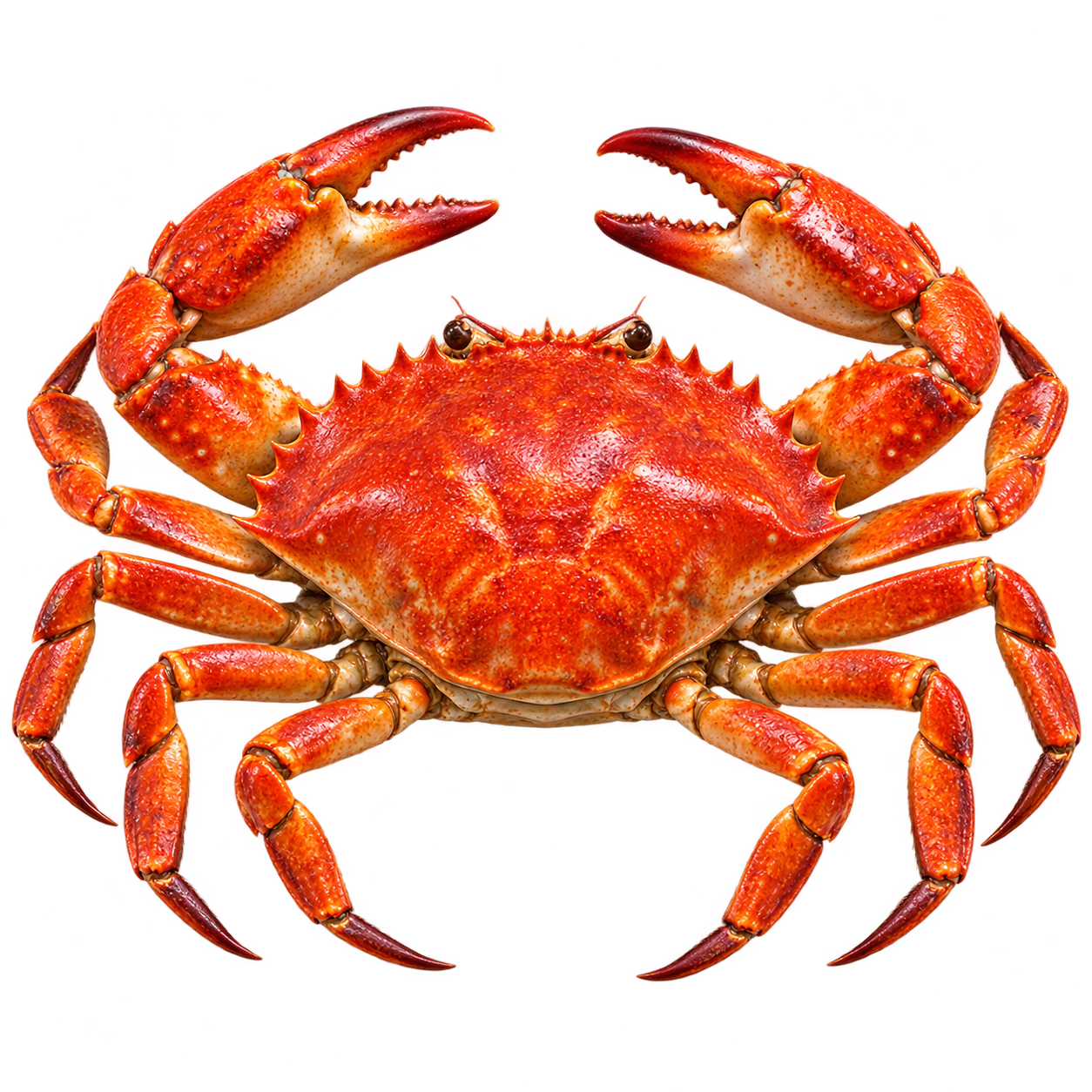
Shellfish & Crustaceans

Oysters, mussels, clams, scallops, shrimp, crab, lobster, cephalopods and safe handling. The professional Shrimp / Gamberi foundation record is now live.

Explore shellfish knowledge β†’
Future Library
πŸ“š

Seafood Encyclopedia

Species profiles with habitat, seasonality, flavor, texture, fabrication, recipes and pairings.

Discover the future library β†’
Professional fishmongering and seafood selection

Professional selection

Read the fish before you buy it.

Quality inspection uses all the senses. A whole fish should communicate freshness through clear eyes, clean gills, resilient flesh, intact skin and a clean marine aroma. The lesson will also examine harvest date, cold-chain handling, market presentation, traceability and honest communication with a trusted fishmonger.

Whole-fish inspection Shellfish vitality Cold chain Traceability Buying yield
View the freshness guide

Precision and respect

Fabrication turns whole fish into usable culinary value.

Professional fish butchery is not only about producing a clean fillet. It is about controlling yield, matching cuts to cooking methods and finding purposeful uses for collars, cheeks, trim, skin, bones and roe.

Round fish Flat fish Large pelagic fish Pin bones Yield control
Review knife skills first
Professional fish fabrication and filleting

Understanding the source

Wild, farm-raised and cultivated seafood are not interchangeable stories.

The future chapter will compare them without oversimplification. Species, feed, water quality, stocking density, harvest method, transport, freshness and culinary purpose can matter as much as the broad production label.

Wild-Caught

Connected to natural ecosystems, migrations and seasonal availability.

  • Season and region strongly influence supply.
  • Flavor and fat content can vary naturally.
  • Fishery management and capture method matter.

Farm-Raised

Aquaculture can provide consistency, availability and controlled production.

  • Quality differs greatly among farms and systems.
  • Feed and growing conditions influence flavor.
  • Traceability can be a meaningful advantage.

Cultivated Seafood

An emerging category produced from animal cells rather than harvesting a whole fish.

  • Still developing as a culinary and commercial field.
  • Texture, structure and consumer acceptance remain central.
  • Future lessons will follow verified developments.
β€œA chef who understands seafood does not simply cook fish. They understand the ocean, the season, the supply chain, the craftsmanship and the responsibility behind every plate.”
Chef David Giani

Chef's inspection guide

Five signals that begin the freshness conversation.

No single sign should be judged alone. Use the complete condition of the fish, its history and the reliability of the supplier to make a professional purchasing decision.

πŸ‘οΈ Eyes Clear, bright and naturally shaped rather than deeply sunken or cloudy.
🌹 Gills Clean in appearance with species-appropriate red or pink coloration.
✨ Skin Moist, lustrous and intact, with scales and surface condition appropriate to the species.
πŸ’ͺ Flesh Firm and resilient, without excessive gaping, softness or accumulated liquid.
🌊 Aroma Clean and mild. Strong sour, ammonia-like or unpleasant odors are warning signs.
Traditional seafood curing, smoking and preservation methods

Tradition and control

Curing changes moisture, texture, seasoning and time.

Salt, sugar, smoke and carefully controlled refrigeration have preserved seafood for generations. This Academy section connects classical preservation knowledge with three complete Tuscany Cuisine professional recipe guides.

Salmon curing Gravlax Cold smoking Hot smoking Bottarga BaccalΓ 

Advanced seafood practice

Fish dry aging is a controlled processβ€”not ordinary refrigeration.

A future technical chapter will examine species selection, initial quality, sanitation, temperature, humidity, airflow, moisture management, aging duration, trimming and sensory evaluation. Because safety depends on professional controls, the lesson will separate culinary theory from validated food-safety procedures.

Moisture Management

Controlled surface drying can change concentration, handling and cooking behavior.

Enzymatic Change

Time may influence tenderness and flavor, but results depend heavily on species and condition.

Professional Control

Dedicated equipment, sanitation, monitoring and documented procedures are essential.

Fresh, frozen and thawed

The word β€œfresh” does not tell the entire quality story.

Properly frozen seafood can sometimes preserve quality better than fish that has spent too long moving through a refrigerated supply chain. The future lesson will explain rapid freezing, ice-crystal formation, freezer burn, packaging, drip loss and safe thawing.

Rapid freezing IQF Vacuum packaging Drip loss Refrigerated thawing
Fresh versus frozen seafood quality and storage

A living seasonal reference

The best fish is connected to place, time and responsible availability.

The planned seafood calendar will be regional rather than pretending one global month applies everywhere. It will combine species, location, harvest seasons, closures, quality windows and culinary applications.

Professional handling

Storage protects quality only when drainage, temperature and sanitation work together.

This page intentionally avoids publishing one universal shelf-life promise. Species, harvest, initial quality, processing, packaging, storage temperature and local regulations all matter. The complete lesson will teach chefs how to build a documented receiving and storage system.

Fish species library

Every fish deserves its own culinary identity.

Select a species to open its dedicated profile. Each page is designed to connect the fish's habitat, seasonality, flavor, texture, fabrication, yield, preferred cooking methods, sustainability notes, Tuscany Cuisine recipes and wine pairings.

10 Starter Species
Oily Fish Fresh salmon fillet ingredient graphic icon

Salmon

Salmo and Oncorhynchus species

Explore Atlantic, Scottish, King, Sockeye, Coho and Alaskan salmon, including butchering cuts, fillet anatomy, wild vs farmed nutrition, seasonality, quality selection and professional culinary use.

Open salmon profile
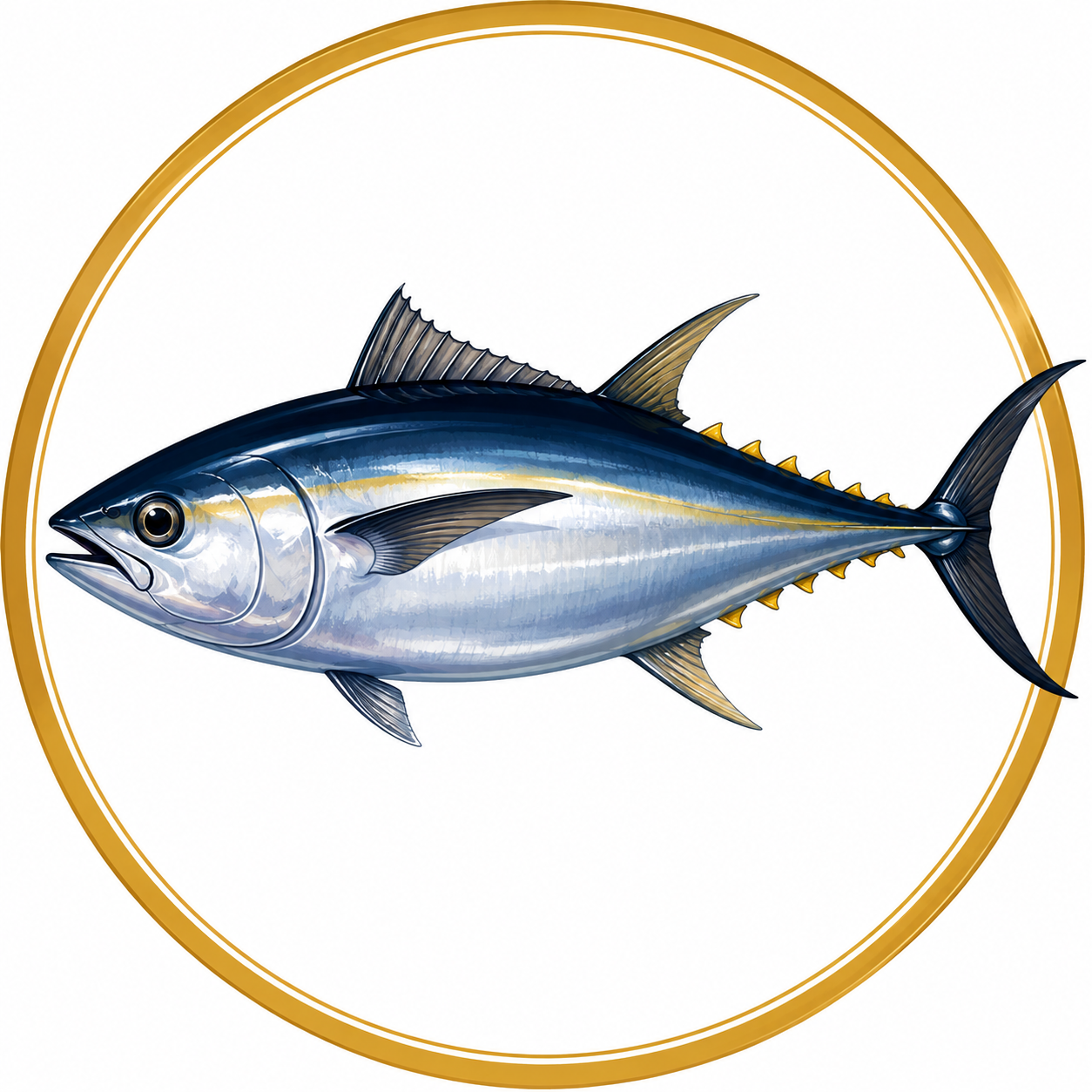
Tuna

Tuna

Learn about Ahi tuna identification, quality grades, sourcing, flavor profile, seasonality, fabrication, cooking methods, nutrition, and Tuscany Cuisine recipes.

Explore Tuna β†’
Mediterranean Branzino European sea bass graphic icon

Branzino

Dicentrarchus labrax

Delicate European sea bass suited to whole roasting, grilling, steaming and salt crust.

Open branzino profile
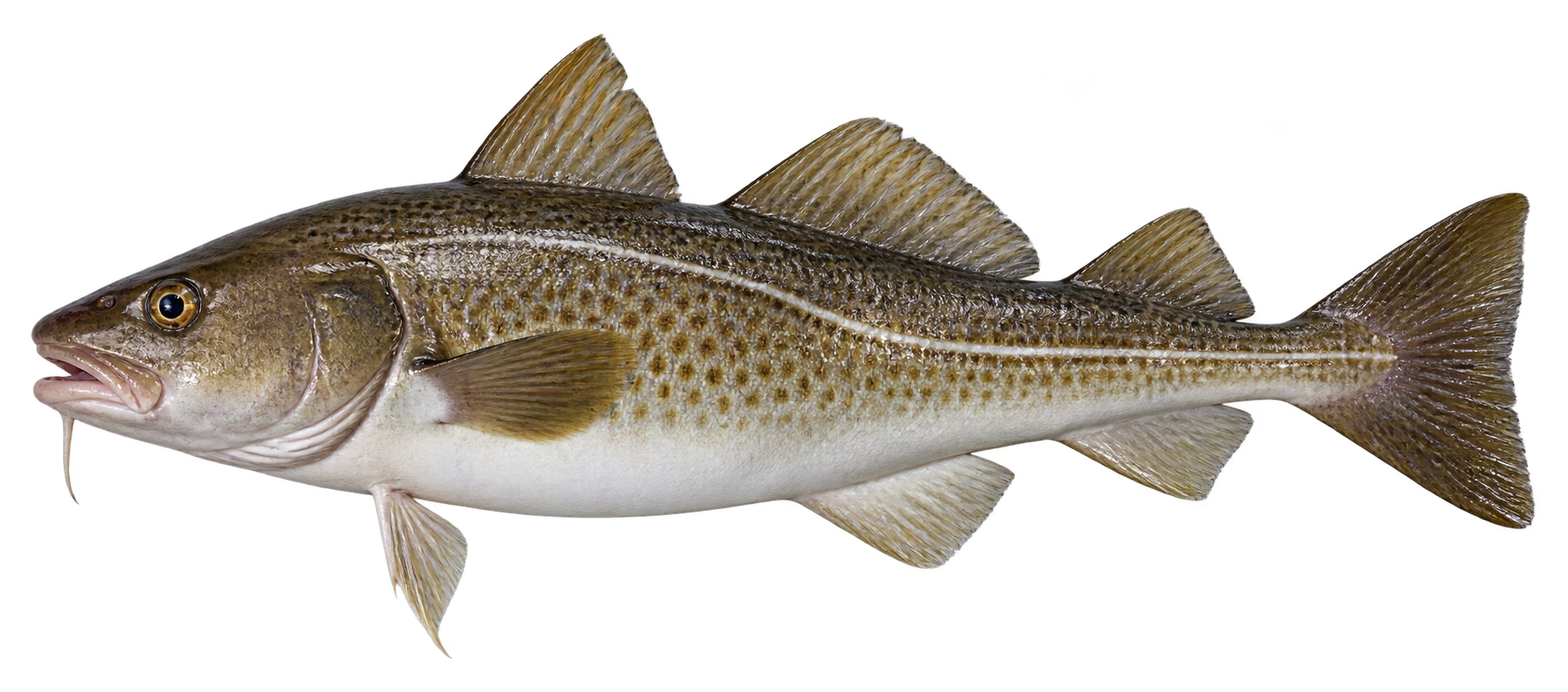
Lean White Fish Cod fish ingredient icon

Cod

Gadus species

Explore fresh cod, salt-cured baccalΓ  and air-dried stoccafisso, from species and nutrition to professional preparation.

Open cod profile
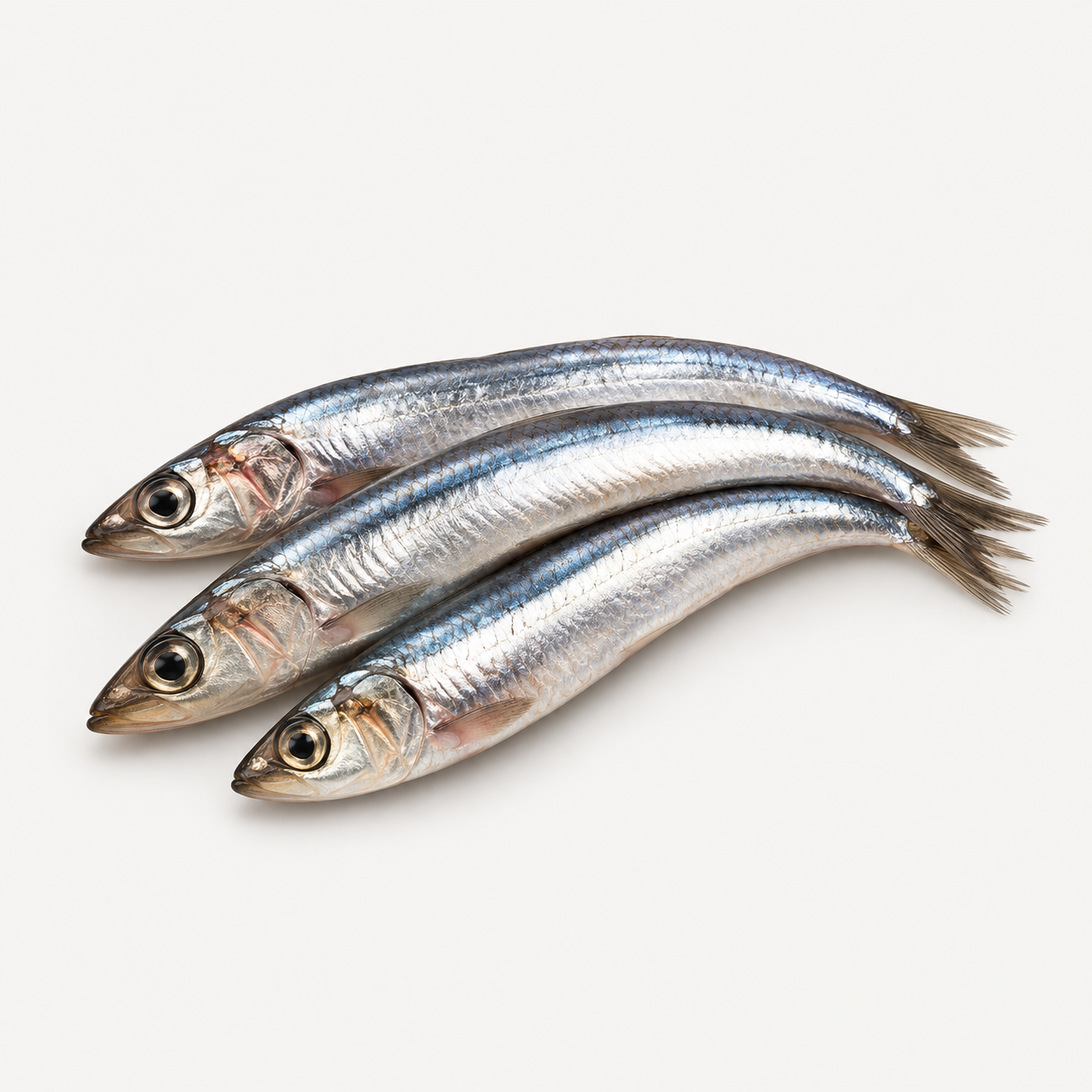
Small Oily Fish Anchovy acciuga ingredient graphic icon

Anchovy / Acciuga

Engraulidae family

Explore fresh anchovy, acciuga and alici, salted and oil-packed fillets, Mediterranean preservation, seasonality, storage, nutrition and professional culinary uses.

Open anchovy profile
Roe & Caviar Caviar ingredient graphic icon

Caviar

Sturgeon roe Β· Acipenseridae

Explore sturgeon species, roe grading, Malossol curing, preservation, service, and the historic connection between caviar and bottarga.

Open caviar profile
Flat Fish Halibut flat fish graphic icon

Halibut

Hippoglossus species

Firm, clean-flavored flatfish for pan roasting, grilling, poaching and gentle sous vide.

Open halibut profile
Warm-Water Fish Mahi-mahi fish graphic icon

Mahi-Mahi

Coryphaena hippurus

Lean, moderately firm and excellent for grilling, pan roasting and slow poaching.

Open mahi-mahi profile
Large Pelagic Swordfish graphic ingredient icon

Swordfish

Xiphias gladius

Dense steak-like flesh traditionally grilled, broiled, skewered and paired with bold sauces.

Open swordfish profile
Reef Fish Red snapper fish graphic icon

Red Snapper

Lutjanus campechanus

Moist, mildly sweet fish suited to whole roasting, grilling, steaming and pan cooking.

Open red snapper profile
Icon system: every species uses its own dedicated graphicβ€”not a generic fish symbol. Species identities may live in the Fish Ingredient Library or Culinary Foundations. The Anchovy / Acciuga identity, for example, uses /academy/culinary-foundations/fishes/acciuga.png and connects to /academy/culinary-foundations/fishes/anchovy.html so the same identity can be reused by recipes, inventory, purchasing and the Tuscany Cuisine ingredient engine.

Shellfish & marine invertebrates

Shellfish require their own standards of vitality, storage and preparation.

This collection separates mollusks, crustaceans and cephalopods so each ingredient can develop a complete professional page with purchasing standards, safe handling, fabrication, culinary uses and linked recipes.

8 Core Categories

Cooking with purpose

Match species, cut, fat content and structure to the right technique.

The cooking chapter will connect direct heat, gentle moist heat, roasting, pan cooking, sous vide, smoking, salt crusts and raw preparations to the physical characteristics of each fish.

↑