
Chef's foundation
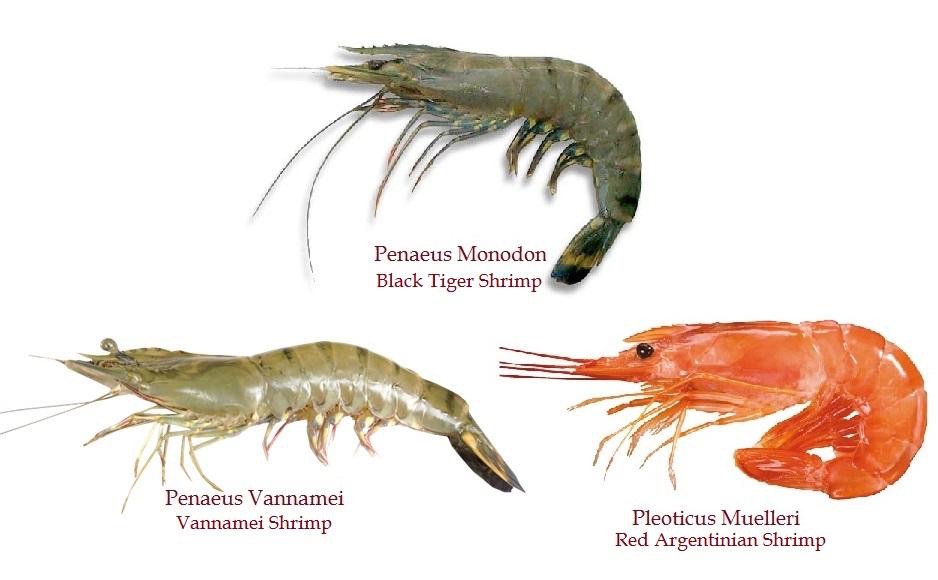
Shrimp is a culinary category, not one single species
The seafood counter word “shrimp” covers many decapod crustaceans with different habitats, sizes, flavors and supply chains. The chef's job is to know the species or production style well enough to buy the right shrimp for the dish, calculate edible yield and cook it without losing its delicate texture.
Sweet, saline, delicate
Species and habitat can shift flavor from mild and clean to richer, mineral or slightly iodine-like. Head-on shrimp provide more intense crustacean flavor for stocks and sauces.
Firm but easily overcooked
Shrimp proteins set quickly. High heat and short cooking preserve juiciness; prolonged cooking tightens the muscle fibers and produces a dry, rubbery texture.
Size, treatment and form matter
Count size, shell-on versus peeled yield, frozen glaze, sodium or phosphate treatment, origin and thaw history all influence plate cost and cooking behavior.
Terminology
Shrimp vs. prawn: a market name is not a strict zoological rule
The words are often used synonymously and usage changes by country. “Prawn” may imply a larger animal in some markets, but size alone does not create a scientific boundary.
Marine commercial shrimp
Many of the world's major farmed and wild tropical shrimp belong to Dendrobranchiata, especially penaeid species such as whiteleg shrimp and giant tiger prawn. Other commercially important “shrimp” belong to Caridea, including many cold-water and freshwater groups.
Freshwater prawns
Macrobrachium rosenbergii, the giant river prawn, grows mainly in freshwater but normally requires a brackish larval phase. FAO notes that “prawn” and “shrimp” terminology is geographically dependent rather than universally standardized.
Professional labeling rule: use the supplier's accepted common name together with species, origin, production method and size count whenever possible. “Shrimp” or “prawn” alone is not enough information for a strong purchasing specification.
World varieties
Shrimp and prawns found in global kitchens
The list below combines dominant aquaculture species with important wild fisheries and premium regional shrimp. Scientific names protect the kitchen from confusing trade names.
Visual identification
Learn the ingredient before choosing the cooking method
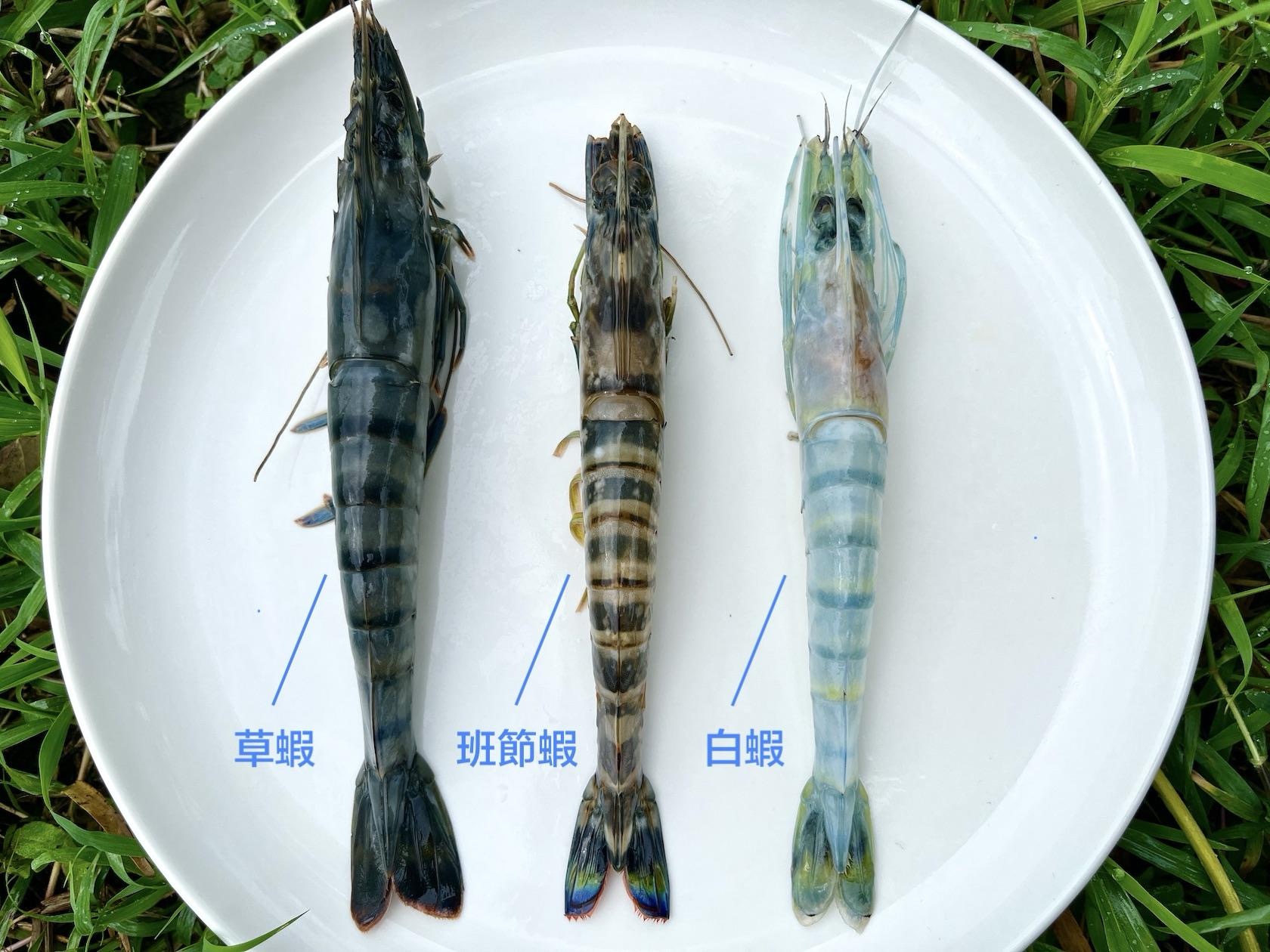
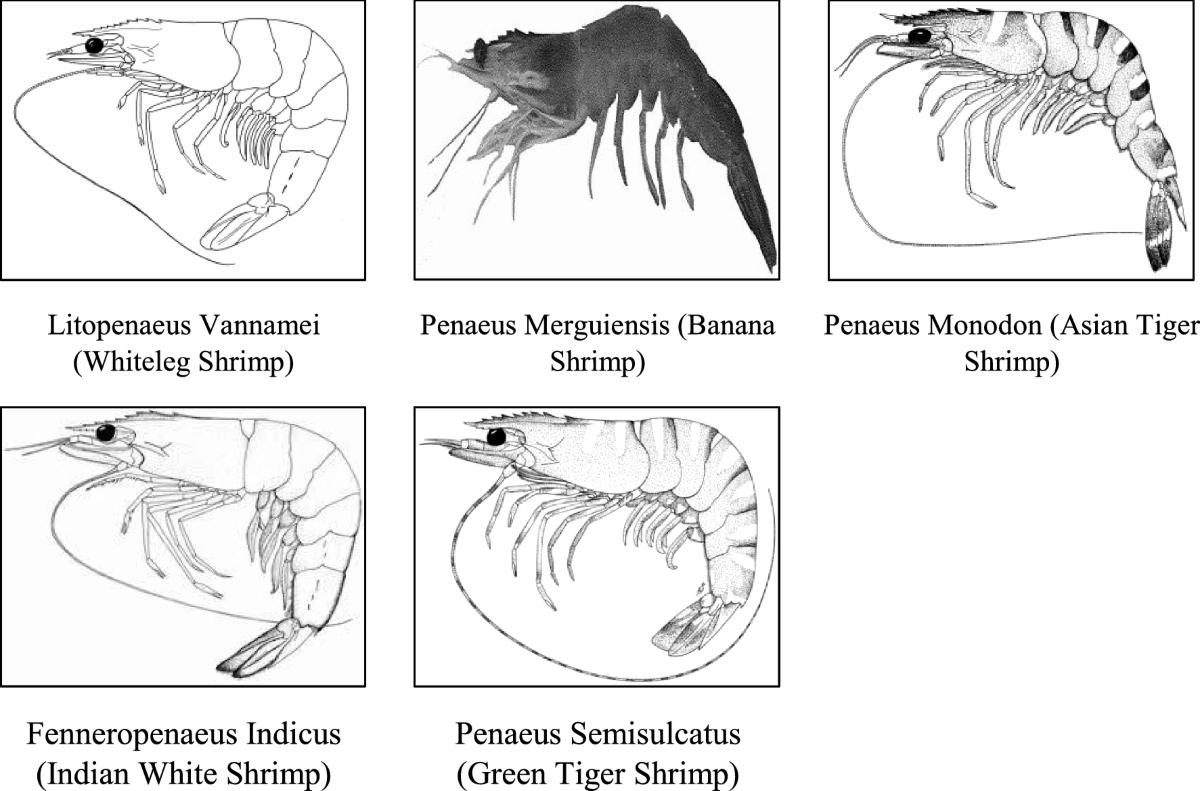
Shrimp sold under one market name can differ greatly in size, habitat, shell structure, flavor, yield and handling. Use the visual reference together with the scientific names and origin notes below when building purchasing specifications and culinary applications.
Whiteleg shrimp / Vannamei
Penaeus vannameiNative to the tropical eastern Pacific from Mexico through Central America to Peru. Today it dominates farmed shrimp supply in Latin America and Asia because of its adaptable production profile and consistent market sizing.
Black tiger / Giant tiger prawn
Penaeus monodonA large, striped penaeid associated with South and Southeast Asia and the Indo-Pacific. It reaches premium sizes and remains important in farmed and wild markets.
Giant river prawn
Macrobrachium rosenbergiiNative to South and Southeast Asia, northern Oceania and western Pacific islands. Farmed in freshwater after a brackish larval stage; males can become dramatically larger than common marine shrimp.
White shrimp
Penaeus setiferusClassic warm-water wild shrimp from the southeastern United States. NOAA lists supply year-round with a fall peak; flavor is sweet and the texture is relatively tender.
Brown shrimp
Farfantepenaeus aztecusA firmer wild shrimp with a stronger marine character than some white shrimp. NOAA lists year-round availability with a summer peak.
Pink shrimp
Farfantepenaeus duorarumTender, sweet wild shrimp strongly associated with Florida. NOAA lists year-round availability with peak supply in winter.
Argentine red shrimp
Pleoticus muelleriWild-caught shrimp from the Southwest Atlantic, especially Argentina. Naturally reddish even before cooking, with a rich sweet flavor and tender bite.
Northern shrimp
Pandalus borealisA smaller cold-water caridean shrimp known for sweet flavor and tender texture. Commonly cooked and frozen close to harvest for northern European and North American markets.
Spot prawn
Pandalus platycerosLarge, sweet, firm-textured shrimp of the North Pacific. Highly prized when live or very fresh; local fisheries can have short openings, making provenance important.
Banana prawn
Fenneropenaeus merguiensisA tropical penaeid from the Indo-West Pacific, important in Australia and Asian seafood markets. Sweet, versatile and suitable for grilling, curries and wok cooking.
Kuruma prawn
Marsupenaeus japonicusA high-value prawn prized in Japanese cuisine and also cultured or harvested in parts of Asia and the Mediterranean. Used where clean sweetness and presentation justify premium cost.
Royal red shrimp
Pleoticus robustusA deep-water western Atlantic shrimp with naturally red coloration and rich flavor. Treat gently; its delicate texture cooks very quickly.
Global aquaculture
Where most farmed shrimp is produced today
FAO GLOBEFISH reported industry assessments for 2025 showing a highly concentrated global farmed-shrimp industry. These are production estimates, not a permanent ranking; disease, weather, prices, trade policy and stocking decisions can change output from year to year.
| Rank | Country | 2025 estimated farmed shrimp | Chef / purchasing relevance |
|---|---|---|---|
| 1 | China | 2.56 million tonnes | Largest estimated producer; major domestic market as well as importer. |
| 2 | Ecuador | 1.70 million tonnes | Major vannamei origin with strong export infrastructure and comparatively low-density pond production. |
| 3 | India | 1.05 million tonnes | Large export-oriented producer, especially peeled and value-added shrimp. |
| 4 | Viet Nam | 800,000 tonnes | Important producer and processor of vannamei and black tiger shrimp. |
| 5 | Indonesia | 300,000 tonnes | Important Asian producer with extensive coastal farming regions. |
Interpretation: “most popular country” is better expressed as production leadership. China was the largest estimated farmed-shrimp producer for 2025, while Ecuador was the largest producer in Latin America and one of the world's most important vannamei exporters.
Aquaculture
How shrimp is farmed
Modern shrimp aquaculture ranges from extensive coastal ponds to highly aerated intensive ponds, biofloc systems and enclosed raceways. Whiteleg shrimp is especially suited to controlled high-density production, while black tiger and giant river prawn follow different biological and stocking patterns.
Broodstock & hatchery
- Selected broodstock produce eggs and larvae under controlled biosecurity.
- Penaeid shrimp pass through nauplius, zoea and mysis stages before becoming postlarvae.
- Health status and disease screening are essential to seed quality.
Nursery & acclimation
- Postlarvae are conditioned for farm salinity and temperature.
- Nursery systems can improve survival before grow-out stocking.
- Stocking density must match water treatment and aeration capacity.
Grow-out
- Extensive, semi-intensive and intensive ponds are all used globally.
- Feed, dissolved oxygen, salinity, temperature and pond bottom condition shape growth.
- Biofloc and recirculating systems can reduce water exchange when well managed.
Health & water quality
- Viral and bacterial disease can affect entire production regions.
- Farm biosecurity, clean seed, stocking control and water management reduce risk.
- Traceability should identify farm, harvest lot and processor.
Harvest
- Ponds may be partially or fully harvested depending on the system.
- Shrimp should be chilled rapidly after harvest to slow enzymatic and bacterial deterioration.
- Size grading commonly begins soon after harvest.
Processing & cold chain
- Products include head-on shell-on, headless shell-on, peeled, deveined, tail-on and cooked formats.
- Much of international supply is frozen close to origin.
- Glaze and protective packaging help limit dehydration during frozen storage.
Sustainability is origin-specific. “Farmed” is not automatically good or bad. Evaluate feed, water management, habitat conversion, chemical use, disease controls, labor conditions, traceability and certification for the actual farm and supply chain.
Wild capture
How wild shrimp is fished
Many warm-water commercial fisheries use bottom or otter trawls, while some premium shrimp and prawns are taken with traps. Fishery management increasingly focuses on stock health, bycatch reduction and habitat impact.
Warm-water shrimp
U.S. white, brown and pink shrimp are commonly harvested with trawls. NOAA notes that turtle-excluder devices are required in major southeastern U.S. shrimp-trawl fisheries to reduce sea-turtle bycatch.
Spot prawns
Trap methods can target larger shrimp in structured habitats with a different bycatch profile than bottom trawling. Openings may be short and tightly managed by local authorities.
Northern shrimp
Cold-water shrimp fisheries operate across northern Atlantic and Arctic regions. Much of the catch enters international trade cooked, peeled or frozen soon after harvest.
Purchasing question: ask for species, harvest area, gear or farming method, fresh/frozen status, thaw history and processor—not simply “wild” or “farmed.” These details influence flavor, yield, sustainability claims and food cost.
Best quality during the year
Shrimp seasonality depends on species and production system
Frozen storage and aquaculture create year-round commercial availability, but wild fisheries and fresh harvests still have meaningful seasonal peaks.
| Shrimp group | Representative availability | Peak / production note | Chef's purchasing note |
|---|---|---|---|
| Farmed whiteleg shrimp | Year-round | Production cycles vary by climate; FAO GLOBEFISH reported seasonal lows during cooler months in parts of Asia. | Consistency is high, but compare origin, harvest date, glaze, treatment and certification. |
| Farmed black tiger shrimp | Year-round frozen; fresh depends on origin | Tropical production cycles and lower-density premium farming are common in some regions. | Often bought for larger size and presentation; verify species rather than relying on “tiger” branding alone. |
| U.S. brown shrimp | Year-round | Peak: summer according to NOAA Fisheries. | Firm texture; good for grilling, sautéing and bold preparations. |
| U.S. white shrimp | Year-round | Peak: fall according to NOAA Fisheries. | Sweet, tender and versatile; a classic Gulf and Atlantic shrimp. |
| U.S. pink shrimp | Year-round | Peak: winter according to NOAA Fisheries. | Especially associated with Florida; tender and sweet. |
| Spot prawn | Highly regional | Often short spring or early-summer openings depending on fishery. | Best purchased live or extremely fresh when local; verify current legal season. |
| Argentine red shrimp | Frozen year-round | Wild harvest seasons and management vary by Argentine fishery area. | Excellent frozen product can outperform poorly handled “fresh” shrimp. |
| Giant river prawn | Farmed supply can be year-round | Growth and harvest cycles depend on warm-water farm conditions. | Large heads and claws increase presentation value but change edible-meat yield. |
Menu rule: for a “seasonal” shrimp claim, use the actual harvest origin and current fishery or farm cycle. A frozen item can still be excellent, but it should not be marketed as freshly harvested merely because it was recently thawed.
Purchasing language
Understanding shrimp count sizes
In U.S. trade, count generally means how many shrimp make one pound. The lower the count, the larger the shrimp. Marketing names such as “large,” “jumbo” or “colossal” are not as precise as a count range.
| Trade count | Approximate description | Best culinary uses | Production note |
|---|---|---|---|
| U/10 | Under 10 per lb · very large / colossal | Grilling, broiling, dramatic plated entrées | Watch center doneness; large shrimp need more controlled heat. |
| 10/15 | Extra-jumbo | Grill, roast, stuffed shrimp, premium cocktail | High plate visibility and portion control. |
| 16/20 | Jumbo | Cocktail, skewers, sauté, composed appetizers | Versatile restaurant size. |
| 21/25 | Large | Pasta, risotto, sauté, curry, appetizer portions | Good balance of presentation and food cost. |
| 26/30 | Medium-large | Amuse-bouche, pasta, salads, mixed seafood dishes | Tuscany Cuisine Shrimp Cucumber Cup currently uses 26/30. |
| 31/40 | Medium | Frying, rice dishes, pasta, soups, fillings | Higher piece count improves distribution through a dish. |
| 41/50+ | Small | Salads, fritters, dumplings, stuffing, sauces | Useful where shrimp is incorporated rather than featured whole. |
Count standards and names vary by market and whether product is head-on, shell-on or peeled. Always write the exact count and product form on a purchasing specification.
Fishmongering & fabrication
From whole shrimp to service-ready portion
Work quickly and cold. Shrimp deteriorates rapidly after harvest, and head-on shrimp can lose quality faster because the head contains digestive enzymes. Fabrication should preserve texture while maximizing shell and head utilization for stocks, bisque and sauces.
Inspect & size
- Confirm species, count, origin and form.
- Reject sour or ammonia-like odors.
- Look for firm flesh and intact shells.
Remove head
- Hold body firmly behind the head.
- Twist or pull cleanly at the joint.
- Reserve very fresh heads for immediate stock if appropriate.
Peel
- Remove shell segments from the underside.
- Leave tail fan on for presentation if required.
- Reserve clean shells for crustacean stock.
Devein
- Make a shallow cut along the dorsal line.
- Lift out the intestinal tract without cutting deeply.
- Rinse only as needed and dry thoroughly before cooking.
Butterfly
- Cut deeper along the back without separating completely.
- Open evenly for frying, grilling or stuffing.
- Keep thickness consistent for even cooking.
Split lengthwise
- Useful for fast marination and small composed appetizers.
- Creates more surface area for seasoning.
- The Shrimp Cucumber Cup uses halved 26/30 shrimp.
Dry before heat
- Surface moisture prevents efficient searing.
- Pat dry before sautéing, grilling or roasting.
- Season close to cooking unless the recipe uses a deliberate marinade.
Use the trim
- Shells and fresh heads build fumet, bisque and sauce bases.
- Toast gently for deeper aroma.
- Do not use questionable trim to “save food cost.”
Yield logic: head-on shell-on shrimp has the highest purchased weight but the lowest immediate edible-meat yield. Peeled and deveined shrimp costs more per purchased pound yet saves labor and waste. Food costing should compare usable cooked portion cost, not case price alone.
Receiving & storage
How to recognize high-quality shrimp
Accept
- Clean, mild marine aroma without ammonia.
- Firm flesh that springs back rather than feeling mushy.
- Shells intact and glossy; species-appropriate natural color.
- Frozen packs hard frozen with intact packaging and protective glaze.
- Clear label showing origin, size count, net weight, lot and treatment when applicable.
- Consistent count and minimal broken pieces for the specified grade.
Reject or investigate
- Ammonia, sour or strongly decomposed odor.
- Mushy texture, uncontrolled thawing or warm delivery.
- Heavy freezer burn, excessive loose ice or evidence of repeated thaw/refreeze cycles.
- Unexplained water retention, very slick texture or label mismatch.
- Missing species/origin information when traceability is required.
- Black spotting can be melanosis rather than spoilage, but heavy discoloration still reduces quality and should be evaluated against specification.
Ingredient treatment: some shrimp is treated with phosphates to improve moisture retention and some shell-on shrimp may receive anti-melanosis treatments such as sulfites. These practices can be legal and functional, but they change purchasing specifications, allergen/sensitivity considerations, searing behavior and yield. Read the label and supplier specification.
Nutrition
Lean protein with significant cholesterol
The reference panel uses U.S. FDA data for 84 grams / 3 ounces of cooked shrimp prepared with moist or dry heat and no added ingredients. Species, brine, treatment and recipe preparation change the final values.
High-quality proteinA 3-ounce cooked reference serving provides about 21 grams of protein.
Low total fatPlain cooked shrimp is naturally lean; butter, frying oil and sauces can change the final dish dramatically.
Selenium & B12NOAA identifies shrimp as a very good source of selenium and vitamin B12.
Mineral contributionShrimp contributes potassium and other marine micronutrients, though values vary by species and processing.
CholesterolShrimp is relatively high in dietary cholesterol despite being low in saturated fat.
Sodium variesNatural sodium plus brines, phosphates, seasoning and sauces can raise the sodium of the finished product.
Allergen warning: Shrimp is a major crustacean shellfish allergen. Prevent cross-contact throughout storage, prep, cooking, utensils, fryers and plating. Ingredient and nutrition information is educational and not medical advice.
Culinary & production history
From coastal catch to one of the world's largest aquaculture industries
Shrimp has no single culinary origin. Coastal and river communities across Asia, the Mediterranean, Africa and the Americas harvested local shrimp long before modern refrigeration connected these regional foods to a global market.
Small crustaceans were gathered and netted wherever shallow coasts, estuaries, rivers and lagoons supported them. Drying, salting and immediate cooking kept shrimp tied closely to local food traditions.
NOAA notes that white shrimp became the first commercially important shrimp species in the United States, with a commercial history dating to 1709.
Ice plants, rail transport, industrial canning and mechanical refrigeration expanded the distance shrimp could travel and helped establish commercial Gulf, Atlantic and Asian shrimp industries.
Hatchery breakthroughs transformed aquaculture. FAO records modern giant river prawn farming beginning in the early 1960s, with commercial postlarval techniques developed by the early 1970s.
Giant tiger prawn farming expanded in Taiwan and Thailand, supported by hatchery breeding, formulated feeds and export demand.
Whiteleg shrimp spread rapidly from its eastern Pacific home into Asian aquaculture, eventually becoming the dominant farmed shrimp in global trade.
FAO GLOBEFISH reported industry estimates led by China, Ecuador, India, Viet Nam and Indonesia, illustrating how shrimp farming has become a major global food-production system.
The strongest modern purchasing programs combine culinary quality with traceability, fishery or farm practices, processor controls, cold-chain integrity and transparent labeling.
Professional kitchen use
Match shrimp size and form to the technique
Culinary perspective
From ingredient knowledge to the finished dish
Professional shrimp cookery begins with species, size, product form and freshness. The illustration reinforces the connection between ingredient identity, fabrication, rapid cooking, presentation and the recipe system used throughout Tuscany Cuisine.
Crudo, ceviche-style & marinated
Only use product suitable for the intended raw or lightly cured preparation and follow food-safety controls. Acid changes texture but does not function as a universal kill step.
Sauté & wok
Dry shrimp well, use high heat and remove from the pan as soon as the center turns opaque and the flesh remains juicy.
Grill & broil
Larger counts resist drying better. Shell-on shrimp protect moisture and gain deeper roasted crustacean aroma.
Poach & steam
Excellent for cocktail, salads and chilled appetizers. Control carryover heat by chilling promptly when the dish is served cold.
Fry
Butterflied or smaller shrimp cook quickly in batter or breading. Keep oil recovery strong so the crust crisps before the shrimp overcooks.
Pasta, risotto & fritto misto
Gamberi pair naturally with garlic, lemon, tomato, chile, parsley, white wine, saffron and extra-virgin olive oil. Add late enough to keep the shrimp tender.
Bisque, fumet & sauces
Roast or sweat fresh shells and heads to extract aroma, then strain carefully. Avoid long boiling that can create coarse or bitter shell flavors.
Shrimp Cucumber Cup
Tuscany Cuisine uses halved 26/30 shrimp with lemon, red bell pepper, cucumber, scallions and extra-virgin olive oil for a crisp chilled amuse-bouche.
Curries, dumplings & noodles
Shrimp's sweetness works with coconut, ginger, lemongrass, sesame, chile, fermented sauces and aromatic broths across Asian culinary traditions.
Tuscany Cuisine platform
Shrimp ingredient identity and recipe usage
This page embeds a reusable shrimp record for compatible recipe, inventory, Menu Builder, station, purchasing and receiving workflows. To protect the Master Ingredient Registry, it does not invent a permanent registry code that has not yet been assigned.
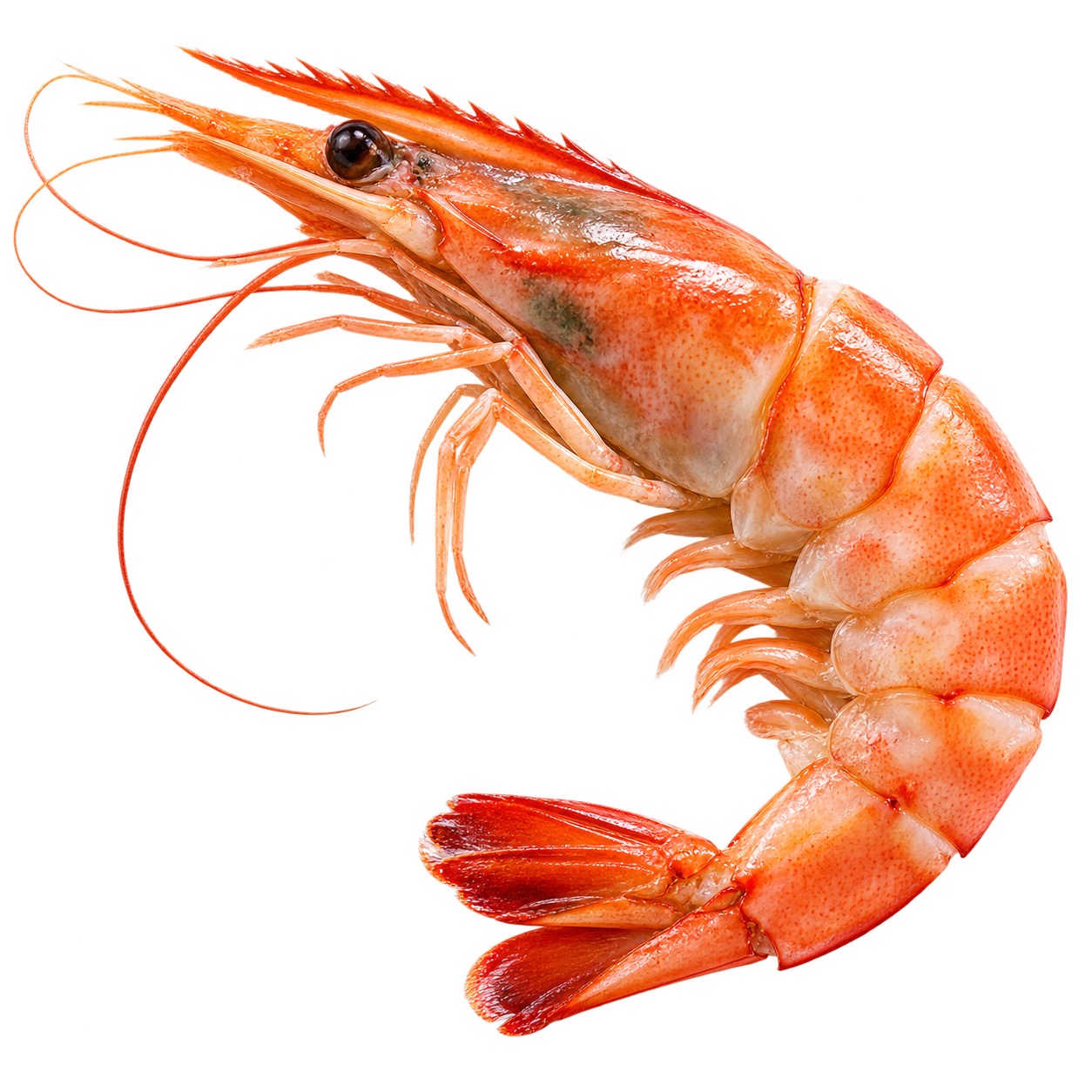
Shrimp · Gamberi · Canonical ingredient icon
Master registry code: pending assignment
Shrimp
Seafood › Shellfish › CrustaceansMaster registry code: pending assignment
- Canonical unitg edible shrimp
- Known inventory alias
shrimp_26_30 - Purchase unitskg, lb, case, bag, each
- FormsHOSO, HLSO, shell-on, peeled, P&D, tail-on, cooked
- AllergenCrustacean shellfish
- Diet flagsGluten-free · Dairy-free · High-protein · Pescatarian
- Icon/academy/culinary-foundations/fishes/shellfish/gamberi.png
- Page/academy/culinary-foundations/fishes/shellfish/shrimp.html
Preparing the shrimp ingredient record…
0
Recipes using shrimp
The live count reads compatible Tuscany Cuisine recipe and ingredient-usage records already stored in this browser. The Shrimp Cucumber Cup is also linked directly below.
- Checking the recipe catalog…
Editorial sources
Authoritative references
Production totals, regulations and harvest openings change. These primary references should be checked when the page, purchasing specifications or sustainability language are updated.
- FAO Fisheries & Aquaculture — Whiteleg shrimp (Penaeus vannamei)
- FAO — Giant tiger prawn (Penaeus monodon)
- FAO GLOBEFISH — Shrimp production and trade stable in 2025
- FAO — Farming freshwater prawns: terminology and culture
- FAO — Giant river prawn (Macrobrachium rosenbergii)
- NOAA Fisheries — White shrimp
- NOAA Fisheries — Brown shrimp
- NOAA Fisheries — Pink shrimp
- U.S. FDA — Nutrition information for cooked seafood
- Smithsonian — Global diversity of freshwater shrimps (Caridea)
Page reviewed August 28, 2026. Content is culinary education and purchasing guidance, not medical advice, regulatory advice or a facility-specific HACCP plan.