Tuscany Cuisine Culinary Academy · Culinary Foundations · Fish & Seafood
HomeAcademyCulinary FoundationsFish & Seafood › Calamari / Totano
Cephalopod Culinary Foundation

Calamari, Squid & Totano

A professional guide to squid as a culinary ingredient: Mediterranean history, Italian calamaro and totano terminology, important species from world markets, seasonal availability, nutrition, quality selection, fabrication and cooking technique.

Cephalopoda Calamari Totano World Species Markets & Seasonality Nutrition
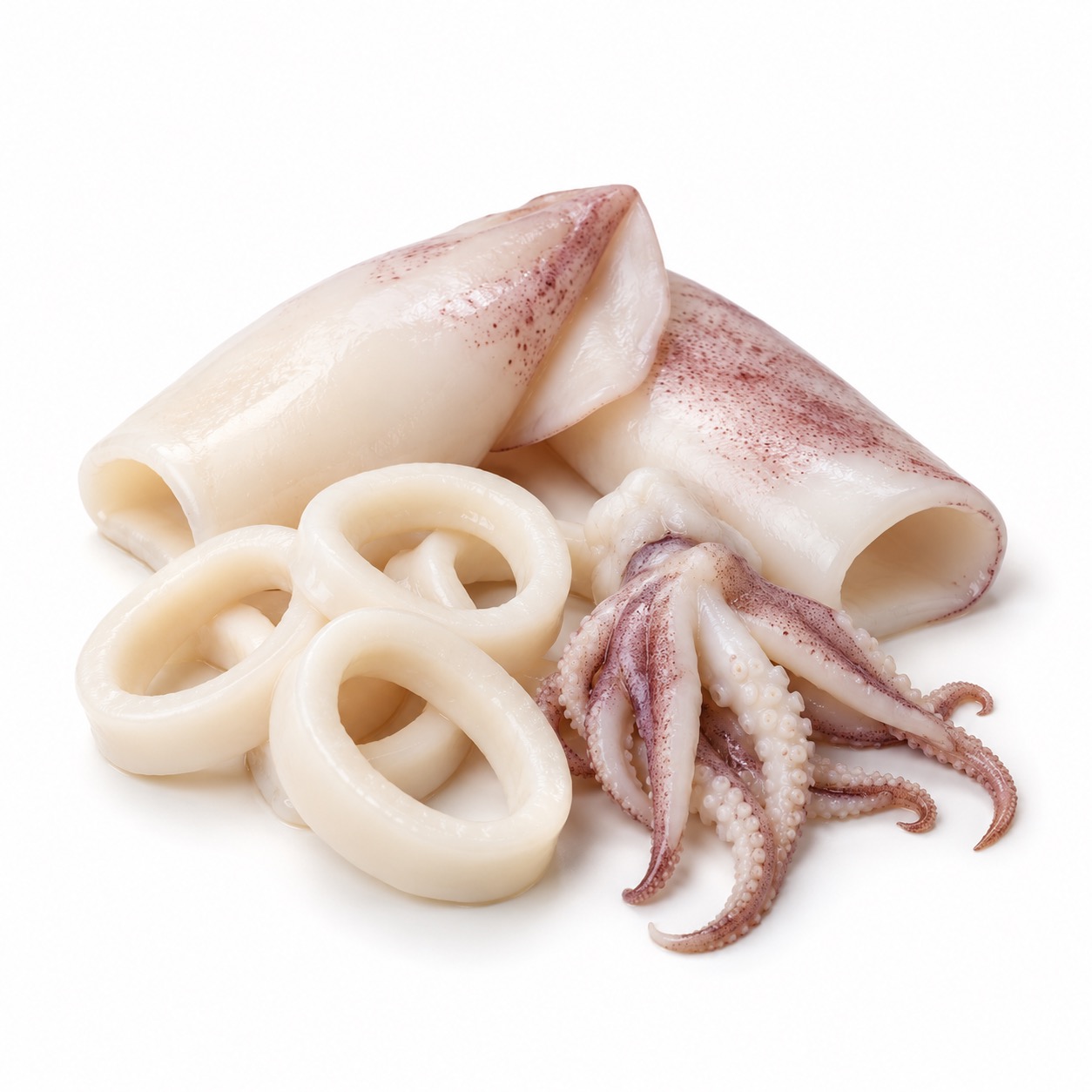
Fresh calamari mantles, rings and tentacles
calamari.webp · Tuscany Cuisine Culinary Foundations

What Is Calamari?

Calamari ingredient icon
Culinary Name
Calamari / Squid / Totano
Animal Group
Mollusca · Cephalopoda
Platform Category
Seafood · Cephalopods / Squid
Ingredient Code
SEA-SQUID-CALAMARI-001
Inventory ID
calamari
Primary Edible Parts
Mantle, fins and cleaned tentacles
Texture
Firm, springy and tender when cooked with the correct time/temperature strategy

Calamari Is a Market Term

Calamari is not a single biological species. It is the culinary name applied to several edible squid species. Squid are cephalopod molluscs, relatives of octopus and cuttlefish, with a muscular mantle, eight arms, two longer tentacles and an internal flexible “pen.”

Italian terminology: “calamaro” and “totano” should not automatically be treated as the same species. FAO Mediterranean references identify Todarodes sagittatus as European flying squid and include the Italian market name totano viola, while Loligo vulgaris is the classic European squid and a high-value Mediterranean commercial species.

From Ancient Coastal Foodways to a Global Seafood Market

Mediterranean Heritage

Cephalopods have been harvested for food around the Mediterranean for thousands of years. Archaeological and historical research documents longstanding consumption by ancient Mediterranean cultures, including Greek and Roman societies.

Italy & Southern Europe

Squid became deeply embedded in coastal Italian, Spanish, Greek and wider Mediterranean cooking. Familiar forms include quick-fried rings, grilled whole squid, stuffed mantles, seafood salads, stews, risotti and pasta preparations enriched with ink.

Asia & the Pacific

East and Southeast Asian cuisines developed equally deep traditions around squid: fresh, grilled, dried, salted, fermented and processed. Today China, Japan and the Republic of Korea remain major squid-consuming and trading markets.

Important Types of Calamari and Squid

Restaurant menus often say simply “calamari,” but seafood buyers work with species, size grades, origin, catch method, processing form and season. The table below highlights important commercial examples rather than every squid species in the world.

Species / Market Name Range & Fishery Seasonality Professional Culinary Use
European Squid / Common Squid
Loligo vulgaris
Calamaro in Mediterranean culinary markets
Eastern Atlantic and Mediterranean; important in western Mediterranean fisheries. Commercially taken year-round in its range. In the Gulf of Cádiz, landings have shown a strong autumn peak, especially October–November. High-value fresh and frozen squid; excellent for grilling, frying, stuffing, pasta, risotto and gentle braises.
European Flying Squid / Totano
Todarodes sagittatus
FAO Mediterranean name includes Italian “totano viola.”
North Atlantic and throughout the Mediterranean, coastal and offshore; often deeper than Loligo. A targeted summer fishery occurs in southern Italy. Western Mediterranean reproductive activity is strongest in the second half of the year. Fresh, frozen, boiled, dried or salted. Larger individuals can be firmer, so slicing, tenderization and cooking strategy matter.
Longfin Inshore Squid
Doryteuthis pealeii
Longfin, Loligo, winter squid, Boston squid
Western North Atlantic from Newfoundland to the Gulf of Venezuela; major U.S. fishery from New England through the Mid-Atlantic. Available year-round in the U.S.; migrates offshore in late autumn and back inshore in spring. NOAA manages the fishery by trimester. Mild, slightly sweet and firm; adaptable to rings, grilling, sautéing, stuffing and seafood salads.
California Market Squid
Doryteuthis opalescens
California market squid
Eastern Pacific from Baja California to southeastern Alaska, most abundant from Baja to Monterey Bay. Commercially available year-round. Spawning peaks differ geographically: April–October in central California and roughly October–April/May in southern California. Classic West Coast calamari for quick frying, grilling, sautéing and chilled seafood preparations.
Northern Shortfin Squid
Illex illecebrosus
Shortfin / Illex squid
Northwest Atlantic from Newfoundland to the central east coast of Florida. NOAA lists best commercial availability in summer and fall; most U.S. harvest is concentrated June through October. Firm, meaty texture; useful for grilling, braising, frying, skewers and processed squid products.
Argentine Shortfin Squid
Illex argentinus
Major frozen export squid
Southwest Atlantic, particularly Argentina and adjacent waters. Strong seasonal fishery; catches can vary sharply between years with ocean conditions. One of the world’s major traded squid resources; widely sold whole, tubes, rings and blocks for foodservice.
Jumbo Flying Squid / Humboldt Squid
Dosidicus gigas
Pota, jumbo flying squid
Eastern Pacific, especially Peru and nearby Southeast Pacific waters. Availability follows highly variable ocean conditions and fishery openings; Peru is a major global source when catches are strong. Large mantle suited to steaks, strips, rings, dried products, processed seafood and value-added frozen applications.
Japanese Flying Squid
Todarodes pacificus
Japanese common squid / flying squid
Northwest Pacific around Japan, Korea, China and adjacent waters. Seasonality follows migration and regional fishery openings; supply can fluctuate considerably between years. Important in Japanese and Korean markets for fresh, grilled, dried, salted and processed squid preparations.

Squid Is a Major International Cephalopod Commodity

The 2026 market is highly international. Frozen squid dominates much of global trade, while fresh regional fisheries remain important to restaurants and specialty seafood markets. Supply can change rapidly because squid are short-lived and strongly influenced by ocean conditions.

551,614 tChina squid + cuttlefish imports in 2025, up 40.7% year over year.
303,477 tSpain squid + cuttlefish imports in 2025, reflecting strong consumer and processing demand.
177,244 tRepublic of Korea squid + cuttlefish imports in 2025.
65,007 tUnited States squid + cuttlefish imports in 2025.

Key Supply Regions

  • Argentina: major Southwest Atlantic Illex supply.
  • Peru: major jumbo flying squid / pota source when catches are strong.
  • China: major importer, processor and exporter.
  • Spain: one of the world’s largest demand and processing markets.
  • United States: important regional longfin, shortfin and California market squid fisheries.
  • Japan & Korea: major consuming and processing markets for Pacific squid.

2026 Market Context

FAO GLOBEFISH reported abundant squid and cuttlefish supply in early 2026, driven especially by strong South American catches. In 2025, Peru sharply increased shipments into China, and strong catches in Argentina and Peru supported expanding international trade and softer price pressure compared with constrained octopus markets.

Why “Year-Round” Availability Can Still Be Seasonal

Mediterranean Calamaro

Loligo vulgaris is caught through the year across its range, but landings can show strong local peaks. Research from the Gulf of Cádiz found the highest landings in October and November, while reproduction can extend through much of the year.

Italian Totano

Todarodes sagittatus supports a seasonal targeted fishery in southern Italy during summer. Western Mediterranean studies place peak reproductive activity mainly in the second half of the year.

U.S. Market Squid

Longfin and California market squid are sold year-round, though fishing effort follows migrations and spawning. Northern shortfin squid is much more seasonal in U.S. waters, with summer and fall the principal commercial availability window.

Representative Nutrition — Raw Squid

Nutrition Facts

Serving size: 100 g raw squid
Calories92
Total Fat1.38 g
Saturated Fat0.358 g
Cholesterol233 mg
Sodium44 mg
Total Carbohydrate3.08 g
Dietary Fiber0 g
Total Sugars0 g
Protein15.58 g
Selenium44.8 mcg

Representative NOAA longfin-squid values per 100 g raw portion. Exact nutrition varies by species, size, preparation and added breading, frying oil, salt or sauce.

Nutritional Profile

Squid is naturally high in protein and low in total fat. NOAA identifies squid as an excellent source of selenium, riboflavin and vitamin B12. It is also naturally high in cholesterol, so the finished dish should be evaluated as a whole rather than judging only the raw ingredient.

Fried calamari can differ dramatically from raw or grilled squid because breading, frying oil, sauces and added sodium change calories, fat, carbohydrate and sodium.

Professional Market Selection

Fresh Appearance

Look for moist, shiny flesh with a clean ivory base color and natural species-specific pink, purple or orange mottling. Avoid dried surfaces or excessive discoloration.

Aroma

Fresh squid should smell clean and marine, not sour, ammoniacal or strongly fishy. Odor changes quickly as quality declines.

Texture

Mantles should feel firm and resilient rather than soft, sticky or mushy. Tentacles should remain intact and fresh looking.

Whole vs Tubes

Whole squid provides maximum control over freshness and yield. Cleaned tubes and rings save labor but should still be purchased by species, origin and size specification when possible.

Fresh vs Frozen

High-quality frozen squid can be an excellent restaurant product. Check glazing, freezer burn, dehydration, package integrity and thaw loss.

Supplier Specification

Record species, country or fishery origin, size grade, wild-caught status, processing form, pack weight and whether product has been treated to modify moisture or texture.

Cleaning Whole Calamari

Separate Head & Mantle

Hold the mantle securely and pull the head and attached viscera away in one controlled motion.

Remove the Pen

Pull out the transparent internal pen / gladius from inside the mantle.

Clean the Mantle

Remove remaining viscera, rinse the cavity and peel the outer skin if the intended preparation requires a clean white presentation.

Trim Tentacles

Cut below the eyes, retain the tentacles and remove the hard central beak. Discard the head contents.

Inspect Suckers

Large squid may have firmer sucker rings that should be rubbed or trimmed away depending on species and size.

Portion

Leave mantles whole for stuffing or grilling, split into sheets, cut into strips, score for presentation or slice crosswise into rings.

Dry Thoroughly

For frying or high-heat searing, remove excess surface moisture to improve browning and reduce splattering.

Keep Cold

Return cleaned squid immediately to cold storage or ice and maintain strict seafood sanitation throughout fabrication.

Cooking Strategy: Fast or Slow

Flash Fry

Dry rings or strips well, coat lightly and fry quickly at high heat. Extended intermediate cooking can make the muscle seem rubbery.

Grill / Plancha

Use cleaned whole small squid or scored mantles over very high heat. Finish with citrus, herbs and extra virgin olive oil.

Sauté

Quickly sauté small portions in a very hot pan to avoid steaming. Garlic, parsley, chili and lemon are classic partners.

Slow Braise

For larger or firmer squid, slow cooking in tomato, wine or aromatic broth can yield a tender braised texture.

Stuffed Calamari

Use intact mantles for fillings based on breadcrumbs, herbs, seafood, rice or vegetables; allow space for shrinkage during cooking.

Cold Seafood Salad

Blanch briefly, shock, drain and chill before combining with lemon, vinegar, parsley, vegetables and olive oil.

Risotto & Pasta

Squid pairs naturally with tomato, white wine, garlic, herbs, shellfish and squid ink for risotto and pasta preparations.

Fritto Misto

Combine calamari with shrimp and small fish, flour lightly and fry in small batches for crispness.

Totano

Large flying squid can have a firmer bite than delicate Loligo squid. Thin slicing, scoring, mechanical tenderization or longer braising can improve eating quality.

Ingredient & Recipe Connections

Ingredient Record

SEA-SQUID-CALAMARI-001
Inventory ID: calamari
Icon: calamari.webp
Foundation page: totani.html

This identity is structured for Ingredient Library, Live Inventory, Menu Builder, Salad Station and recipe icon synchronization.

Connected Recipe

The Borlotti Bean & Seafood Salad uses calamari together with shrimp, albacore tuna, Borlotti beans, lemon, parsley, white wine vinegar and olive oil.

Open Borlotti Bean & Seafood Salad →

Calamari & Totano Questions

Is calamari a species of squid?

No. Calamari is a culinary and market term for squid. Different regions and suppliers may sell several squid species under the name calamari.

What is the difference between calamaro and totano in Italy?

The terms can vary by market, but Italian seafood usage commonly distinguishes Loligo-type calamaro from flying squids called totano. FAO Mediterranean references list Todarodes sagittatus as European flying squid and include the Italian name totano viola.

Why does squid become rubbery?

Squid muscle can tighten quickly with heat. Professional cooking commonly follows one of two paths: very fast high-heat cooking or a longer gentle braise that allows the texture to relax and tenderize.

Can the tentacles be eaten?

Yes. The mantle, fins and properly cleaned tentacles are edible. The beak, internal pen and viscera are removed during fabrication.

Is squid available all year?

The global market can supply squid year-round, but individual fisheries have distinct seasonal migrations and spawning cycles. U.S. longfin and California market squid are marketed year-round, while U.S. shortfin squid is most available in summer and fall.

Professional References

This page uses current and authoritative seafood references for species identity, fishery seasonality, market conditions and nutrition: