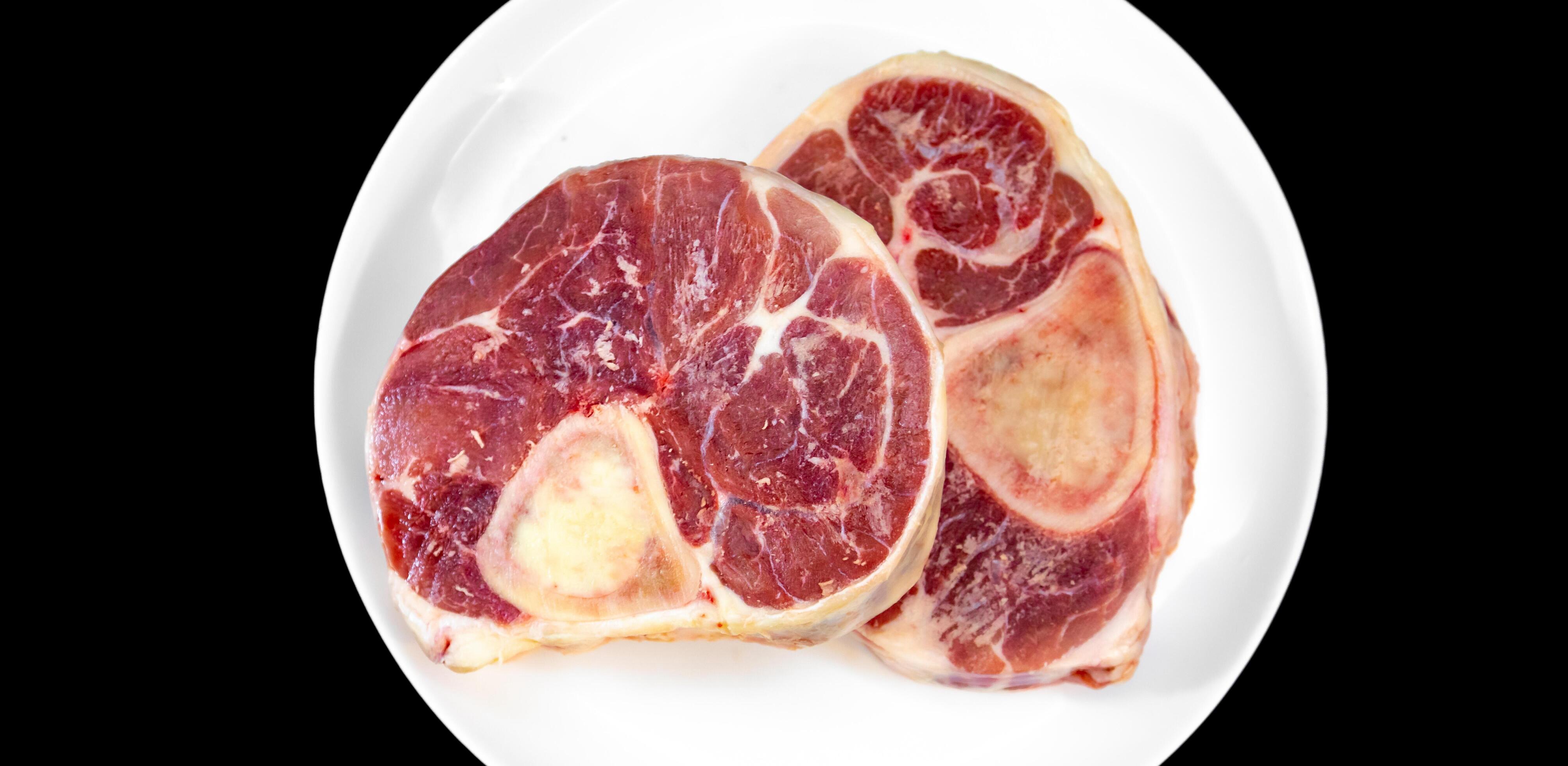
Shank / Ossobuco
The lower leg is rich in connective tissue and marrow. It is one of the finest elk cuts for slow braising and produces deep flavor with excellent sauce body.
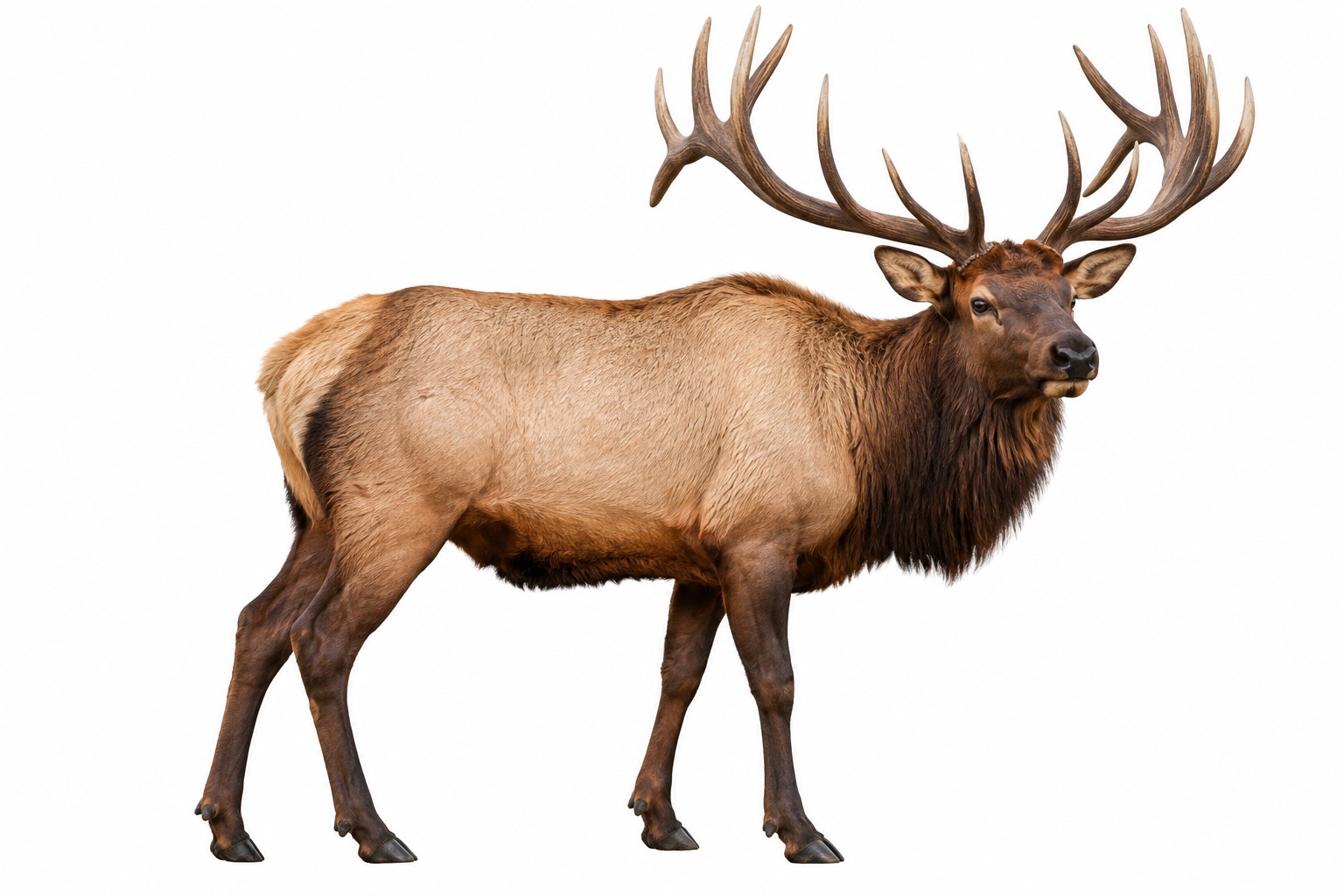
Elk is one of the great meats of wild-game cookery: lean, high in protein, elegant in flavor, and versatile across both refined and rustic preparations. From grilled loin and roasted racks to slow-braised shank and ossobuco, elk rewards careful heat control and thoughtful classical technique.
In the kitchen, elk performs best when treated according to the tenderness of each cut. Prime muscles such as tenderloin, loin, backstrap, and sirloin are ideal for dry-heat cooking and should be protected from overcooking. Working muscles such as shank, shoulder, neck, and trim are better suited to slow moist methods that develop tenderness and concentrate the natural depth of the meat.
Understanding the structure of elk cuts helps match each section to the best method. Prime cuts are tender and elegant; locomotive cuts demand longer cooking for best results.
The lower leg is rich in connective tissue and marrow. It is one of the finest elk cuts for slow braising and produces deep flavor with excellent sauce body.
Among the most prized cuts. Tender, lean, and elegant, with a clean flavor that suits medallions, steaks, or whole roasting.
The most tender elk cut, excellent for quick cooking and luxury presentations. It should be served medium-rare to preserve juiciness.
A hardworking section with developed flavor. Ideal for braises, stews, ragouts, pulled preparations, and grinding.
Elegant and presentation-driven, these cuts suit roasting or grilling and are excellent with herb crusts and pan jus.
Used for burgers, sausages, meatballs, filling for ravioli, pâté-style preparations, or rustic sauces. Because it is lean, it often benefits from added fat or moisture.
Elk season depends entirely on the region, wildlife authority, and weapon class. In North America, elk hunting typically centers on the autumn season, with archery often beginning in late summer or early fall and rifle seasons generally running through fall. Always verify dates and regulations for the exact state, province, or management unit.
| Topic | General Guidance |
|---|---|
| Peak Hunting Period | Usually fall, often from early autumn through late autumn depending on jurisdiction. |
| Best Culinary Season | Autumn and winter are especially associated with elk menus because braises, roasts, and hearty game dishes fit cool-weather cooking. |
| Farmed / Commercial Supply | Where permitted, farmed cervid meat can provide a more steady supply and consistent size and tenderness. |
| Important Compliance Note | Source only from legal and properly inspected channels and follow local regulations for wild game handling and service. |
Elk is valued nutritionally because it is naturally lean and protein-rich, while also offering important minerals and B vitamins. Values vary by cut and preparation, but the table below reflects approximate cooked lean elk values per 100 g.
| Nutrient | Approximate Value / 100 g | Why It Matters |
|---|---|---|
| Calories | 150–170 kcal | Relatively lean compared with many domesticated red meats. |
| Protein | 28–30 g | Supports structure, satiety, and high-protein menu positioning. |
| Total Fat | 2–4 g | Low fat means clean flavor, but also requires careful cooking to avoid dryness. |
| Iron | High | Important in oxygen transport and one of the signature benefits of red game meat. |
| Zinc | High | Supports immune and metabolic function. |
| Vitamin B12 & Niacin | Good source | Useful for energy metabolism and nervous-system function. |
| Cut | Best Methods | Technique Notes |
|---|---|---|
| Tenderloin | Pan-sear, roast | Cook to rare or medium-rare, rest well, slice gently, and serve with jus or compound butter. |
| Loin / Backstrap | Grill, sauté, roast | Use high heat and short cooking time. Avoid overcooking to protect tenderness. |
| Rack / Chops | Roast, grill | Ideal with herb crusts, pan sauce, or red wine reductions. |
| Shoulder / Neck | Braise, stew, ragout | Collagen-rich cuts improve with moist heat, aromatics, stock, and long cooking. |
| Shank / Ossobuco | Slow braise | Sear first, build a braising base, cook covered with stock and wine until tender and silky. |
| Ground Elk | Grill, sauté, stuffing, sauce | Because it is lean, enrich with fat, vegetables, broth, or sauce for juicier results. |