Domestication
Cattle were domesticated thousands of years ago from wild aurochs. They became central to farming societies as sources of traction, milk, hides, ritual value and meat.
From cattle domestication and early meat preservation to contemporary fabrication, dry aging, sous vide, grilling, roasting, braising and barbecue, this page becomes the Tuscany Cuisine master gateway for beef.
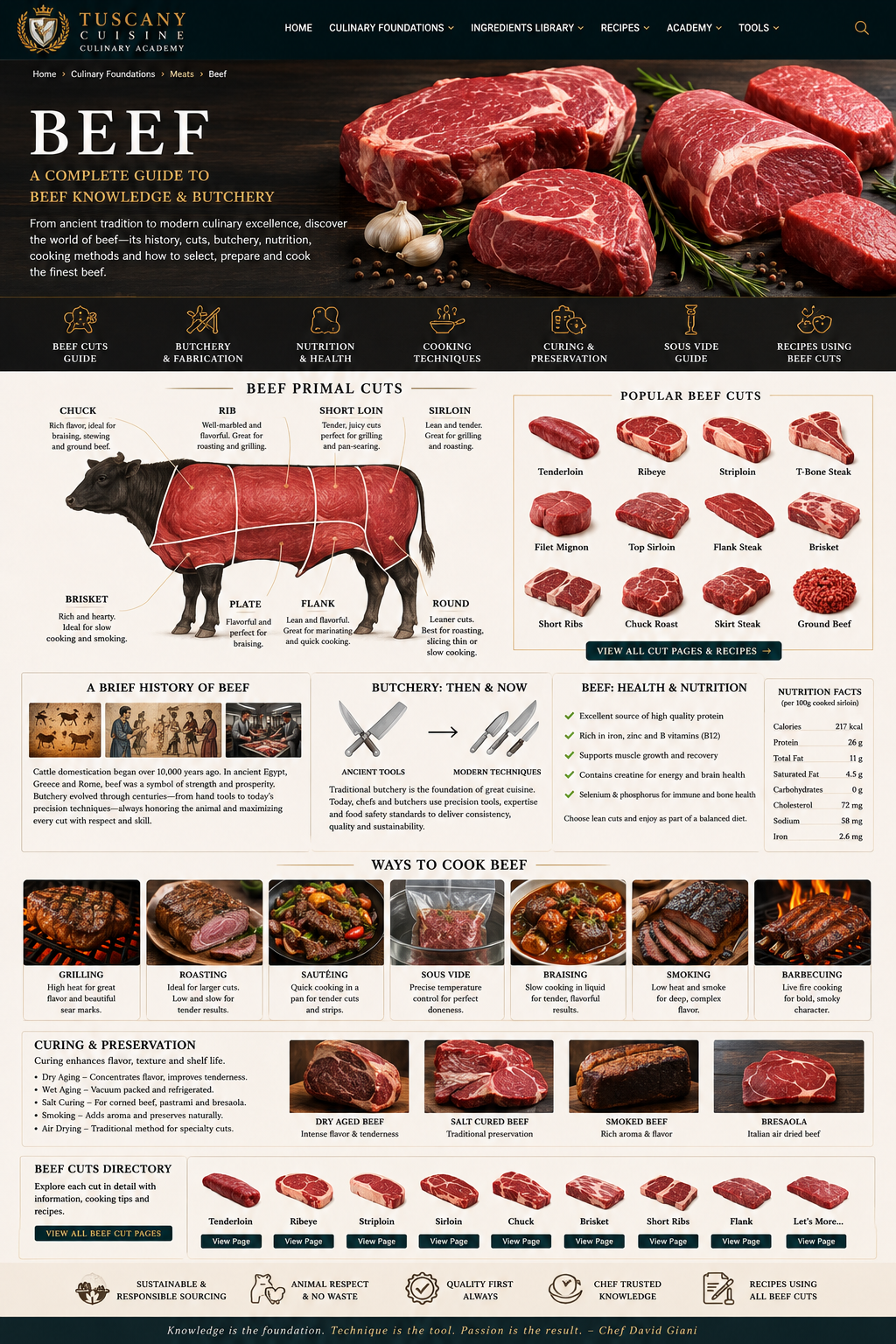
 Beef Shoulder Clod
Chuck shoulder subprimal · professional butchery reference
Chuck · Shoulder Clod
Beef Shoulder Clod
Chuck shoulder subprimal · professional butchery reference
Chuck · Shoulder Clod
Beef fabrication begins by understanding the animal as a whole. Large primal regions are separated first; those primals are then broken into subprimals, steaks, roasts, braising cuts, trim and ground-beef components.
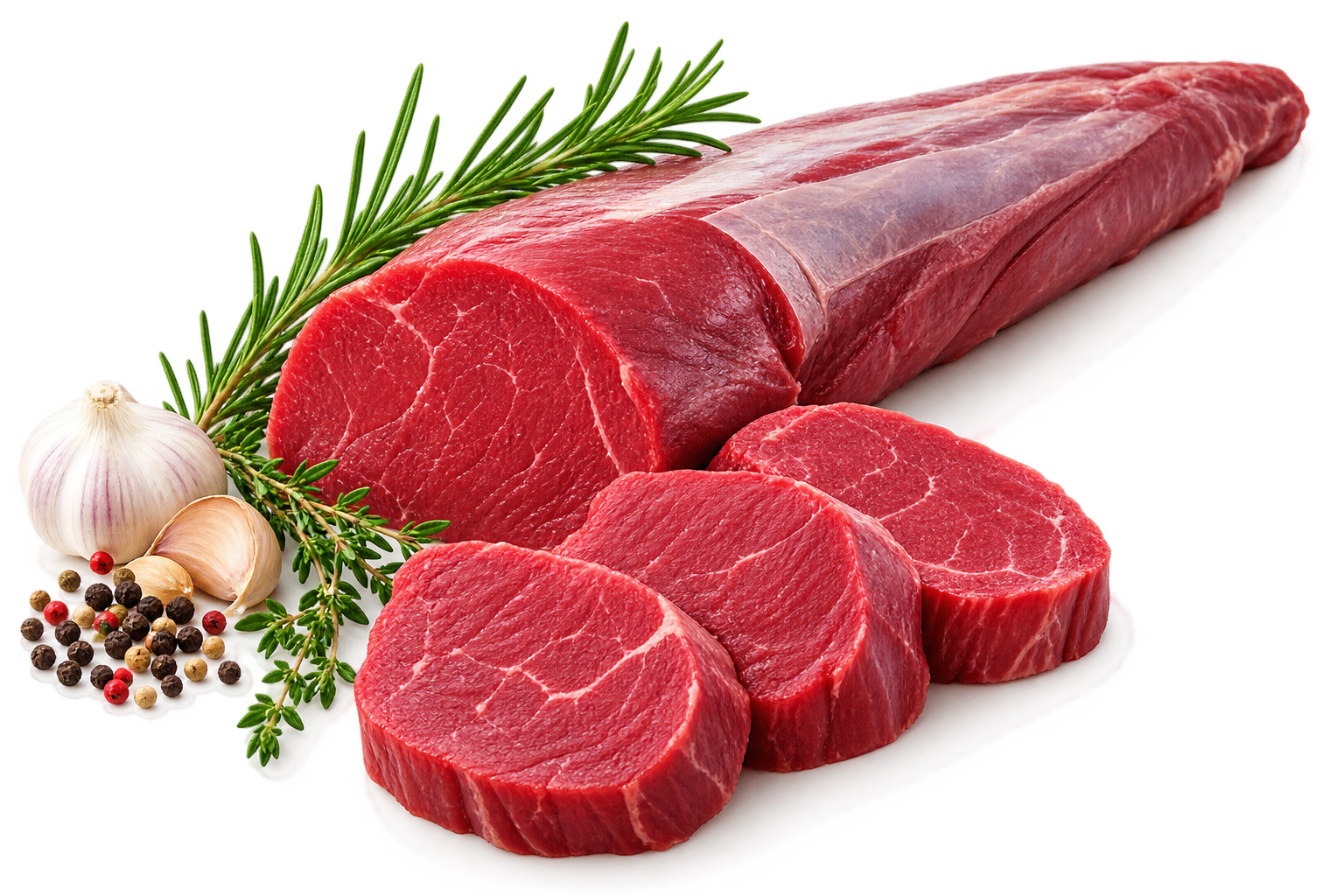 Beef Tenderloin
BEEF-TENDERLOIN-001 · beef_tenderloin
Live
Beef Tenderloin
BEEF-TENDERLOIN-001 · beef_tenderloin
Live
 Ribeye
BEEF-RIBEYE-001 · beef_ribeye
Planned
Striploin
BEEF-STRIPLOIN-001 · beef_striploin
Planned
Sirloin
BEEF-SIRLOIN-001 · beef_sirloin
Planned
Chuck · Shoulder Clod
BEEF-CHUCK-001 · beef_chuck
Icon Added
Brisket
BEEF-BRISKET-001 · beef_brisket
Planned
Ribeye
BEEF-RIBEYE-001 · beef_ribeye
Planned
Striploin
BEEF-STRIPLOIN-001 · beef_striploin
Planned
Sirloin
BEEF-SIRLOIN-001 · beef_sirloin
Planned
Chuck · Shoulder Clod
BEEF-CHUCK-001 · beef_chuck
Icon Added
Brisket
BEEF-BRISKET-001 · beef_brisket
Planned
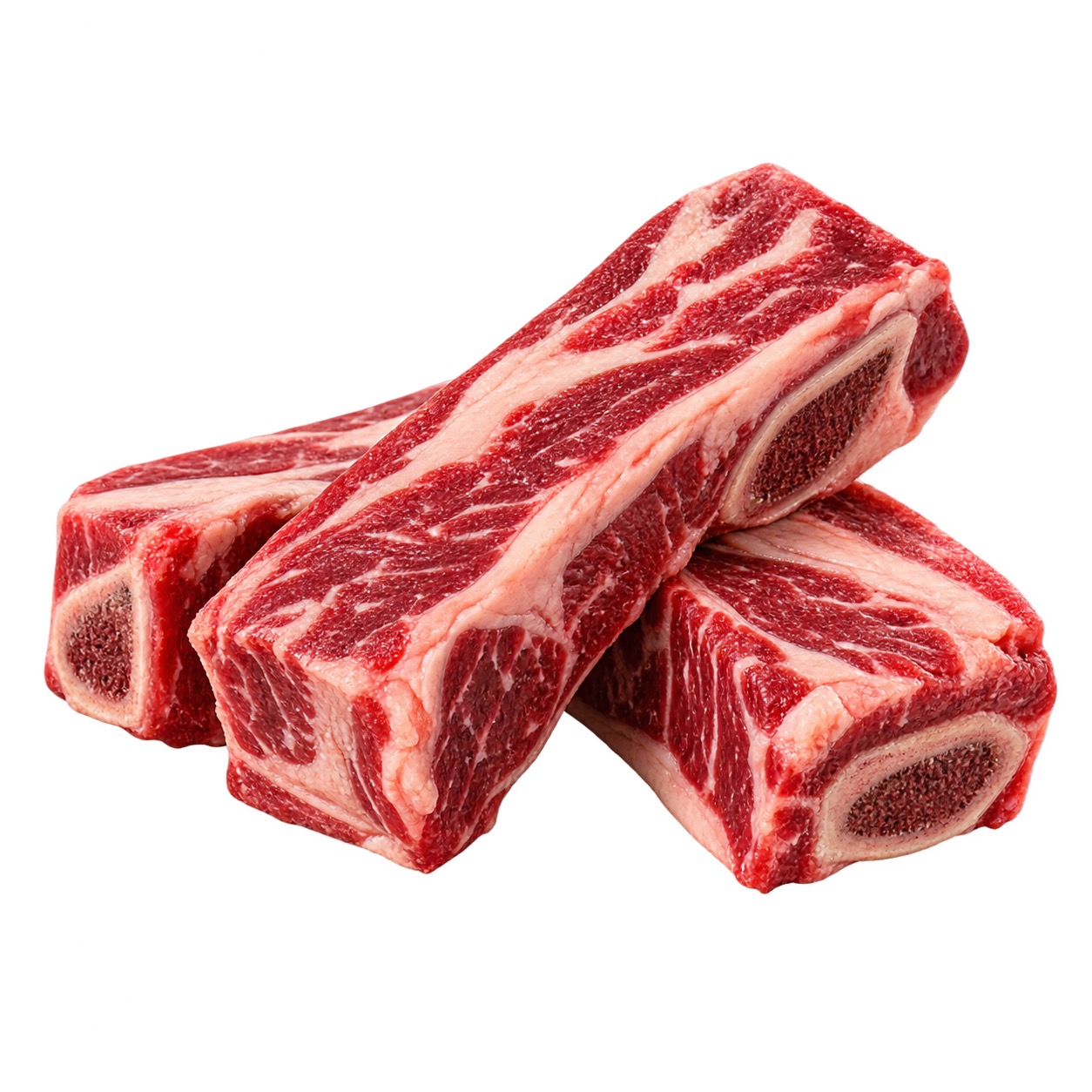 Beef Short Ribs
BEEF-SHORTRIBS-001 · beef_short_ribs
Live · Cut Profile →
Beef Short Ribs
BEEF-SHORTRIBS-001 · beef_short_ribs
Live · Cut Profile →
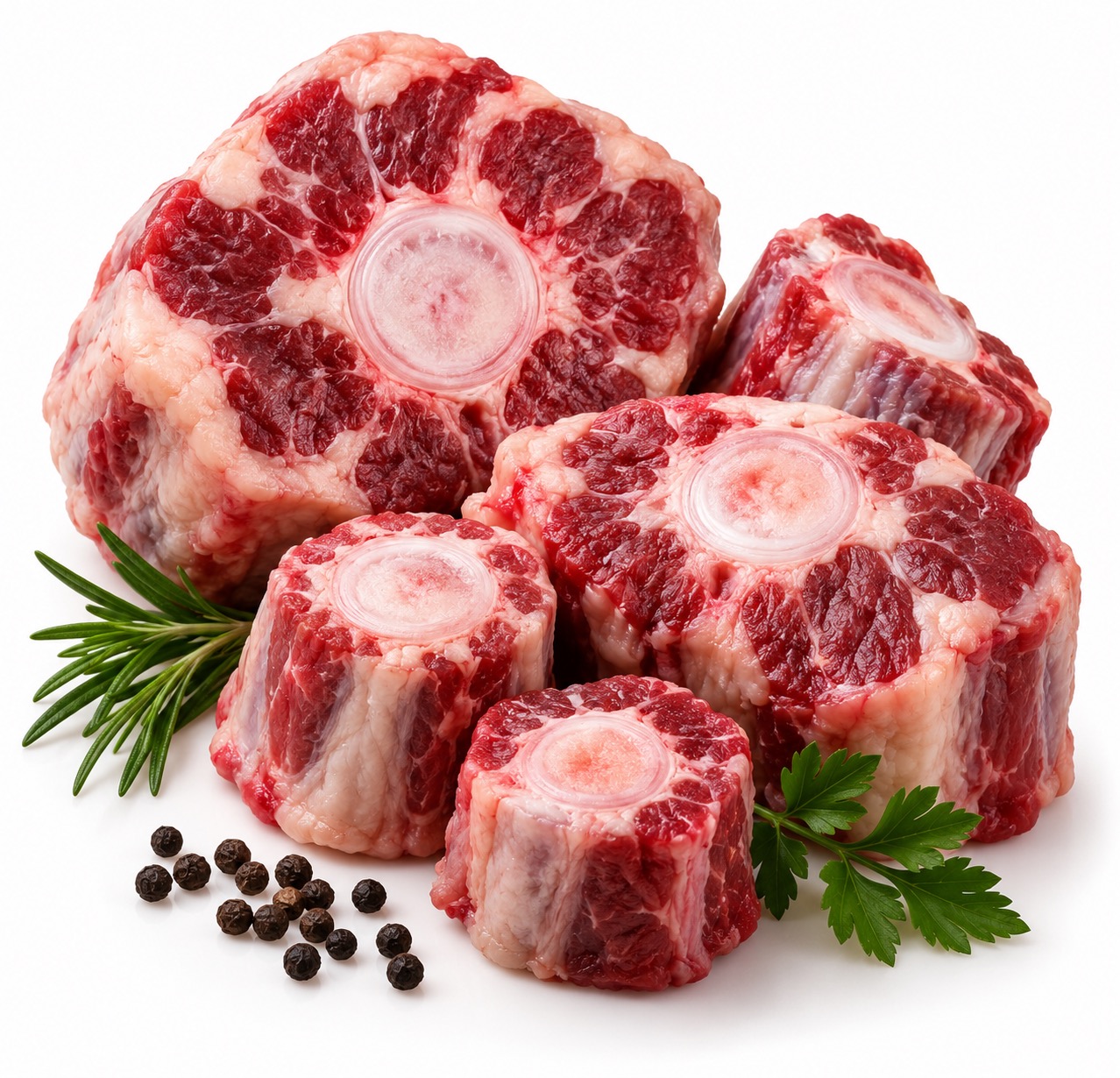 Beef Oxtail
BEEF-OXTAIL-001 · beef_oxtail
Live · Cut Profile →
Flank
BEEF-FLANK-001 · beef_flank
Planned
Skirt Steak
BEEF-SKIRT-001 · beef_skirt
Planned
Round
BEEF-ROUND-001 · beef_round
Planned
Ground Beef
BEEF-GROUND-001 · ground_beef
Planned
Beef Oxtail
BEEF-OXTAIL-001 · beef_oxtail
Live · Cut Profile →
Flank
BEEF-FLANK-001 · beef_flank
Planned
Skirt Steak
BEEF-SKIRT-001 · beef_skirt
Planned
Round
BEEF-ROUND-001 · beef_round
Planned
Ground Beef
BEEF-GROUND-001 · ground_beef
Planned
Cattle were domesticated thousands of years ago from wild aurochs. They became central to farming societies as sources of traction, milk, hides, ritual value and meat.
As settlements became cities, animal slaughter and meat trading became specialized crafts. Markets and guild-like systems helped separate livestock raising from urban meat preparation.
Growing cities increasingly concentrated slaughter in designated facilities to control sanitation, inspection, waste and commerce rather than leaving slaughter dispersed through residential streets.
Today commercial beef processing uses regulated handling, stunning or approved ritual methods, carcass inspection, chilling, fabrication, packaging, traceability and cold-chain distribution.
Beef is a nutrient-dense source of complete protein and supplies iron, zinc, selenium and vitamin B12. Nutrient values vary substantially by cut, trimming, grade and cooking method, so this Academy page treats nutrition as a cut-specific subject rather than assigning one number to all beef.
| Nutrient | Culinary / nutritional role | Chef consideration |
|---|---|---|
| Protein | Supports tissue building and repair. | Lean cuts concentrate protein with less total fat. |
| Iron | Beef provides heme iron, which is readily absorbed. | Important nutritional characteristic of red meat. |
| Zinc | Supports immune function and many enzymes. | Often present at meaningful levels in beef. |
| Vitamin B12 | Important for normal nerve and blood-cell function. | Animal foods such as beef are notable dietary sources. |
| Fat | Contributes flavor, juiciness and energy. | Amount varies widely by cut and trimming. |
Nutrition should be calculated per specific cut and preparation when used in recipe pages.
Controlled temperature, humidity and airflow encourage moisture loss and enzymatic change, concentrating flavor and altering tenderness.
Vacuum-packaged beef ages under refrigeration with minimal moisture loss and a different flavor profile than dry-aged beef.
Salt may be used in preparations such as corned beef, pastrami and bresaola. Professional curing requires validated formulations, temperature control and food-safety discipline.
Smoke contributes aroma and surface flavor while low-and-slow cooking can tenderize connective-tissue-rich cuts such as brisket and ribs.
Best for tender steaks and portions. Use high heat for browning, then control doneness carefully.
Ideal for tenderloin, rib roast, striploin and selected sirloin or round preparations.
Useful for medallions, steaks, strips and quick-cooking tender cuts.
Precise low-temperature cooking can deliver consistent doneness. Time and temperature must be selected with cut thickness, tenderness goals and validated food-safety controls in mind.
Moist, slow cooking converts connective-tissue-rich cuts such as chuck, short ribs, brisket and oxtail into tender preparations.
Low heat and smoke suit brisket, ribs and larger roasts when carefully monitored.
Regional barbecue traditions combine smoke, heat, rubs, sauces and long cooking to transform collagen-rich cuts.
Only appropriately sourced beef handled under strict sanitation and cold-chain control should be used for raw preparations.
| Beef product | USDA minimum internal temperature | Rest |
|---|---|---|
| Steaks, chops and roasts | 145°F / 62.8°C | At least 3 minutes |
| Ground beef | 160°F / 71.1°C | No separate rest requirement stated |
Beef Short Ribs
BEEF-SHORTRIBS-001 · beef_short_ribs
Live Ingredient Record
Beef short ribs are cut from the lower rib area of the animal and may come from the plate, rib, or chuck , depending on the fabrication style. Unlike a tender steak, the short-rib muscles work harder and contain more connective tissue, collagen and fat. That structure is exactly what makes the cut valuable for slow braising: during long, moist cooking, collagen gradually converts into gelatin, the meat becomes tender, and the braising liquid develops body, flavor and natural richness.
Short ribs may be fabricated as English-cut portions, flanken-style cross cuts, boneless portions or other regional variations. For the Tuscany Cuisine system, the ingredient identity remains Beef Short Ribs , while the recipe or purchasing specification can define the exact cut style required.
The short ribs are prepared as a braised entrée in Braised Short Ribs . The braising liquid from that production can become a second controlled culinary component instead of being discarded.
A braised short-rib entrée creates more than tender meat. It also produces a concentrated braising liquid containing beef juices, aromatics, wine or stock, gelatin and the flavors developed during cooking. When that liquid is properly strained, reduced, cooled, labeled and stored, it can be treated as a valuable prepared sauce.
Beef Oxtail
BEEF-OXTAIL-001 · beef_oxtail
Live Ingredient Record
Beef oxtail is the tail of the cattle animal and is generally fabricated into cross-cut sections containing meat surrounding a central bone. Although the individual sections contain a relatively modest amount of muscle, the cut contains significant connective tissue, collagen, bone, marrow and fat.
This structure makes oxtail particularly valuable for slow moist-heat cooking. During a long braise, collagen gradually converts into gelatin, the meat becomes tender enough to separate from the bone, and the cooking liquid gains natural body, richness and flavor.
Oxtail sections naturally become smaller toward the end of the tail. Professional purchasing specifications may define piece size, weight range, trimming, fresh or frozen condition and packaging requirements.
Beef Oxtail is connected directly to Gnocchi with Oxtail Ragout . The oxtail is slowly braised, the meat is separated from the bones, and the braising liquid is strained and reduced to form the ragout used to finish the potato gnocchi.
Oxtail naturally contains the components needed for a rich braised sauce. Bone, marrow, collagen, meat juices and fat combine during controlled slow cooking. When the resulting liquid is strained and reduced, the natural gelatin gives the sauce body without requiring excessive flour or artificial thickening.
Oxtail production can support more than one menu application. The braised meat may be used for gnocchi, pasta fillings, risotto, polenta, a composed main course, or other controlled menu preparations. The braising liquid can also become a sauce component, provided its usable yield is measured, properly cooled, stored, costed and allocated to the receiving recipe.
Ingredient code:
BEEF-TENDERLOIN-001
Inventory ID:
beef_tenderloin
Page:
/academy/culinary-foundations/meats/beef/tenderloin.html
Icon:
/academy/culinary-foundations/meats/tenderloin.png
The first recipe to connect to this record is Beef Carpaccio with Parmesan Basket .
The Beef master record is designed to become the parent directory for recipe pages, Menu Builder, production stations, Live Inventory, vendor purchasing, receiving and the Culinary Academy.