Chef David Giani’s kitchen note
Butchery fat can become part of the dish’s flavor. Render clean lamb trimmings slowly, cool and store the strained fat, then remelt a measured portion for cooking or finishing. Using the lamb’s own fat can reinforce its character in grilled meat, braises, ragù and sauces. The quantity should support the ingredients and the presentation.
From clean trimmings to rendered fat
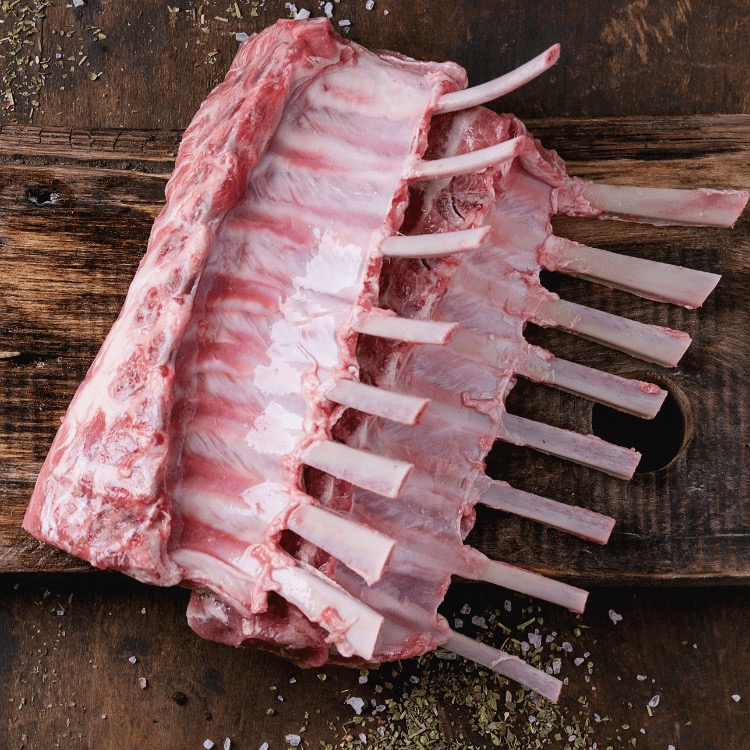
- Select the trimmings. Reserve clean, fresh, edible lamb fat during butchery, before seasoning or marinating. Keep it chilled. Separate excess lean tissue for another suitable preparation; rendering is for sound fat, not for rescuing spoiled material.
- Cut into small pieces. Dice the chilled fat evenly so it releases gradually. Weigh the starting batch and record its supplier or source lot.
- Render slowly in the oven. Place the trimmings in a suitable heavy ovenproof vessel. Use gentle oven heat and stir periodically as liquid fat separates from the solids. Aim for clean, clear fat without smoking or scorching. Batch size, piece size and equipment determine the setting and time; this is a process guide rather than a fixed cooking cycle.
- Strain while liquid. Carefully strain the rendered fat through a fine heatproof sieve or suitable food-grade filter into clean, dry, heat-resistant containers. Keep the separated solids out of the clean fat.
- Cool, label and store. Divide into small or shallow containers for prompt cooling, then refrigerate at 40°F (4°C) or below. Label the preparation, source lot and production date. Freeze portions for longer storage under the kitchen’s documented procedure; do not leave a deep pot to cool overnight at room temperature.
- Remelt for service. Gently remelt only the clean portion needed for service. Reserve a separate portion and clean brush for finishing cooked meat. Fat and tools that contact raw meat must not contaminate the clean finishing portion or the stored batch.
Rendering and hot-service references: [38] Cooling and handling reference: [42] Gentle remelting describes clean rendered fat. Fat containing meat juices, or fat used to cook confit, needs the handling and reheating controls of that cooked preparation.
Applications in the kitchen
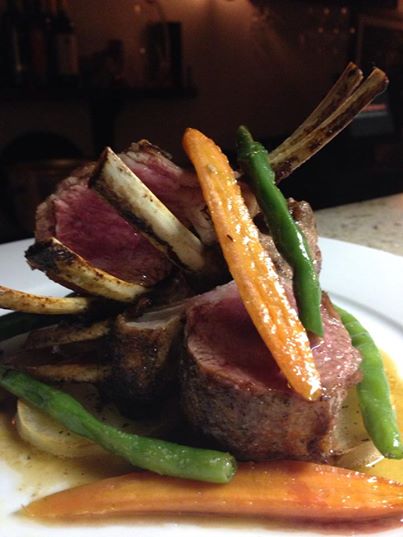
Brushing and ragù applications express Chef David’s approach. Published chef examples also demonstrate lamb fat in a braise base and a finished lamb sauce. [41] [39]
Confit: select the cut and plan the service
Shoulder and breast/belly are useful starting cuts for a developed confit recipe. Cook gently in the fat to the planned safe endpoint and tenderness, then drain. Depending on the preparation, the meat can be portioned and finished in a pan or on the grill. A published shoulder confit uses olive oil; applying rendered lamb fat is an adaptation. Belly confit in rendered lamb fat is also documented. [40] [39]
A layer of fat does not make cooked meat shelf-stable. Cool and refrigerate or freeze confit under the kitchen’s validated procedure, with a defined storage and reheating plan. Use a clean batch for finishing cooked food. Lamb fat firms as it cools, so keep the finishing layer light and serve the dish warm. [42] [38]
Record the recovered ingredient
Weigh the strained fat actually recovered and treat it as a separate preparation: Rendered Lamb Fat / Grasso d’agnello fuso. Record the input allocation, active rendering labor, energy cost and final usable yield. Allocate the original butchery cost once so the meat and recovered fat are not both charged the full purchase cost. Cost each dish for the grams of rendered fat it uses. Its nutrition needs an appropriate rendered-fat record; the loin nutrition table above does not apply.