Roasting
Roast whole or stuffed birds with herbs and aromatics. High surface exposure encourages browning; monitor internal temperature closely.
Quail is a small game bird prized for delicate meat, elegant portion size, quick cooking and its ability to carry herbs, wine sauces, mushrooms, fruit, polenta, grains and autumn vegetables. In professional kitchens it may be served whole, boned, stuffed, roasted, grilled, braised or separated into breast and leg preparations.
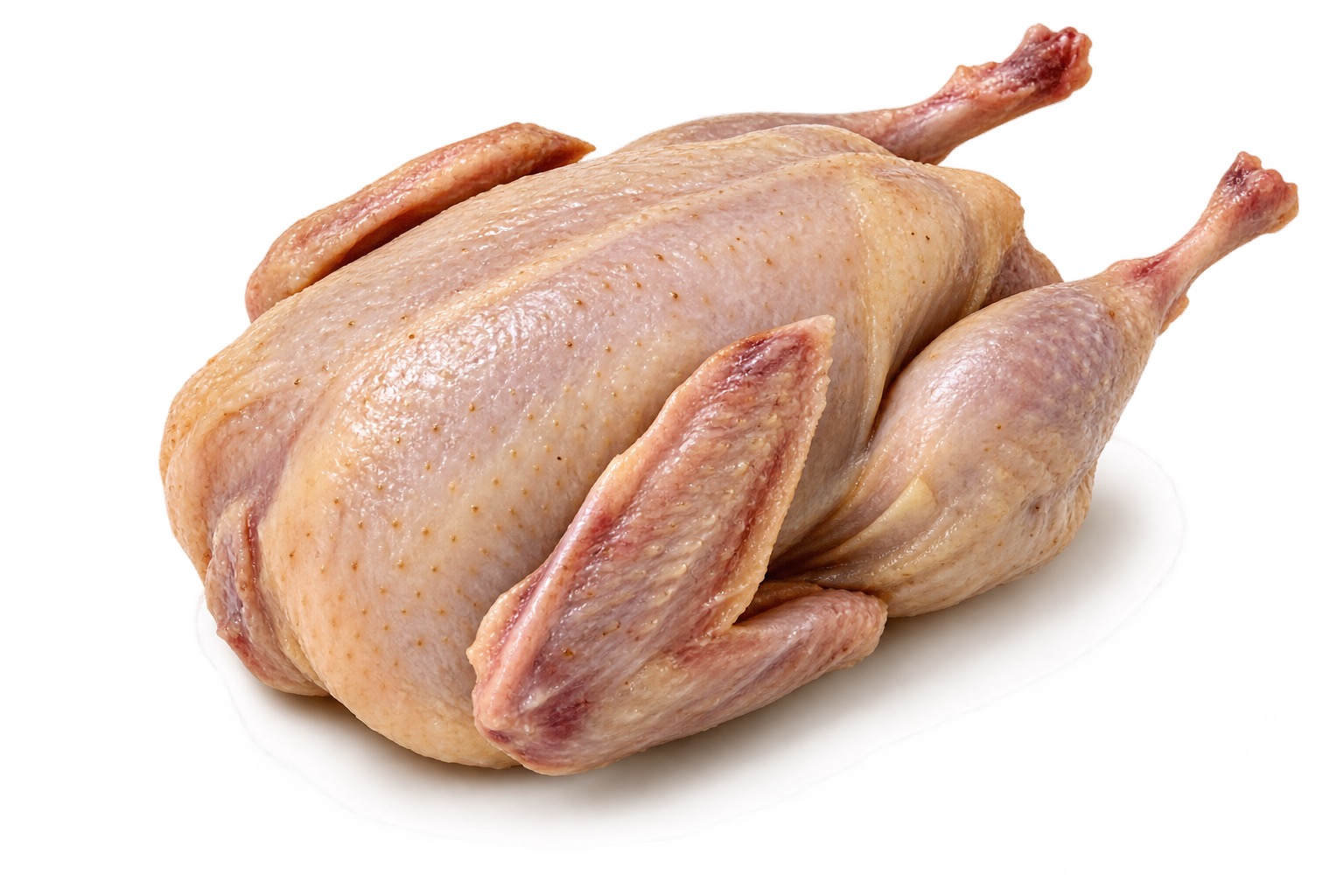
The word quail covers several related but distinct birds. European culinary references often center on the common quail (Coturnix coturnix), while much commercially raised quail is Japanese quail (Coturnix japonica). North American wild quail, including California quail, belong to different genera and should not be treated as the same biological species even though culinary applications can overlap.
Quail is naturally portion-controlled and visually elegant, making it suitable for classic restaurant service, tasting menus, autumn menus, banquets and modern Italian secondi. Its meat accepts both rustic and refined preparations.
Quail has appeared in hunting and food traditions across Europe, the Mediterranean, Asia and the Middle East for centuries. Wild European quail were historically seasonal game, while domestication created a dependable farmed supply. FAO references identify domestic quail as deriving largely from Japanese quail originating in the Far East, with domestication occurring around the eleventh or twelfth century. Early breeding emphasized song; commercial value for quail meat and eggs expanded much later, especially during the twentieth century.
Wild common quail belongs to long seasonal game-bird traditions. Regional preparations often combine roasting with herbs, wine, grains, mushrooms and fruit.
Modern farm production gives chefs more consistent sizing and year-round purchasing, making quail practical for standardized restaurant menus and banquet production.
In Italian cuisine, quaglia works naturally with countryside flavors: herbs, porcini, polenta, wine, sausage, pancetta, chestnuts and seasonal vegetables.
Quail is a protein-dense poultry food. Nutrient composition changes with species, skin and cooking method. The values below are a USDA reference for cooked quail, total edible portion, per 100 g.
| Nutrient | Approximate amount / 100 g cooked edible quail |
|---|---|
| Energy | 227 kcal |
| Protein | 25.1 g |
| Total fat | 14.1 g |
| Carbohydrate | 0 g |
| Iron | 4.43 mg |
| Phosphorus | 279 mg |
| Zinc | 3.1 mg |
| Selenium | 21.8 µg |
| Niacin | 7.92 mg |
| Vitamin B6 | 0.62 mg |
Educational reference values from USDA food-composition data. Actual values vary by species, skin, portion and preparation. Skin-on versus skinless cooking can materially change fat and calorie totals.
Farm-raised quail can be available year-round through specialty poultry suppliers. Wild quail availability follows regional wildlife regulations, species protections, licensed hunting seasons, bag limits, land-access rules, ammunition requirements and other jurisdiction-specific controls.
Best for consistent restaurant sizing, menu costing, inventory control, predictable yield and year-round purchasing.
Flavor and size can vary by species, age, habitat and diet. Wild birds require careful inspection for shot damage, cleaning and legal provenance.
Record species, supplier, harvest or pack information, weight, unit cost and receiving condition so culinary identity and costing remain traceable.
Inspect the cavity, remove remaining pinfeathers, trim excess tissue and pat dry before seasoning. Preserve the small carcass and bones for sauce production when appropriate.
For stuffing, carefully remove the rib cage and breastbone while preserving exterior skin. Legs may remain attached for presentation and structural support.
For technical service, breasts and legs may be separated so each receives the cooking method best suited to its size and connective tissue.
Quail cooks rapidly because of its small size. The challenge is to create browned exterior flavor while preventing the lean breast from drying.
Roast whole or stuffed birds with herbs and aromatics. High surface exposure encourages browning; monitor internal temperature closely.
Brown the bird or breast in a sauté pan, then finish in the oven for strong control over color, fond and sauce production.
Spatchcocked quail grills quickly. Oil lightly, season evenly and manage flare-ups. Lemon, garlic, rosemary and olive oil are natural partners.
Boned quail can be filled with sausage, mushroom duxelles, bread, grains, herbs or forcemeat. Keep filling balanced for even cooking.
Gentle braising suits rustic preparations and firmer birds. Wine, stock, tomato, olives and aromatic vegetables work well.
Separation gives maximum control: cook the breast quickly while legs receive longer or gentler cooking before final service.
Treat raw quail as raw poultry. Prevent cross-contamination between raw birds and ready-to-eat foods, sanitize equipment, keep raw poultry properly refrigerated and use a calibrated thermometer to verify doneness.
Quail works best when every element respects its small scale. Garnishes should support rather than overwhelm the bird, and sauces should be concentrated enough to add depth without hiding the natural flavor.
Serve one whole stuffed bird or a breast-and-leg composition with a polished sauce and seasonal garnish.
Standardize bird weight, stuffing quantity, roasting sequence and holding time. Small birds lose quality quickly when over-held.
Track whole-bird purchase weight, usable yield, stuffing, sauce, garnish and execution labor independently for accurate menu costing.

Italian sausage-stuffed roasted quail served on a garlic cracker with baby vegetables and red wine reduction. The recipe is integrated into the Tuscany Cuisine Secondi system, Menu Builder, Live Inventory, labor and costing workflow.