Neck
Flavorful cut used for stocks, braises, and slow cooking where collagen and depth are desired.
Veal is valued for its delicate texture, pale color, gentle flavor, and versatility across sautéing, roasting, braising, terrines, scaloppine, chops, osso buco, and elegant offal preparations. This page introduces the characteristics of veal, the difference between milk-fed and grass-fed veal, the major butchering cuts, and the culinary role of veal liver and veal brain.
This veal page supports Culinary Foundations study, ingredient understanding, and future cross-links with recipes, inventory, and the Tuscany Cuisine educational platform.
Veal comes from young cattle and is recognized by its fine grain, tenderness, mild flavor, and light color. Compared with mature beef, veal usually has less pronounced marbling and a softer mouthfeel. This makes it especially suitable for refined cooking techniques where subtle flavor, quick cooking, and elegant presentation matter. Classical uses include cutlets, chops, medallions, blanquettes, rolled roasts, stock bones, sweetbreads, kidneys, and liver.
Milk-fed veal is generally pale pink to ivory, very tender, and delicate in flavor. It is often chosen for fine-dining presentations, scallopine, delicate roasts, cutlets, and preparations where finesse and softness are preferred.
Grass-fed or rosé veal is darker in color, slightly firmer, and more pronounced in flavor. It can be especially good for braises, rustic preparations, grilling, and dishes where a somewhat fuller character is desirable.
Choose the style of veal according to the desired result. If the preparation depends on delicacy, tenderness, and a pale refined look, milk-fed veal is often preferred. If the dish benefits from a slightly stronger, more pronounced flavor and greater structure, grass-fed or rosé veal can be an excellent option.
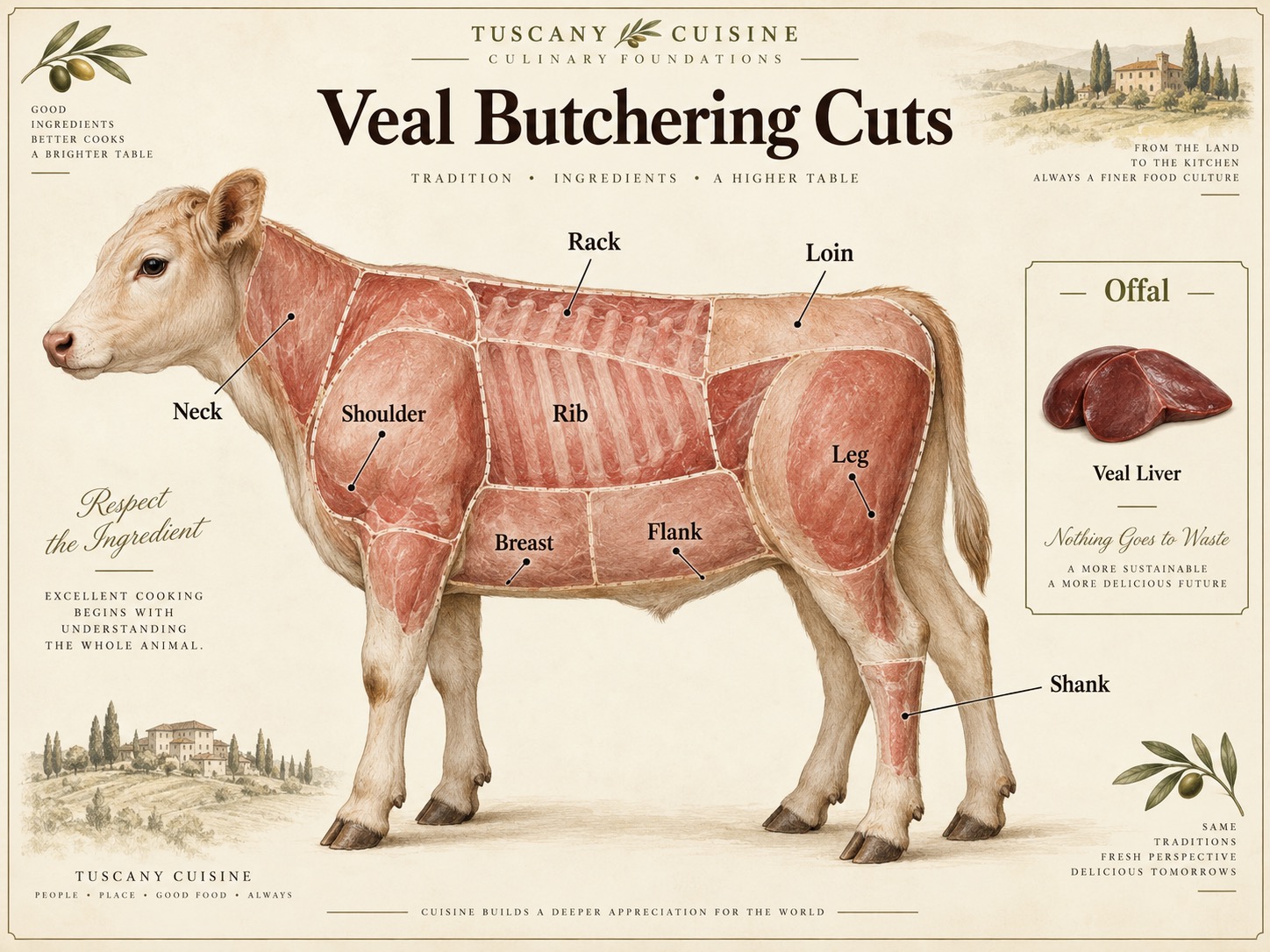
The following cards summarize the principal veal cuts and their common culinary applications. Together they form the core butchering section for the veal page.
Flavorful cut used for stocks, braises, and slow cooking where collagen and depth are desired.
Versatile cut for stew, braise, rolled roasts, ground applications, and forcemeats.
Excellent for stuffing, braising, roulades, and classic veal breast preparations.
Best known for osso buco. Rich in connective tissue and ideal for moist, slow cooking.
A premium roasting cut that can also be cut into elegant rib chops for refined service.
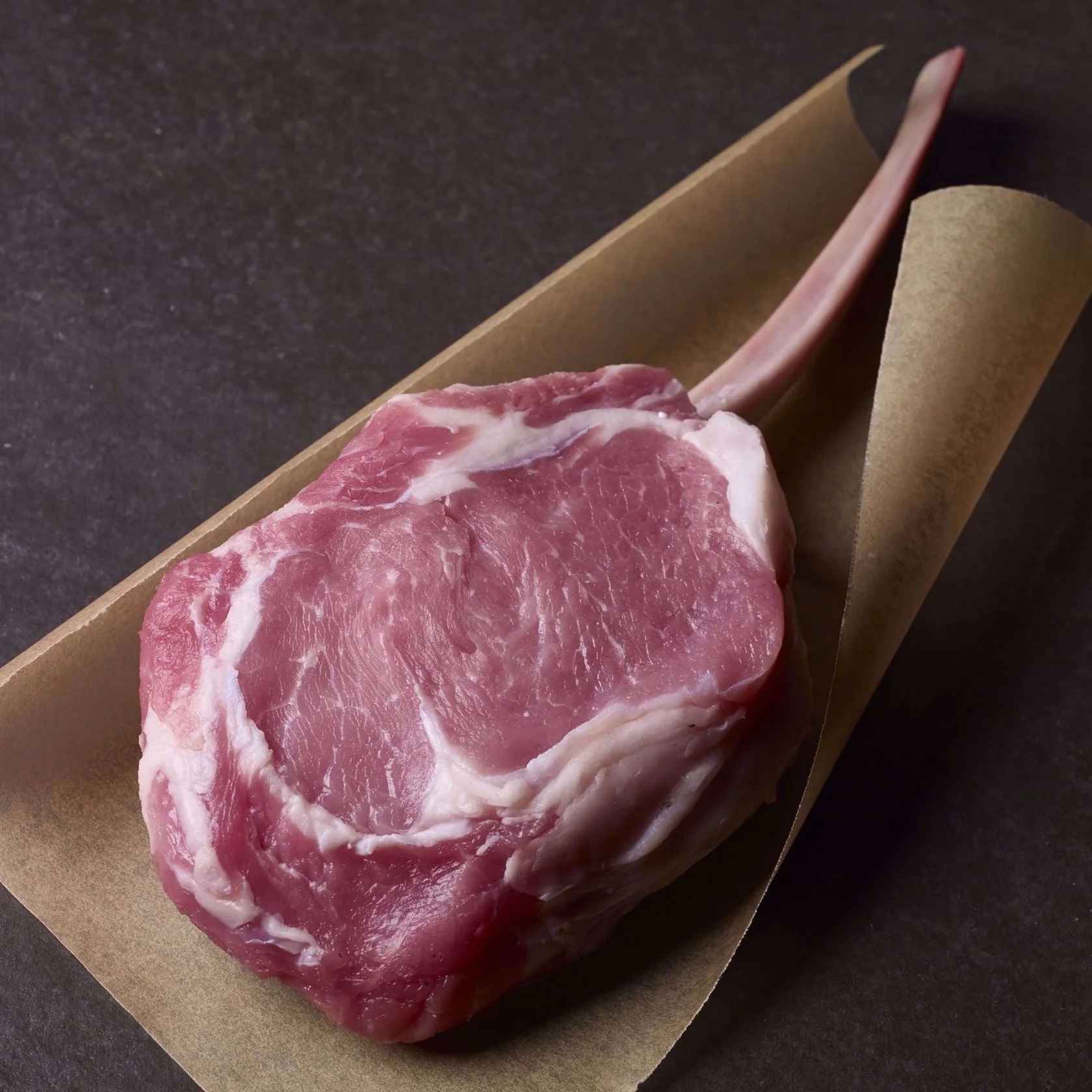
Flavor profile: delicate, mild, lightly sweet and clean, with a fine-grained tender texture and gentle richness that carries herbs, butter, pan juices, wine reductions and demi-glace especially well.
Culinary usage: ideal for refined Secondi, à la carte chop presentations, rosemary and sage preparations, pan sauces, mushroom garnishes, spinach, potatoes, seasonal vegetables, and classical veal demi-glace service.
Best cooking methods: pan-searing, sautéing, grilling, oven-roasting, pan-roasting, low-temperature roasting, and controlled sous-vide followed by a final sear. Rest after cooking to preserve tenderness and juices.
Lean, tender, and high-value; used for medallions, chops, and classical quick-cooking dishes.
The most delicate cut, ideal for medallions, escalopes, and elegant fine-dining presentations.
Used for cutlets, scaloppine, roasts, paupiettes, and thin slicing for fast cooking.
Usually fabricated from the leg or loin and pounded thin for sautéed preparations.
A prized offal item with delicate texture, excellent for sautéing, glazing, crisping, and luxury menus.
Specialty items used in traditional and classical cuisine. Veal brain is especially delicate and suited to poaching, breading, frying, and refined offal preparations.
If you want, this section can also display the veal butchering illustration graphic created earlier. For now, the page includes the complete cut-card system, which is safe and ready for publishing even before inserting the final chart image into the live folder.
Veal liver is a delicate offal product with a fine texture and mild mineral character. It is highly valued for terrines, pâtés, sautéed preparations, crostini toppings, mousse, and classical bistro-style dishes. When properly cooked, veal liver remains tender and smooth, and it pairs well with onion, Marsala, Cognac, balsamic, herbs, and rustic bread.
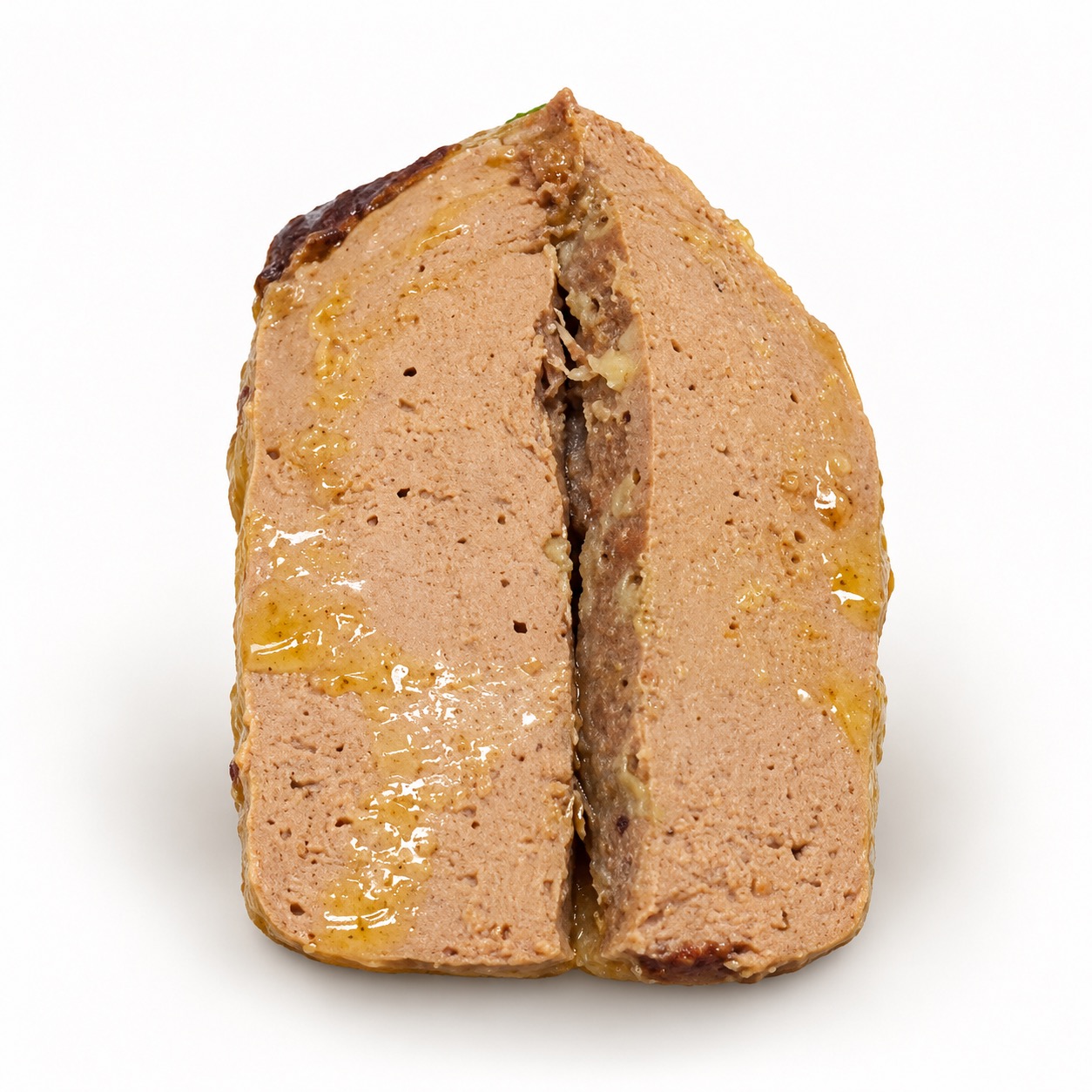
This card uses vealliver.png as the icon for the veal liver record. It can be connected later to recipe pages, inventory identity, live ingredient synchronization, and future butcher/ingredient library references across the Tuscany Cuisine platform.
Overcooking makes liver grainy and dry. Gentle heat, balancing acidity, and pairing with aromatics such as onion, thyme, butter, Marsala, Cognac, or balsamic help create a more elegant and approachable final dish.
Veal brain is a traditional offal ingredient prized for its exceptionally soft, creamy texture and delicate flavor. Classical preparation usually begins with careful rinsing and membrane removal, followed by gentle poaching or direct breading depending on the recipe. It pairs naturally with lemon, bitter greens, herbs, butter, capers, and crisp coatings that contrast with the tender interior.
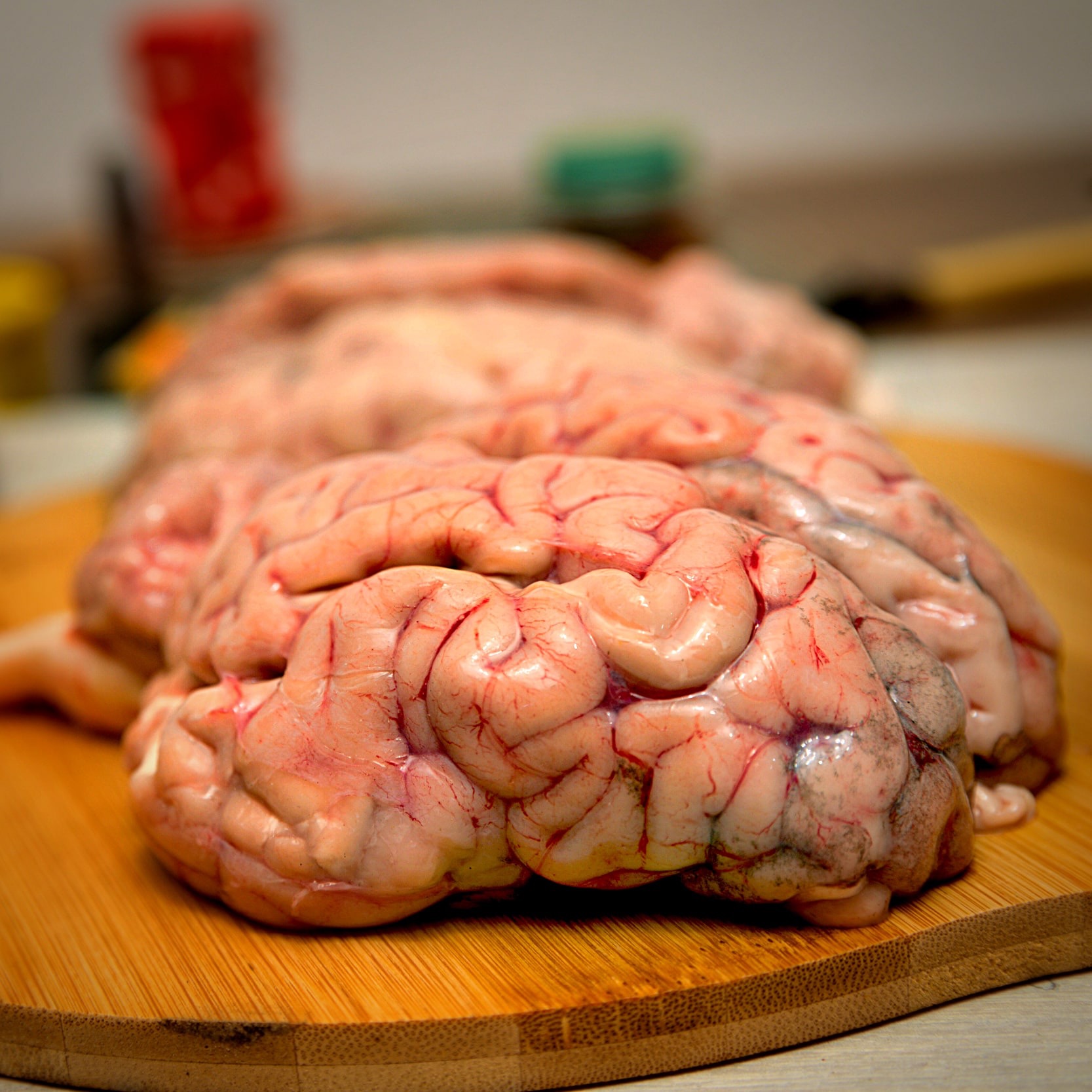
This card uses Veal-brain.webp as the dedicated Tuscany Cuisine icon for veal brain. It connects Culinary Foundations directly with the Secondi recipe system, ingredient discovery, inventory identity, and professional offal education.
Crispy Fried Veal Brain uses veal brain with lemon, baby arugula, almond meal, flour, egg, frying oil, and crushed steamed potatoes. The recipe is integrated with the Tuscany Cuisine Secondi system, ingredient graphics, labor planning, live inventory, and costing workflow.
Veal comes from younger animals, so the muscle fibers are finer and the flavor is milder. This gives veal its tender texture and refined character.
The shank is the classic cut for osso buco because it contains marrow, connective tissue, and structure that respond well to slow braising.
Veal liver is excellent in terrines, pâtés, mousse, crostini, and carefully sautéed dishes where its fine texture can be appreciated.
Veal brain is handled very gently, cleaned and trimmed, then commonly poached, breaded and fried, or sautéed. Its creamy interior benefits from crisp texture and bright accompaniments such as lemon and bitter greens.