Lemons
High acidity, fragrant yellow peel and versatile juice. Includes Eureka, Lisbon, Femminello and distinctive hybrids such as Meyer.
Icon & record activeOpen lemon guide →
Citrus species, hybrids & culinary relatives · Rutaceae
From Tuscan lemon zest and orange-infused desserts to grapefruit, lime, citron and the caviar-like pearls of finger lime, citrus gives chefs acidity, perfume, bitterness, sweetness and color. This family guide now includes fully synchronized lemon and fresh orange records and will continue to expand one approved icon at a time.
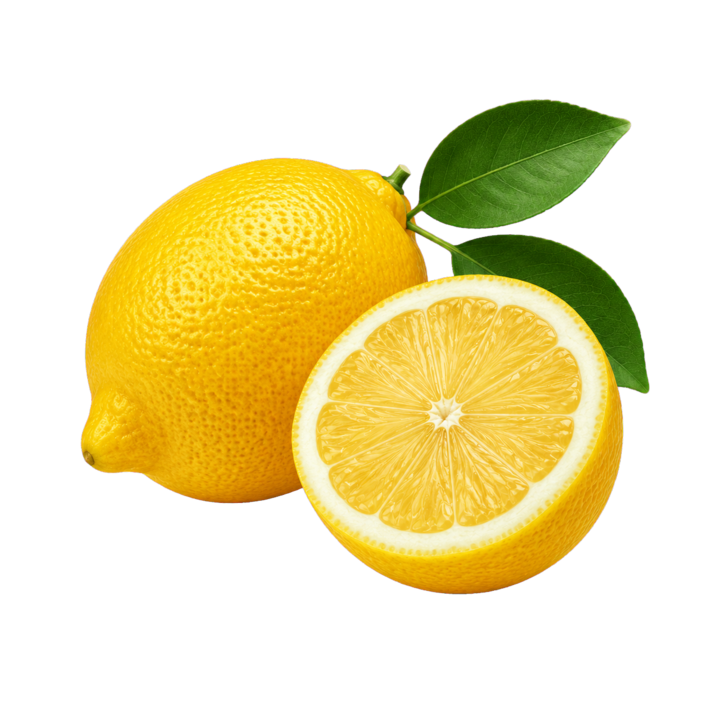 Lemon icon active
Citrus names hide a complex history of species, selections and hybrids. For the kitchen, the essential rule is practical: each fruit must keep its own flavor profile, yield, purchasing specification and inventory identity. Lemon and fresh orange are active today; the remaining icons will be created only as recipes are updated.
High acidity, fragrant yellow peel and versatile juice. Includes Eureka, Lisbon, Femminello and distinctive hybrids such as Meyer.
Icon & record activeSweet, perfumed fruit ranging from navel and Valencia to blood orange, bitter orange and bergamot-related aromatic types.
Fresh orange icon & record activeLarge, juicy citrus with bright acidity and characteristic bitterness; pomelo is generally milder and less juicy.
Icon planned laterSharp, green and intensely aromatic: Persian, Key, makrut and related sour citrus each belong to a distinct culinary record.
Icon planned laterAncient, thick-rinded citrus valued more for aromatic peel, candying and ritual use than for juice. Buddha's Hand is a fingered form.
Icon planned laterFinger lime, yuzu, calamansi, kumquat, sudachi, chinotto, tangelo and other regional fruits expand a chef's acid and aroma palette.
Icons created by recipe needFresh lemon brings assertive acidity, aromatic peel oils, restrained bitterness and a clean finish. Italian kitchens use the whole fruit intelligently: juice for balance, zest for perfume, peel for infusions and preserves, and segments or thin slices for garnish and service.
Add lemon with intention. Juice changes acidity and moisture; zest changes aroma with almost no liquid. Taste after salt and fat are present, because both influence how sharply the acid is perceived.
Acidity for dressings, marinades, sauces, soups, seafood, fruit preparations and beverages. Strain seeds and record yield.
Fragrant outer flavedo. Remove only the colored layer; excessive white pith adds bitterness.
For candying, preserving, infusing, garnish and service. Use unwaxed fruit when the peel is consumed and wash before cutting.
Widely grown, generally seed-light, bright and acidic with a textured yellow rind. A dependable all-purpose kitchen lemon for juice and zest.
Vigorous, highly acidic and often thornier on the tree. Similar to Eureka in the kitchen, with strong juice performance and aromatic peel.
Rounder, thinner-skinned and less sharply acidic, with a floral, mandarin-like perfume. Do not map it blindly to a standard lemon when flavor matters.
A major Italian lemon group with multiple selections and flowering cycles, appreciated for fragrant peel, juice and extended harvest potential.
Elongated Amalfi Coast lemon known for aromatic peel and comparatively moderate acidity. Excellent for zest, liqueur, pastry and refined savory work.
Aromatic, oval lemon associated with the Sorrento peninsula. Its peel is prized for infusions and local lemon specialties.
An early Sicilian type with an elongated shape, smooth rind and relatively mild profile, useful when delicate acidity is preferred.
Thick-skinned, large and productive, with a later harvest window. Its peel-to-juice ratio differs from common California packing lemons.
Very large, thick-rinded citrus commonly treated as a lemon but botanically hybrid in character. Its unusual size and yield require a separate receiving specification.
Commercial supply makes lemons available throughout the year, but peak quality and harvest cycles vary by region and cultivar. Oranges, mandarins and grapefruit follow different windows. For Southern California purchasing, use the visual calendar as a planning guide and confirm each vendor's current origin and lot.
Navel oranges, many mandarins, lemons, kumquats and some specialty citrus are prominent. Cold temperatures help develop rind color, but color does not create sweetness.
Valencia oranges, lemons, limes and grapefruit can sustain the citrus program, with exact windows depending on region and selection.
Finger lime, yuzu, citron and regional Italian lemons may have short windows or imported supply. Confirm lead time before publishing a menu.
Citrus fruits contribute vitamin C, water, organic acids and diverse plant compounds. Whole fruit and edible pulp also provide fiber. Culinary portions vary greatly, so these foods should be presented as part of a varied diet rather than as treatments or cures.
Vitamin C supports normal collagen formation, antioxidant protection, immune function and absorption of non-heme iron.
Using lemon or orange with beans, greens and grains can help the body absorb more of the iron naturally present in plant foods.
Segments and pulp retain fiber that is largely absent from strained juice. Juice and whole fruit should not be treated as nutritionally identical.
Colored peel and pulp contain flavonoids and carotenoids; profiles differ among lemons, blood oranges, grapefruit and other citrus.
Oranges move from sweet eating fruit to intensely aromatic bitter types. Their juice is softer than lemon, while zest and peel can be floral, resinous or bittersweet. Blood orange adds dramatic color and berry-like complexity.
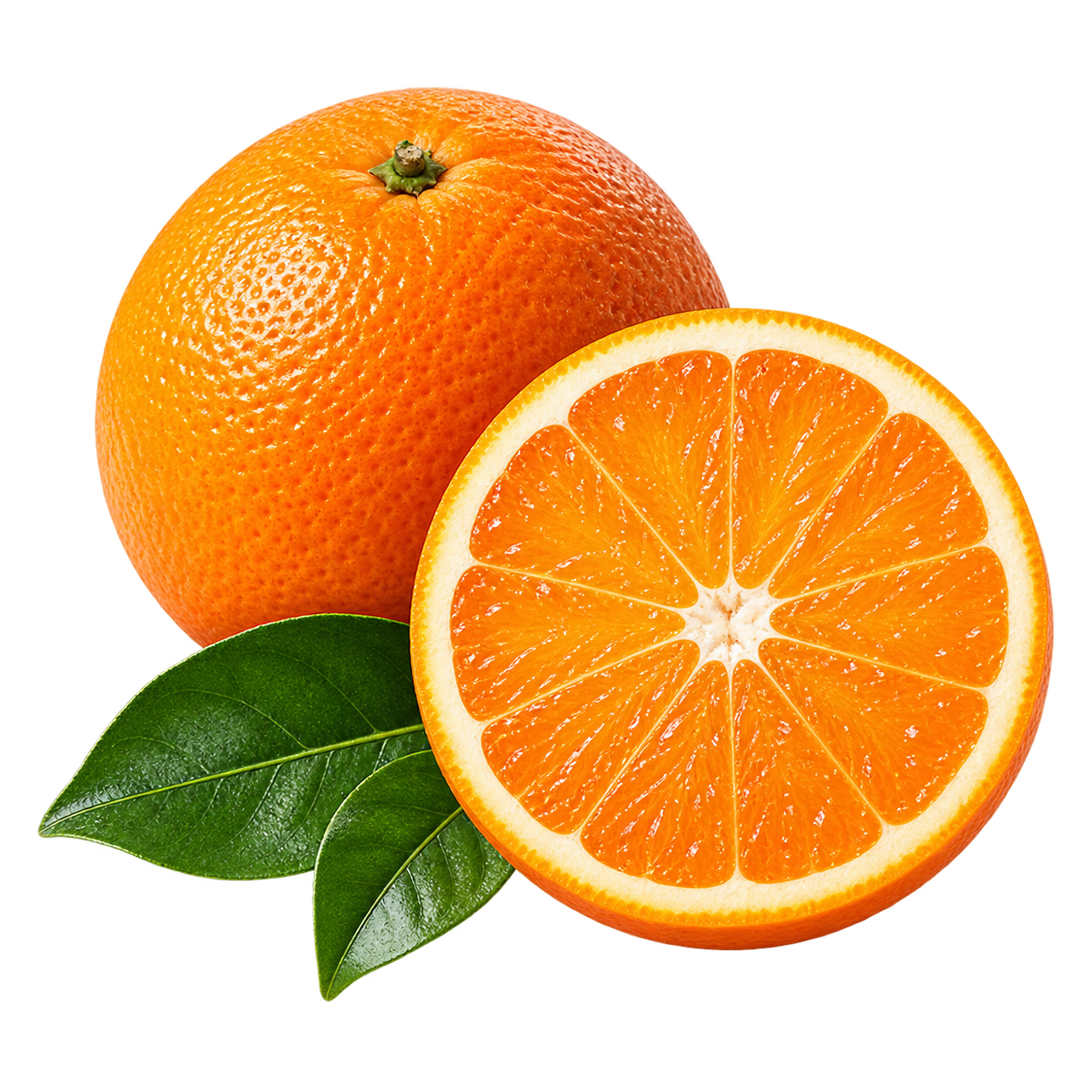 TC-ICON-FRUIT-CITRUS-ORANGE
Seedless, easy to peel and best for fresh segments, salads, garnish and breakfast service. The navel end and lower juice holding make it less ideal for long juice programs.
Juicy, balanced and suited to warm-season harvest. A professional standard for fresh orange juice, sauces and beverage production.
Moro, Tarocco and Sanguinello types can show ruby flesh, floral aroma and berry-like notes. Color depends on variety and growing conditions.
Assertively bitter and acidic, classically used for marmalade, marinades, sauces, spirits and regional savory cooking.
Highly perfumed and too sharp or bitter for ordinary eating. Its peel oil flavors tea, confectionery, fragrance and selected sauces.
Smaller, easy-peeling citrus with sweeter, floral juice. Each selection deserves its own yield and seed specification when used at scale.
Grapefruit balances juicy acidity with characteristic bitterness. White grapefruit is often sharper, while pink and ruby types can seem sweeter and more floral. Pomelo is a related large citrus with thick pith, firmer segments and generally gentler bitterness.
Clean, brisk and bitter. Strong with shellfish, avocado, bitter greens, gin botanicals and restrained sugar.
Rosier color and a rounder sweet-tart impression. Use in composed salads, sorbet, curd, granita, cocktails and breakfast service.
Pomelo segments hold texture well; Oroblanco and Melogold hybrids offer distinctive sweetness, aroma and lower bitterness.
For clean supremes, cut away peel and pith with a sharp knife, then release each segment beside the membrane. Save the center and membranes for juice only if the bitterness fits the dish.
“Lime” is a kitchen category, not one uniform fruit. Persian lime, Key lime, makrut lime, sweet lime and lime-like hybrids differ in acidity, aroma, seed content, rind oil and usable yield.
Usually seedless, juicy and reliable, with clean green aromatics. The standard for bar, sauce, marinade and finishing programs.
Smaller, seedier and intensely aromatic, with distinctive floral acidity. Essential to Key lime pie and many Latin American preparations.
Valued especially for aromatic leaves and textured rind. Juice is limited and bitter; leaves and fruit should use separate purchasing forms.
A mandarin-like sour citrus with orange flesh and highly aromatic acidity. Treat as a specialty record, not as a direct Persian-lime substitute.
Low-acid and gentle, useful for fresh consumption and beverages where perfume matters more than sharpness.
A lime-kumquat hybrid with edible rind and tart flesh, suited to preserving, garnish, cocktails and small-format service.
Citron has a thick, fragrant rind and relatively little pulp or juice. It belongs in peel-focused production: candying, preserves, syrups, pastry, fragrance and traditional preparations. Its identity and yield should never be mapped to lemon.
A citron selected for ritual use and fragrance. Culinary fruit must come from an appropriate food supply and be inspected for treatment and quality.
An Italian citron associated with Calabria, valued for thick aromatic peel and confectionery processing.
A fingered citron with little or no juicy pulp. Use the fragrant rind for zest, candying, sugar, salt, spirits and display.
More than a thousand citrus varieties and relatives are maintained in the UC Riverside collection. These chef-relevant examples show why the library will expand carefully, with a dedicated icon and record only when a recipe creates a real operational need.
Elongated fruit filled with separate juice vesicles often called citrus pearls. They burst on the palate and suit oysters, crudo, desserts and precise garnish.
Powerfully aromatic and highly acidic, with mandarin, grapefruit and floral notes. Juice and zest flavor ponzu, sauces, sweets, drinks and preserves.
Small green sour citrus used for juice, zest and finishing. Their aroma is distinct from lime and should remain separately identified.
Small, intensely aromatic fruit with tart orange-lime character. Important in dipping sauces, marinades, beverages and preserves.
Small citrus eaten with its sweet aromatic peel and tart center. Excellent candied, preserved, sliced raw or cooked with poultry and pork.
Small bitter citrus used in preserves, candied fruit, aperitivo-style beverages and Italian confectionery.
Large, thick-peeled fruit with firm sacs and a milder grapefruit-like profile. Excellent in salads where the segments must hold shape.
Mandarin-pomelo or mandarin-grapefruit hybrids with easy-peeling character, bright juice and selection-specific sweetness.
Pomelo-grapefruit hybrids developed in California, known for sweet, low-acid flesh and a thick rind that affects usable yield.
A good citrus specification names the variety or type, count size, origin, pack, treatment requirements and intended use. Fruit purchased for zest needs excellent rind; fruit purchased for juice needs measured juice yield.
| Checkpoint | Accept | Reject or flag | Record |
|---|---|---|---|
| Identity | Correct fruit, variety/type and vendor item | Unapproved substitution or mixed lot | Code, lot, origin, variety |
| Weight | Heavy for size, full and firm | Light, hollow-feeling or deeply shriveled | Count, gross and net weight |
| Rind | Fragrant, clean and appropriate color | Mold, punctures, oil spotting, severe scars or decay | Wax/treatment if peel is used |
| Texture | Firm with slight natural resilience | Soft collapse, leaking or freeze damage | Temperature and condition |
| Kitchen yield | Juice, zest or segments meet specification | Dry pulp, excessive seeds/pith or poor aroma | Measured usable yield and trim |
Keep sound fruit dry, cool and ventilated. Do not seal wet fruit into a container where condensation can accelerate mold.
Refrigerate in the produce zone and rotate by received date and condition. Avoid freezing surfaces and crushing.
Wash under clean running water before cutting or zesting, even when only the interior is used. Dry before zesting to protect aroma and tool control.
This register connects only recipes already confirmed in the Tuscany Cuisine system. Each future recipe should point to the same lemon ingredient code so search, purchasing, production and inventory do not create duplicate records for “lemon,” “lemon juice” and “fresh lemon juice.”
A bright professional emulsion connecting fresh lemon with extra-virgin olive oil for salads, seafood, vegetables and contemporary plate finishing.
Open RecipeFresh lemon juice sharpens the bell pepper relish and balances ahi tuna, capers, Niçoise olives and extra-virgin olive oil.
Open RecipeThe active lemon and fresh orange records supply separate codes, icons and inventory identities to recipe ingredients, Menu Builder calculations, production, station pick lists, Live Inventory, vendor requirements, purchasing and receiving.
TC-ICON-FRUIT-CITRUS-LEMON
TC-ICON-FRUIT-CITRUS-ORANGE
Match lemon aliases to one code while preserving the usage form—whole, juice, zest, peel or segments—for correct yield logic.
Receive actual weight and count. Convert recipe juice or zest needs through operation-specific measured yields, not a universal guess.
Group under Produce / Citrus and specify cultivar/type, count size, origin, pack and whether the rind will be consumed.
Confirm the icon, code, count, weight, lot, temperature and quality, then route quantities and usage forms to the correct station pick list.
Variety, harvest, nutrition and medication information was cross-checked against university collections, extension resources and U.S. government health guidance.
Educational notice: this page provides general culinary and nutrition education, not medical advice. Season, storage life, composition and usable yield vary by cultivar, climate, maturity, handling and vendor pack. Follow local food-safety rules, product labels and your operation's HACCP procedures.