Niçoise Olives
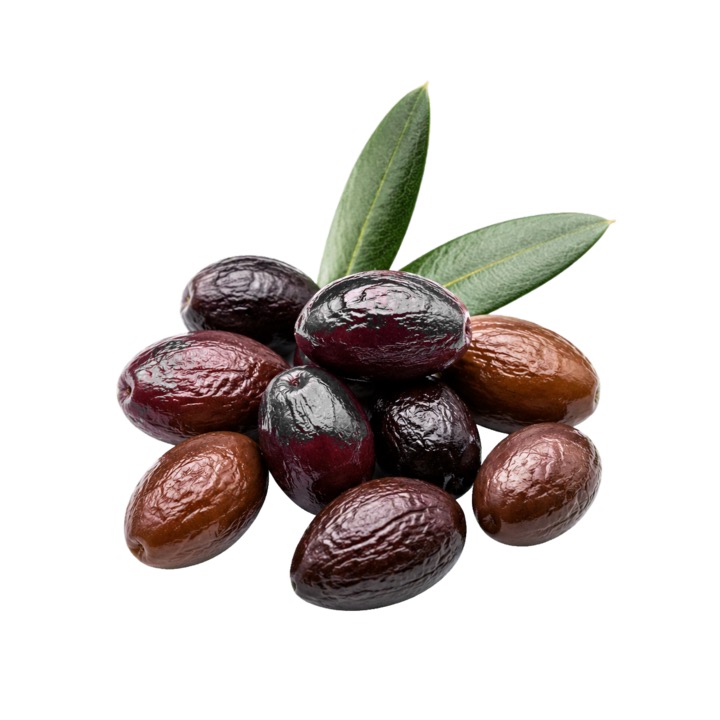
Small, cured, savory fruit associated with Nice. This is the first olive with an approved recipe, inventory identity and graphic.
Icon & record activeFrom the small wine-colored olives of Nice to Tuscan Frantoio oil, buttery Castelvetrano, meaty Cerignola and Moroccan salt-cured fruit, the olive changes through cultivar, ripeness and craft. This family guide begins with a fully synchronized Niçoise record and now adds both Kalamata and Castelvetrano as approved olive identities, expanding the library one verified ingredient at a time.
 Three active olive identities
All cultivated olives belong to the olive family, but cultivar, maturity and processing determine whether the fruit is suited to table service, oil production or both. The system must preserve those differences instead of treating every green or black olive as interchangeable. Niçoise, Kalamata and Castelvetrano now hold separate operational identities on this page.
Small, cured, savory fruit associated with Nice. This is the first olive with an approved recipe, inventory identity and graphic.
Icon & record activeLarge almond-shaped Greek-style table olives with a winey, savory character. Kalamata now has its own approved ingredient icon and library identity.
Icon & record activeBright Sicilian green olives commonly associated with Nocellara del Belice. Castelvetrano now has its own approved ingredient icon and operational record.
Icon & record activeFrantoio, Leccino, Moraiolo, Coratina, Picual, Arbequina and Koroneiki create different levels of fruitiness, bitterness and pungency.
Education active · icons laterCastelvetrano, Cerignola, Gaeta, Taggiasca, Picholine and Manzanilla differ in size, flesh, pit ratio and curing style. Kalamata and Castelvetrano now have dedicated active cards.
Education active · more icons laterBrine, water, lye, dry salt, natural fermentation and oxidation each change bitterness, texture, aroma, color and sodium.
Processing records plannedUse this quick reference to compare the main olive types by origin, flavor profile, culinary usage, seasonality and curing approach. Active operational identities are highlighted with their own dedicated cards.
Small cured fruit associated with Nice and the Cailletier cultivar.
Flavor: savory, nutty, wine-like and concentrated.
Use: tuna, anchovy, tomato, tapenade, composed salads and Provençal braises.
Seasonality: year-round as a cured pantry olive; harvest generally late summer through autumn.
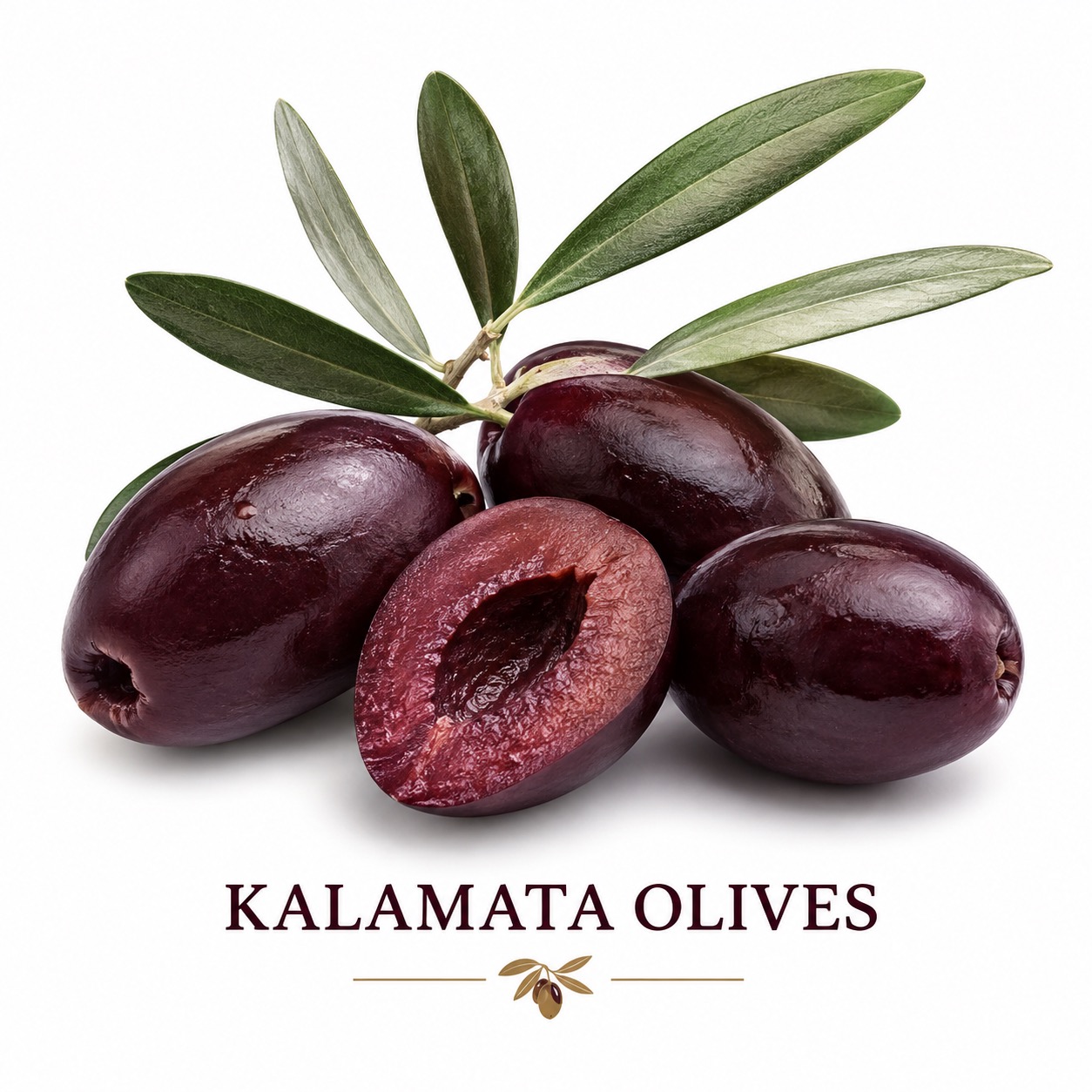
Almond-shaped Greek-style table olive with a bold savory profile.
Flavor: winey, saline, fruity and meaty.
Use: salads, feta pairings, antipasti, grains, pasta finishes and lamb.
Seasonality: year-round as a cured pantry olive; autumn harvest is typical.
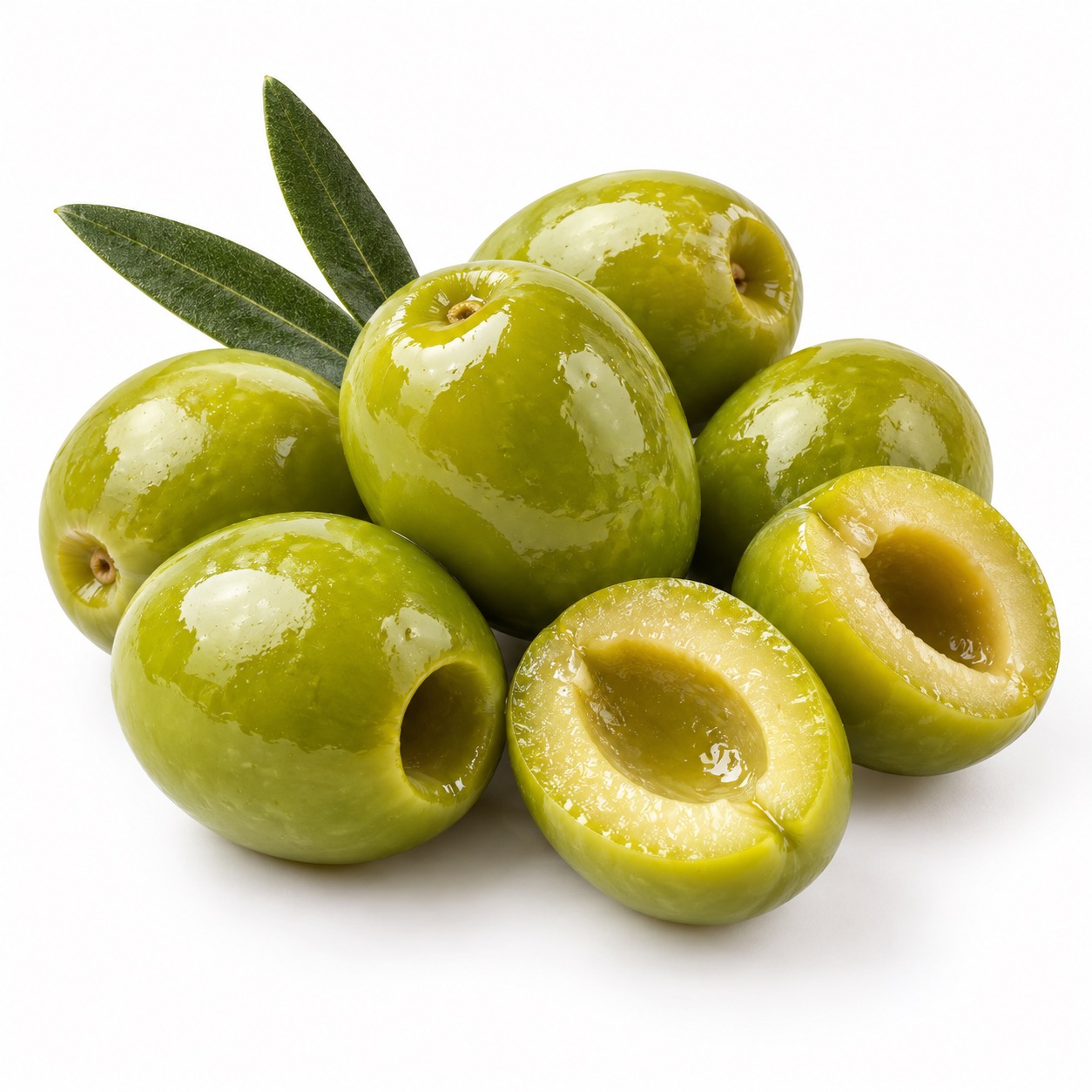
Bright green Sicilian olive commonly linked to Nocellara del Belice.
Flavor: buttery, mild, fresh and gently briny with low perceived bitterness.
Use: antipasti, seafood, aperitivo service, warm garnishes, salads and composed plates.
Seasonality: year-round as a cured pantry olive; green table harvest commonly begins in early autumn.
Large meaty Bella di Cerignola fruit sold in green, dark or red-toned styles.
Flavor: fleshy, mild-to-savory depending on cure.
Use: antipasti, buffet, cheese boards and stuffing applications.
Seasonality: fresh harvest follows autumn; cured product used year-round.
Italian table olives prized for supple flesh and regional personality.
Flavor: winey to delicately nutty depending on variety.
Use: rabbit, fish, focaccia, tomato dishes and regional antipasti.
Seasonality: autumn harvest; cured product used year-round.
These olives show how cure changes texture, salt and bitterness as much as cultivar does.
Flavor: ranges from crisp saline brightness to concentrated salty savor.
Use: cocktails, tapas, braises, salads and relishes.
Seasonality: pantry staples after curing and packing.
The olive tree's story reaches deep into Mediterranean civilization. Over centuries, growers selected local trees for climate, oil, table quality and regional taste, creating the remarkable cultivar diversity used by chefs today.
The evergreen olive adapted to hot, dry summers and became part of food, trade, ceremony and landscape across the Mediterranean. Cultivation later spread to other suitable climates, including California, South America, Australia and South Africa.
Fresh fruit contains pronounced bitterness, especially from phenolic compounds such as oleuropein. Traditional processors use water, brine, alkali, fermentation or dry salt to reduce or transform that bitterness and make the fruit palatable.
Choose the olive as deliberately as the wine. A firm green Castelvetrano, a saline Kalamata, a small Niçoise and a wrinkled dry-cured Moroccan olive can all be excellent, but each changes the salt, bitterness, texture and personality of the plate.
Protected AOP Olive de Nice is produced exclusively from the Cailletier cultivar. The fruit is small and may range from yellow-green through wine-toned brown, with characteristic cured-fruit and dried-fruit complexity. Generic “Niçoise” products must be verified by label and supplier specification.
Expect concentrated olive flavor, gentle bitterness, fermented depth and notes that may suggest prune, cherry, dried fruit or old wine. Brine level and producer style can shift the balance.
Niçoise olives are smaller than many table varieties. Buy whole for traditional character or pitted for production efficiency, but never cost both forms at the same edible yield.
Excellent with tuna, anchovy, tomato, egg, green beans, peppers, capers, lemon, herbs and extra-virgin olive oil. Chop for relish and tapenade; keep whole for salads, braises and antipasti.
Record cultivar or market style, origin claim, whole or pitted form, net and drained weight, brine, additives, lot and expiration. Use “AOP Olive de Nice” only when the label verifies it.
Kalamata olives are almond-shaped Greek-style table olives known for their purple-brown color, meaty texture and savory, wine-like profile. They are especially useful in Mediterranean salads, tomato dishes, composed antipasti, grains, lamb, feta pairings and bright vegetable garnishes.
Expect a deeper olive character than many mild green table olives, with briny intensity, fermented complexity and a mild fruity tang that pairs well with tomato, citrus and herbs.
Kalamata olives are valued for their generous flesh and attractive elongated form. For recipe costing, always distinguish between whole-with-pit and pitted-drained edible weight.
Use in salads, grain dishes, antipasti, roasted vegetables, feta combinations, lamb, pasta finishes and one-bite appetizers. On Tuscany Cuisine, Kalamata now connects directly to the Cherry Tomato Amuse Bouche recipe.
Record whether the product is whole or pitted, confirm net and drained weight, note brine or vinegar-style packing liquid, and verify overall flavor and texture before adding it to production.
TC-ICON-FRUIT-OLIVE-KALAMATA
Castelvetrano olives are the vivid green Sicilian table style commonly associated with the Nocellara del Belice cultivar from western Sicily. They are prized for their attractive color, firm buttery texture, mild salt balance and low perceived bitterness, making them one of the most approachable green olives for both snacking and refined savory dishes.
The style is strongly associated with Nocellara del Belice, a Sicilian cultivar from the Trapani area. In culinary language, chefs often use “Castelvetrano” as the market style name, but purchasing should still verify cultivar or supplier specification when exact identity matters.
Expect tender-firm flesh, fresh olive aroma, mild salinity and far less bitterness than many green olives. Their appeal comes from a clean, buttery character that fits both raw service and warm composed dishes without dominating the plate.
Green table olives are typically harvested earlier than fully ripe dark fruit to preserve firmness. For planning, that often means an early autumn green harvest in the Northern Hemisphere, while the cured and packed product becomes a dependable year-round pantry ingredient.
Use whole, halved or sliced in antipasti, cheese boards, warm seafood garnishes, salads, pasta finishes and composed secondi. On Tuscany Cuisine, Castelvetrano olives now connect directly to the Baked Branzino recipe, where they warm gently with Campari tomatoes to support the fish.
Commercial Castelvetrano-style olives are usually processed to reduce bitterness more gently and quickly than natural long fermentation alone, often with an alkali-assisted debittering step followed by brine curing. This is what helps preserve their bright green color, clean flavor and buttery bite. Do not treat “Castelvetrano” as a generic label for any bright-green olive.
Record whether the olives are whole or pitted, confirm drained weight and packing liquid, and verify that the flavor remains clean, fresh and only gently briny. Their mildness is part of the identity, so stale, overly salty or mushy fruit should be rejected or flagged.
TC-ICON-FRUIT-OLIVE-CASTELVETRANO
Olives normally move from green through yellow-green and reddish-purple toward dark violet or black as they mature. Processing can preserve, modify or create color, so a chef must read the label rather than judge identity by appearance alone.
Harvested before full color change. Often crisp, herbaceous and assertive; frequently treated or fermented to remove bitterness.
Yellow-green, rose, wine or purple tones can appear as ripening advances. Texture softens and flavor becomes rounder.
Tree-ripened dark olives can be softer and more wine-like. They are different from olives darkened through oxidation after harvest.
Extra-virgin olive oil can express green or ripe fruitiness plus bitterness and a peppery pungency. Variety matters, but harvest maturity, climate, fruit condition, milling and storage also influence the final taste. Continue into the dedicated Extra-Virgin Olive Oil Library for oil grades, tasting and kitchen use.
A foundational Tuscan oil cultivar. Often offers fragrant green fruit, almond-like nuttiness, fresh herbs and a clean peppery finish; actual intensity depends strongly on harvest and mill style.
Frequently softer and more approachable, with ripe fruit, almond and mild green notes. Useful in blends when elegance is preferred over force.
Small-fruited and often assertive, bringing green herb, artichoke-like bitterness and throat-catching pungency to robust central Italian oils.
Known for high phenolic potential and a powerful bitter, peppery style. Excellent with legumes, grilled meats, bitter greens and rustic breads when balance is intentional.
A major Spanish cultivar valued for high oil stability and oleic acid. Its oils can be structured and green, pairing well with tomato, grilled vegetables and long-cooked dishes.
Often mild and ripe-fruited with almond and apple-like impressions, lower perceived bitterness and a delicate finish. Its oil is less stable than more robust cultivars.
Greece's most widespread oil variety, commonly producing aromatic green oils with herbal fruitiness, bitterness and peppery persistence.
Important for both table fruit and oil. Green-fruit oils can suggest tomato leaf, fresh-cut grass and herbs; the table style is known for large, firm green fruit.
In quality olive oil, pungency means a peppery tactile sensation, often felt in the throat. It is a recognized positive attribute—not the same as rancidity, heat damage or an unpleasant chemical burn.
The best table variety is the one whose size, pit ratio, texture, fermentation and salt fit the dish. Keep each future icon connected to its own purchasing specification.
Almond-shaped, purple-brown and winey, often brine- or vinegar-cured. Strong with tomato, feta, oregano, lamb and grain salads. The Kalamata ingredient icon is now active on this page.
A bright green style commonly made from Nocellara del Belice. Buttery, mild and firm with low perceived bitterness; ideal for snacking, antipasti, seafood, aperitivo and warm composed garnishes. The Castelvetrano ingredient icon is now active on this page.
Large, meaty Bella di Cerignola fruit sold in green, dark and red-toned commercial styles. Confirm whether color comes from maturity or processing.
Small, savory and complex. Excellent in tuna preparations, composed salads, tapenade, tomato sauces and Provençal-style braises.
Ripe, wine-colored olives with supple flesh and fermented depth. Useful with fish, chicken, tomato, citrus and Roman or southern Italian dishes.
Small and delicate, with sweet, nutty and lightly bitter character. Pair with rabbit, fish, focaccia, vegetables and Ligurian herbs.
Firm, elongated and crisp with bright saline flavor. Excellent for aperitivo, cocktails, poultry and dishes needing clean structure.
A versatile round green table olive with good flesh-to-pit ratio, frequently pitted and stuffed. Useful for tapas, salads, sauces and bar service.
Often dark, wrinkled and intensely savory. Dry salt draws moisture while reducing bitterness, producing concentrated flavor and a saltier, slightly bitter finish. Use sparingly in tagines, salads, relishes and braises.
Curing is not cosmetic. It controls bitterness, acidity, aroma, texture, moisture and sodium. Two olives of the same cultivar can behave very differently after different processing.
| Style | Typical result | Kitchen notes | System field |
|---|---|---|---|
| Natural brine / fermentation | Complex acidity, saline depth, cultivar character | Keep covered in approved brine; monitor texture and aroma | process: natural_brine |
| Water-cured | Cleaner fruit flavor, often gentle fermentation | Finished storage depends on the tested method and final packing liquid | process: water_cured |
| Lye-treated / Spanish style | Fast debittering, firm texture, controlled fermentation | Commercial product only unless a tested expert method is followed | process: alkali_treated |
| Castelvetrano style | Bright green color, buttery flesh, mild bitterness and clean fresh taste | Often linked to Nocellara del Belice and usually processed with a debittering step plus brine curing; confirm cultivar and process, and do not map all bright-green olives here | process: castelvetrano_style |
| Dry salt | Wrinkled skin, concentrated salt and fruit, residual bitterness | Record salt level and drained/finished weight | process: dry_salt_cured |
| Oxidized dark | Uniform dark color and mild flavor | Color does not prove tree-ripeness | process: oxidation_darkened |
Exact windows vary by latitude, cultivar and weather. Green table fruit is harvested earlier for firmness; turning-color olives follow; darker ripe fruit and many oil harvests come later. California and Mediterranean lots may therefore arrive on different calendars.
Prioritizes firmness, fresh green aroma and processing durability. Fruit may need substantial debittering.
Balances texture, color development and rounder flavor. Useful for natural-color specialty styles.
Can increase ripe fruit character and oil yield while reducing firmness. Mill fruit quickly and protect table fruit from bruising.
A professional olive order names variety or style, origin claim, curing method, whole or pitted form, count or size, pack, net and drained weight, sodium/additives and intended use.
| Checkpoint | Accept | Reject or flag | Record |
|---|---|---|---|
| Identity | Correct cultivar/style, cure and verified origin claim | Unapproved substitute or vague “black olive” | Code, vendor SKU, origin, process |
| Pack | Sound seal, clear label, correct net and drained weight | Bulging, leaking, rust, damaged closure or missing lot | Lot, date, pack, drained weight |
| Aroma | Clean fruit, brine and controlled fermentation | Rancid, putrid, musty or unexpected chemical odor | Condition and temperature |
| Fruit | Style-appropriate color, intact skins, firm-tender flesh | Slime, mold, gas, excessive softening or severe bruising | Size, pit form, defect rate |
| Kitchen yield | Drain, pit and trim yield meets recipe specification | Excess brine weight, oversized pits or fragments | Measured edible yield |
Store exactly as the manufacturer label directs. Rotate by lot and date; protect glass jars and containers from damage and temperature abuse.
Keep olives covered in their approved packing liquid in a clean, covered food-safe container. Refrigerate and date-mark according to the label and operation plan.
Use clean utensils, remove only the quantity needed and avoid returning exposed olives to the master container. Inspect for pits or pit fragments.
Table olives contribute monounsaturated fat and plant compounds, but their composition varies with cultivar and processing. Curing can add substantial sodium, so the product label and portion size matter more than a generic nutrition estimate.
Olive pulp naturally contains oil rich in monounsaturated fatty acids. Amounts vary by variety, maturity and curing.
Olives can retain vitamin E, phenolic compounds and pigments, with different profiles in green, turning and ripe fruit.
Compare Nutrition Facts labels and portion intentionally. Rinsing may reduce surface brine but also changes the designed flavor.
Educational notice: this page provides culinary and general nutrition education, not medical advice. Use the actual supplier label for nutrition, allergens, preservatives and serving size.
Only confirmed Tuscany Cuisine connections appear here. Future recipes should use the correct ingredient code and specify drained, pitted or whole-with-pit weight so costing and inventory remain accurate.
Fifty grams of finely diced Niçoise olives add savory, fermented depth to the bell pepper relish with capers, lemon, parsley and extra-virgin olive oil.
Open RecipeOne hundred fifty grams of pitted and chopped Kalamata olives bring savory contrast to cherry tomato cups filled with orange mustard, marinated red onion and basil oil.
Open RecipeThe same fruit creates a different ingredient. Continue into oil grades, cultivar flavor, tasting, storage, culinary use and the Lemon Olive Oil Emulsion.
Open Olive Oil LibraryThe active records supply the same codes, icons and inventory identities to recipe ingredients, Menu Builder calculations, production, station pick lists, Live Inventory, vendor requirements, purchasing and receiving.
TC-ICON-FRUIT-OLIVE-NICOISE
Match Niçoise and Nicoise aliases to one code while preserving the form: whole with pit, pitted, chopped or prepared paste.
Receive net and drained weight. Convert recipe edible weight through the operation's measured pit and trim yield.
Specify cultivar/style, origin claim, curing process, pit form, pack, sodium/additives and target drained weight.
Confirm label, seal, lot, date, aroma, texture, temperature and icon before routing to Pantry or Garde Manger.
History, cultivar, table-olive, curing, quality and protected-origin information was cross-checked against intergovernmental, university and government resources.
Professional notice: cultivar behavior, harvest time, composition, salt, shelf life and usable yield vary by producer and lot. Follow supplier labels, local food regulations and the operation's HACCP procedures. Protected-origin names require verified labeling.