▶ Tuscany Cuisine Watch Page · Original Ingredient Story
The Tomato: From the Americas to the Heart of Italian Cuisine
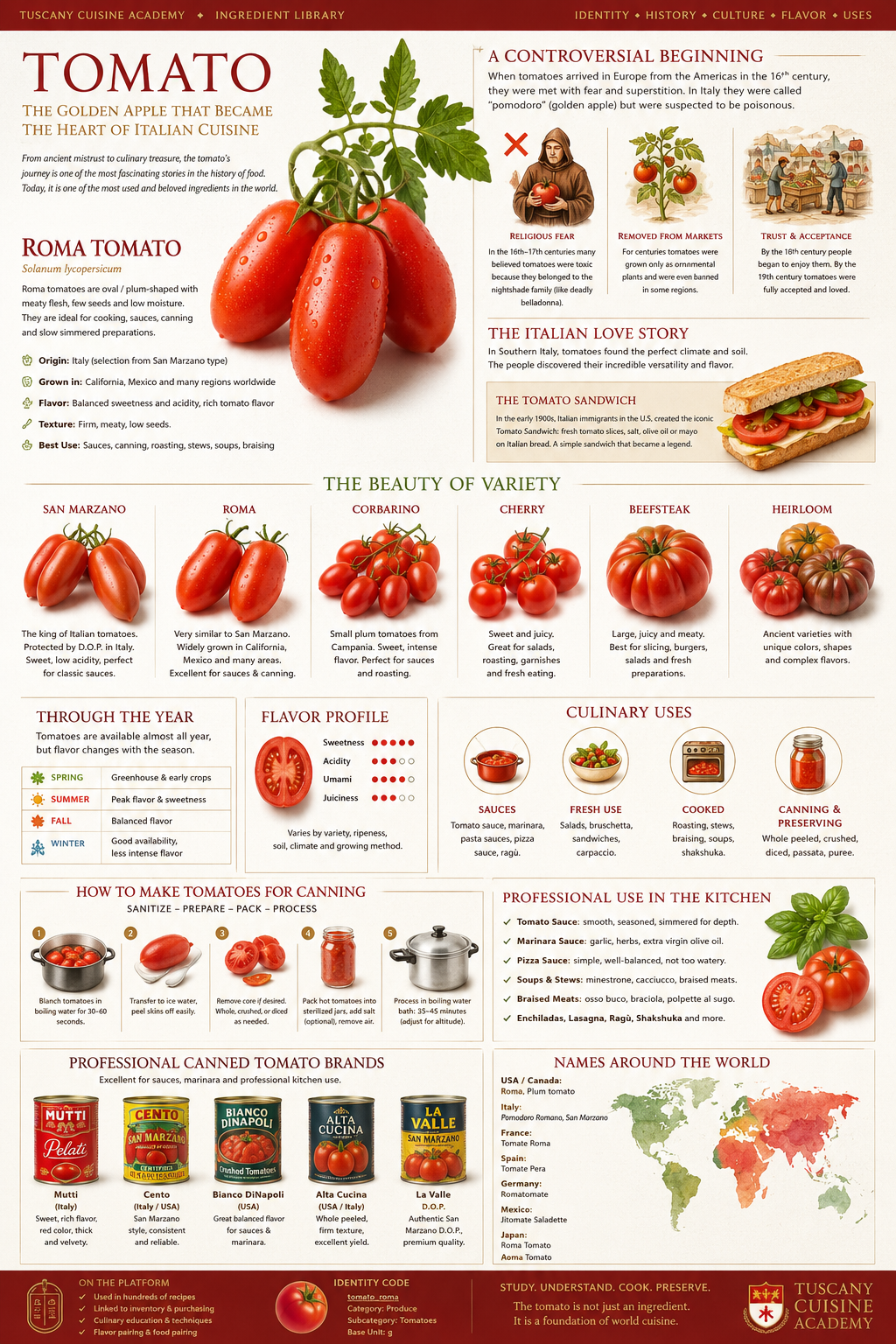
Watch the nine-scene Tuscany Cuisine film tracing the tomato from its origins in the Americas through its arrival in Europe and transformation inside Italian cuisine. The complete tomato ingredient family, preservation guide and professional kitchen reference continue below.
9-scene storyOrigins in the AmericasJourney to EuropeItalian culinary historyVarieties & cultivationPreservation & nutritionChef David Giani · Tuscany Cuisine
Continue from the film into the professional tomato reference: origins and history,
fresh varieties, seasonality, preservation, sauce work, nutrition, pantry products,
ingredient identities, Live Inventory and connected Tuscany Cuisine recipes.
The film above is now the primary content of this page. Its nine-scene story introduces the tomato’s origins, movement to Europe, Italian culinary transformation, cultivation, seasonality, preservation, nutrition and professional kitchen legacy.
Continue through the ingredient reference below for the detailed tomato family: Roma, Cherry, Grape, Campari, Vine-Ripe, Heirloom, canned whole peeled tomatoes, tomato paste, sun-dried tomatoes and tomato-skin powder.
Botanically a fruit but operationally one of the most important savory produce ingredients,
the tomato bridges fresh market cookery, pantry preservation and industrial food production.
In the professional kitchen it appears raw, roasted, sautéed, braised, peeled, canned,
milled, crushed, concentrated and dried. It can be bright and acidic, sweet and juicy,
deeply savory, or rich and jammy depending on variety, maturity and cooking technique.
For Tuscany Cuisine, tomato is a foundational knowledge ingredient because it connects
directly to sauces, pasta, seafood, meats, salads, preserved pantry products, inventory,
purchasing and recipe development across many categories of the platform.
Origins, Domestication & Early History
From the Americas to Europe and then to the whole world.
Tomatoes originate in the Americas. Their deeper botanical ancestry is associated with western
South America, while domestication and culinary development were strongly advanced in Mesoamerica
before European contact. Indigenous peoples cultivated and used tomato varieties long before the
ingredient entered European botanical and culinary systems.
After the Columbian Exchange, tomato seeds and plants moved across imperial trade networks into
Europe, then into the Mediterranean, Africa and Asia. This movement was not simply culinary: it
was tied to empire, agriculture, trade, botanical classification and the transfer of seed stock.
Over centuries, farmers, merchants, governments, landowners and later seed companies selected,
adapted and distributed tomato varieties for different climates, yields, transport needs and
market preferences.
Why Tomatoes Were Once Suspected
Fear, medicine, class associations and botanical confusion all played a role.
In early modern Europe, tomatoes were not immediately accepted as common food. Part of the distrust
came from their relationship to other members of the nightshade family, some of which were known to
be toxic or medicinal. In some circles tomatoes were treated more as botanical curiosities or garden
ornamentals than everyday produce.
Stories accumulated that tomatoes were dangerous, unhealthy or morally suspect. Some of these claims
were based on misinformation, some on class habits, and some on confusion caused by food served on
reactive metal tableware, which could create illness that was then blamed on the tomato. Over time,
repeated cultivation and practical culinary use overcame these suspicions, and the tomato moved from
uncertainty into one of the world’s most universal ingredients.
Historical note:
the tomato was not rejected everywhere in exactly the same way, but across different periods of
European history it did face suspicion, slow adoption and uneven acceptance before becoming central
to Mediterranean cooking.
Italy & the Tomato Tradition
Italy helped transform tomato from a curiosity into a defining culinary foundation.
Italian cuisine did not begin with tomato, but tomato eventually became inseparable from many of its
best-known dishes. In southern Italy especially, climate, preservation culture, pasta traditions and
peasant resourcefulness helped shape the ingredient’s importance. Over generations, tomatoes moved into
sauces, preserved passata, braises, pizza, seafood dishes, vegetable cookery and regional pantry systems.
The Italian tomato conversation includes fresh market tomatoes and important processing types. San Marzano
became famous for sauce work and for its long plum profile, balanced sweetness and relatively low seed
content. Corbarino tomatoes are another respected Campanian type, valued for their small shape and strong,
concentrated character. Plum and pear-shaped tomatoes in general became essential to preserving, canning,
passata, marinara and slow-cooked sauce production.
Today, the spirit of these Italian processing tomatoes also lives outside Italy. Similar plum-shaped types,
including Roma and other paste tomatoes, are widely cultivated in California, Mexico and many other parts
of the world. They are not identical to protected regional Italian tomatoes, but they serve comparable
professional functions in fresh and processed tomato cookery.
Seasonality & the Yearly Tomato Calendar
Tomatoes are available all year in global markets, but quality and ideal uses shift with season and growing system.
Winter
Field quality may be limited in cooler climates; greenhouse and imported tomatoes often fill the market.
Spring
Early seasonal improvement begins; some greenhouse fruit performs better than field fruit.
Summer
Peak field season in many regions, with stronger sweetness, aroma and varietal diversity.
Early Autumn
Often still excellent for fresh eating, roasting, preserving and sauce production.
Fresh Market Use
Best fresh tomatoes are usually associated with full ripeness, seasonal field growth and shorter
transport time. Heirloom, beefsteak, cherry, grape, cluster and specialty types often show their
best character in warm seasons.
Processing & Pantry Use
Tomatoes intended for sauce, passata and canning may be handled at peak production volumes and then
preserved for year-round use, which is why high-quality canned whole peeled tomatoes remain so important
in professional kitchens.
Flavor Profile
The tomato flavor balance changes with variety, maturity, water content and culinary treatment.
Fresh & Bright
Higher acidity, juiciness and green-fruit freshness are valuable in salads, quick sauces and garnish applications.
Sweet & Balanced
Well-ripened tomatoes can offer sugar-acid harmony with good aroma, ideal for eating raw or lightly cooked.
Dense & Savory
Plum and paste types often deliver lower water content, richer flesh and stronger suitability for sauce concentration.
Tomato Type Guide at a Glance
Organized by fresh and preserved type so each tomato family shows its culinary use, flavor profile and seasonality in one quick reference view.
Roma Tomato, Cherry Tomato, Grape Tomatoes, Campari Tomatoes, Vine-Ripe Tomato and Heirloom Tomato now have organized Tuscany Cuisine ingredient identities, icons and operational records.
Roma / Plum Tomato
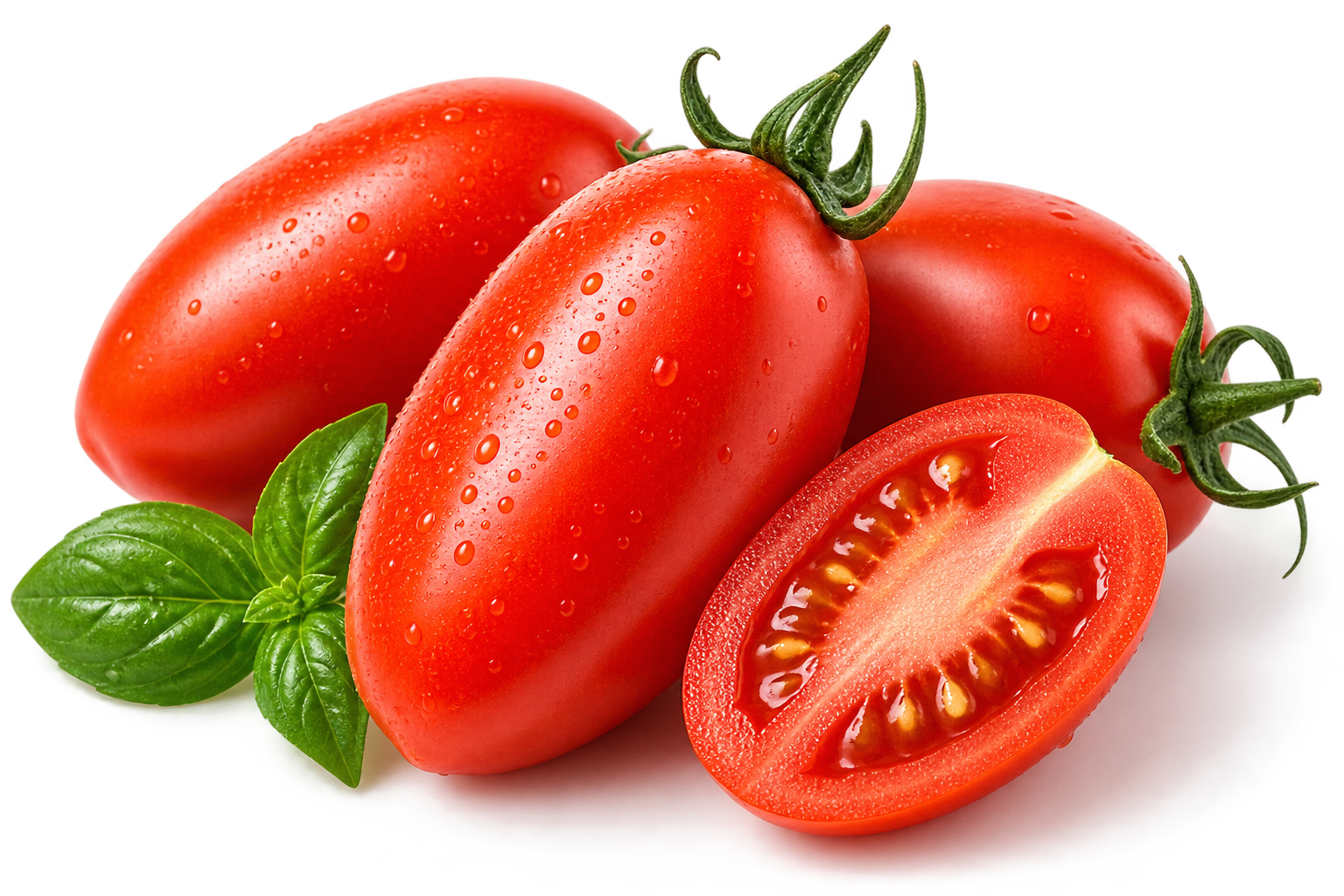
Roma tomatoes are among the most practical professional tomatoes for sauce, roasting,
sautéing, soup and fresh kitchen prep where reduced water content is useful. Their shape
makes them visually reminiscent of San Marzano-style tomatoes, though the terms should not
be treated as exact equivalents.
roma_tomato • TC-ICON-TOMATO-ROMA
Icon path:/academy/ibrary/fruit/roma.png Ingredient page:/academy/ibrary/fruit/tomato.html#roma Base unit: g • Storage: Walk-In Cooler / Produce
Why Roma Matters
Roma tomatoes and related plum tomatoes are cultivated widely in California, Mexico and many
other production regions. They are valued because they tend to be fleshy, relatively low in
moisture compared with slicer tomatoes, and efficient for processing, dicing, cooking and sauce.
Around the world, similar tomatoes may be marketed as plum tomatoes, Italian plum tomatoes,
processing tomatoes or paste tomatoes. Local seed lines, climate adaptation and commercial goals
create many variations within this broad family.
Cherry Tomato
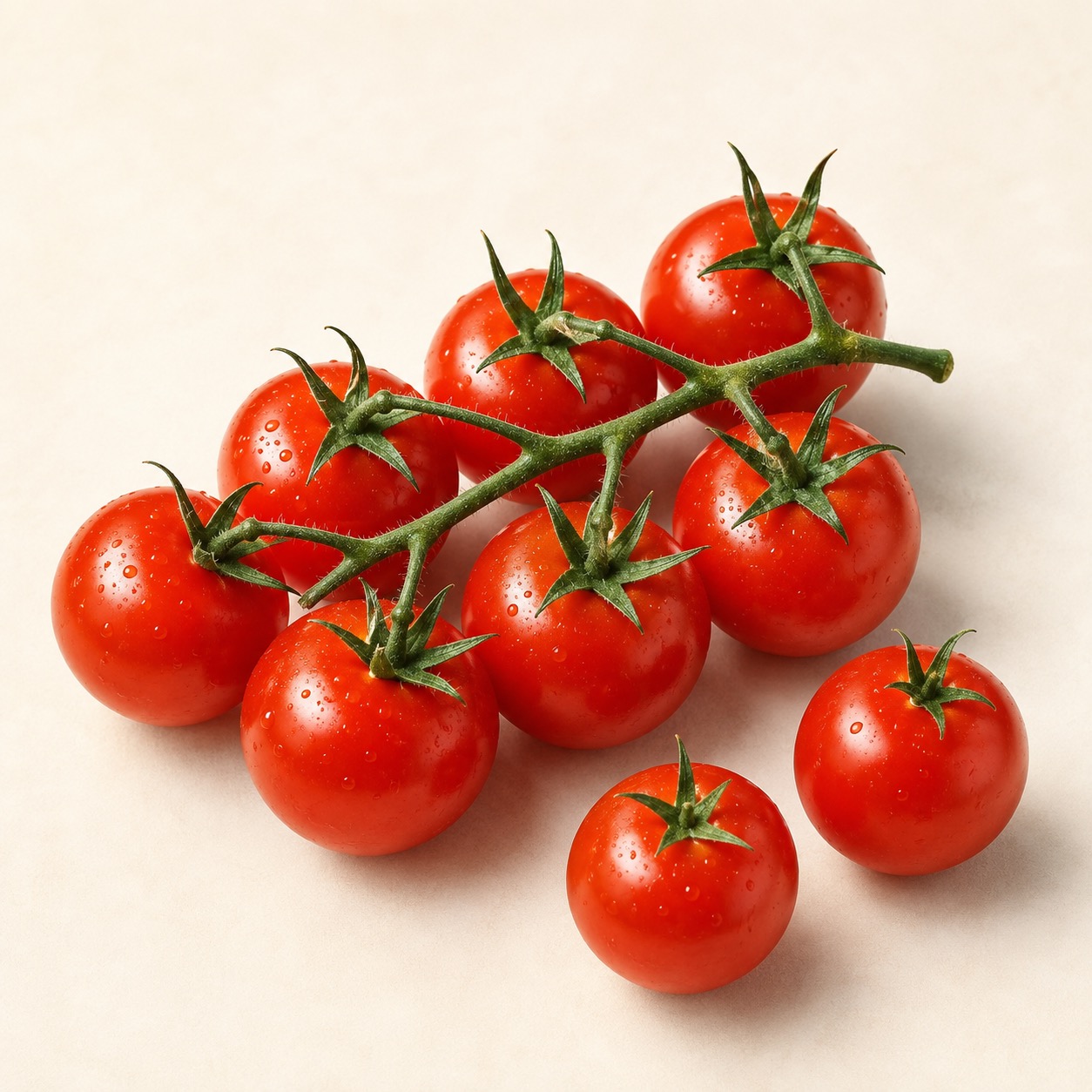
Cherry tomatoes are small, juicy tomatoes prized for their natural sweetness,
lively acidity and attractive presentation. Their compact size makes them especially
useful in salads, antipasti, roasting, pasta finishing, composed plates and one-bite
preparations where the tomato itself can become part of the presentation.
cherry_tomato • TC-ICON-TOMATO-CHERRY
Icon path:/academy/ibrary/fruit/cherry.png Ingredient page:/academy/ibrary/fruit/tomato.html#cherry Base unit: g • Storage: Walk-In Cooler / Produce
Professional Culinary Use
Choose firm, fully colored cherry tomatoes with taut skins and clean green stems when
vine-attached. Their high skin-to-flesh ratio helps them hold shape during roasting,
while their concentrated sweetness works well raw or lightly cooked. For service,
keep them refrigerated for storage but allow quality fruit to temper slightly before
raw presentation for better aroma and flavor.
On the Tuscany Cuisine platform, Cherry Tomato can connect directly to recipes,
Live Inventory, purchasing, station prep and ingredient usage records without being
confused with Roma, grape or canned tomato identities.
Grape tomatoes are small, oval or oblong tomatoes, with a shape that resembles a grape.
This card gives them a separate culinary and inventory identity from the Cherry Tomato
card above, while keeping both within the same tomato family.
Characteristics: a compact form, firm bite and sweet tomato character.
Shape, skin texture and sweetness vary among cultivars and with ripeness; evaluate the
actual fruit rather than treating every grape tomato as identical.
grape_tomatoes • TC-ICON-TOMATO-GRAPE
Icon path:/academy/ibrary/fruit/grape-tomatoes.webp Ingredient page:/academy/ibrary/fruit/tomato.html#grape Base unit: g • Storage category: Walk-In Cooler / Produce
Flavor Profile & Culinary Uses
Flavor profile: sweet tomato character with a firm, compact bite.
Use grape tomatoes in raw preparations or roast them for a different texture and finish.
Taste each delivery to judge its sweetness, texture and suitability for the intended dish.
In the Cremini Mushroom Risotto: halved grape tomatoes are gently cooked
in olive oil with salt and pepper until soft and lightly jammy, then finished with basil
chiffonade. The tomato and basil confit provides the recipe’s bright finishing garnish.
Recipe and inventory identity: the record uses grape_tomatoes,
matching the existing risotto ingredient key. Its dedicated graphic is
grape-tomatoes.webp, not the Cherry Tomato graphic.
Campari tomatoes are small-to-medium round cocktail tomatoes valued for a more polished fresh-market profile:
smooth skin, attractive red color, juicy flesh and a balanced sweet-acid flavor. In many professional kitchens
they sit between cherry-style sweetness and larger slicer practicality, making them especially versatile.
They work well where the cook wants a fresh tomato identity that is sweeter and more elegant than a basic round
tomato, yet more substantial than very small cherry fruit. That makes them useful for refined antipasti,
seafood plating, warm garnishes, roasting and composed vegetable applications.
campari_tomatoes • TC-ICON-TOMATO-CAMPARI
Icon path:/academy/ibrary/fruit/Campari-tomatoes.webp Ingredient page:/academy/ibrary/fruit/tomato.html#campari Base unit: g • Storage: Walk-In Cooler / Produce
Flavor Profile, Culinary Use & Seasonality
Flavor profile: Campari tomatoes typically show a balanced sweet-acid profile with juicy flesh,
clean tomato aroma and enough natural sweetness to work beautifully in raw and lightly cooked applications.
They usually feel less watery than many standard slicing tomatoes while remaining more tender and juicy than denser plum types.
Culinary use: salads, burrata and mozzarella plates, warm olive-oil tomato garnishes, roasting,
seafood accompaniments, tomato-olive sautés, pasta finishing and composed secondi. In the Tuscany Cuisine
Baked Branzino recipe, Campari tomatoes warm gently with Castelvetrano olives to support the fish
without overwhelming it.
Seasonality: Campari tomatoes are commonly available for much of the year thanks to greenhouse supply,
but the best flavor still depends on ripeness, temperature and growing system. In many markets, spring through early autumn
often gives the strongest aroma and sweetness, while quality greenhouse fruit can extend their usefulness beyond the field season.
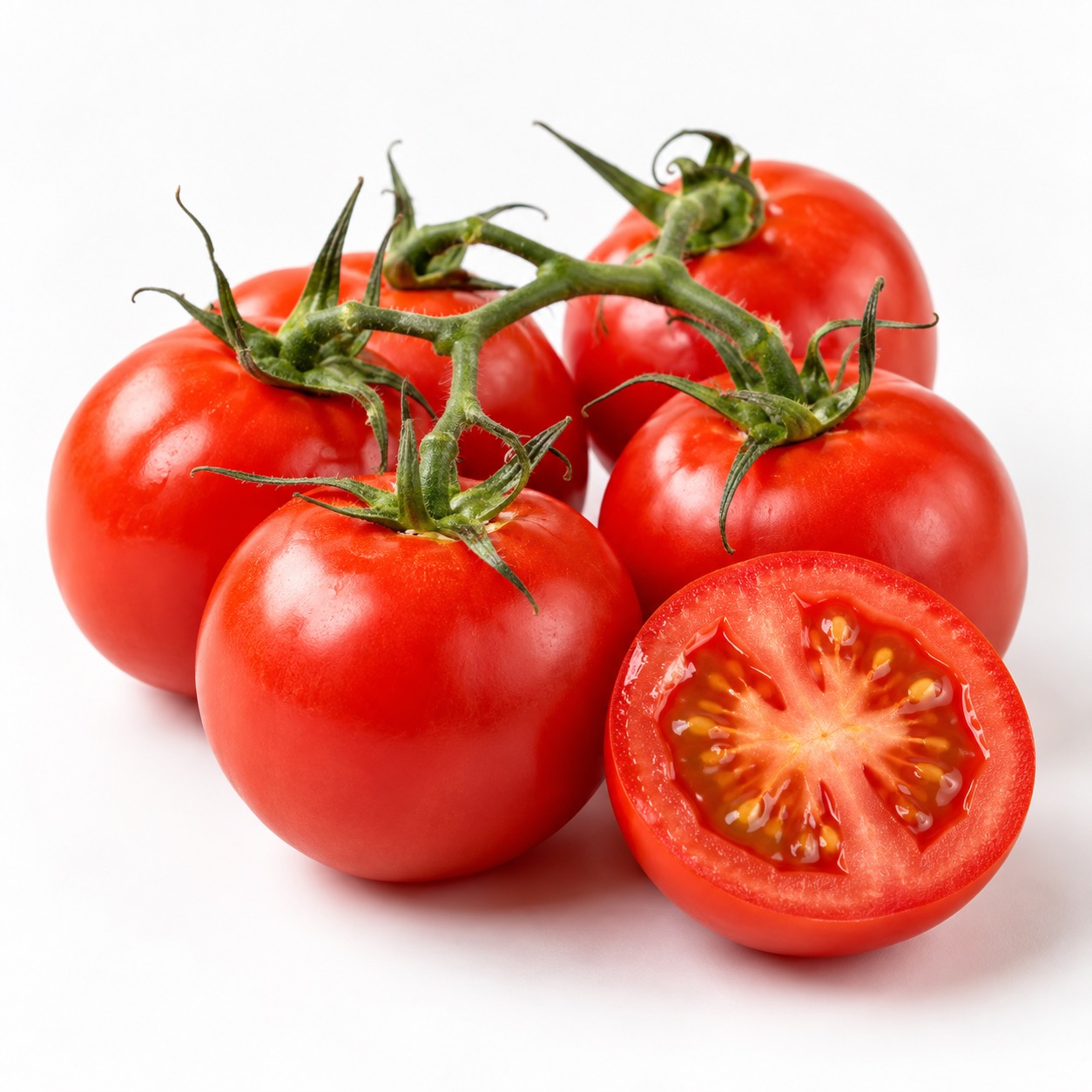
Vine-ripe tomatoes are harvested after developing color and flavor while still attached
to the plant or cluster. They are valued in professional kitchens for their attractive
fresh-market appearance, juicy texture and balanced sweet-acid flavor, especially in
preparations where the tomato is served raw and remains visually important on the plate.
vine_ripe_tomato • TC-ICON-TOMATO-VINE-RIPE
Icon path:/academy/ibrary/fruit/vine.png Ingredient page:/academy/ibrary/fruit/tomato.html#vine-ripe Base unit: g • Storage: Walk-In Cooler / Produce
Professional Culinary Use
Choose firm, ripe fruit with even color, clean skin and fresh green calyxes or stems.
Vine-ripe tomatoes are excellent for slicing, caprese-style plates, burrata presentations,
antipasti, salads, bruschetta, sandwiches and other fresh preparations where juiciness,
aroma and a clean tomato flavor are desired.
For the Tomato & Burrata Tower, the vine-ripe tomato becomes the
exact fresh tomato identity for the recipe instead of relying on a generic tomato record.
The dedicated vine.png icon allows the recipe, Ingredient Library, Live Inventory,
purchasing and future usage records to share the same ingredient identity.
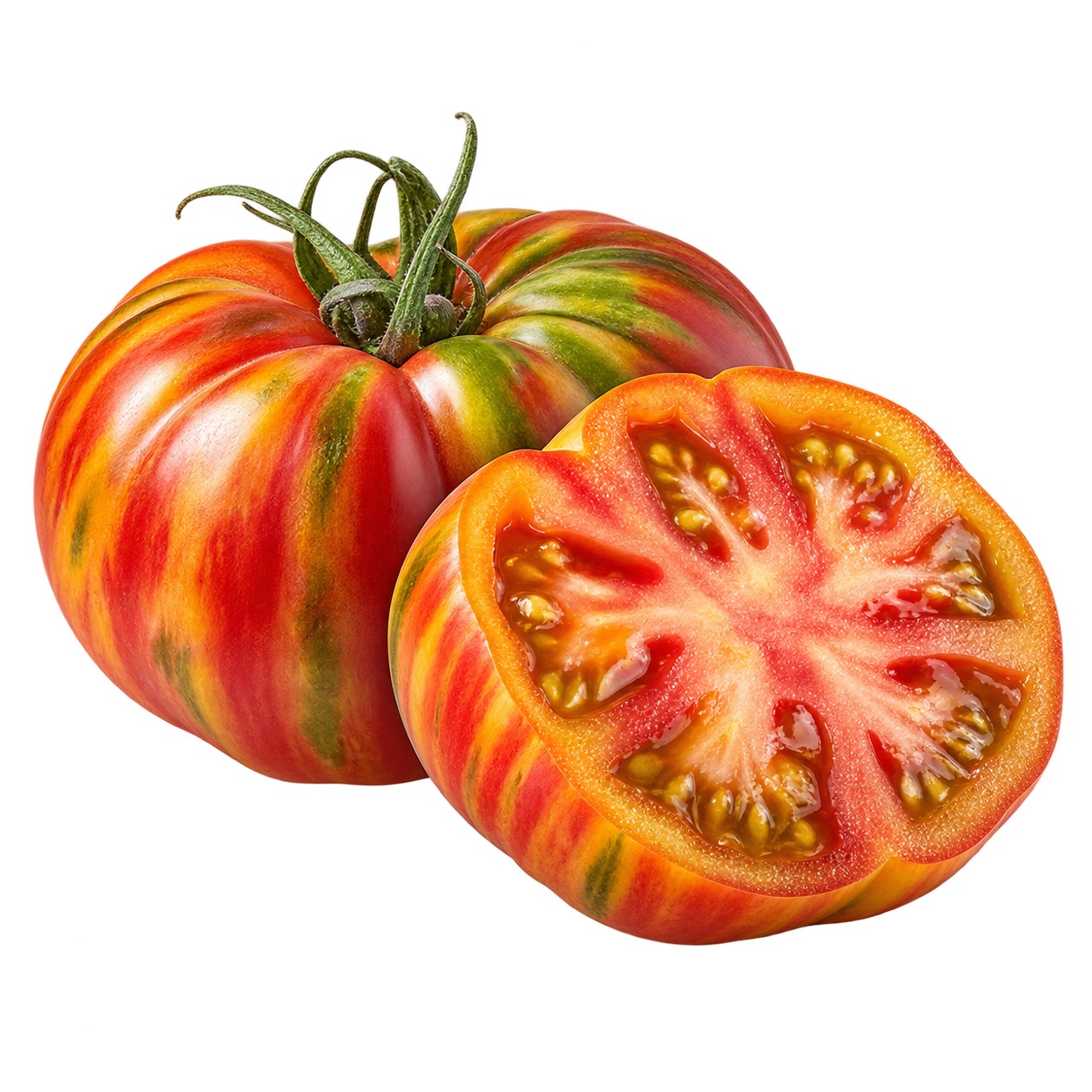
Heirloom tomato is not one single cultivar. In culinary and horticultural use, the term generally describes
older or heritage tomato cultivars that have been maintained through seed saving and are commonly open-pollinated,
allowing growers to preserve recognizable traits from generation to generation. There is no single universal legal
definition of “heirloom,” so age and classification standards can vary among growers, seed organizations and markets.
Heirloom tomatoes are prized for diversity rather than uniformity. Ribbed, flattened, heart-shaped and irregular fruit
may appear in red, pink, purple, green, yellow, orange or striped forms. Italian heritage examples include
Costoluto Genovese and Cuore di Bue, while well-known American heirlooms include
Brandywine and Cherokee Purple.
heirloom_tomato • TC-ICON-TOMATO-HEIRLOOM
Icon path:/academy/ibrary/fruit/heirloomT.png Ingredient page:/academy/ibrary/fruit/tomato.html#heirloom Base unit: g • Storage: Walk-In Cooler / Produce
History, Seasonality & Nutrition
Before modern commercial breeding emphasized uniform size, transport durability and synchronized ripening, tomato
cultivars were often maintained locally by farmers, gardeners and families who saved seed from fruit they valued.
Today, heirloom tomatoes preserve part of that agricultural diversity and are especially important to farmers markets,
specialty produce programs and seasonal restaurant menus.
Seasonality: field-grown heirlooms perform best in warm weather. In many temperate Northern Hemisphere
markets, peak flavor commonly arrives from July through September, with warmer regions beginning earlier
and protected growing systems extending availability. For raw service, aroma, firmness, ripe color and flavor should be
evaluated more closely than cosmetic uniformity.
Representative nutrition per 100 g of raw ripe tomato: about 18 kcal, 0.9 g protein, 3.9 g carbohydrate,
1.2 g fiber and 0.2 g fat, with approximately 237 mg potassium, 13.7 mg vitamin C, 15 µg folate and 2.6 mg lycopene.
Exact values naturally vary among heirloom cultivars, ripeness levels and growing conditions.
Professional use: serve heirlooms where their color, aroma and texture remain visible—composed salads,
burrata or Mozzarella di Bufala plates, bruschetta, cold antipasti and simple olive-oil preparations. Season lightly and
avoid overworking delicate ripe fruit.
Each tomato type below is arranged by culinary identity, flavor profile, use and seasonality so the page works like a professional quick-reference library.
Tomato type
Flavor profile
Culinary use
Seasonality / status
Roma / Plum · Active identity
Fleshy, practical, balanced acid and moderate sweetness
Sauce, roasting, sautéing, soup and canning work
Best in warm-season harvests; used year-round in processing and kitchen prep
Cherry · Active identity
Juicy, sweet-acid, bright and aromatic
Salads, roasting, garnish, pasta finishes and amuse-bouche
Best spring through early autumn; extended greenhouse availability
Balanced sweet-acid, juicy and polished fresh-market character
Salads, warm seafood garnish, roasting, tomato-olive sautés and composed plates
Common nearly year-round through greenhouse supply; best spring to early autumn depending on source
Vine-Ripe / Cluster · Active identity
Juicy, balanced, attractive fresh-market profile
Cold antipasti, burrata, salads, slicing and fresh plating
Available most of the year; best when fully ripe in warm seasons
Heirloom · Active identity
Diverse shapes, colors, aromas and textures
Seasonal menus, salads, mozzarella plates and specialty produce work
Peak summer through early autumn in many temperate field markets
Medley
Mixed color and shape assortment
Visual presentation and composed salads
Usually strongest in the fresh warm season
Beefsteak
Large, meaty and juicy slicing profile
Sandwiches, plating and raw service
Best in warm field season
San Marzano & related Italian types
Celebrated sauce profile with dense flesh and refined acidity
Passata, sauce and preserving
Fresh seasonal product; pantry preservation extends year-round use
Corbarino
Small, concentrated and vivid
Traditional regional sauces and preserves
Fresh seasonal specialty; preserved forms extend availability
Canned Whole Peeled · Active preserved identity
Clean preserved tomato flavor with balanced acidity
Marinara, sauces, braises, soups and pizza sauce
Year-round pantry ingredient
Tomato Paste · Active preserved identity
Concentrated, rich and savory
Sauce enrichment, braises, soups and flavor bases
Year-round pantry ingredient
Sun-Dried Tomatoes · Active preserved identity
Concentrated, chewy, sweet-savory tomato character
Salads, antipasti, seafood, pasta, sauces and composed plates
Year-round pantry ingredient
Tomato Skins Powder · Active derivative identity
Dry, bright and concentrated tomato note
Garnish, dough enrichment, seasoning blends and sauce finishing
Year-round once preserved and dried
How Tomato Seeds Traveled, Changed & Were Controlled
Seed history is also political history.
As tomatoes spread across continents, their seeds were repeatedly selected, exchanged and controlled.
Colonial systems moved plant material through conquest and trade. Later, regional agriculture, public
research institutions, seed merchants, commercial breeders and national agricultural policies all shaped
which tomatoes became dominant in different places.
Over centuries, governments and agricultural systems have influenced tomato variety distribution through
land use, trade regulation, plant-breeding programs, protected denominations, food industry demand and
export priorities. This is one reason tomato families can appear similar across the world while still
carrying local names, local seed histories and different cultural meanings.
Culinary Uses
Few ingredients cross as many techniques and menu styles as the tomato.
Tomato sauce, marinara, pomodoro, braising liquids, pizza sauces and base sauces for many other preparations.
Soup & Broth Enrichment
Tomato soups, fish soups, vegetable soups and sauces benefit from tomato acidity and color.
Concentration
Reduction, roasting and paste intensify sweetness, umami and body while reducing excess water.
How to Make Tomatoes for Canning & Preservation
Good preserved tomato begins with the right fruit and clean processing.
Select sound, ripe tomatoes with good flavor and no major spoilage.
Wash and sort carefully, removing damaged fruit.
Blanch and shock if peeling whole tomatoes.
Choose the product style: whole peeled, crushed, passata, puree or sauce base.
Control salt, acidity and consistency according to the intended final use.
Use proper food-safety procedures and approved preservation methods for shelf-stable canning.
Professional principle:
plum and processing tomatoes are often preferred for canning because they are fleshy and efficient,
but excellent preserving can also be done with other varieties when flavor is the priority.
Professional Kitchen Use of Canned Peeled Tomatoes
In many kitchens, high-quality canned whole peeled tomatoes are more consistent than mediocre fresh tomatoes.
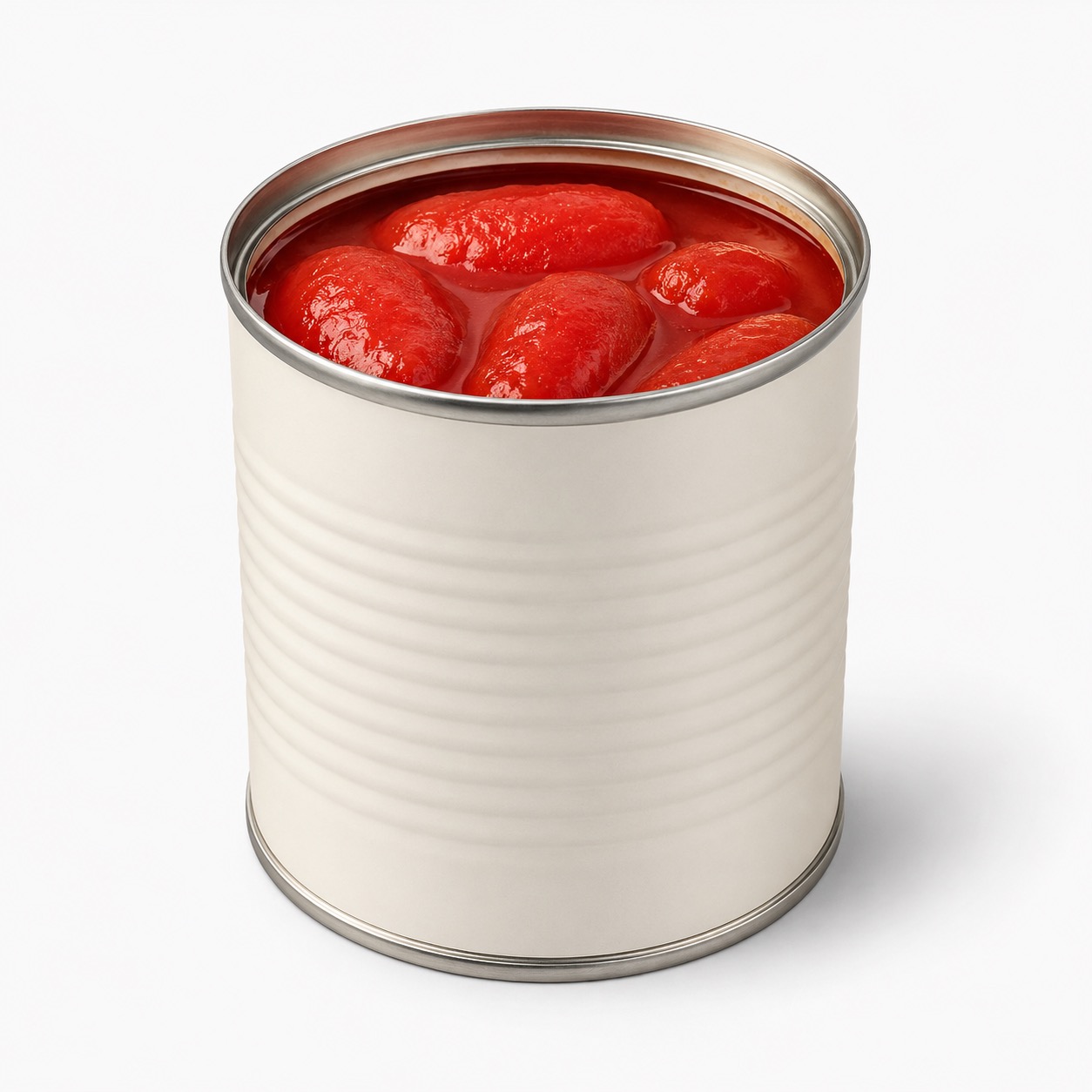
Canned Whole Peeled Tomatoes
This generic can graphic represents the professional pantry identity for
whole peeled tomatoes packed in tomato juice or purée. It is intentionally
brand-neutral so the same Tuscany Cuisine ingredient identity can support
different approved suppliers without changing the recipe record.
Icon path:/academy/ibrary/fruit/cantomato.png Ingredient page:/academy/ibrary/fruit/tomato.html#canned-peeled-tomatoes Base unit: g • Storage: Dry Storage / Canned Goods
For tomato sauce, marinara and other cooked preparations, professional cooks often choose canned whole
peeled tomatoes with clean flavor, good flesh integrity and balanced natural acidity. Good canned tomatoes
are especially valuable when fresh tomatoes are out of season or too watery for the intended sauce.
Rather than focusing only on labels, evaluate canned tomatoes by these kitchen criteria:
Whole fruits that are fleshy rather than broken down into mush
Balanced sweetness and acidity
Clean tomato aroma without metallic or stale notes
Reasonable seed and skin quality for the intended application
A packing liquid suitable for sauce work, not excessively watery or artificially thickened
Whole peeled tomatoes are often the most versatile starting point because the cook retains more control over
texture. They can be crushed by hand, milled, simmered into marinara, cooked into longer tomato sauces, or
reduced further for richer preparations.
Tomato Paste
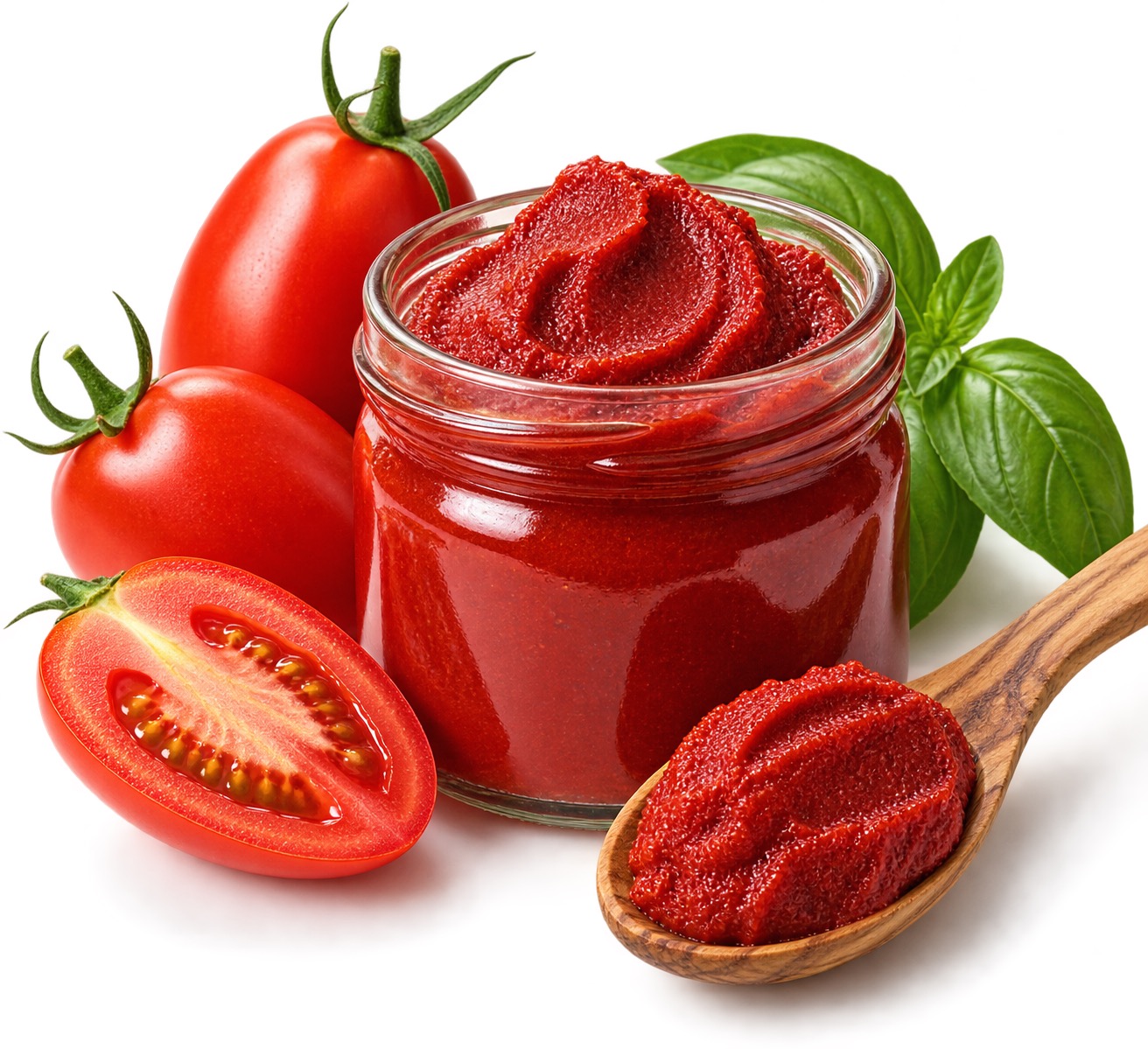
A concentrated pantry tomato ingredient made by cooking, straining and reducing tomatoes until the natural solids become dense, rich and intensely flavored.
Tomato Paste Identity
Tomato paste is a concentrated tomato product used to strengthen color, aroma,
body and savory depth in sauces, braises, soups and many professional kitchen
flavor bases. Because much of the water has been removed, a small quantity can
deliver a significant tomato impact.
tomato_paste • TC-ICON-TOMATO-PASTE
Icon path:/academy/ibrary/fruit/tpaste.jpeg Ingredient page:/academy/ibrary/fruit/tomato.html#tomato-paste Base unit: g • Storage: Dry Storage / Tomato Products
How Tomato Paste Is Fabricated
Tomato paste is usually produced from fleshy processing tomatoes with good color and solid content,
often plum or paste-style tomatoes related to Roma or other industrial processing types. The tomatoes
are washed, sorted, crushed and heated, then skins and seeds are removed. The pulp is cooked and
reduced under controlled heat until it reaches a thick concentrated consistency. It may then be packed
in cans, tubes, jars or aseptic pouches.
In premium or traditional products, the ingredient list may be simply tomatoes. In commercial production,
some products may also include salt, citric acid or other acidity regulators for stability and shelf-life,
depending on supplier, style and packaging. Not every tomato paste contains added preservatives, so the
product should always be checked by label and supplier specification.
Culinary Uses
Tomato paste is commonly sweated or lightly caramelized in oil at the beginning of a preparation to
reduce raw flavor and build deeper sweetness. It is important in tomato sauces, meat braises, seafood
sauces, soups, stews, risotto bases, marinades and compound vegetable preparations. It can also be diluted
into stocks, broths or pan sauces when only a small controlled tomato note is needed.
In professional kitchens it is useful because it stores efficiently, provides strong flavor density,
and helps standardize tomato intensity across recipes.
Nutrition & Product Notes
Tomato paste is naturally rich in tomato solids, which means it concentrates nutrients as well as flavor.
It typically provides carbohydrates from natural tomato sugars, modest fiber, potassium and notable levels
of lycopene, the red carotenoid pigment associated with tomatoes. Because it is concentrated, sodium content
depends heavily on whether salt has been added by the manufacturer.
Operationally, once opened it should be transferred or kept clean, tightly wrapped or sealed, refrigerated,
and used according to kitchen food-safety practice. Tubes are often convenient for portion control, while
cans are economical for high-volume kitchens.
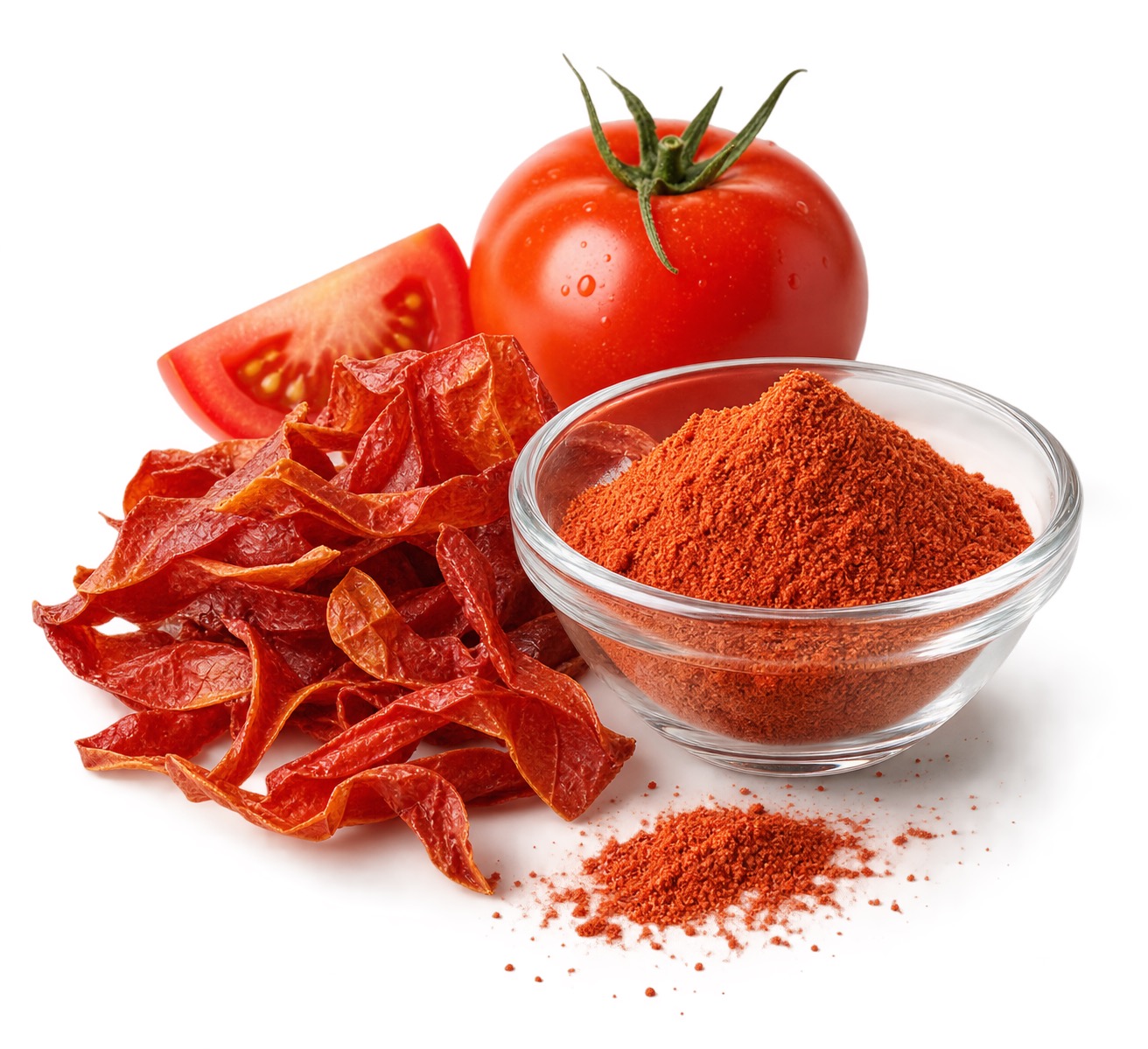
Sun-Dried Tomatoes · Pomodori Secchi
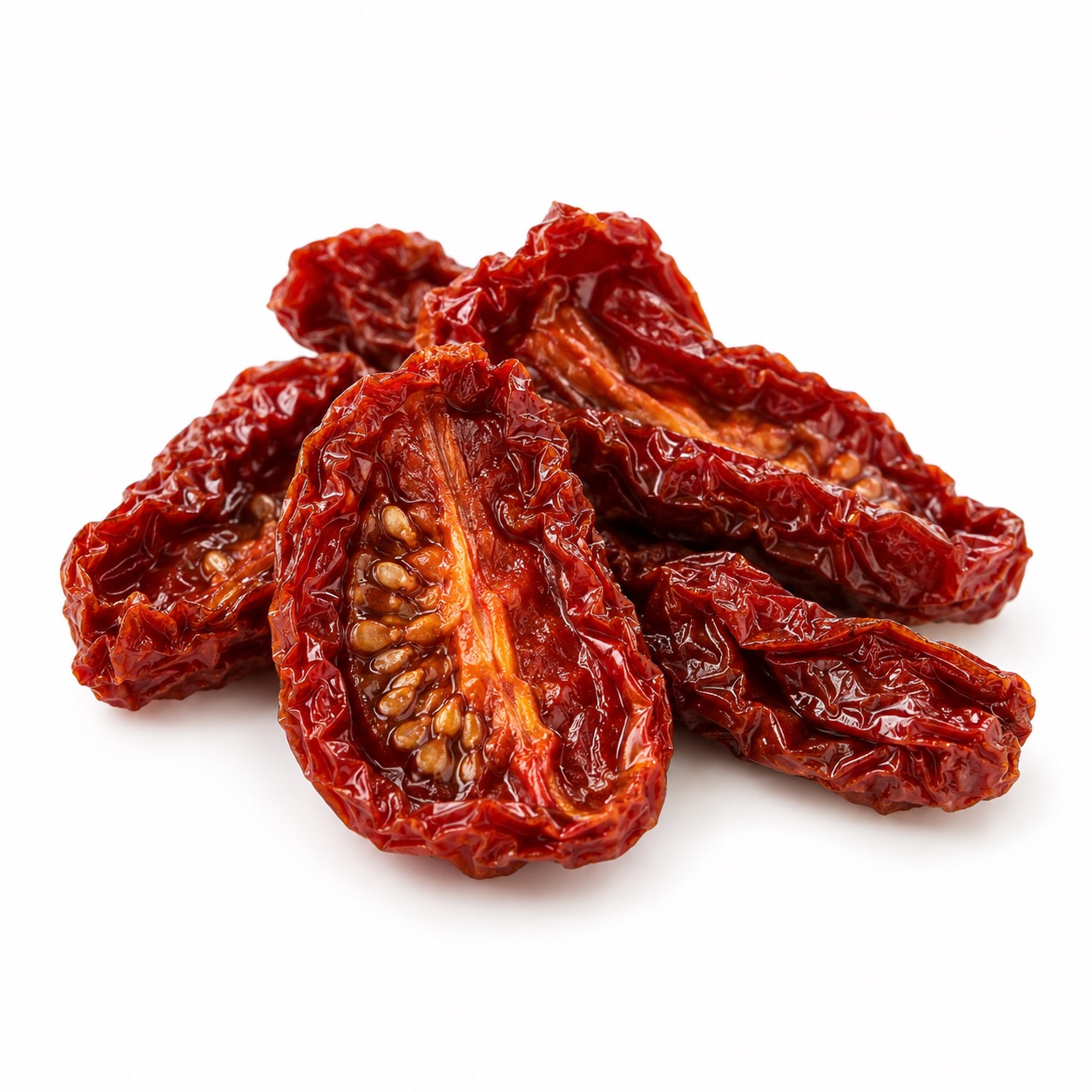
A concentrated preserved tomato ingredient with deep sweet-savory flavor, chewy texture and strong Mediterranean character.
Sun-Dried Tomatoes Identity
Sun-dried tomatoes are ripe tomatoes preserved by removing much of their natural water,
traditionally through sun drying and today also through controlled dehydration. As moisture
decreases, sweetness, acidity, umami and tomato aroma become more concentrated, creating a
dense pantry ingredient that can add strong tomato character without adding excess liquid.
sun_dried_tomatoes • TC-ICON-TOMATO-SUN-DRIED
Icon path:/academy/ibrary/fruit/sdrytomatoes.webp Ingredient page:/academy/ibrary/fruit/tomato.html#sun-dried-tomatoes Base unit: g • Storage: Dry Storage / Preserved Produce
Production, Selection & Culinary Use
Tomatoes selected for drying should be ripe, sound and flavorful. Plum and paste-style tomatoes
are especially useful because of their flesh-to-water ratio. Depending on the product, the tomatoes
may be sold fully dry, semi-dry, salted, seasoned, or packed in oil. Professional kitchens should
evaluate salt level, moisture, acidity, texture and oil quality before use.
Sun-dried tomatoes are excellent in salads, antipasti, pasta, grains, seafood preparations,
focaccia, stuffings, compound sauces and vegetable dishes. They can be sliced, julienned,
puréed into pesto-style preparations or rehydrated when a softer texture is desired.
Their flavor is concentrated, sweet, tangy and deeply savory. Classic pairings include extra-virgin
olive oil, garlic, basil, oregano, parsley, capers, olives, cannellini beans, goat cheese, mozzarella,
Parmigiano Reggiano, grilled vegetables, seafood and roasted meats.
Operational Notes
Dry-packed products should remain protected from humidity. Oil-packed products should be handled
according to supplier instructions and refrigerated after opening when required. Because moisture
and salt vary by producer, final recipe seasoning should be adjusted after tasting the actual product.
Tomato Skins Powder
A useful derivative tomato ingredient made by dehydrating tomato skins until brittle, then blending them into a fine savory powder.
Tomato Skins Powder Identity
This ingredient transforms tomato trim into a high-value finishing product. The skins are dehydrated
until fully dry and brittle, then blended to a powder that concentrates tomato color, aroma and umami.
It supports zero-waste thinking while giving the kitchen a visually striking red garnish.
tomato_skin_powder • TC-ICON-TOMATO-SKINS
Icon path:/academy/ibrary/fruit/skintomato.webp Ingredient page:/academy/ibrary/fruit/tomato.html#tomato-skins Base unit: g • Storage: Dry Storage / Dry Garnishes
How It Is Made & Used
Skins from ripe sound tomatoes are separated during peeling or concassé work, laid flat and dehydrated
at low temperature until they become crisp and moisture-free. They are then blended into a fine powder and
stored airtight away from humidity and light. A pinch adds concentrated tomato flavor without adding water.
In professional applications, tomato skins powder can be used as a garnish, mixed into bread or pasta dough,
folded into cracker or tuile bases, dusted onto plates, stirred into compound seasonings, or whisked into
sauces to add color and a subtle concentrated tomato note.
Flavor Profile
The flavor is more concentrated than fresh tomato: savory, slightly sweet, gently acidic and rich in tomato aroma.
The powder is dry, fine and intensely colored, so it works well when only a small amount is needed to reinforce
visual impact and flavor layering.
Best pairings include olive oil, basil, oregano, garlic, Parmigiano Reggiano, black pepper, bread crumbs, pasta dough,
roasted vegetables, seafood sauces and vegetable purées.
Operational Notes
Because it is made from dehydrated skins, yield is naturally low compared with the original raw tomato weight, making
it better suited to finishing and accent work rather than bulk tomato flavoring. The final powder should be kept fully
dry and tightly sealed to prevent clumping.
The powder can also be combined with salt, sugar, spices or dehydrated herbs to create custom seasoning blends for
doughs, sauces, crisps and garnish dusts.
Tuscany Cuisine Platform Ingredient Record
Tomato is a major platform ingredient. This page works as the parent knowledge hub, while individual tomato
types are separated into exact identities for recipes, Live Inventory, purchasing, receiving and usage records, including fresh tomato forms, the Heirloom Tomato identity, concentrated pantry products, preserved Sun-Dried Tomatoes and dry derivative tomato garnish products.
Parent ingredient family
Tomato
Active fresh tomato identities
Roma Tomato · Cherry Tomato · Grape Tomatoes · Vine-Ripe Tomato · Heirloom Tomato
Roma ingredient code / ID
roma_tomato
Roma icon
/academy/ibrary/fruit/roma.png
Cherry ingredient code / ID
cherry_tomato
Cherry icon
/academy/ibrary/fruit/cherry.png
Grape Tomatoes ingredient code / ID
grape_tomatoes
One Ingredient · One IdentityProduceTomatoesRoma TomatoCherry TomatoGrape TomatoesVine-Ripe TomatoHeirloom TomatoTomato PasteSun-Dried TomatoesTomato Skins PowderAntipastiSaladPrimiLive Inventory
Planned Future Tomato Identities
The page now describes nine ingredient identities: Roma Tomato for fresh plum tomatoes,
Cherry Tomato for small fresh tomatoes, Grape Tomatoes for the compact oval fresh tomato identity, Vine-Ripe Tomato for
fresh cluster or vine-ripened tomato applications, Heirloom Tomato for heritage and
open-pollinated specialty tomato applications, Canned Whole Peeled Tomatoes for the pantry
product, Tomato Paste for the concentrated pantry identity, Sun-Dried Tomatoes for the preserved dried-tomato identity, and Tomato Skins Powder
for a dehydrated derivative garnish and dough ingredient. Medley Tomato,
Beefsteak Tomato, San Marzano-Type Tomato and Corbarino Tomato can be added later as separate icons and
connected records under this same tomato family.
Dedicated Tomato film watch page. The Tomato: From the Americas to the Heart of Italian Cuisine.
YouTube video bUrwawMqyOU. Tomato origins in the Americas, arrival in Europe, Italian culinary history,
tomato varieties, cultivation, seasonality, preservation, nutrition, sauce work, pantry products,
Chef David Giani, Tuscany Cuisine Ingredients Library and professional culinary platform.