Professional ingredient knowledge by Chef David Giani
Legume Foundation • Mediterranean Pantry
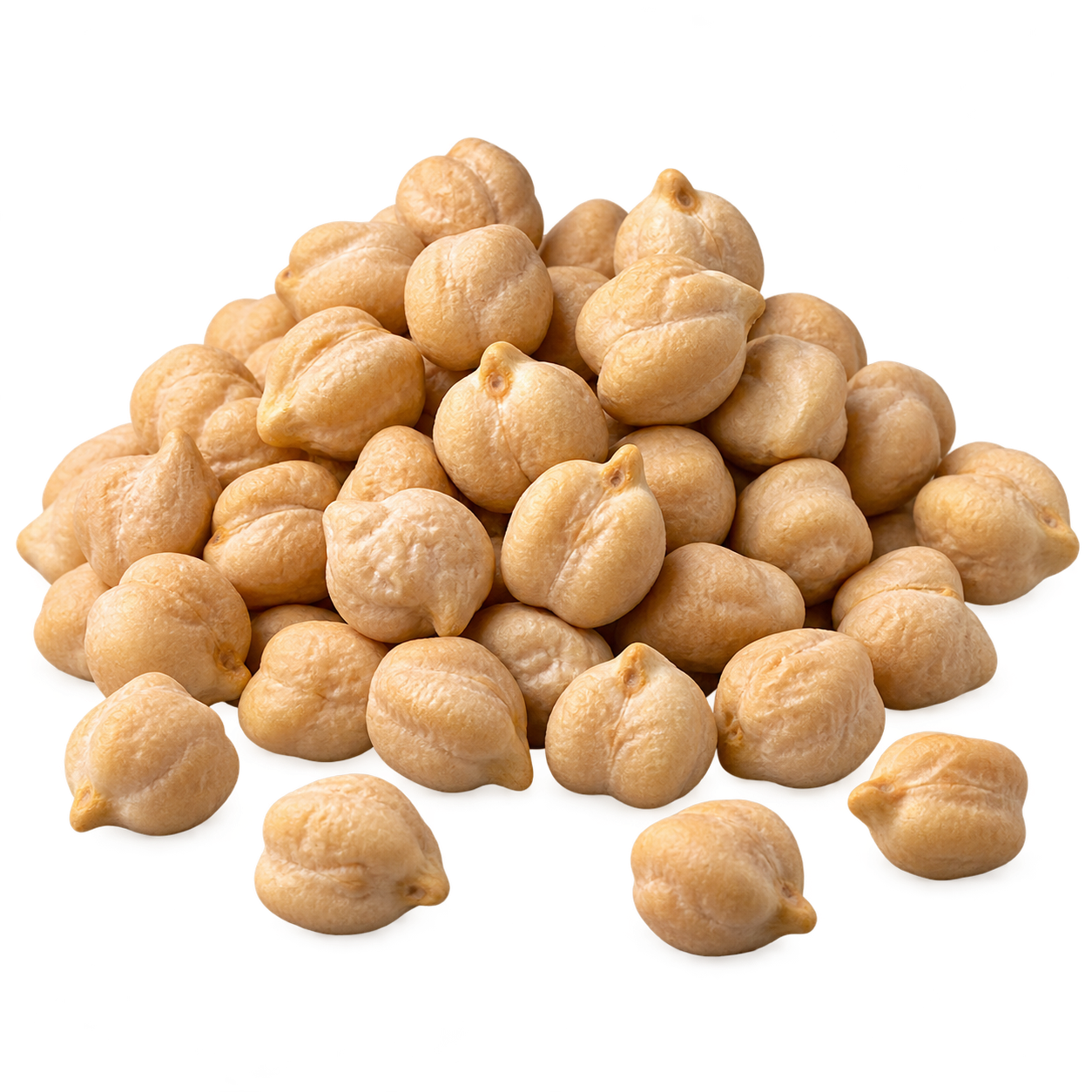
Garbanzo Beans
Also called chickpeas or ceci, garbanzo beans combine a gently nutty flavor,
creamy interior and firm structure. They move naturally from rustic Tuscan soups and
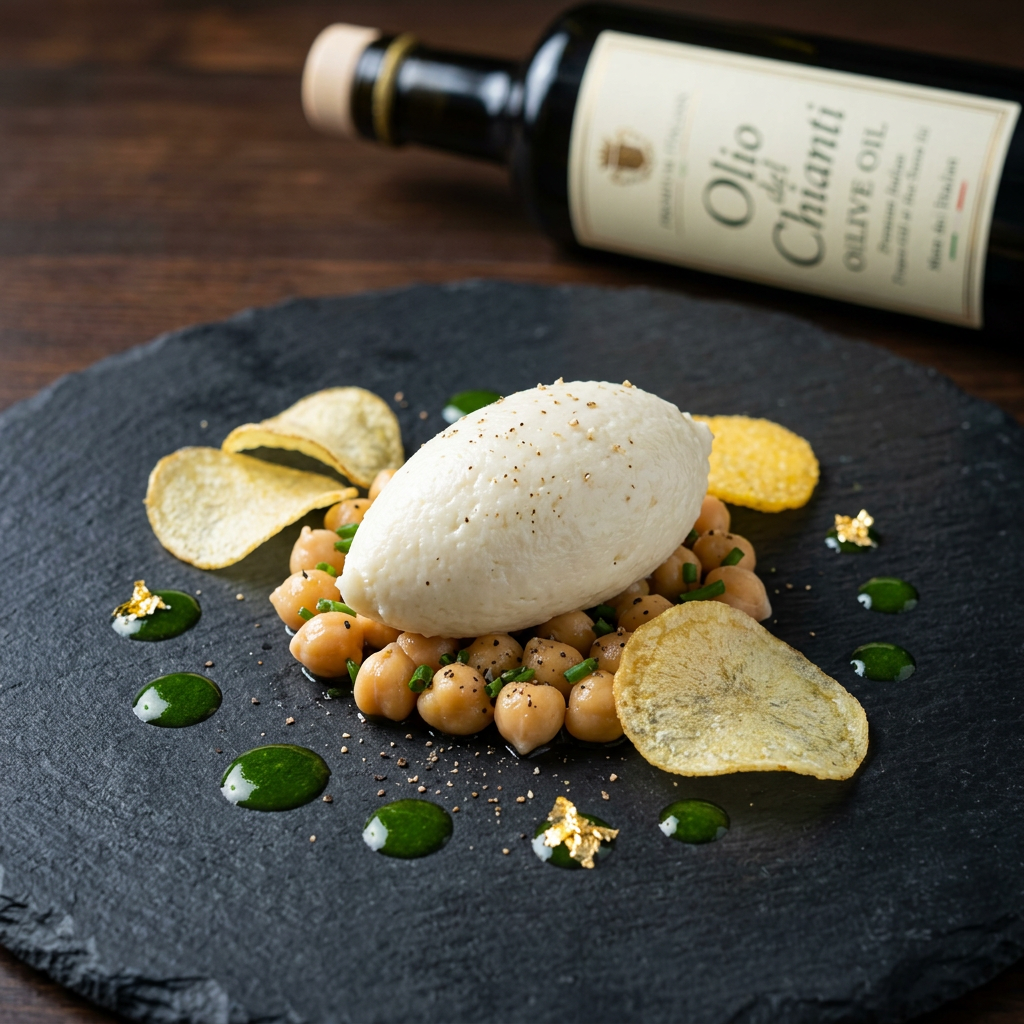
salads to purées, fritters, flour, roasted snacks and refined restaurant garnishes.
A chickpea's final texture is controlled by variety, age, soaking, water quality,
cooking method and the point at which acidic ingredients enter the preparation.
Chickpeas have traveled through Mediterranean, West Asian, North African and South Asian food traditions for thousands of years.
From Early Cultivation to Tuscan Cooking
Archaeological and agricultural sources connect early chickpea cultivation with
southeastern Anatolia and the surrounding region. The crop spread widely because
the dried seed stored well, traveled easily and supplied substantial nourishment.
In Italy, ceci became part of soups, pasta dishes, salads, stews and regional
flatbreads. In Tuscany, chickpeas suit the cucina povera tradition: humble pantry
ingredients transformed through careful soaking, patient cooking, olive oil,
herbs and disciplined seasoning.
Ingredient Forms
One Chickpea, Four Operational Records
Keep each form distinct because its weight, water content, labor, cost and edible yield are not interchangeable.
Primary Platform Record
Dry Chickpeas
Stable pantry product that requires sorting, rinsing, hydration and cooking.
Best control of seasoning and texture
Yield changes after hydration
Inventory: garbanzo_beans_dry
Prepared In-House
Cooked Chickpeas
Hydrated and fully tender beans ready for service or another preparation.
Record cooked edible weight
Track batch yield and labor
Inventory: garbanzo_beans_cooked
Convenience Form
Canned Chickpeas
Ready-cooked product packed in liquid; drain, rinse when appropriate and verify sodium.
Fast production
Track drained edible yield
Inventory: garbanzo_beans_canned
Milled Form
Chickpea Flour
Finely milled dry chickpeas used for batters, fritters, flatbreads and pasta.
Behaves differently from whole beans
Store airtight and rotate carefully
Inventory: chickpea_flour
Professional Technique
Preparing Garbanzo Beans With Control
Quality depends on uniform hydration, controlled cooking and matching the finished texture to the dish.
🔎
Sort & Rinse
Remove stones, damaged seeds and field debris, then rinse until the water runs clean.
💧
Soak
Cover generously with cold water and hydrate under refrigeration for a predictable, even cook.
🍲
Gentle Simmer
Cook without a violent boil so skins remain more intact and the interior becomes creamy.
⏱️
Pressure Cook
Use controlled pressure for faster production, adjusting time for bean age, soak and final use.
🥣
Purée
Blend fully tender chickpeas with liquid and fat for hummus, soups, sauces and smooth garnishes.
🔥
Roast
Dry the surface well, season and roast until crisp for snacks, salads and textural garnish.
🥗
Marinate
Dress warm cooked beans so olive oil, herbs, garlic and acidity season the interior more effectively.
🌾
Mill to Flour
Use commercially milled chickpea flour for reliable fineness in panelle, farinata and batters.
Chef's texture rule: Add strongly acidic ingredients such as tomato, vinegar or lemon after the chickpeas are close to the desired tenderness. Acid introduced too early can slow softening and make production timing less predictable.
Cooking Workflow
Dry-to-Cooked Production Sequence
Use batch records rather than a fixed universal yield; variety, age and target tenderness change the result.
Stage
Professional action
Control point
Record in operations
Receive
Inspect the bag, lot, seed uniformity and aroma.
No insects, moisture, mold or rancid odor.
Supplier, lot, purchase weight and unit cost.
Sort & rinse
Remove foreign material and damaged beans.
Use potable water and clean food-contact equipment.
Trim or sorting loss when material.
Hydrate
Soak with ample cold water under refrigeration.
Allow room for expansion; label start time and batch.
Dry input weight and soaked weight.
Cook
Simmer or pressure cook to the recipe's target texture.
Test several beans, not only one sample.
Cook time, seasoning and finished yield.
Cool / hold
Use immediately or cool promptly according to the kitchen's HACCP plan.
Protect from contamination and follow local food code.
Production date, use-by control and storage location.
Nutrition & Menu Planning
A Nutrient-Dense Plant Ingredient
Values vary by cultivar, cooking method, drained weight and brand. Use the supplier or USDA record that matches the product in inventory.
Approximate cooked values per 100 g
Energy164 kcal
Protein8.9 g
Carbohydrate27.4 g
Fiber7.6 g
Reference profile: cooked chickpeas without added salt. Confirm the current matching record in USDA FoodData Central.
Practical nutrition notes
Contributes plant protein and dietary fiber to a menu.
Provides folate and minerals including iron and manganese.
Naturally contains no gluten, but cross-contact depends on handling and supplier controls.
Canned sodium varies substantially; compare labels and use drained values for costing and nutrition.
Portion size and the full recipe determine the finished dish's nutrition.
Nutrition information supports menu planning and is not medical advice.
Purchasing & Storage
Professional Quality Standards
The best cooked texture begins with sound, evenly sized beans and a traceable supplier specification.
Choose dry chickpeas that are
Uniform enough to hydrate and cook at a similar rate
Dry, clean and free from insect activity
Free from mold, discoloration and foreign debris
Neutral and pleasantly nutty in aroma
Clearly labeled by supplier, lot and package weight
Appropriate in size for the planned presentation
Storage and handling
Store dry beans sealed in a cool, dry, pest-controlled area
Rotate inventory first-in, first-out and avoid mixing old and new lots
Keep cooked chickpeas refrigerated and labeled under the kitchen's food-safety plan
Record canned goods by net and drained weight when accurate costing requires both
Store chickpea flour airtight and monitor aroma because milled products deteriorate faster
Review supplier allergen and gluten cross-contact statements when required
Tuscany Cuisine Platform
Ingredient Record & Recipe Usage
The same identity connects the education page, recipe icon, inventory, purchasing, cost and production systems.
The new garbanzo bean icon can now follow this ingredient from a recipe page into
Menu Builder, station pick lists, Live Inventory, vendor purchasing, receiving,
nutrition filters and future AI-assisted recipe creation.
Are chickpeas and garbanzo beans the same ingredient?
Yes. Both names refer to Cicer arietinum. In Italian, the common name is ceci.
Should dried chickpeas be soaked?
Soaking is strongly recommended for predictable hydration and a shorter, more even cook. Some pressure-cooking methods can begin with unsoaked beans, but the recipe record should identify which method is used.
Why are my chickpeas still firm after long cooking?
Older beans, mineral-heavy water and acidic ingredients introduced early can slow softening. Use a current lot, soak consistently, cook gently and add strong acids after the beans are close to tender.
Can canned chickpeas replace dry chickpeas directly?
Not by equal weight. Canned beans are already hydrated and cooked. Use drained edible weight and create a separate ingredient record so purchasing, yield, labor, sodium and cost remain accurate.
Are chickpeas naturally gluten-free?
The ingredient itself contains no gluten, but supplier and kitchen cross-contact controls determine whether a finished product can be represented as gluten-free.
Educational Sources
Reference & Verification
Review current supplier specifications and authoritative data whenever purchasing or nutrition records are updated.