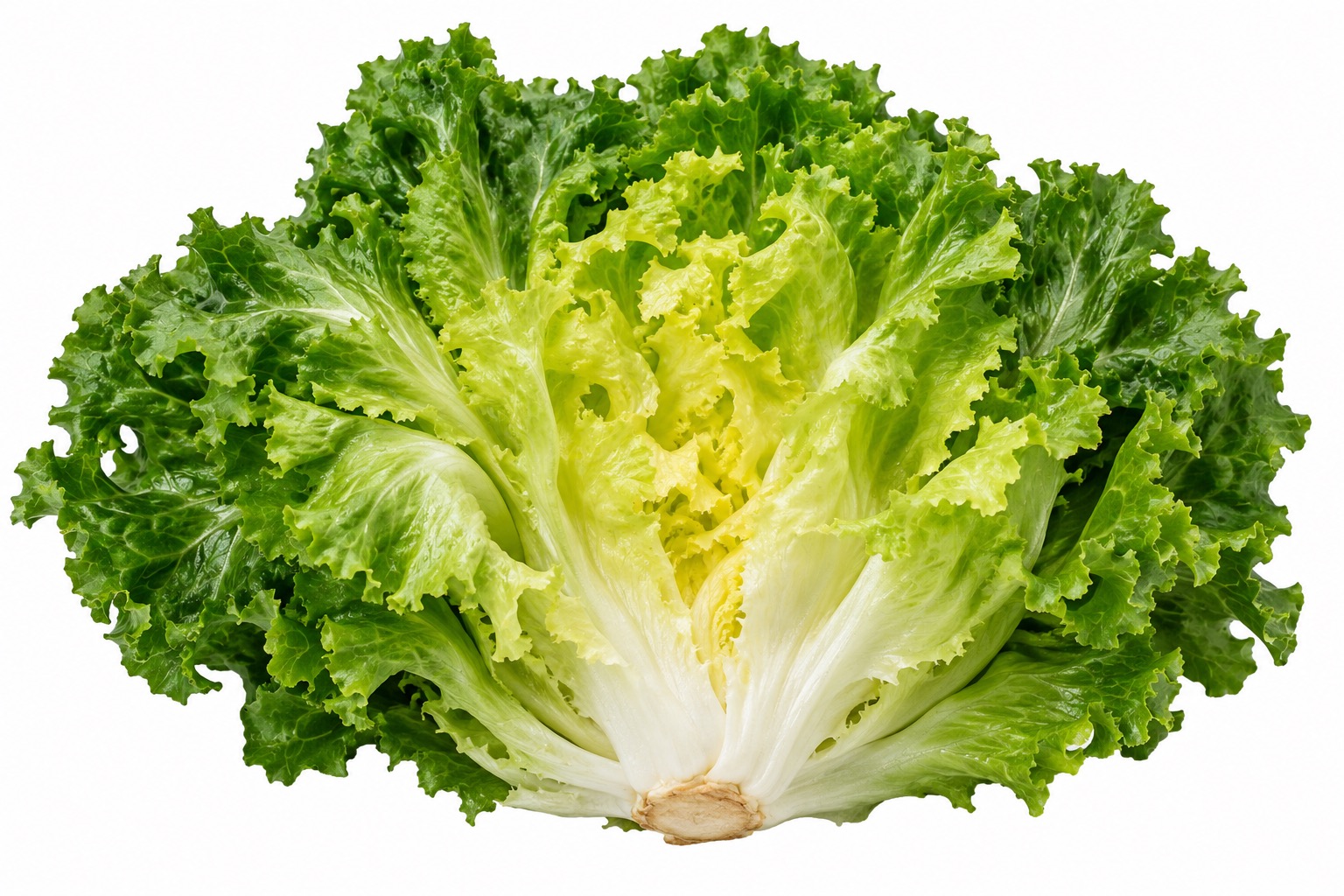
What Is Escarole?
Escarole is the broad, smoother-leaved form of Cichorium endivia. It forms a loose rosette rather than a dense lettuce head. The outside leaves are dark green and more assertive; the protected inner leaves are paler, more tender and milder.
It should not be confused with Belgian endive or radicchio, which are related chicories but belong to a different cultivated group. In professional kitchens, escarole is especially useful because one head can provide both salad-quality inner leaves and sturdy cooking greens.
Origin & Culinary History
Escarole belongs to a family of bitter leafy vegetables long associated with Mediterranean foodways. Horticultural references place Cichorium endivia in the eastern Mediterranean region, with the plant also historically associated with parts of India. From Mediterranean agriculture it became deeply established in European kitchens, including Italy, where scarola developed a strong identity in regional home cooking.
The Italian use of scarola reflects a larger Mediterranean tradition of balancing bitterness with olive oil, garlic, legumes, anchovy, olives, capers, bread and rich broths. Southern Italian preparations are especially well known for cooked escarole, including soups with beans, braised greens, stuffed preparations and savory pies or pizzas.
Seasonality
Escarole is a cool-season vegetable. It performs best in mild temperatures and can tolerate light frost once established. Depending on region, its strongest market season is typically fall through spring, with winter production particularly important in Mediterranean and other mild-climate growing areas.
Availability varies by climate and supplier. In Southern California and other mild regions, commercial availability can extend well beyond the traditional cool-season window.
Flavor, Texture & Culinary Behavior
Raw
The pale heart is crisp, juicy and mildly bitter. Use it in salads when you want more character than standard lettuce without the intensity of radicchio.
Cooked
Heat softens the bitterness and gives the leaves a silky texture while keeping enough structure for soups, beans, braises and sautéed side dishes.
Professional Culinary Uses
Nutrition Profile
Escarole is a low-energy leafy vegetable with fiber and useful amounts of folate, vitamin K, vitamin A precursors and several minerals. Values below reflect standard raw endive/escarole reference data per 100 g and should be treated as approximate because cultivar, growing conditions and trimming affect composition.
| Energy | 17 kcal |
| Protein | 1.25 g |
| Carbohydrate | 3.35 g |
| Dietary Fiber | 3.1 g |
| Fat | 0.2 g |
| Folate | 142 mcg |
| Vitamin K | 231 mcg |
| Vitamin C | 6.5 mg |
| Potassium | 314 mg |
| Calcium | 52 mg |
| Sodium | 22 mg |
Selection, Storage & Preparation
How to Select
- Choose heads with crisp, upright leaves and a fresh, hydrated appearance.
- Look for a pale yellow-green center with darker green outer leaves.
- Avoid slimy edges, strong browning, collapsed leaves or excessive stem discoloration.
Storage
- Keep refrigerated and dry, with enough airflow to prevent condensation.
- Wash close to use rather than soaking before storage.
- For prep production, dry thoroughly after washing before holding in a covered food-safe container.
Kitchen Preparation
- Separate leaves from the core and wash carefully; soil can collect between the layers.
- Use inner leaves raw and reserve stronger outer leaves for cooking.
- For braises or soups, cut into broad ribbons rather than fine chiffonade so the vegetable retains character.
- For pizza, stuffing or savory pies, cook and drain thoroughly before assembly to control excess moisture.
Classic Flavor Pairings
Escarole works particularly well with extra-virgin olive oil, garlic, chile, lemon, vinegar, white beans, chickpeas, lentils, anchovy, olives, capers, sausage, pancetta, Parmigiano-Reggiano, Pecorino, toasted breadcrumbs, pine nuts, raisins and robust broths.