Heat stability
Frying exposes oil to heat, oxygen, water and food particles. Oil selection should consider oxidative stability and fry life—not smoke point alone.
Tuscany Cuisine · Oils & Fats Ingredient Library
Neutral fryer fat · heat stability · clean flavor · professional oil management
A fryer is not only a cooking vessel—it is a production system. The oil must be selected for heat stability, flavor neutrality, product quality, fry life, cost, allergen policy and menu mix. Refined peanut oil can be an excellent premium frying oil, while canola, high-oleic canola and commercial frying shortenings can be better choices for other operations.
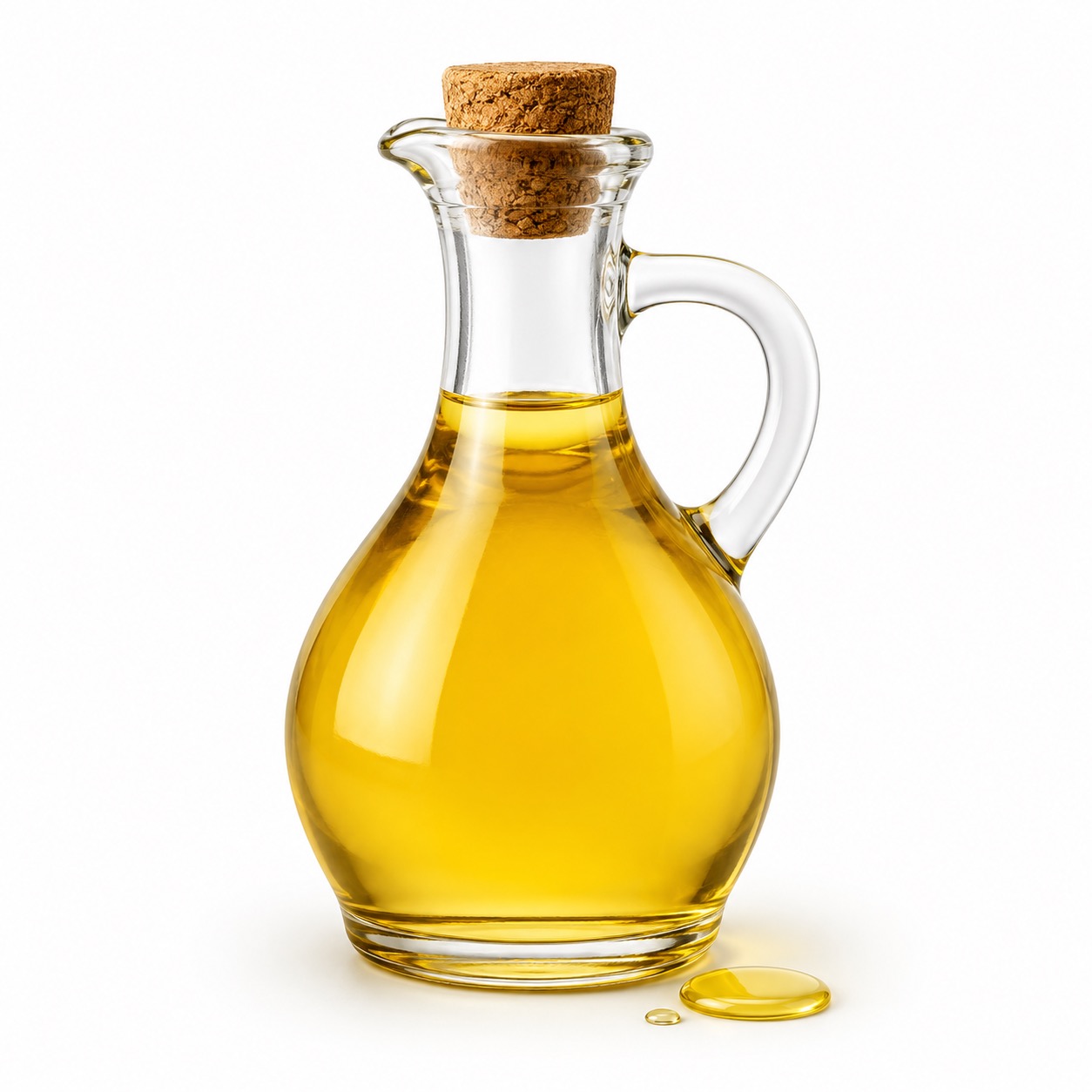
Professional ingredient identity
Restaurants often write “frying oil” on a recipe, but the actual fat can be refined peanut oil, canola oil, high-oleic canola, soybean-based fryer oil, palm-based shortening or a commercial blended fryer fat. Each behaves differently. The Tuscany Cuisine system therefore preserves the existing recipe identity neutral_frying_oil while this page explains which physical oil should be selected for the operation.
/academy/ibrary/oils/fryoil.png in the hero, recipe usage and platform identity sections.Frying exposes oil to heat, oxygen, water and food particles. Oil selection should consider oxidative stability and fry life—not smoke point alone.
A neutral refined oil should support the fried food rather than cover it with a strong seed or nut aroma. Refined oils are generally more neutral than crude or unrefined versions.
Cost, fryer turnover, filtration, menu volume, packaged vs. fresh service, nutrition targets and allergen procedures all affect the correct choice.
Commercial fryer-fat choices
Refined peanut oil is a strong commercial frying option because it tolerates high heat and has a neutral odor compared with crude peanut oil. Oklahoma State notes low off-flavor development during frying and good stability relative to many regular vegetable oils.
Refined canola oil is widely used because it is light in flavor, pourable, economical and suitable for deep frying. Oklahoma State reports a smoke point above 200°C; commercial specifications vary by supplier.
High-oleic canola is formulated through crop selection for greater oxidative stability than standard canola. It is especially useful in operations that want a liquid neutral oil with improved fry life.
Frying shortening is a purpose-built solid or semi-solid fat. Heavy-duty shortenings can provide excellent fry life. They are especially important in bakery applications where the fat behavior after cooling matters.
Food-service manufacturers blend oils to target stability, flavor, cost and fry performance. A restaurant may obtain better consistency from a purpose-built fryer oil than from a generic retail bottle.
Extra-virgin, toasted or strongly flavored oils may be wonderful finishing oils, but they are usually not the first choice for a neutral high-volume fryer because flavor, cost and thermal behavior are different.
How frying oils are produced
Most restaurant frying oil is not “fabricated” inside the kitchen. It is produced industrially, refined for stability and neutrality, and sometimes blended or formulated specifically for food-service frying.
Peanuts, canola seed, soybean, palm or another fat source is selected.
Mechanical pressing and/or commercial extraction separates crude oil from the raw material.
Degumming, neutralization, bleaching and deodorization remove impurities, free fatty acids, pigments and strong aromas.
Oil may be blended or made into a specialized fryer oil or shortening to improve stability and handling.
The kitchen receives the finished product, then controls storage, filtration, temperature, turnover and replacement.
Temperature controls product quality
Oklahoma State identifies approximately 325–375°F as the normal food-service frying range and recommends about 350°F as a useful starting point when developing a new product. USDA FSIS also notes that hot oil is commonly maintained around 350–375°F. Exact temperature must be set for the product, not for the oil alone.
| Product | Practical starting range | Why | Chef control point |
|---|---|---|---|
| French fries | 350–375°F | Rapid crust development and browning | Frozen load causes a major temperature drop; avoid overloading fryer baskets. |
| Calamari | 350–375°F | Fast cooking limits toughness and promotes crisp coating | Dry seafood well and fry small batches so oil recovers quickly. |
| Croquettes | 340–360°F | Crust needs to brown while filling heats through | Very cold or large croquettes may need a lower setting or smaller size. |
| Chicken / thick proteins | 325–350°F | More interior cooking time before crust becomes too dark | Final safe internal temperature is controlled separately from oil temperature. |
| Yeast-raised doughnuts | 350–375°F | Rapid expansion, controlled oil uptake and proper color | Proofing, dough temperature, fryer temperature and fry time must work together. |
Neutral oil vs. shared fryer
Refined peanut oil itself has little aroma and is excellent when the goal is to let the fried ingredient taste like itself. That does not mean potatoes fried after calamari are guaranteed to remain free of seafood flavor or cross-contact.
Refined peanut oil is comparatively neutral, so it does not add the strong peanut aroma associated with crude or roasted peanut products.
Calamari coating, crumbs, proteins and seasoning enter the fryer. If these remain suspended or burn, they affect the next product regardless of the original oil's neutrality.
Seafood, wheat breading and other allergens can cross-contact through shared fryer oil and equipment. Dedicated fryers are the more reliable professional solution when separation matters.
Oil degradation
Oil deteriorates through heat, oxygen, moisture, food particles and time. Idle hot oil can suffer substantial oxidative stress even when no food is being fried. The correct question is not “How many days old is this oil?” but “What condition is the oil in after this operation's actual heat load and turnover?”
Oil and fried food become progressively darker as degradation and food residues accumulate.
Foam that does not quickly collapse can indicate deteriorated oil or contamination.
Oil that begins smoking unusually early is a warning sign of degradation or contamination.
Rancid, paint-like, fishy or harsh odors indicate that the fryer no longer produces clean flavor.
Old oil becomes thicker and more polymerized and can create sticky deposits on equipment.
Objective fryer-oil testing can measure degradation; some jurisdictions use limits around 25–27% TPC.
Commercial fryer management
Use the lowest temperature that gives the required crust, interior cooking and service speed. Higher temperature accelerates oxidation.
Overloading drops oil temperature, extends fry time and can produce greasy food. The fryer should recover to set point by the end of the cycle.
Loose breading and food particles continue to cook, darken and contaminate flavor. Remove them throughout service.
Filter frequently enough for the menu and volume. High-breading operations need more aggressive particulate removal than clean potato frying.
Replace oil carried out by food with approved fresh fryer oil. Do not mix random fryer oils without verifying compatibility and labeling requirements.
During long idle periods, follow equipment and food-safety procedures to reduce unnecessary thermal stress rather than holding full frying temperature all day.
Wet product increases splattering and hydrolytic stress. Drain and dry foods appropriately before entering hot oil.
Season after frying when possible. Salt and food debris accelerate deterioration and contaminate the oil.
Use opening/closing fryer checks, filtration logs, temperature calibration and objective oil-quality testing when the operation requires it.
Allergen & cross-contact control
Under U.S. federal allergen-labeling law, highly refined oils derived from major food allergens are excluded from the statutory definition of a major food allergen. This is specific to highly refined oil and should not be generalized to cold-pressed, expeller-pressed, gourmet or less-refined peanut oils.
Tuscany Cuisine recipe usage
Recipe ID 143 · APP-EGGPLANT-CROQUETTE-0143
Current recipe record: 500 g neutral frying oil for deep frying at the Antipasti Station. The exact physical fryer oil purchased by the restaurant can be refined peanut oil, canola/high-oleic canola or another approved neutral commercial fryer oil.
One ingredient · one identity
neutral_frying_oilneutral_frying_oilneutral_frying_oil/academy/ibrary/oils/fryingoil.html/academy/ibrary/oils/fryoil.png · live graphic iconneutral_frying_oil identity is preserved rather than creating a duplicate record.Frying oil FAQ
It is one of the best choices for many high-temperature restaurant applications because refined peanut oil is heat tolerant and neutral. It is not universally best: cost, supplier availability, allergen policy, menu mix and desired fry life may favor high-oleic canola or a commercial fryer blend.
Yes. A neutral oil reduces the oil's own flavor, but used oil can carry crumbs, seasoning, seafood compounds and cross-contact. Dedicated fryers are the best control when potatoes need a clean neutral profile or allergen separation.
Lower temperatures lengthen frying time and generally increase oil uptake. Proper heat recovery and batch size help create a crust quickly while cooking the interior correctly.
There is no universal number of days. Replacement depends on oil type, fryer temperature, idle time, food load, breading debris, filtration, make-up oil and oil-quality measurements. Replace it when quality criteria indicate deterioration.
Not for standard commercial yeast-raised doughnuts. Typical commercial practice is substantially hotter, commonly around 350–375°F, with several supplier formulations specifying 375°F.
Technical references