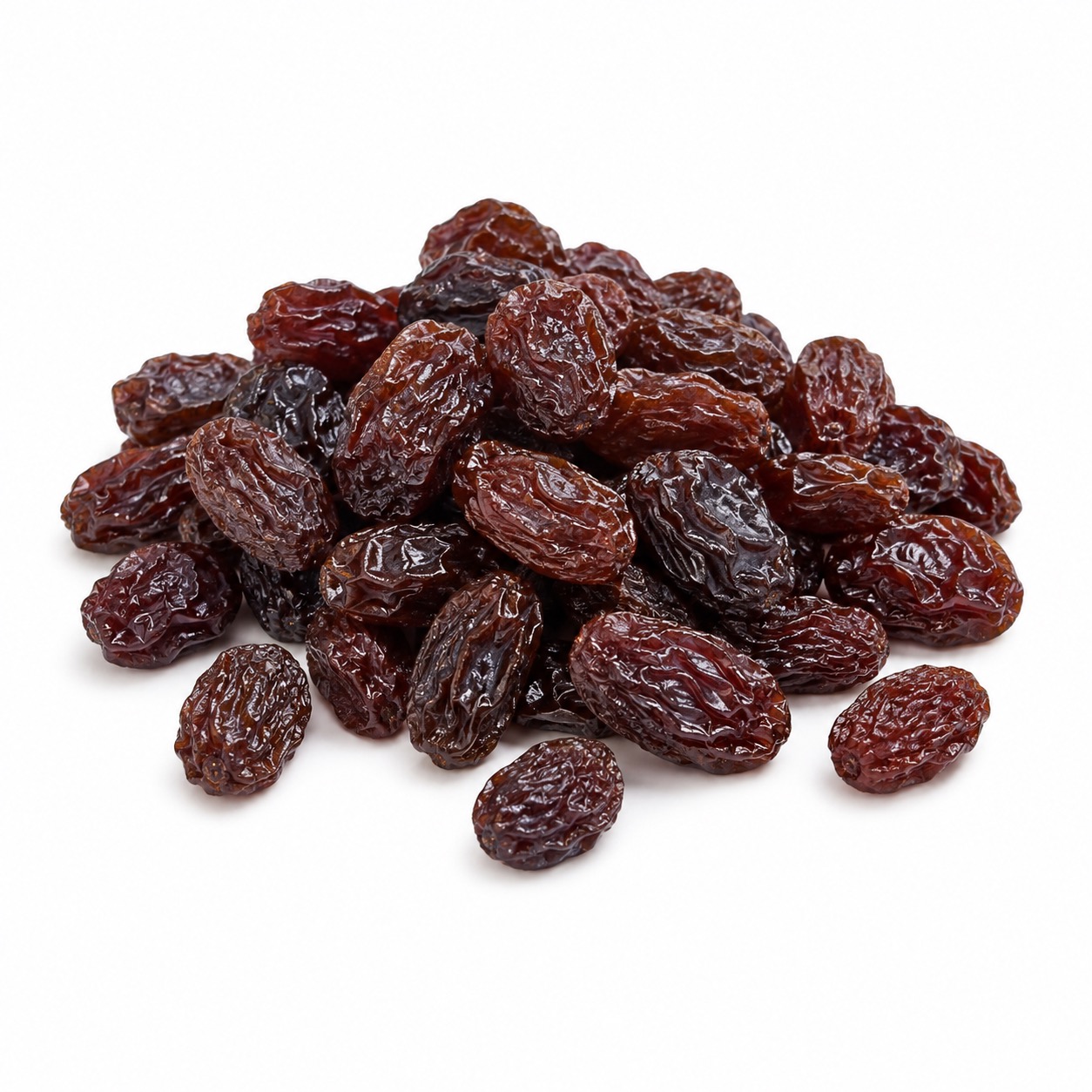
Ingredient identity
Understanding Raisins
Raisins are not one single variety. Their size, color, sweetness, aroma, seed content and culinary behavior depend on the grape variety, climate, harvest maturity, drying method and post-drying treatment.
Botanical origin
Source fruit: Grapes
Scientific species: Vitis vinifera and related cultivated grape selections
Italian: Uvetta / Uva passa
Food category: Dried fruit
Transformation: Dehydration of ripe grapes
Tuscany Cuisine identity
Primary category: Pantry
Subcategory: Dry Fruit
Base unit: g
Primary station: Pantry
Inventory ID: raisins
Icon: uvetta.png
One Ingredient, One Identity: Tuscany Cuisine keeps the recipe identity as raisins. The Italian graphic filename uvetta.png is the visual asset for that same ingredient, not a second inventory item.
History & origin
From Ancient Dried Grapes to a Global Pantry Staple
Drying grapes is one of the oldest fruit-preservation techniques. Warm, dry grape-growing regions discovered that ripe berries could lose moisture in the sun while retaining concentrated sugars and flavor.
- Ancient world
Dried grapes were known across the eastern Mediterranean and Near East in antiquity. Their portability, sweetness and storage life made them valuable as food for travel, trade and winter use.
- Mediterranean trade
Raisin production became associated with warm viticultural regions of Greece, Anatolia, the Levant, Spain, southern France and Italy. Historical European markets distinguished large Muscat-type raisins, seedless sultanas and small Corinthian currants.
- Medieval commerce
Raisins moved through Mediterranean ports into northern Europe, where imported dried fruit became important in festive breads, puddings, meat dishes and preserved foods.
- 19th-20th centuries
Commercial viticulture expanded raisin production in California, Australia and other dry-climate regions. Thompson Seedless became one of the most influential modern raisin grapes.
- Today
Raisins, sultanas and dried currants are produced on several continents and are used in industrial baking, breakfast foods, confectionery, trail mixes, sauces and traditional regional cuisines.
Fabrication & production
How Raisins Are Made
The objective is controlled dehydration: remove enough water to stabilize the grape while preserving sweetness, color, aroma, pliability and clean flavor.
Golden raisins: their bright color is generally achieved through controlled drying and sulfur dioxide treatment that limits enzymatic browning. Natural dark raisins usually brown during sun drying without that bleaching treatment.
Global market
Major Producing Regions
The International Nut and Dried Fruit Council estimated world dried-grape production at about 1.22 million metric tons in 2023/24 and about 1.31 million metric tons for 2024/25.
India & Turkiye
India was the largest producer in the 2023/24 estimate, while Turkiye remains one of the most important long-term producers and international suppliers, especially for seedless sultana-type raisins.
United States
California is the center of U.S. raisin production. Thompson Seedless and related seedless grapes have historically dominated the industry.
China, Iran & others
China and Iran are also major dried-grape producers. China has important raisin production in Xinjiang, especially around Turpan, while Iran maintains a long-established dried-fruit trade.
Quality standards
What Defines a High-Quality Raisin?
Good raisins should be clean, sound, pleasantly sweet, characteristic of their variety and sufficiently pliable without being wet or sticky from spoilage.
Chef quality checklist
- Plump, flexible texture rather than brittle dryness.
- Clean grape aroma with no musty, fermented-off or rancid notes.
- Even color appropriate to the style: natural dark, golden, green or amber.
- Minimal stems, cap-stems, grit and foreign material.
- No visible mold, insect damage or excessive crystallized sugar.
- Flavor should be concentrated and fruity, not scorched or chemical.
Codex perspective
The Codex Standard for Raisins defines tolerances for defects such as stems, cap-stems, immature fruit, damaged fruit and excessive sugar crystallization. It also establishes provisions for food additives and hygiene. These standards are useful references for professional purchasing and quality control.
Purchasing note: quality must match the application. A pastry chef may want uniform soft seedless raisins, while a savory braise may benefit from a more aromatic Muscat-type raisin with deeper grape character.
Varieties around the world
Raisin Styles & Grape Types
Naming varies by country and trade practice, but these are important styles a professional cook or baker should recognize.
Natural Seedless / Thompson
Dark brown raisins commonly made from Thompson Seedless grapes. Balanced sweetness, chewy texture and broad use in baking, cereals, savory dishes and snacks.
Sultanas
Seedless dried grapes associated historically with Anatolia and the eastern Mediterranean. Usually lighter, soft and sweet, with terminology overlapping golden raisins in some markets.
Golden Raisins
Light golden to amber seedless raisins produced with controlled drying and typically sulfur dioxide treatment to preserve color. Tender, bright and useful in delicate pastries, rice and sauces.
Muscat / Malaga Type
Larger, aromatic raisins traditionally made from Muscat grapes. They can have seeds and a pronounced floral grape flavor valued in desserts and table use.
Zante Currants
Very small, dark dried grapes from the Black Corinth type. Intensely flavored and especially important in European cakes, buns, puddings and mincemeat-style preparations.
Flame Seedless
Reddish to dark raisins made from Flame Seedless grapes. They often show a bright fruit character and are used in snack mixes, bakery products and culinary applications.
Green Raisins
Common in parts of Central and South Asia, where shade-drying techniques can help retain green tones and a distinctive tart-sweet profile.
Seeded Raisins
Less common in modern mass retail but still important in traditional products. They can offer large size, rich flavor and strong varietal identity.
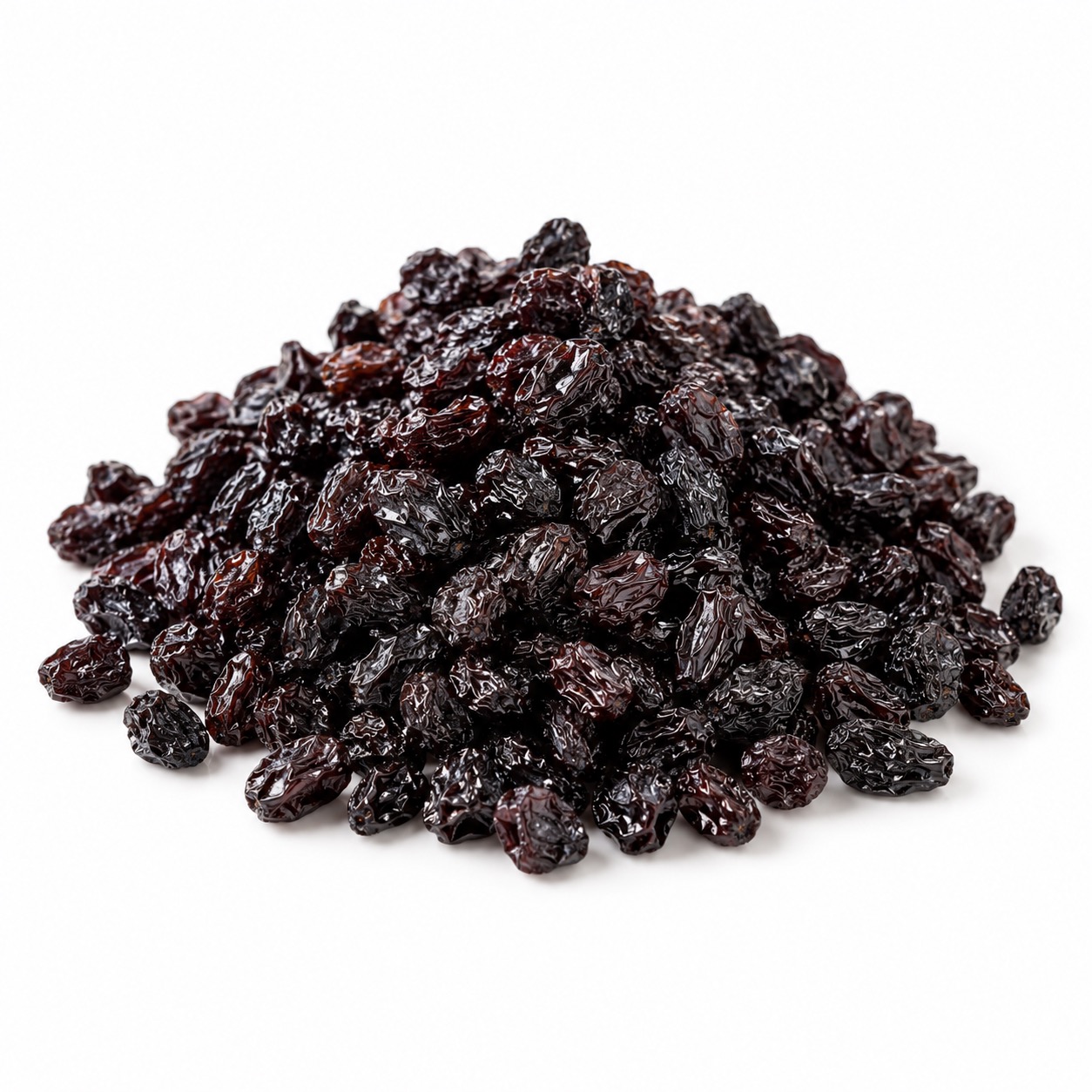
Dedicated ingredient identity
Currants / Zante Currants
Black Corinth grape
Tart-sweet
Bakery classic
Year-round pantry item
Currants in the dried-fruit trade usually refer to Zante currants: very small, dark dried grapes made from the Black Corinth variety. They are smaller and more intensely flavored than standard seedless raisins, with a concentrated sweet-tart taste that makes them especially useful when a recipe needs fruit intensity without the larger chew of ordinary raisins.
In professional kitchens and bakeries, currants are classic in buns, tea breads, holiday cakes, puddings, mincemeat-style fillings and rice preparations. They also work well in savory dishes with fish, game, braised vegetables, pine nuts, vinegar, herbs and tomato-based sauces.
Flavor profile
Deep grape sweetness with a brighter tart edge than standard raisins, plus a compact texture that disperses evenly in doughs, fillings and savory preparations.
Professional use
Excellent for pastries, breads, pilafs, chutneys, agrodolce preparations and refined savory compositions where small size and concentrated fruit are preferred.
Seasonality
Fresh Corinth-type grapes are seasonal in late summer to early fall, but dried currants are a shelf-stable pantry ingredient available year-round.
Tuscany Cuisine note
Currants are distinct enough from general raisins to justify their own visual identity. The icon currant.webp can now support future recipe links and ingredient cards across the platform.
Seasonality
Harvest Season vs. Pantry Availability
Fresh grapes are seasonal; raisins are a preservation product designed for year-round pantry use.
| Stage | Typical timing | Professional note |
|---|---|---|
| Grape ripening | Late summer through fall in many Northern Hemisphere raisin regions. | High sugar and full maturity are important for good dried-fruit flavor. |
| Drying season | Begins around harvest and continues until target moisture and texture are reached. | Warm, dry weather favors traditional sun drying. |
| Market availability | Year-round. | Raisins are shelf-stable when packaged correctly, making them a reliable bakery and pantry ingredient. |
Culinary use
Sweet, Savory & Professional Kitchen Applications
Raisins contribute more than sweetness. They add chew, concentrated fruit acidity, moisture, caramelized notes and contrast to salty, spicy, bitter and roasted flavors.
Flavor partners
Eggplant, onion, fennel, celery, tomato, capers, olives, pine nuts, walnuts, almonds, cinnamon, nutmeg, citrus zest, saffron, vinegar, wine, Marsala, chocolate, apples and aged cheeses.
Chef technique
If raisins are dry or leathery, hydrate them before mixing into dough or fillings. For savory cooking, reduce sweetness with acid, salt, herbs, spice and bitter vegetables rather than using raisins as a dessert-only ingredient.
Baker's natural fermentation
Raisin Water as a Natural Yeast Source for Bread
This is an important traditional use of raisins. Research confirms that raisin-soaked water can develop active fermentative yeasts, including Saccharomyces cerevisiae, and that raisin-derived cultures have been used for breadmaking.
Why it works
Raisins carry microorganisms from the grape and drying environment. When raisins are placed in water, available sugars and nutrients support fermentation. Scientific studies have observed bubbling, cloudiness and strong yeast growth in raisin water, including Saccharomyces and other fermentative yeasts.
For bread, the liquid is not simply a flavoring: it can become the microbial inoculum used to build a flour starter.
Best raisin choice
For natural fermentation, bakers often prefer clean raisins with minimal processing. Unsulfured raisins are commonly chosen because sulfur dioxide is used specifically to control browning and microbial activity in some golden-raisin styles. Avoid raisins with obvious mold, off odors or damaged packaging.
Soak the raisins
Place raisins in a very clean glass jar and cover them with filtered warm water. The water should feel comfortably warm, not hot enough to damage yeast. A practical starting ratio is about 1 part raisins to 4 parts water by weight.
Allow spontaneous fermentation
Cover in a way that allows gas to escape and keep at a moderate room temperature. Swirl or stir daily with clean equipment. Over the next few days, look for bubbles, a fruity fermented aroma, cloudiness and raisins beginning to float. Research using 25% raisin water observed strong fermentation activity beginning within several days.
Blend, then strain
In the Tuscany Cuisine baker method, once the raisin water is clearly active, briefly blend the softened raisins with part of the fermented liquid. Then strain through a fine sieve so the resulting liquid is clean and free of coarse solids. Other baker traditions simply strain the fermented liquid without blending; both approaches use the liquid as the yeast source.
Introduce the liquid into flour
Mix the active strained raisin liquid with flour to form a soft starter. A simple first build can use equal weights of raisin liquid and flour. Keep it at a comfortable fermentation temperature until bubbles and expansion appear.
Refresh until reliable
Feed the starter with fresh flour and water through additional refreshments until it rises predictably and has a clean, pleasantly fermented aroma. At that point it can be incorporated into bread dough as a natural leavening culture.
Important distinction: raisin yeast water and a mature flour sourdough are not exactly the same ecosystem. Raisin water is a fermented fruit liquid rich in yeasts; once it is mixed and refreshed with flour, the culture adapts to the flour environment and can develop into a stable bread starter.
Food safety: use clean jars and utensils. Discard the culture if you see fuzzy mold, pink/orange discoloration, putrid odor, or any sign of spoilage. Fermentation should smell fruity, wine-like, mildly yeasty or pleasantly acidic, not rotten.
Nutrition
Nutrition Facts: Dark Seedless Raisins
Drying removes water, so nutrients and natural sugars become concentrated compared with fresh grapes. The values below are USDA reference values per 100 g of dark seedless raisins.
Per 100 g
Energy299 kcal
Carbohydrate79.3 g
Total sugars65.2 g
Dietary fiber4.5 g
Protein3.3 g
Total fat0.25 g
Potassium744 mg
Calcium62 mg
Iron1.79 mg
Sodium26 mg
Nutrition varies with variety and processing. Golden and dark raisins are similar in macronutrient density, though individual mineral and moisture values can differ.
Selection & storage
Professional Purchasing, Storage & Preparation
Selection
Choose raisins that are flexible, clean and characteristic in color, with no visible mold or excessive stem material. For bakery production, uniform size improves distribution through dough and batter.
Storage
Store tightly sealed in a cool, dry, dark pantry. Protect from humidity and heat. Refrigeration after opening can help maintain quality for extended storage, especially in warm climates.
Reconditioning
To soften raisins, hydrate briefly in warm liquid, then drain well before adding to dough. For wine, rum, Marsala or other flavored soaking liquids, account for the added moisture in the formula.
Tuscany Cuisine recipe usage
Where Raisins Are Used on the Platform
Every connected recipe strengthens the ingredient record and allows the same identity to support recipe scaling, inventory, purchasing and future culinary knowledge tools.
Currants as a connected style
The currant identity belongs to the raisin family but is visually and culinarily more specific. Use currant.webp when the recipe specifically calls for currants or Zante currants rather than generic raisins.
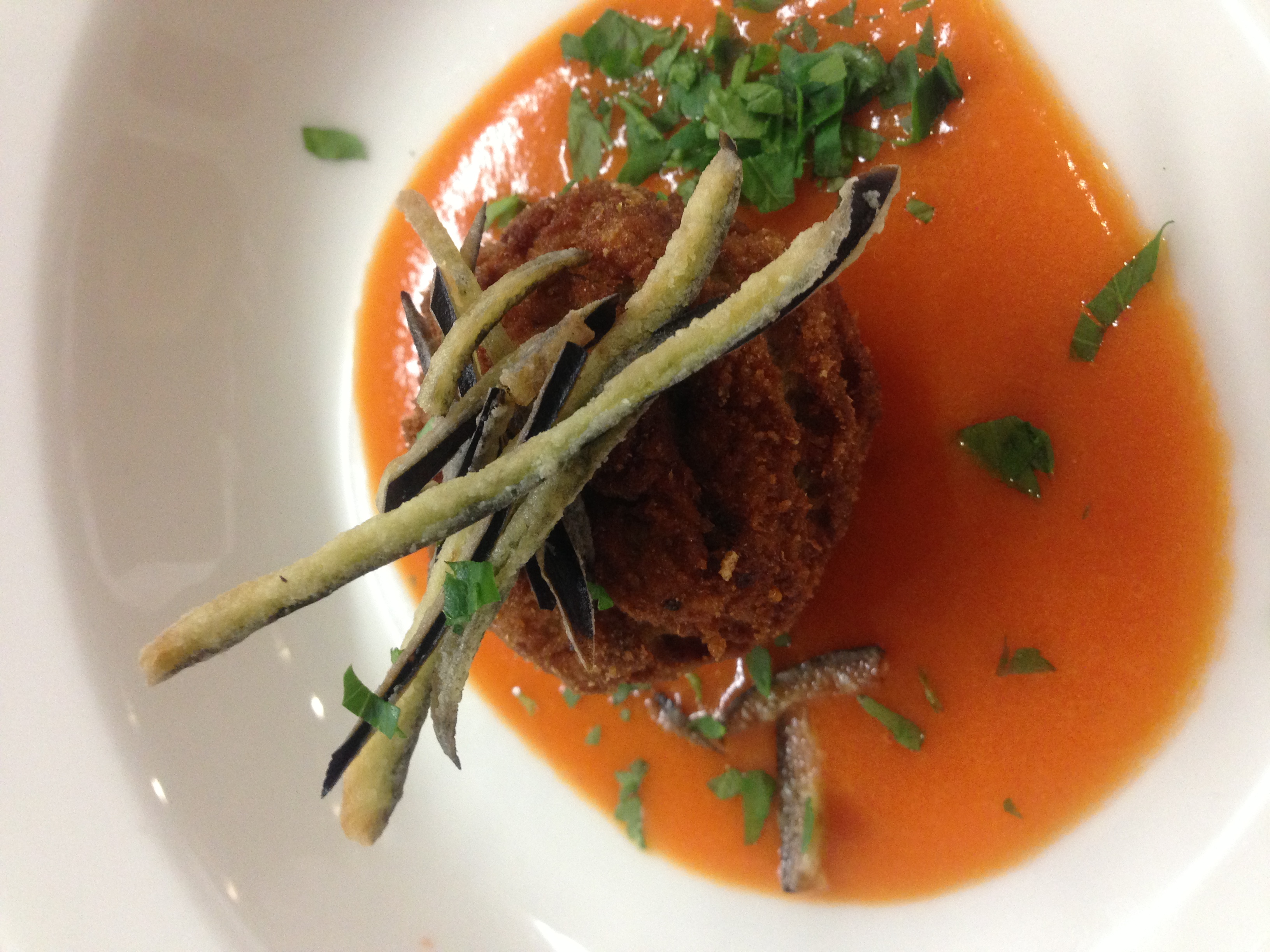
Confirmed connected recipe
Eggplant Croquette
Raisins contribute sweetness and fruit concentration to the savory eggplant, Pecorino Romano, oregano and spice mixture.
Base recipe quantity: 142 g raisins for 4 servings.
Inventory identity: raisins
Ingredient graphic: /academy/ibrary/pantry/dry-fruit/uvetta.png
Ingredient system record
Tuscany Cuisine Platform Identity
This record is designed to connect one canonical raisin identity across the Ingredients Library, recipes, Menu Builder, Live Inventory, purchasing, receiving and production.
Raisins Master Record
- Ingredient IDraisins
- Inventory IDraisins
- CategoryPantry
- SubcategoryDry Fruit
- Base unitg
- Storage zoneDRY_STORAGE
- Icon/academy/ibrary/pantry/dry-fruit/uvetta.png
- Ingredient page/academy/ibrary/pantry/dry-fruit/raisins.html
Status: READY_FOR_MASTER_REGISTRY_SYNC. The recipe and page use the same
raisins identity.raisins instead of creating recipe-specific aliases.Current usage count: 1 confirmed connected Tuscany Cuisine recipe in this page record. Future recipes can be added without changing the ingredient identity.
Professional FAQ
Common Raisin Questions
Are raisins and sultanas the same?
The terms overlap and differ by market. Raisin is the broad category of dried grapes. Sultana usually refers to a light-colored seedless dried grape, historically associated with Anatolia, while U.S. labeling often distinguishes natural dark raisins from golden raisins.
Why do raisins sometimes develop white crystals?
Natural grape sugars can crystallize during storage, especially after moisture changes. Heavy crystallization can affect appearance and texture; Codex includes excessively sugared raisins among quality defects.
Can I use raisin yeast water directly in bread dough?
Some bakers do, but a more controlled professional approach is to use the active strained liquid to build a flour starter first, refresh it until it rises predictably, and then use that mature culture in the final dough.
Do raisins need refrigeration?
Not for normal pantry storage when properly sealed, but refrigeration can extend quality after opening or in hot, humid environments.
Research references
Sources & Further Study
This page combines historical references, international quality standards, dried-fruit production data, USDA nutrition data and current scientific work on raisin-water fermentation.
- Encyclopaedia Britannica historical article - raisin history, drying practices and traditional types
- Codex Alimentarius - Standard for Raisins (CXS 67-1981)
- International Nut and Dried Fruit Council - Statistical Yearbook 2024, dried-grape production
- USDA Agricultural Research Service - Standard Reference nutrition database resources
- Scientific Reports / PMC - Spontaneous fermentation of raisin water
- Scientific study - Saccharomyces cerevisiae adaptation to raisin and grape-skin environments
- Study - Natural raisin starter syrup and sourdough bread quality