Tuscany Cuisine · Professional Ingredients Library · Starches

Corn Starch (Amido di Mais)

The flavor-neutral maize starch that builds silky pastry creams, delicate cakes, clear sauces, structured puddings and crisp coatings.

Pantry · StarchesNaturally gluten-free ingredient*Ingredient ID: corn_starchChef David Giani
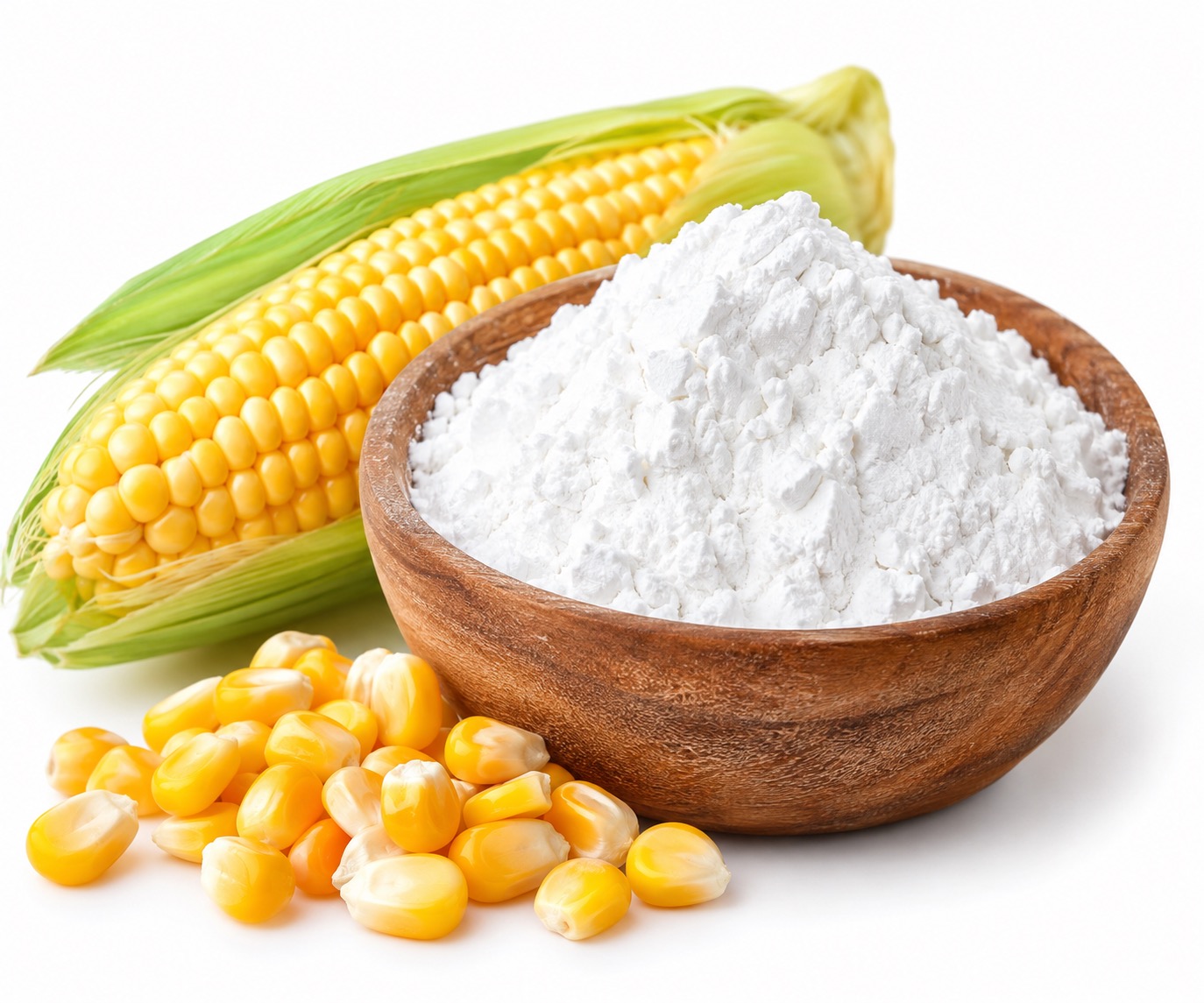
Fine white corn starch in a wooden bowl with a fresh ear of maize and yellow kernels

Ingredient icon: Fecola-mais.webp · Upload alongside Corn-starch.html in /academy/ibrary/pantry/starches/.

What is corn starch?

Corn starch is a highly refined, fine white powder isolated from the endosperm of maize (Zea mays). It is used primarily to control thickness and texture rather than add flavor. When starch is dispersed in liquid and heated, the granules hydrate and swell, building viscosity and a smooth gel.

Unlike cornmeal, polenta or whole corn flour, pure corn starch contains very little protein or fat. It is not an equivalent one-for-one substitute for wheat flour in every baked product.

Italian culinary terminology: amido di mais is corn starch; fecola di patate is potato starch. The supplied asset name Fecola-mais.webp is retained for platform consistency but does not change the ingredient identity.

Professional buying specification

Food-grade native corn starch; fine white, neutral aroma; dry, free-flowing powder. State whether certified gluten-free or non-GMO is required on purchase orders; do not infer this from the basic ingredient name.
History and development

Maize was domesticated in the Americas long before industrial starch refining. The modern isolated starch industry expanded during the nineteenth century as processors separated starch from cereal grains for textile, household and culinary applications. Historic food accounts associate early U.S. cornstarch production with Thomas Kingsford in the 1840s, while British firms such as Brown & Polson marketed refined corn flour for cooking in the 1850s. Industrial wet milling later made consistently fine starch widely available to cooks, bakeries and food manufacturers.

Traditional starch-thickened custards, puddings and sauces became easier to reproduce with consistent commercial product. Today, native and specially modified starches are distinct commercial categories with different performance characteristics.

Professional culinary applications

Pastry cream and custard

Use corn starch to make crema pasticcera with a clean, smooth body. Disperse it with sugar or a cold liquid first; whisk into the milk and egg mixture, then cook until fully thickened while stirring. The starch provides structure without wheat-flour flavor.

Cakes and sponge

Replacing a portion of wheat flour with starch can soften crumb and reduce gluten development. Suitable for delicate tortes, sponge cakes and certain short doughs. Retain enough flour or an alternative structural system to support the cake.

Sauces, jus and glazes

Whisk starch into a cold-water slurry before adding it to simmering liquid. A short controlled simmer activates thickening; prolonged boiling and harsh stirring may weaken some starch-based sauces.

Fruit fillings and pastry glazes

Thicken cherry, berry and other fruit fillings with a measured starch slurry. Acid, sugar level, freezing and later reheating can alter texture; test the finished product under actual service conditions.

Crisp frying and coatings

Blend with or substitute for some flour in light coatings to make fried vegetables, fish and chicken crisp. Dust lightly and control frying temperature to avoid clumping and heavy crusts.

Soups and Asian cookery

Use to finish stir-fry sauces, velvet meat, give a light shine to reductions, or add body to soups. Avoid adding raw dry powder directly to hot liquid, where it can lump.

Pastry laboratory: starting ratios and substitutions

ApplicationPractical starting pointProfessional caution
Pastry creamAbout 35–50 g starch per 1 L milk, then adjust for egg yolks and desired firmness.Cook thoroughly; cool quickly under food-safe controls. This is a development range, not a universal formula.
Cake flour lighteningTrial replacement of 10–25% of flour weight with corn starch in an existing wheat-based formula.Test volume and structural integrity; not a direct recipe-wide replacement.
Sauce slurryStart about 10–20 g per liter for lighter sauces; stronger gels may need more.Final viscosity depends on sugar, acidity, temperature and reduction.
Crisp coatingUse as a portion of the flour/starch coating or lightly dust ingredients.Always test fry; native starch behaves differently from pregelatinized or modified starch.

These ranges are culinary test-kitchen guidance, not certified formulas. For commercial production validate texture, yield, holding and food safety in the final recipe.

Understanding processing and starch science

From maize to white starch

  1. Maize kernels are cleaned and steeped for wet milling.
  2. Germ, fiber, protein and starch fractions are separated.
  3. Starch is washed, dewatered and dried.
  4. Food-grade powder is screened and packed with moisture controls.

Operational behavior

Heating hydrated starch granules causes gelatinization and viscosity development. Native corn starch is sensitive to excessive shear, extended heat, acid and some freeze–thaw conditions. Modified starches may be engineered for tougher industrial processing, but must be specified and labeled correctly.

Holding: Store powder cool and dry in closed packaging. Do not rely on starch as a preservative.

Nutrition facts — pure dry corn starch

NutrientPer 100 g
Energy381 kcal
Carbohydrate91.27 g
Protein0.26 g
Total fat0.05 g
Dietary fiber0.9 g
Total sugars0 g
Sodium9 mg

Interpretation for chefs

Corn starch supplies mainly refined carbohydrate, with negligible protein and fat. Its contribution per plate depends on the actual quantity used, not the per-100-g reference value. Pure corn starch is naturally gluten-free, but finished food and factory cross-contact must be checked before making gluten-free claims.

Source: USDA FoodData Central / SR Legacy, NDB 20027 (dry cornstarch). Values are reference averages, not a product-specific certified label.

Global corn starch producers and procurement

Large-scale maize starch supply is concentrated among agricultural processors and specialty ingredient companies, with additional local refiners and regional food-grade brands. The following are industry participants, not an audited ranking; actual corn-starch product offerings, plants, grade and country availability must be verified with each supplier.

Company / groupMarket footprint / purchasing relevance
ADM (Archer Daniels Midland)North America and international corn processing
CargillGlobal food ingredients and corn wet milling
IngredionGlobal starch and texturizer portfolio
RoquetteEurope-based starch and ingredient manufacturing, international distribution
Tate & LyleInternational specialty texturizers and starch solutions
Grain Processing Corporation / PrimientEstablished North American corn refining participants
Regional processors in China, India, Japan and Latin AmericaMarket-specific production, grades and logistics; review certificates and supply terms

Supplier examples are not endorsements and do not imply verified retail price, live stock, or manufacturer market share.

Ingredient record · Live Inventory & Menu Builder

Inventory ID: corn_starch   Ingredient Code: corn_starch   Base unit: grams (g)   Type: raw pantry ingredient.

Graphics: /academy/ibrary/pantry/starches/Fecola-mais.webp. Educational link: /academy/ibrary/pantry/starches/Corn-starch.html.

Use an exact inventory_id, quantify cost_qty in grams for each recipe, and use the verified supplier price per matching unit. The central ingredient record has no invented purchase price. Recording a supplier or registering this page alone does not deduct stock; deduction remains controlled by the Operations workflow.

Frequently asked questions

Is cornstarch the same as flour?

No. Corn starch is isolated starch from maize endosperm; ordinary wheat flour contains starch and gluten-forming proteins.

Can cornstarch replace flour in pastry cream?

Yes. Corn starch can thicken milk-based pastry cream. Start around 35–50 g per liter of milk for a softer to firmer cream, adjusting for eggs, sugar and the target texture; thoroughly cook the starch.

Can I replace all the flour in a cake with cornstarch?

Not in a typical wheat-flour cake without redesigning the formula: cornstarch lacks gluten structure. Replacing only a portion of flour, often 10–25% by weight, can soften the crumb.

Is corn starch gluten-free?

Pure corn starch contains no wheat gluten, but cross-contact in manufacturing can matter, especially when serving people with celiac disease.

What is the difference between fecola and amido di mais?

In Italian, fecola usually refers to potato starch (fecola di patate), while corn starch is amido di mais. The requested file name Fecola-mais.webp is retained as the library icon filename.

Research and reference sources