C. annuum
Jalapeño, serrano, poblano, cayenne, chile de árbol and many paprika peppers. Extraordinary diversity from sweet to hot.
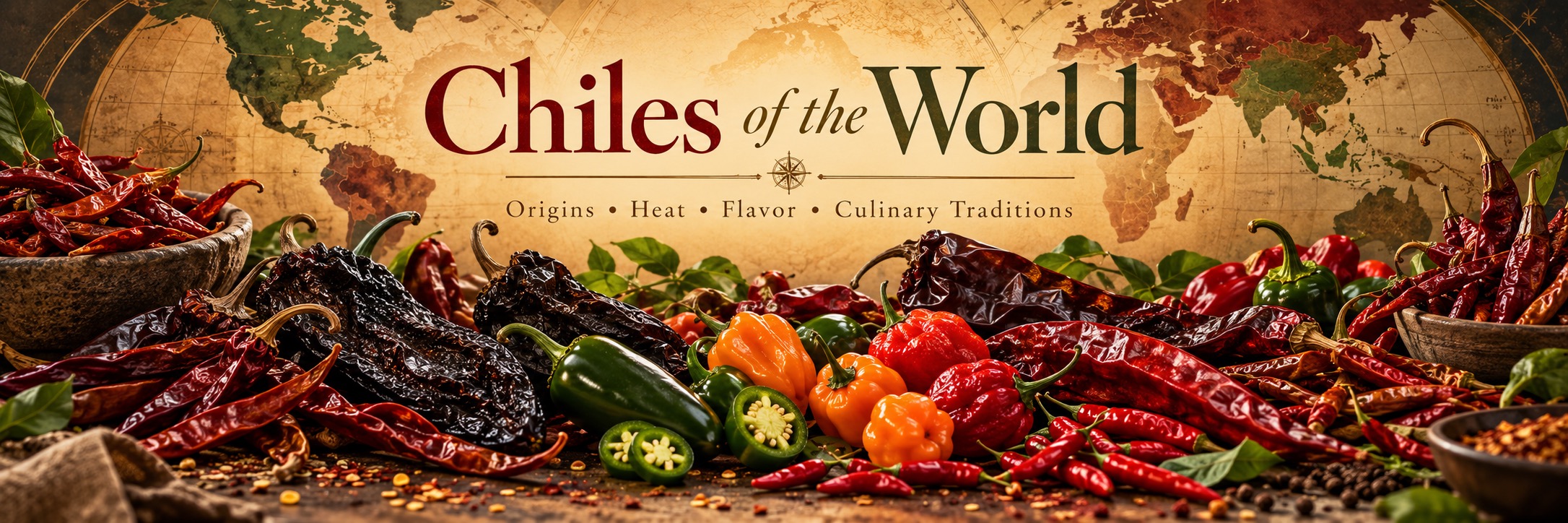
From the ancient fields of the Americas to Italian peperoncino, Mexican moles, Thai curries and the world's hottest peppers: discover heat, flavor and the art of cooking with chiles.
All true chiles belong to the genus Capsicum, native to the Americas. Indigenous communities cultivated and selected chile peppers for thousands of years before European contact.
Archaeological evidence places chile use in the Americas at least 6,000 years ago. Different species were domesticated in Mesoamerica and South America. After the late-15th-century Columbian exchange, Spanish and Portuguese trade helped chiles reach Europe, Africa and Asia, where they became central to local cuisines.
Today the chile is indispensable to Mexican salsa and mole, Caribbean pepper sauces, Indian pickles and curries, Korean gochugaru and gochujang, Sichuan chile oil, Thai pastes, Ethiopian berbere and southern Italian peperoncino.
Jalapeño, serrano, poblano, cayenne, chile de árbol and many paprika peppers. Extraordinary diversity from sweet to hot.
Habanero, Scotch bonnet, ghost pepper relatives and many superhots. Frequently fruity, floral and extremely pungent.
Tabasco and malagueta types; often compact, upright pods and bright, direct pungency.
South American ají types such as ají amarillo; known for citrusy, tropical, complex flavor.
Rocoto or locoto, associated with the Andes, commonly thick-walled with dark seeds and notable heat.
Common culinary categories; breeding and species ancestry can be complex, particularly among hybrid superhot cultivars.
The Scoville scale expresses pungency as Scoville Heat Units (SHU). Values vary by cultivar, ripeness, climate and growing conditions; most ranges below are approximate culinary references, not guaranteed laboratory measurements.
Typical range for many poblanos and jalapeños.
Includes many chile de árbol, cayenne and Thai bird's eye examples.
Superhots such as ghost pepper, Carolina Reaper and Pepper X.
Filter by name, region or use. Each record has an ingredient identity, estimated heat range and a culinary function. The chile de árbol record is connected to the new Tuscany Cuisine ingredient icon.
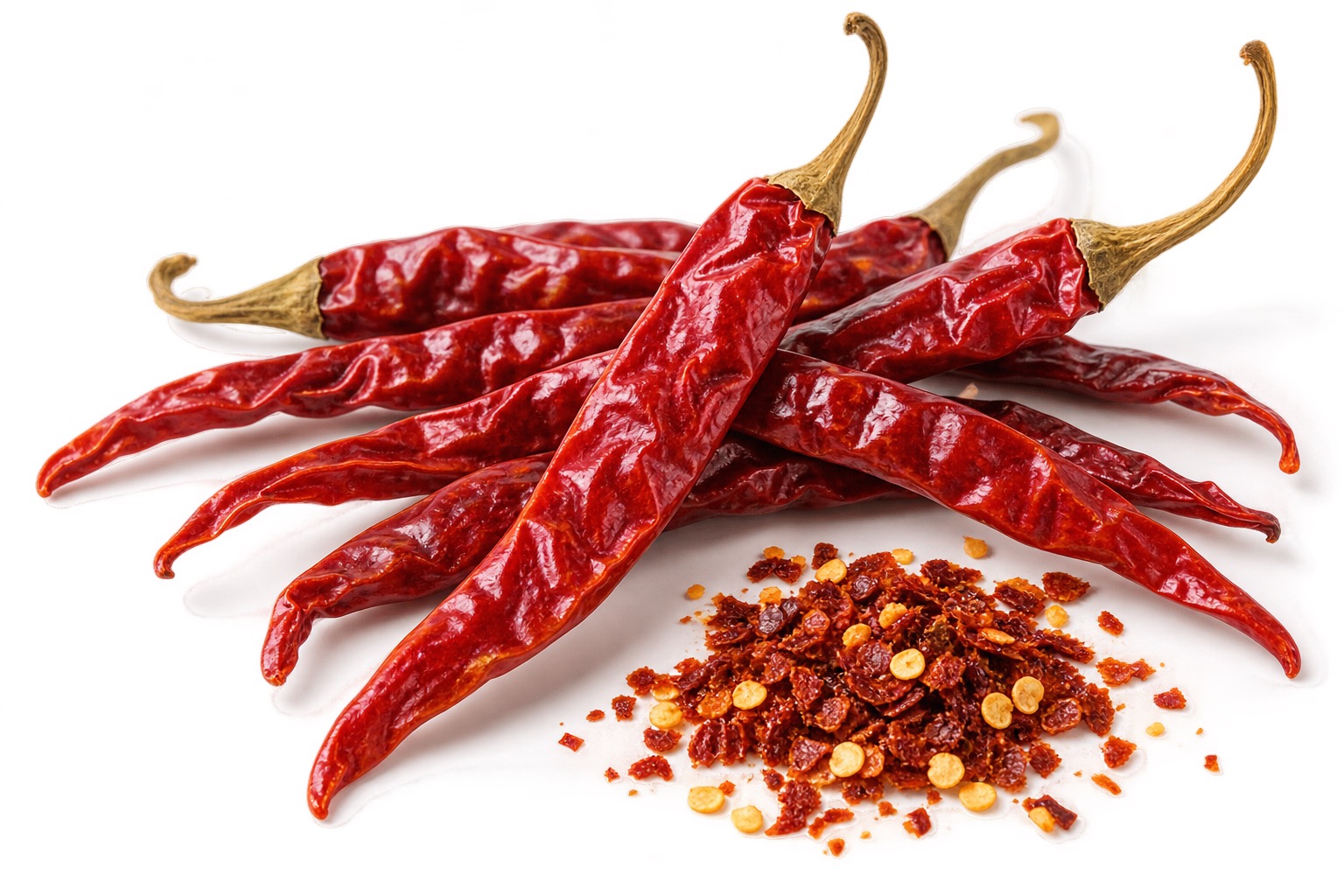
Slender dried red pods, sharp heat and earthy, toasted-nut notes. Use in salsa roja, chile oil, marinades and sauces.
Ripened and dried poblano, rich with raisin, prune and mild cocoa impressions. Essential in mole and braised sauces.
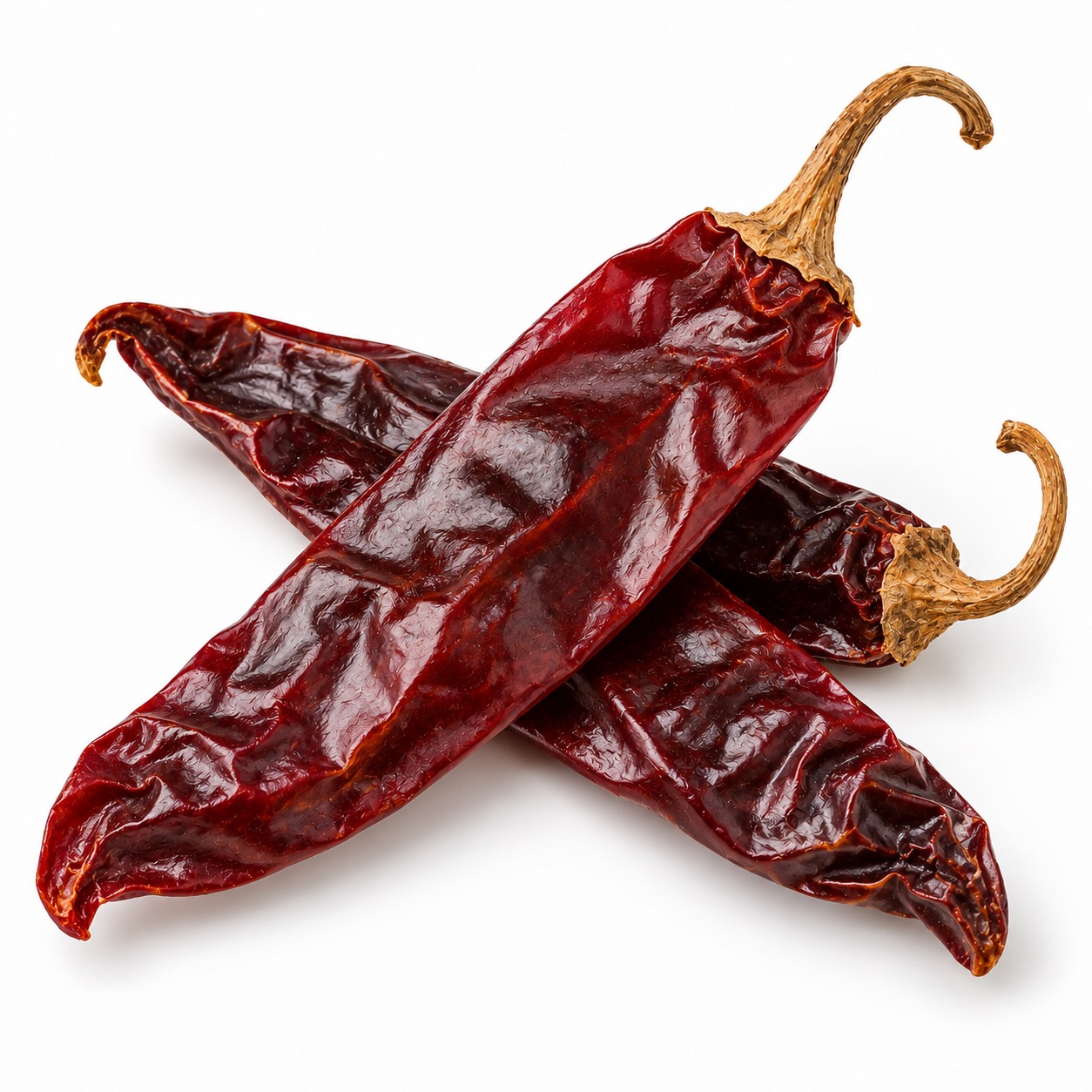
Bright red, tangy and berry-like with gentle tea notes. Ideal for adobo, pozole and red chile sauces. In the pork spare-rib sauce, dried guajillo is simmered with red bell pepper and onion, finished with cayenne, then blended and strained.
Dried chilaca with dark fruit, cocoa and earthy depth. A classic companion to ancho and guajillo.
Ripe jalapeño traditionally smoked and dried; brings smoke, fruit and a rounded, medium-hot finish.
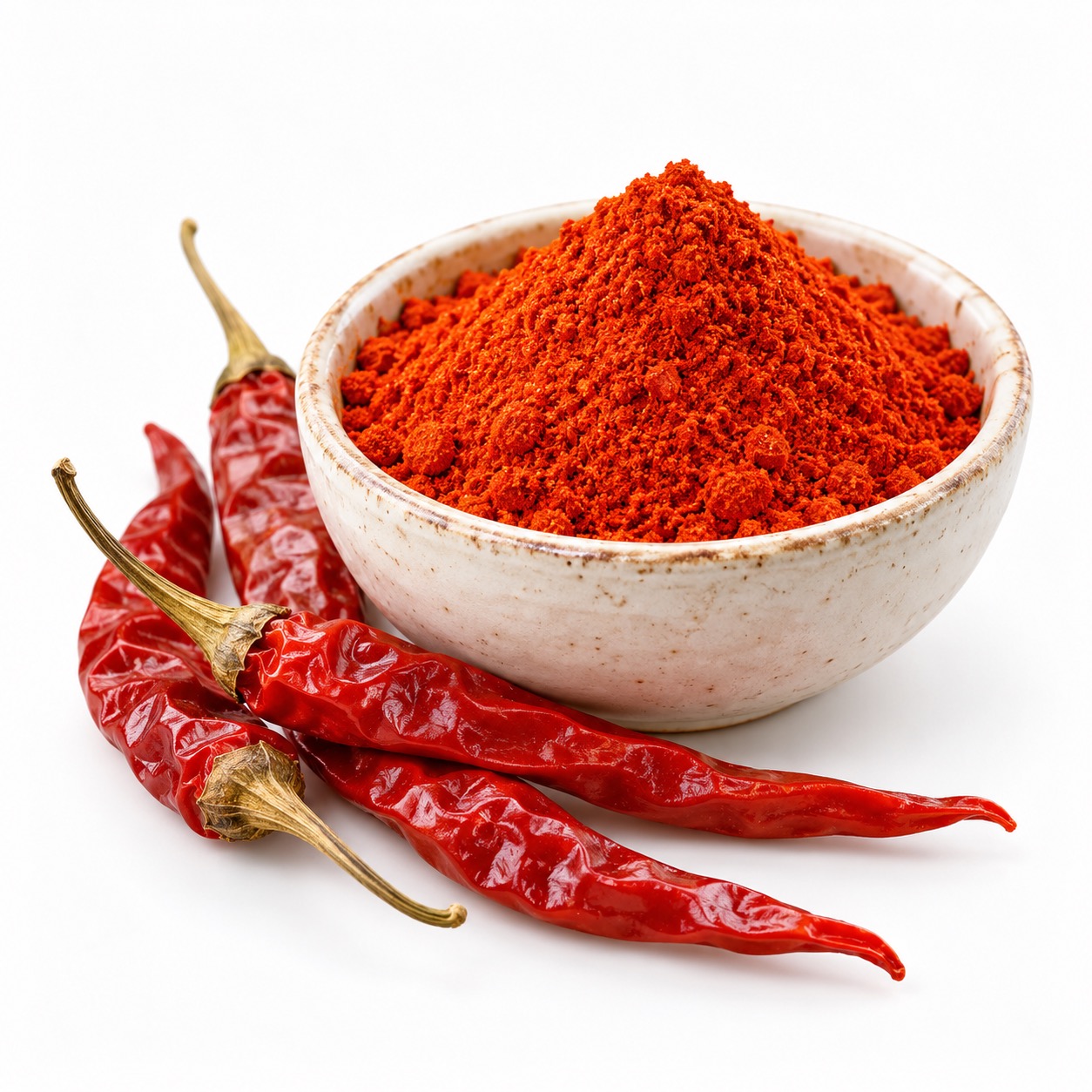
Clean, assertive heat used whole, dried or ground. Popular in Creole cooking, marinades, soups and spice blends.
Fruity, aromatic heat in olio piccante, pasta sauces, cured meats and vegetable preparations.
Sweet, fruity flakes with gentle warmth; excellent over grilled vegetables, eggs and yogurt sauces.
Korean red chile flakes with color, fruitiness and moderate warmth; used in kimchi, soups and seasoning mixes.
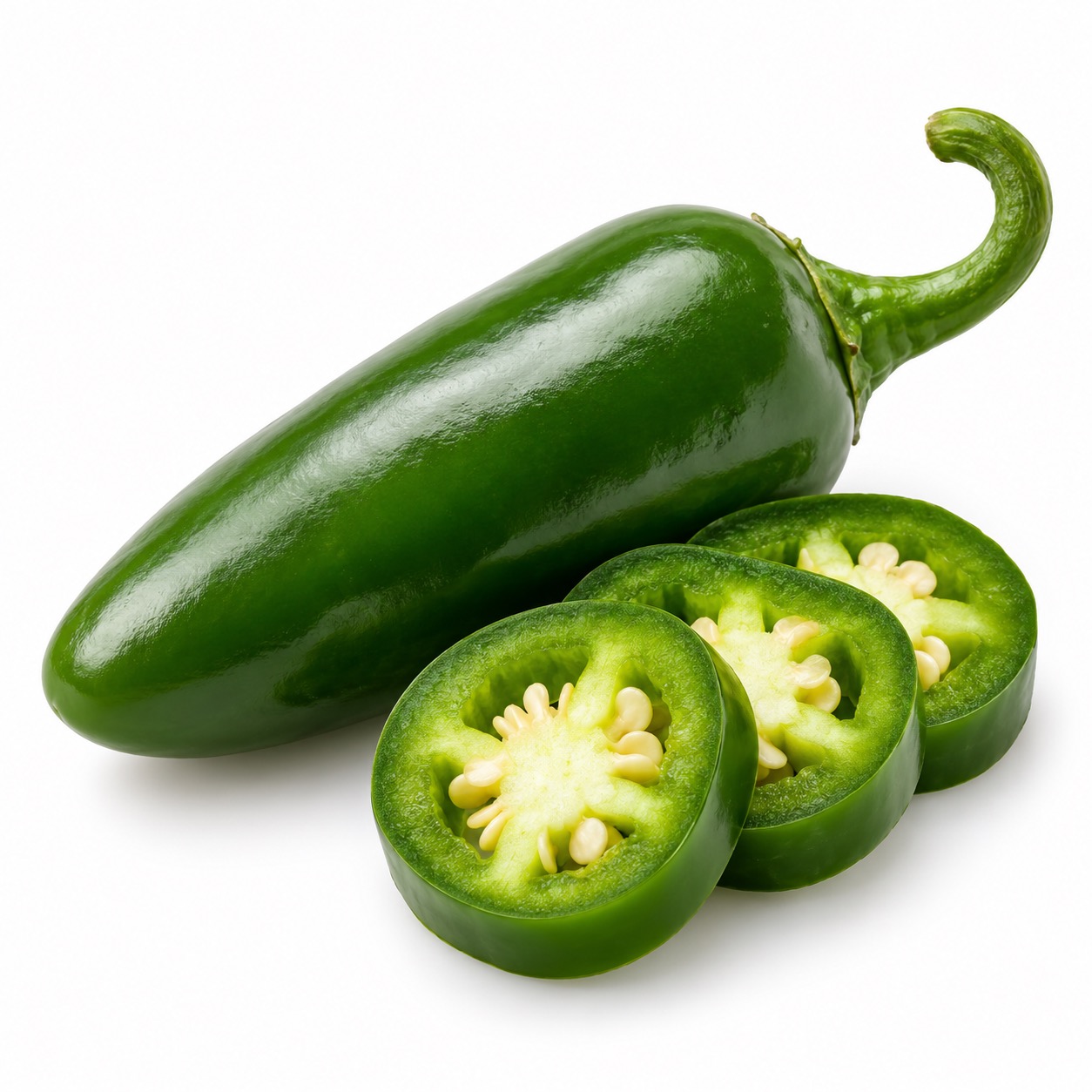
Vegetal, crisp and lively; superb in fresh salsa, pickles, fillings and dressings. For the green pork-rib sauce, jalapeño is slowly stewed with green bell pepper in olive oil, then blended and strained.
Bright green bite and clear heat. A chef's choice for uncooked salsas and finishing condiments.
Distinct tropical fruit aroma and vibrant golden color for Peruvian sauces, stews and ceviche accompaniments.
Small pod with fast, sharp heat. Common in Thai salads, curry pastes, dipping sauces and stir-fries.
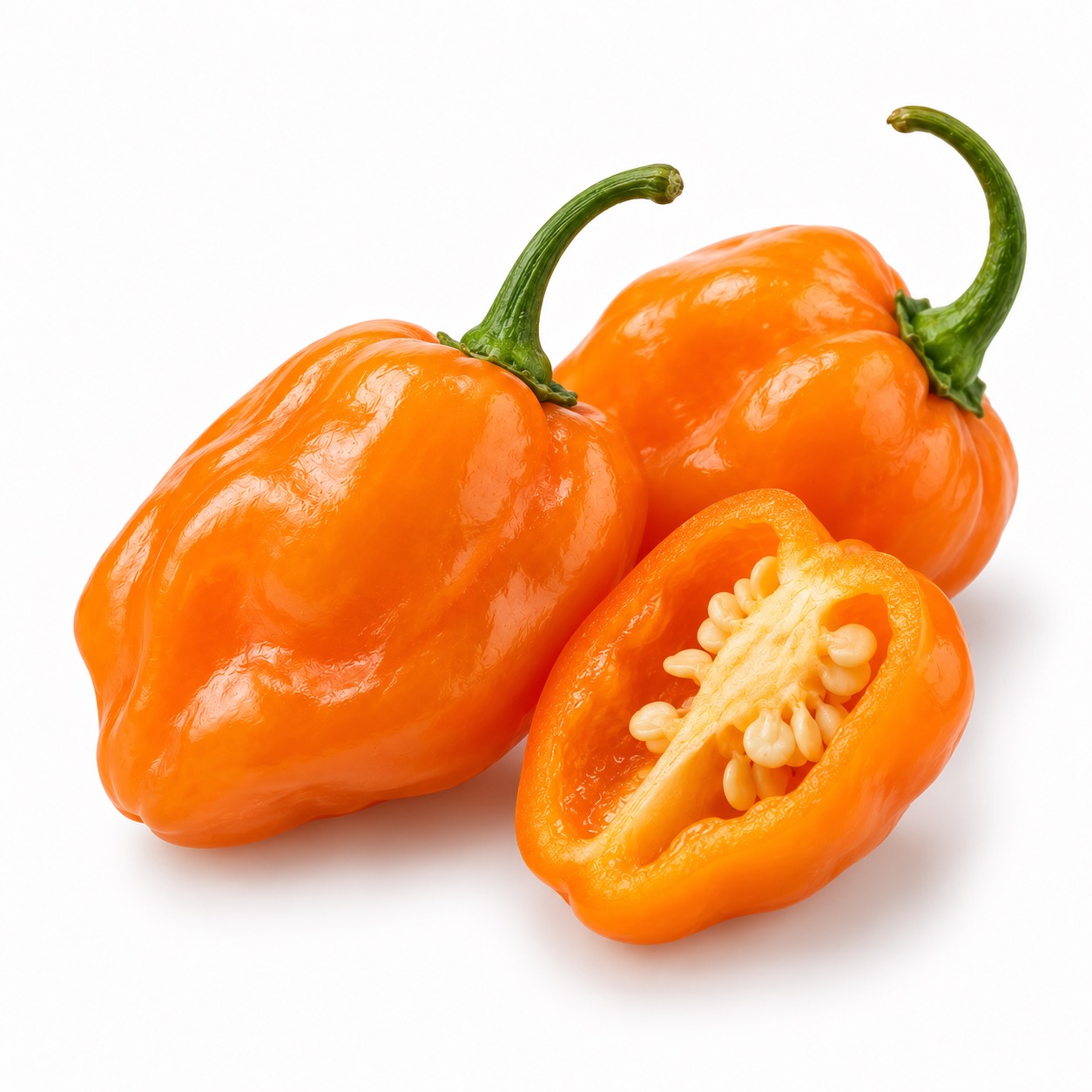
Floral, apricot-like, citrusy aroma before a powerful heat. Use sparingly in fruit salsas and sauces. For the orange pork-rib sauce, habanero is slowly stewed with orange bell pepper in olive oil, then blended and strained.
Rounded, fruity heat fundamental to many jerk seasonings, pepper sauces and Caribbean stews.
Thick-fleshed pepper with distinctive dark seeds, frequently stuffed or blended in Andean sauces.
Extremely hot and aromatic; use only in measured, well-dispersed amounts for intense sauces.
Fruity aroma with exceptionally intense, persistent heat. Specialty use by experienced cooks.
A former Guinness record holder known for fruity notes and extreme, lingering pungency.
The world's hottest Guinness-verified chile as of October 2026. Not recommended for routine culinary handling or tasting.
Registry note: The exact data-ingredient-key attributes provide stable slugs for later Live Inventory mapping; they do not claim these records have already been registered in the inventory database. Placeholder pepper graphics intentionally avoid broken or invented icon URLs.
Drying concentrates texture, changes aroma and makes seasonal harvests shelf-stable. Smoke, fermentation and processing create distinct products with different culinary identities.
| Dried chile | Signature flavor | Best kitchen application |
|---|---|---|
| Ancho | Raisin, plum, cocoa | Mole, braised meat |
| Guajillo | Berry, tang, tea | Adobo, chile sauce |
| Pasilla | Dark fruit, earthy | Mole, long-simmered sauces |
| Chile de Árbol | Nutty, direct heat | Toasted salsa, infused oils |
| Chipotle | Smoke, ripe fruit | Beans, braises, rubs |
| Gochugaru | Fruit, gentle warmth | Kimchi, Korean stews |
| Aleppo-style flakes | Fruit, soft heat | Finishing spice |
Ancho, pasilla, guajillo and chile de árbol build layered salsas, adobos, moles and broths. Chiles can be fresh, charred, toasted, dried and pureed.
Calabrian peperoncino brings vivid warmth to pasta, tomato sauce, seafood and chili-infused olive oil. In Italian cooking, chile is often used to support rather than hide the principal ingredient.
Ají amarillo shapes Peruvian cooking; rocoto contributes to Andean sauces and stuffed dishes; Scotch bonnet is celebrated in Caribbean pepper sauces and jerk seasoning.
Fresh Thai chiles, Indian dried chile powders, Korean gochugaru and Sichuan chile oils illustrate diverse traditions adopted after Capsicum arrived from the Americas.
Malagueta and other hot chiles appear in West African stews and sauces; chile blends contribute warmth to Ethiopian berbere and North African harissa.
Fresh green chile and ripened red chile anchor distinctive regional sauces and roasted chile preparations.
Remove stems. Warm dried chiles briefly in a dry skillet over medium-low heat until aromatic; burnt chiles become bitter and irritating.
Soak in hot water until pliable, then blend with liquid, aromatics or stock. Strain when a very smooth restaurant-style sauce is desired.
Use a mild, dark chile for body, a fruity chile for brightness, and a small amount of a hot chile for intensity. Taste as the sauce develops.
Capsaicin concentrates largely in the internal placental tissue. Remove some inner ribs to moderate heat; seeds themselves are not the main production site.
Keep dried chiles airtight, away from sunlight, heat and moisture. Discard those with visible mold or stale, musty odors.
Wear gloves when working with very hot chiles. Avoid touching eyes; ventilate well, particularly while heating powders or extreme varieties.
Fresh red and green peppers can provide vitamin C, carotenoid pigments and other plant compounds. Composition differs widely with pepper type, ripeness and portion size. Dried chiles contribute concentrated flavor but are typically eaten in small quantities.
Capsaicin activates heat-sensitive receptors, creating the sensation of burning without necessarily increasing food temperature. The strongest pungency is associated with internal pepper tissue. Capsaicin is studied for physiological effects, but culinary chile consumption should not be presented as a treatment for disease.
Vitamin C can decline during long storage or prolonged cooking. Individuals with gastrointestinal sensitivity may prefer smaller quantities or milder varieties.
Guinness World Records lists Pepper X at an average 2,693,000 SHU, verified in 2023. See the official record source below.
An ancho is a ripe, dried poblano. The flavors change substantially during ripening and drying.
Heat comes from capsaicinoids; flavor also depends on aromatic molecules, sugars, acids, pigments and preparation techniques. Hotter does not mean more flavorful.
Sometimes, but freshly toasted and pureed whole chiles usually provide different body and aroma. Adjust quantities gradually because powders vary in concentration.
Begin with a small amount of hot chile, combine it with mild flavor-rich varieties, and adjust after cooking. Diluting a finished sauce with compatible unsalted base ingredients reduces heat per serving.
This educational overview separates verified record claims from approximate culinary heat ranges.
Editorial review: October 11, 2026 · Chef David Giani / Tuscany Cuisine. Culinary SHU ranges are indicative and vary with cultivar and conditions.