Primary flavor
Bright vegetal chile flavor with clean, direct heat. Ripe red fruit can bring a light sweetness beneath the pungency, while the exact intensity varies greatly by cultivar and growing conditions.
Pungent FruityPeperoncino piccante is the Italian culinary name for hot chile pepper, used fresh, dried, crushed or ground to bring controlled heat, aroma and character to food. This page identifies the fresh red peperoncino used by Tuscany Cuisine while also explaining the professional handling of related dried forms. Its defining sensation comes from capsaicinoids, with heat intensity varying significantly by cultivar.
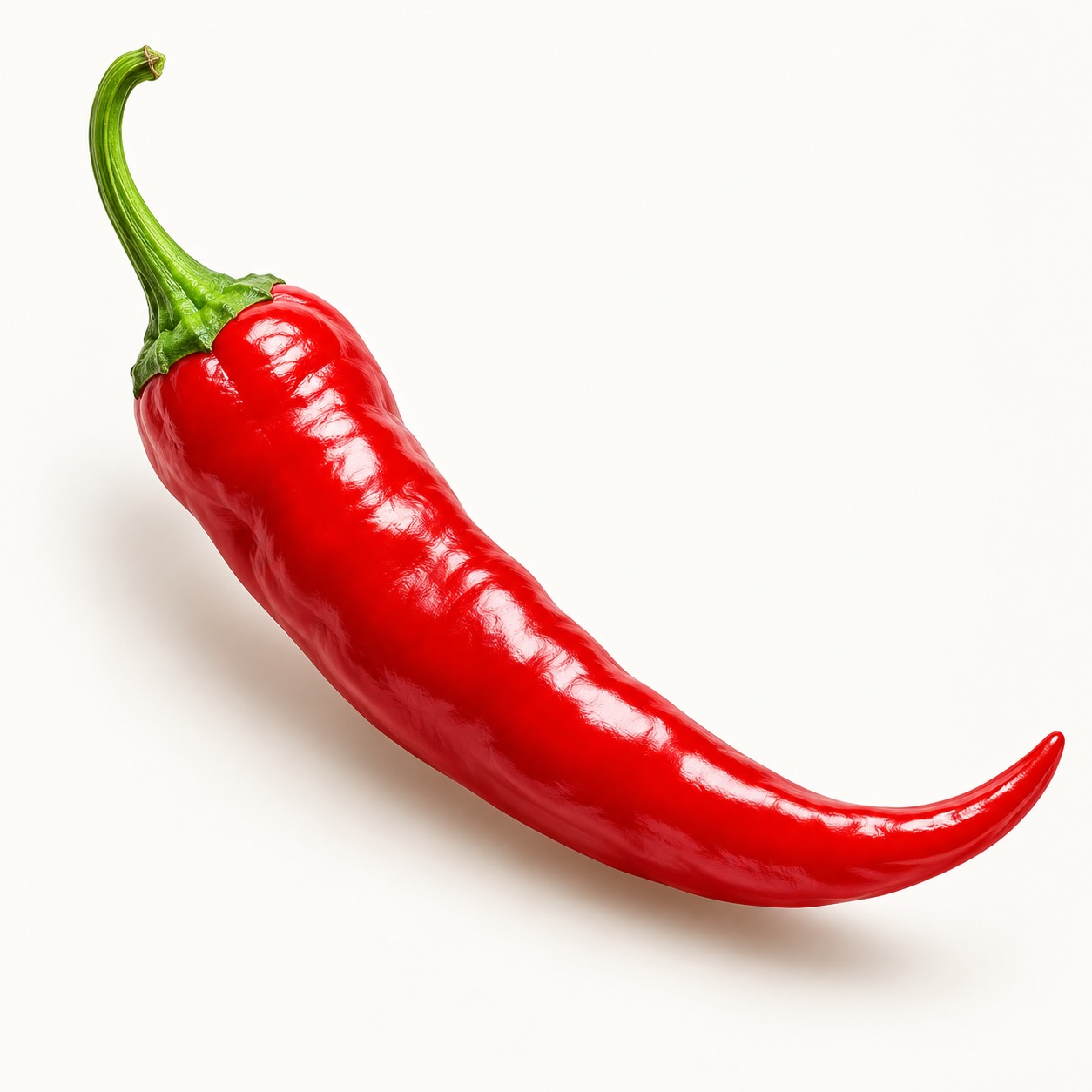
Peperoncino is the fruit of plants in the genus Capsicum, part of the Solanaceae family. The Tuscany Cuisine ingredient identity on this page is based on a fresh red hot chile from Capsicum annuum, one of the most important cultivated chile species. The edible fruit may be used green or fully ripe, and its culinary form can range from fresh whole peppers to sun-dried pods, flakes, powders and infused preparations.
Capsicum peppers are native to the Americas and spread internationally after transatlantic contact. Over time, peperoncino became deeply established in southern Italian cooking, especially in Calabria, where it is often described as “red gold.” Fresh and dried chile peppers are used in sauces, pasta, preserved foods, seafood, vegetables and cured-meat traditions such as ’nduja. Diamante, Calabria, is especially associated with peperoncino culture and its annual festival.
Common name: Peperoncino Piccante
Alternate name: Italian Hot Chile Pepper
Scientific source: Capsicum annuum L.
Plant family: Solanaceae
In a professional kitchen, peperoncino is used primarily for heat, aroma and finishing, but it can also support color and preservation traditions. It may be sliced fresh into sautés, infused gently into oil, added whole to braises, crushed into sauces, or used dry in cured-meat and pantry preparations. Standardization by weight and by known heat level is important because pungency can vary dramatically.
Peperoncino combines pungent heat with a fresh vegetal-fruity profile. Ripe red peppers can taste lightly sweet beneath the heat, while dried forms become more concentrated and warm. Heat is caused mainly by capsaicinoids and is commonly expressed in Scoville Heat Units (SHU); because cultivar and growing conditions matter, professional recipes should never assume every red chile has the same strength.
Bright vegetal chile flavor with clean, direct heat. Ripe red fruit can bring a light sweetness beneath the pungency, while the exact intensity varies greatly by cultivar and growing conditions.
Pungent FruityFresh peppers smell green, fruity and lightly sweet; dried peppers become deeper, warmer and more concentrated, sometimes developing raisin-like or toasted notes depending on drying and cooking.
Fresh chile Ripe fruitGentle heating in oil disperses chile flavor and capsaicin through the dish, increasing the perception of heat across every bite. Brief blooming of dried chile can deepen aroma, but scorching creates bitterness. Long cooking softens fresh pepper texture and integrates the heat, while adding fresh chile near the end preserves more fruitiness and a sharper aromatic character.
| Form or grade | Characteristics | Best professional use |
|---|---|---|
| Fresh whole peperoncino | Firm glossy skin, vibrant red or green color, fresh stem and clean aroma. Heat varies by cultivar. | Slicing, sautéing, pasta, sauces, seafood, garnish and fresh chile oil service preparations. |
| Dried whole / crushed flakes | Dry, flexible-to-crisp pods or clean flakes with bright color and a strong chile aroma; reject musty, faded or damp product. | Blooming in oil, pizza, pasta, soups, marinades, braises, spice blends and pantry production. |
| Ground chile / specialty Calabrian preparations | Fine powder or prepared chile product with declared origin, lot, heat profile and clean packaging. Color should remain vivid rather than brown or dusty. | Standardized sauces, cured-meat preparations, seasoning blends, spicy condiments and controlled batch production. |
Purchase Peperoncino Piccante from suppliers that provide clear product identity, lot information, origin, packaging date and appropriate food-safety controls.
Professional note: Capsaicin can irritate skin, eyes and airways. Use gloves when handling very hot peppers, avoid touching the face, wash knives and boards carefully, and avoid inhaling airborne chile dust. Standardize hot-pepper recipes by weight and known product heat rather than by “one pepper,” because pungency varies by cultivar.
Peperoncino works especially well with Mediterranean flavor structures built around olive oil, garlic, tomato, herbs, seafood, cured meats and legumes. It also crosses easily into global cuisines that use chile for aroma and heat. The most successful pairings balance its pungency with fat, acidity, sweetness or starch rather than simply adding more heat.
Pork, lamb, chicken, sausage, anchovies, tuna, shellfish, beans, lentils and chickpeas.
Tomatoes, eggplant, broccoli rabe, leafy greens, potatoes, beans, lentils, rice, polenta, pasta, farro and rustic breads.
Garlic, onion, parsley, oregano, basil, rosemary, fennel seed, lemon zest, vinegar and extra-virgin olive oil.
Connect published Tuscany Cuisine recipes here. Each recipe should use the exact ingredient code and icon so production, costing, inventory, purchasing and analytics preserve the correct ingredient identity.
Additional Tuscany Cuisine recipes can be connected as they are updated to the shared SPICE-PEPERONCINO-001 ingredient identity. Dried red-pepper flakes should remain a separate inventory identity rather than being silently merged with fresh peperoncino.
The Peperoncino Piccante graphic identifies this exact ingredient throughout Tuscany Cuisine. It can synchronize with recipes, inventory, stations, vendors, purchasing and receiving.
Peperoncino Piccante ingredient record is ready.
Return to Spices and Seasonings | Open the Recipe Directory | Open Live Inventory | Open Vendor Dashboard