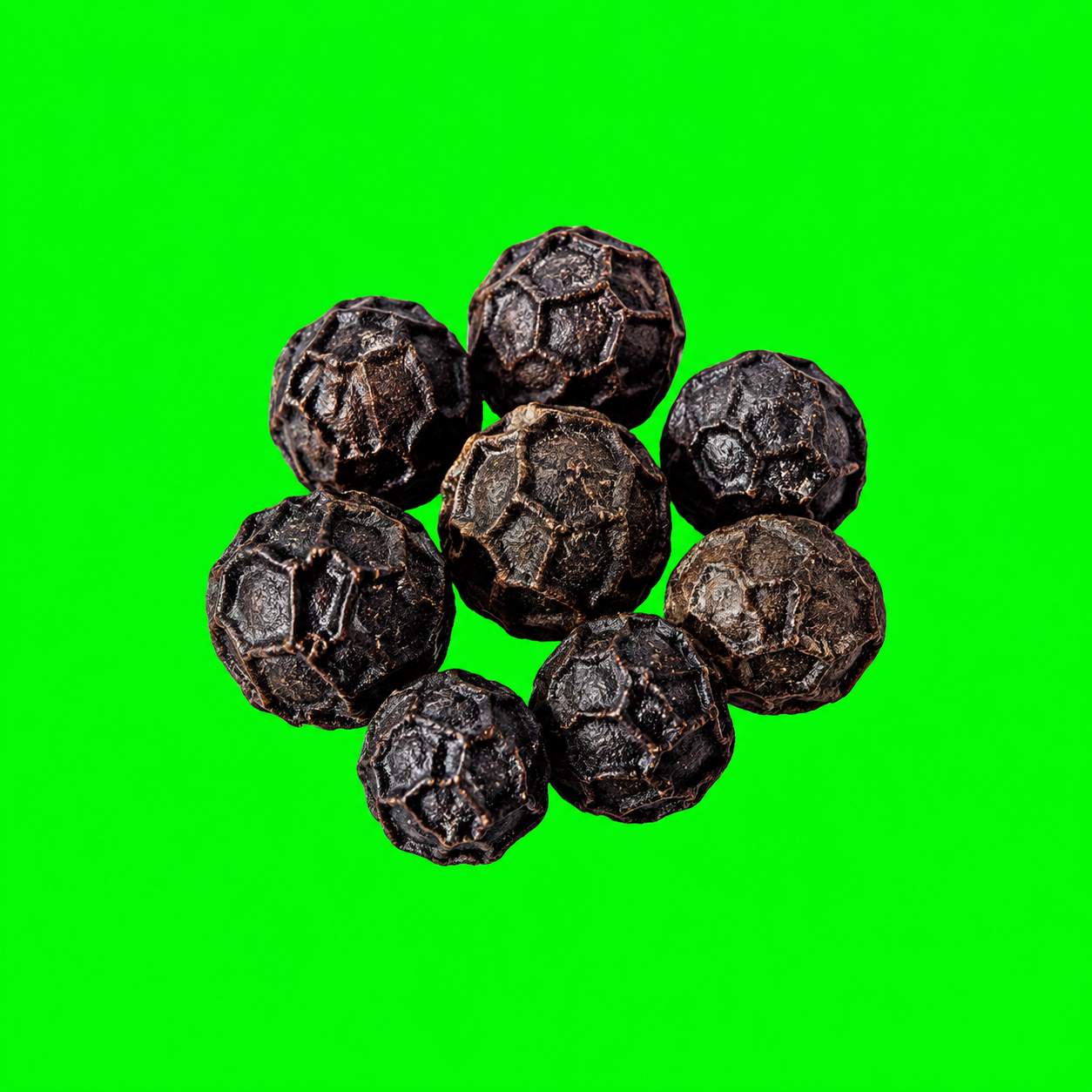
Black Peppercorn
Piper nigrum · dried immature fruit
Bold, warm, piney and sharply aromatic. Use whole, freshly cracked, coarse, medium or fine according to the required texture and release of aroma.
Connected recipes—
Four colors, four culinary roles. Explore how black, white and green peppercorns develop from Piper nigrum, why pink peppercorn is botanically different, and how every form connects to professional recipes and kitchen operations.
Travel through nine cinematic chapters—from the tropical Piper nigrum vine and the ancient spice roads to Venice, global exploration and the chef's final touch. Discover how a small berry became “black gold” and one of the world's most influential ingredients.
Black, white and green peppercorns are different harvest and processing forms of the fruit of Piper nigrum. Pink peppercorns come from Schinus trees and are fragrant berries used in a similar culinary role.
Piper nigrum · dried immature fruit
Bold, warm, piney and sharply aromatic. Use whole, freshly cracked, coarse, medium or fine according to the required texture and release of aroma.
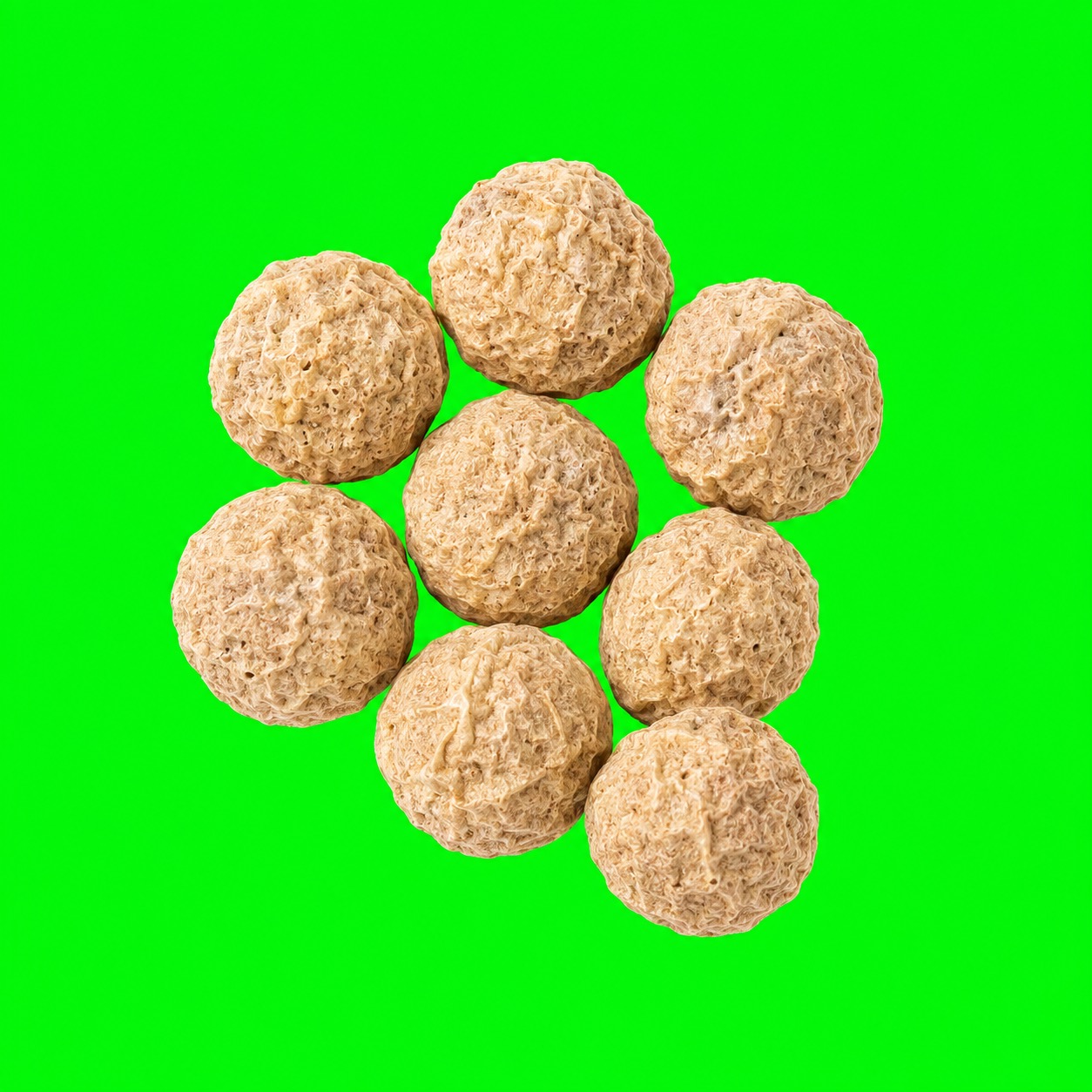
Piper nigrum · ripe seed with outer fruit removed
Earthy, fermented and direct in heat. Tuscany Cuisine records it primarily as a fine-ground seasoning for pale sauces, soups, purées and forcemeats.
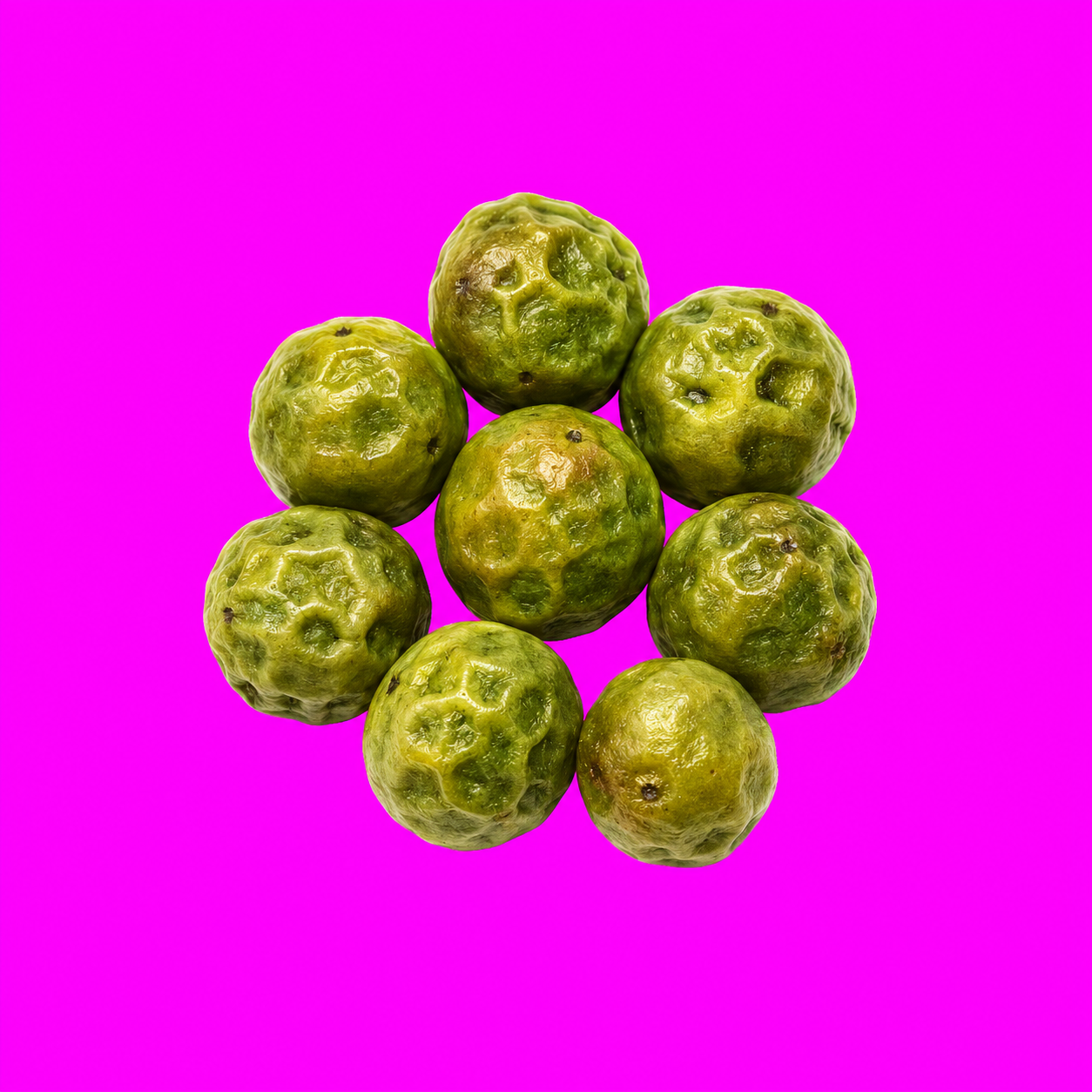
Piper nigrum · unripe fruit preserved green
Fresh, bright, vegetal and gently pungent. Use fresh, brined or freeze-dried in sauces, curing preparations, pâtés, terrines and marinades.
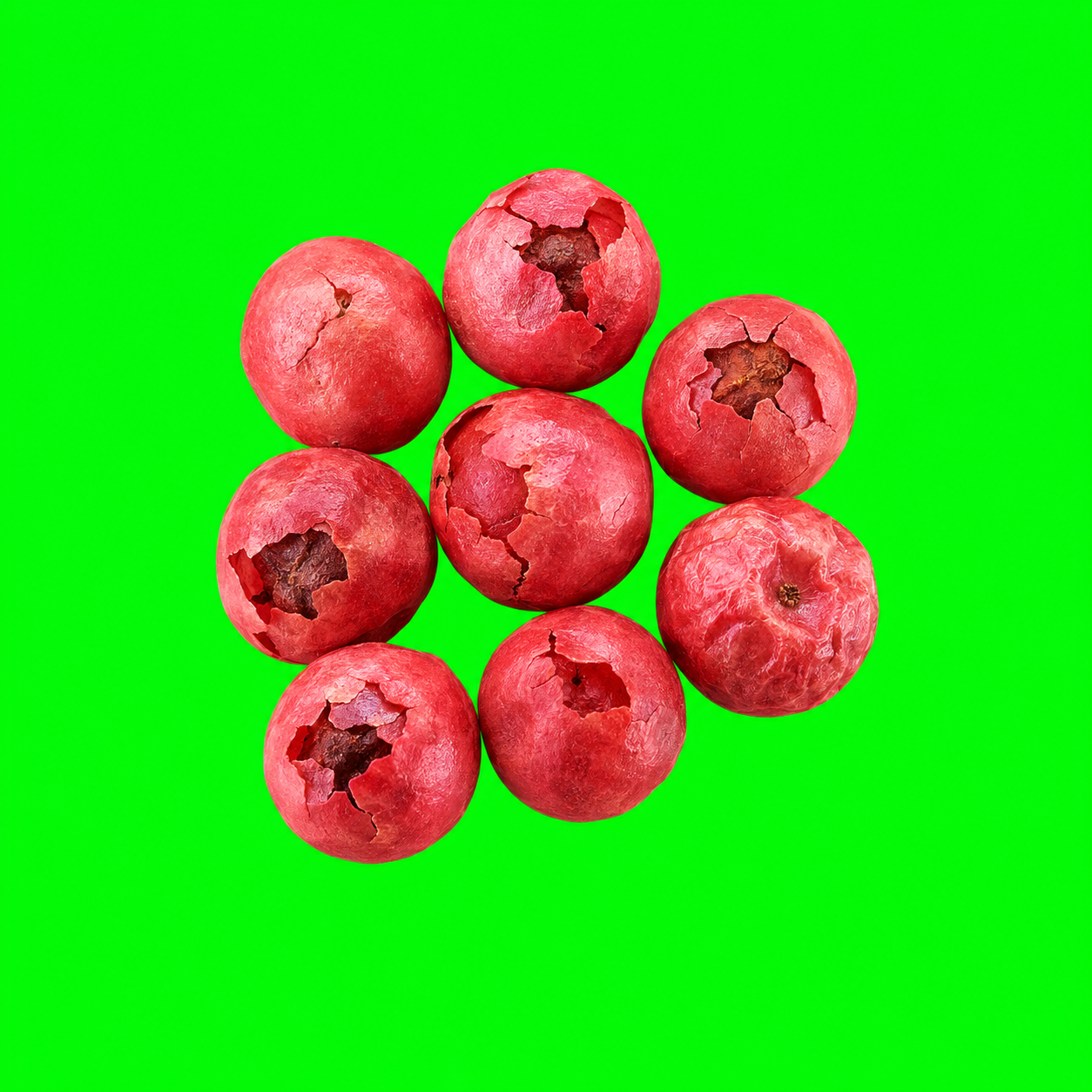
Schinus species · aromatic berry, not true pepper
Delicate, fruity, floral and mildly resinous. Use whole or lightly crushed in sauces, marinades, charcuterie, seafood, poultry and finishing.
Botanical and allergen-aware distinction: Pink peppercorn is not true pepper. It is produced by a Schinus tree in the cashew family and must remain a separate ingredient record from Piper nigrum.
Humans discovered that the small berries of a tropical climbing vine delivered exceptional fragrance, pungency and culinary value. Cultivation and trade carried pepper from southwestern India through ancient exchange networks and eventually into kitchens throughout the world.
Piper nigrum grew in the humid forests of southwestern India, where communities gathered and cultivated the climbing vine.
Indian Ocean and overland traders moved pepper westward, bringing it into Mediterranean and Roman-era cookery.
Pepper's price and portability gave it commercial importance; it could appear in payments, rent arrangements and dowries.
European demand for direct spice access helped drive maritime exploration and competition for Indian Ocean trade.
Cultivation spread across tropical regions. Today chefs select pepper by origin, processing, freshness and grind.
Fully developed green berries are dried. The outer fruit darkens and wrinkles around the seed.
Riper berries are soaked or retted so the outer fruit can be removed, leaving the pale seed.
Unripe berries are preserved before darkening, commonly in brine, by freeze-drying or controlled drying.
Ripe Schinus berries are dried separately; their rosy shells and fruity aroma distinguish them from true pepper.
Grind size changes aroma release, surface coverage, texture and the speed at which pungency enters a dish. Grind only what is needed whenever possible.
Large irregular pieces for steak crusts, pastrami, curing, marinades, pepper sauces and visible finishing texture.
Strong aroma and bite for grilled meats, roasted vegetables, rubs, cacio e pepe and hearty braises.
Balanced everyday seasoning for sautéing, soups, pasta sauces, vinaigrettes, stocks and general production.
Fast, even dispersion for forcemeats, emulsions, seasoning blends, batters and preparations where texture should disappear.
White pepper standard: Use primarily as a fine grind for béchamel, velouté, cream soup, potato purée and other pale preparations where dark flecks are undesirable.
Chef David's timing principle: Pepper cooked early contributes integrated warmth; pepper added late contributes brighter aroma. Finish fast-cooked proteins with freshly ground pepper for precision and fragrance. Add pepper earlier to braises, stews, marinades and curing preparations when it must become part of the full flavor structure.
Beef, lamb, pork, poultry, game, fish, shellfish, eggs, cheese, legumes and plant-based proteins.
Potatoes, mushrooms, cauliflower, root vegetables, leafy greens, tomatoes, pasta, rice, polenta and grains.
Garlic, onion, shallot, rosemary, sage, thyme, parsley, basil, citrus, juniper, coriander, mustard and wine.
| Type | Purchase standard | Best professional use |
|---|---|---|
| Black | Hard, aromatic whole berries with minimal dust; purchase whole and grind in-house when practical. | Universal seasoning, crusts, rubs, curing, sauce, braise and finishing. |
| White | Clean pale seed, even color and characteristic earthy aroma without spoilage or excess moisture. | Fine-ground use in pale sauces, soup, purée, forcemeat and refined production. |
| Green | Intact freeze-dried berries or brined berries with good natural green color and clean packing liquid. | Pan sauce, marinade, pâté, terrine, sausage, curing and cream reduction. |
| Pink | Dry, intact rosy husks with fruity aroma; avoid excessive powder, fading and broken shells. | Delicate sauce, seafood, poultry, charcuterie, garnish and finishing. |
Purchase from suppliers that provide clear product identity, origin, pack size, lot information, packaging date and appropriate food-safety controls.
Each total is designed to update from the Tuscany Cuisine ingredient-recipe index. Every recipe must use the exact ingredient code so search, menu building, production, costing, inventory, purchasing and analytics preserve the correct identity.
peppercorn.blackpeppercorn.whitepeppercorn.greenpeppercorn.pinkRecipe counters are ready to connect to the Tuscany Cuisine ingredient index.
The four graphics identify the exact ingredients throughout Tuscany Cuisine. Each record can synchronize with recipes, Menu Builder, station pick lists, live inventory, vendors, purchasing and receiving.
Ingredient lines map to the correct peppercorn and preparation state.
Recipe requirements flow into menus, events and serving calculations.
Quantities and grind instructions reach the responsible station.
Usage deducts from the authoritative item without duplicate grind records.
Pack sizes, brands, prices and vendor items attach to the correct identity.
Receipts update quantity and cost for future usage and variance analytics.
Four peppercorn ingredient records are ready.
Kew Science: Piper nigrum | Spices and Seasonings | Recipe Directory | Live Inventory | Vendor Dashboard