Mediterranean character
Oregano thrives in sunny, well-drained conditions and is naturally associated with warm Mediterranean climates. Flavor varies with species, cultivar, climate, maturity and growing conditions.
Tuscany Cuisine · Fresh Herbs Ingredient Library
Origano · Origanum vulgare · Mediterranean aromatic herb
Oregano is one of the defining herbs of Mediterranean cooking. Its leaves can be used fresh, but drying intensifies the familiar warm, pungent, peppery and slightly bitter aroma associated with tomato sauces, pizza, grilled foods, roasted vegetables, marinades and many Italian and Greek dishes.
Ingredient identity
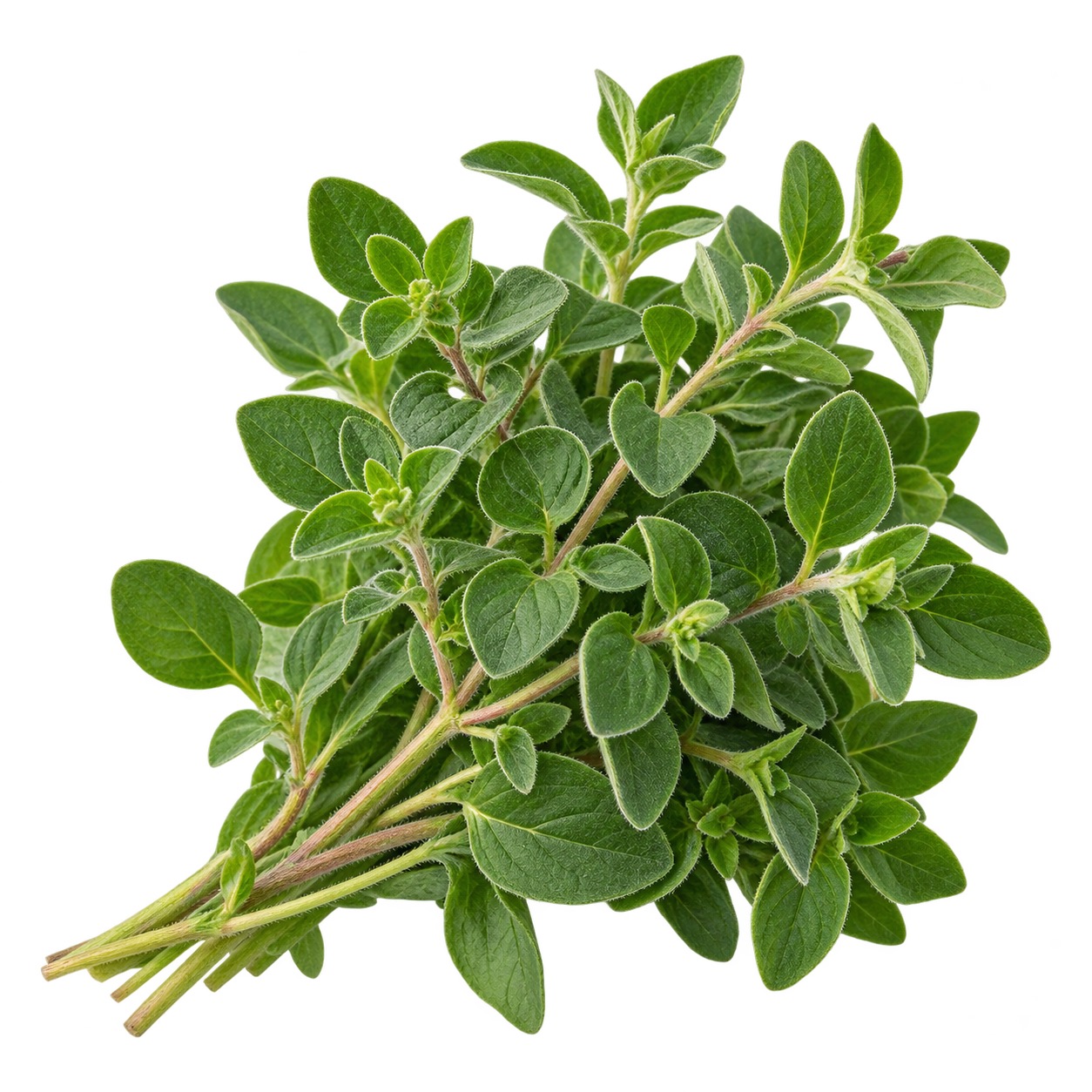
Culinary oregano belongs mainly to the genus Origanum, a group of aromatic plants in the mint family. Origanum vulgare is widely recognized as oregano and grows as an aromatic perennial with small opposite leaves and clusters of flowers. Oregano is strongly associated with Mediterranean cookery and is especially valued dried.
oreganoOregano thrives in sunny, well-drained conditions and is naturally associated with warm Mediterranean climates. Flavor varies with species, cultivar, climate, maturity and growing conditions.
The leaves provide the primary culinary value. Flowering stems are aromatic too, but commercial kitchens normally purchase and standardize the leaf portion for predictable recipe use.
Fresh oregano has green herbal notes with a more immediate leafy character. Use it carefully because some cultivars are assertive even when fresh.
Dried oregano delivers the familiar concentrated aroma expected in pizza, tomato sauces, marinades, baked dishes and many Greek preparations.
Professional sensory profile
Oregano's aromatic profile comes from multiple volatile compounds. Carvacrol and thymol are especially important in many oregano chemotypes, while other terpenes and phenolic compounds contribute complexity. The exact balance changes by species, cultivar and growing region.
Oregano family
| Name | Botanical / family note | Flavor | Professional culinary use |
|---|---|---|---|
| Common oregano | Origanum vulgare | Warm, herbal, slightly bitter; intensity varies | General Mediterranean cooking, sauces, roasts, vegetables |
| Greek oregano | Often O. vulgare subsp. hirtum | Strong, pungent, classic oregano aroma | Greek salads, lamb, grilled foods, potatoes, tomato, feta |
| Italian oregano | Commercial name may cover selected Origanum types or hybrids | Balanced Mediterranean aroma | Tomato sauce, pizza, eggplant, zucchini, beans, meat sauces |
| Syrian oregano / za'atar-type oregano | Origanum syriacum | Powerful, thyme-like, resinous | Levantine herb mixtures, grilled foods, breads |
| Sweet marjoram | Origanum majorana | Milder, sweeter, softer | Delicate meats, vegetables, forcemeats, soups, lighter sauces |
| Mexican oregano | Commonly Lippia graveolens; not the same plant as Mediterranean oregano | Earthy, citrusy, assertive | Mexican chile sauces, beans, braises and spice blends |
Form and concentration
Fresh oregano is brighter, greener and more herbaceous. Strip leaves from tough stems and use the leaves whole, torn or chopped. It works well with grilled vegetables, fish, fresh tomato, beans and marinades.
Dried oregano is concentrated and convenient. Good product should smell immediately aromatic when rubbed between the fingers. It performs especially well in cooked tomato sauces, pizza, baked vegetables, meat marinades and dry seasoning blends.
There is no universal fresh-to-dried conversion because cultivar, age and supplier strength vary. Start with substantially less dried oregano than fresh and adjust by aroma and finished flavor.
Add dried oregano early enough to hydrate and release aroma into sauces and braises. Add fresh oregano toward the middle or end when preserving fresh herbal character is important.
Professional culinary applications
Oregano and tomato have a powerful culinary affinity. Use in pizza sauce, cooked tomato sauce, baked tomatoes and tomato-based braises.
Dried oregano provides an immediately recognizable pizzeria aroma. Use carefully with high-quality tomato, cheese and olive oil so it does not dominate.
Excellent with grilled, roasted, fried or braised Mediterranean vegetables. Oregano cuts through oil and supports sweet roasted vegetable flavors.
Beans, chickpeas and lentils benefit from oregano in tomato preparations, salads, soups and warm vegetable dishes.
Works in marinades and seasoning for lamb, beef, pork and chicken, particularly with lemon, garlic, wine or olive oil.
Use a lighter hand. Oregano can pair with grilled fish, baked white fish and shellfish when supported by lemon, tomato or olive oil.
Oregano can season focaccia, flatbreads and savory bread toppings, particularly with tomato, olives, onion or cheese.
Pairs naturally with extra virgin olive oil, vinegar, lemon, garlic and black pepper in Mediterranean vinaigrettes.
A small measured amount can season croquette fillings, breadcrumb mixtures and fried vegetable preparations without overpowering the crust.
Storage & quality
Choose leaves that are aromatic and free from excessive wilting, slime or dark decay. Aroma should be clear and characteristic of the cultivar.
Keep refrigerated, protected from dehydration and crushing. Avoid excess surface moisture, which encourages rapid deterioration.
Keep sealed in a cool, dry, dark area away from steam and heat. Light, oxygen and repeated exposure to kitchen humidity degrade aroma.
Larger dried leaf pieces generally retain aroma longer than powder. Rub or crush near use when possible.
Rub a small amount between your fingers. If little aroma is released, the product may be too old for a high-quality professional kitchen.
Date dry herb containers and use first-in, first-out rotation. Do not continually top off old oregano with new product.
Commercial kitchen standard
A recipe specifying “oregano” should state fresh or dried. Two grams of dried oregano and two grams of fresh leaves do not produce the same flavor impact.
Flavor intensity can vary markedly by region, variety, cut and crop. For high-volume production, changing oregano suppliers may require recipe adjustment.
For production recipes, grams are more repeatable than “pinches” or spoon volume, especially with differently cut dried leaves.
Oregano itself is not one of the major food allergens, but shared spice scoops and containers can create cross-contact if kitchen procedures are poor.
Aromatic compounds
Oregano contains volatile aroma compounds and plant polyphenols. Scientific literature commonly identifies carvacrol, thymol and rosmarinic acid among notable oregano constituents. These compounds help explain aroma and laboratory antioxidant activity, but normal culinary use should not be presented as treatment for disease.
Tuscany Cuisine recipe usage
As the ingredient library expands, this page becomes the canonical educational destination for the oregano identity used by recipes, inventory, purchasing and culinary learning.
Recipe ID 143 · APP-EGGPLANT-CROQUETTE-0143
Current usage: 2 g oregano in the croquette mixture for 4 base servings. Station: Antipasti.
One ingredient · one identity
oreganooreganooregano/academy/ibrary/veggies/herbs/oregano.html/academy/ibrary/veggies/herbs/origano.pngoregano is preserved rather than creating a duplicate identity.Oregano FAQ
Neither is universally better. Dried oregano gives the concentrated aroma expected in pizza and cooked tomato preparations; fresh oregano gives greener, more immediate herbal character.
No. They are close relatives in the genus Origanum, but sweet marjoram is typically softer, sweeter and less pungent than oregano.
Sometimes, but not invisibly. Mexican oregano commonly comes from Lippia graveolens and has a different botanical identity and flavor profile. Adjust the recipe intentionally.
For sauces, braises and baked dishes, add it early enough to hydrate and bloom in the cooking liquid or fat. For finishing aroma, reserve a small amount for later only when appropriate.
Reference sources