Professional ingredient knowledge by Chef David Giani
Vegetable Foundation • Allium Family

Onions

One of the essential foundations of world cuisine. Onions build sweetness, aroma, savory depth, acidity, texture and color in raw preparations, sauces, soups, braises, roasts, grilled dishes and modern precision cooking.

The variety, cut, temperature and cooking time determine whether an onion tastes crisp and pungent, delicate and fresh, deeply caramelized, smoky or meltingly tender.

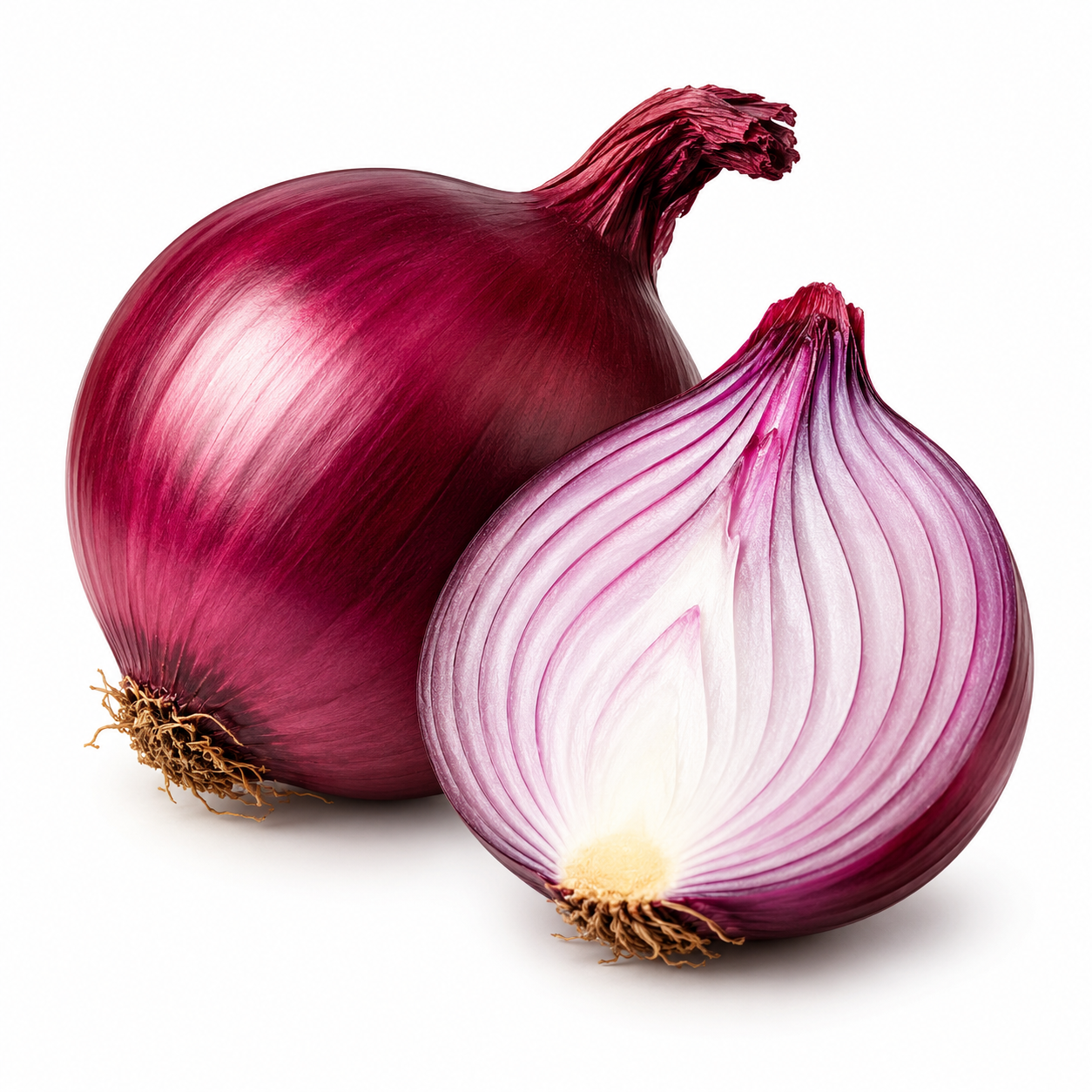
Whole and halved red onion ingredient icon
Botanical familyAmaryllidaceaeAllium cepa and related cultivated alliums.
Core flavorPungent to SweetSulfur compounds soften and sugars concentrate with cooking.
Kitchen roleAromatic FoundationUsed raw, sweated, browned, roasted, grilled, braised and pickled.
Primary storageCool, Dry & VentilatedKeep cured bulbs away from moisture and direct light.
History & Culinary Importance

An Ancient Ingredient With Global Reach

Onions have been eaten since very early human history. Their durability, portability and ability to add flavor made them valuable long before modern refrigeration.

From Early Cultivation to the Professional Kitchen

Food historians generally place the early origins of cultivated onions in Central or Southwest Asia, with ancient use extending through Egypt, the Mediterranean, Europe and Asia. Today, onions are central to soffritto, mirepoix, sofrito, masala bases, stocks, sauces, soups, stews, relishes and countless regional dishes.

In professional cooking, onions are not a single flavor. A raw red onion provides crispness and pungency; a slowly cooked yellow onion provides sweetness and depth; a charred spring onion adds smoke; and a pearl onion provides a tender, elegant garnish.

Ingredient Identification

Major Onion Types and Flavor Profiles

Select the onion according to intensity, sweetness, water content, color, holding ability and the intended cooking method.

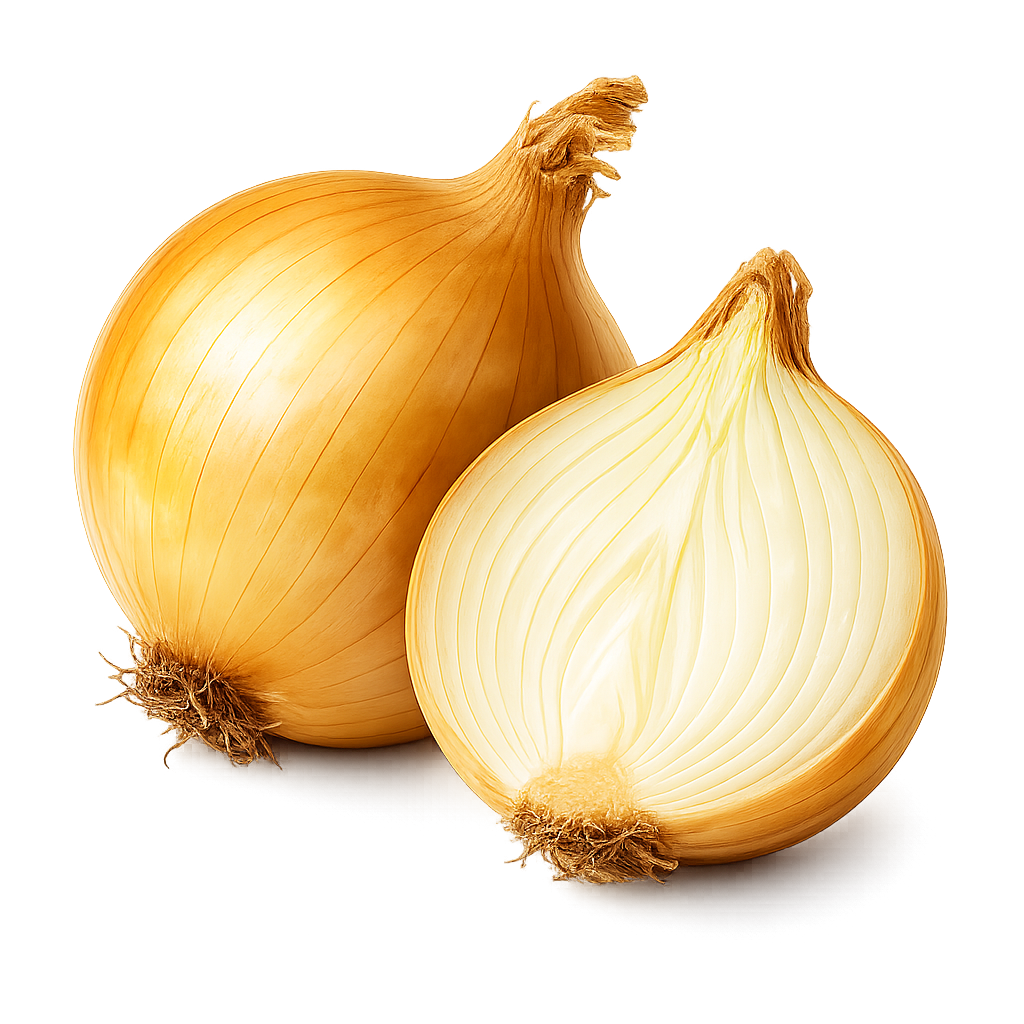
Yellow onion ingredient icon
Kitchen Standard

Yellow Onion

The professional kitchen's all-purpose onion. Assertive sulfur notes become deeply sweet, savory and aromatic during slow cooking.

  • Excellent caramelization potential
  • Reliable for long cooking
  • Strong storage performance when cured
Best uses: stocks, soups, soffritto, ragù, braises, sauces, stews and caramelized onions.
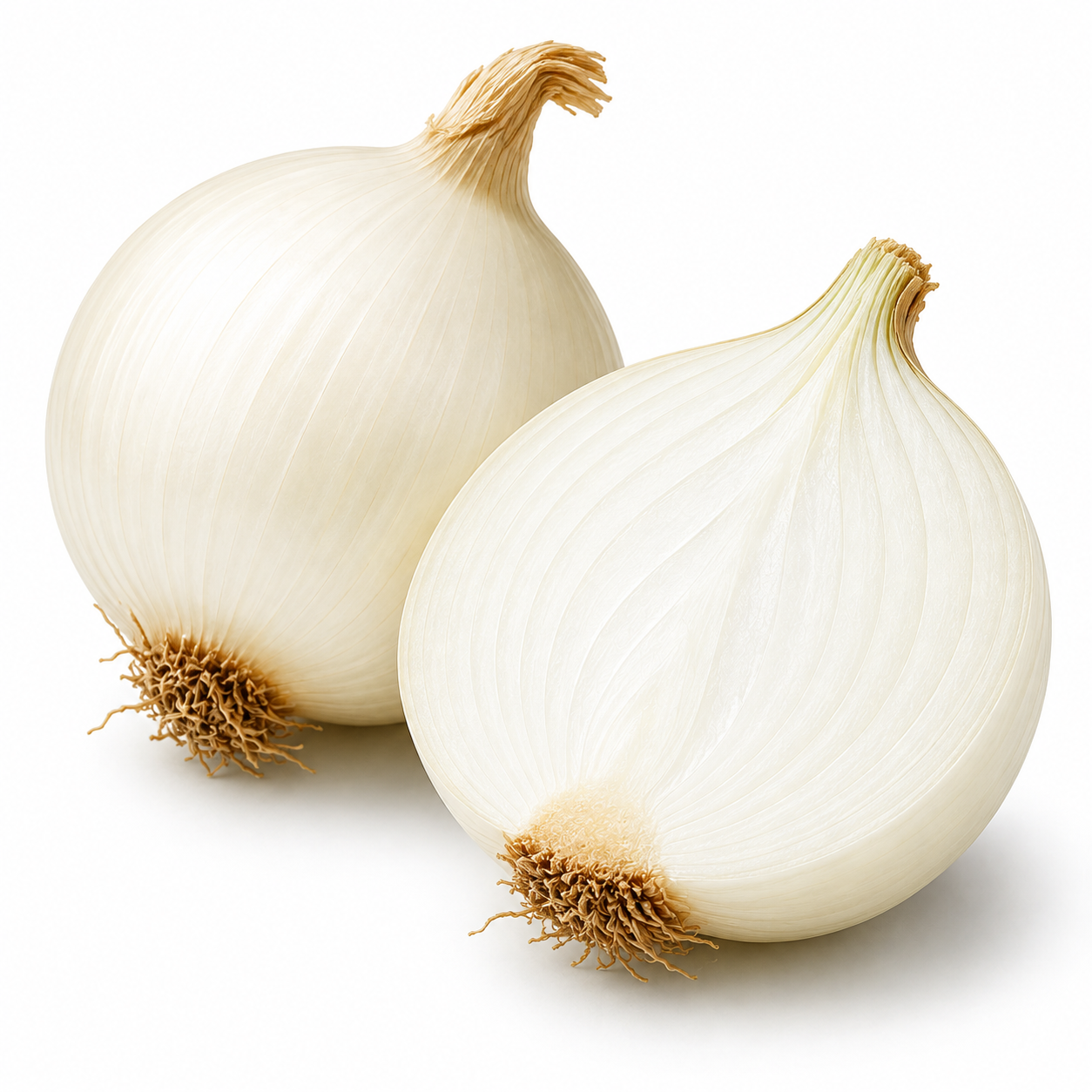
White onion ingredient icon
Clean & Sharp

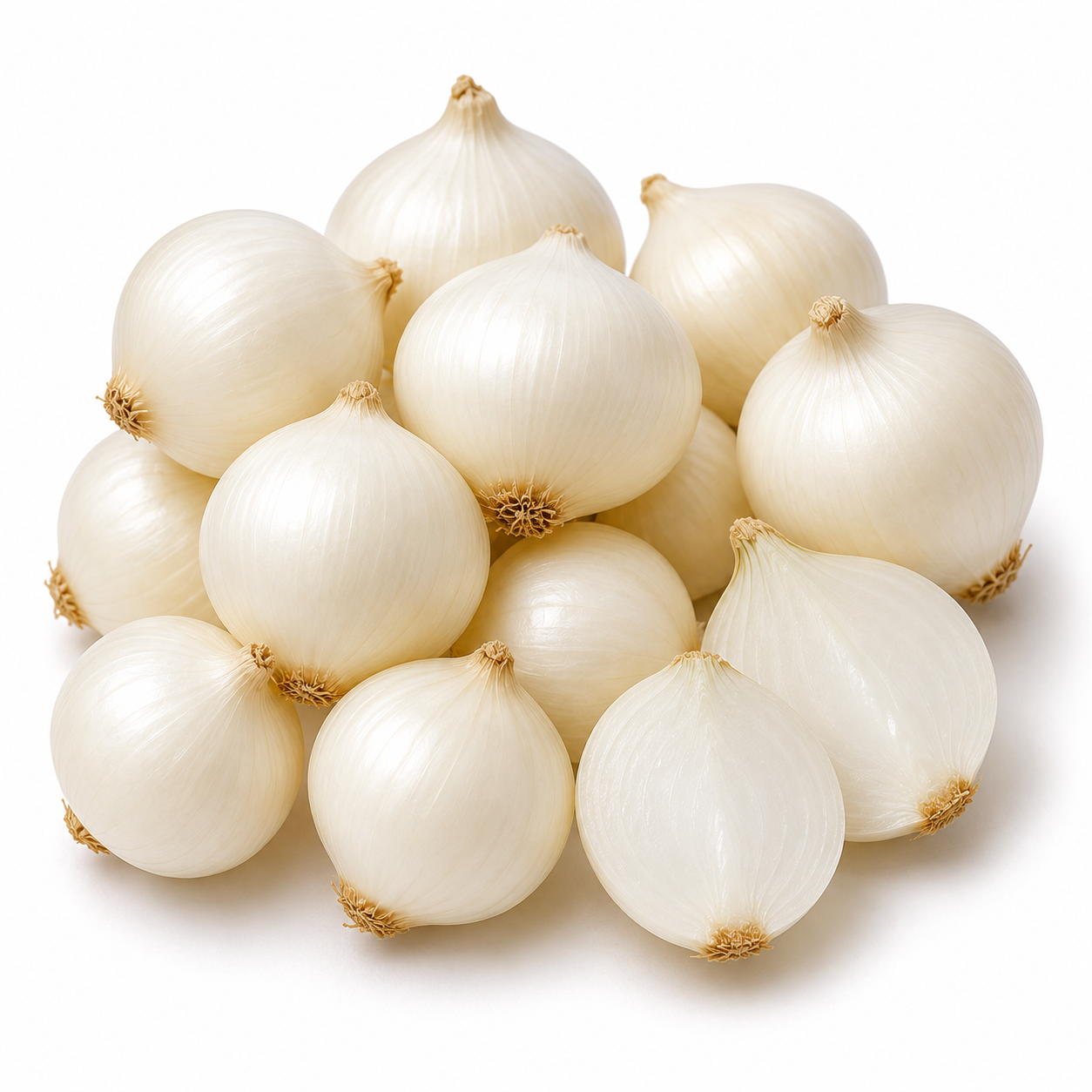
White Onion

Crisp and juicy with a clean, bright onion flavor that is often sharper than yellow onion and especially effective in fresh preparations.

  • Bright, direct flavor
  • High moisture and crisp texture
  • Softens quickly with heat
Best uses: salsa, tacos, guacamole, ceviche, chutney, sautés and light sauces.
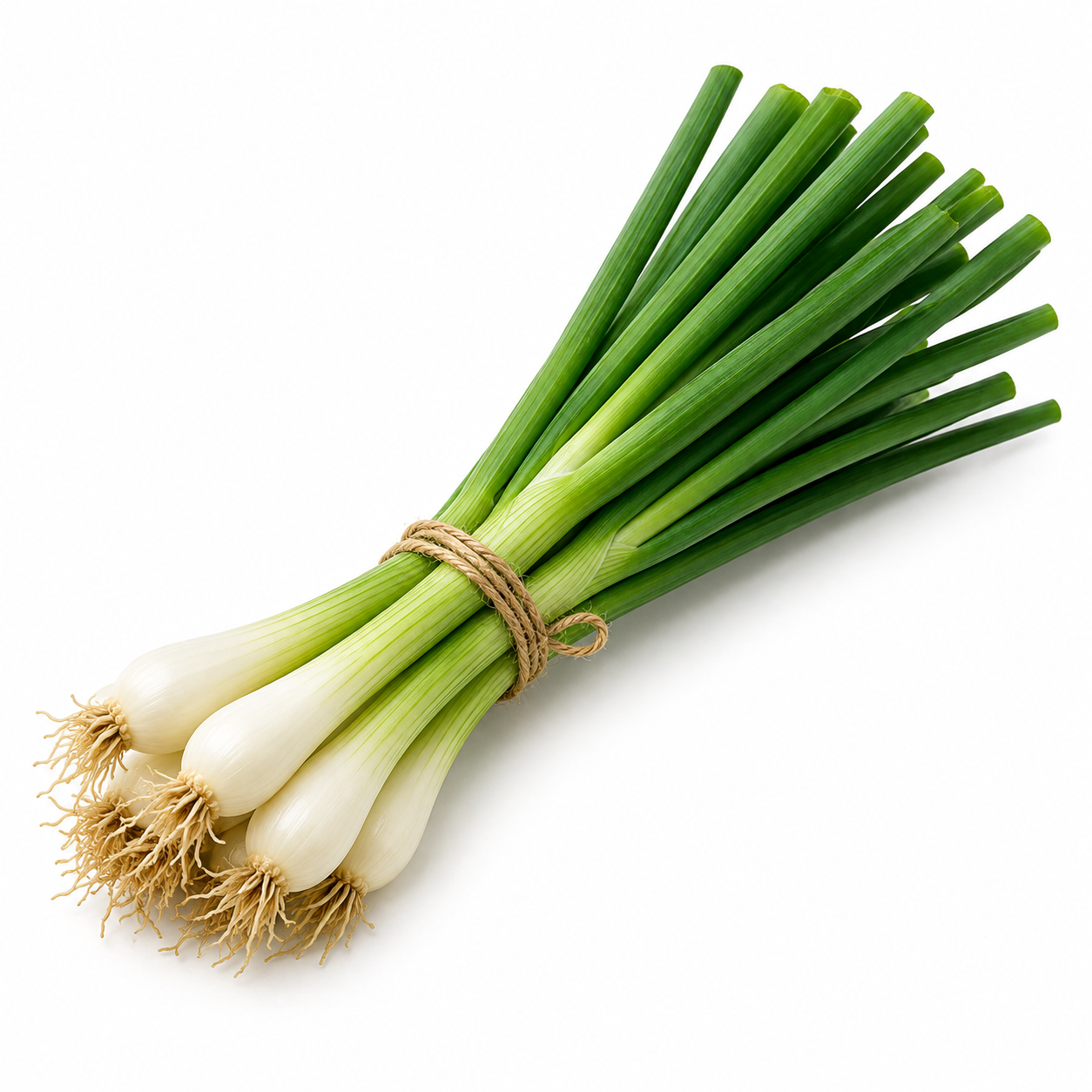
Green onions and scallions ingredient icon
Fresh Allium

Green Onion / Scallion

Mild, fresh and grassy. The white base delivers gentle onion flavor, while the green tops behave more like a delicate aromatic herb.

  • Mild sweetness and low pungency
  • Excellent fresh garnish
  • Best with short cooking or late addition
Best uses: garnish, stir-fry, noodles, soups, sauces, pancakes, seafood and compound oils.
Pearl onions ingredient icon
Elegant Garnish

Pearl Onion

Small, round bulbs with delicate sweetness and enough structure to stay whole during glazing, braising and roasting.

  • Naturally sweet and mild
  • Holds an attractive whole shape
  • Available fresh, frozen or pickled
Best uses: glazing, coq au vin, stews, roasted meats, braises, pickling and composed garnishes.
Spring onion with developed bulb ingredient icon
Seasonal

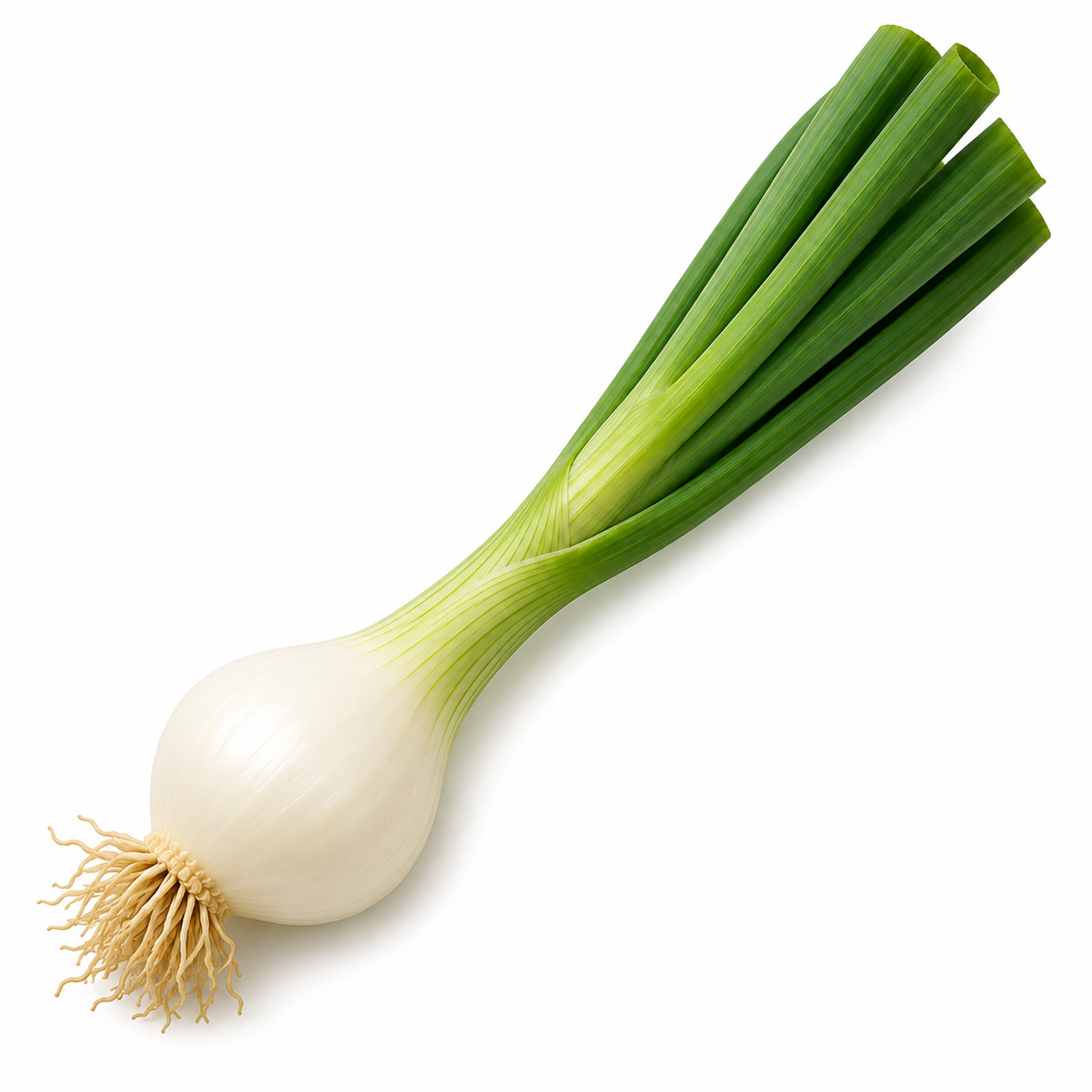
Spring Onion

A young onion with a visibly developed bulb, tender green leaves and a juicy, mild sweetness that distinguishes it from a slender scallion.

  • Larger, succulent bulb
  • Mild fresh onion flavor
  • Excellent for whole cooking
Best uses: grilling, charring, roasting, braising, seasonal vegetables, fish and steak garnishes.
Chef's distinction: Scallions typically have a narrow, undeveloped bulb. Spring onions are harvested later and show a more pronounced round bulb. Market naming varies, so inspect the actual product rather than relying only on the label.
Professional Technique

How Cooking Changes Onion Flavor

Control moisture, surface contact, temperature and time to move from raw pungency toward tenderness, sweetness, browning, smoke or concentrated savory depth.

🥗

Raw

Slice thinly for salads, tartare, crudo and salsa. Rinse or soak briefly in cold water to soften excessive pungency.

🔥

Grilled

Use thick rounds, wedges or whole spring onions. High heat adds char while the center becomes sweet and tender.

🍳

Sweated

Cook gently with fat and salt without browning to release moisture and build a soft aromatic foundation.

🟤

Caramelized

Cook slowly until deeply browned and concentrated. Frequent stirring and controlled heat prevent scorching.

🍲

Braised

Cook wedges or whole small onions in stock, wine or sauce until tender while preserving enough structure for service.

♨️

Sous Vide

Vacuum-pack peeled onions with fat, seasoning and aromatics for precise tenderness, then finish by searing, glazing or charring.

🫙

Pickled

Acid, salt and sugar transform raw onion into a bright condiment for seafood, tacos, sandwiches and composed salads.

🔥

Roasted

Halves, wedges or whole bulbs develop sweetness, browned edges and a soft interior in dry oven heat.

💧

Boiled / Blanched

Useful for peeling pearl onions, softening harshness or preparing onions for glazing, stuffing and purée.

🌫️

Smoked

Smoke whole or cut onions to add depth to sauces, relishes, purées, vinaigrettes and grilled dishes.

🧈

Confit

Cook slowly in fat for a silky, rich texture that works in sandwiches, flatbreads, pasta and savory tarts.

🥣

Purée

Blend roasted, boiled or caramelized onions into smooth bases for soups, sauces, garnishes and vegetable preparations.

Technique Selection

Matching Variety to Application

Use this table as a practical starting point for recipe development and production planning.

OnionRaw flavorCooked characterPreferred techniquesProfessional applications
RedCrisp, colorful, pungentSweet, soft, less vibrantRaw, pickle, grill, roastTartare, salads, relishes, tacos, sandwiches
YellowAssertive, sulfurousDeeply sweet and savorySweat, caramelize, braise, roastStocks, soups, sauces, stews, ragù
WhiteClean, sharp, juicyLightly sweet, tenderRaw, sauté, grill, simmerSalsa, Latin dishes, chutneys, light sauces
Green / ScallionMild, fresh, grassySweet, delicateRaw, stir-fry, grill, charGarnish, noodles, soups, sauces, pancakes
PearlMild and concentratedSweet, tender, glossyBlanch, glaze, braise, roastStews, coq au vin, garnish, pickles
SpringFresh and succulentSweet with light allium depthGrill, roast, char, braiseSeasonal plates, vegetables, fish and meat garnish
Purchasing & Storage

Professional Quality Standards

Good onion quality begins with the correct maturity, curing and handling for the variety.

Choose onions that are

  • Firm and heavy for their size
  • Dry and clean at the surface
  • Free from soft spots, mold and wet breakdown
  • Appropriate in size and shape for the planned cut
  • Fresh-smelling without fermented or sour odors
  • Uniform enough for consistent production

Storage and handling

  • Store cured bulb onions in a cool, dry, ventilated area
  • Keep away from standing moisture and direct sunlight
  • Refrigerate green onions, spring onions and cut onions
  • Label and date peeled or sliced production
  • Use clean knives to prevent bruising and contamination
  • Rotate stock using first-in, first-out procedures
Notable Origins & Production

Celebrated Onion Regions of the World

Large production volume and exceptional regional quality are different ideas. Some countries lead global production, while protected regional onions are prized for distinctive flavor and terroir.

China & India

Among the world's largest onion-producing nations, supplying enormous domestic and export markets across many varieties and seasons.

Cipolla Rossa di Tropea Calabria IGP

A celebrated sweet red onion from Calabria, Italy, recognized for mildness, crispness and distinctive regional identity.

Vidalia, Georgia

A protected American sweet-onion name associated with a mild flavor and production in a designated region of Georgia.

Walla Walla, Washington

A well-known American sweet onion valued for fresh eating, grilling and seasonal preparations.

Maui, Hawaii

A mild sweet onion associated with Hawaiian agriculture and valued for salads, grilling and tropical preparations.

Mediterranean Traditions

Italy, Spain, France, Greece, Turkey and North Africa use onions as essential foundations for sauces, stews, grilling and preservation.

Tuscany Cuisine Ingredient System

Distinct Onion Records, Connected Uses

Each onion icon can connect recipe ingredients to culinary education, inventory, purchasing, costing, preparation, production and future AI-assisted recipe creation.

Ingredient recordsRed Onion · White Onion
CategoryVegetables / Alliums
Icon filesredonion.png · whiteonion.png
Library pageveggies/onions.html
Primary unitsg, kg, each
Ingredient codesTC-VEG-ONION-RED · TC-VEG-ONION-WHITE
Frequently Asked Questions

Onion Kitchen Questions

Which onion is best for caramelizing?

Yellow onions are the most dependable all-purpose choice because their balance of sulfur compounds, moisture and sugars produces deep savory sweetness during long cooking.

Which onion is best for raw seafood dishes?

Red onion is popular for tartare, ceviche and crudo because it contributes crisp texture and color. Slice or dice finely and rinse briefly when a milder result is preferred.

Can onions be cooked Sous Vide?

Yes. Peeled onions can be vacuum-packed with fat, salt and aromatics for controlled tenderness. A final sear, glaze or char adds surface color and roasted flavor.

What is the difference between scallions and spring onions?

Scallions usually have a narrow white base with little bulb development. Spring onions are more mature and show a rounded bulb with stronger onion flavor.

Why do onions become sweeter when cooked?

Heat reduces raw pungency, drives off moisture and allows natural sugars and savory compounds to concentrate. Browning adds further complexity.