Green / Shelling Peas
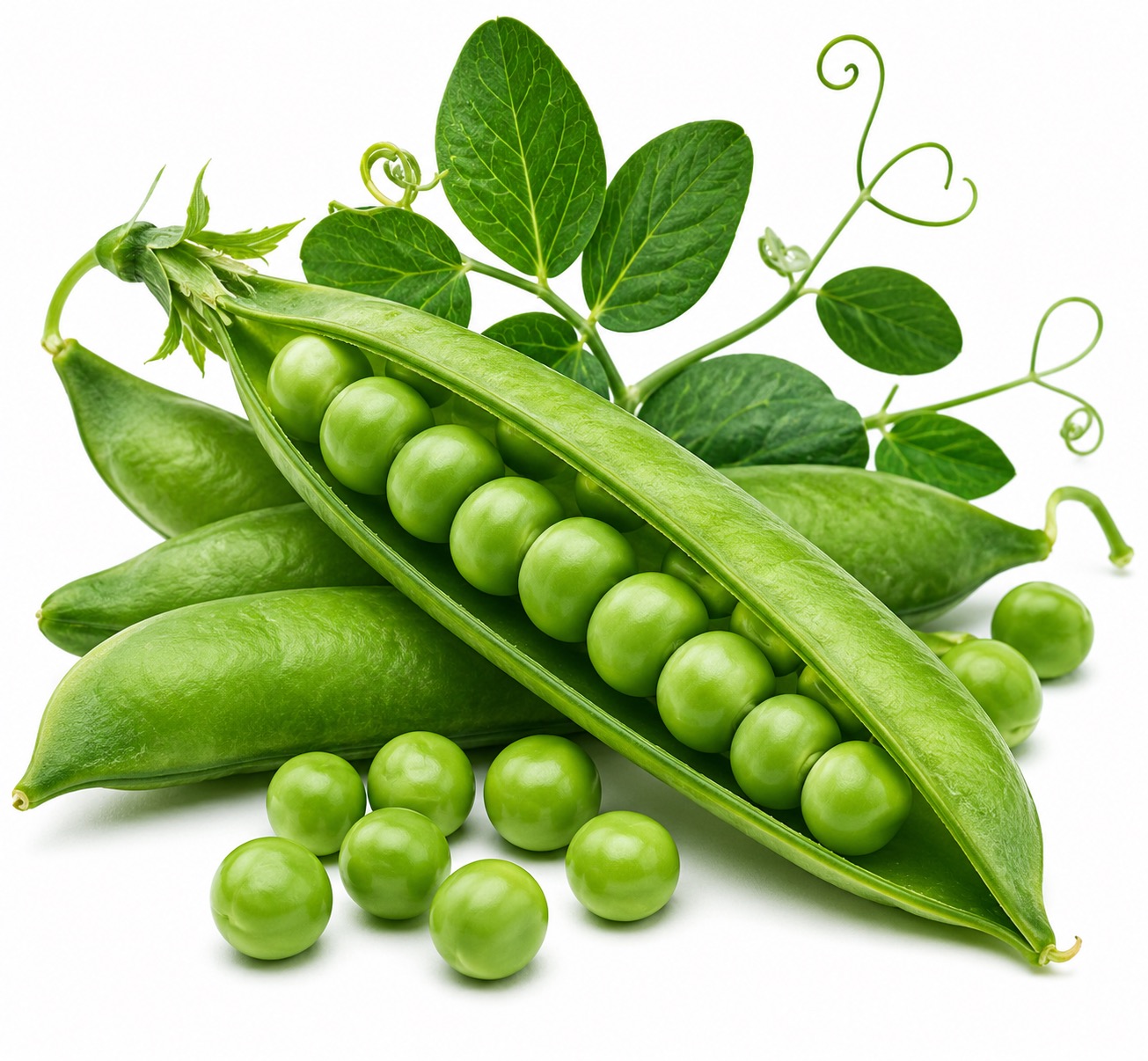
Grown mainly for the round seeds inside the pod. The pod is normally discarded in professional kitchen production unless intentionally used for stock or extraction.
Sweet, tender garden peas harvested before full maturity and used across Italian and international cuisine in soups, risotti, pasta, purees, sauces, vegetable garnishes and refined plated preparations.
Ingredient Identity
Fresh green peas are harvested while the seeds are tender, green and naturally sweet. As peas mature, sugars gradually convert to starch and the texture becomes firmer. The Tuscany Cuisine identity therefore distinguishes fresh green peas from dried peas, split peas, snow peas and sugar snap peas.
TC-VEG-GREEN-PEAS-001fresh_green_peasTC-ICON-VEG-GREEN-PEAS-001gPea Types
Grown mainly for the round seeds inside the pod. The pod is normally discarded in professional kitchen production unless intentionally used for stock or extraction.
Flat edible pods harvested before the seeds enlarge. Used whole in sautés, stir-fries, salads and vegetable garnishes.
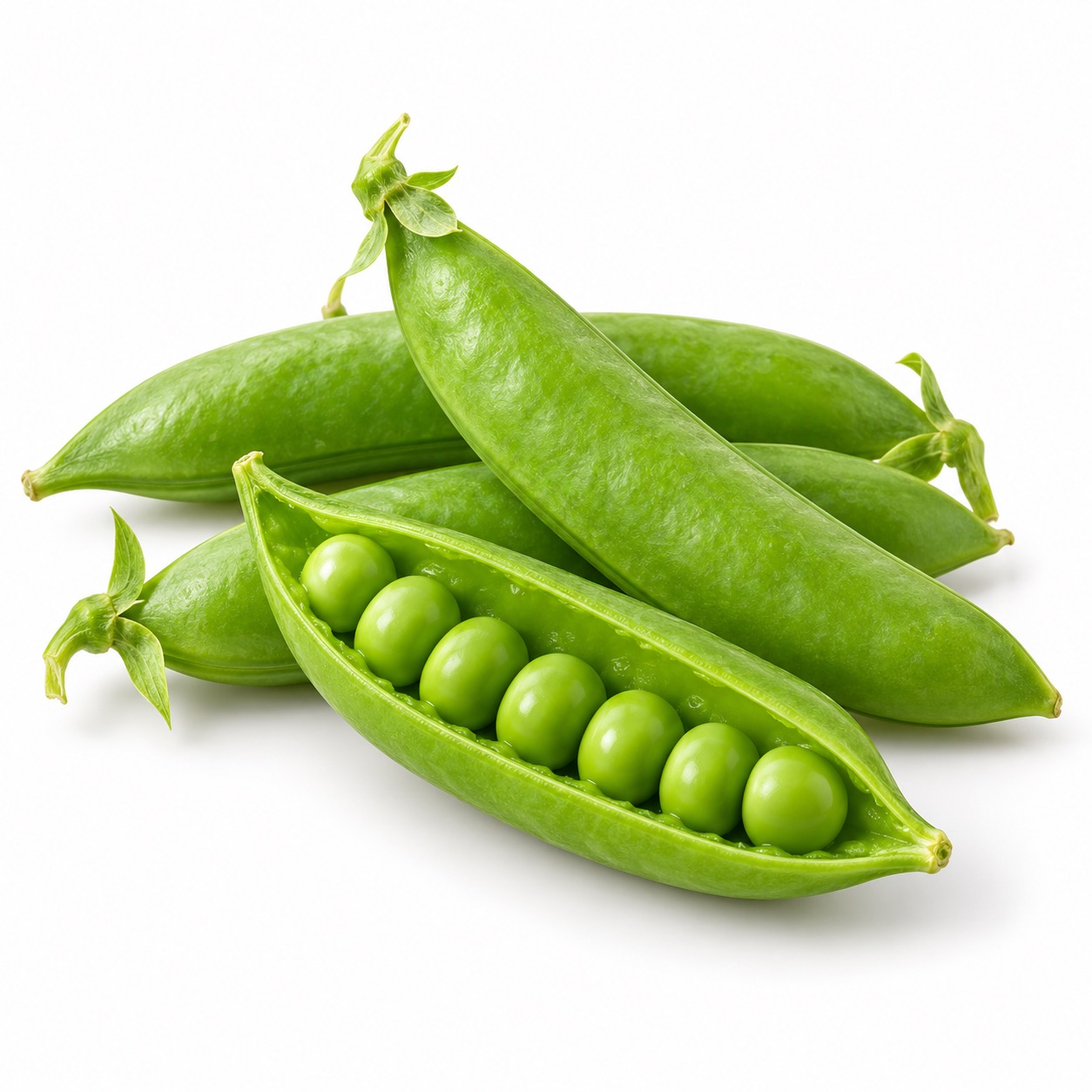
Plump edible pods with developed peas inside. Crisp, juicy and naturally sweet, sugar snap peas are commonly served raw, lightly blanched, sautéed or stir-fried, either whole or sliced as a fresh vegetable component.
History & Culinary Identity
Peas are among the oldest cultivated legume crops. Historically, mature peas were commonly dried for storage and winter use. The later preference for tender green peas helped establish fresh shelling peas as a prized spring vegetable in European kitchens. In Italian cuisine, piselli appear in risotti, soups, pasta, braises, vegetable side dishes, sauces and seasonal preparations.
Seasonality & Cultivation
Peas favor cool conditions and are strongly associated with spring and early-summer harvests in many regions.
For shelling peas, harvest while pods are bright, crisp and full but before seeds become oversized or mealy.
Very fresh peas need little cooking. Older peas may require more cooking and often benefit from puree or soup applications.
Selection & Receiving
Choose crisp, vivid green pods that feel full without being leathery or excessively swollen. Yellowing, dryness and hard seeds indicate advanced maturity.
Look for plump, moist, vivid green peas with a clean fresh aroma. Avoid slime, sour odors, excessive wrinkling or dull gray-green color.
Professional Technique
Use brief salted-water blanching followed by rapid chilling when peas will be held for later service.
Finish quickly with butter or olive oil, aromatics and a small amount of seasoning.
Blend cooked peas with stock, water, cream, olive oil or herb components for soups, sauces and coulis.
Storage & Production
Hold fresh peas promptly in refrigerated produce storage.
Prevent dehydration and avoid excessive trapped moisture that accelerates deterioration.
Shelling close to use helps protect freshness, sweetness and usable quality.
Nutrition Context
Green peas contribute carbohydrate, plant protein, dietary fiber and micronutrients. Their exact nutritional contribution depends on variety, maturity, cooking method and serving size. Tuscany Cuisine therefore calculates nutrition from recipe quantities rather than treating peas as a generic garnish.
Confirmed Tuscany Cuisine Usage
Zucchini Scapece Filled Tomato uses 57 g of fresh green peas. They are lightly sweated and used as part of the plated vegetable base beneath the filled tomato.
Professional Culinary Uses
Risotto, pasta sauces, filled pasta garnishes and spring vegetable combinations.
Velouté, cream soups, clear broths, pea purees, coulis and blended sauces.
Butter-glazed peas, peas with herbs, onions, pancetta-style accompaniments and mixed spring vegetables.
Blanched and chilled peas in grain salads, composed salads and vegetable salads.
Excellent with fish, shellfish, poultry, lamb and delicate braised meats.
Whole peas, crushed peas, puree dots, coulis and bright green seasonal garnish.
Tuscany Cuisine Platform Record
TC-VEG-GREEN-PEAS-001fresh_green_peasTC-ICON-VEG-GREEN-PEAS-001/academy/ibrary/veggies/greenpeas.png/academy/ibrary/veggies/peas.html